Region
Museums, galleries and heritage in Hauts-de-France
313 places to discover across Hauts-de-France.
Including Château de Chantilly, Cathédrale d'Amiens and Château de Pierrefonds.
60 of 134 places, sorted by distance from the center
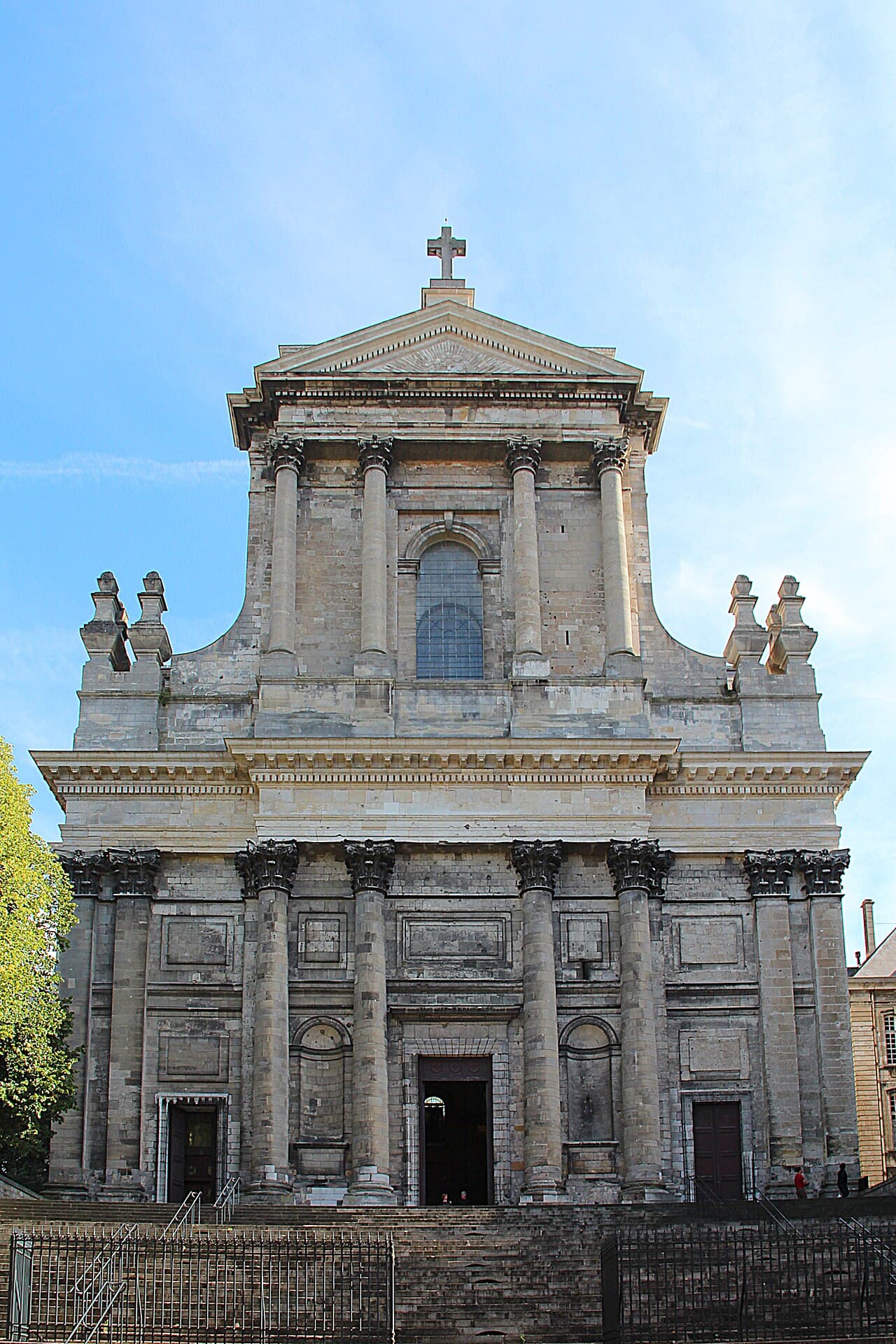 Religious site
Cathédrale Saint-Vaast d'Arras
Arras
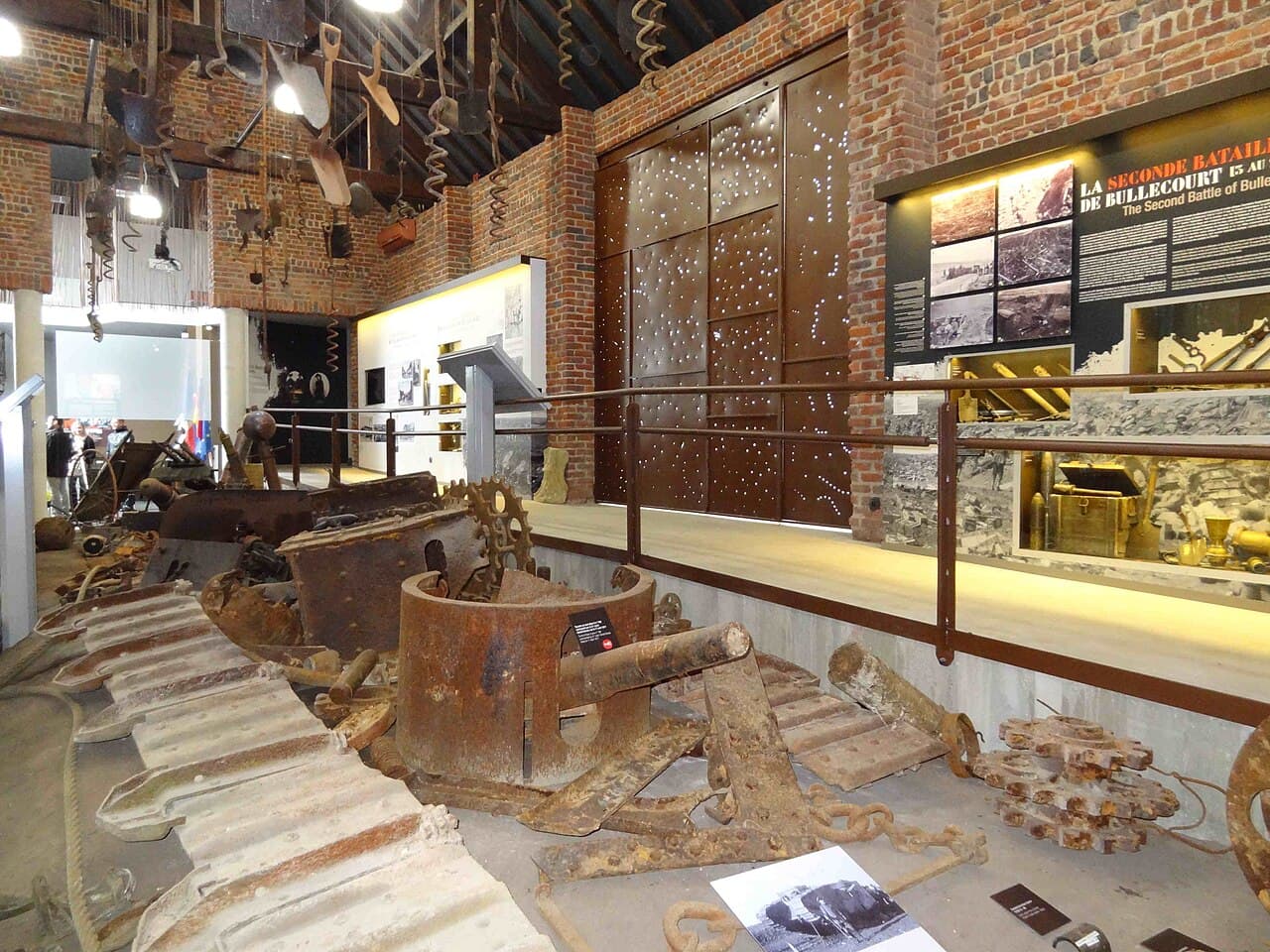 Museum
Musée Jean et Denise Letaille
Bullecourt
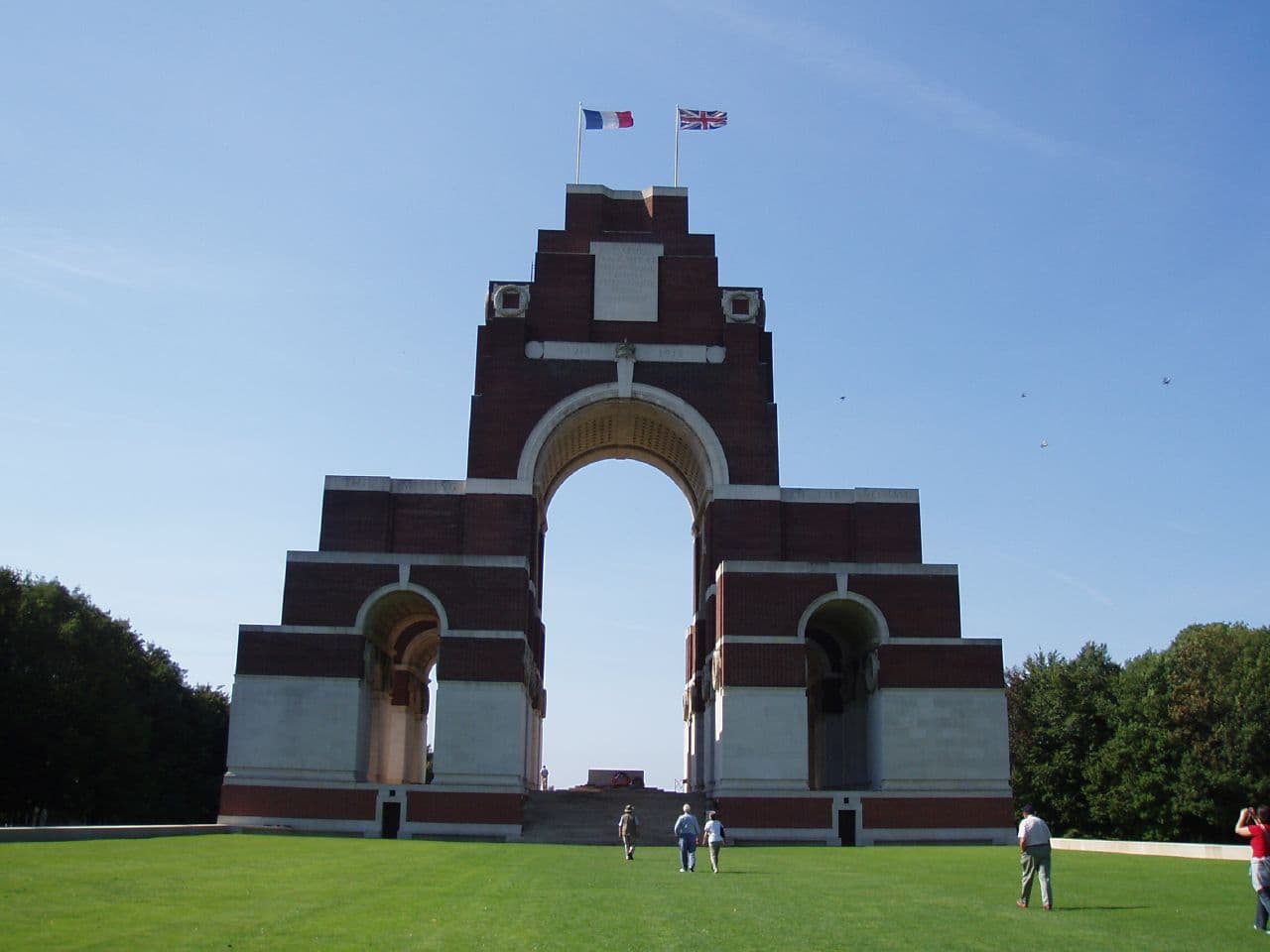 Heritage
Funerary and Memorial Sites of the First World War (Western Front)
Thiepval
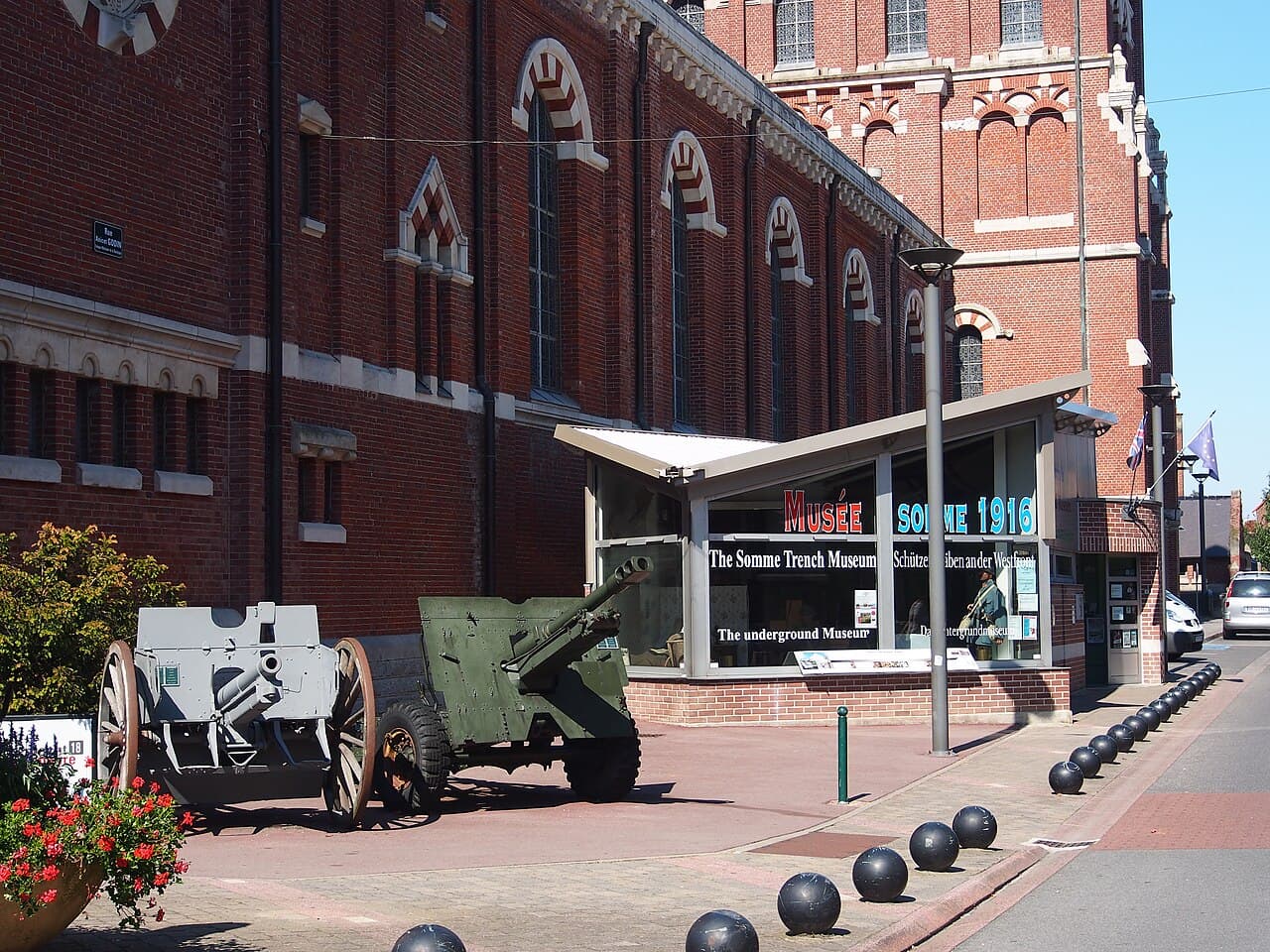 Museum
Musée Somme 1916
Albert
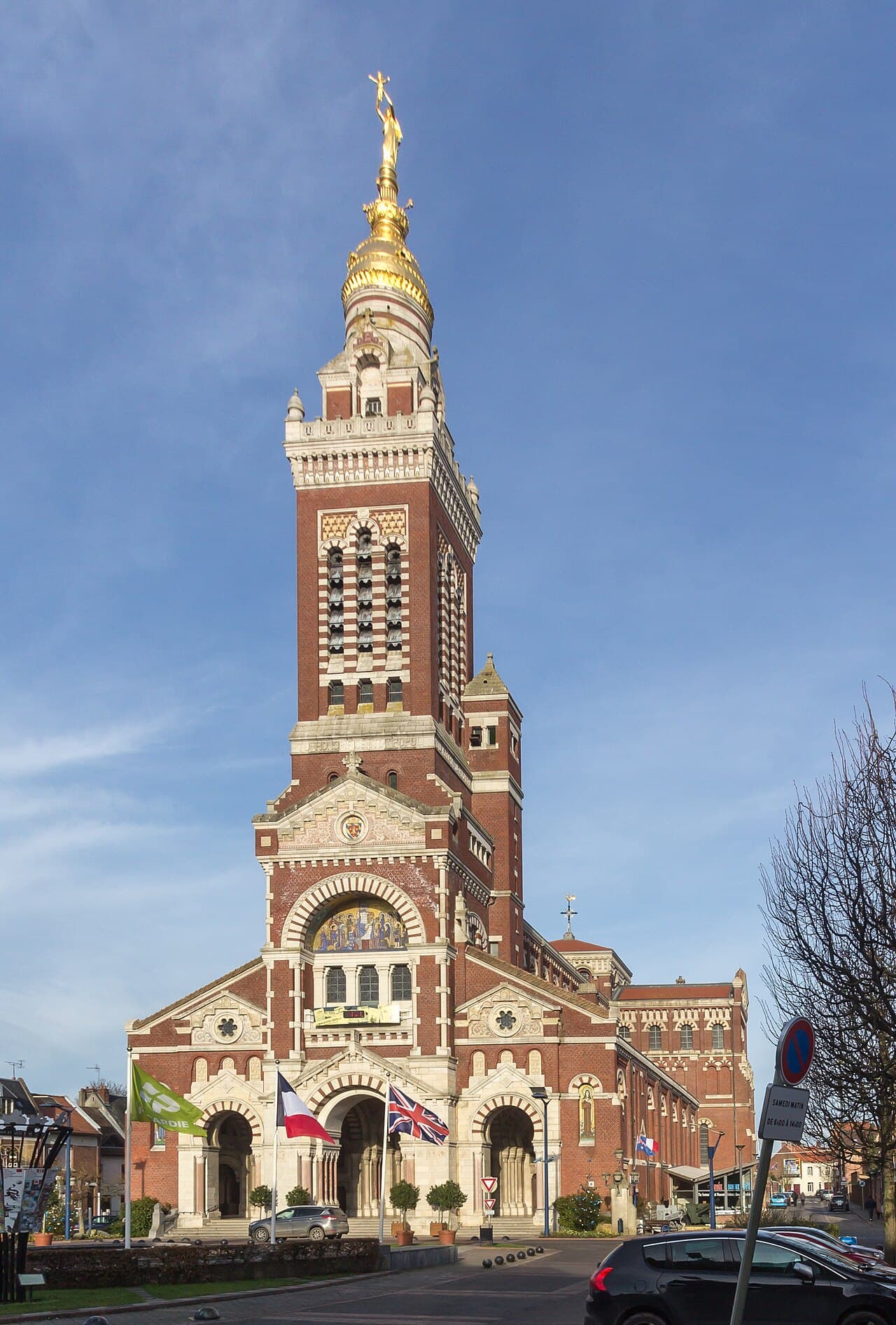 Religious site
Basilique Notre-Dame-de-Brebières
Albert
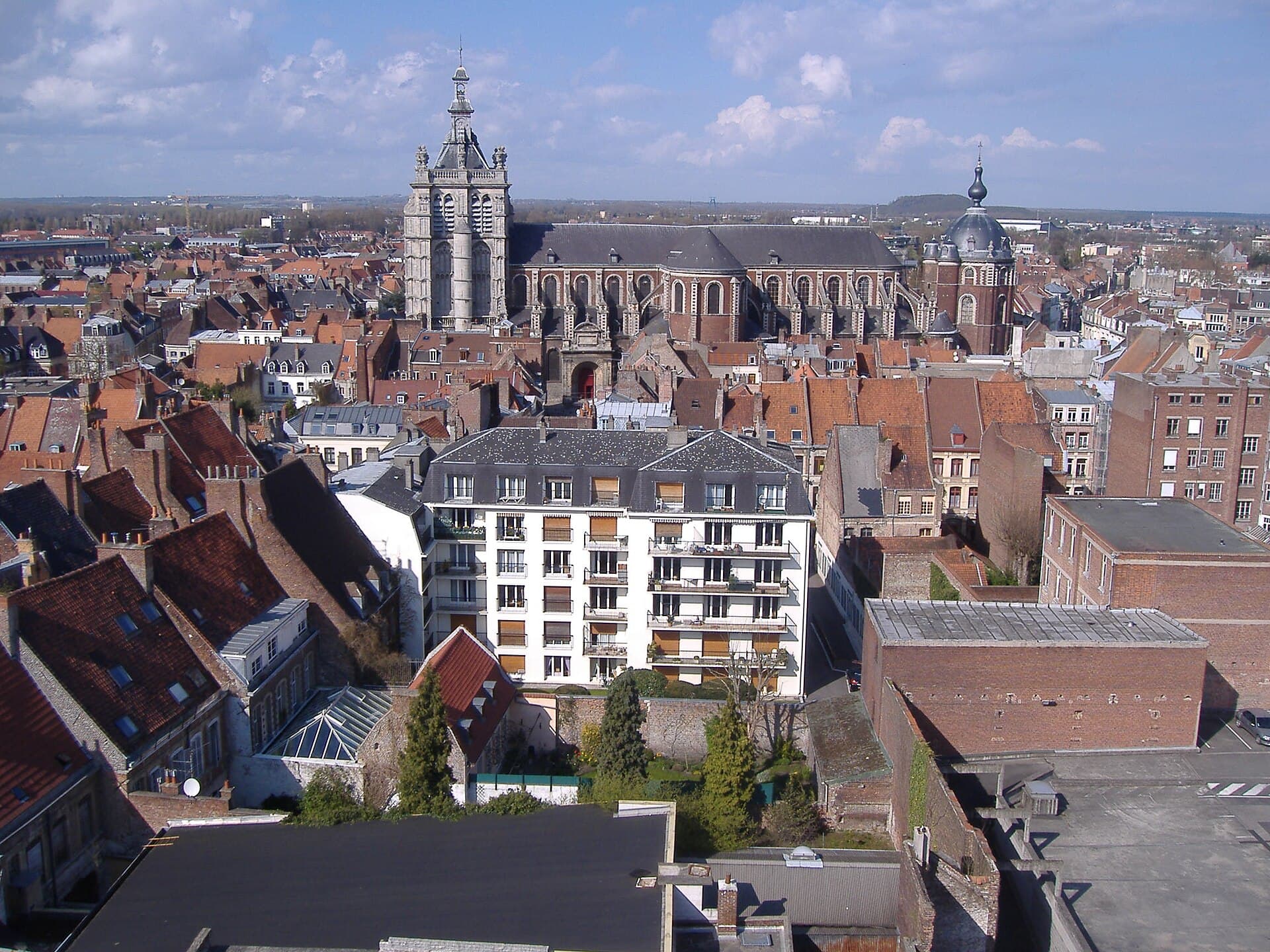 Religious site
Collégiale Saint-Pierre de Douai
Douai
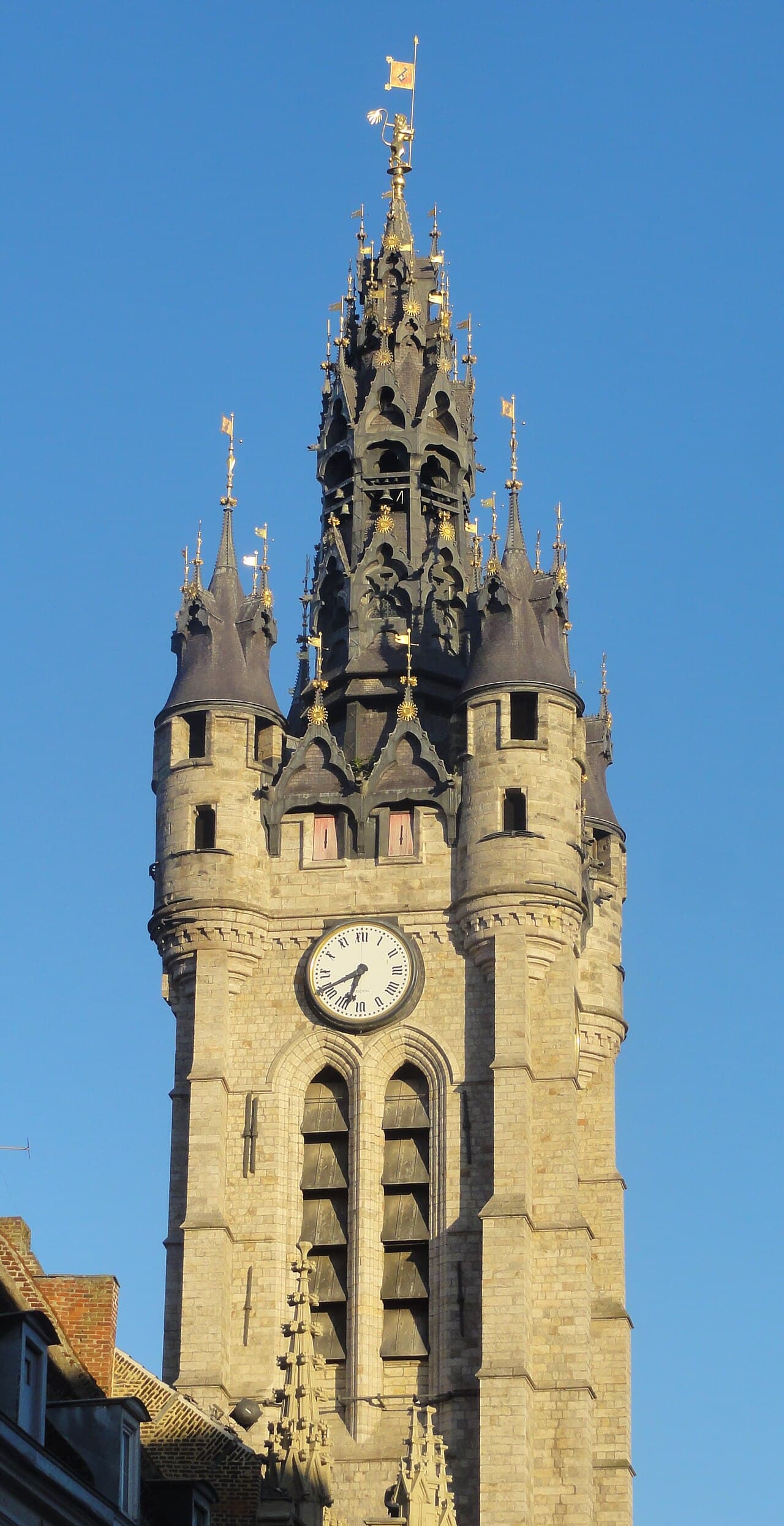 Heritage
Belfries of Belgium and France
Douai
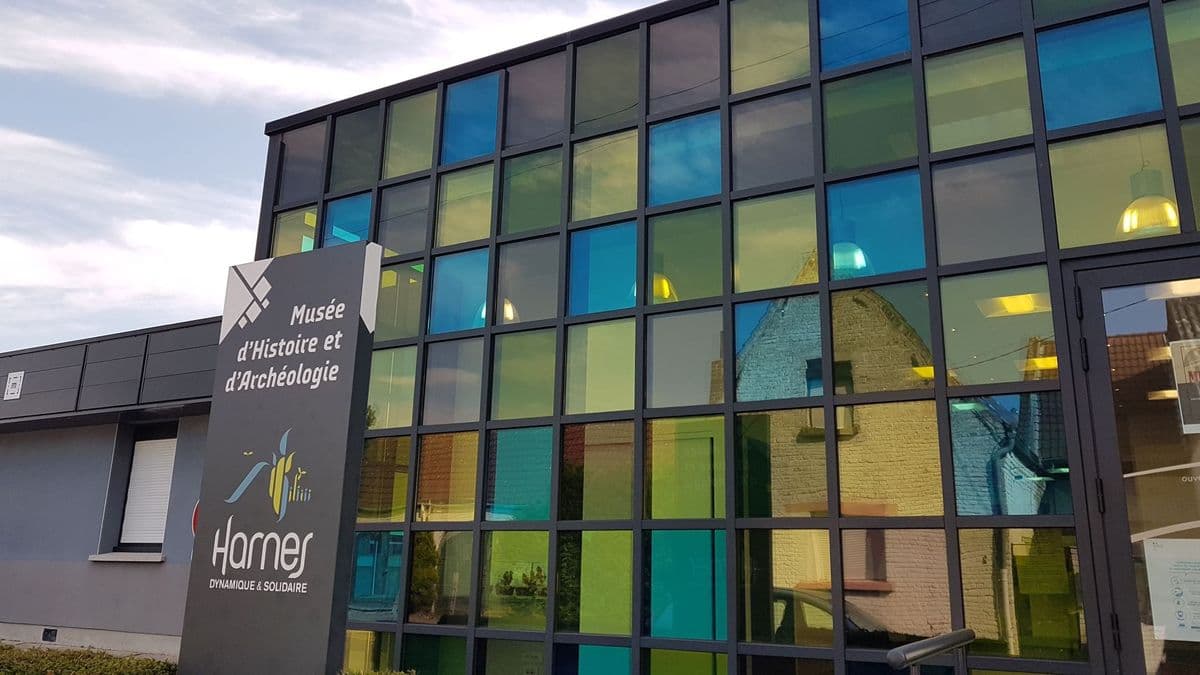 Museum
Musée d'Histoire et d'Archéologie - Harnes
Harnes
 Heritage
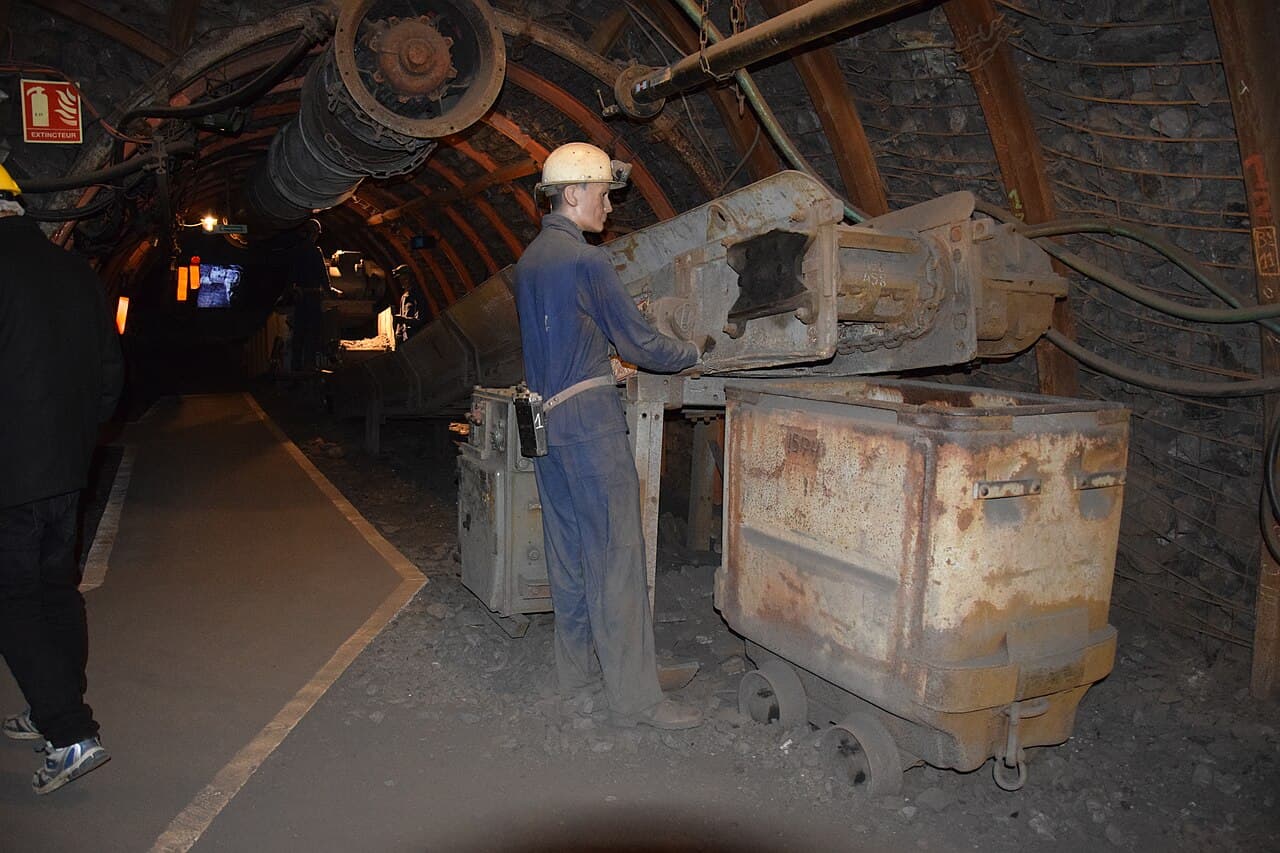
Nord-Pas de Calais Mining Basin
Lewarde
 Museum
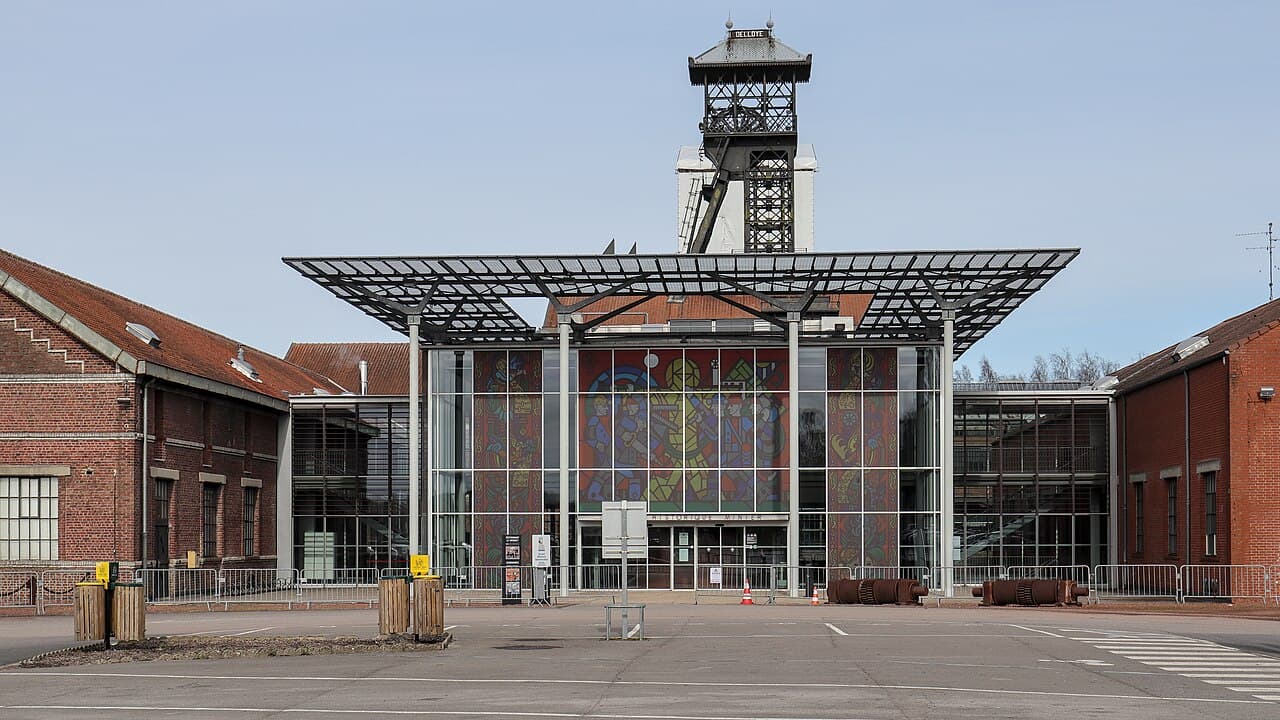
Centre Historique Minier de Lewarde
Lewarde
 Museum
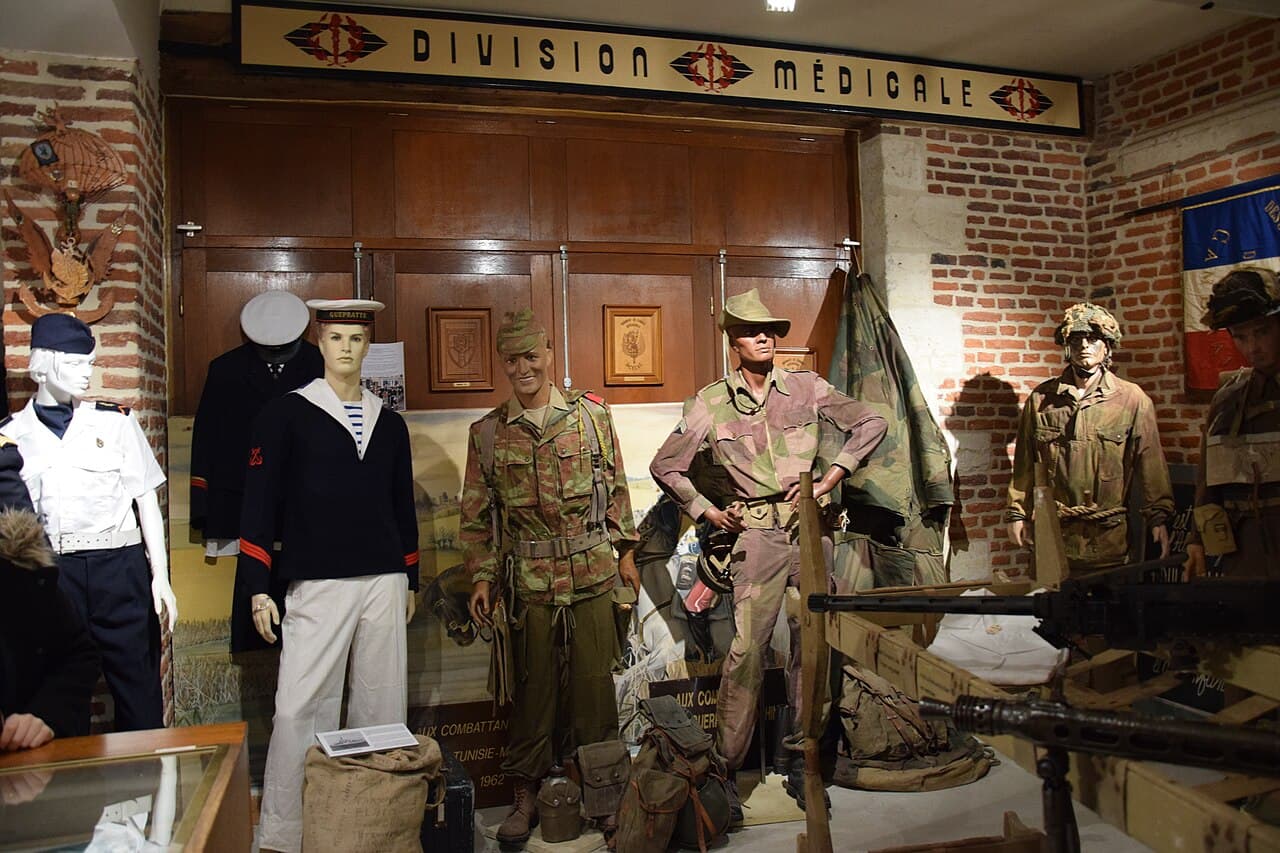
Musée Militaire de Cambrai
Cambrai
 Museum
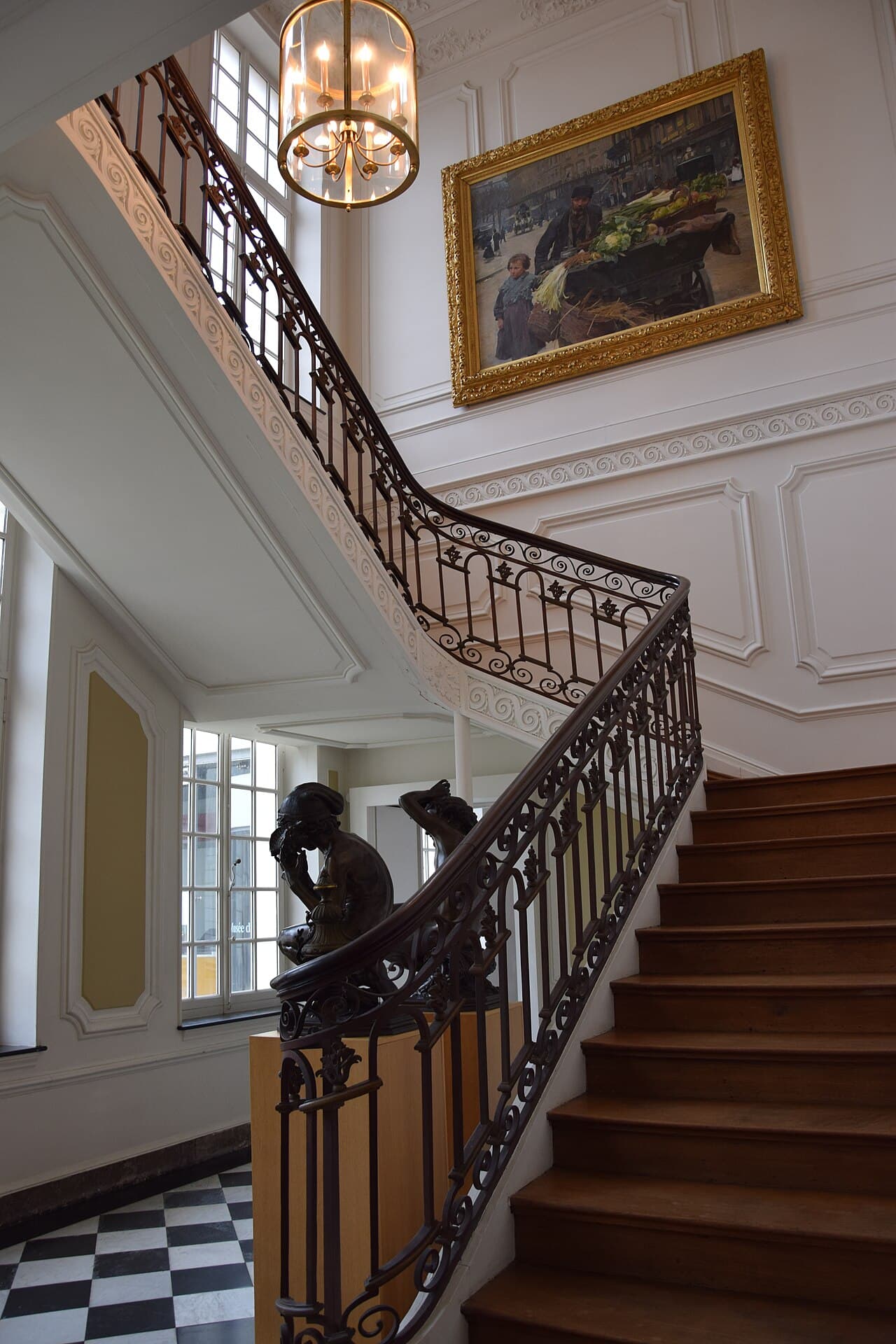
Musée de Cambrai
Cambrai
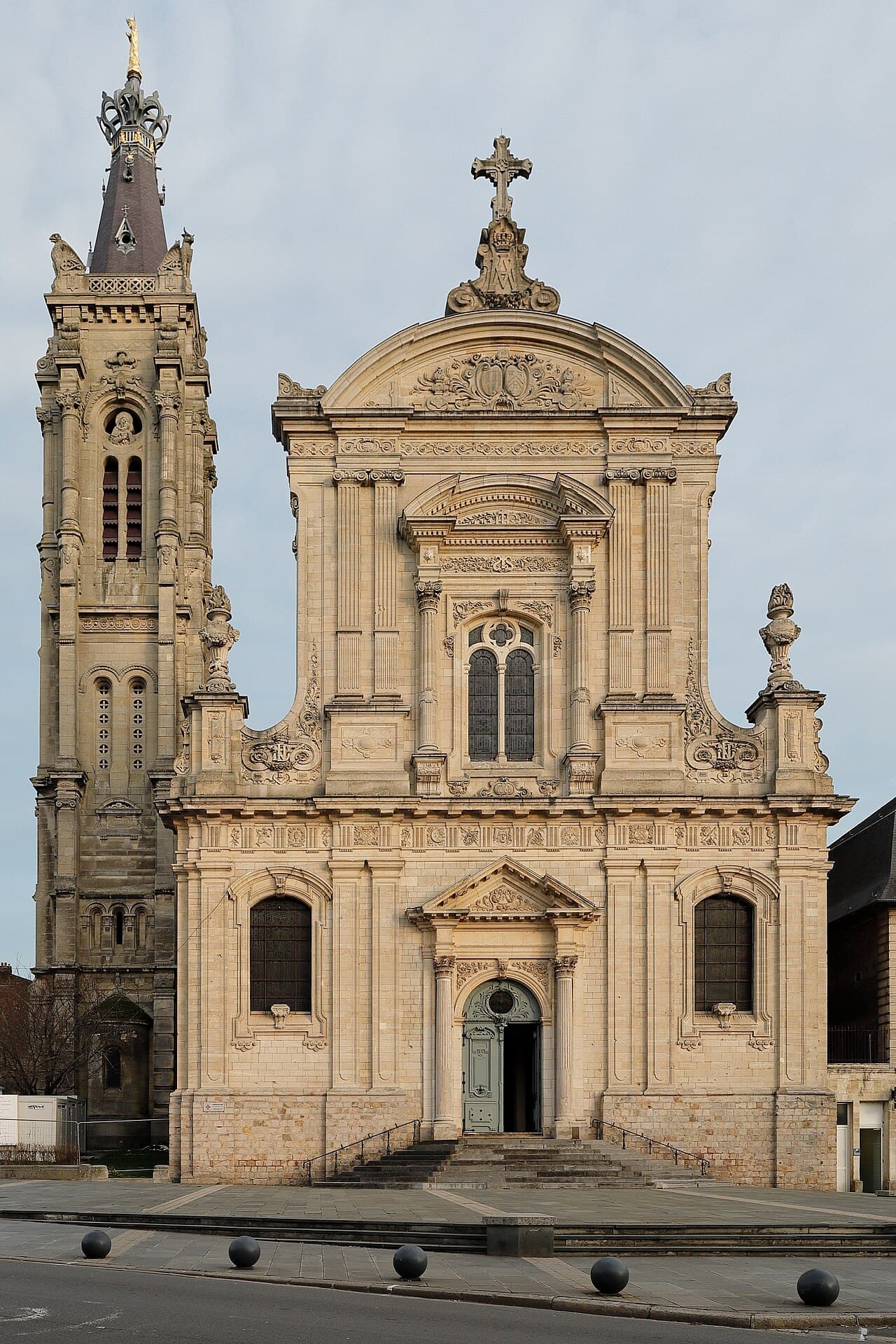 Religious site
Cathédrale Notre-Dame de Cambrai
Cambrai
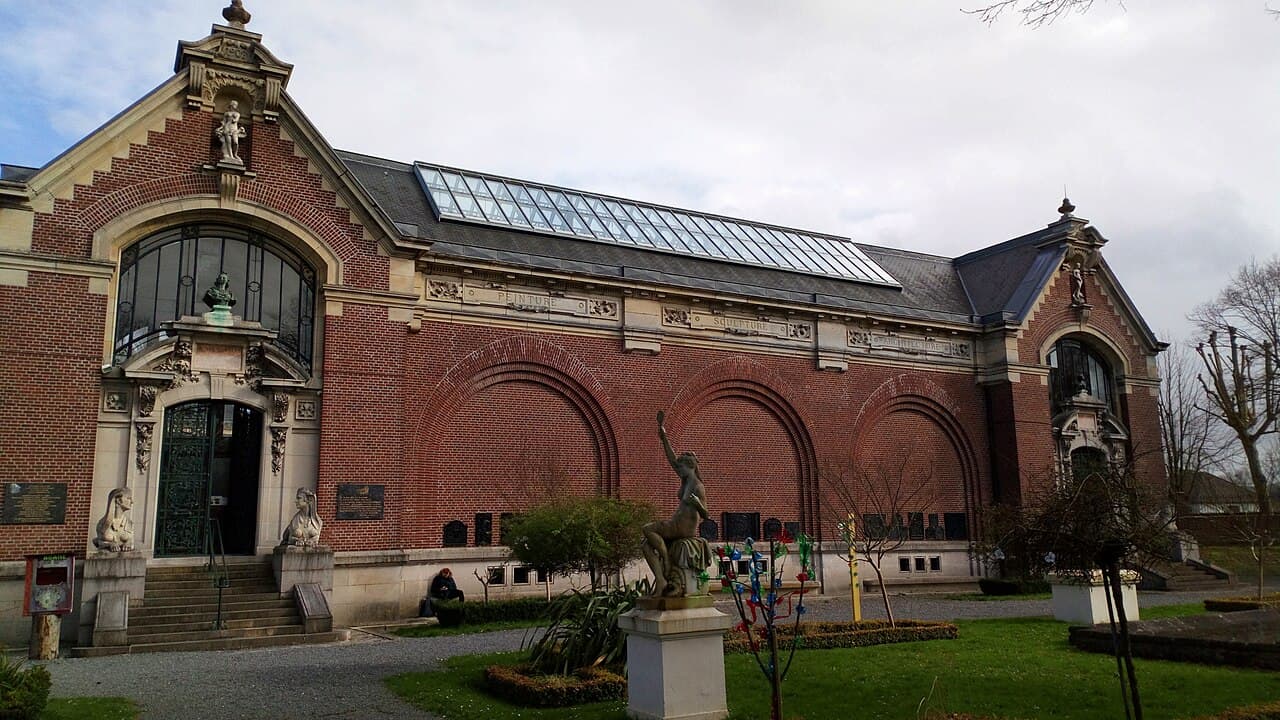 Museum
Musée Lombart
Doullens
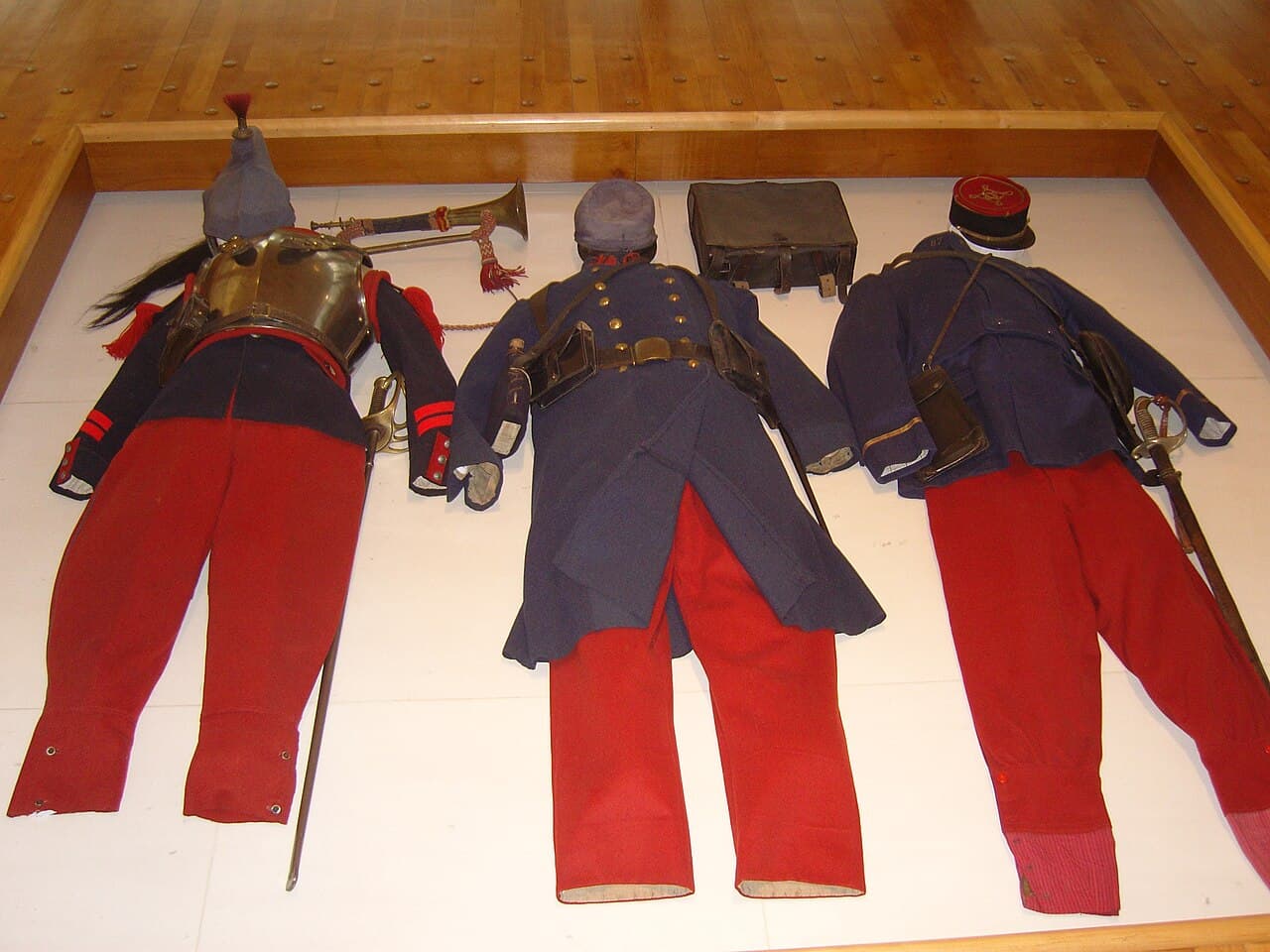 Museum
Musée-historial de la Grande Guerre
Péronne
 Museum
Musée Danicourt
Péronne
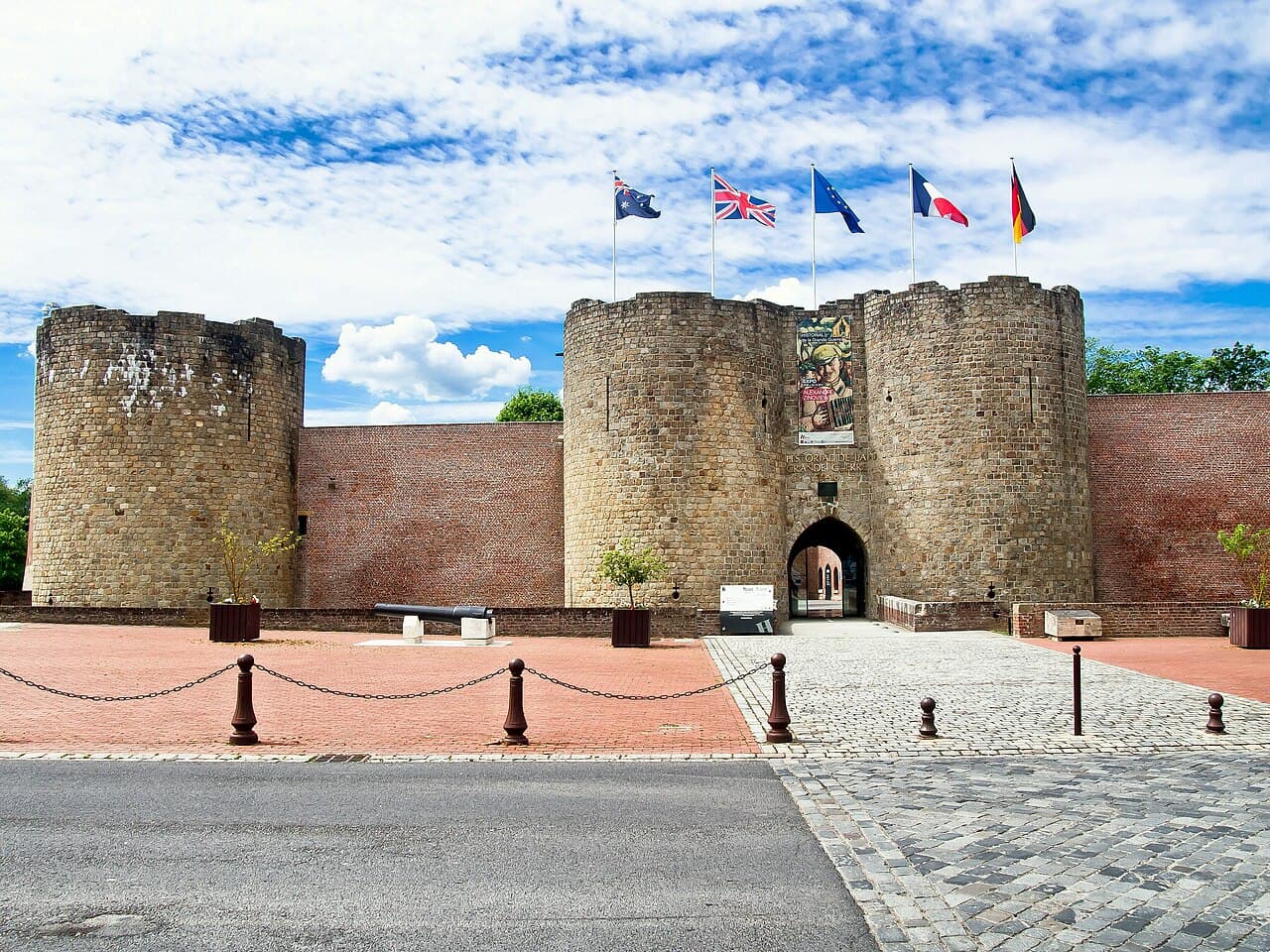 Castle
Château de Péronne
Péronne
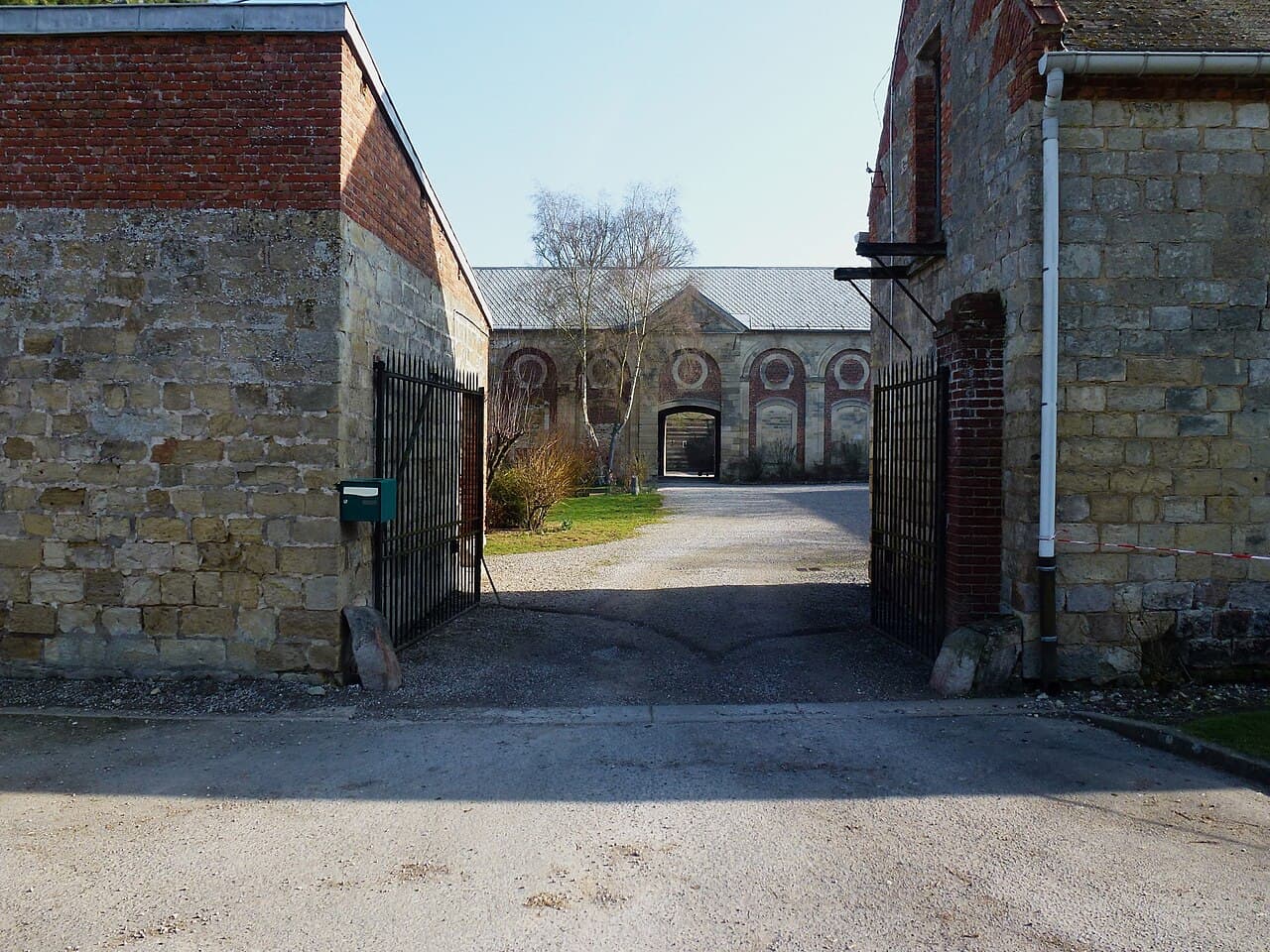 Religious site
Abbaye de Vaucelles
Les Rues-des-Vignes
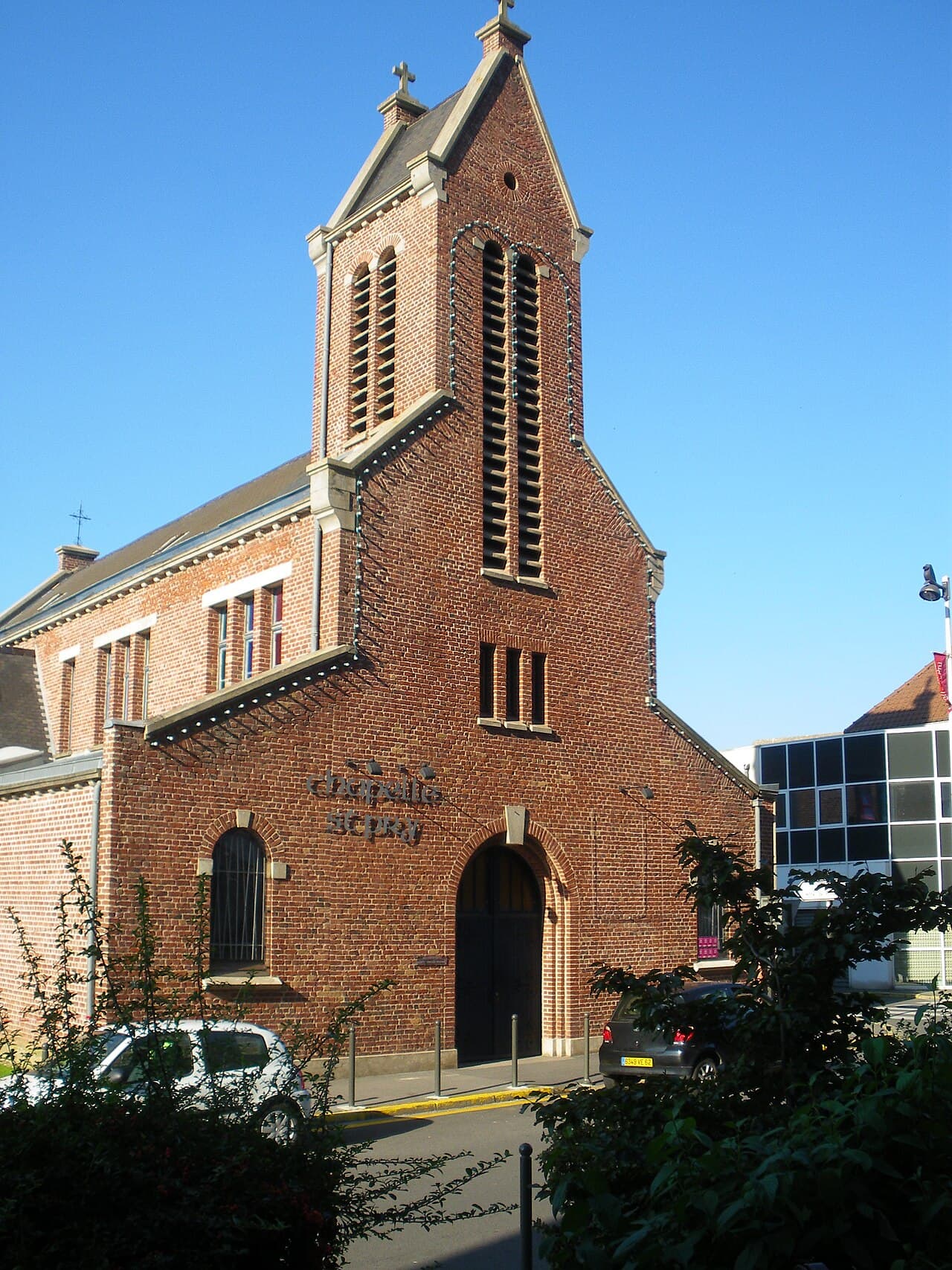 Museum
Musée d'ethnologie régionale
Béthune
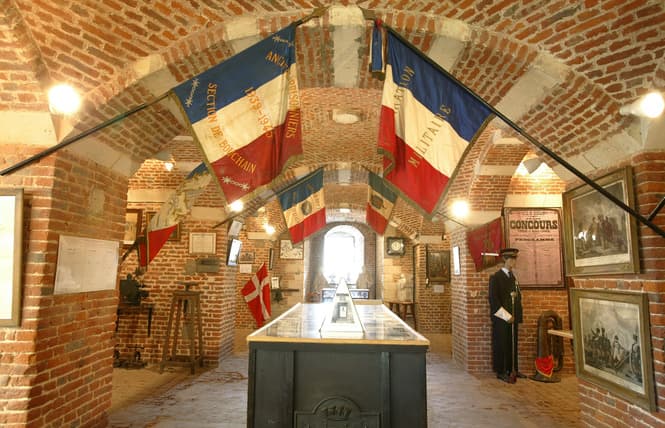 Museum
Musée de l'Ostrevant
Bouchain
 Museum
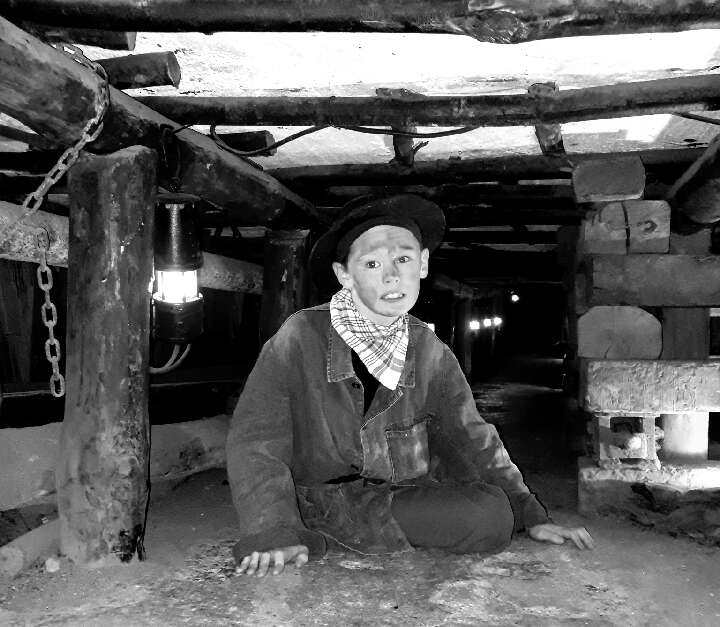
Musée de la Mine
Auchel
 Museum
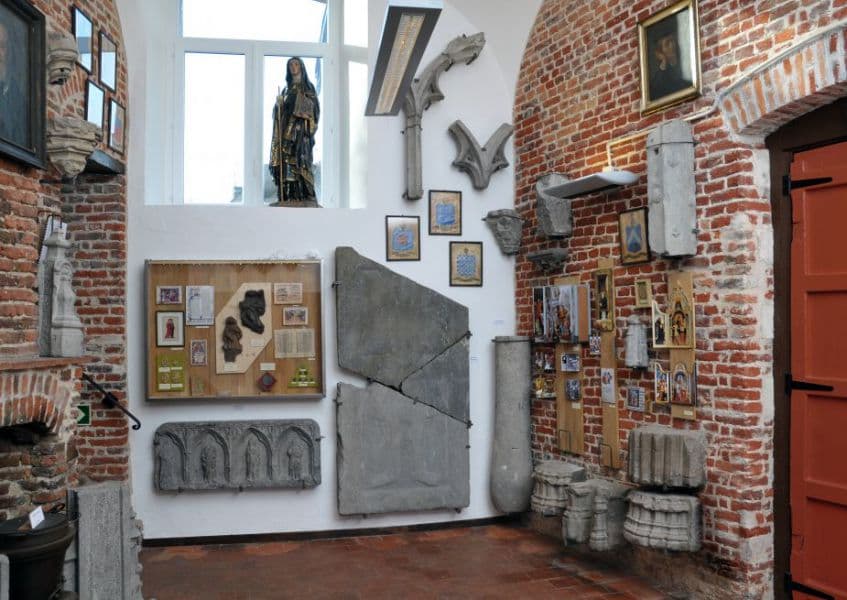
Musée municipal d'histoire locale
Marchiennes
 Museum
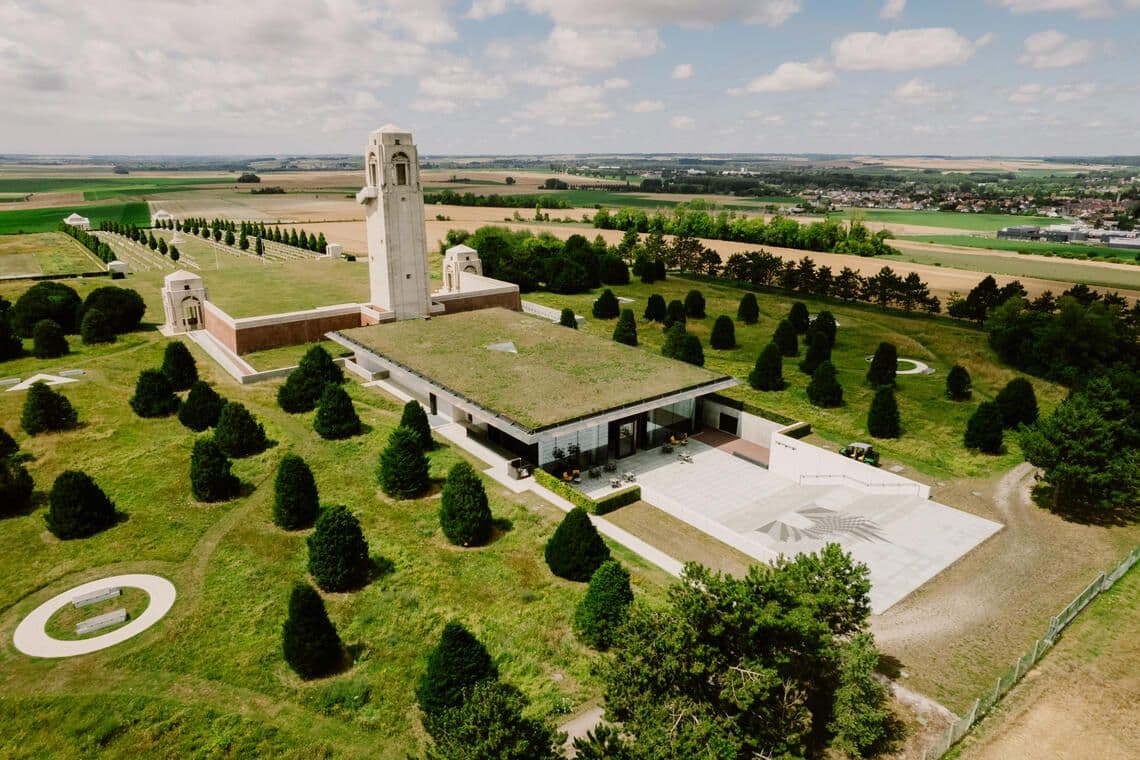
Centre Sir John Monash
Fouilloy
 Museum
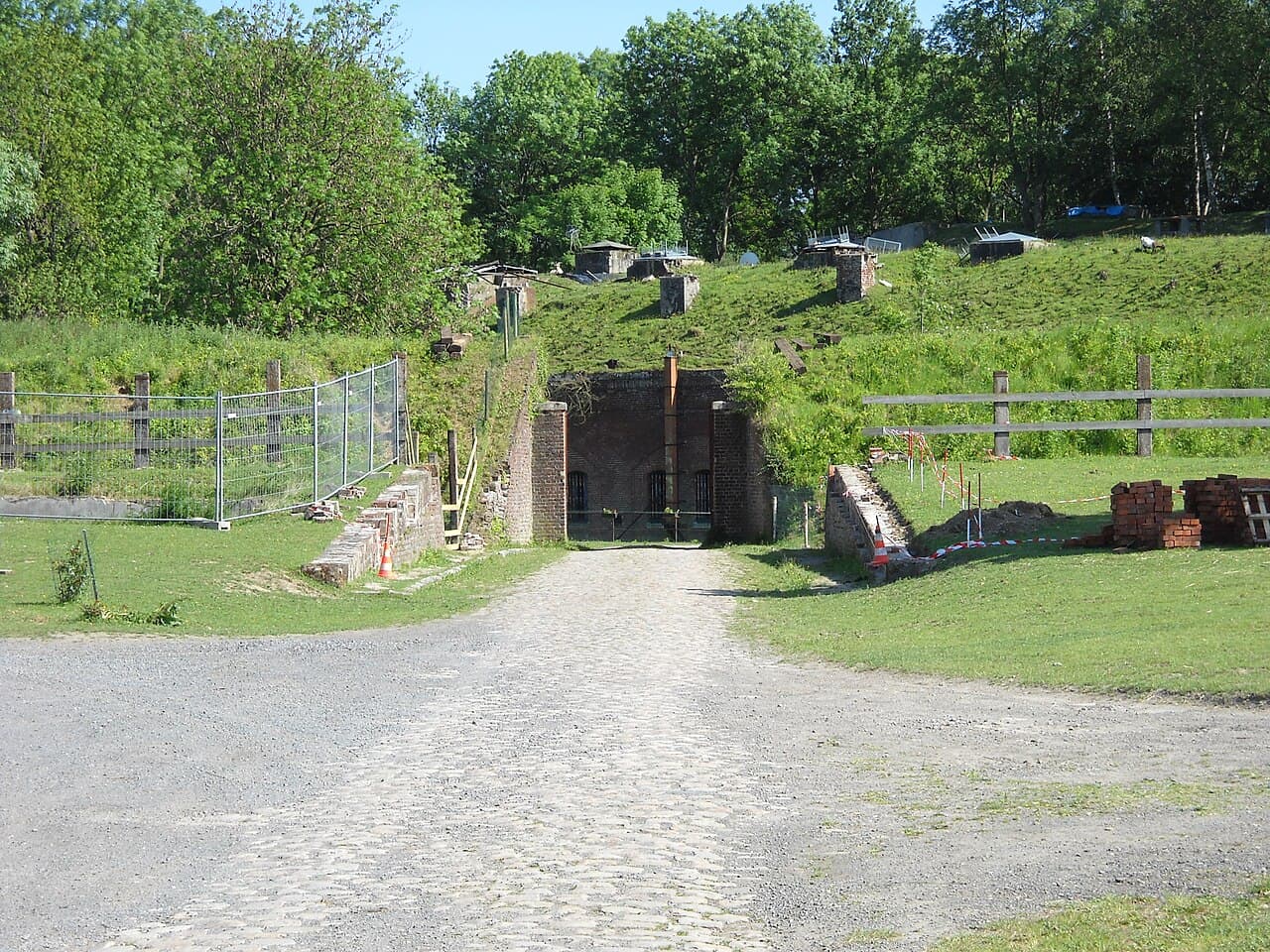
Fort de Seclin
Seclin
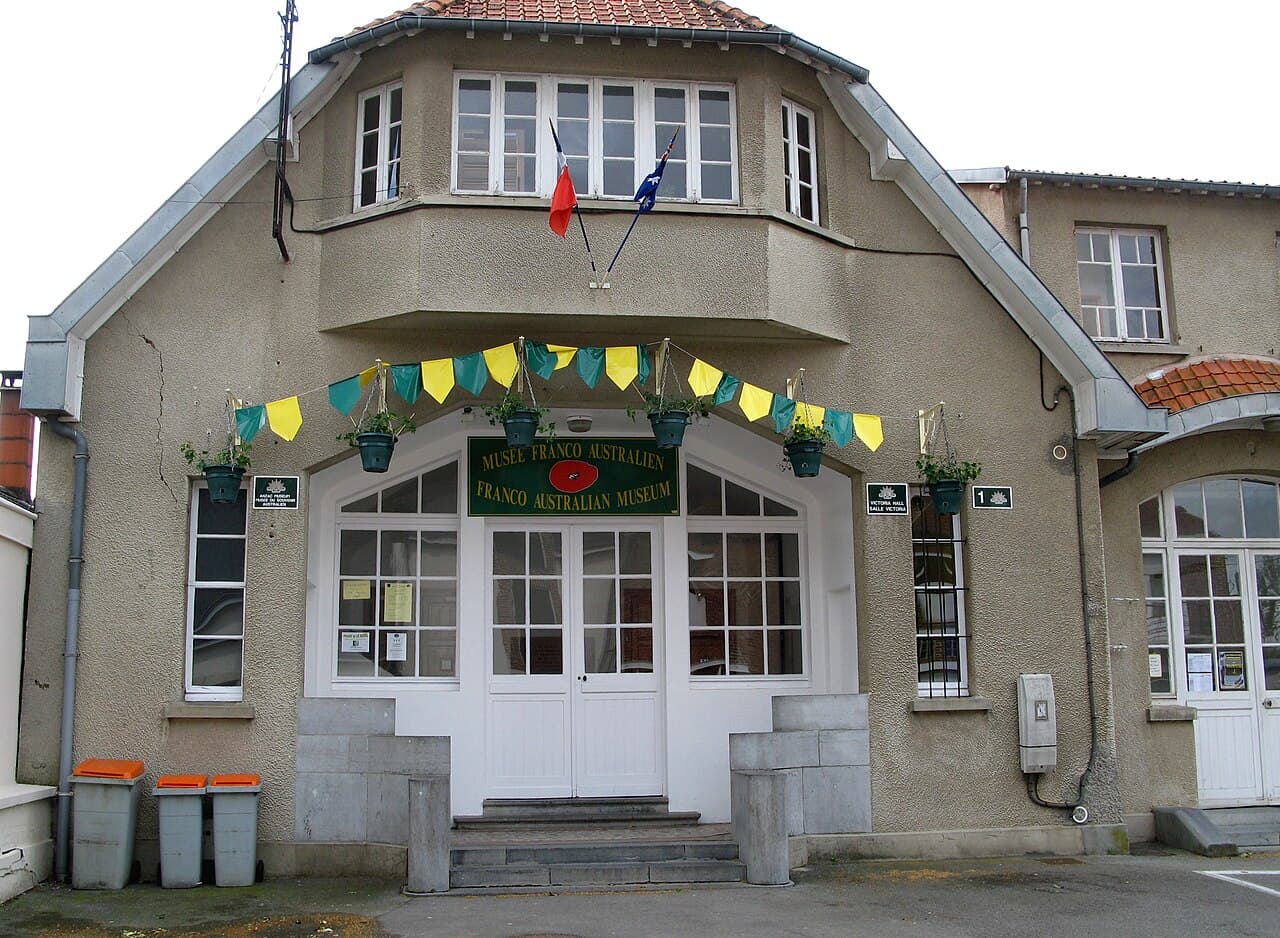 Museum
Musée Franco-Australien
Villers-Bretonneux
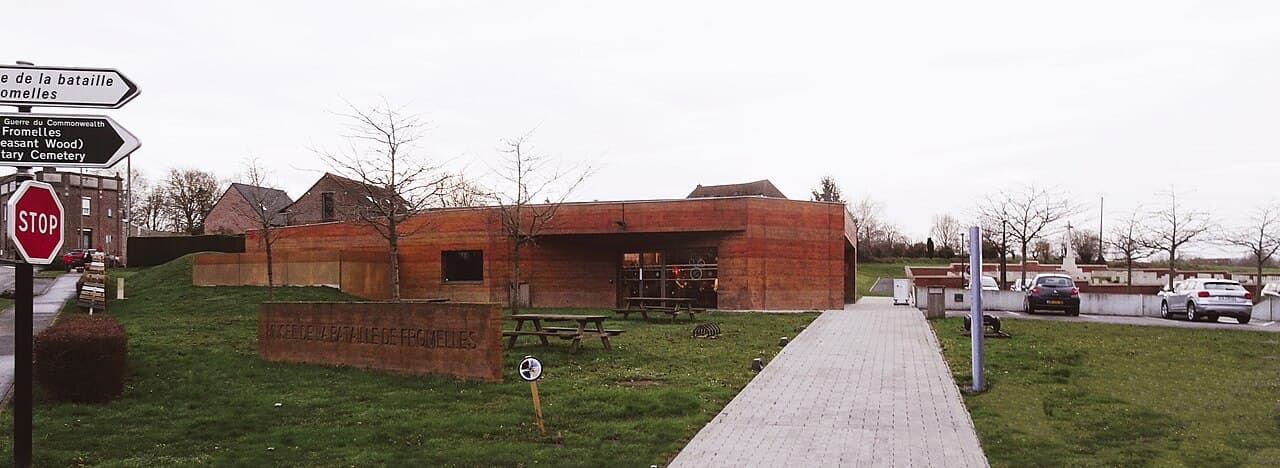 Museum
Musée de la Bataille de Fromelles
Fromelles
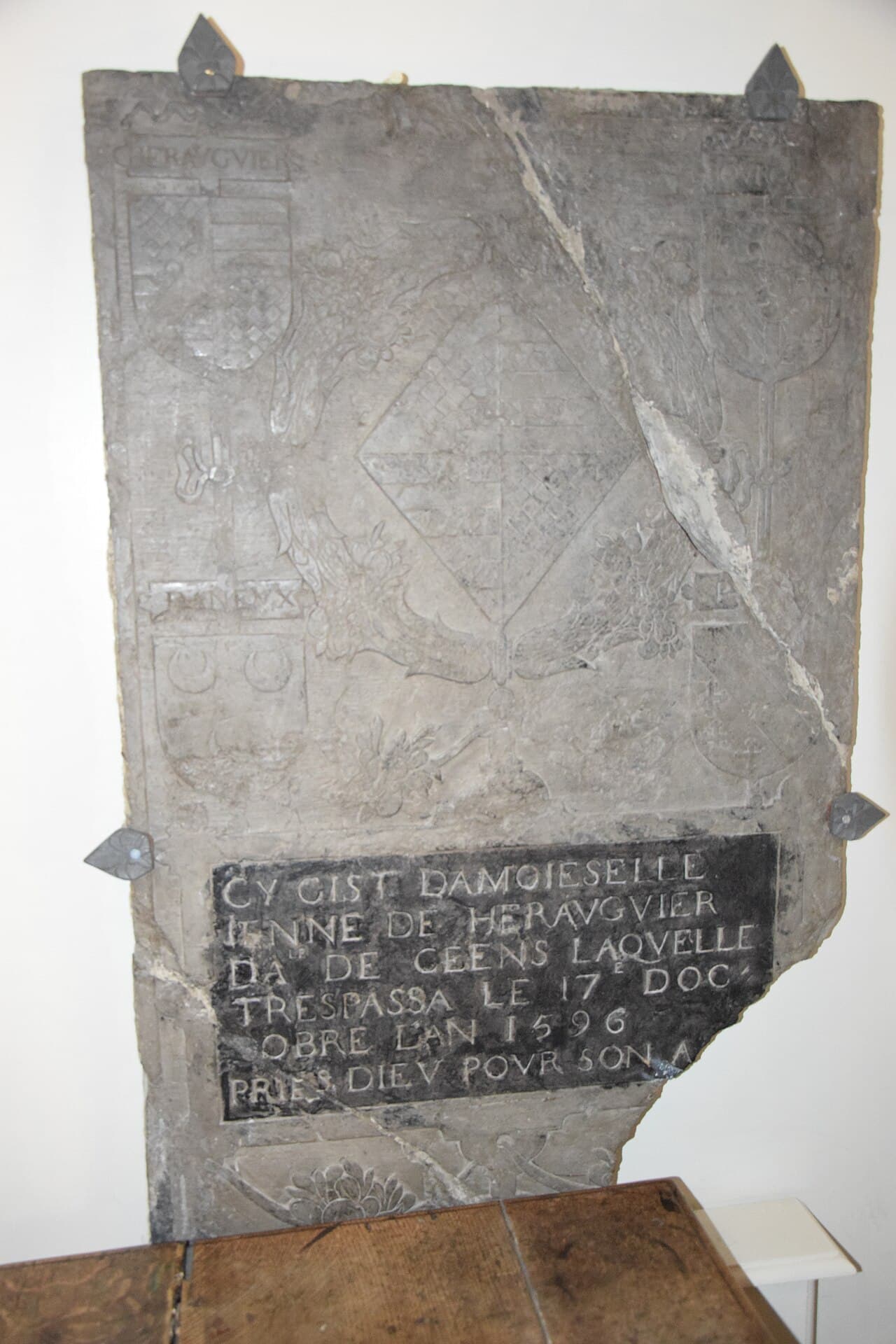 Museum
Musée de la Résistance en Zone interdite Nord-Pas-de-Calais
Denain
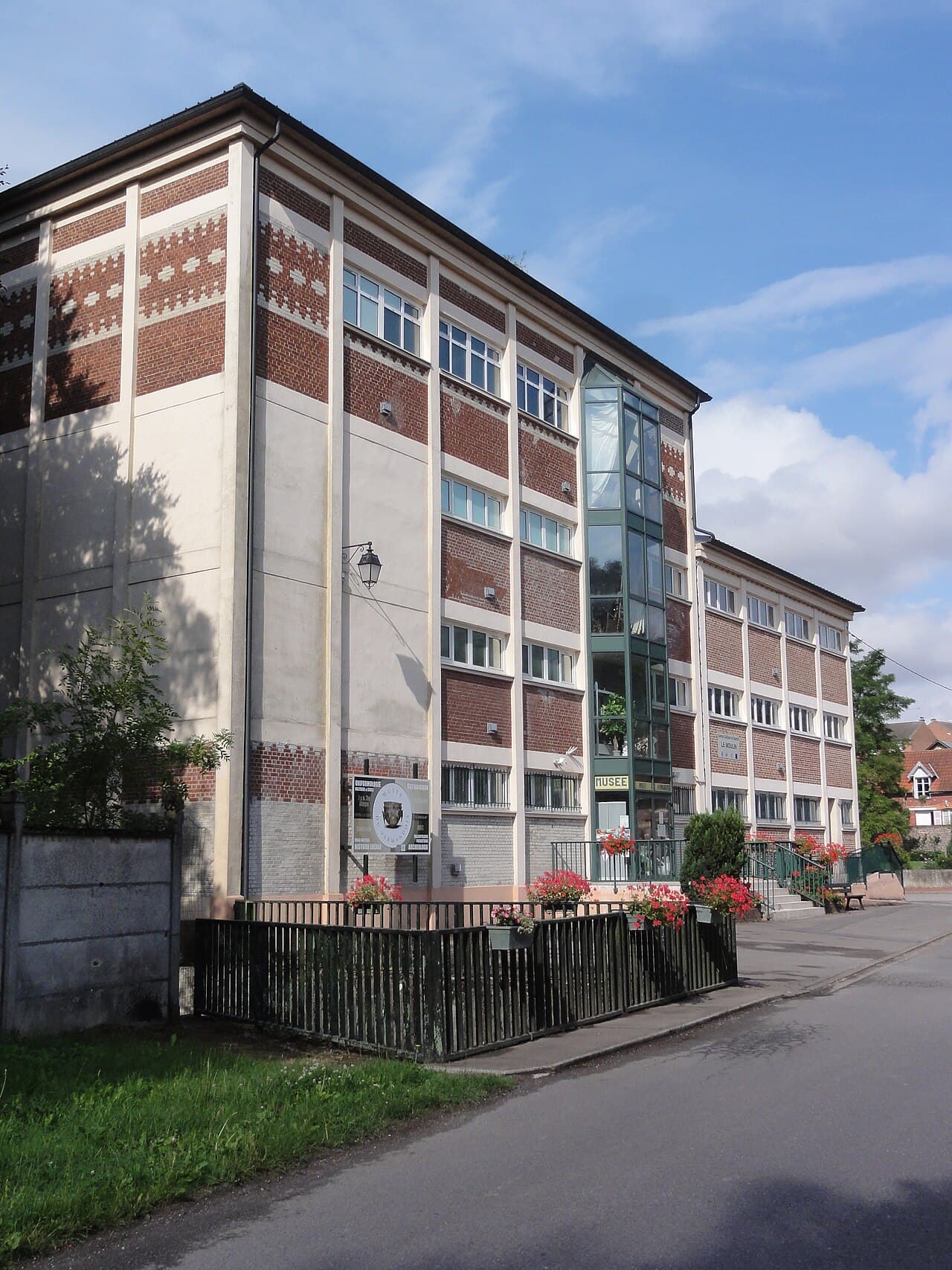 Museum
Musée Du Vermandois
Vermand
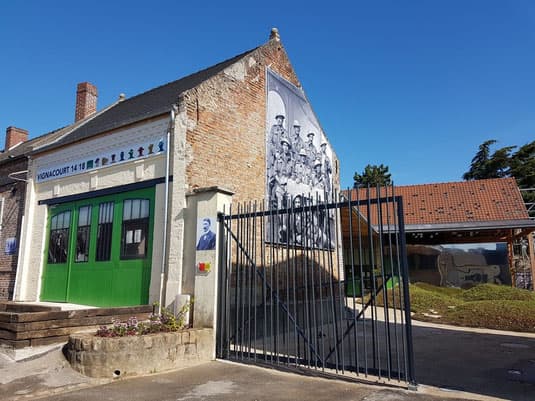 Museum
Musée Vignacourt 14-18 - Collection photographique Louis et Antoinette Thuillier
Vignacourt
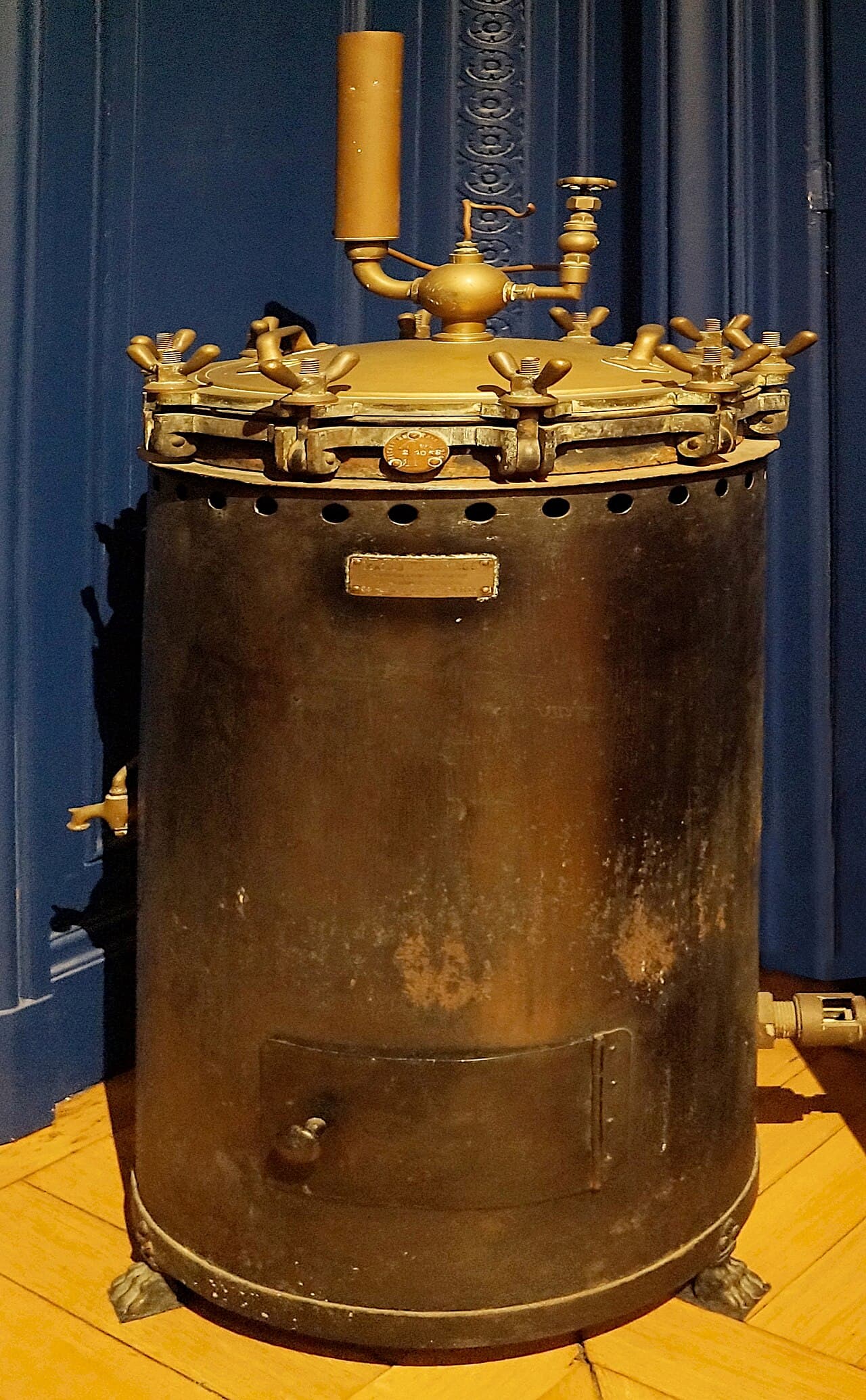 Museum
Musée de l'Institut Pasteur de Lille
Lille
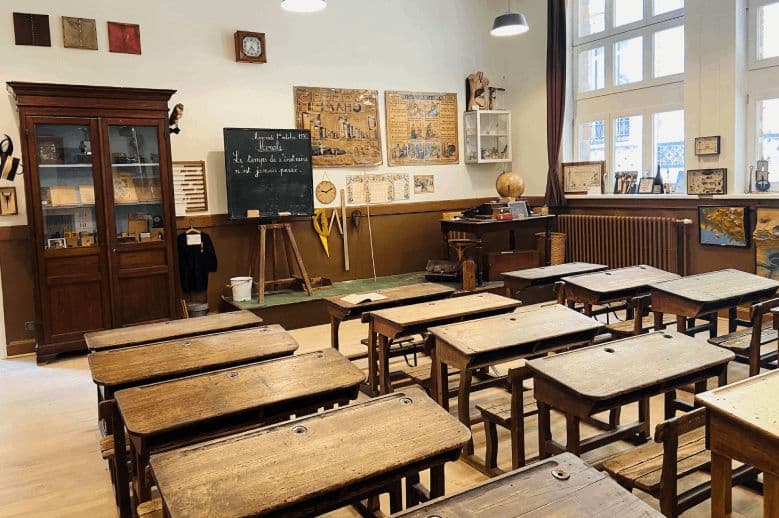 Museum
Musée des Écoles de Lille
Lille
 Heritage
Amiens Cathedral
Amiens
Religious siteCathédrale d'Amiens
Amiens
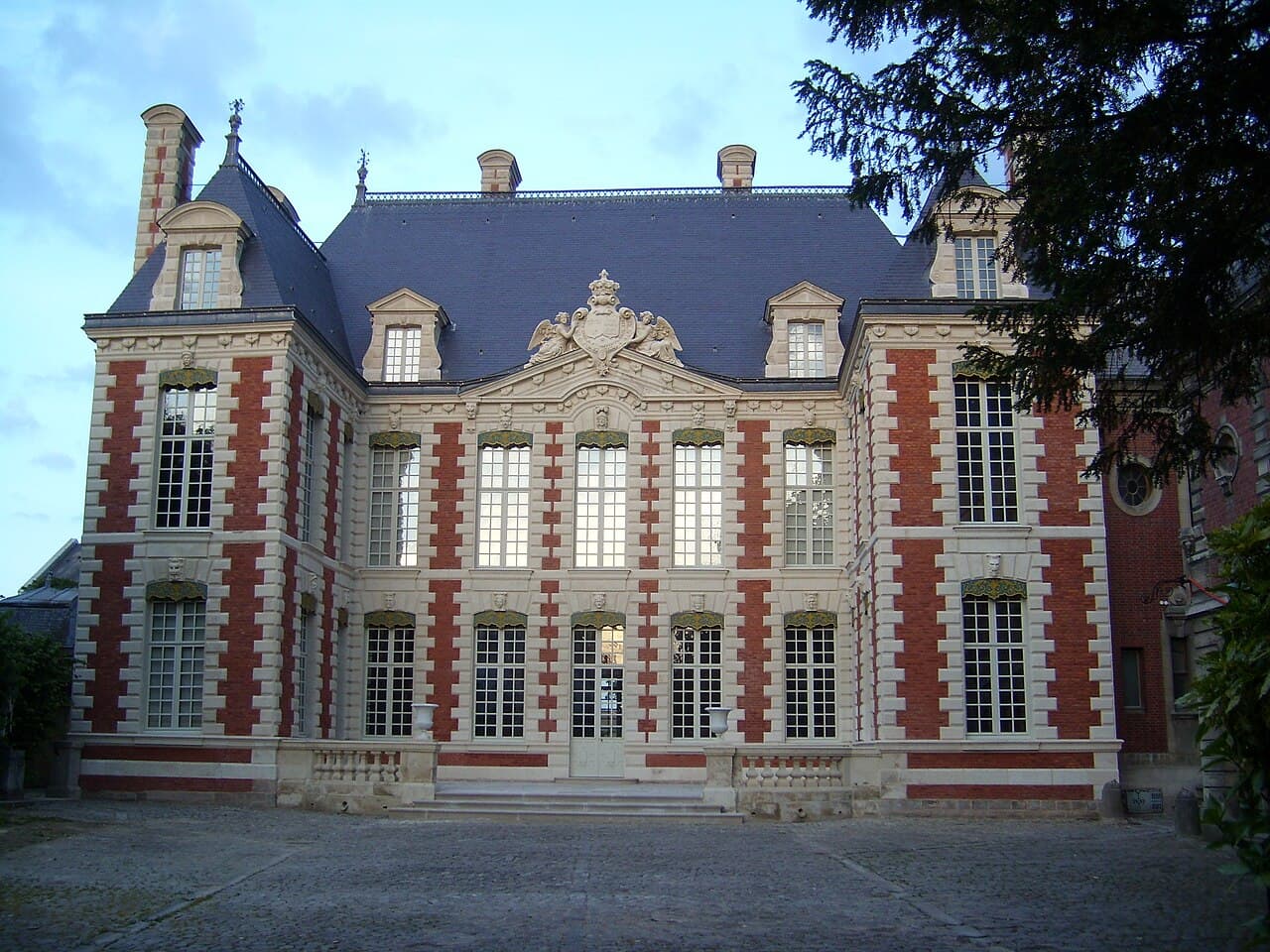 Museum
Musée de l'hôtel de Berny
Amiens
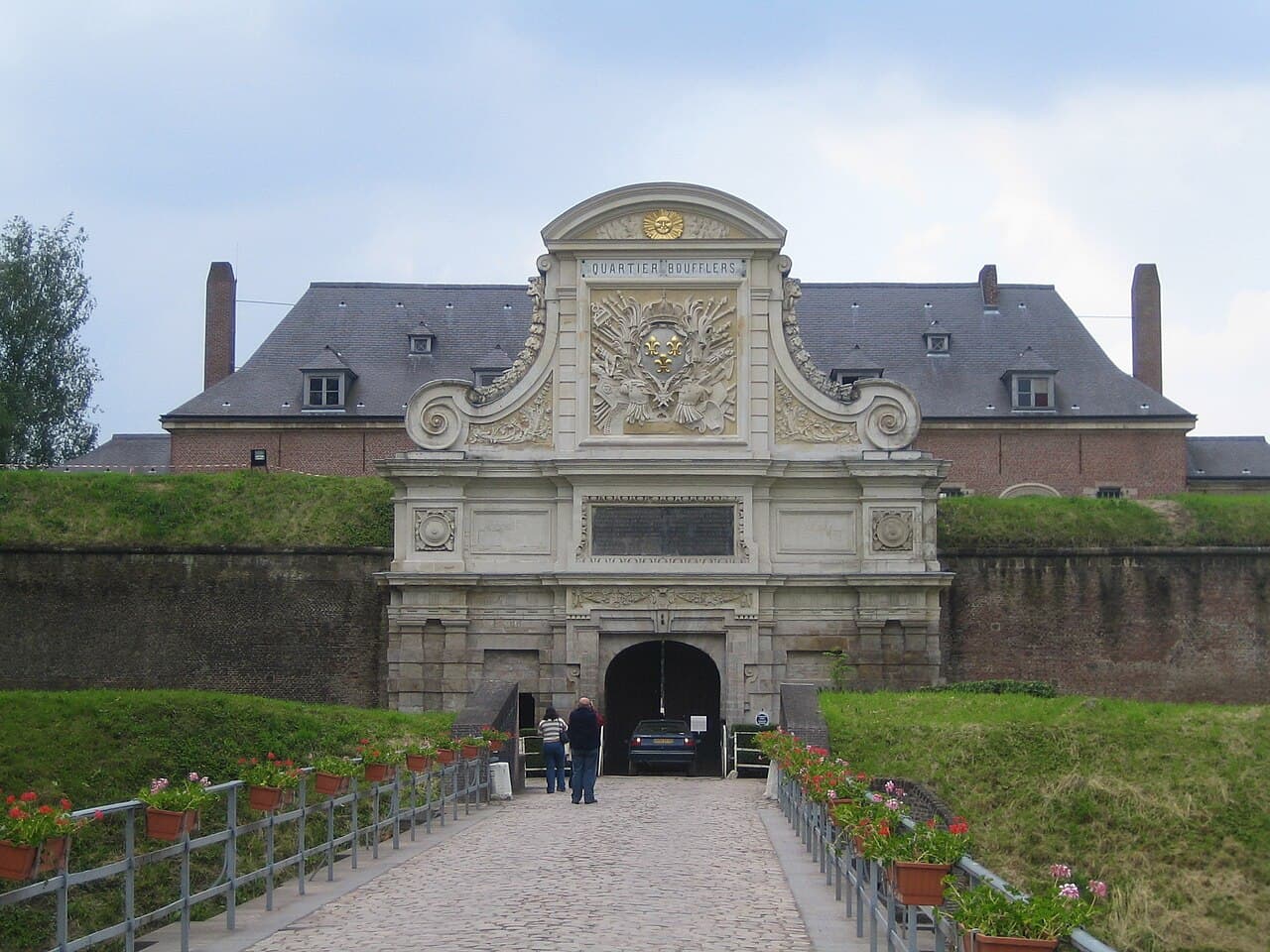 Castle
Citadelle de Lille
Lille
 Museum
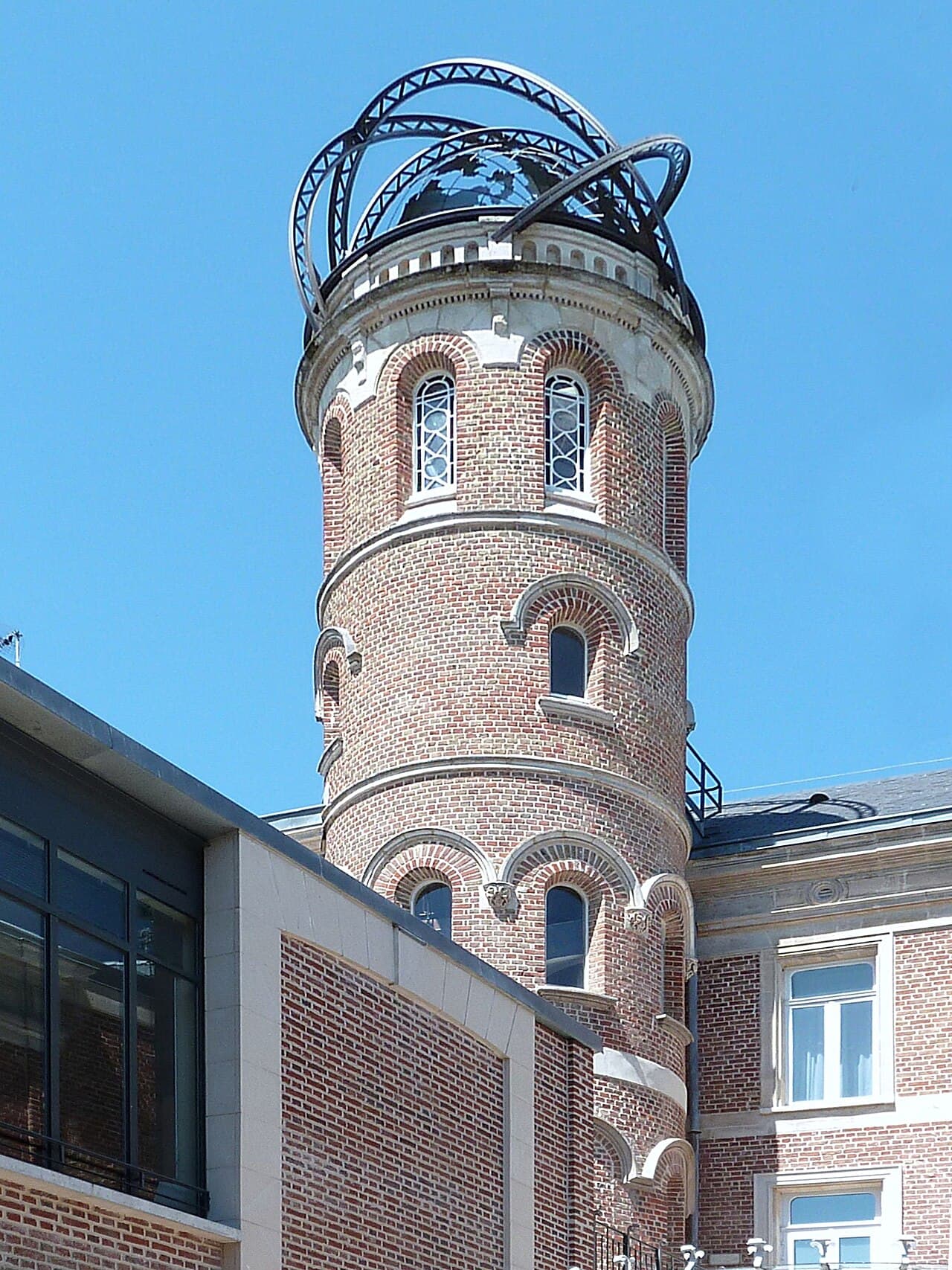
Maison de Jules Verne
Amiens
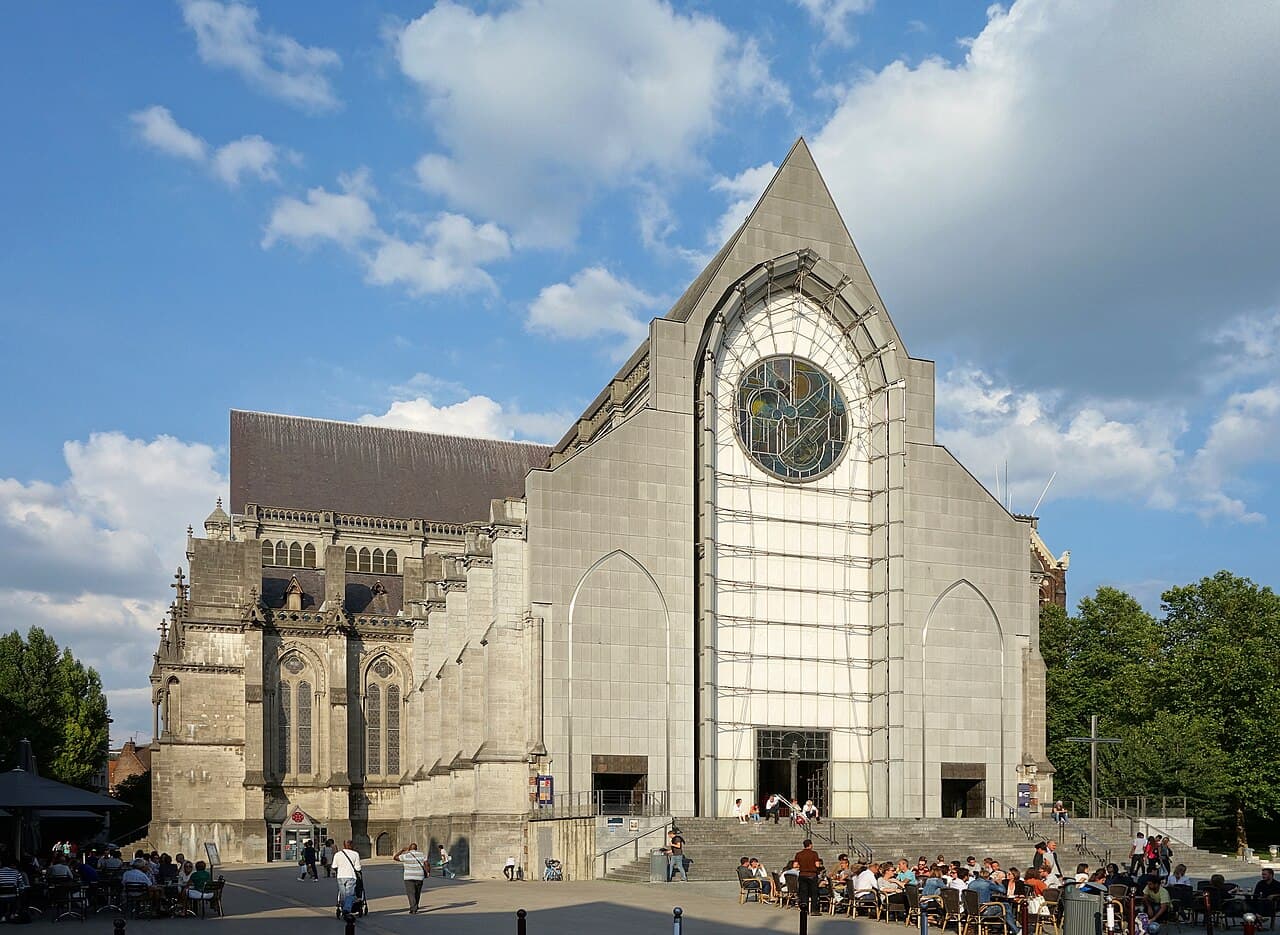 Religious site
Cathédrale Notre-Dame-de-la-Treille
Lille
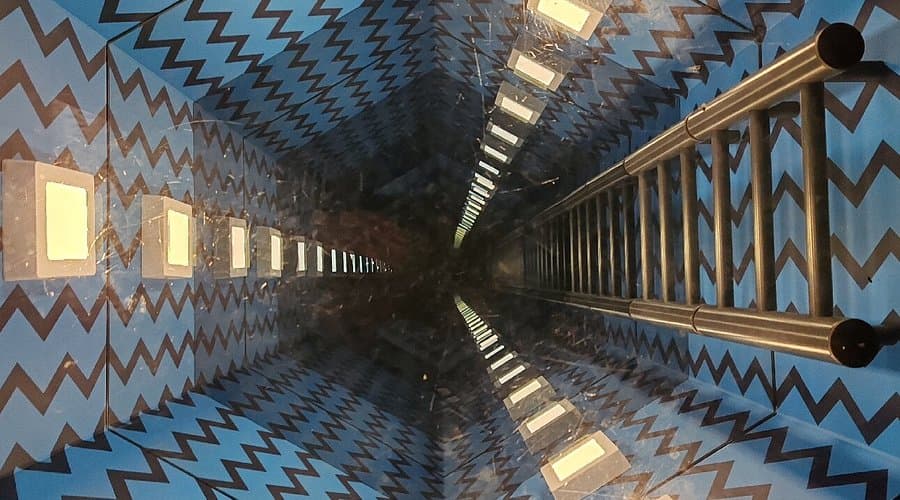 Museum
Musée de l'illusion de Lille
Lille
 Museum
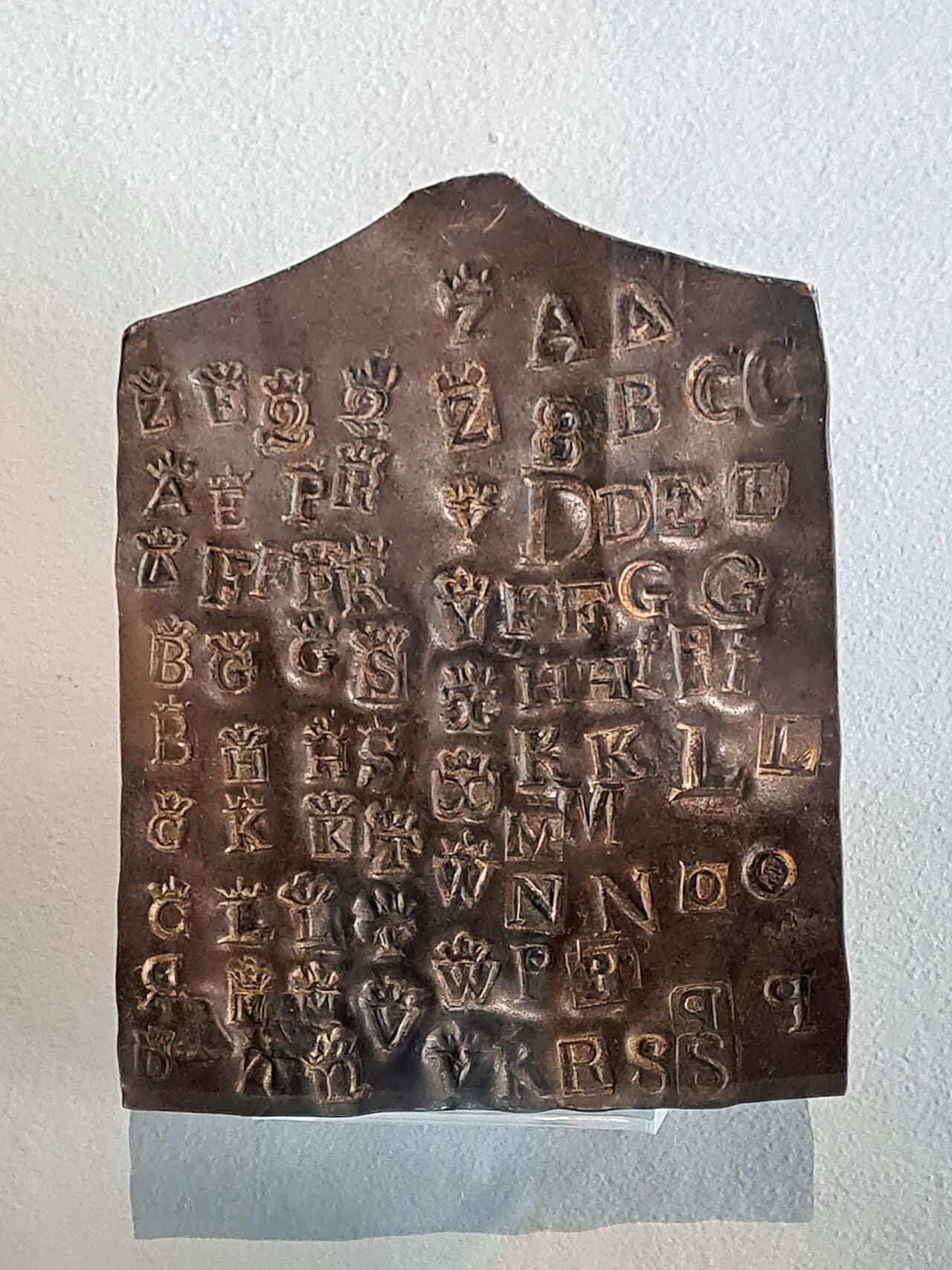
Musée de l'Hospice Comtesse
Lille
 Museum
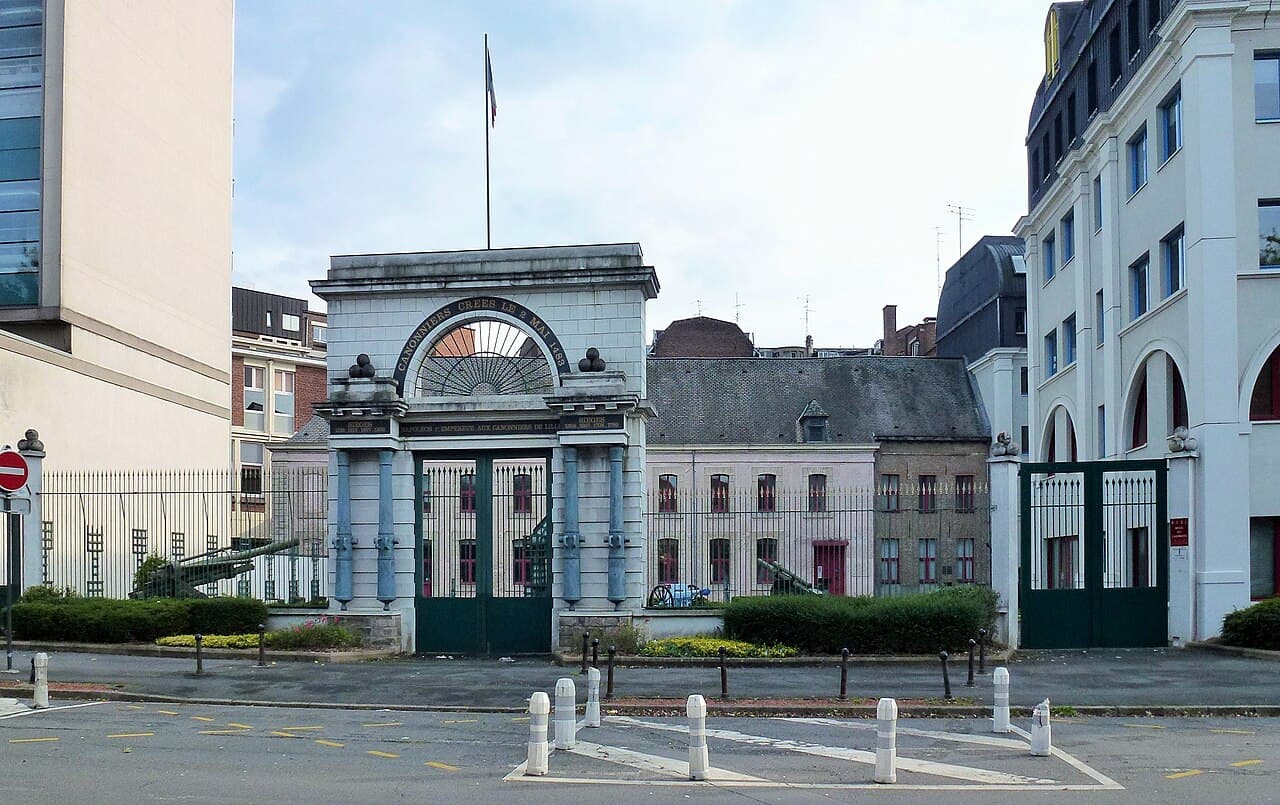
Musée des Canonniers de Lille
Lille
 Museum
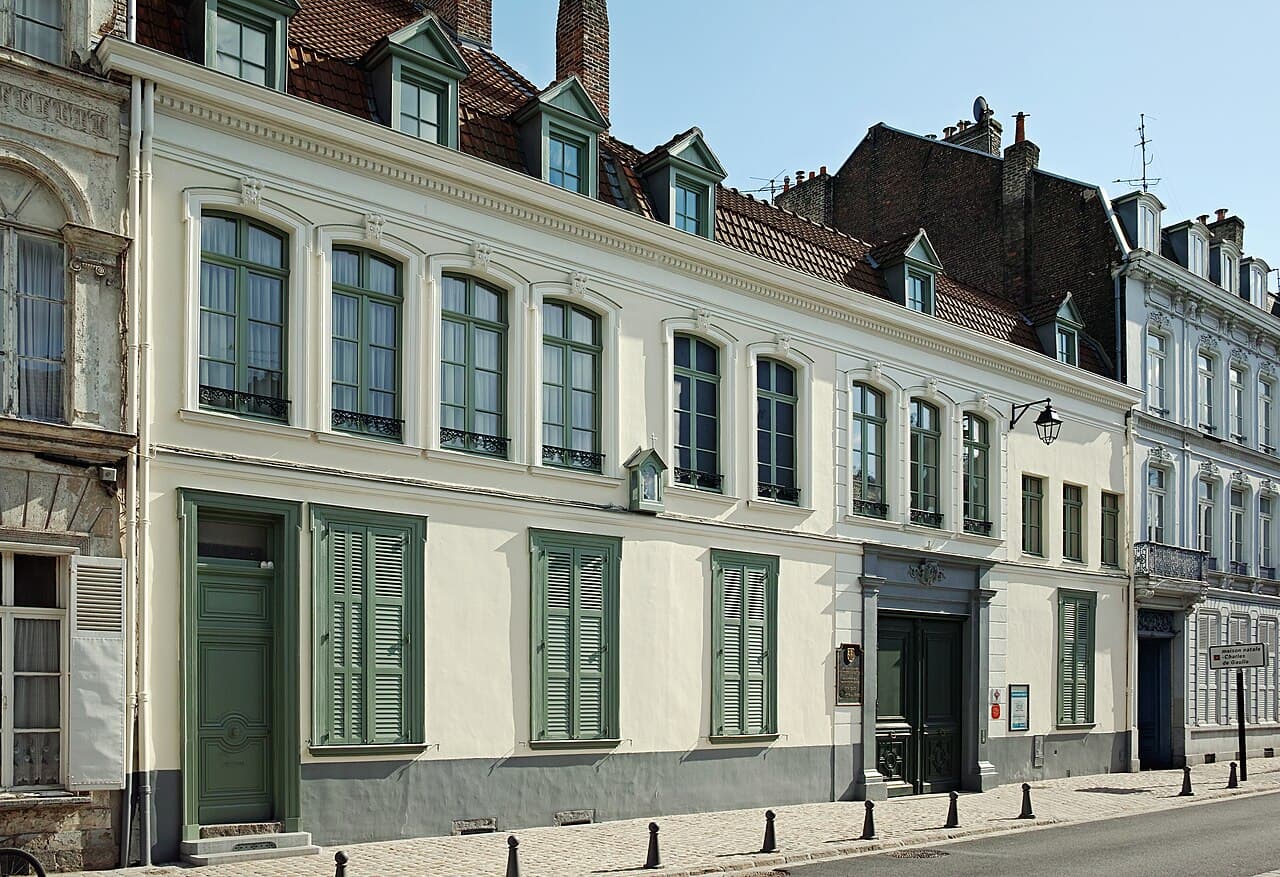
Maison Natale Charles de Gaulle
Lille
 Museum
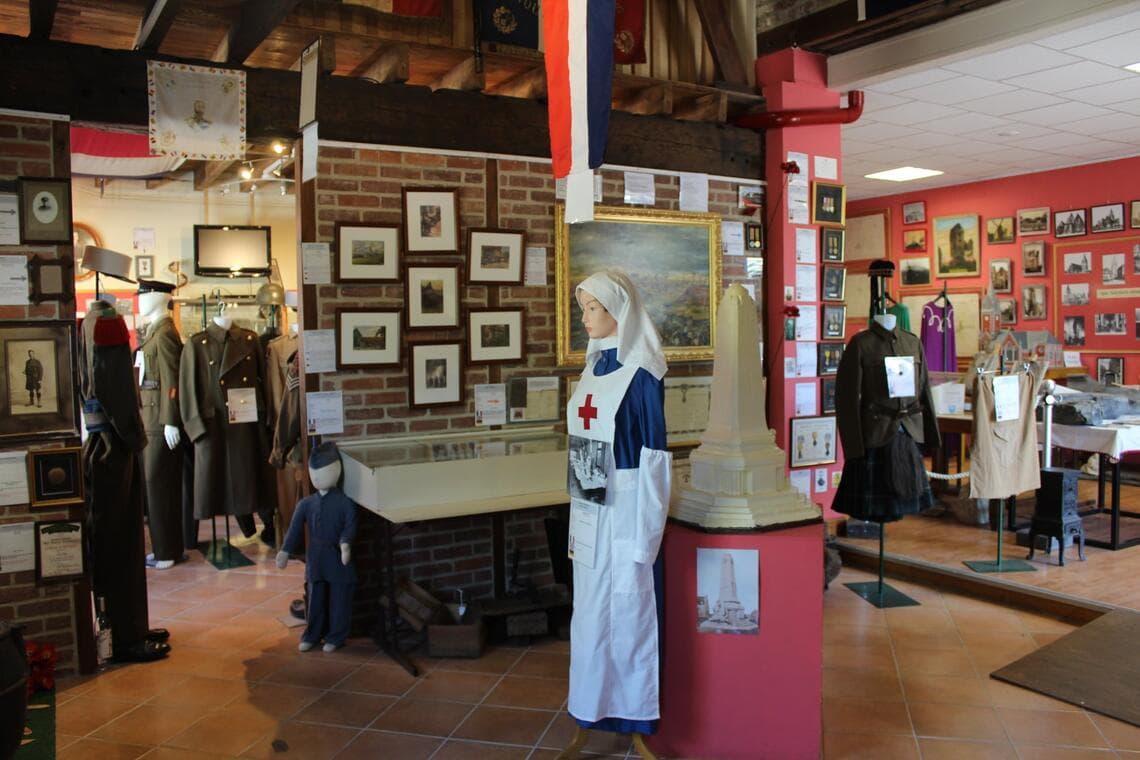
Musée de La Cité D’Ercan
Erquinghem-Lys
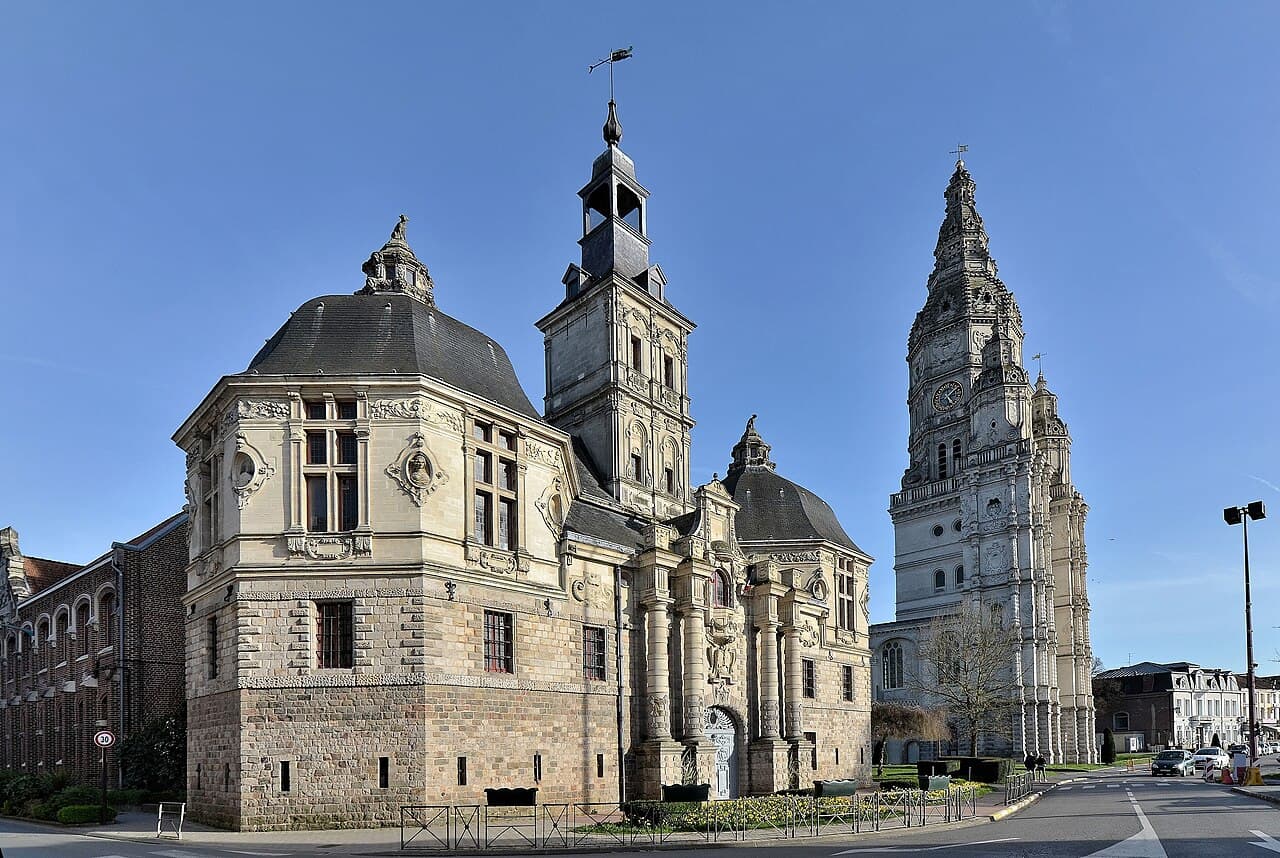 Religious site
Abbaye de Saint-Amand-les-Eaux
Saint-Amand-les-Eaux
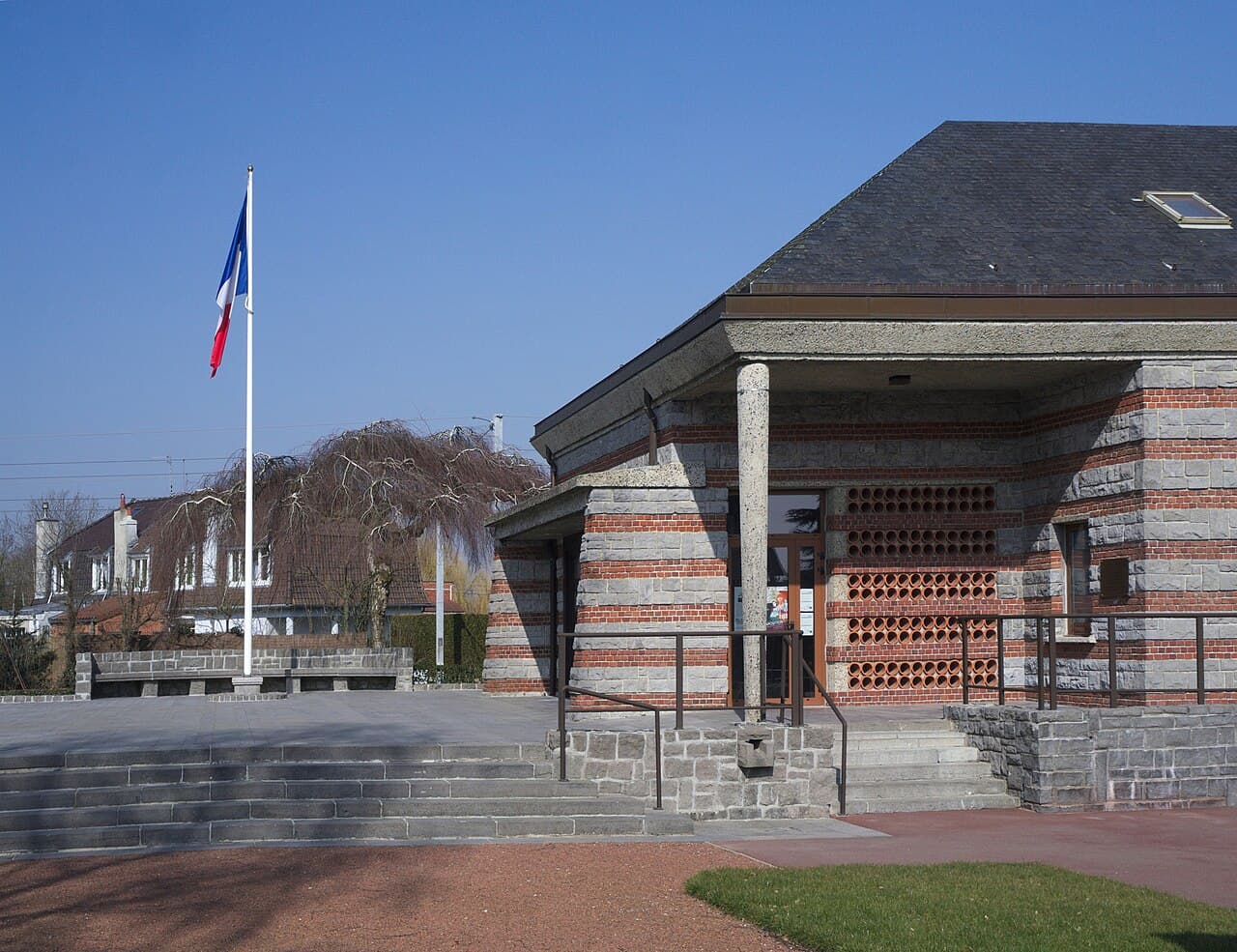 Museum
Mémorial Ascq 1944
Villeneuve-d'Ascq
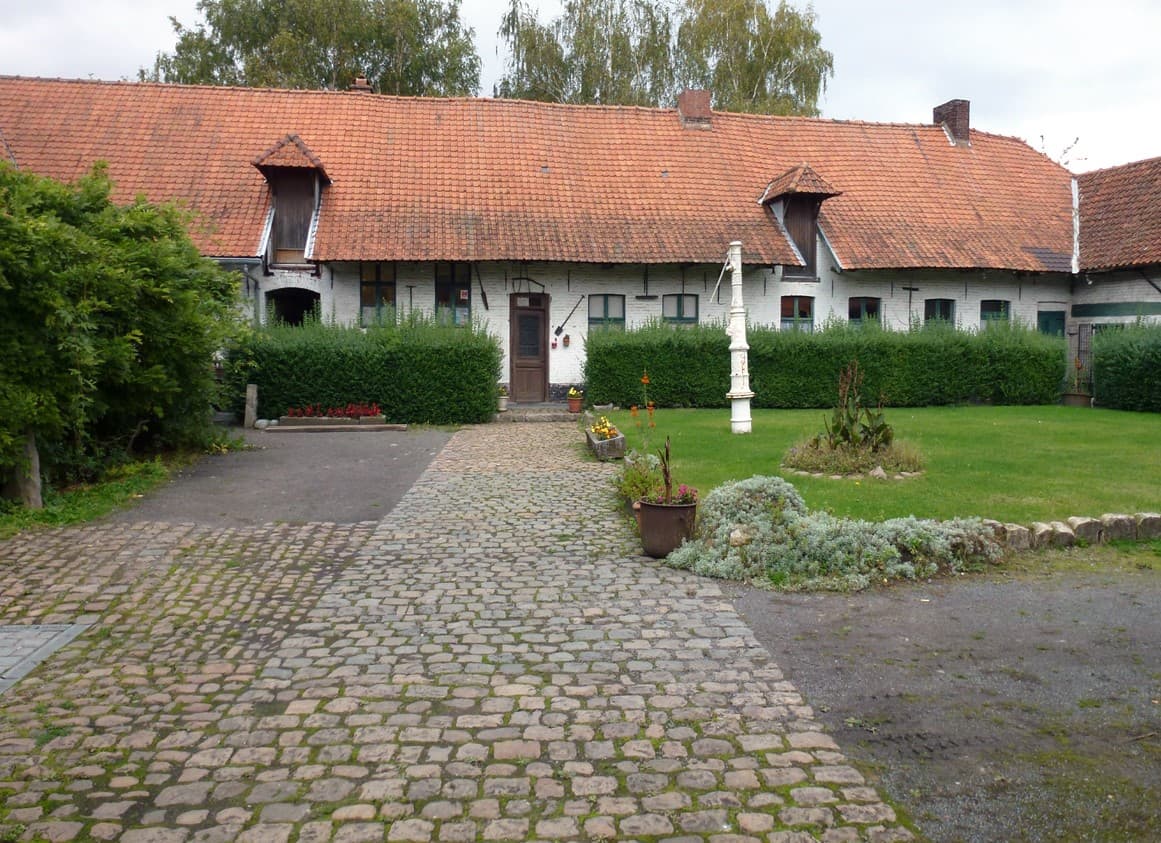 Museum
Musée du Terroir
Villeneuve-d'Ascq
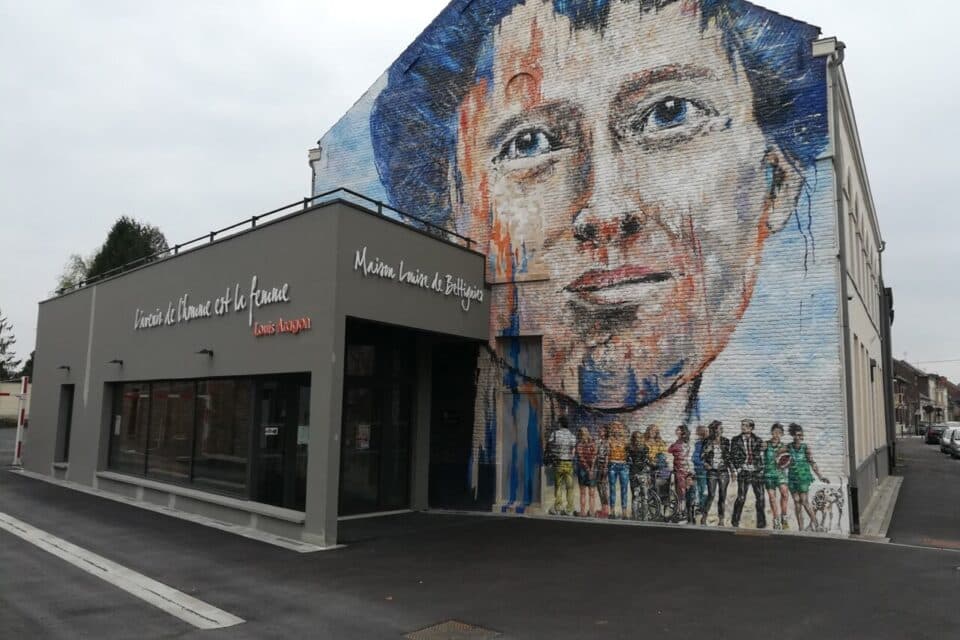 Museum
Maison Louise de Bettignies
Saint-Amand-les-Eaux
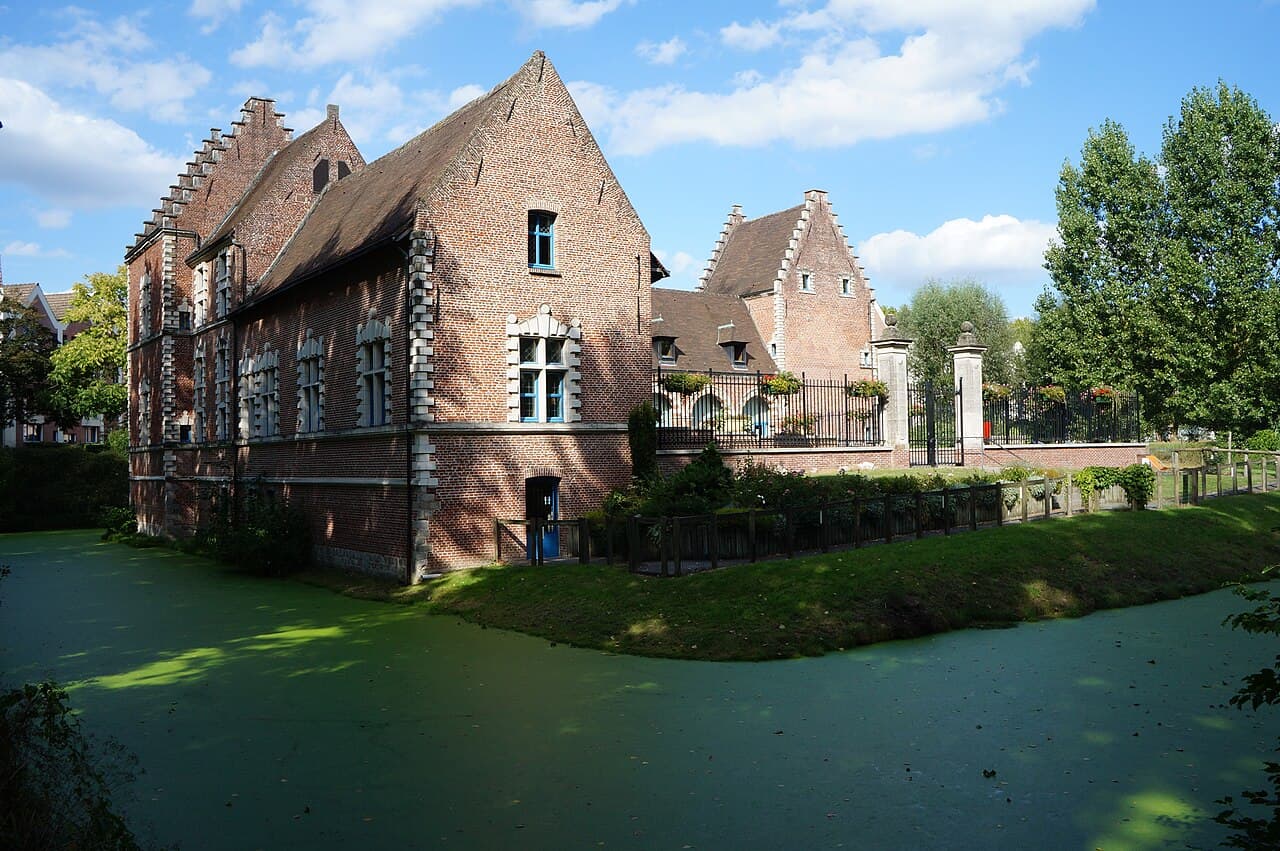 Museum
Musée du Château de Flers
Villeneuve-d'Ascq
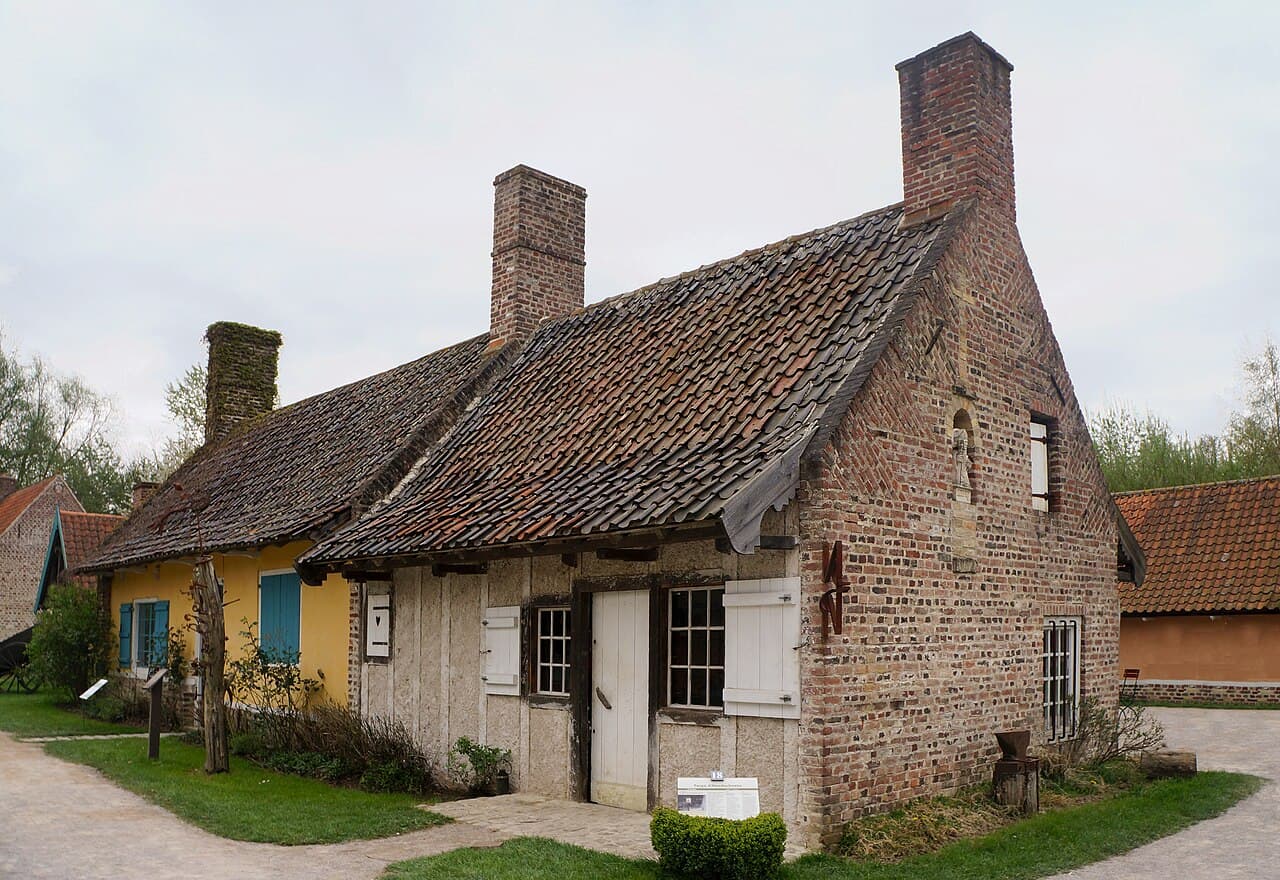 Museum
Musée de Plein Air
Villeneuve-d'Ascq
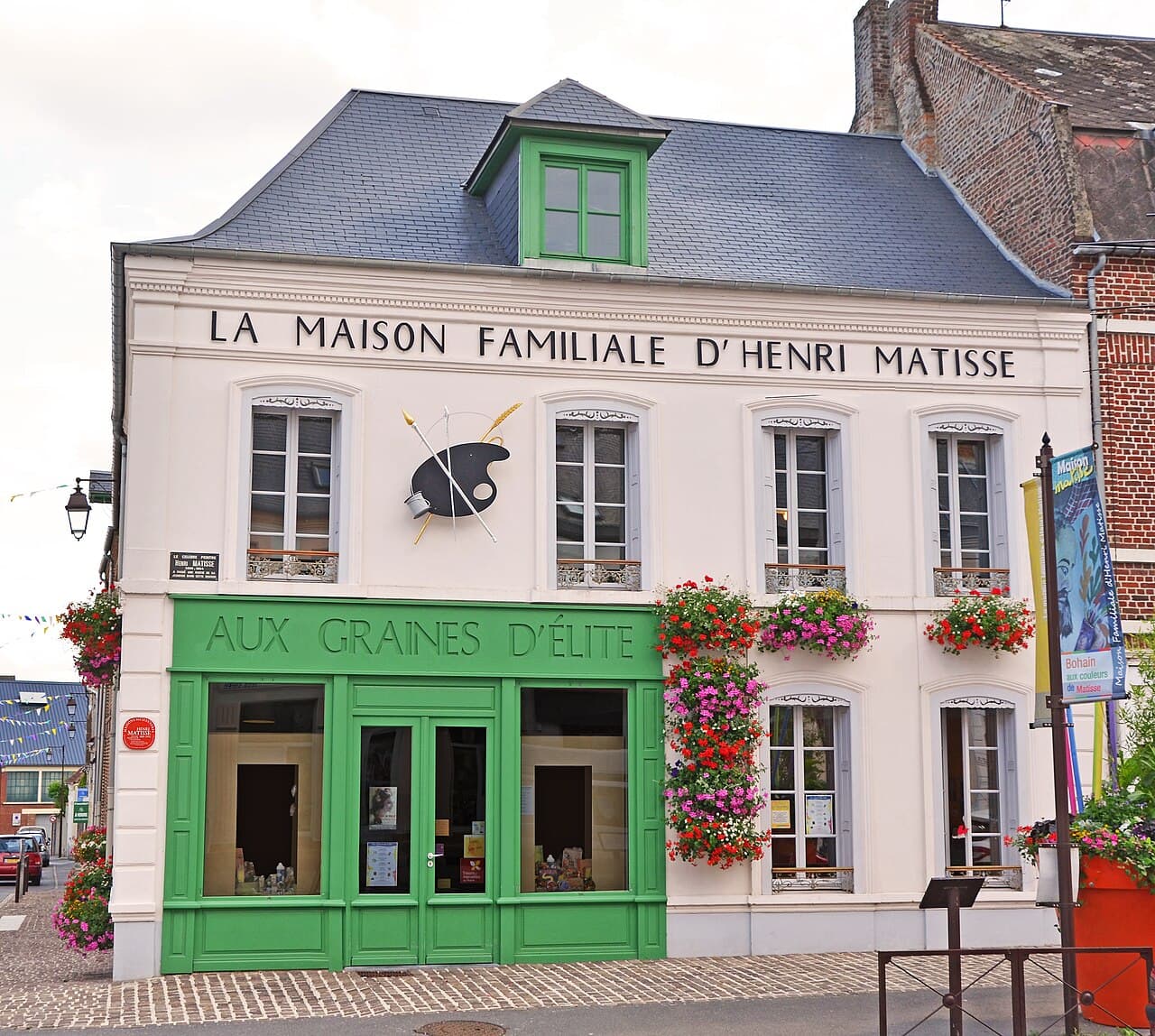 Museum
Maison familiale d'Henri Matisse
Bohain-en-Vermandois
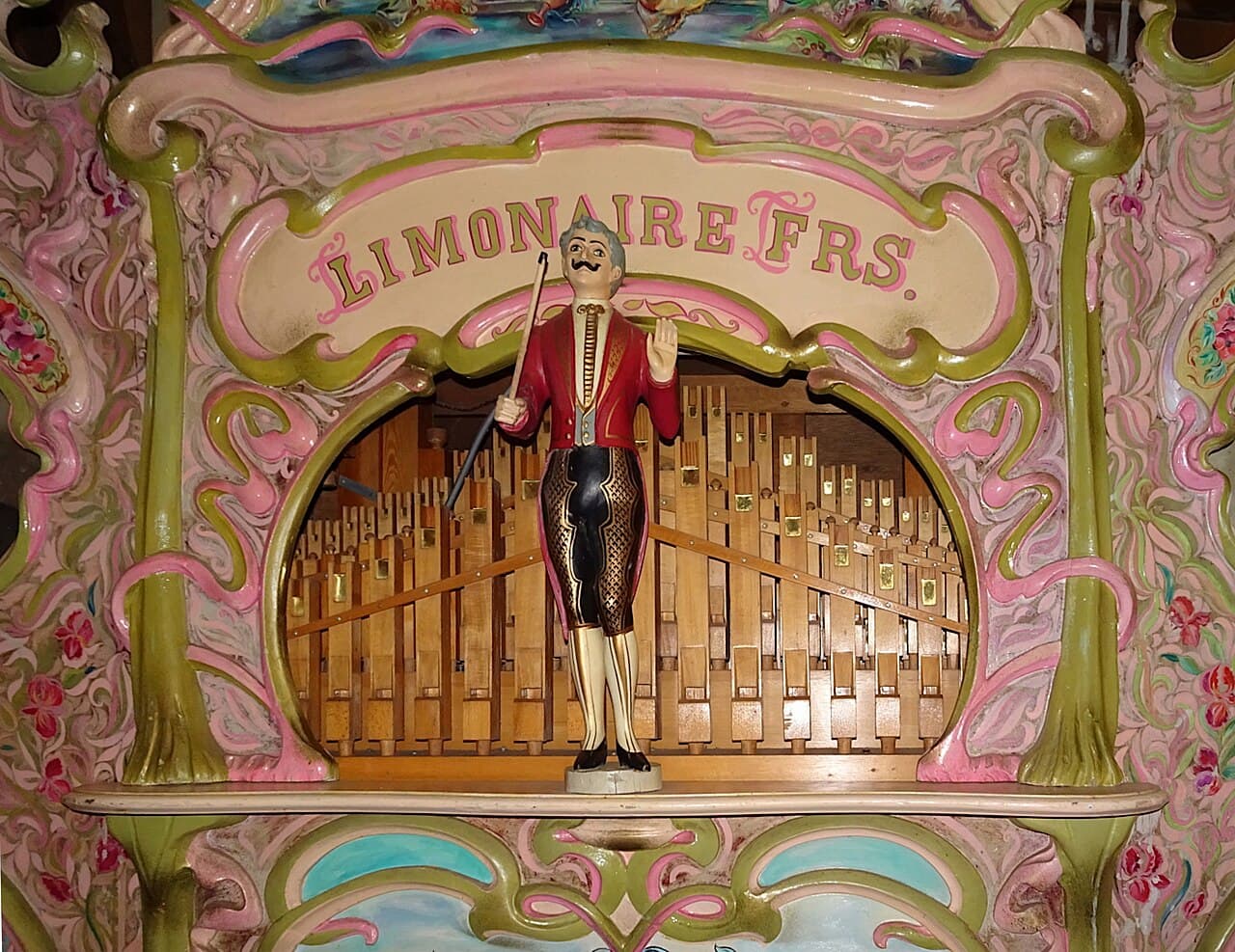 Museum
La Ferme des Orgues
Steenwerck
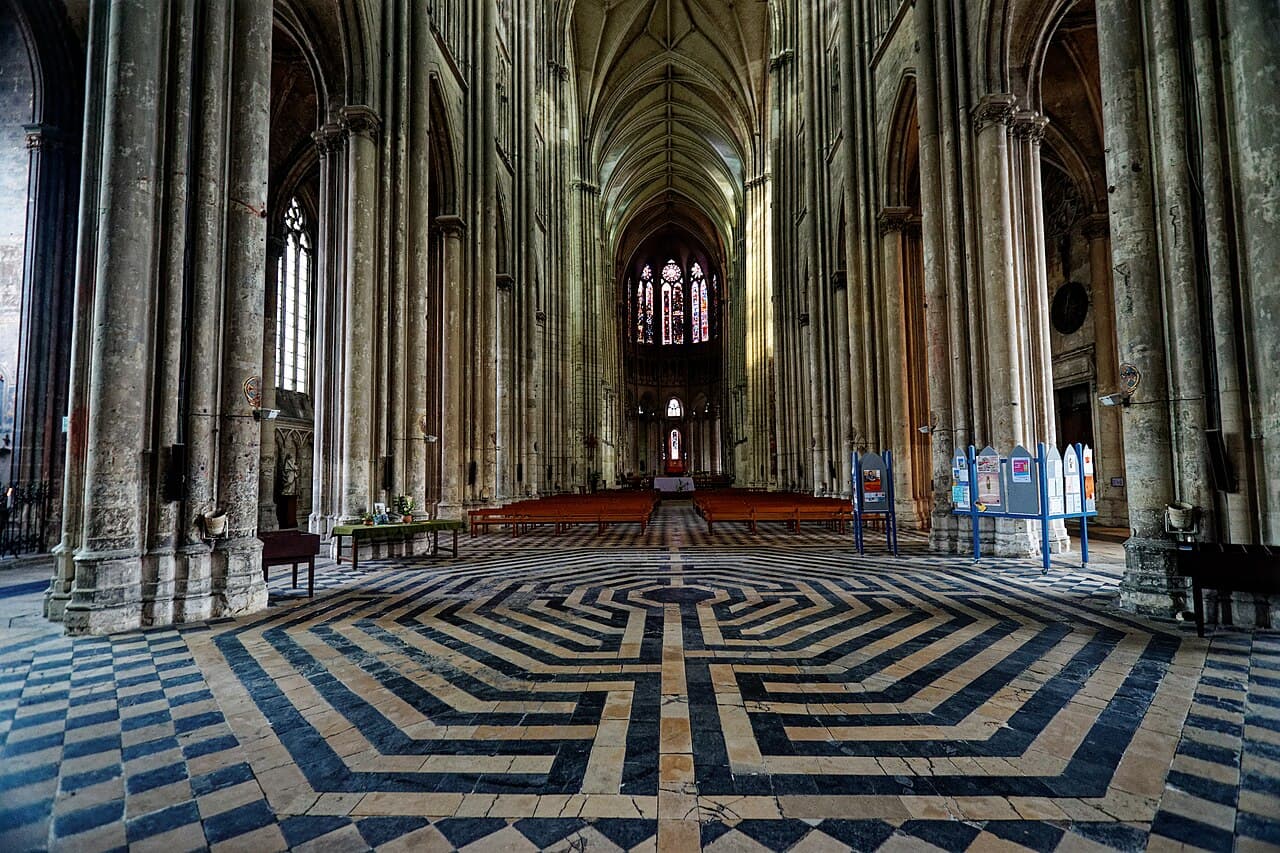 Religious site
Basilique Saint-Quentin
Saint-Quentin
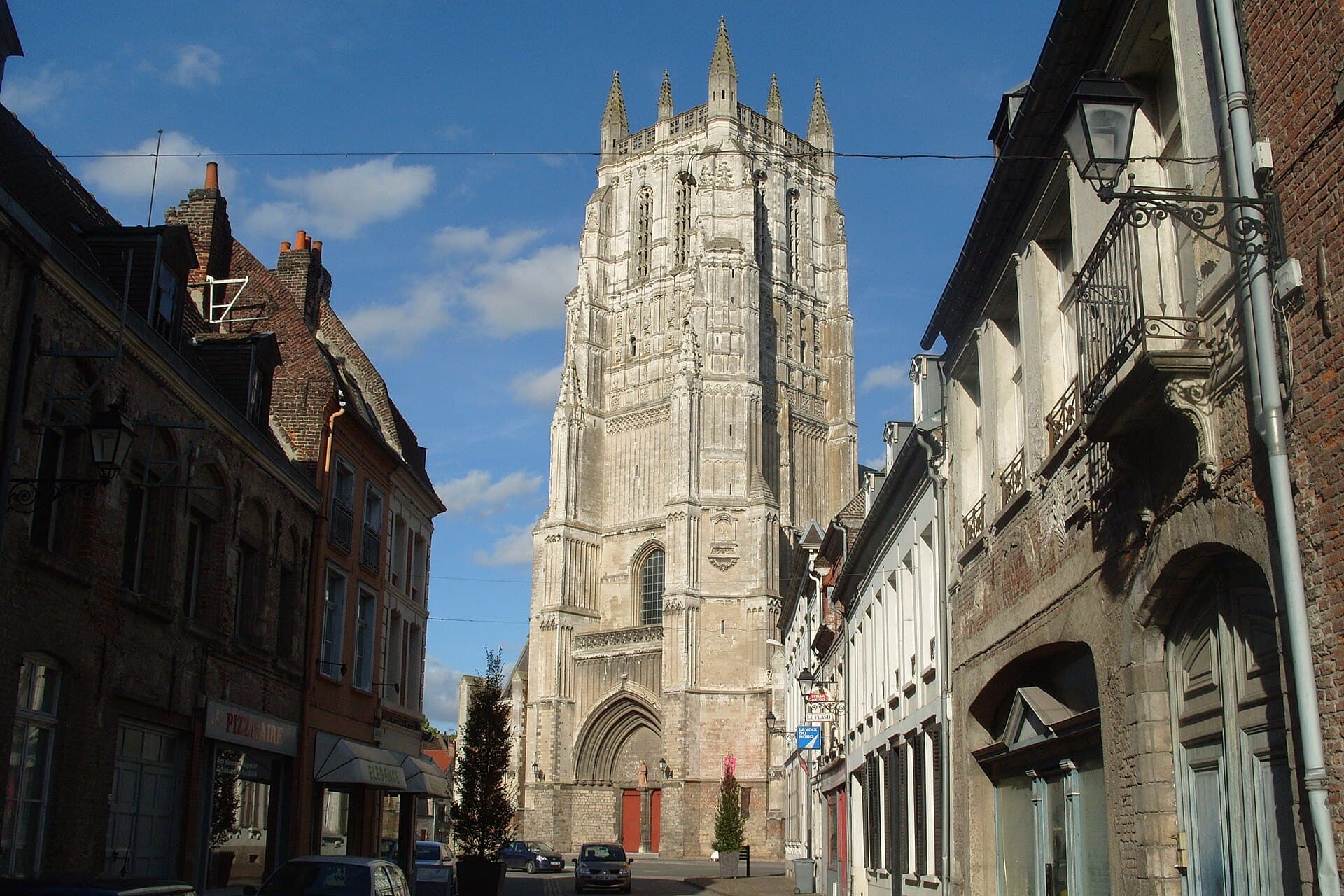 Religious site
Collégiale Saint-Pierre d'Aire-sur-la-Lys
Aire-sur-la-Lys
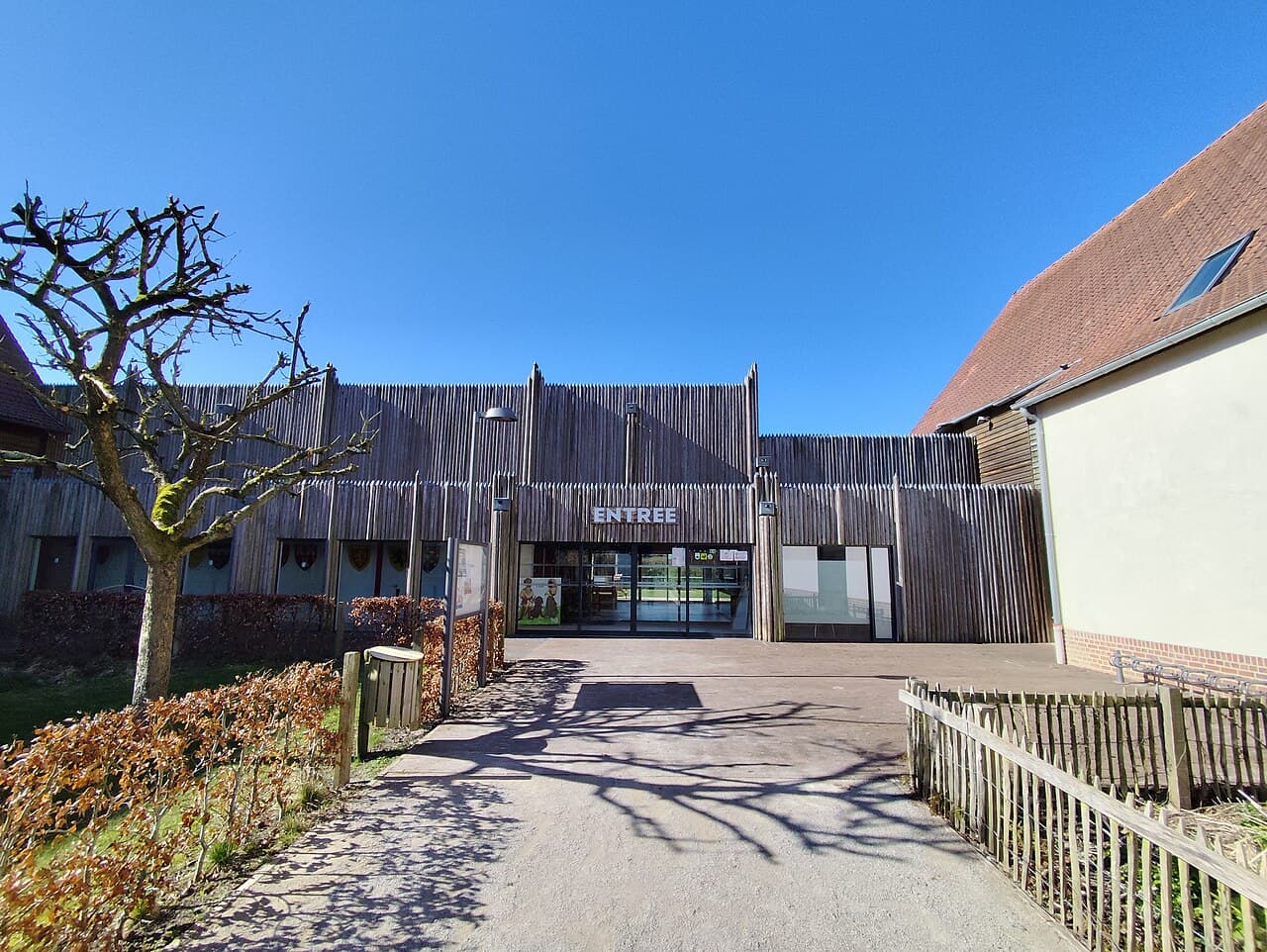 Museum
Centre Azincourt 1415
Azincourt
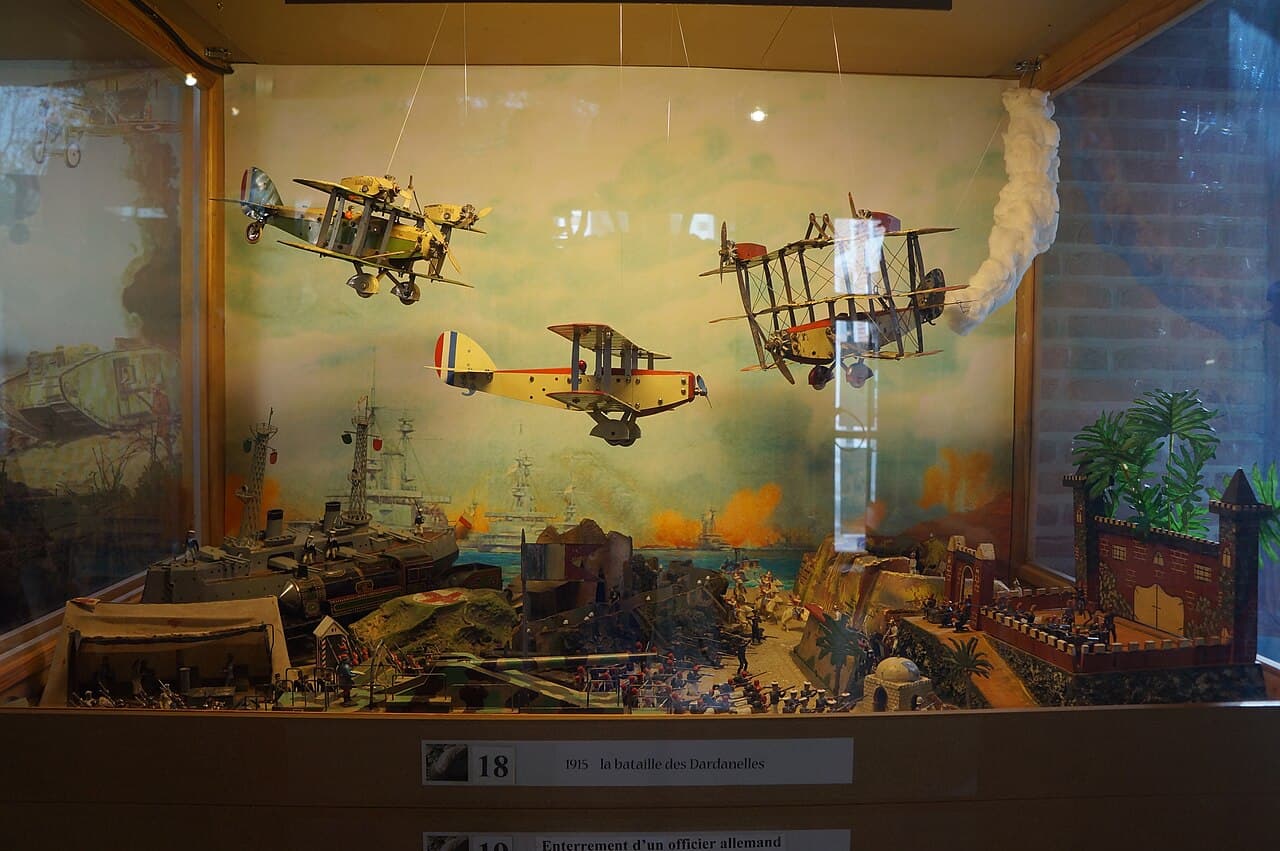 Museum
Musée de la Poupée et du Jouet Ancien
Wambrechies
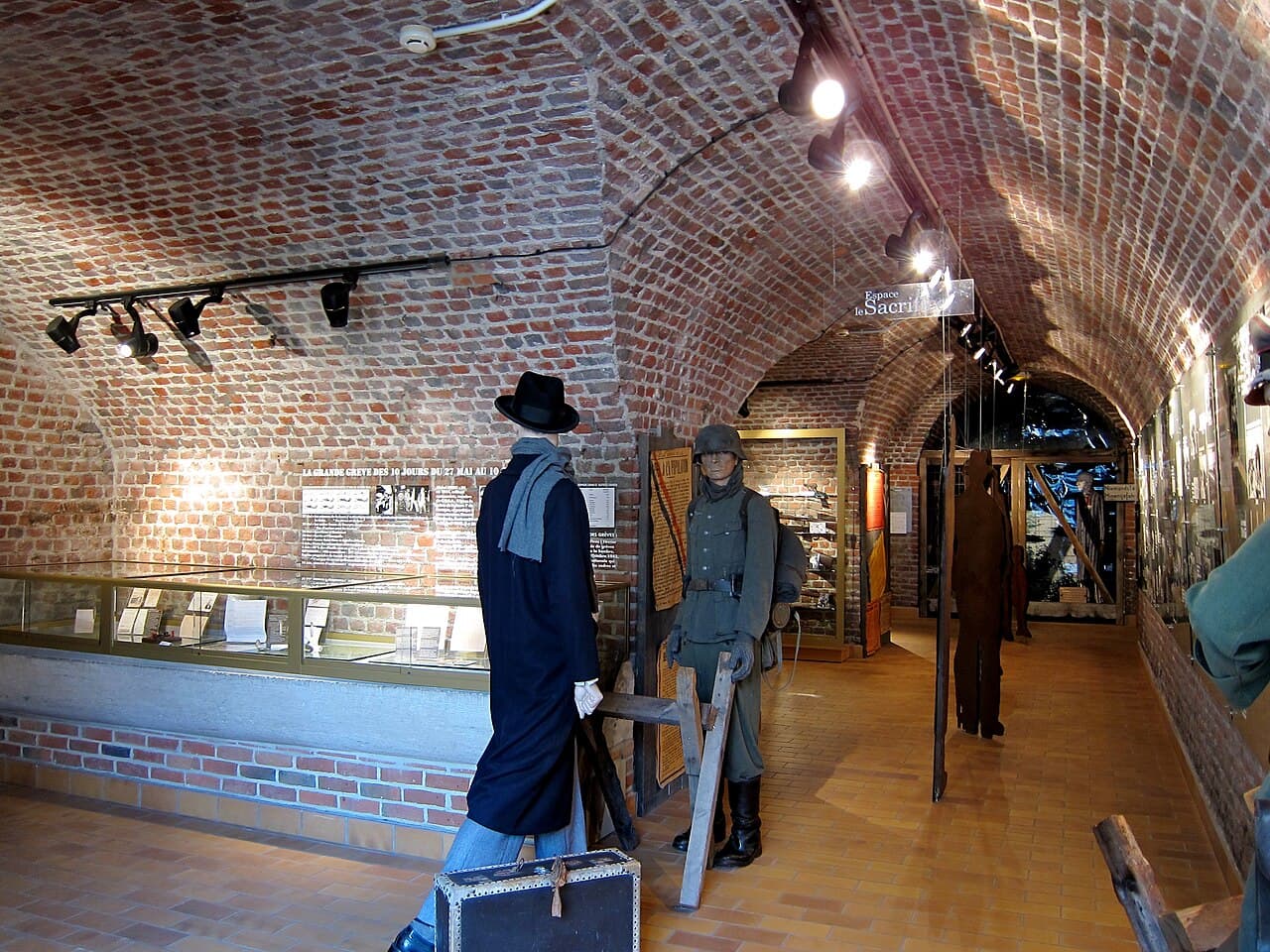 Museum
Musée de la Résistance
Bondues
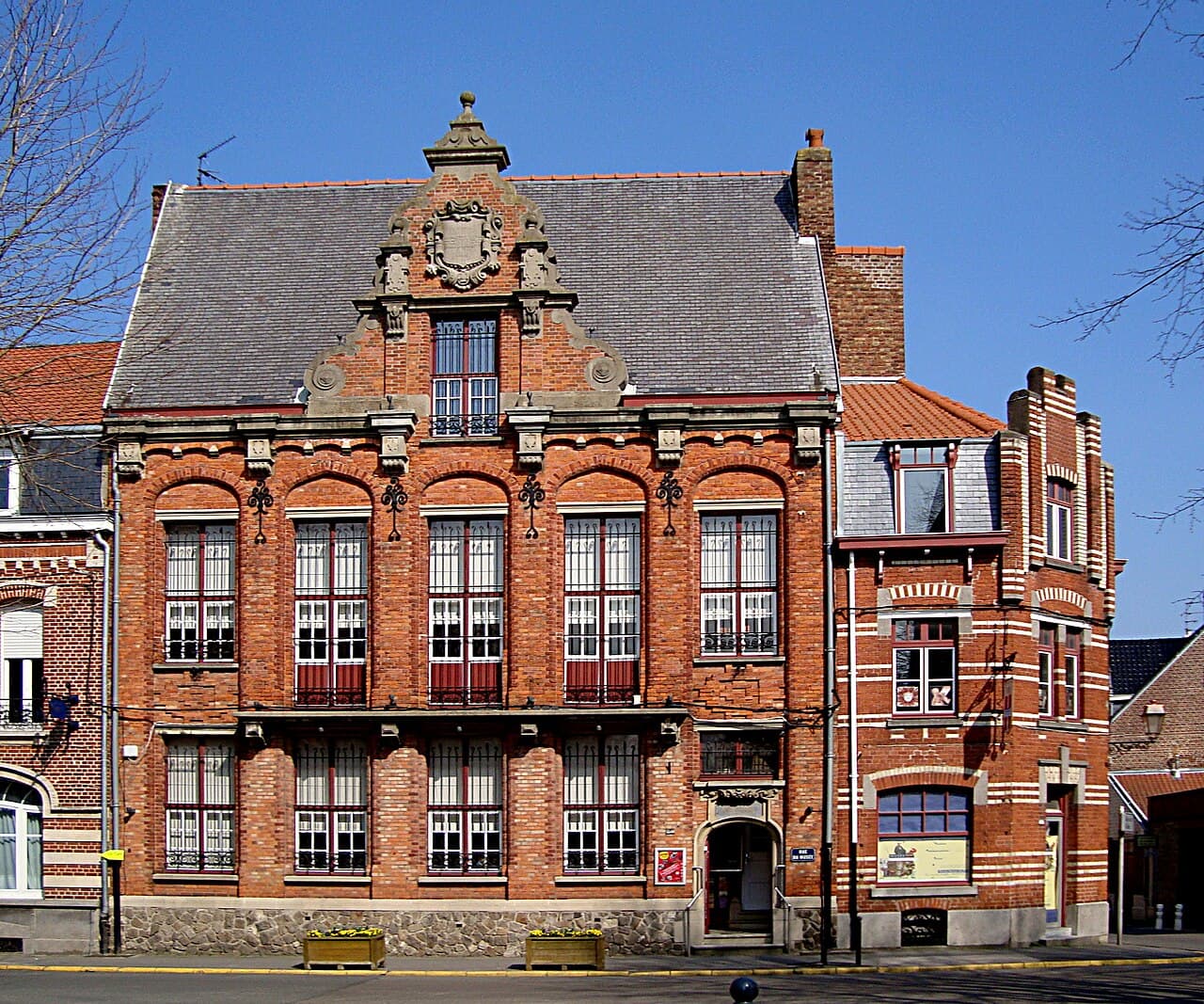 Museum
Musée Benoît-De-Puydt de Bailleul
Bailleul
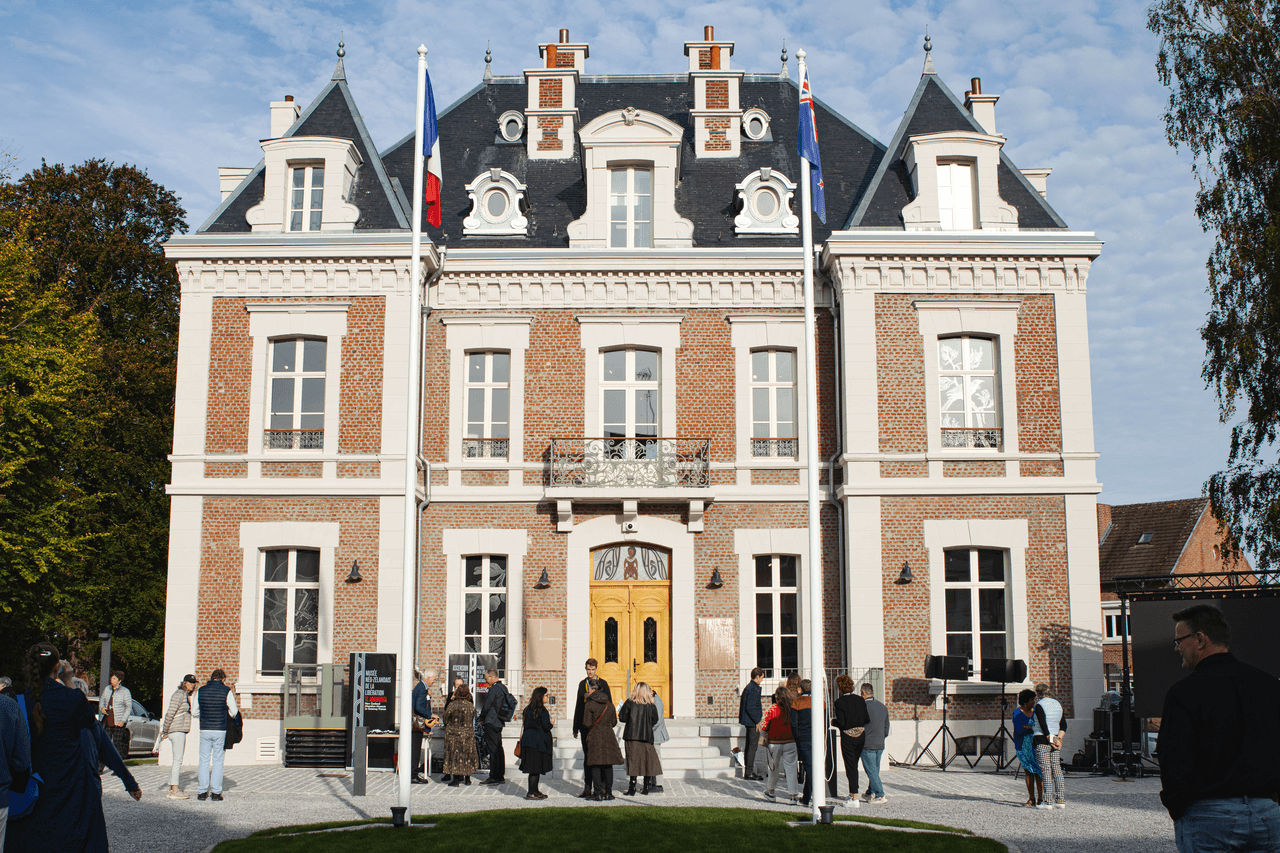 Museum
Musée néo-zélandais de la Libération - Te Arawhata
Le Quesnoy
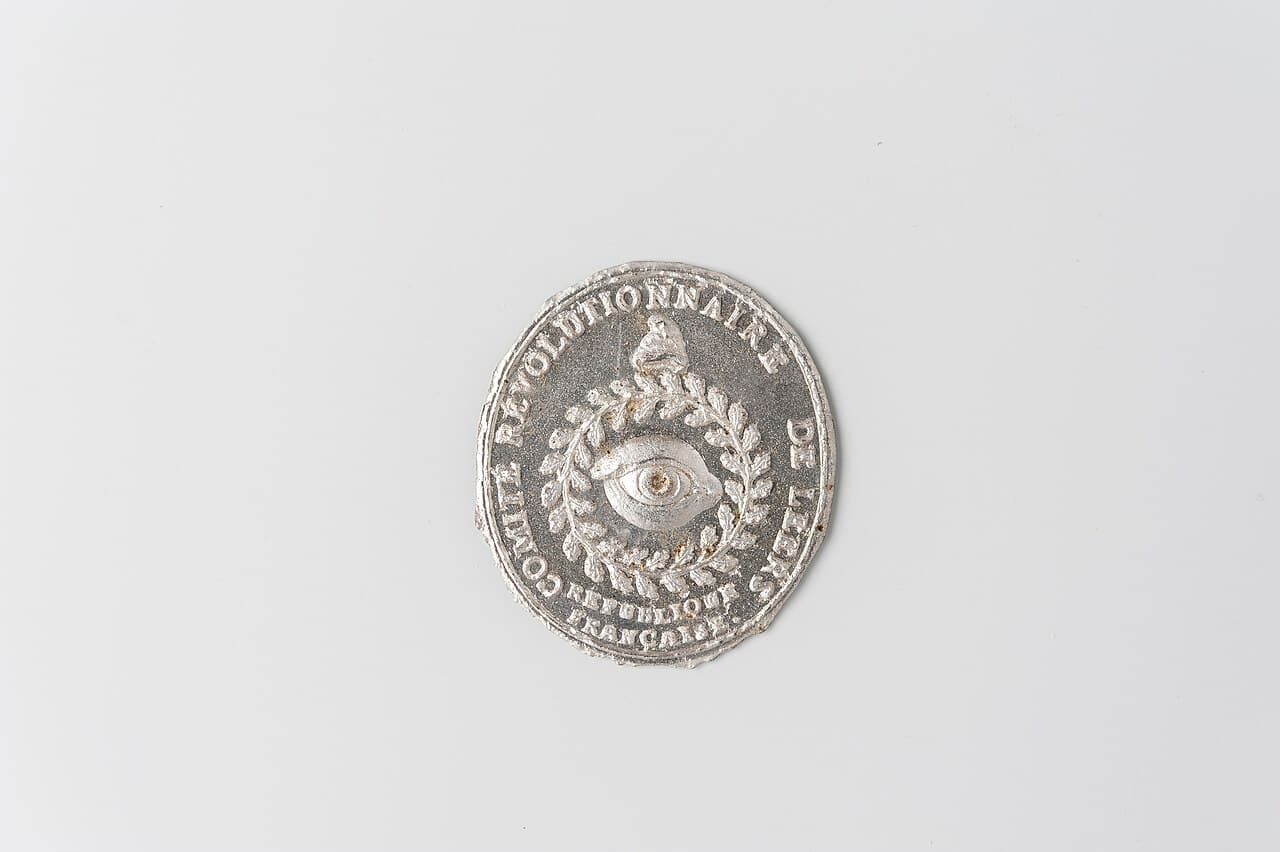 Museum
Musée de Leers
Leers
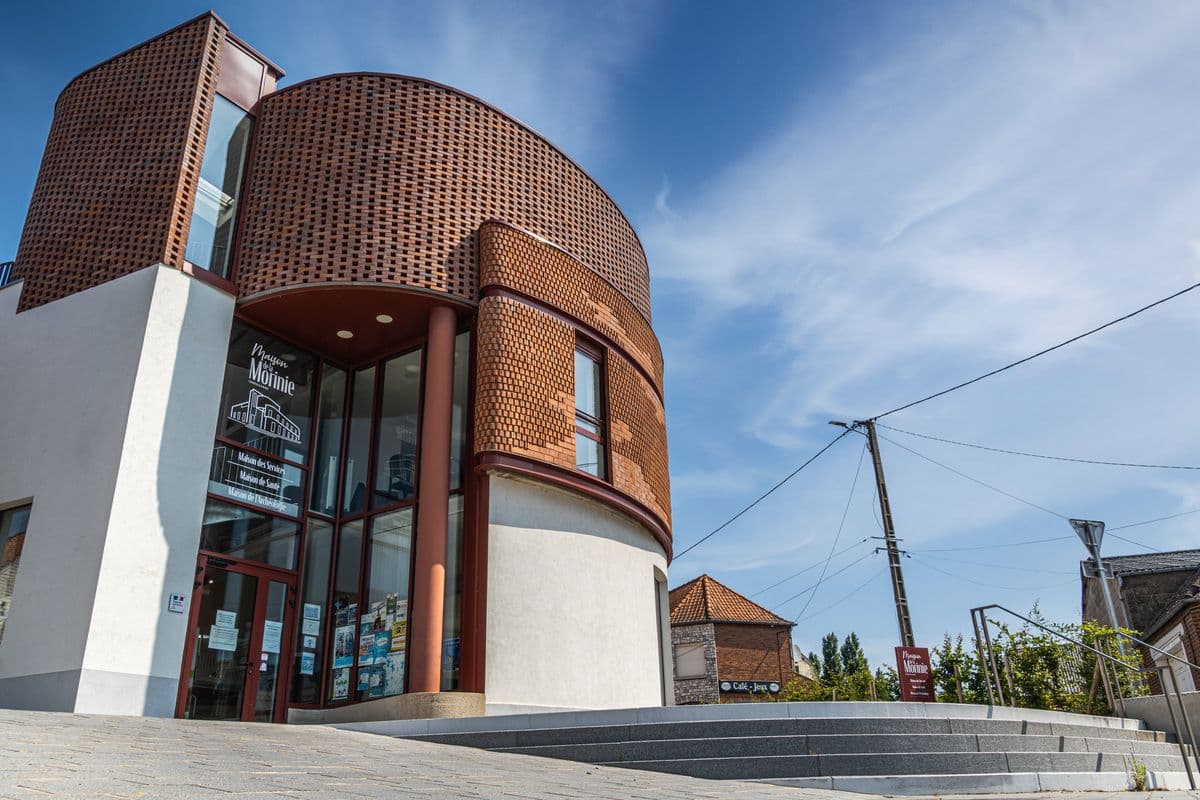 Museum
Maison de l'Archéologie
Thérouanne
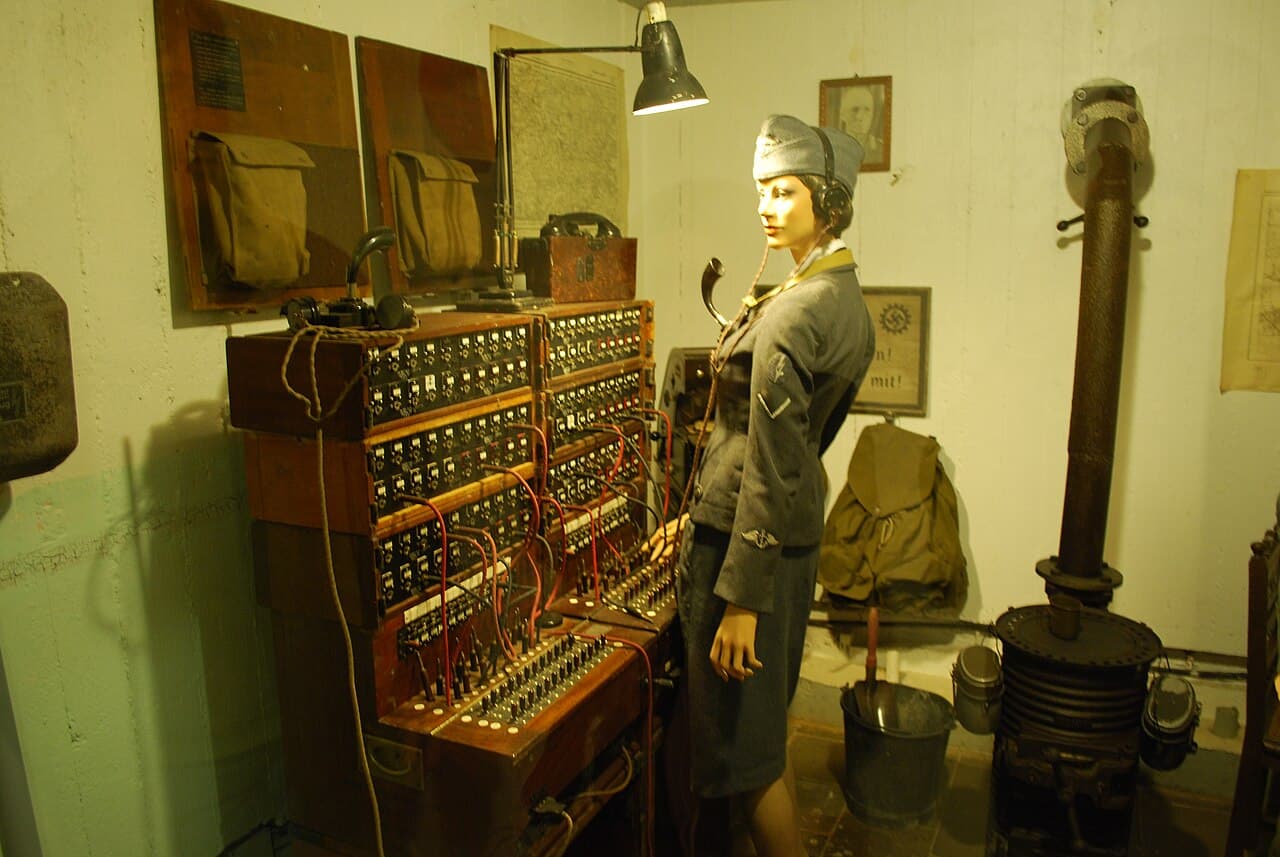 Museum
Musée du 5 juin 1944
Tourcoing
A Region Shaped by Coal, Cathedrals and Conflict
Hauts-de-France stretches from the English Channel coast to the Belgian border, and its museum landscape reflects that geography as much as its history. The Musée du Louvre-Lens brought a branch of the Paris institution to a former coal-mining town, placing paintings, sculpture and photography collections in a building surrounded by the very landscape that once defined the local economy.
That mining past is documented in depth at the Centre Historique Minier de Lewarde, an open-air museum built inside the former Delloye pit, and it is recognized internationally through the Bassin minier du Nord-Pas de Calais, inscribed on the UNESCO World Heritage List in 2012.
Further south in the Somme, the Cathédrale d'Amiens represents one of the largest Gothic buildings in France, while the region's WWI history is preserved at the Sites funéraires et mémoriels de la Première Guerre mondiale (Front Ouest) in Thiepval, and at museums such as Musée Somme 1916 in Albert and Musée du Mur de l'Atlantique - Batterie Todt near Cap Gris-Nez.
Lille: The Region's Museum Hub
Most of the region's fine art collections concentrate in Lille, starting with the Palais des Beaux-Arts de Lille, one of the largest fine arts museums in France outside Paris, and the Musée de l'Hospice Comtesse, housed in a medieval hospice founded in 1237.
The city also holds more personal or unusual collections: the Maison Natale Charles de Gaulle on rue Princesse, the Musée de l'illusion de Lille with its perspective rooms and interactive installations, and the Musée d'Histoire Naturelle de Lille on rue Gosselet, with its zoology and geology collections.
Beyond the museums, Lille supports a dense network of contemporary art spaces, including Le Tripostal, Lasécu and artconnexion - centre d'art, alongside commercial galleries such as Galerie Bacqueville and YellowKorner.
Just outside the city center, Villeneuve-d'Ascq hosts the Musée de Plein Air, an open-air reconstruction of a rural village assembled from around twenty buildings rescued from demolition across the region, spanning the 17th to 19th centuries.
Roubaix, Amiens and the Region's Artistic Figures
In Roubaix, La Piscine - Musée d'art et d'industrie André Diligent de Roubaix occupies a former Art Deco swimming pool converted into a museum of sculpture, painting, ceramics and textile design, reflecting the city's industrial textile heritage.
The Matisse family connection to the region is honored at the Musée Henri Matisse, while Amiens celebrates its most famous resident writer at the Maison de Jules Verne, the house where Jules Verne lived for thirty-four years between 1871 and 1905.
Amiens also holds the Musée de Picardie, a key institution for the region's art collections and cultural life, while Arras contributes its own fine arts collection at the Musée des Beaux-Arts d'Arras.
Frequently asked questions
How many days do you need to see the main sites in Hauts-de-France?
Three to four days allow time for Lille's museums, a day trip to the Louvre-Lens, and a visit to either the Somme battlefields or the Somme bay coastline.
Is the Louvre-Lens easy to reach without a car?
Yes, Lens has a direct train connection to Lille (around 40 minutes) and the museum is a short walk from the station.
What is the best time of year to visit the Somme bay?
Spring and early autumn offer migratory bird activity and milder weather for walking the bay at low tide; summer is busiest along the coast.
Are the WWI memorial sites suitable for a family visit?
The Thiepval memorial and the Musée Somme 1916 in Albert present the history clearly and are widely visited by families, though the subject matter is serious and best suited to older children.
Which Lille museum is best for a short visit of one or two hours?
The Musée de l'Hospice Comtesse and the Musée de l'illusion de Lille are both compact enough to see thoroughly in under two hours.
Is the Bassin minier heritage site a single location or spread across the region?
It is a vast UNESCO-listed area covering former mining towns, slag heaps and workers' housing across the Nord and Pas-de-Calais départements, best explored with the Centre Historique Minier de Lewarde as a starting point.