Region
Museums, galleries and heritage in Auvergne-Rhône-Alpes
690 places to discover across Auvergne-Rhône-Alpes.
Including Basilique Notre-Dame-de-Fourvière, Musée des Confluences and Cathédrale Saint-Jean-Baptiste de Lyon.
60 of 226 places, sorted by distance from the center
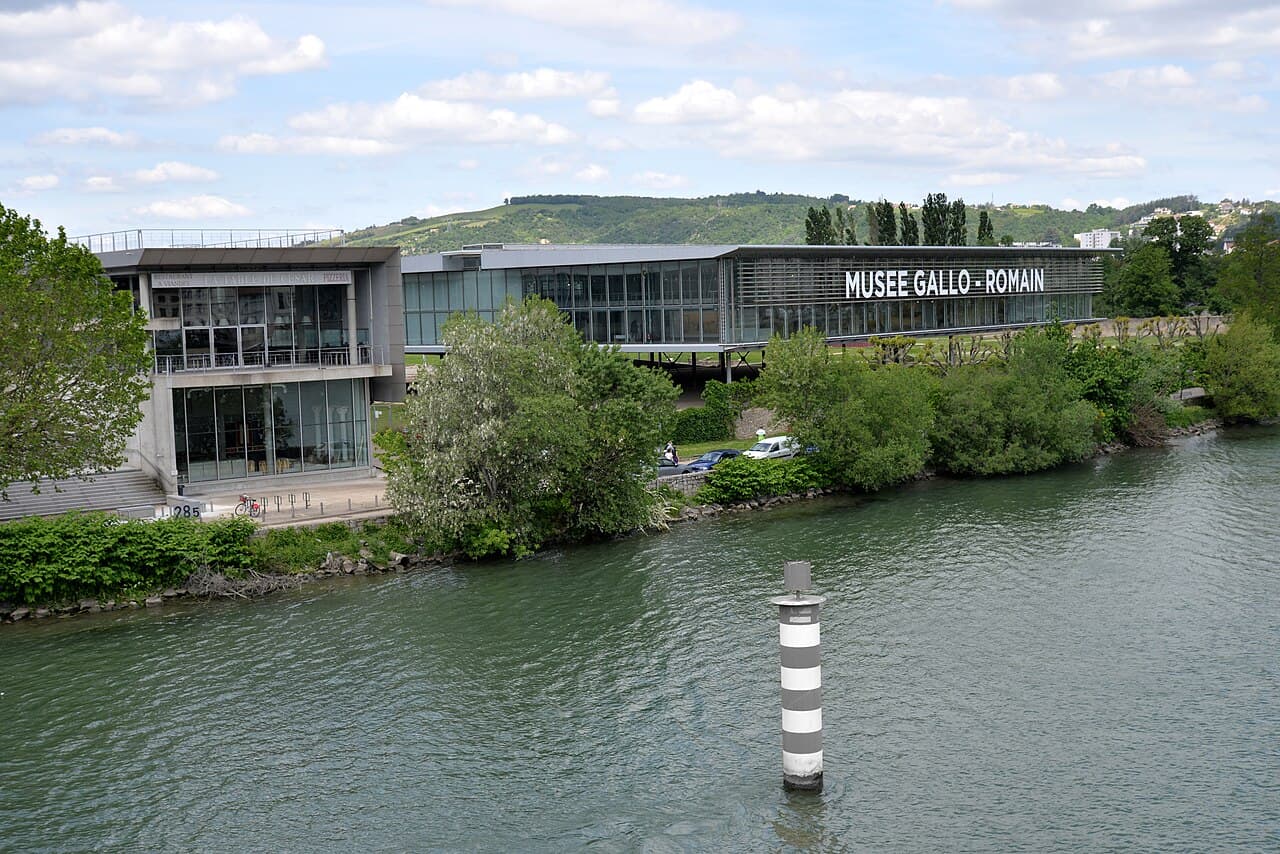 Museum
Musée et sites archéologiques de Saint-Romain-en-Gal
Saint-Romain-en-Gal
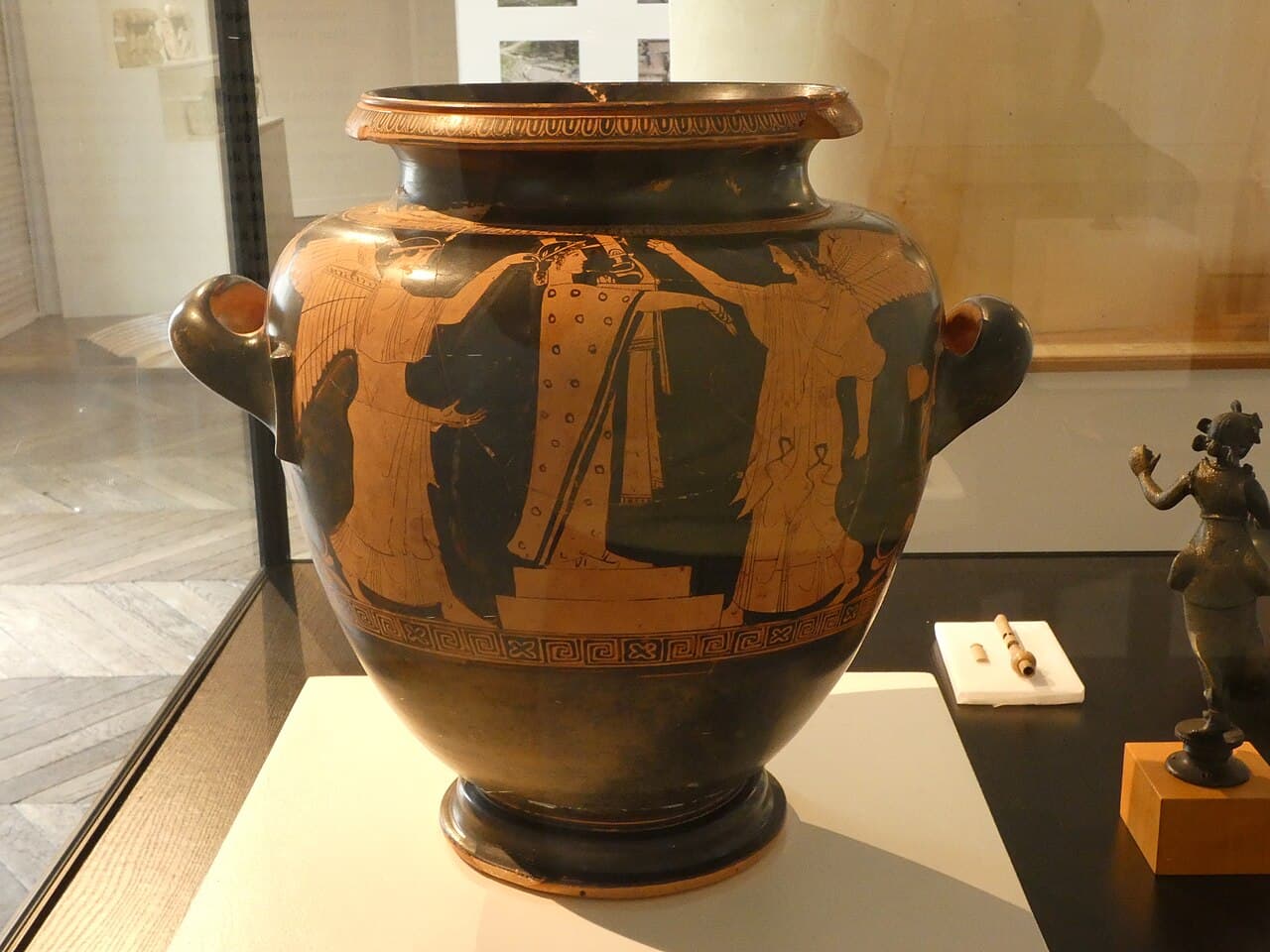 Museum
Salle du Patrimoine
Vienne
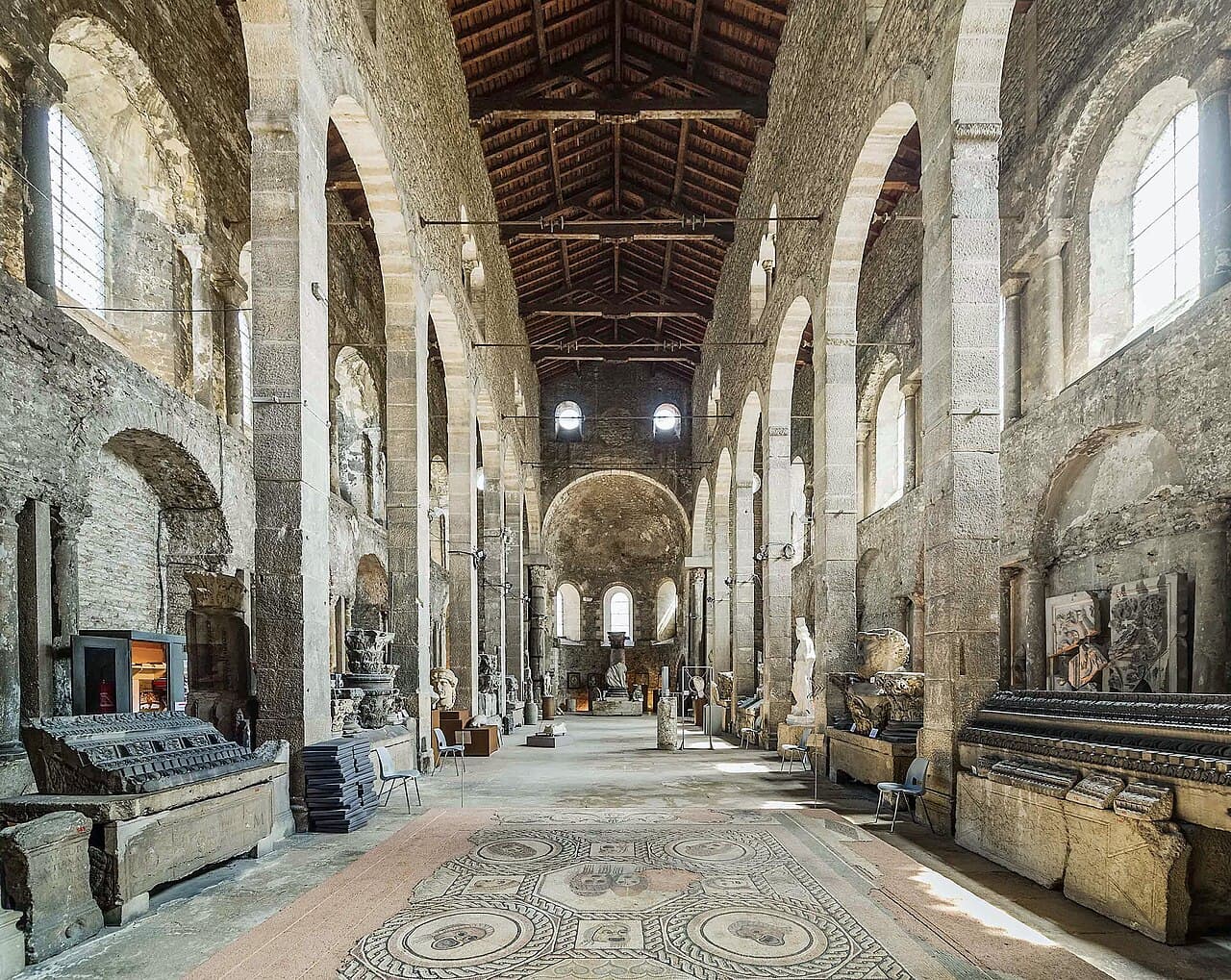 Museum
Musée lapidaire Saint-Pierre
Vienne
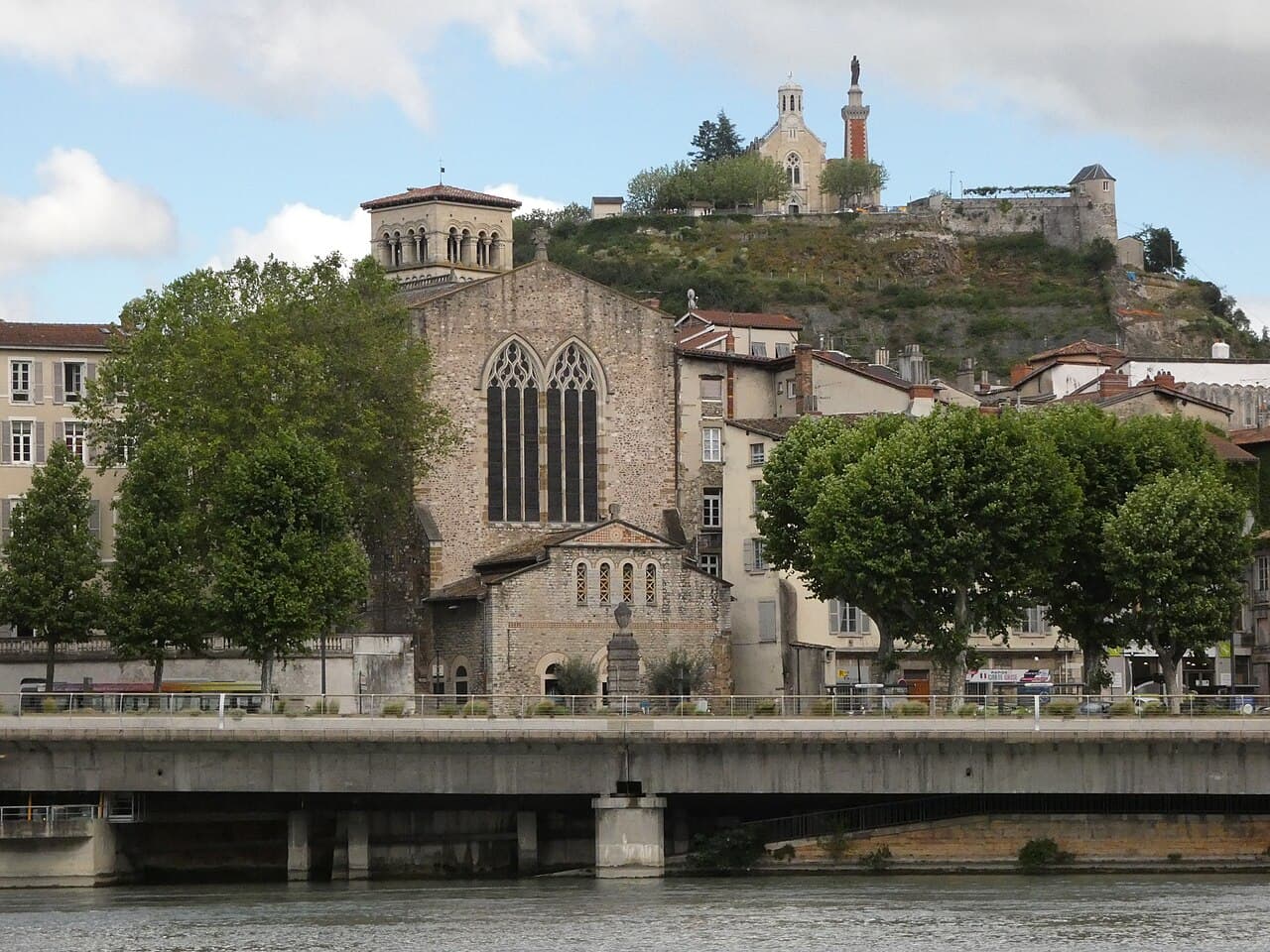 Religious site
Église Saint-André-le-Bas de Vienne
Vienne
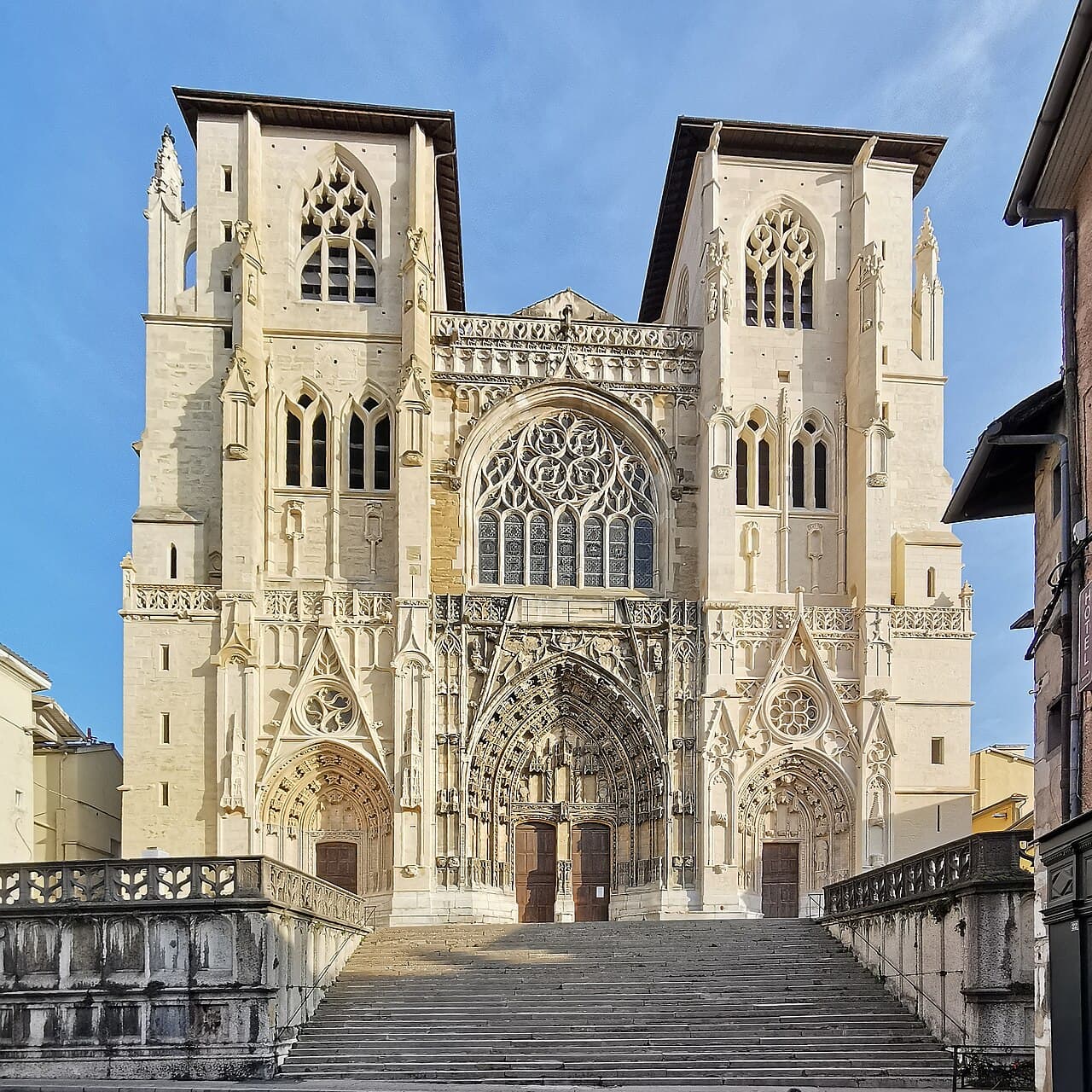 Religious site
Cathédrale Saint-Maurice de Vienne
Vienne
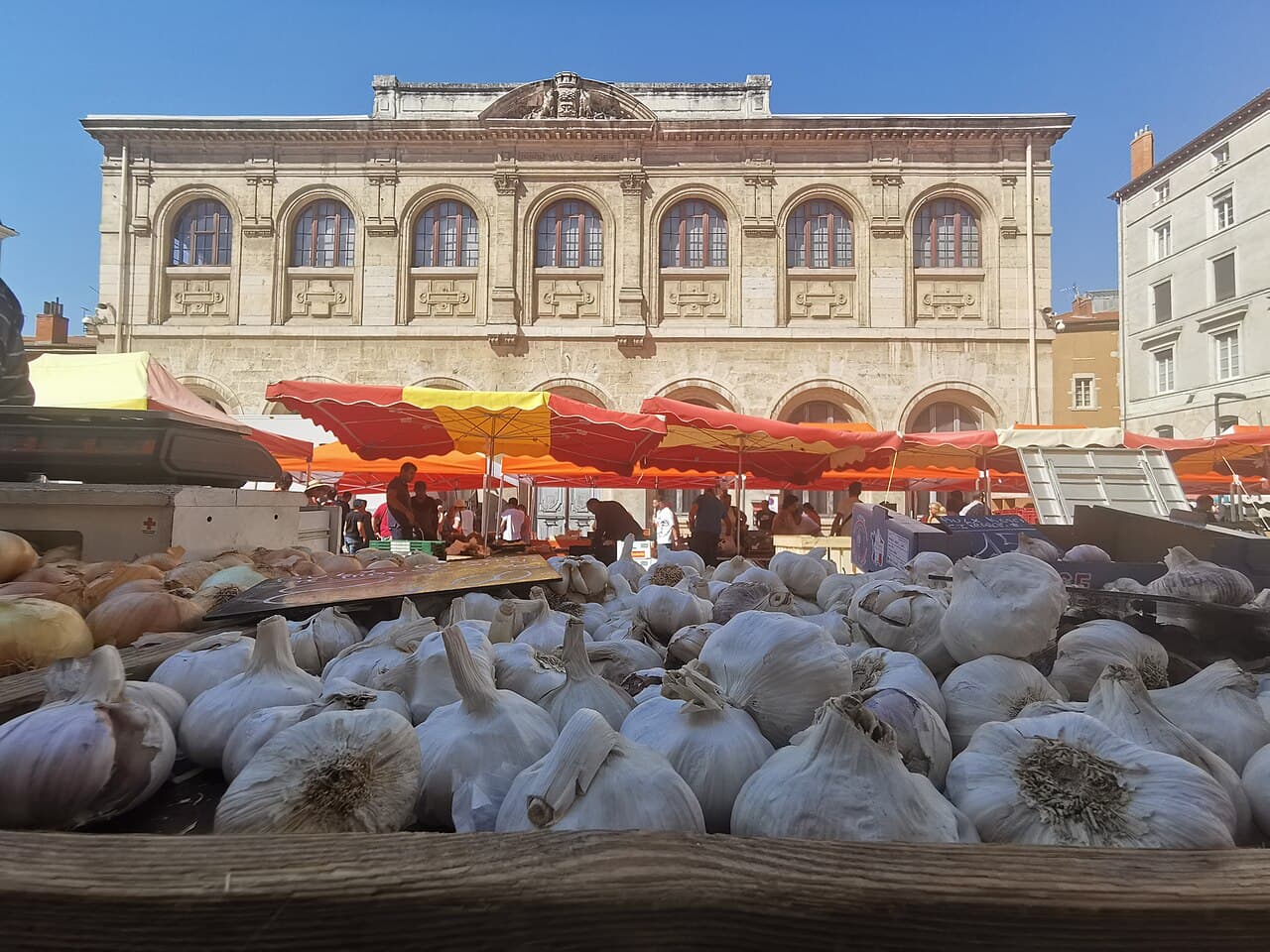 Museum
Musée des Beaux-Arts et d'Archéologie de Vienne
Vienne
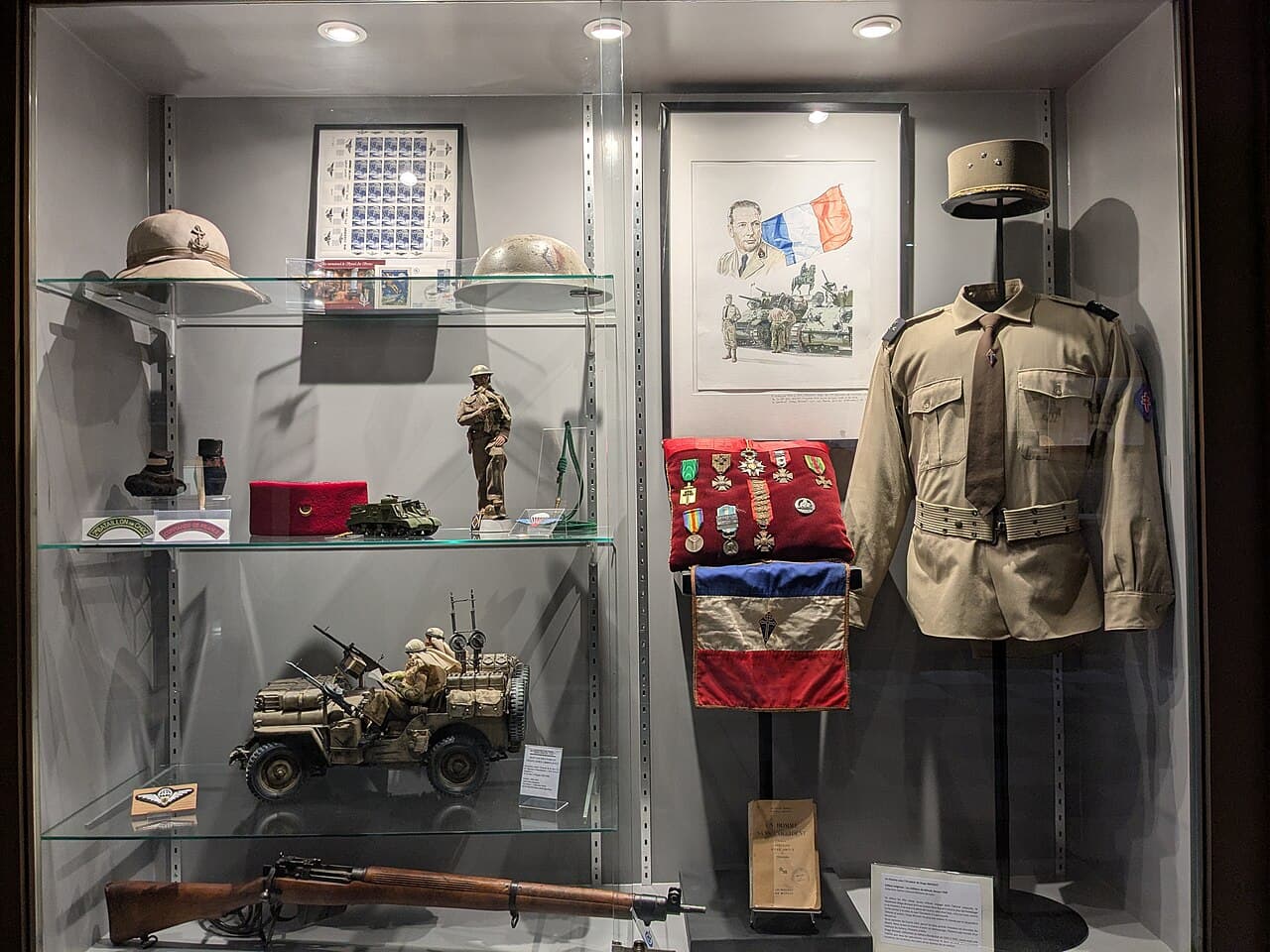 Museum
Musée d'histoire militaire de Lyon et sa région
Lyon
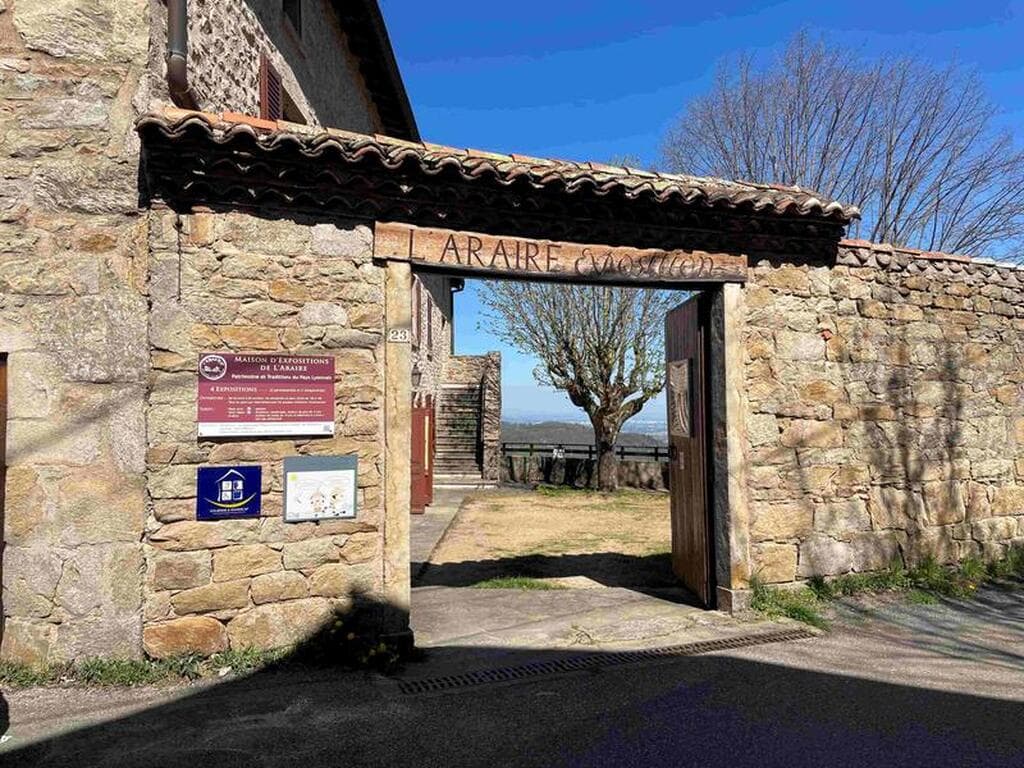 Museum
Musée Maison de L'Araire
Yzeron
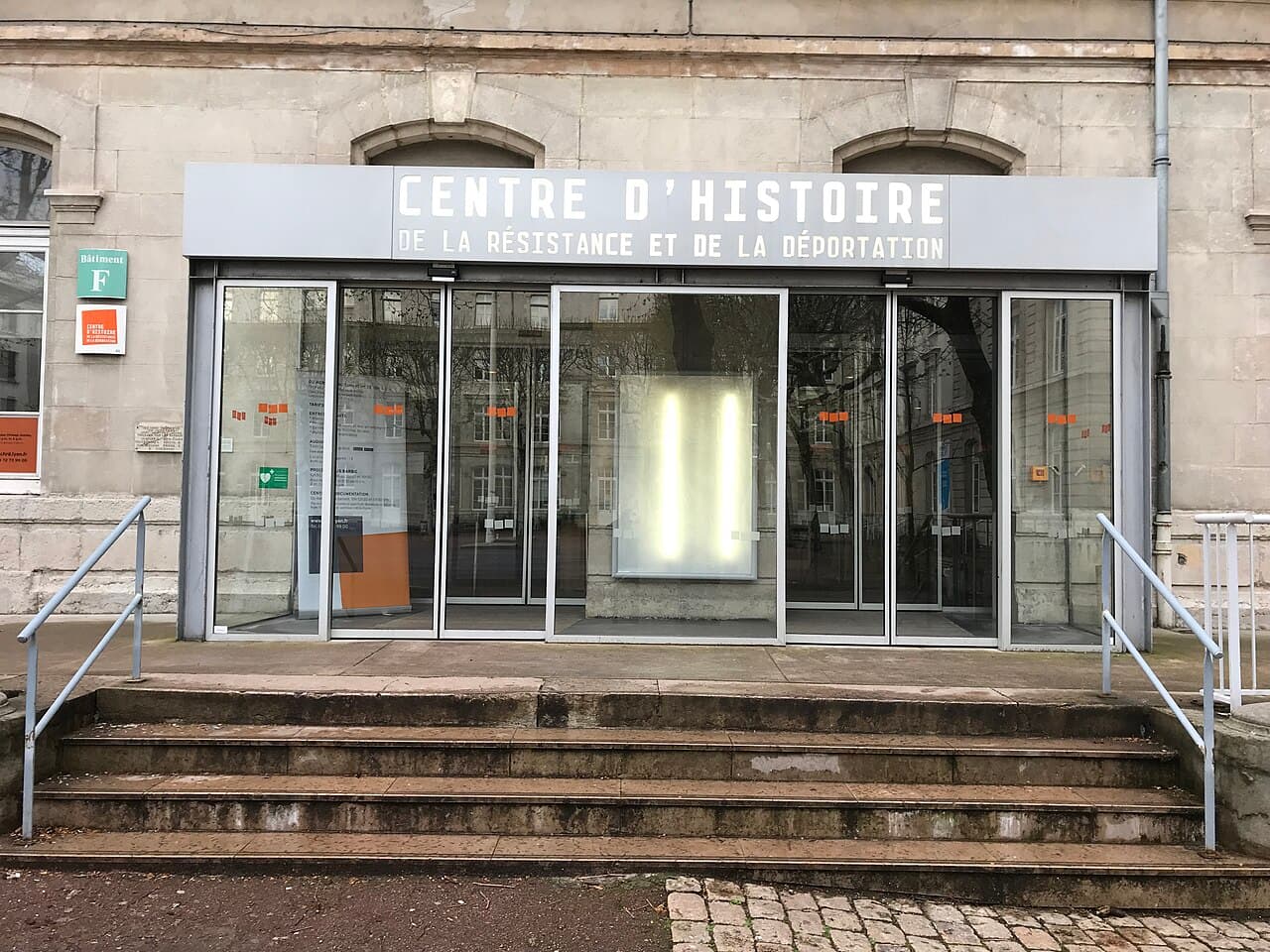 Museum
Centre d'histoire de la résistance
Lyon
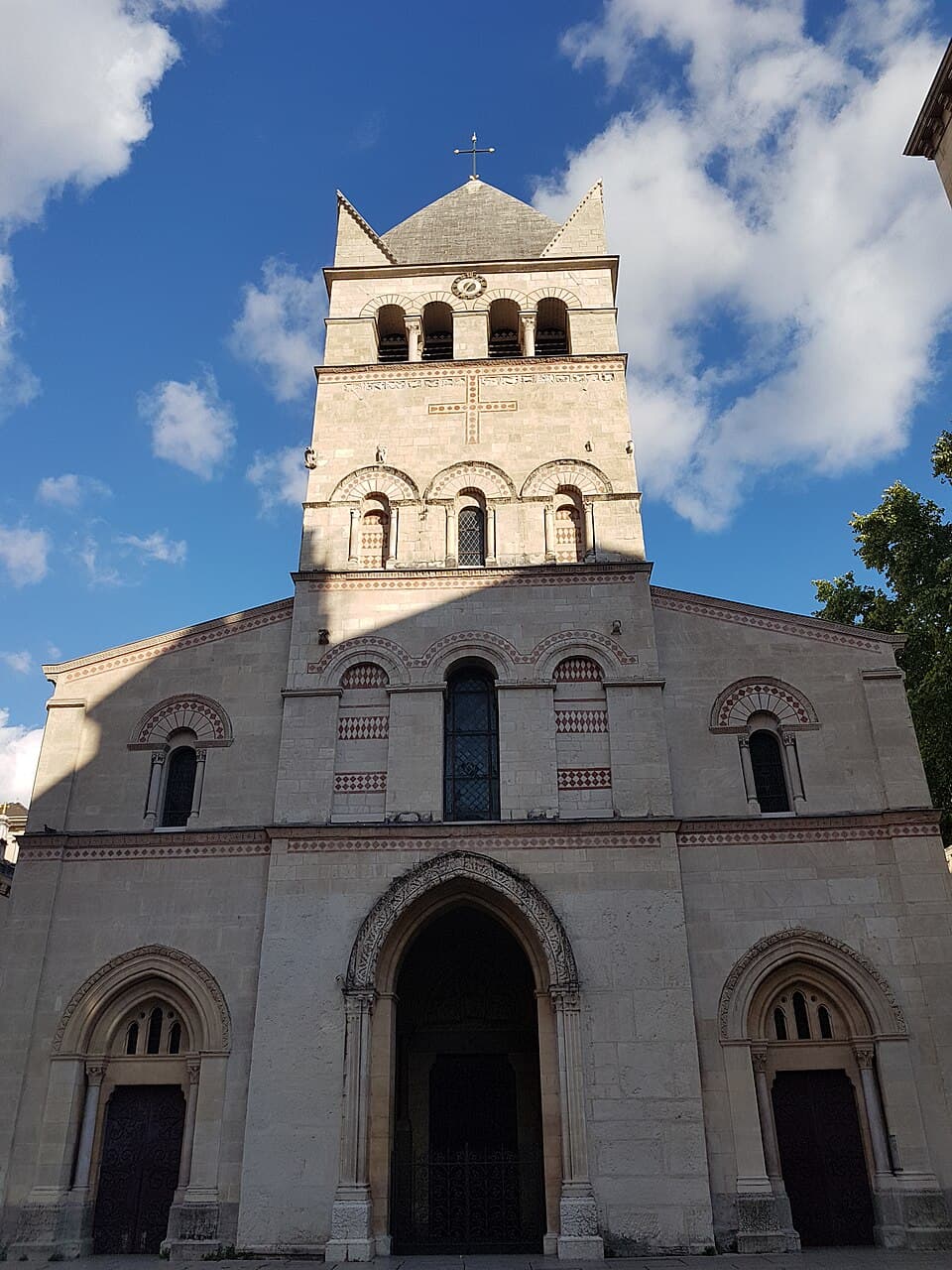 Religious site
Basilique Saint-Martin d'Ainay
Lyon
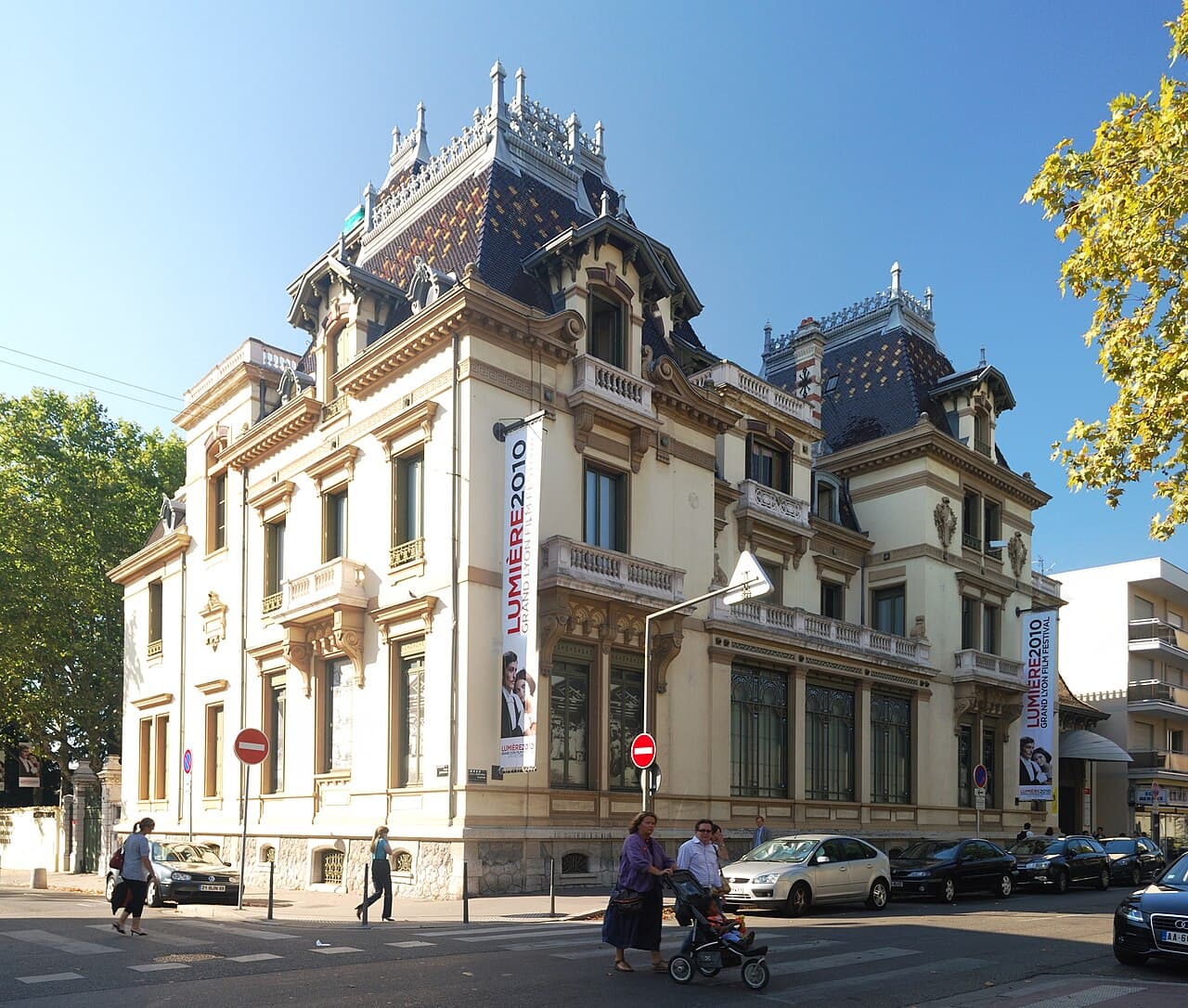 Museum
Musée Lumière
Lyon
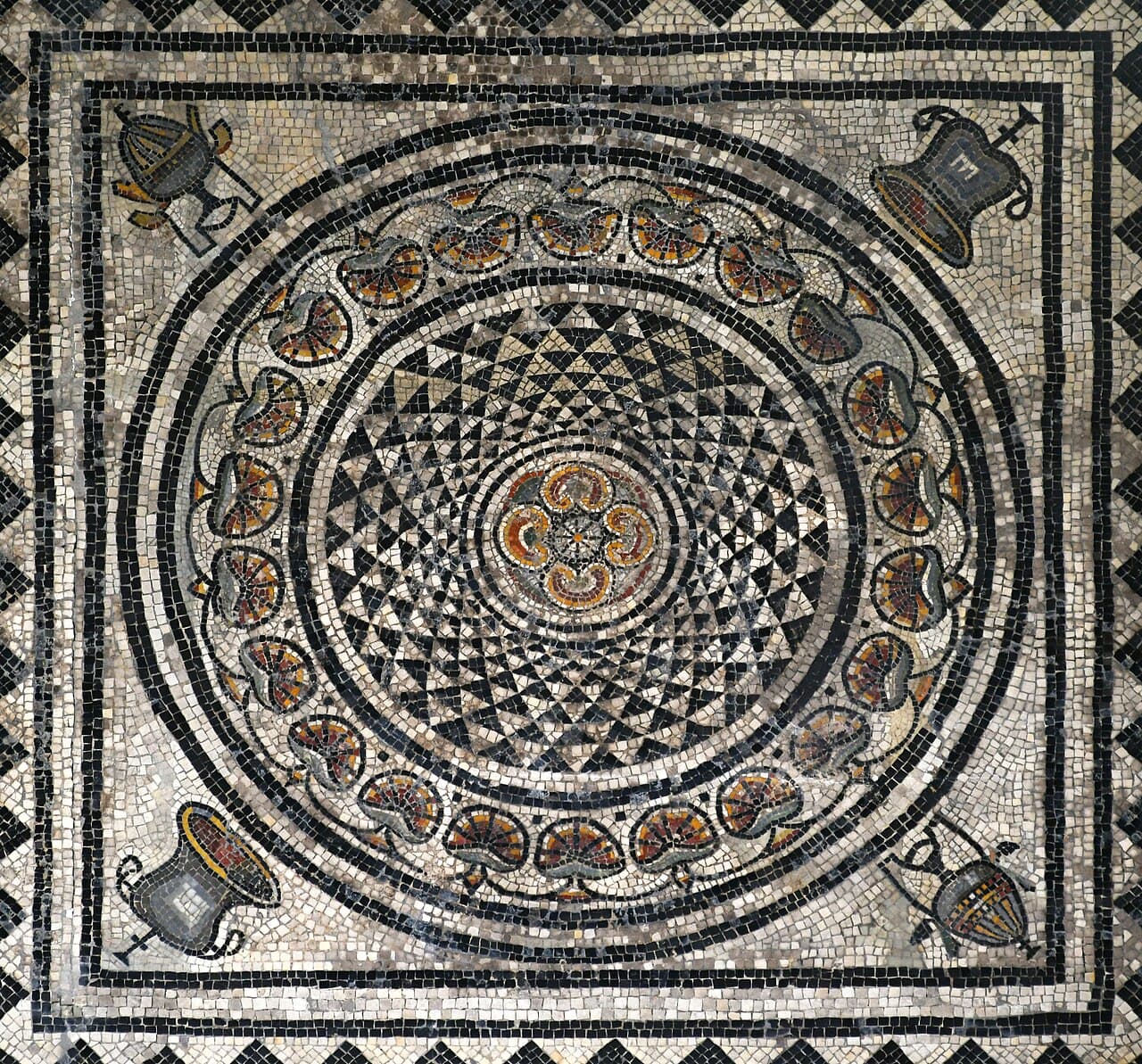 Museum
Lugdunum - Musée & Théâtres romains
Lyon
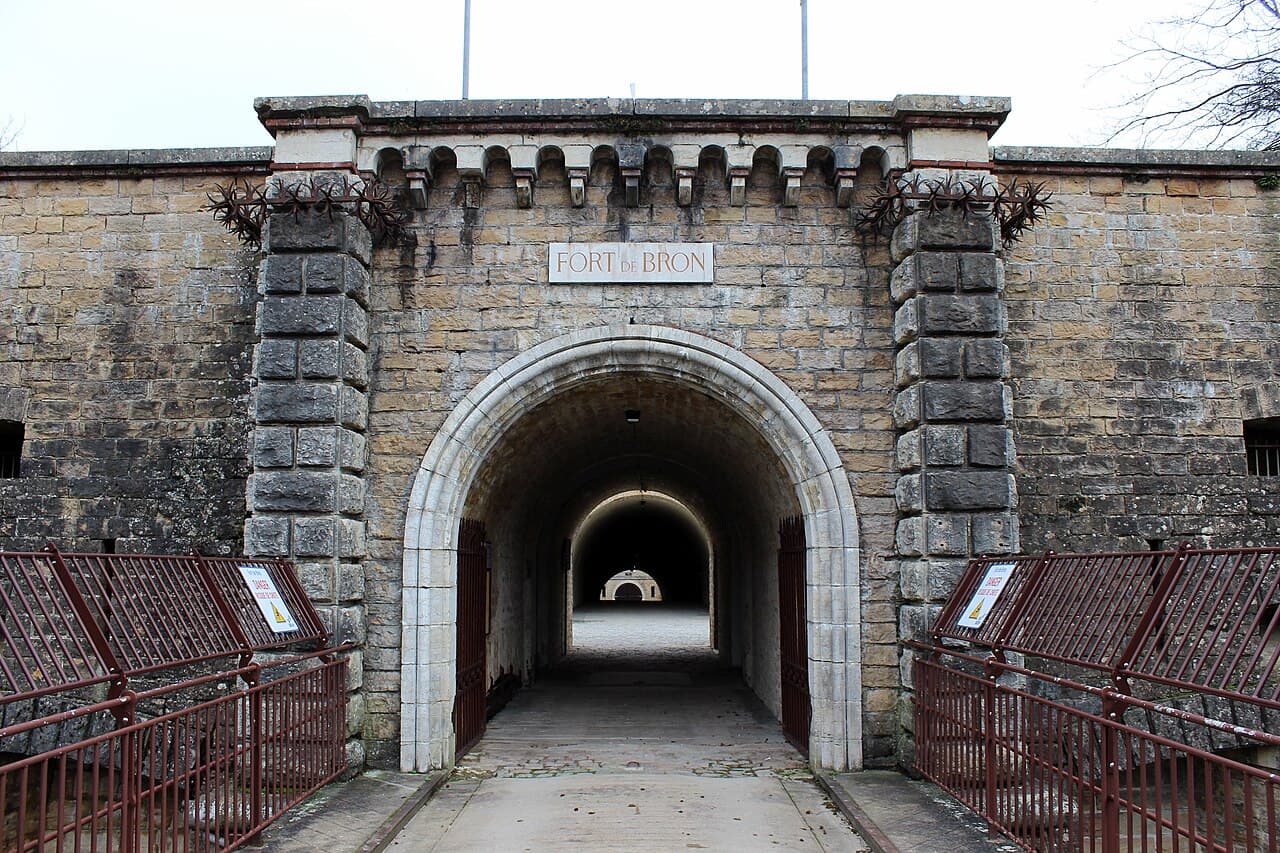 Museum
Fort de Bron
Bron
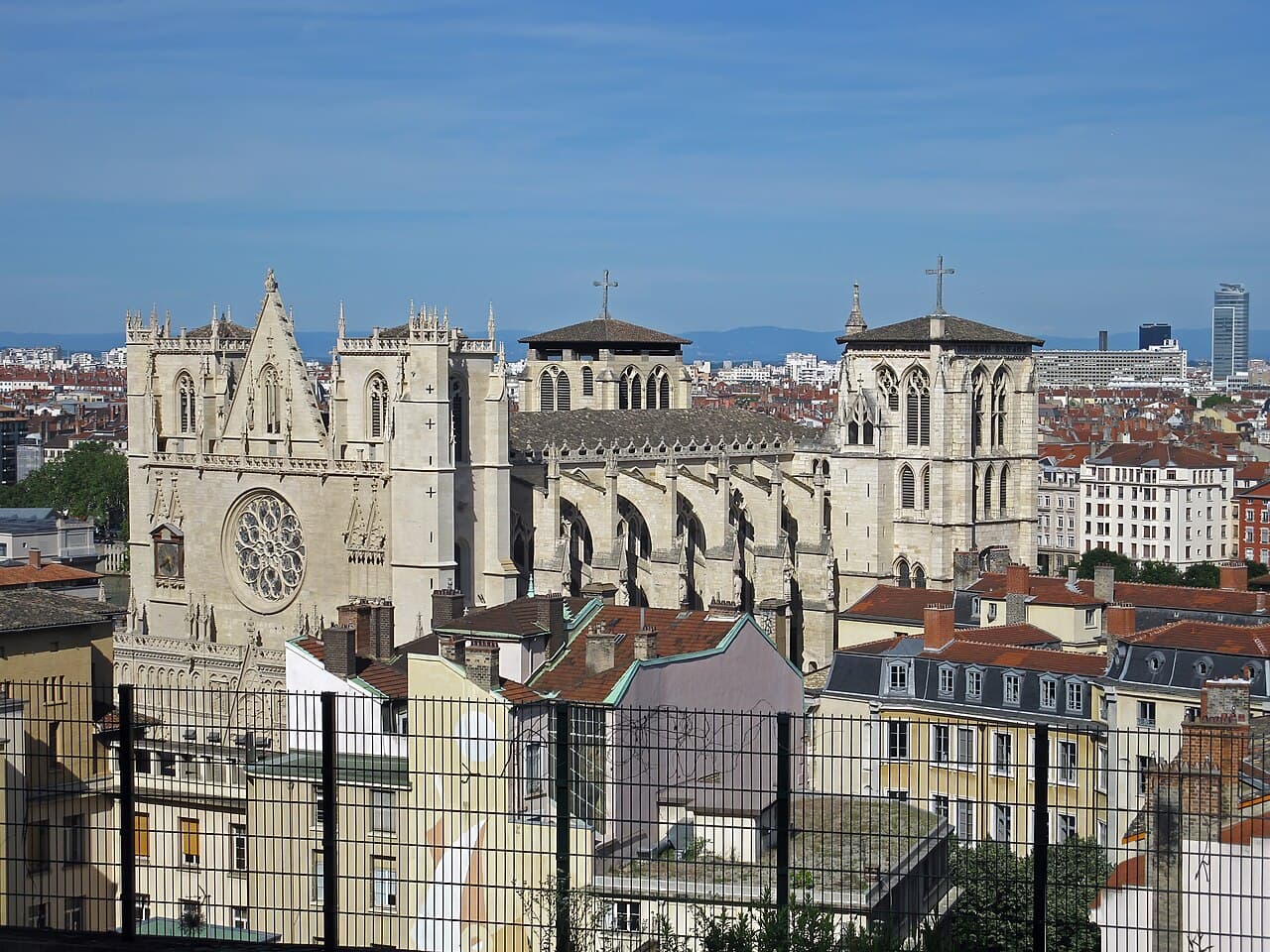 Religious site
Cathédrale Saint-Jean-Baptiste de Lyon
Lyon
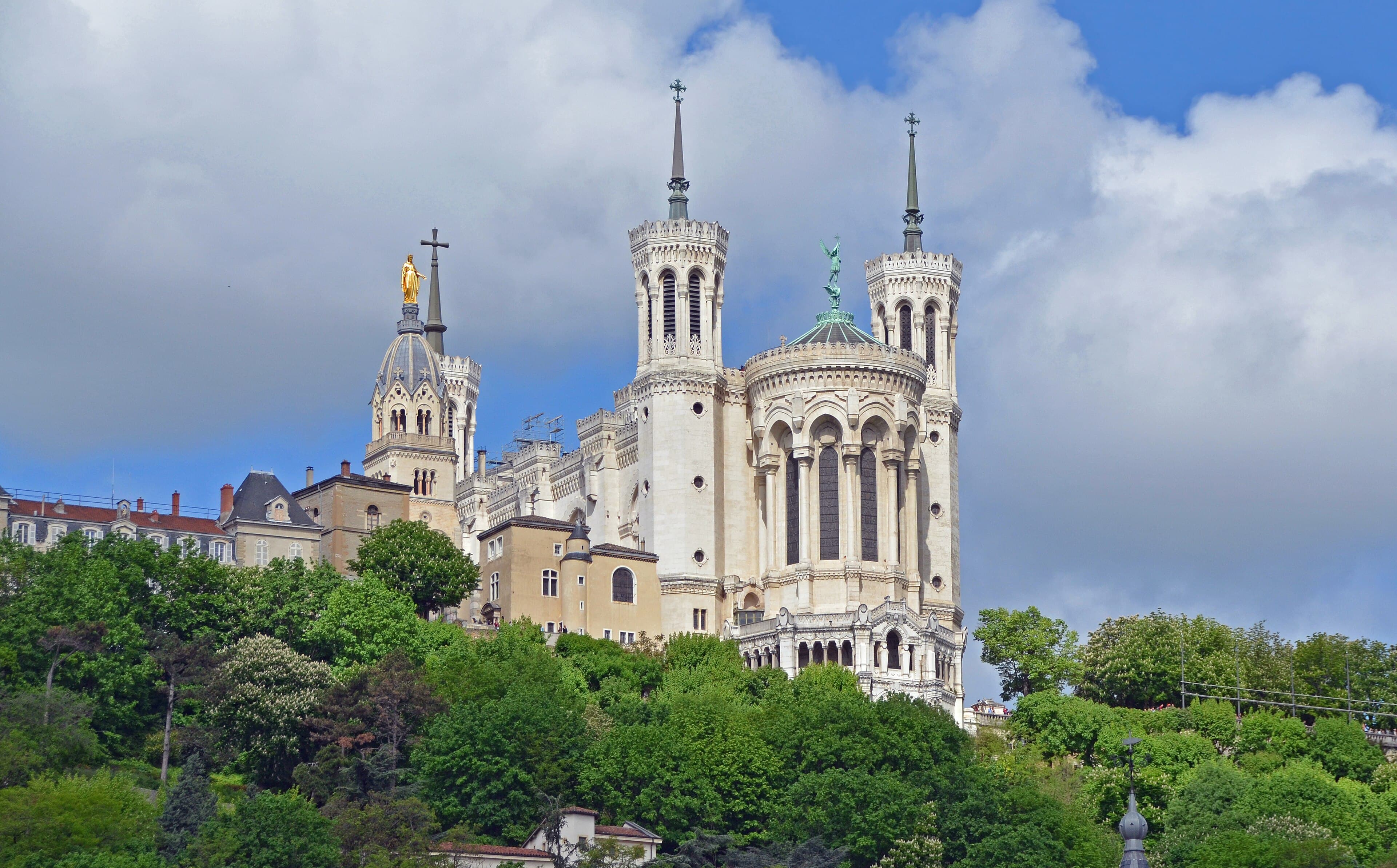 Religious site
Basilique Notre-Dame-de-Fourvière
Lyon
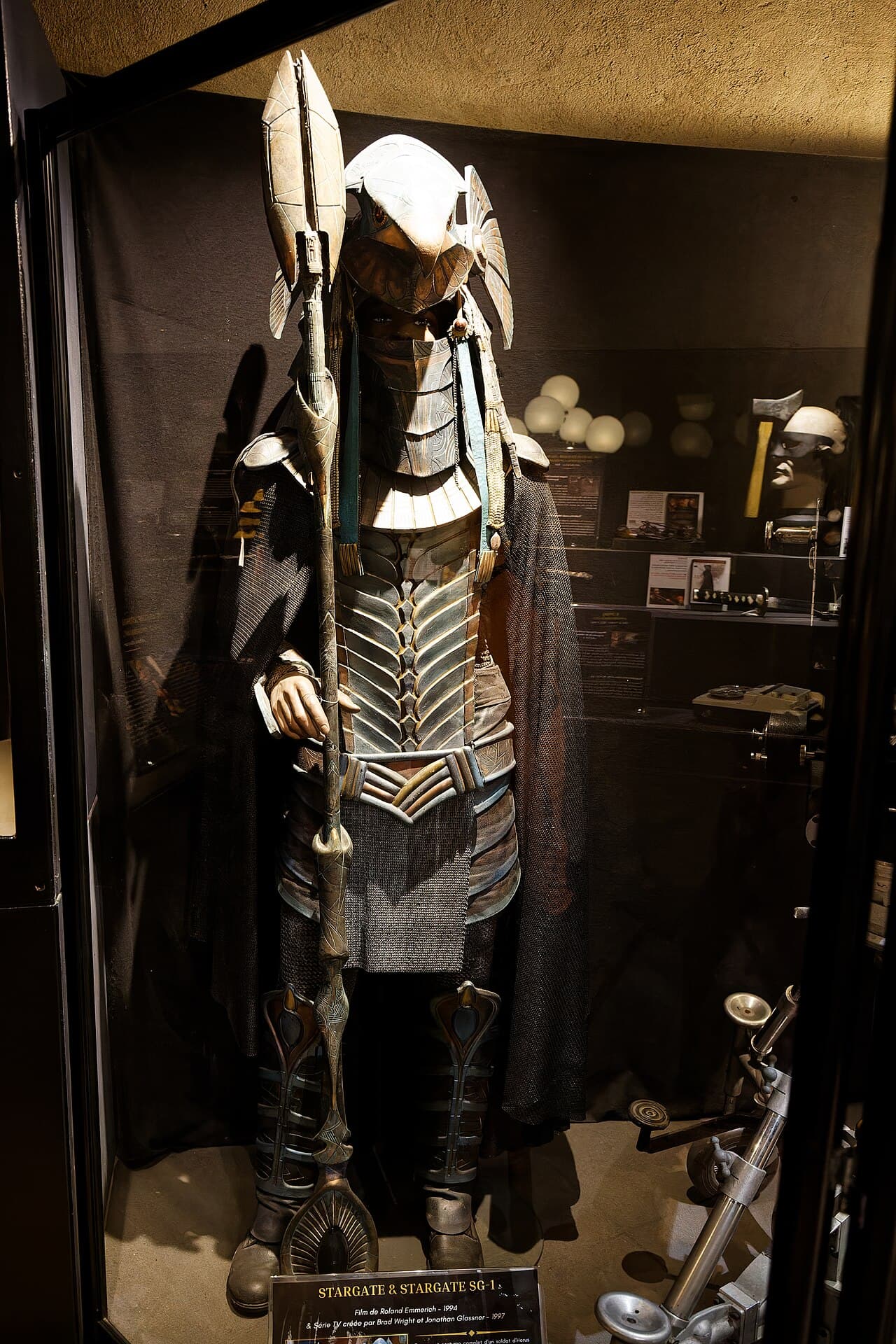 Museum
Musée Cinéma et Miniature
Lyon
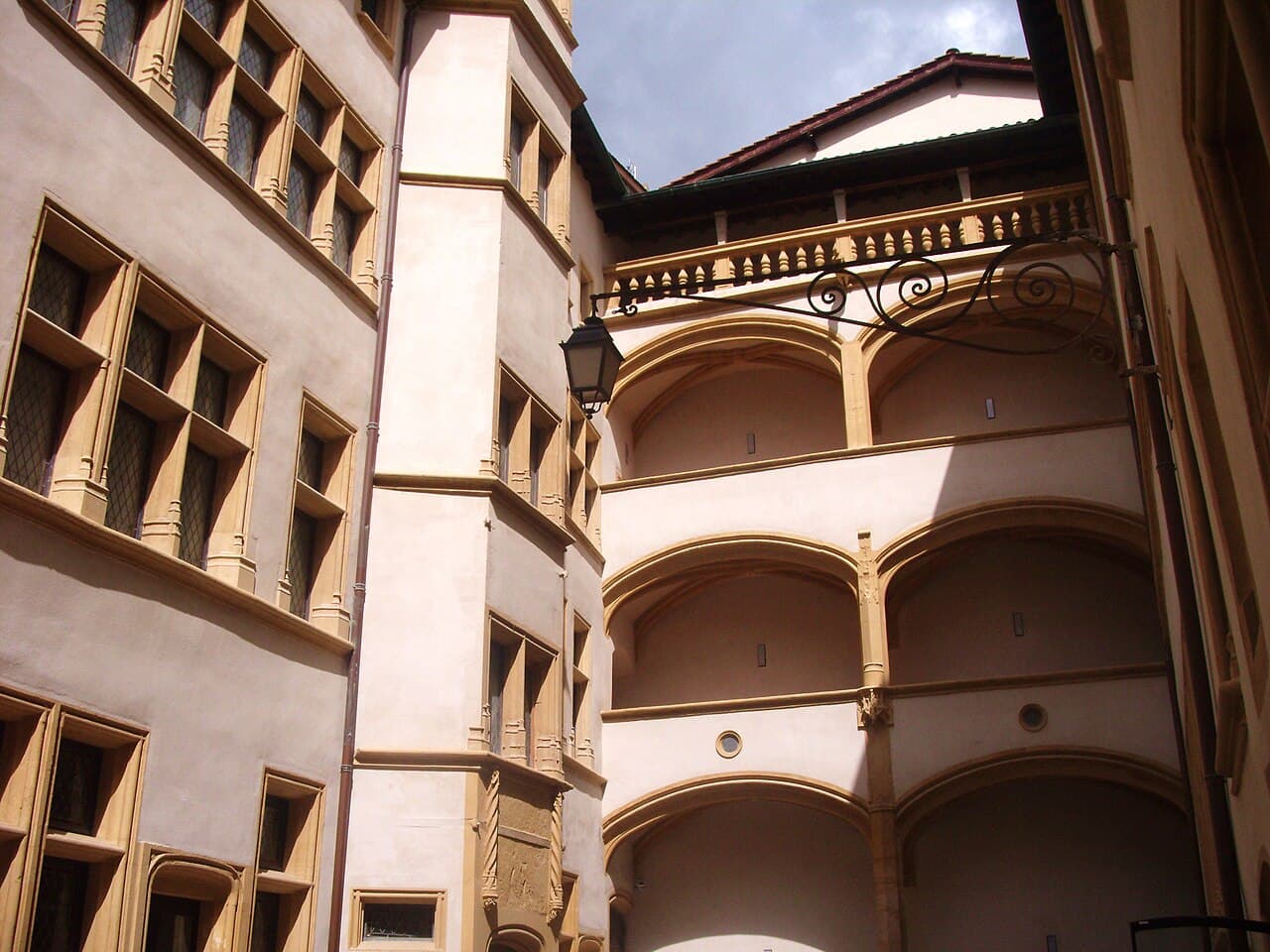 Museum
Musée d'histoire de Lyon - Gadagne
Lyon
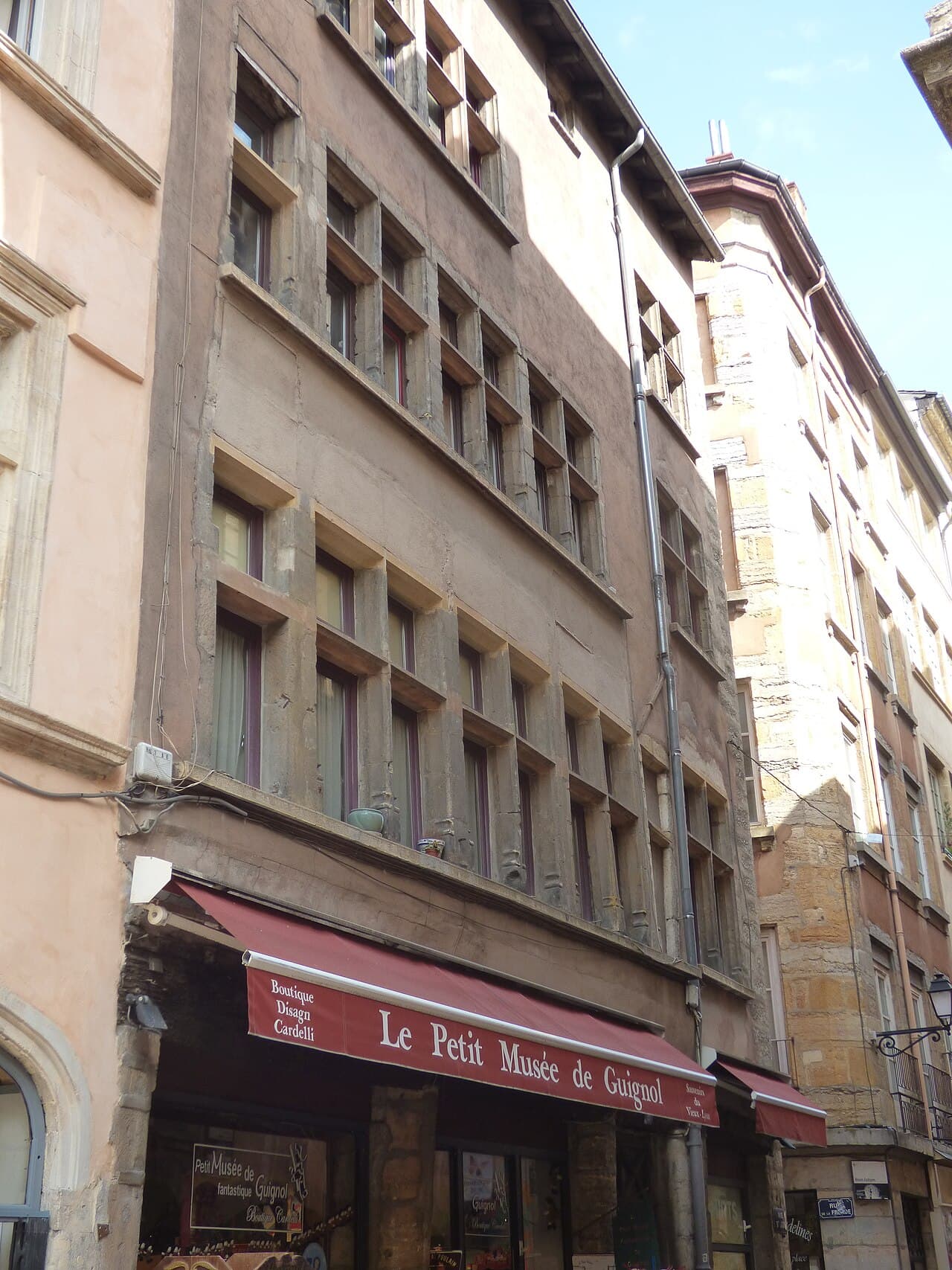 Museum
Le Petit Musée de Guignol
Lyon
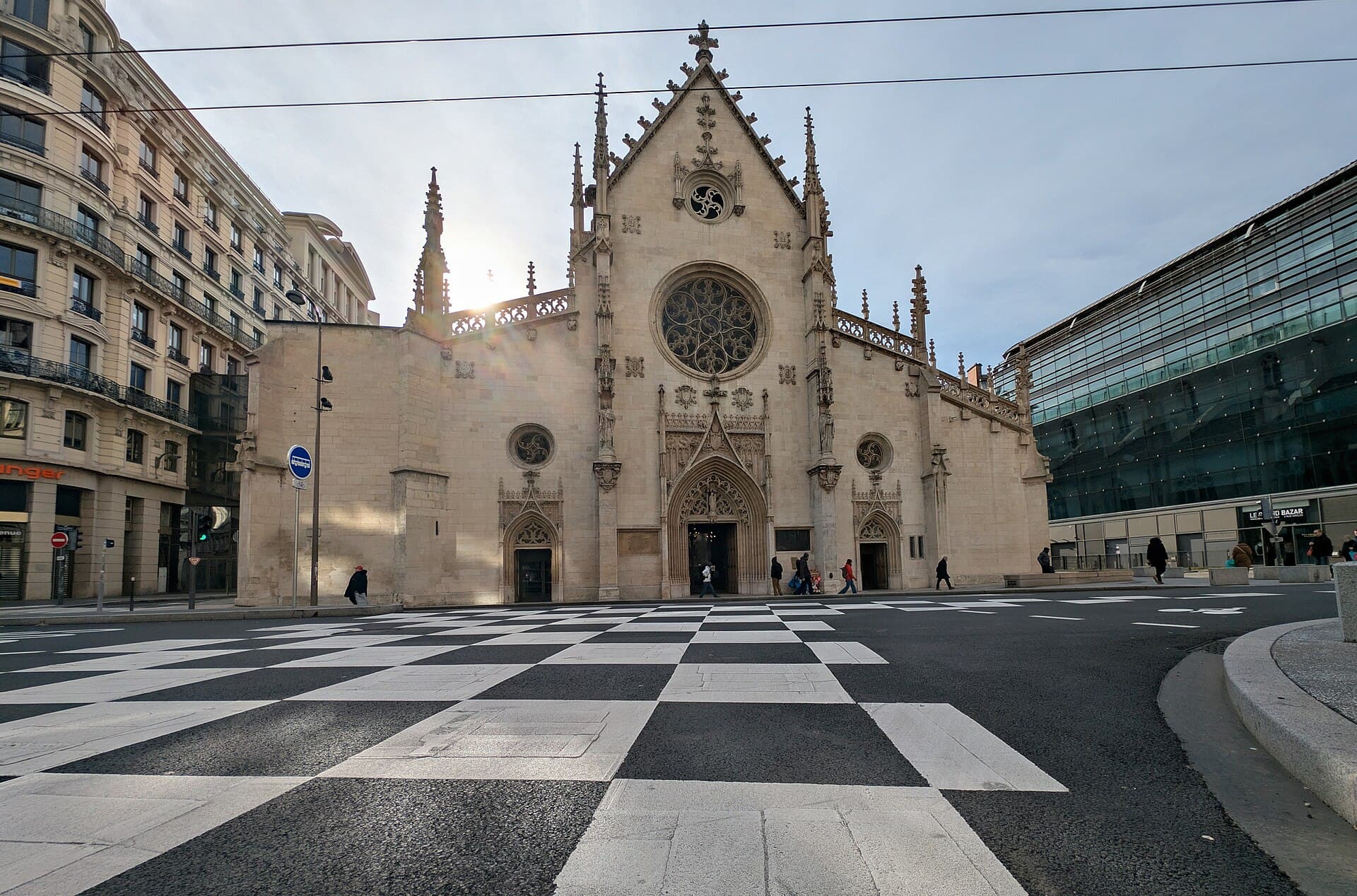 Religious site
Basilique Saint-Bonaventure
Lyon
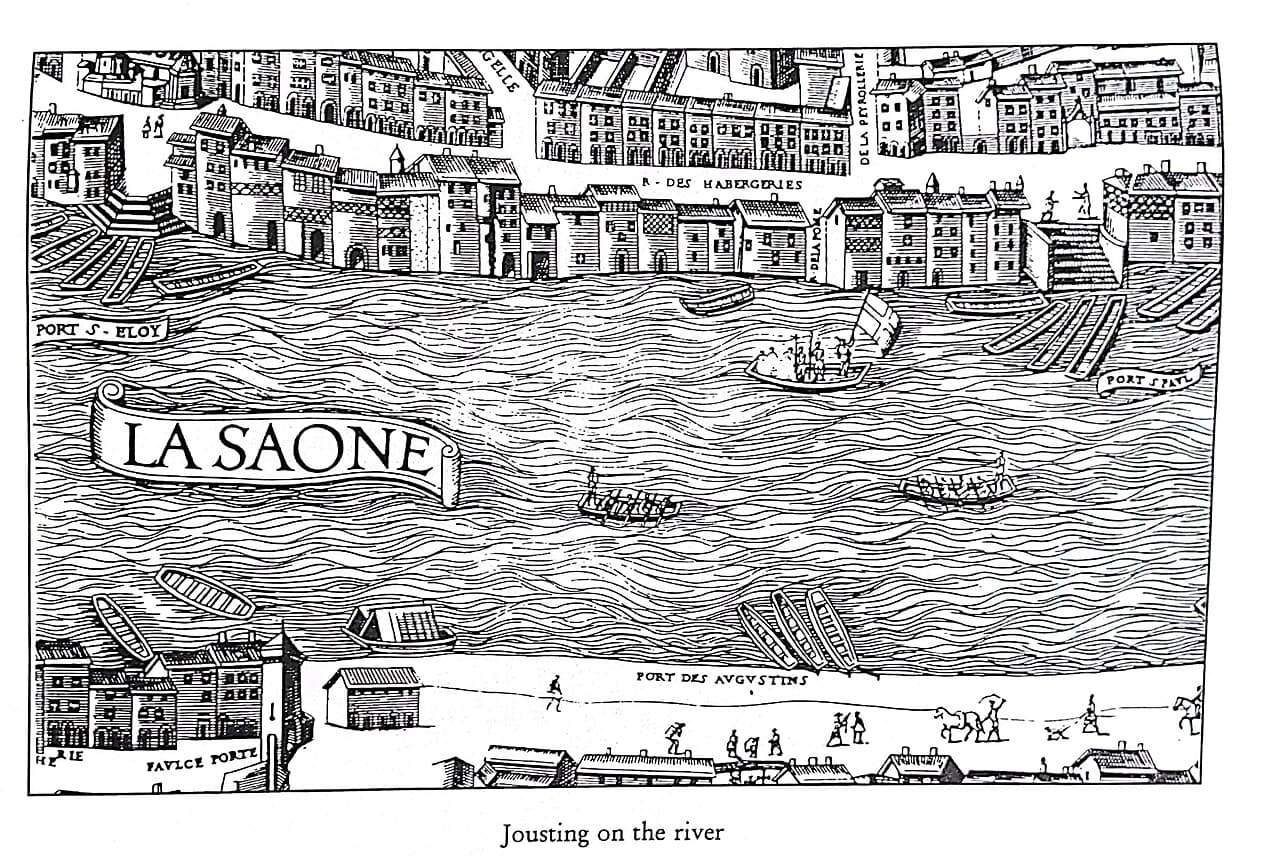 Heritage
Historic Site of Lyon
Lyon
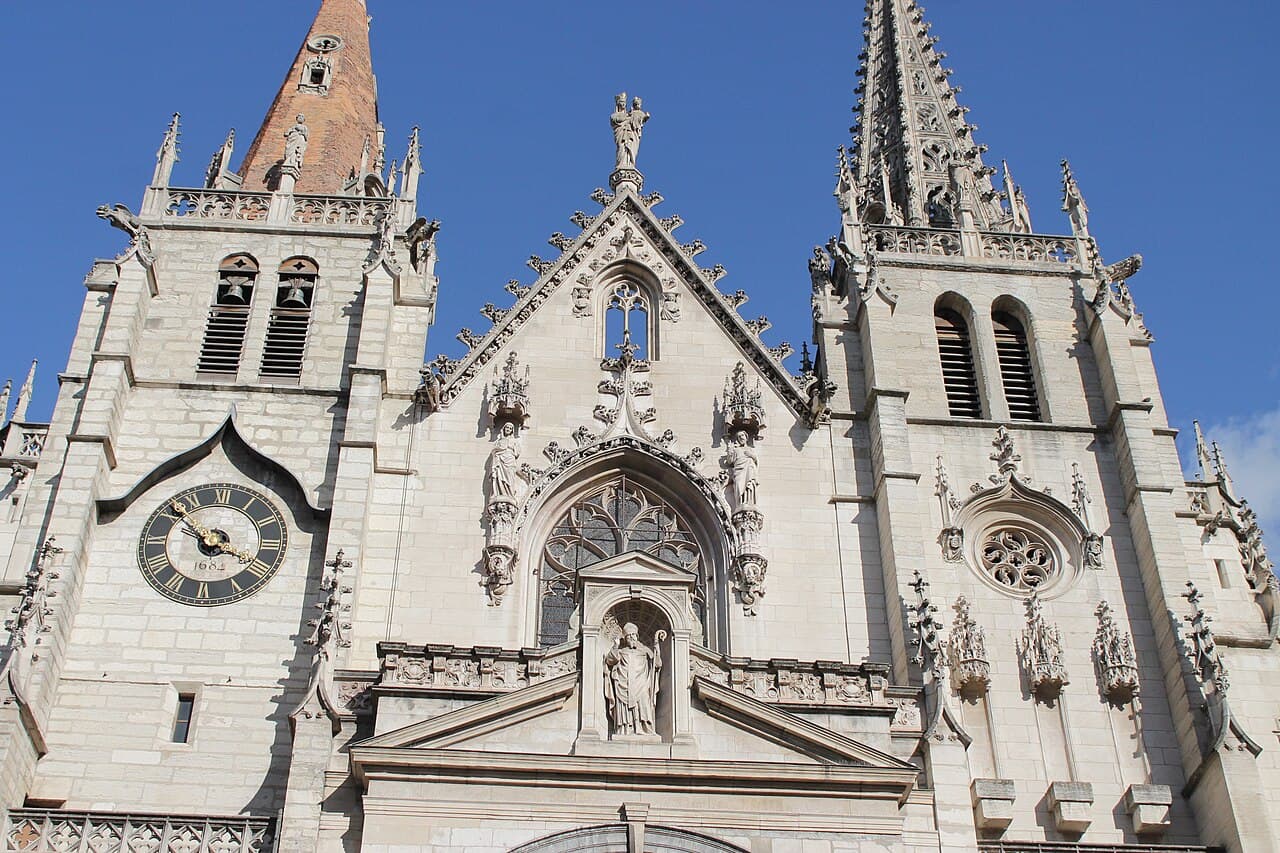 Religious site
Église Saint-Nizier de Lyon
Lyon
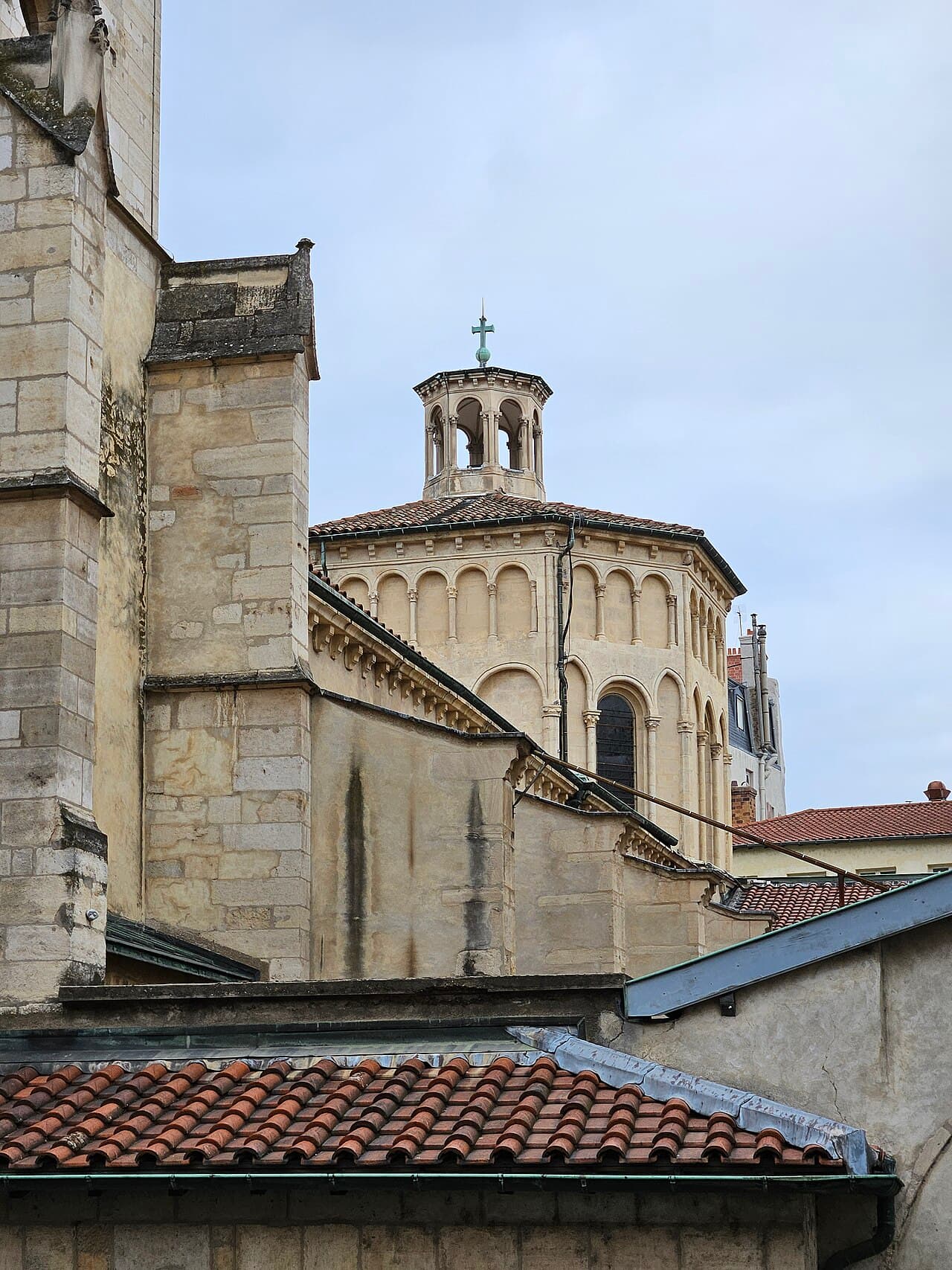 Religious site
Église Saint-Paul de Lyon
Lyon
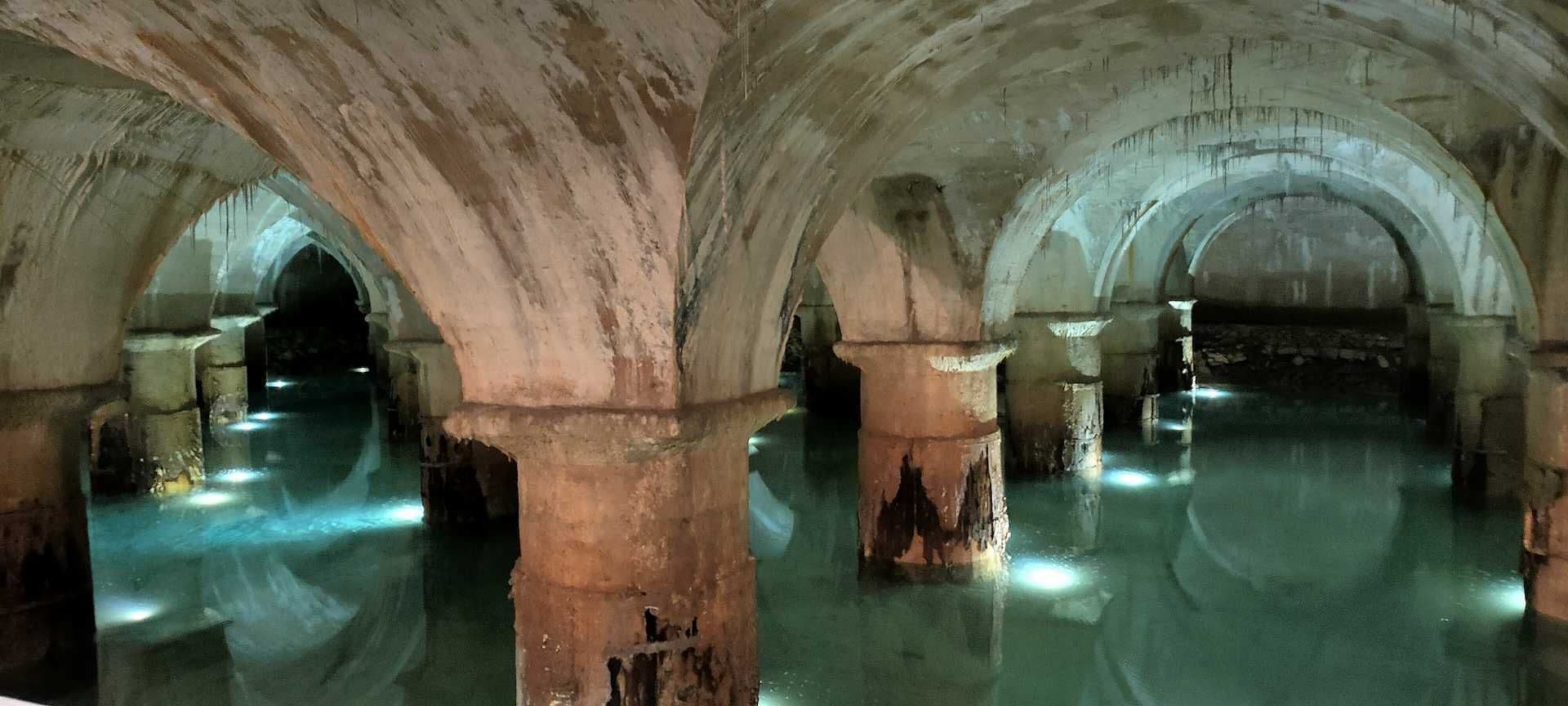 Museum
Musée des Eaux de Lyon
Caluire-et-Cuire
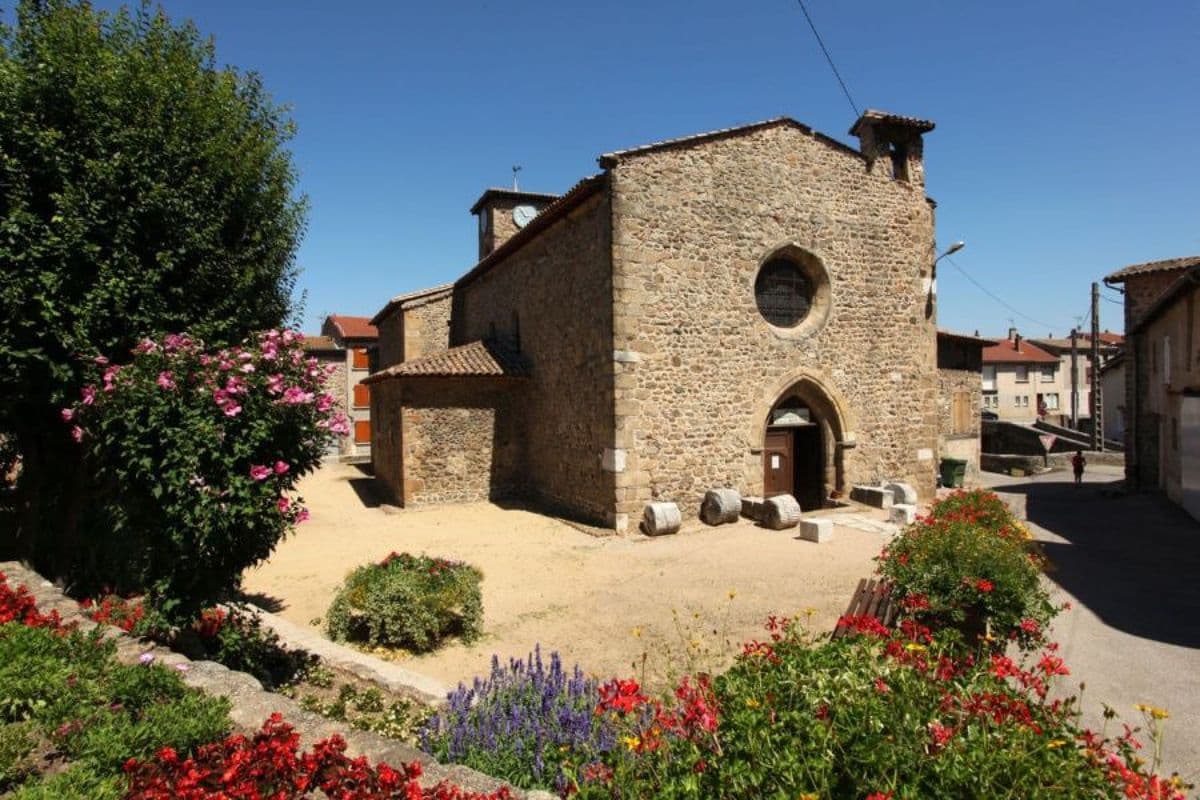 Museum
Musée de la batellerie du Rhône
Serrières
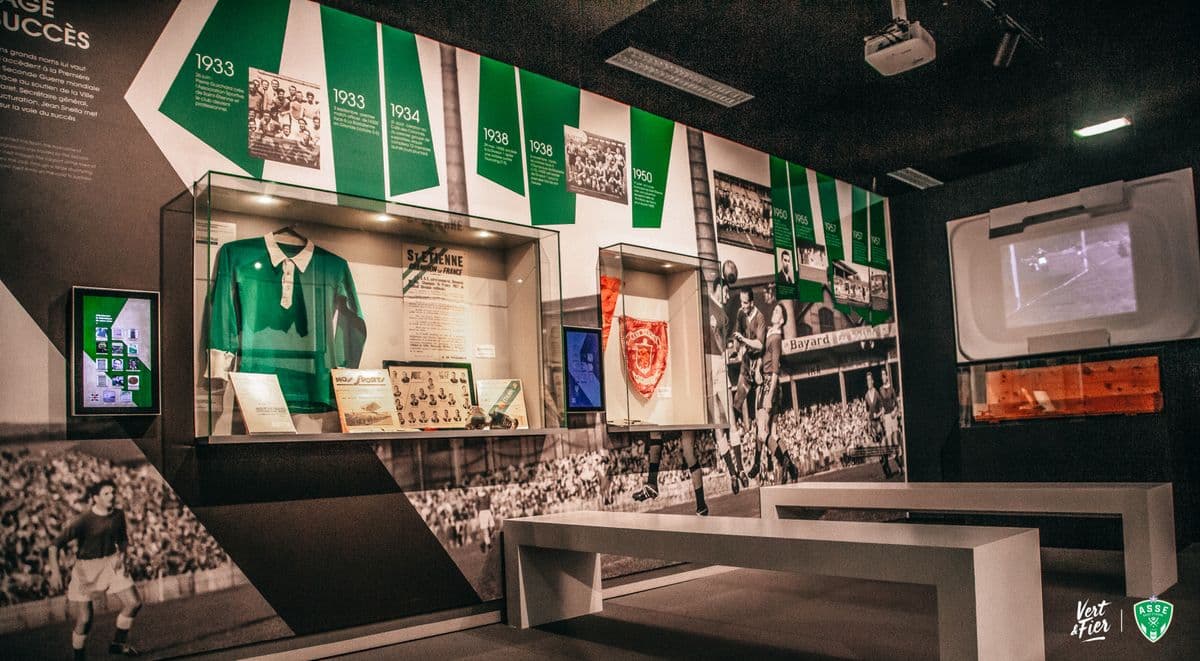 Museum
Musée des Verts
Saint-Étienne
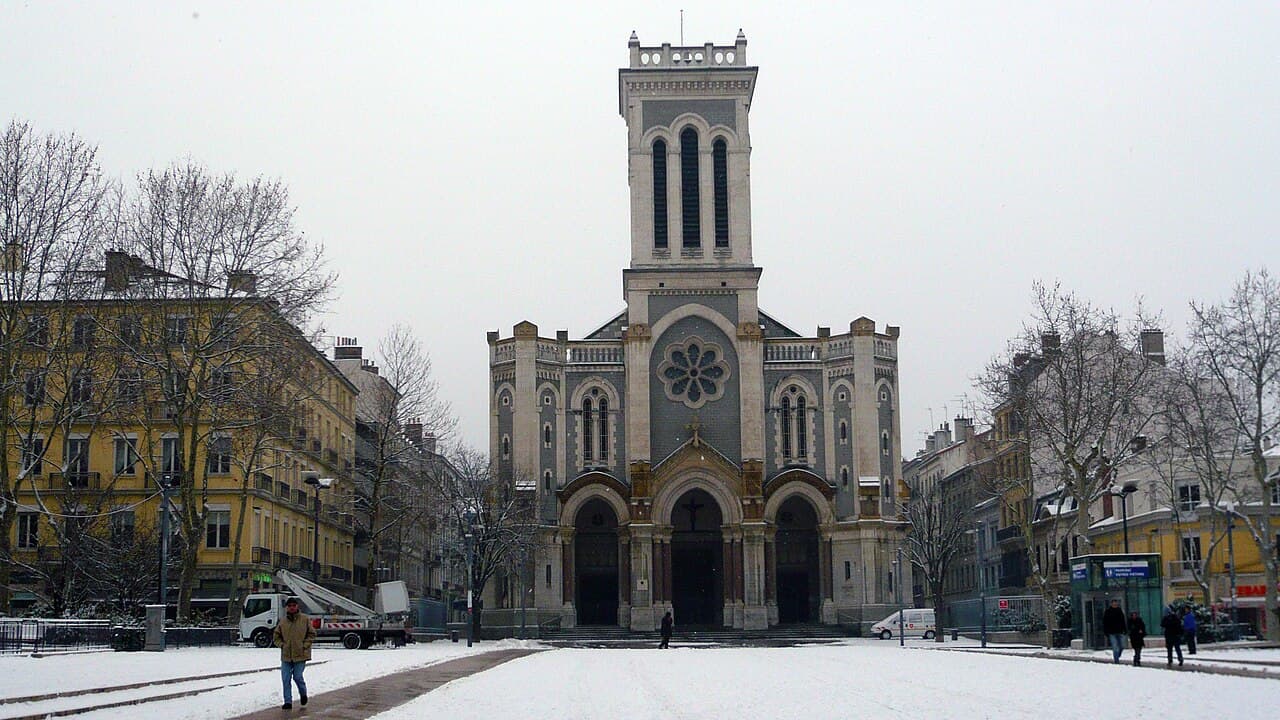 Religious site
Cathédrale Saint-Charles-Borromée
Saint-Étienne
 Museum
Musée Ampère
Poleymieux-au-Mont-d'Or
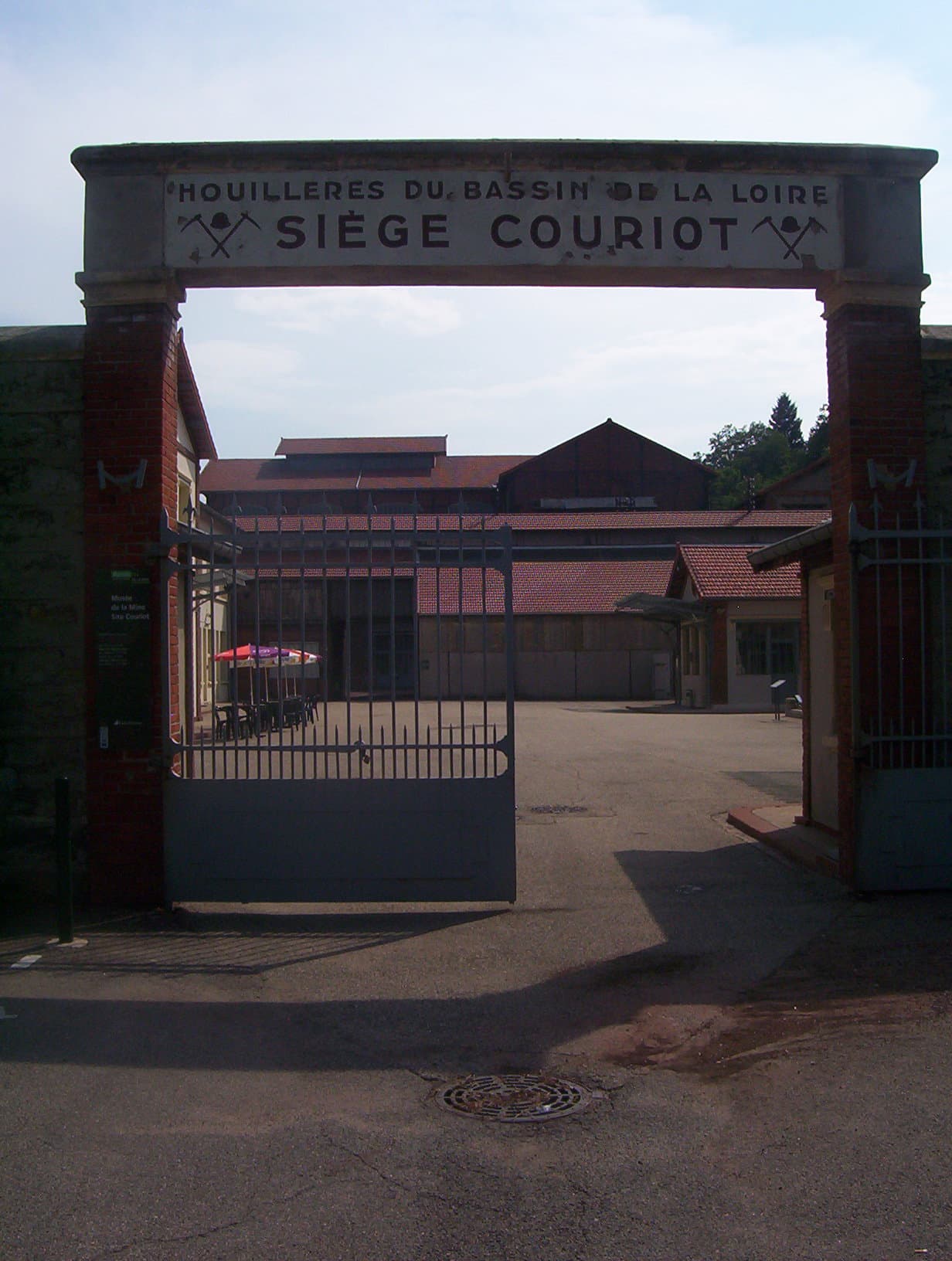 Museum
Musée de la Mine - Couriot
Saint-Étienne
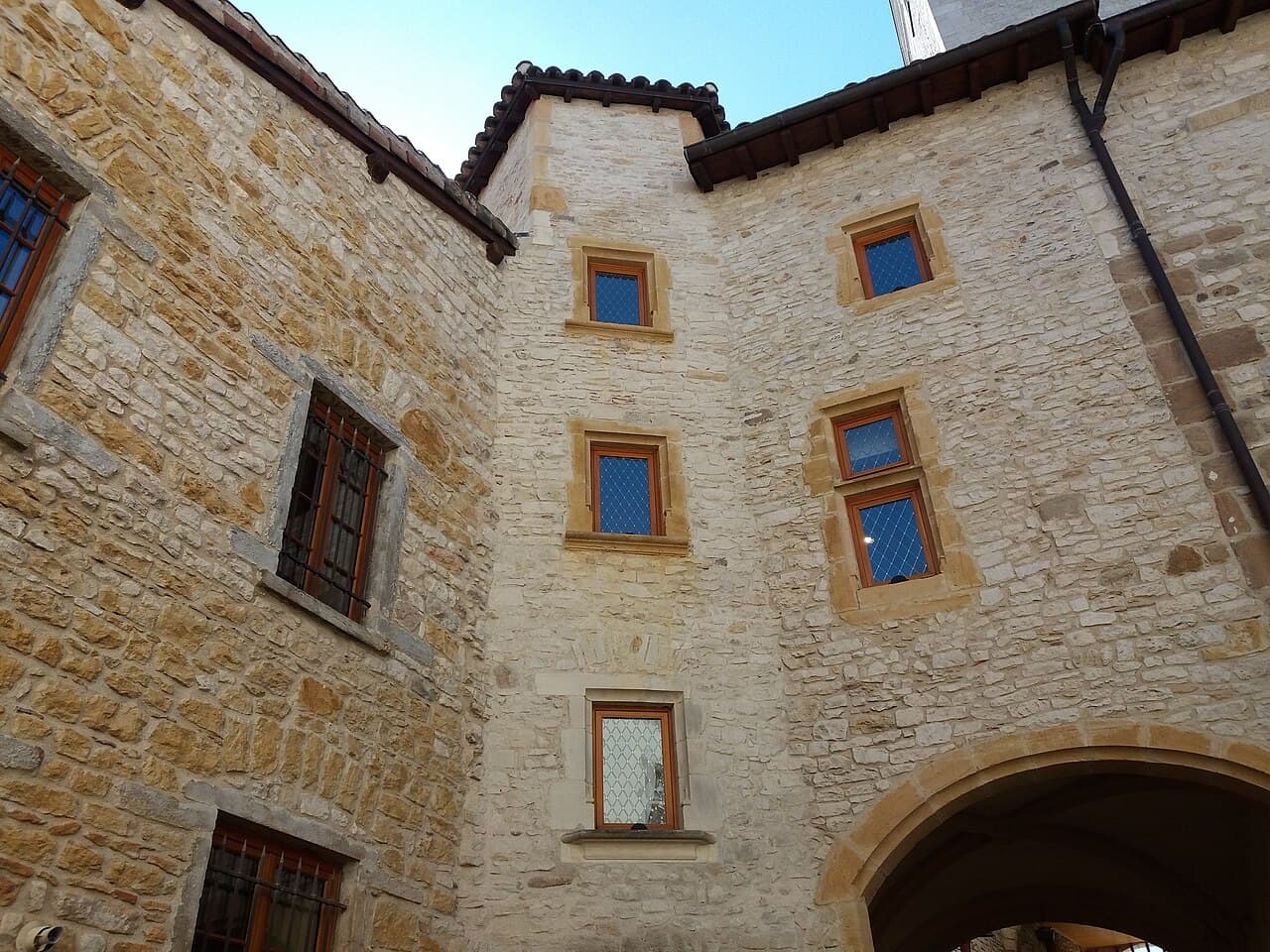 Museum
Musée de Chazay-d'Azergues
Chazay-d'Azergues
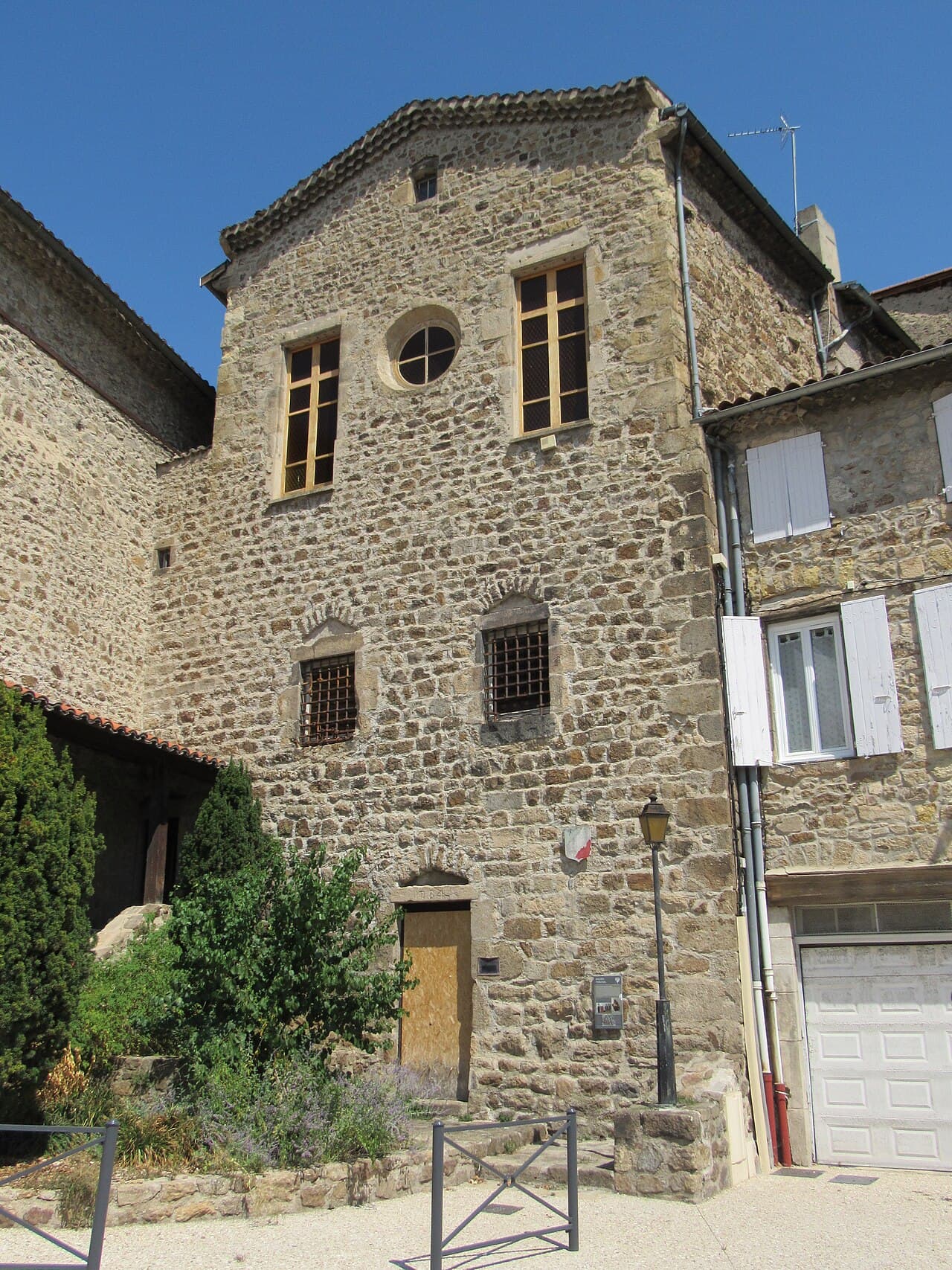 Museum
Musée vivarois César Filhol
Annonay
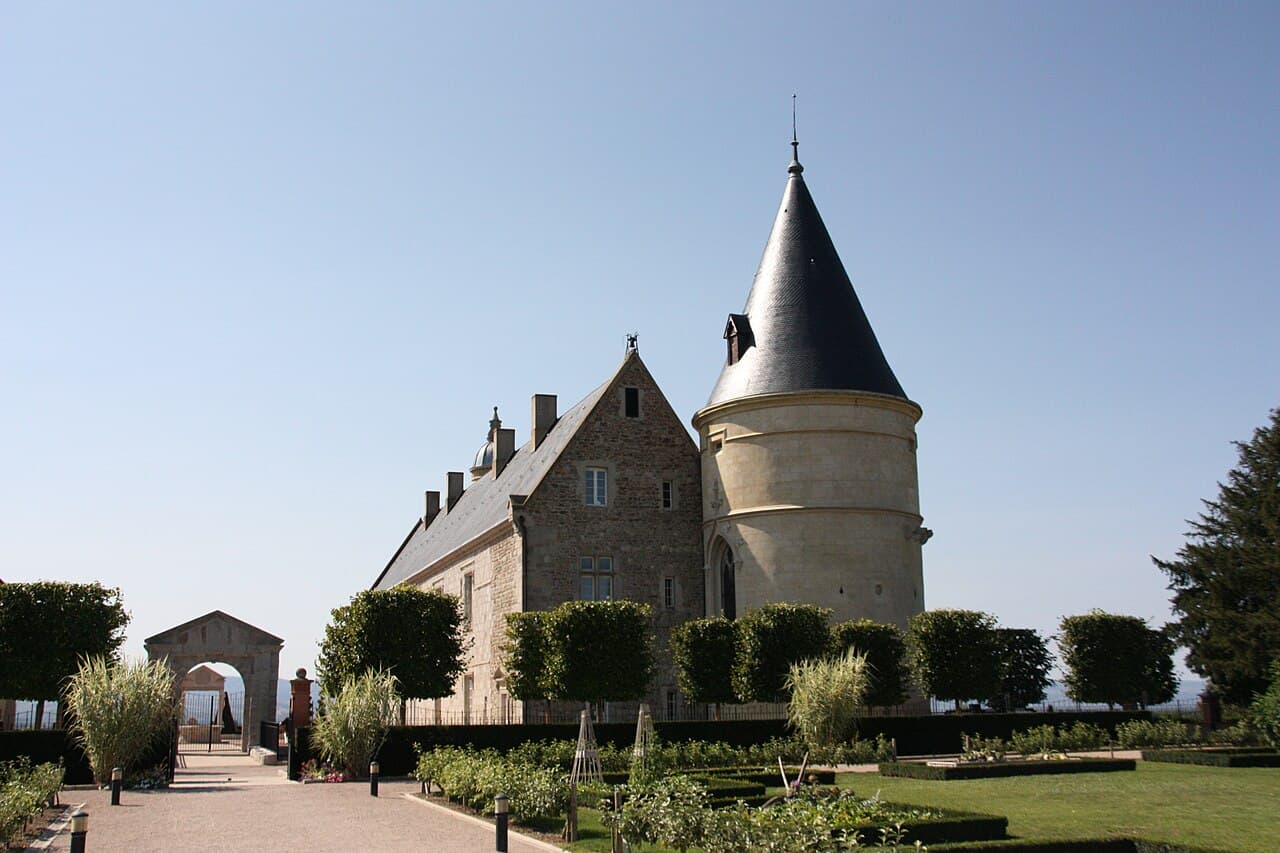 Castle
Château de Bouthéon
Andrézieux-Bouthéon
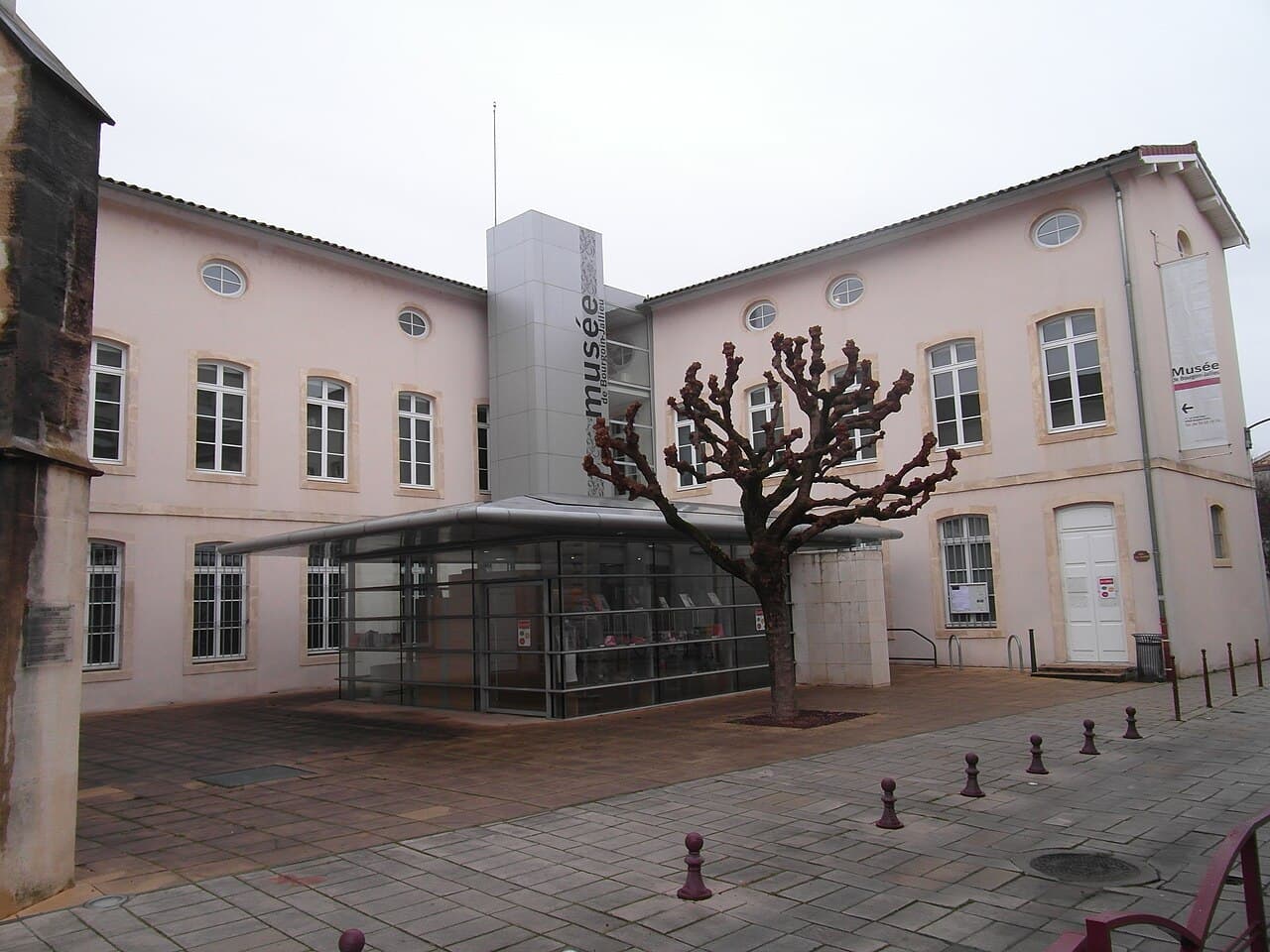 Museum
Musée de Bourgoin-Jallieu
Bourgoin-Jallieu
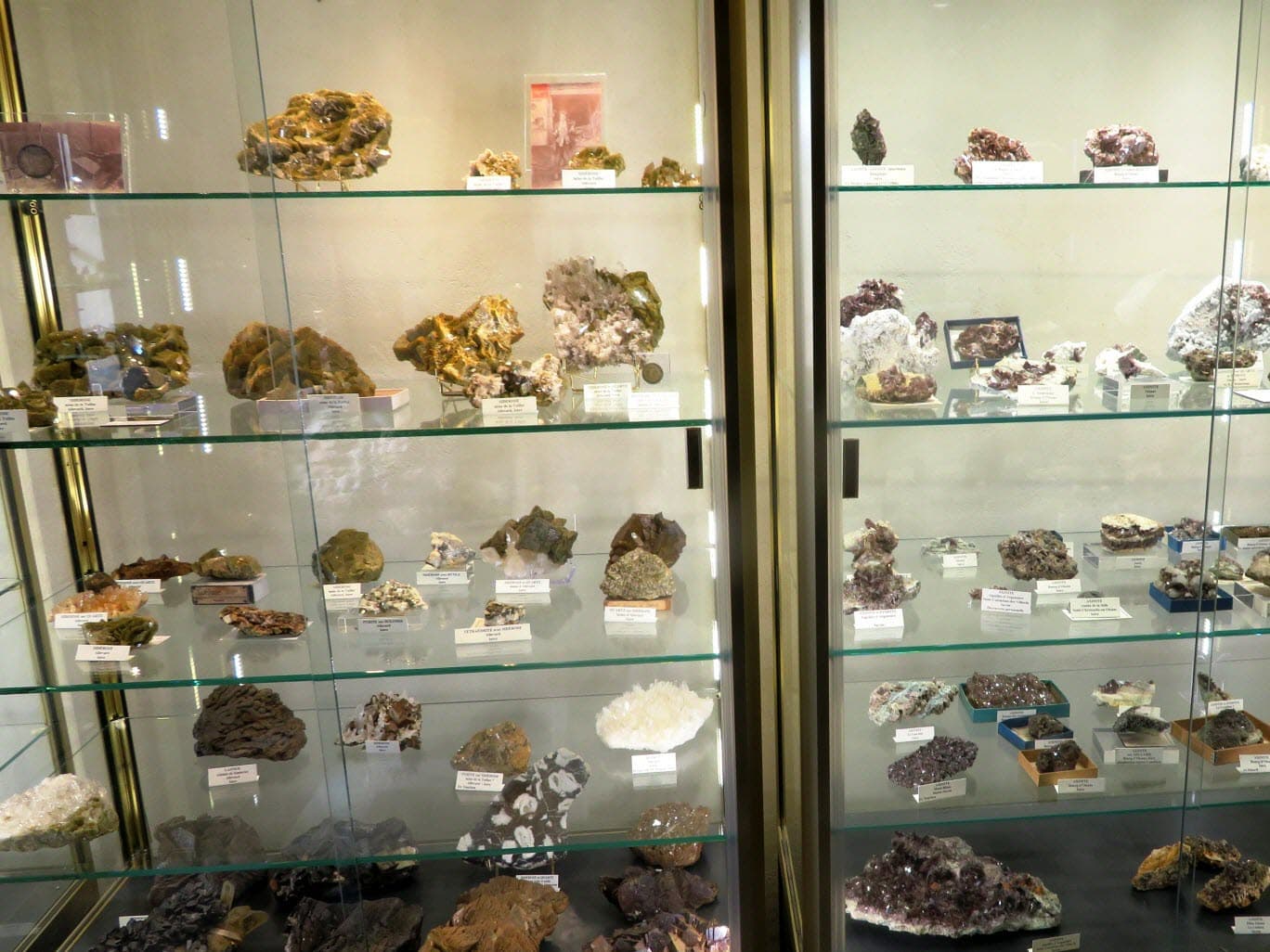 Museum
Musée des minéraux
Villemoirieu
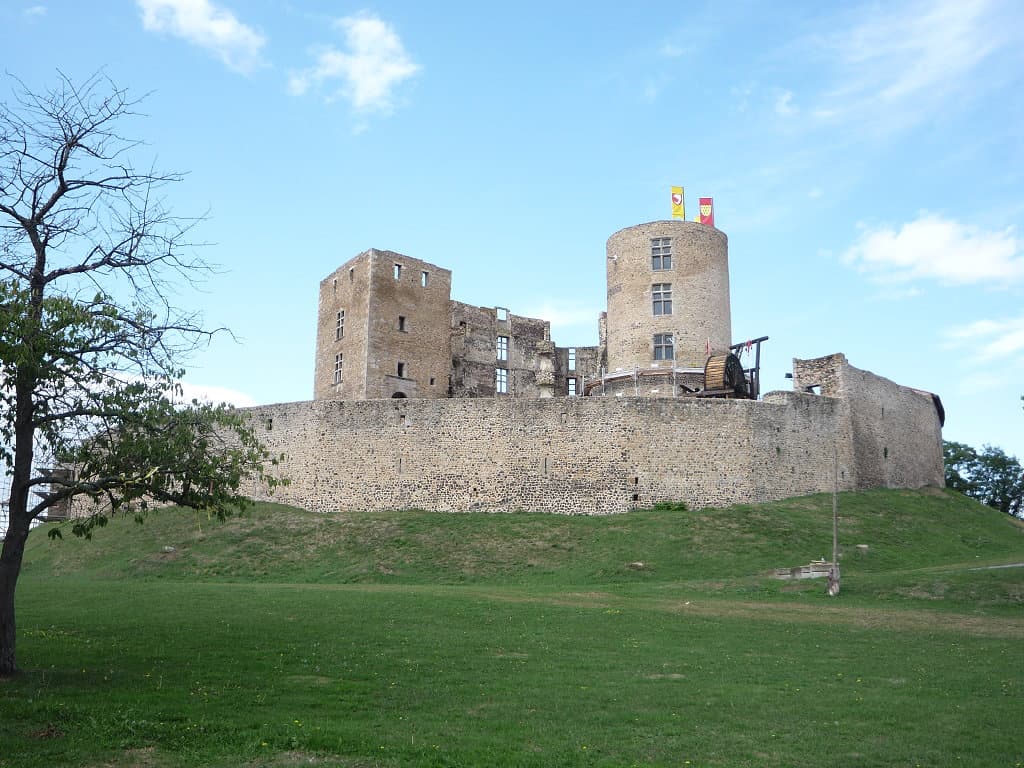 Castle
Château de Montrond-les-Bains
Montrond-les-Bains
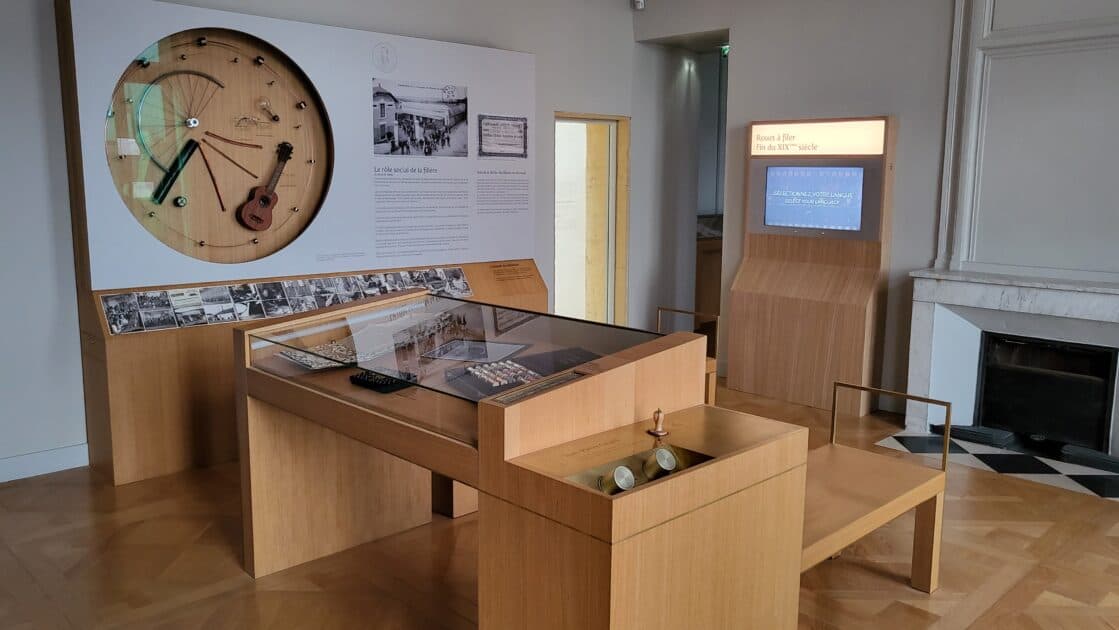 Museum
Musée Trévoux et ses Trésors
Trévoux
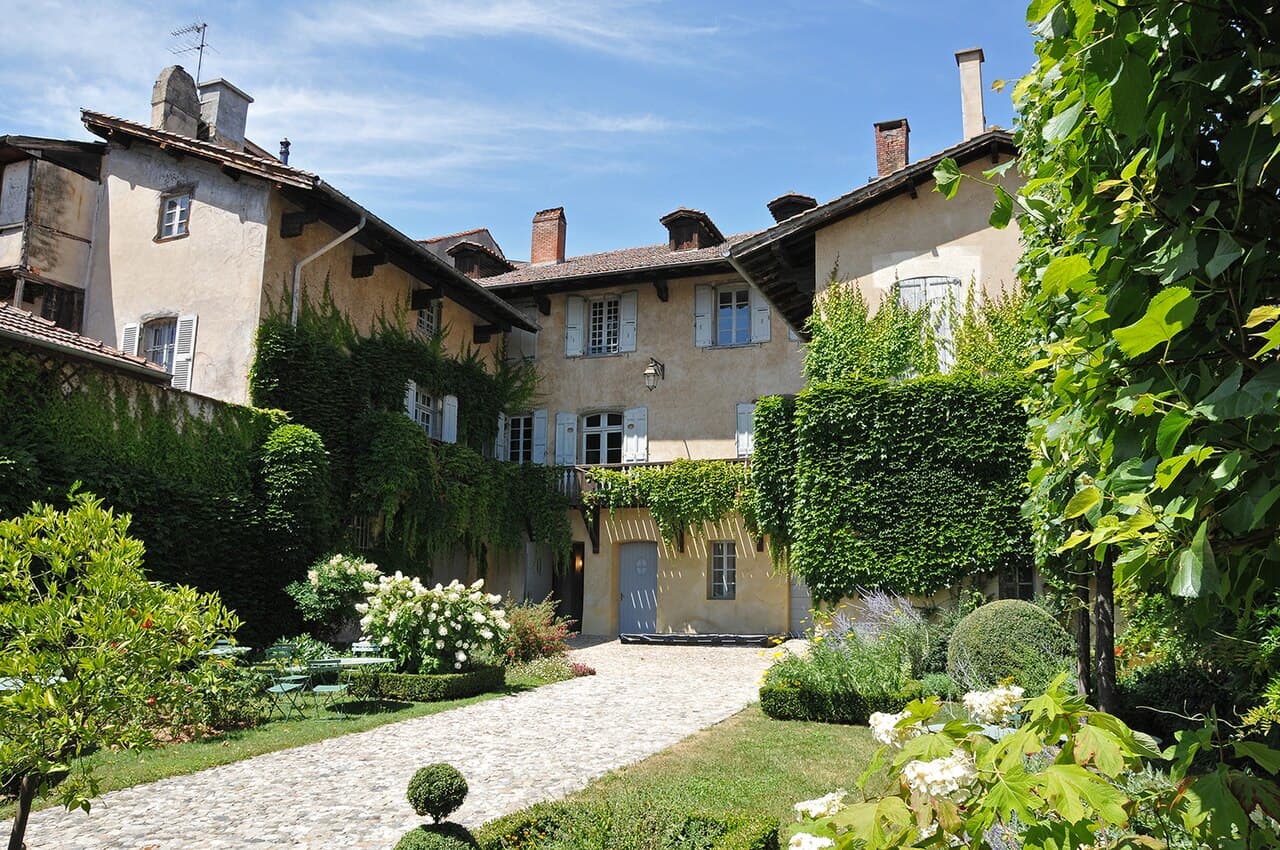 Museum
Musée Hector Berlioz
La Côte-Saint-André
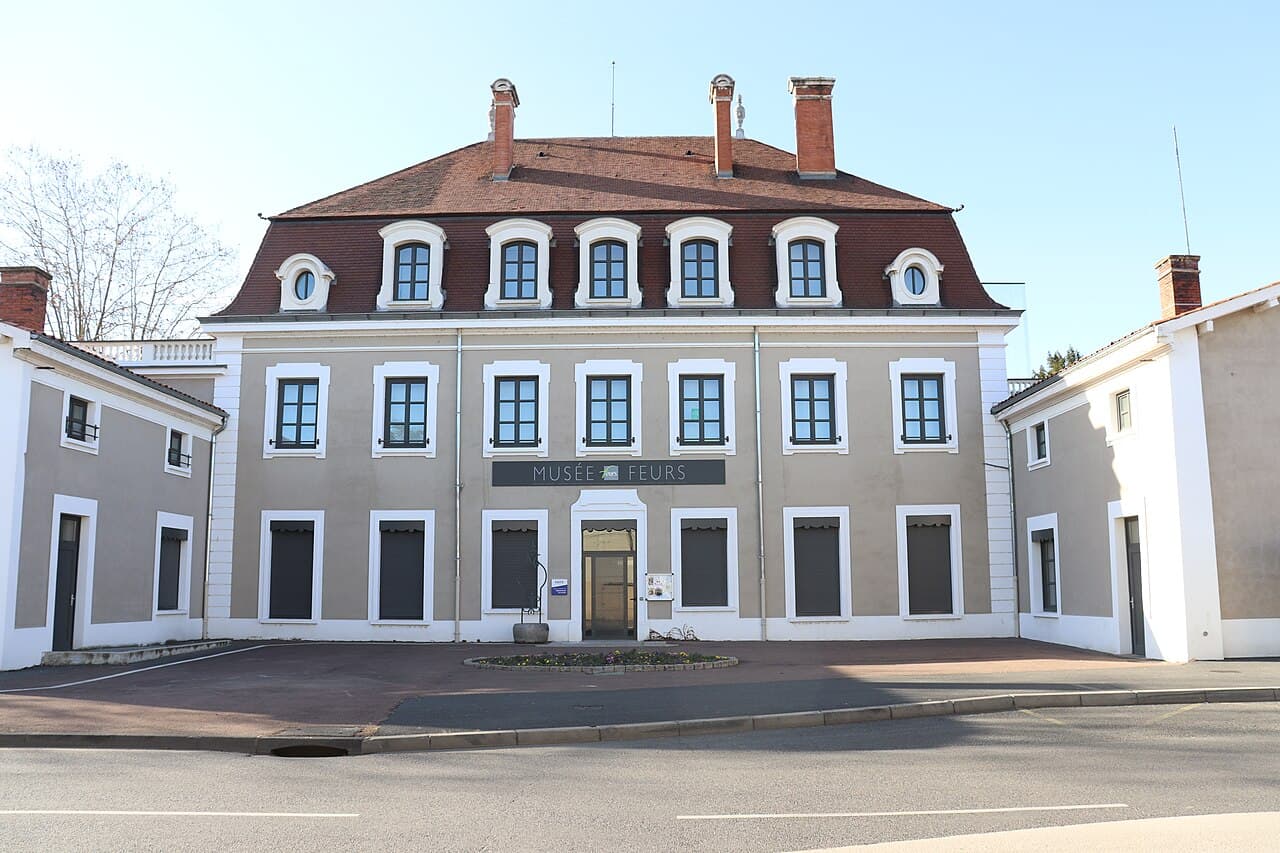 Museum
Musée de Feurs
Feurs
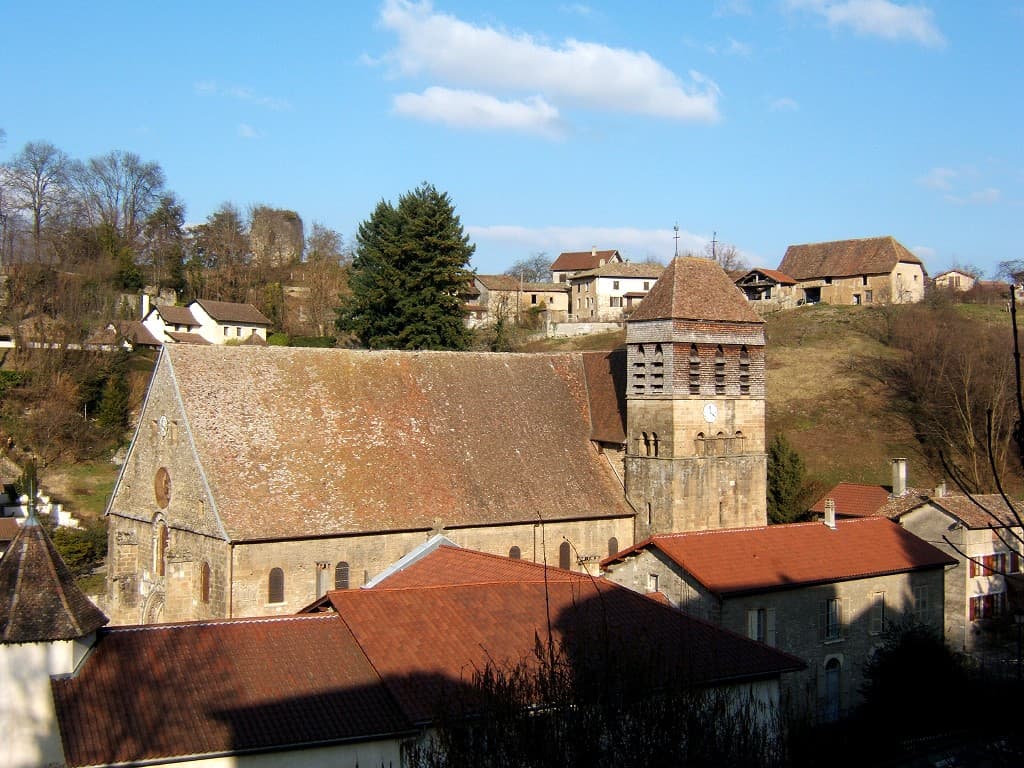 Religious site
Abbatiale de Saint-Chef
Saint-Chef
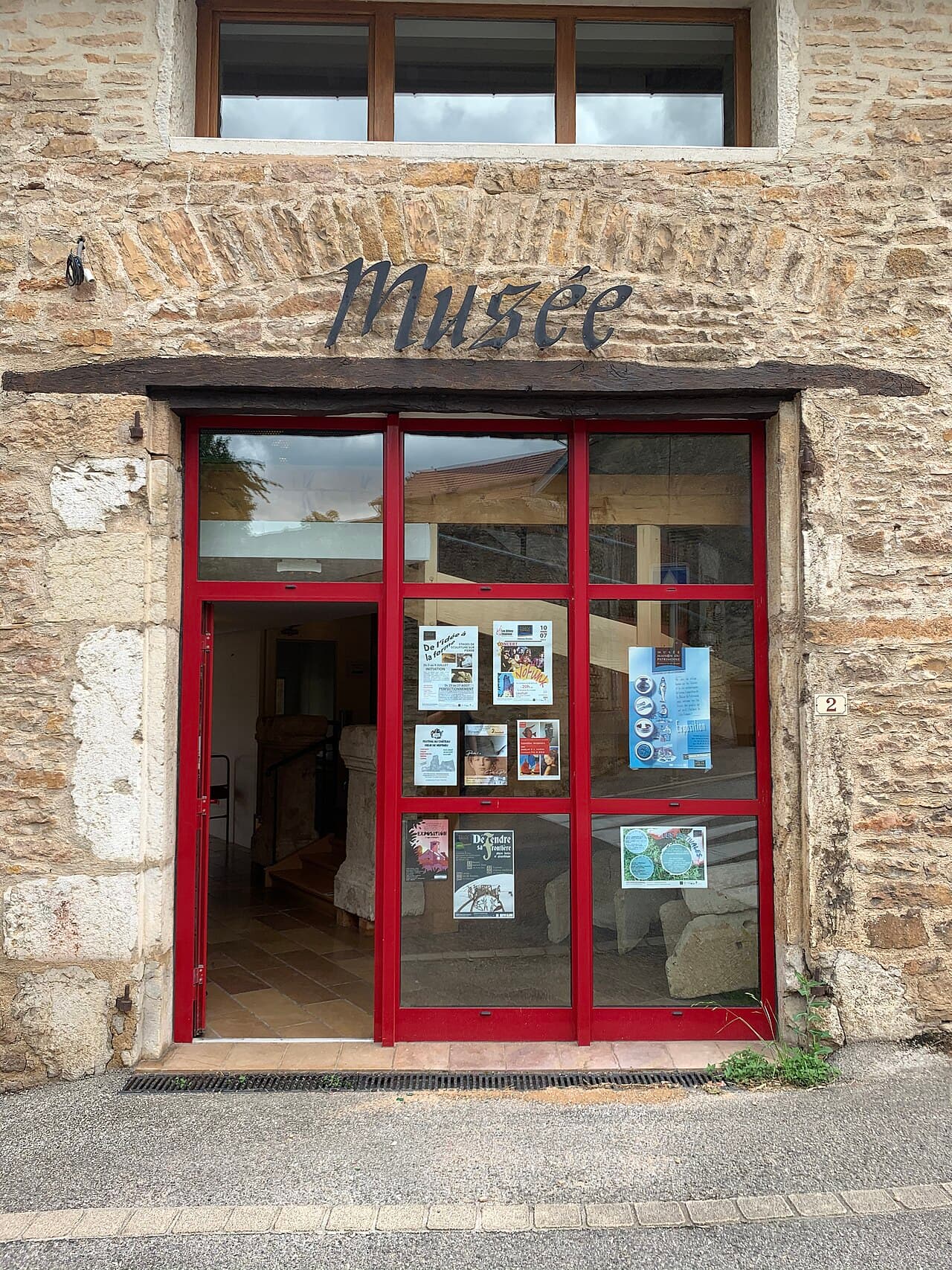 Museum
Musée-Maison du Patrimoine
Hières-sur-Amby
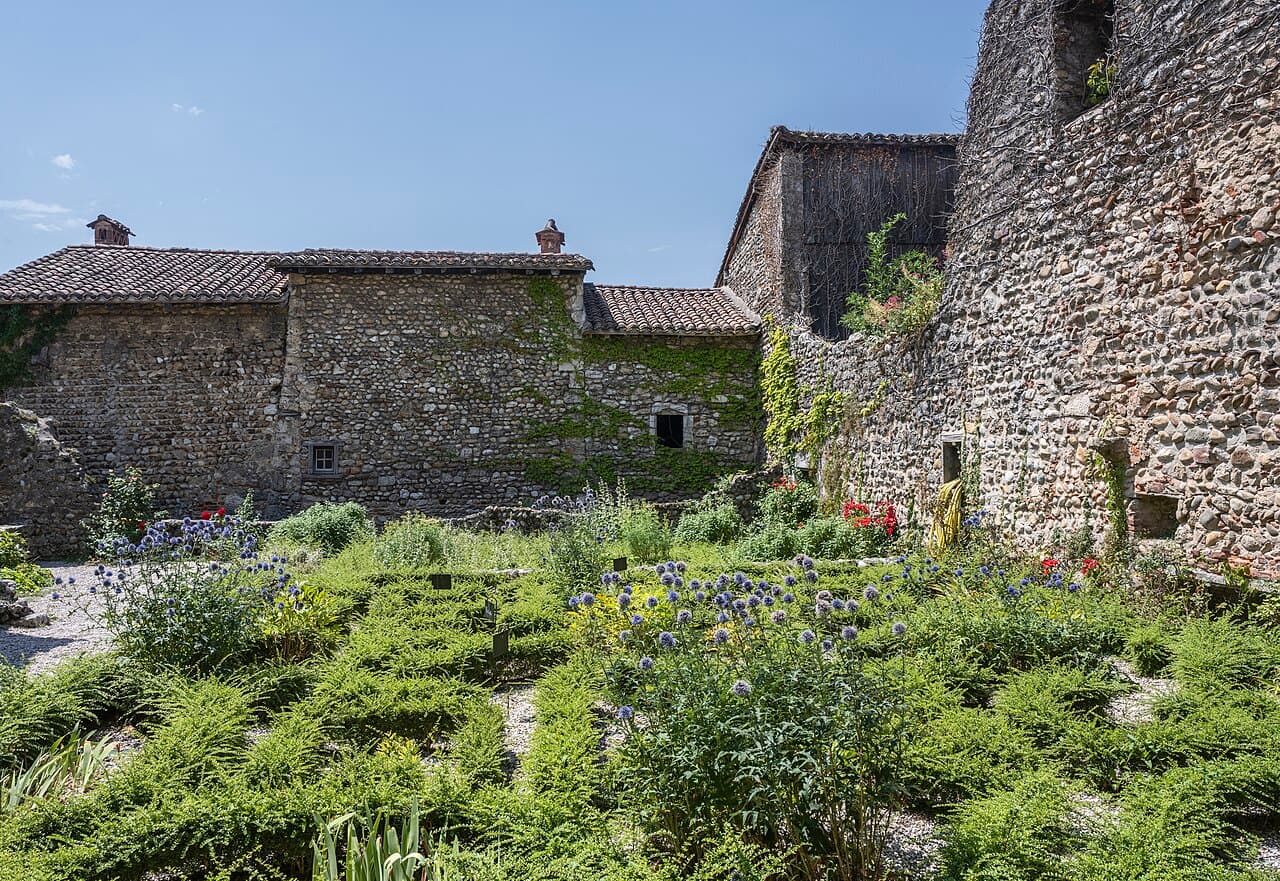 Museum
Musée du Vieux Pérouges
Pérouges
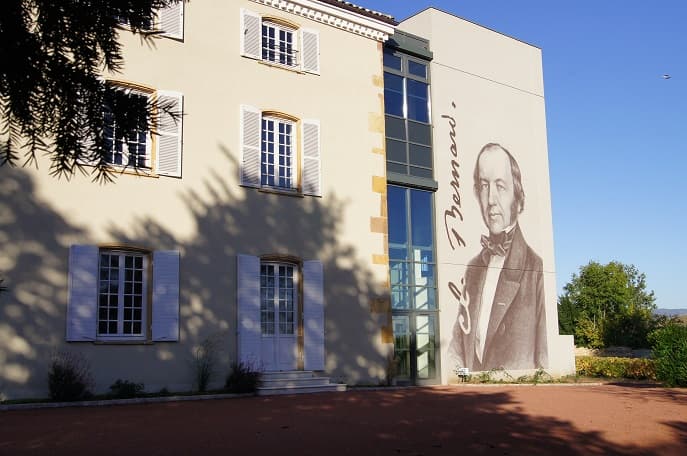 Museum
Musée Claude Bernard
Saint-Julien
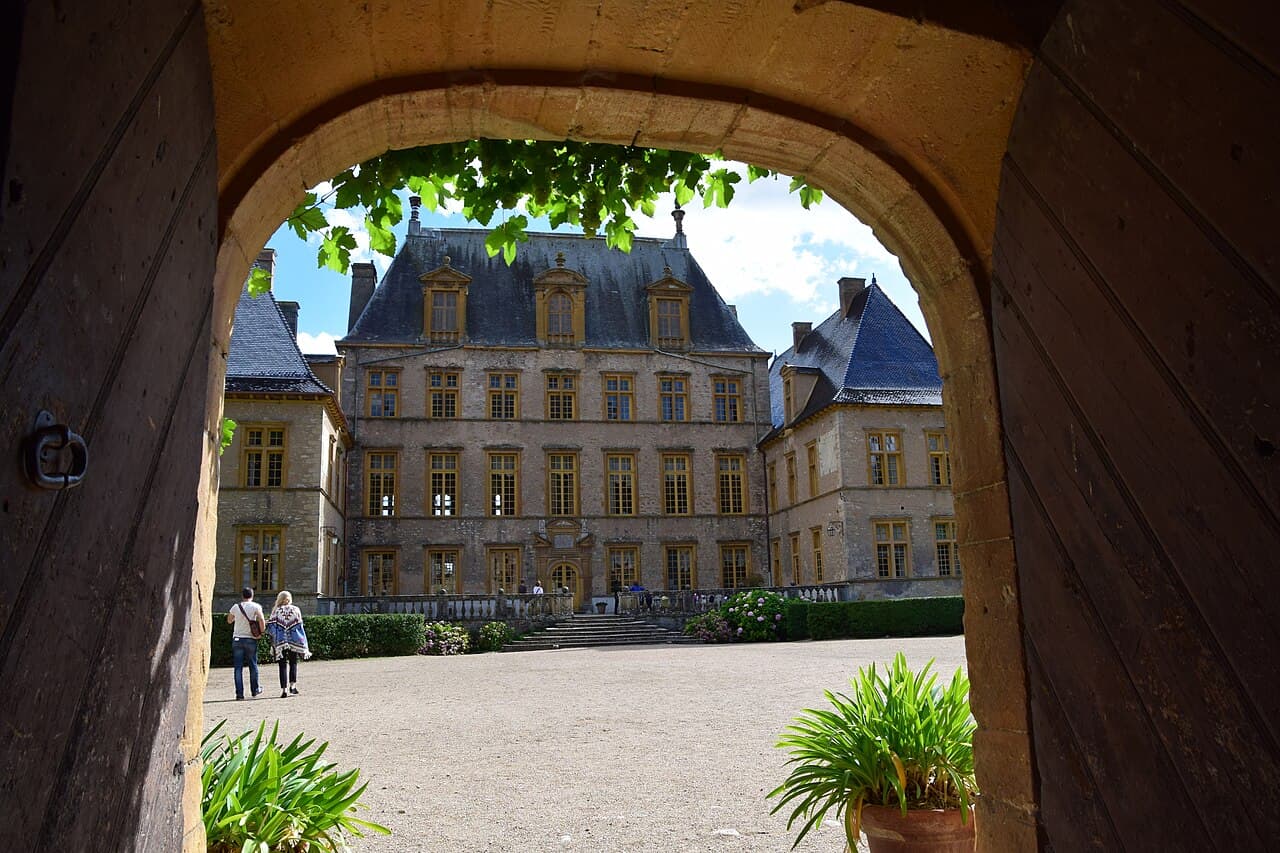 Castle
Château de Fléchères
Fareins
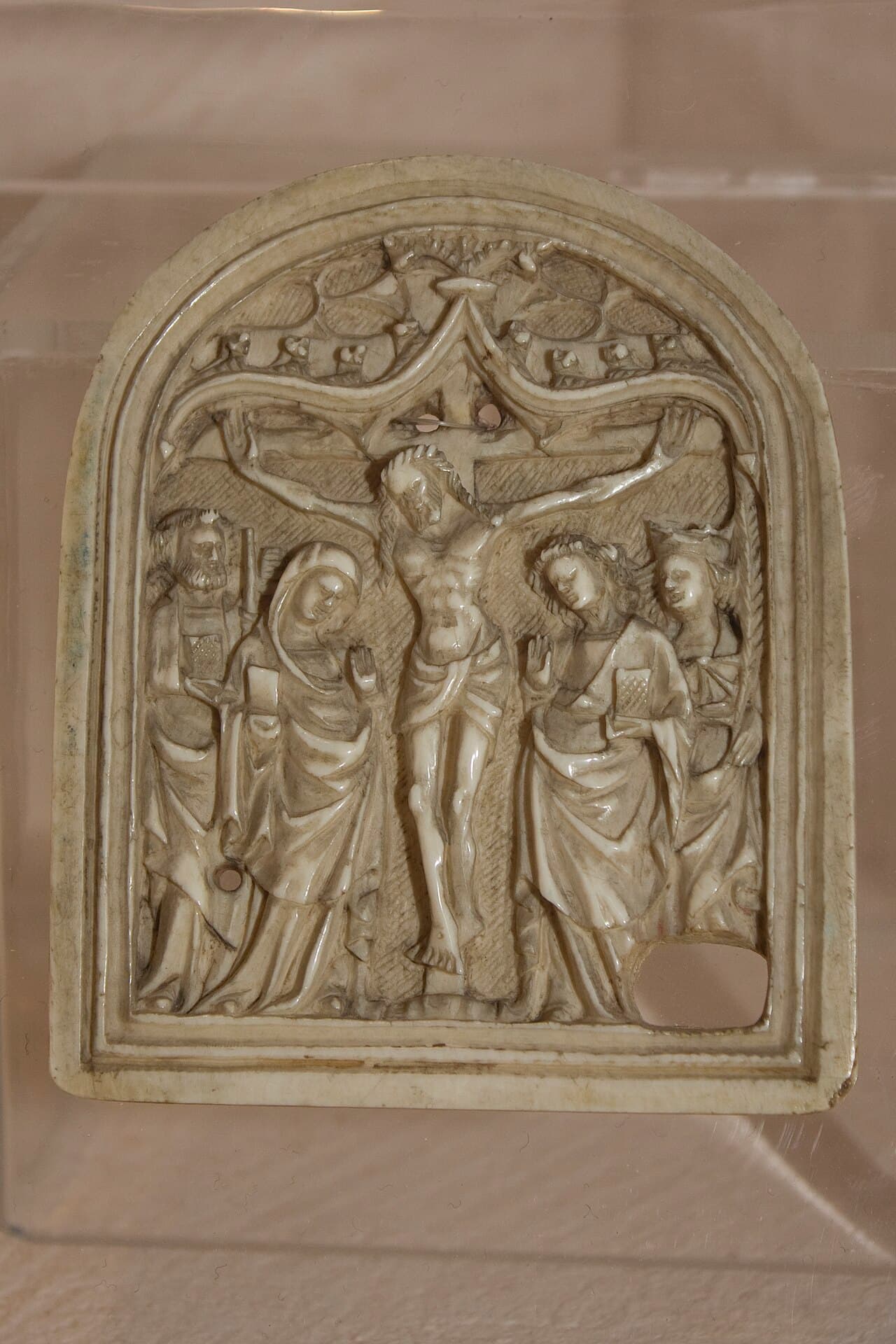 Museum
La Diana
Montbrison
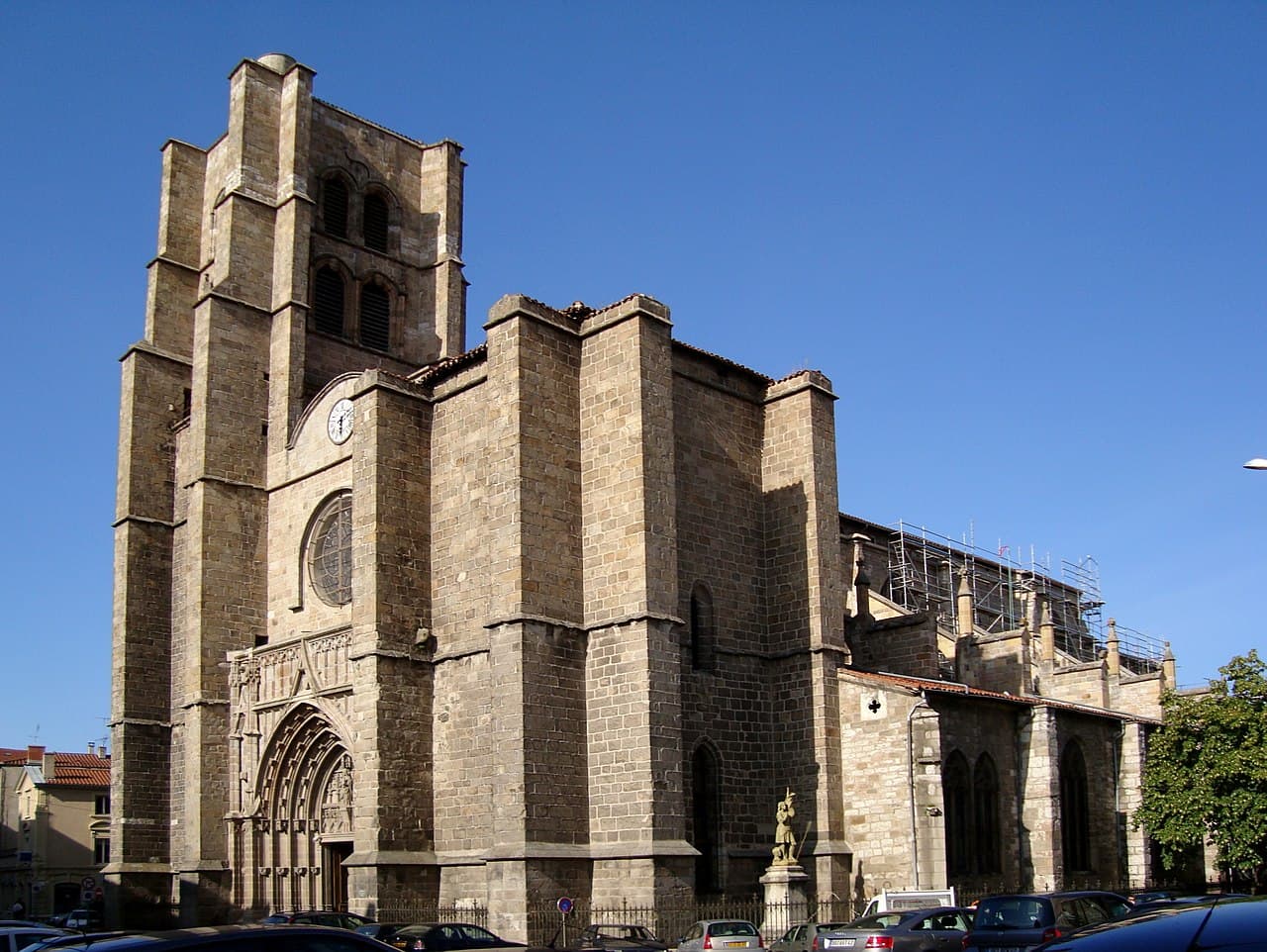 Religious site
Collégiale Notre-Dame d'Espérance
Montbrison
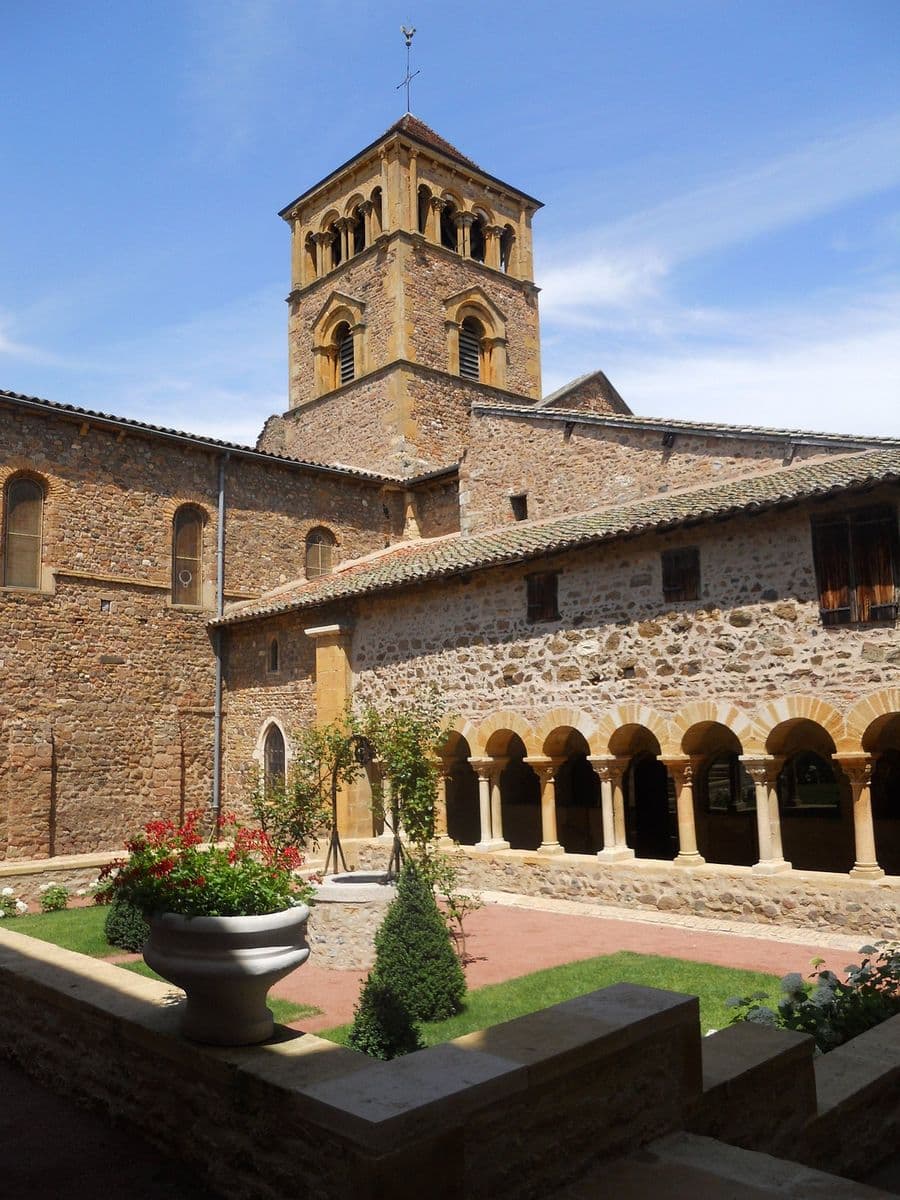 Museum
Musée Le Prieuré
Salles-Arbuissonnas-en-Beaujolais
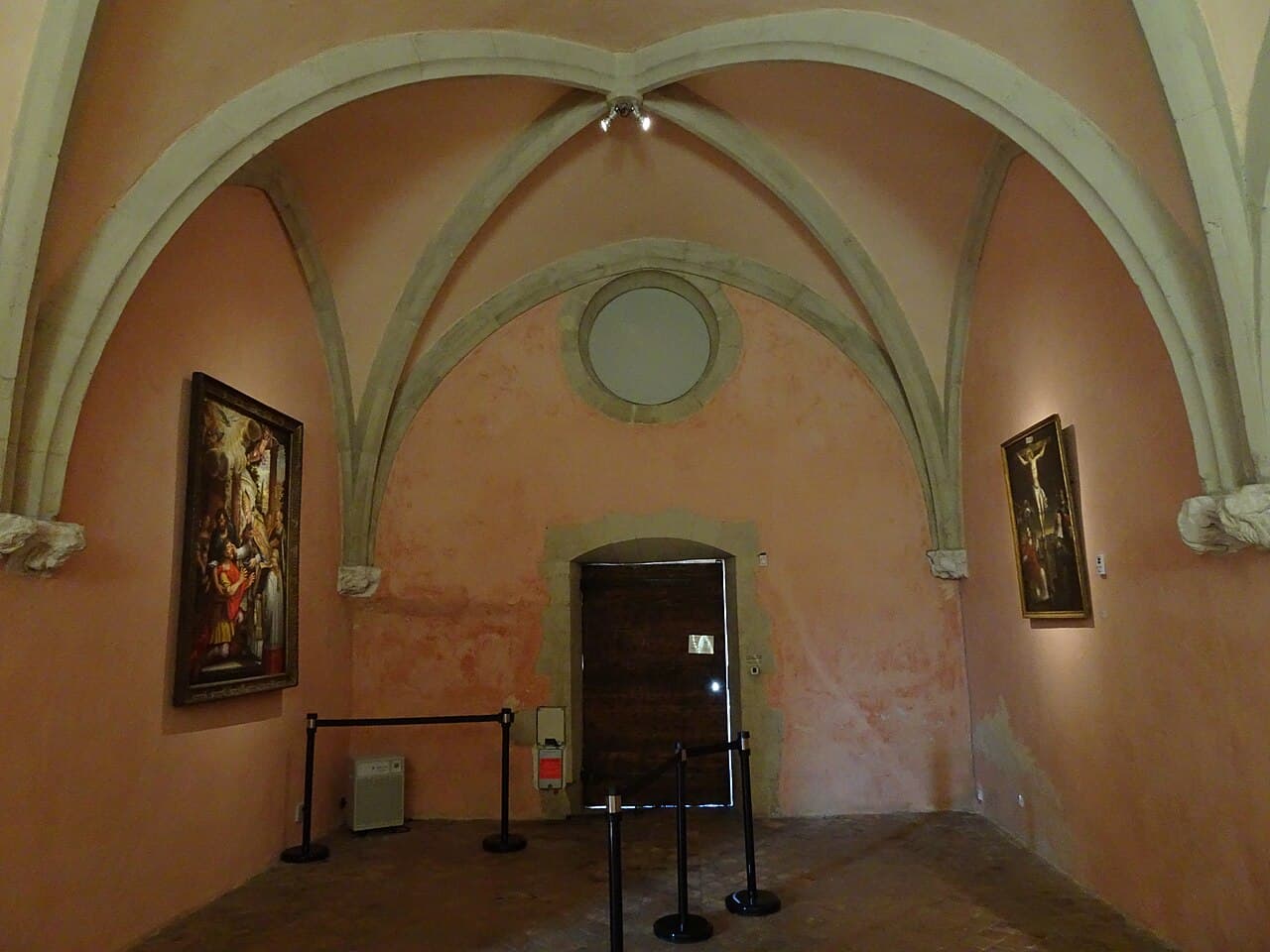 Museum
Musée du Rhône
Tournon-sur-Rhône
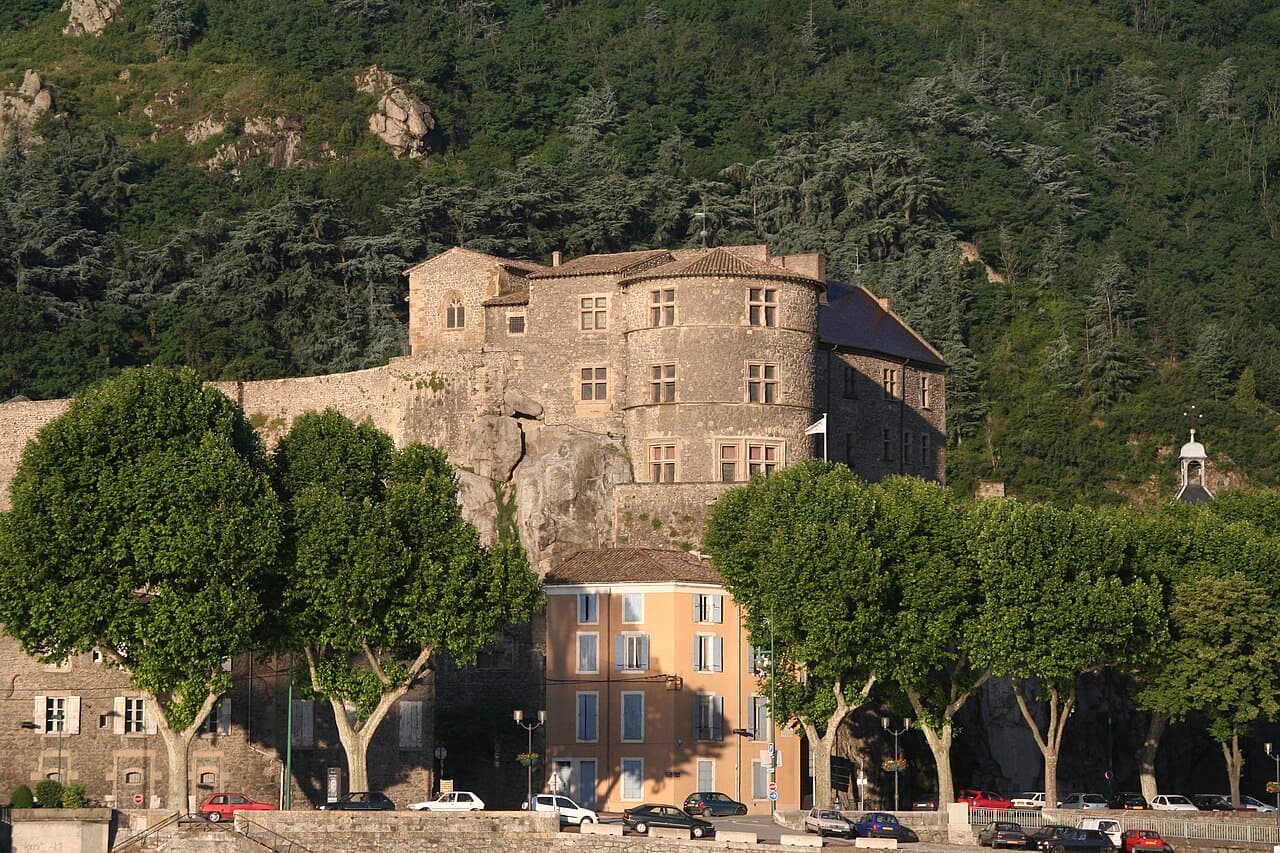 Castle
Château de Tournon
Tournon-sur-Rhône
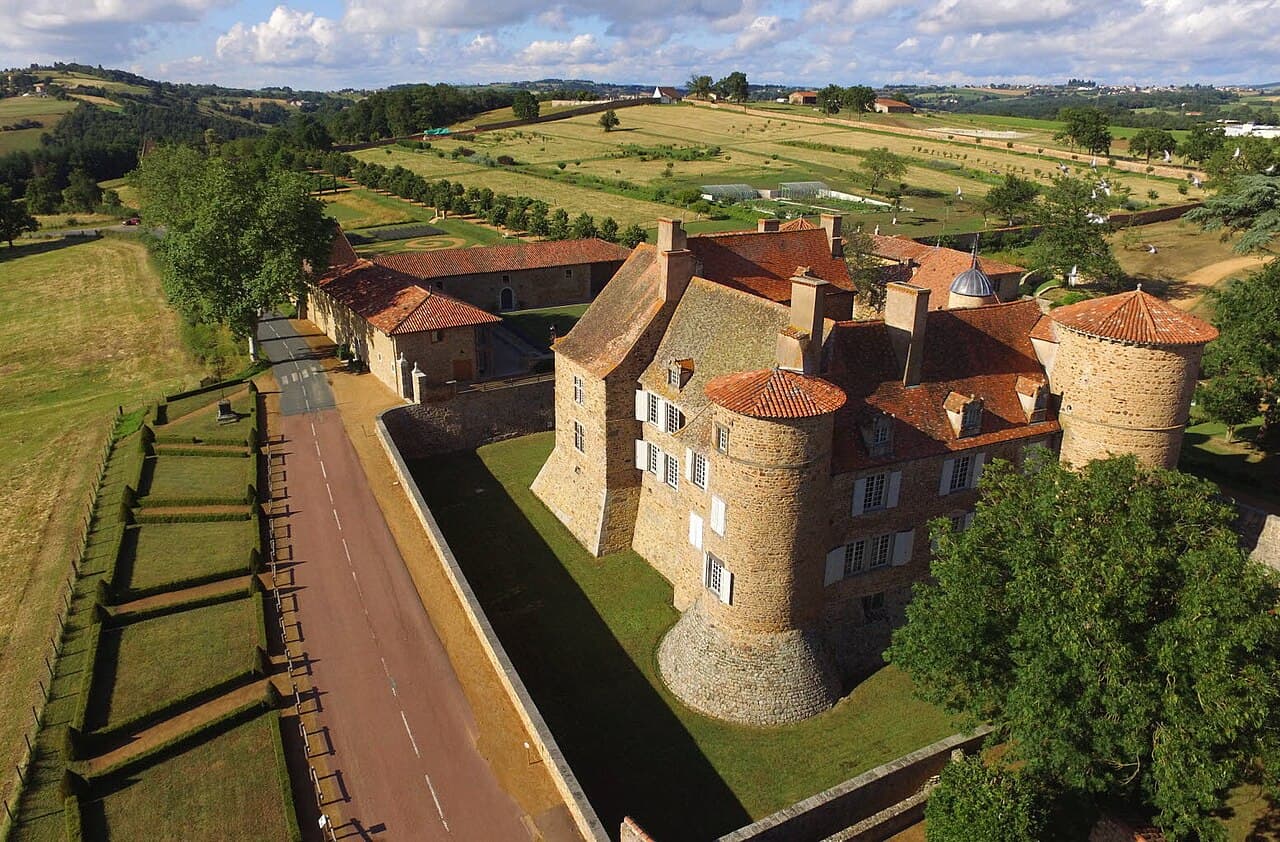 Castle
Château de Saint-Marcel-de-Félines
Saint-Marcel-de-Félines
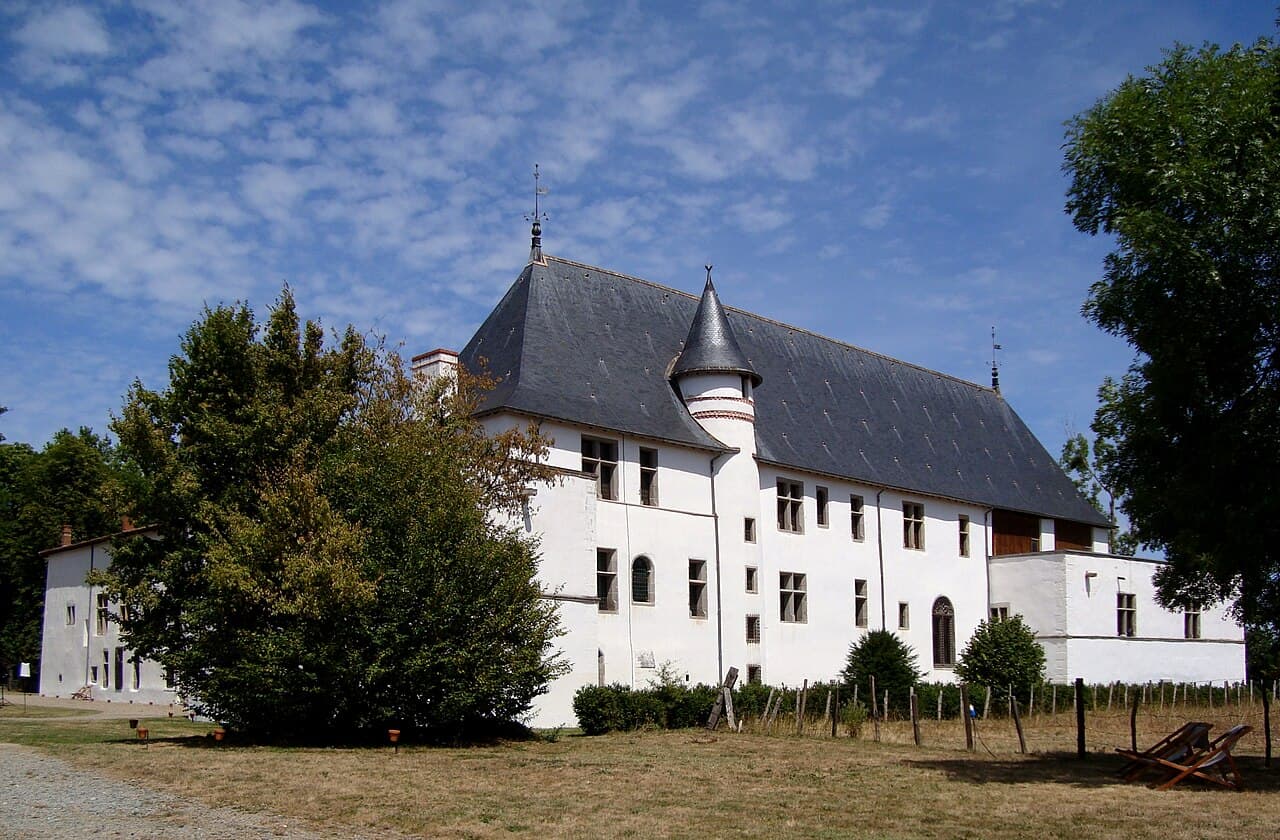 Castle
Château de la Bâtie d'Urfé
Saint-Étienne-le-Molard
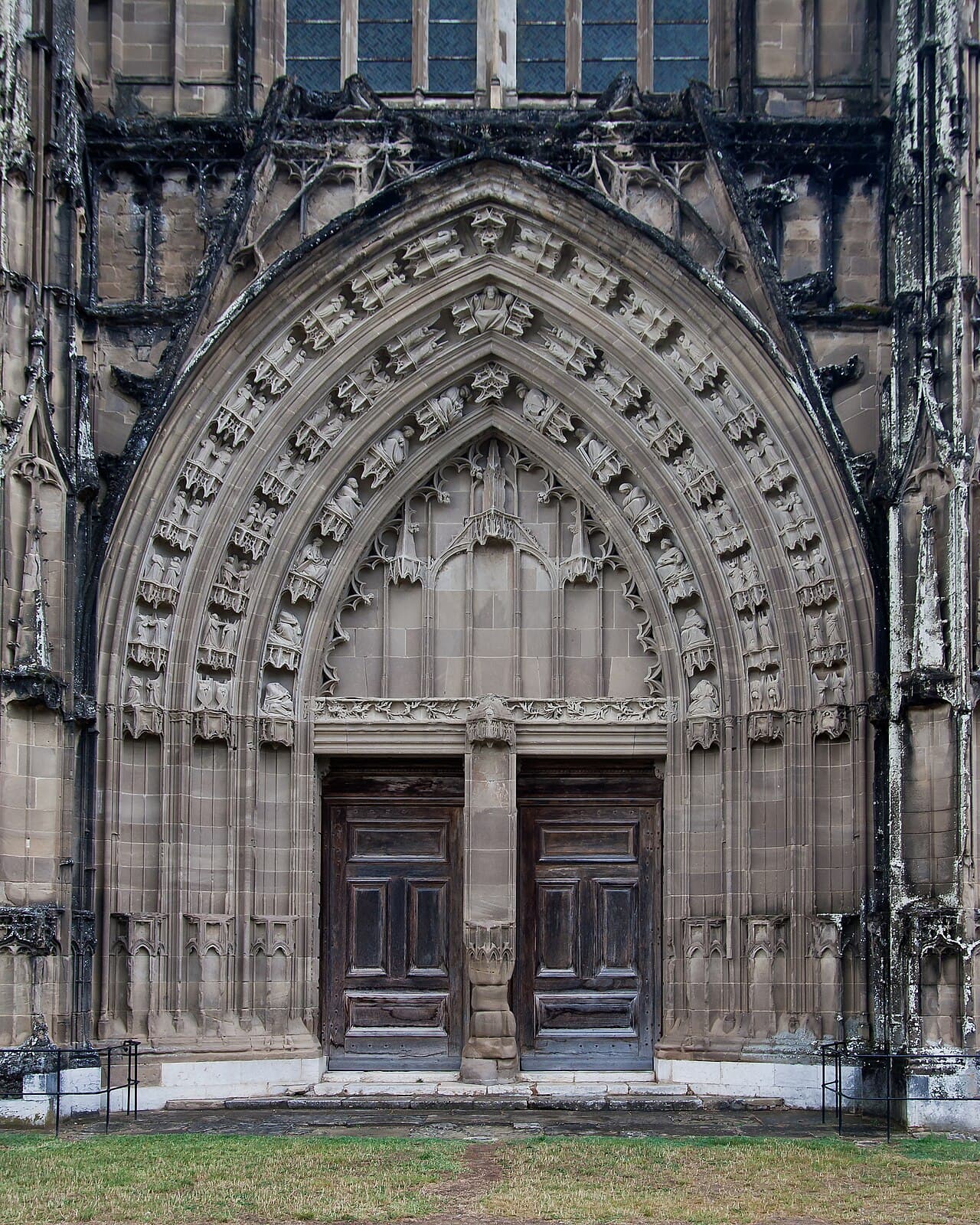 Religious site
Abbatiale de Saint-Antoine-l'Abbaye
Saint-Antoine-l'Abbaye
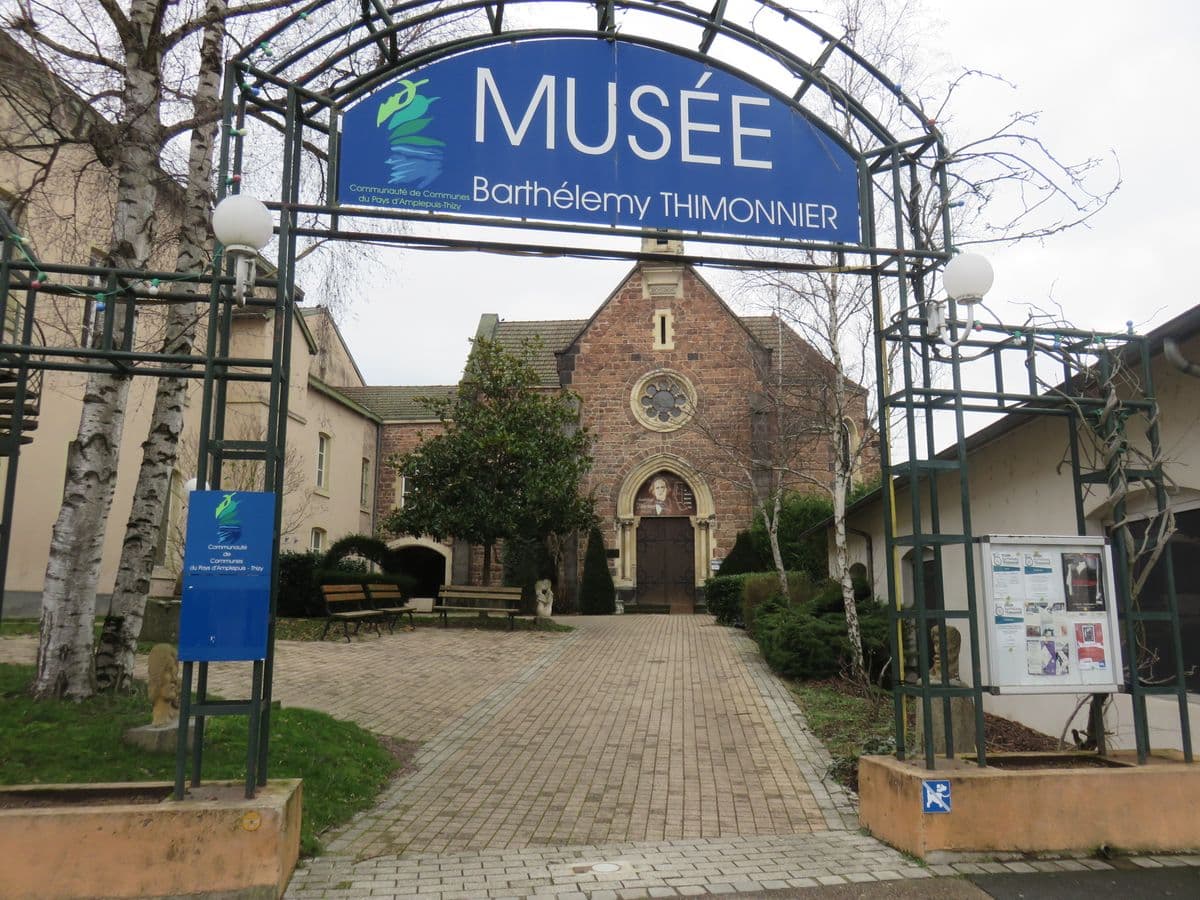 Museum
Musée Barthélemy-Thimonier
Amplepuis
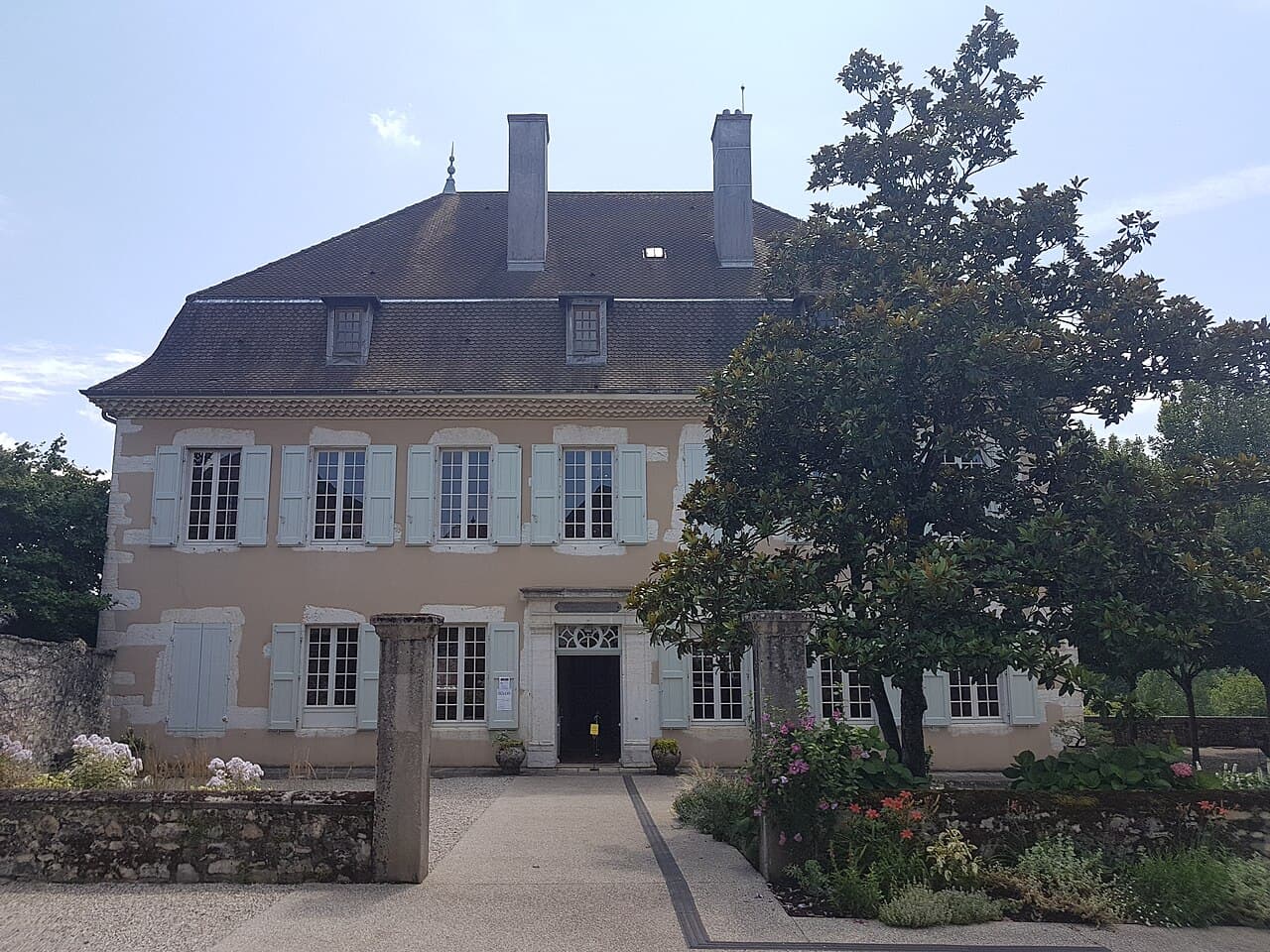 Museum
Maison Ravier
Morestel
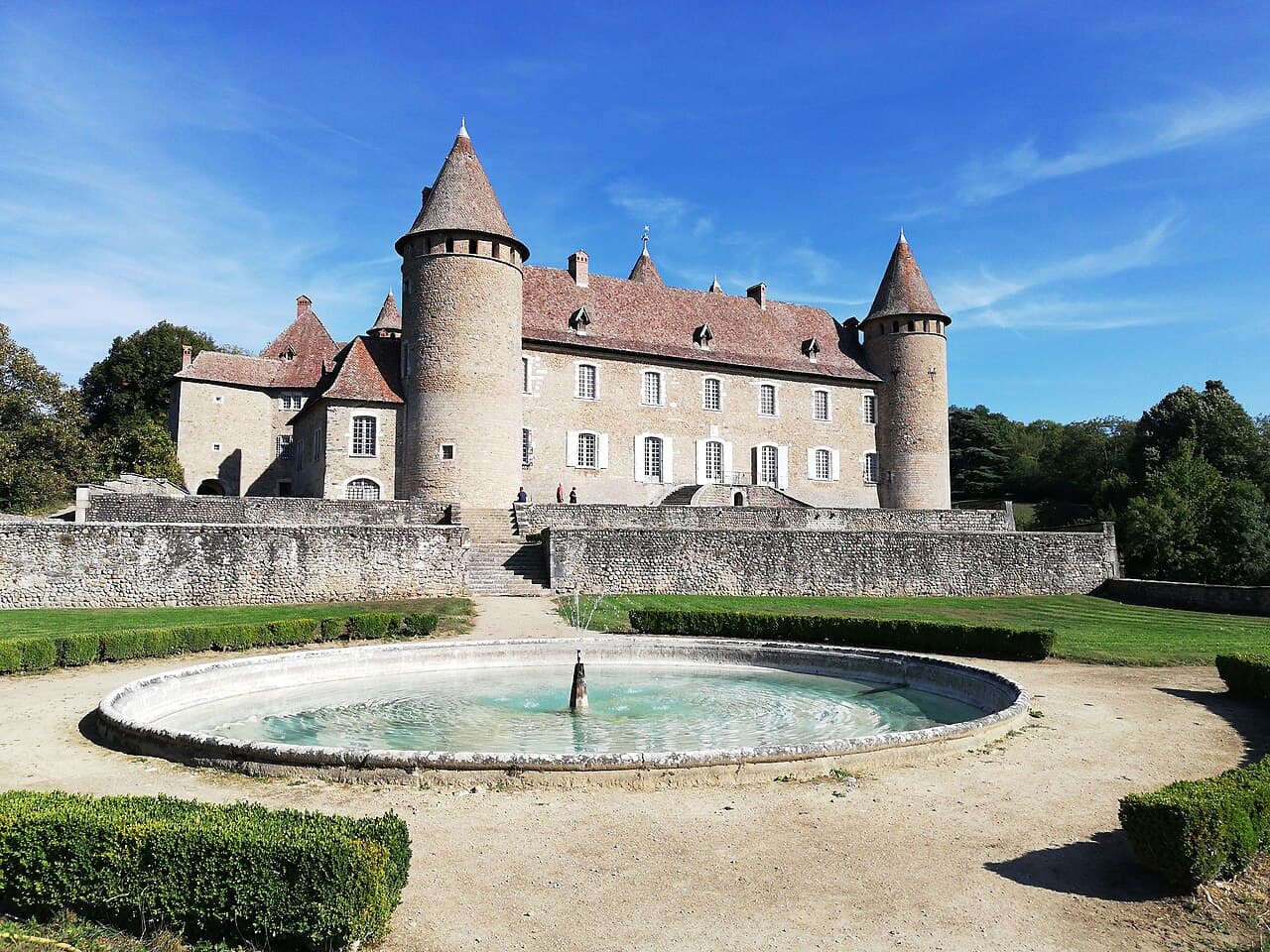 Castle
Château de Virieu
Virieu
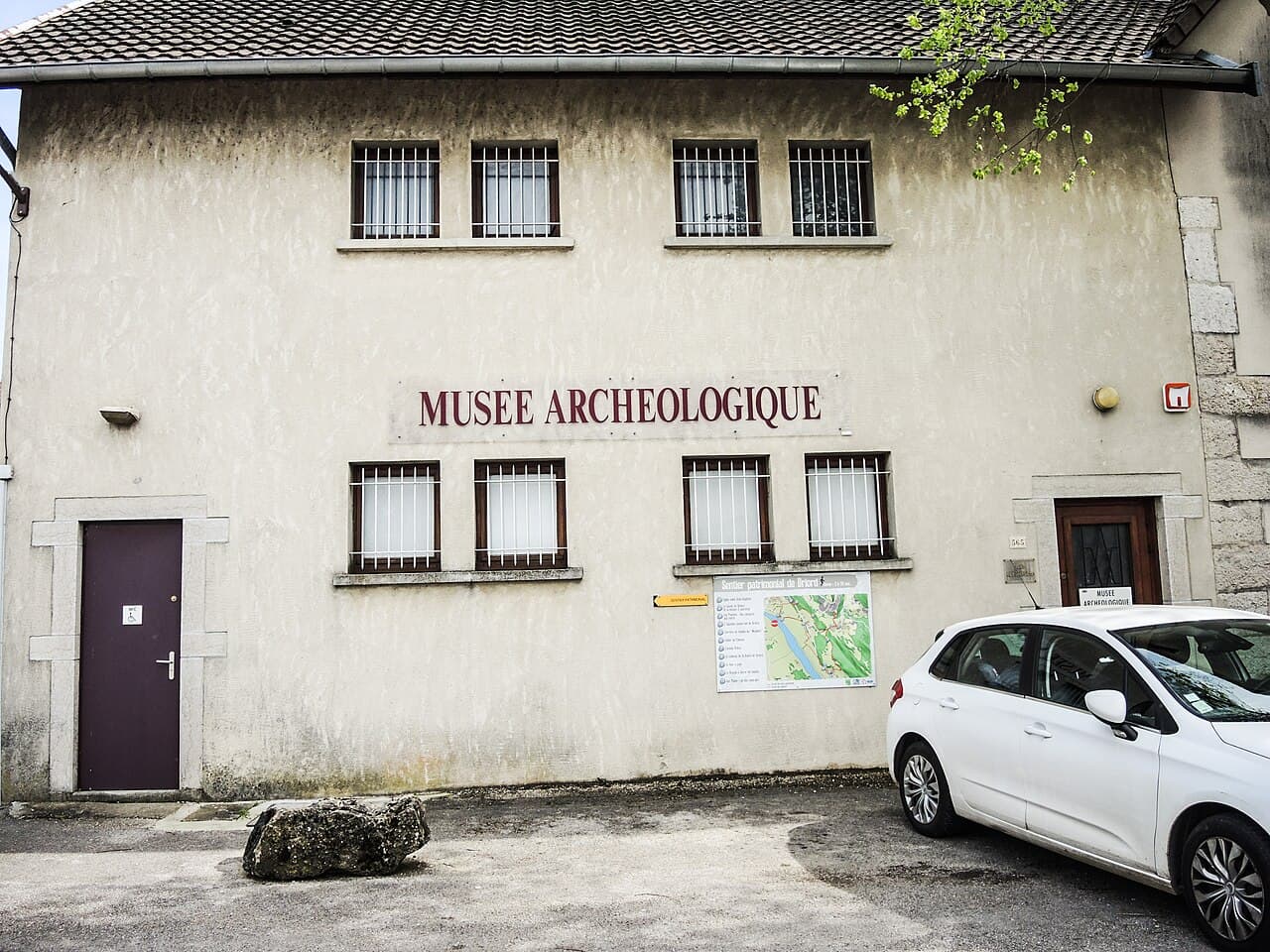 Museum
Musée de la société d'histoire et d'archéologie
Briord
 Heritage
Prehistoric Pile Dwellings around the Alps
Charavines
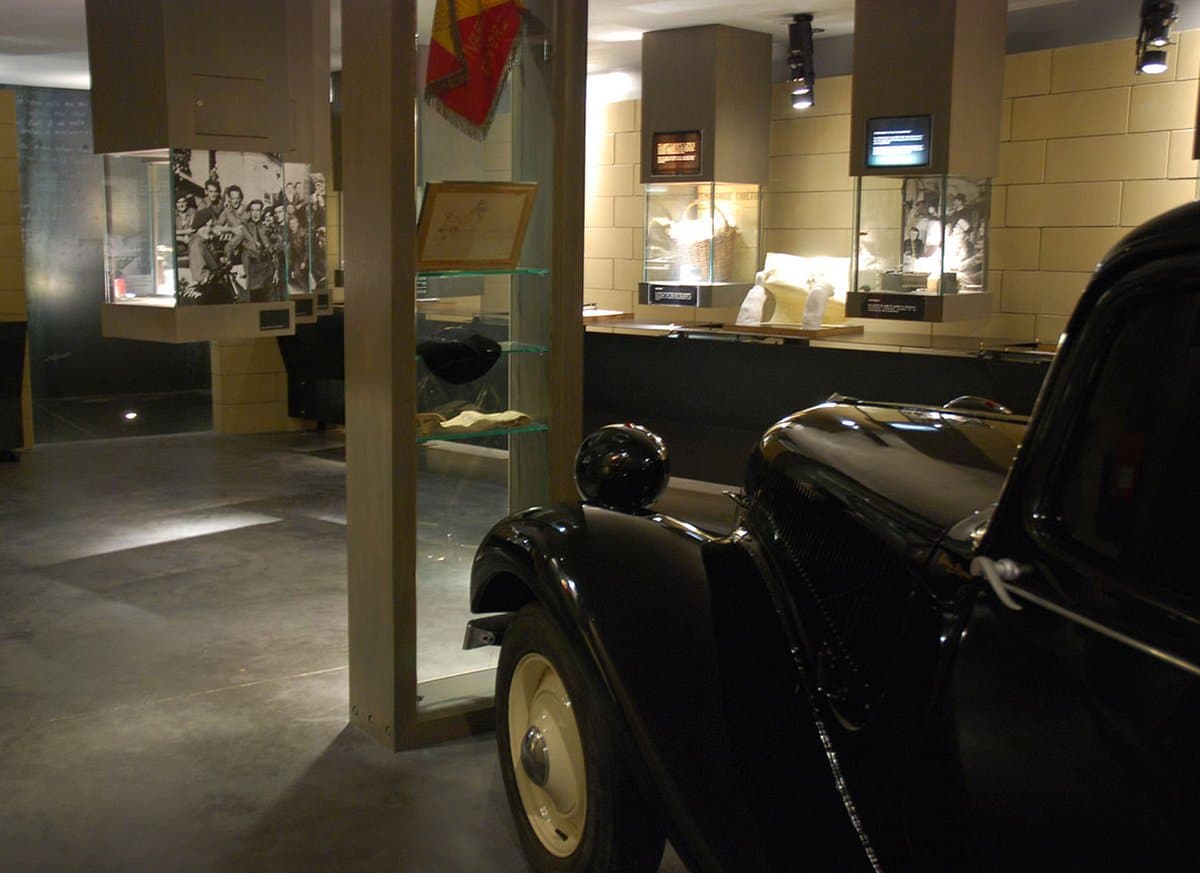 Museum
Musée d'histoire du 20e siècle - Résistance et Déportation -
Estivareilles
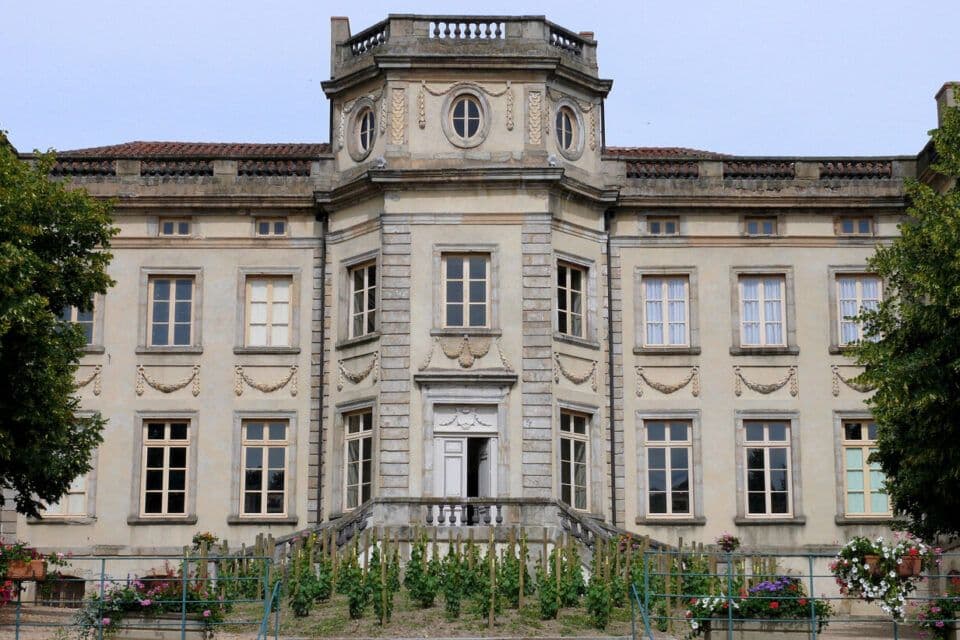 Museum
Château de Boën - Musée des Vignerons du Forez
Boën-sur-Lignon
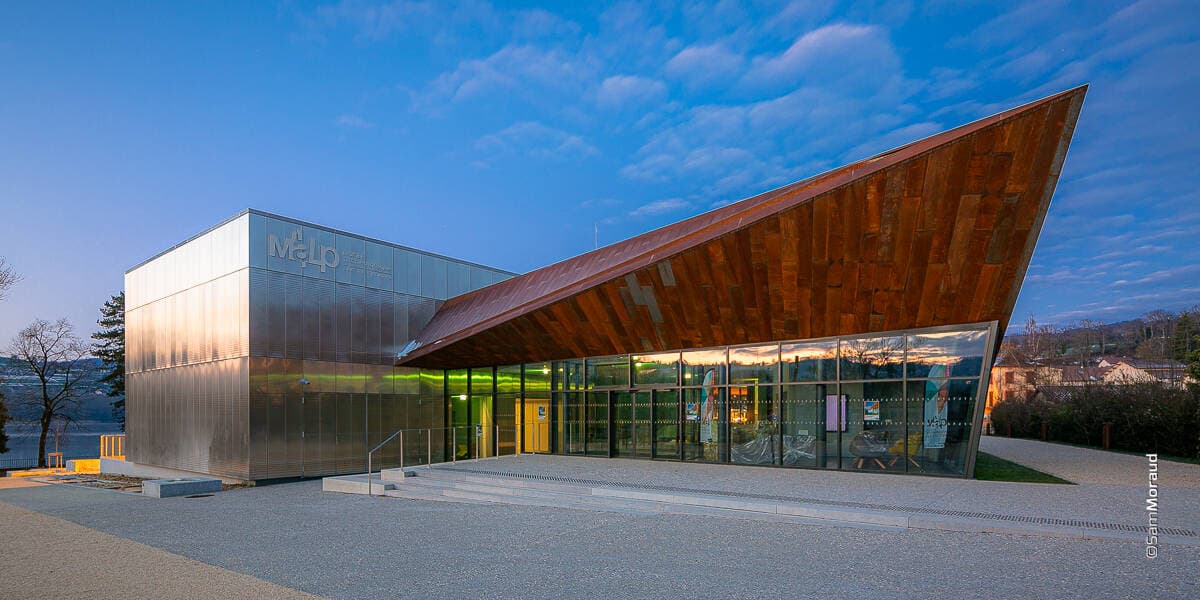 Museum
Musée parc archéologique du lac de Paladru
Villages du Lac de Paladru
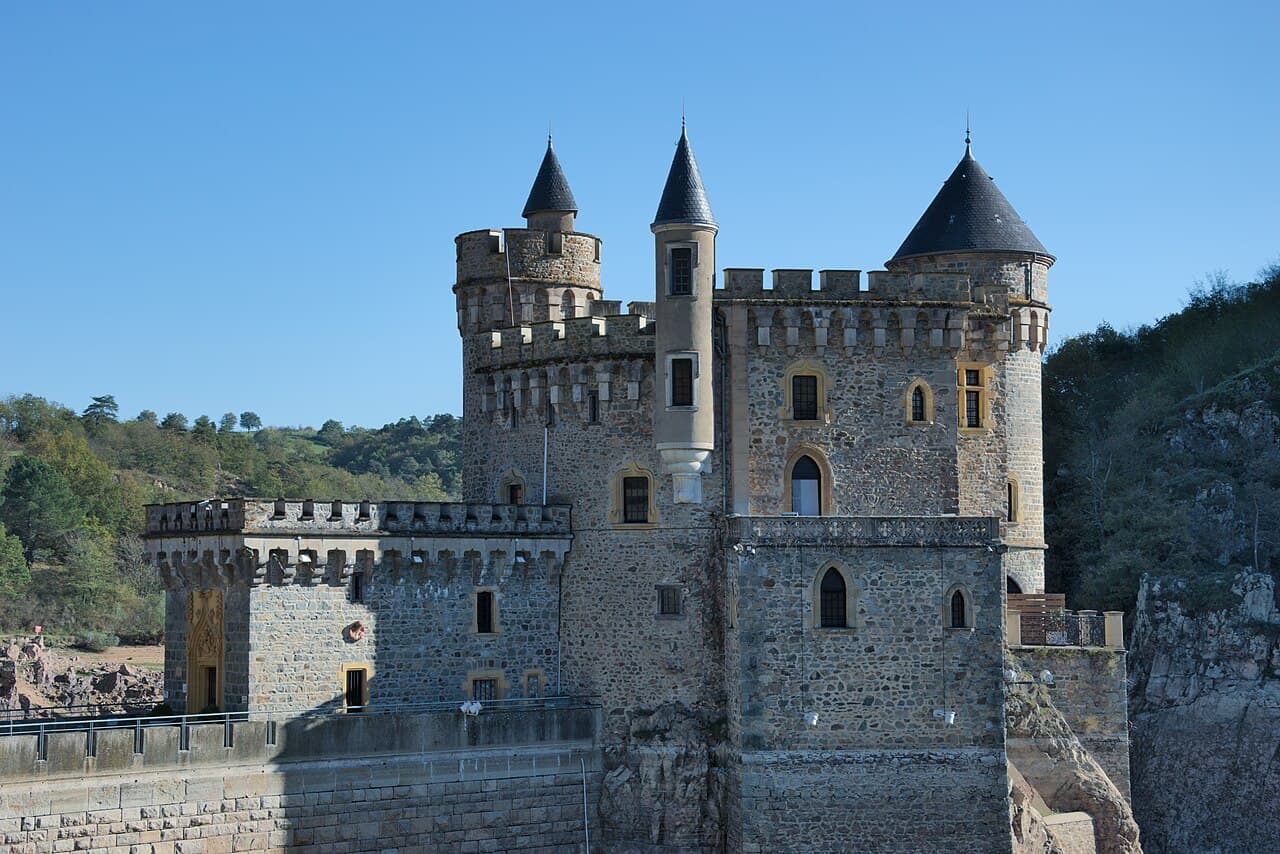 Castle
Château de la Roche
Saint-Priest-la-Roche
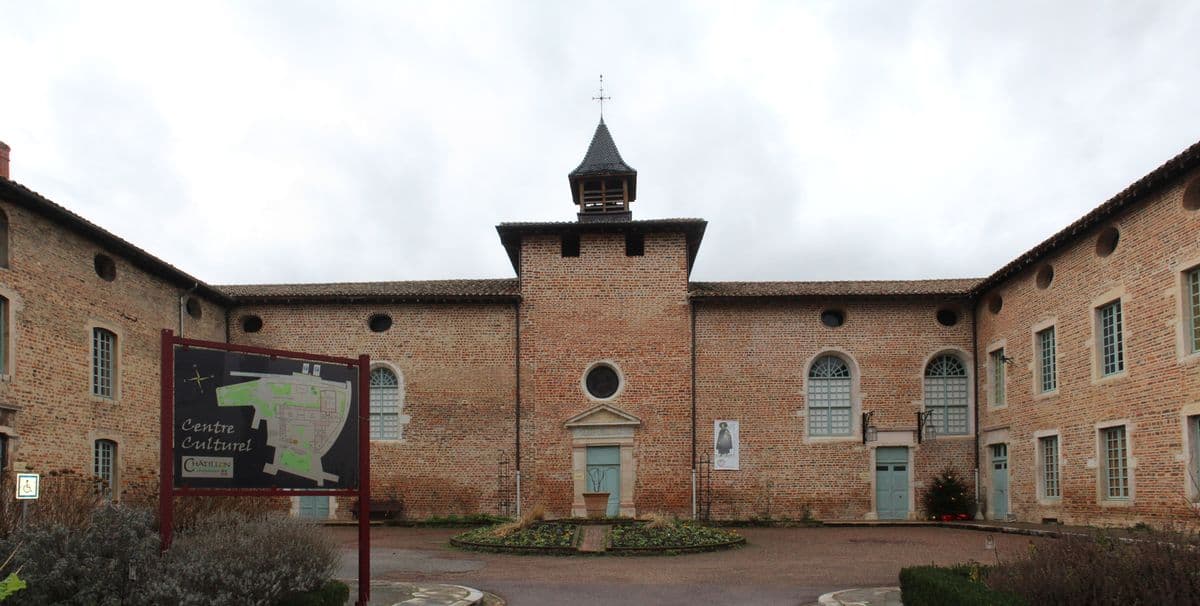 Museum
Musée vie en 1900 de Châtillon-sur-Chalaronne
Châtillon-sur-Chalaronne
A Region Shaped by History and Geology
Auvergne-Rhône-Alpes is the result of a 2016 merger between two historically distinct territories, and its cultural landscape reflects this duality: the volcanic plateaus of Auvergne on one side, the industrial and Alpine dynamism of Rhône-Alpes on the other. Lyon, the region's capital, anchors this territory with two millennia of continuous urban history, from the Roman city of Lugdunum to its silk-weaving past.
The region's museum offer mirrors its economic history: L'Aventure Michelin in Clermont-Ferrand traces the rise of the tire industry, while the Musée de la Mine - Couriot in Saint-Étienne preserves the memory of the coal-mining basin that once powered this part of France.
Further south and east, mountain heritage takes over: the Musée Opinel in Saint-Jean-de-Maurienne recounts the history of the iconic Savoyard folding knife, while the Palais de l'Île occupies a fortified islet in the middle of Annecy's canals.
Four Cities, Four Cultural Identities
Lyon concentrates the region's largest museum density, from the futuristic Musée des Confluences at the tip of the Presqu'île to the Musée des Beaux-Arts de Lyon on Place des Terreaux. The city's old town, listed as the Site historique de Lyon, is one of the largest Renaissance urban ensembles in Europe.
Grenoble pairs Alpine scenery with a strong art scene: the Musée de Grenoble holds one of France's finest modern art collections outside Paris, while the contemporary art space Le Magasin has long served as a laboratory for experimental exhibitions.
Clermont-Ferrand sits at the foot of the Chaîne des Puys - faille de Limagne, a UNESCO-listed volcanic landscape visible from the city center, while Saint-Étienne has rebuilt its post-industrial identity around design and contemporary art, notably through the gallery Galerie Ceysson & Bénétière.
Cinema, Photography and Contemporary Art
Lyon holds a unique place in the history of cinema: it was here, in 1895, that the Lumière brothers shot their first films. The Musée Lumière occupies the family's former residence in the Monplaisir district, while the Musée Cinéma et Miniature displays original props from major film productions inside a 15th-century building in Vieux Lyon.
Contemporary art finds several distinctive venues across the region: Musée d'Art Contemporain de Lyon (macLYON) presents rotating exhibitions in the Cité Internationale, while the more unconventional Musée l'Organe - La Demeure du Chaos near Lyon spreads over 9,000 m² of provocative installations assembled since 1999 by collector Thierry Ehrmann.
Lyon's gallery scene is dense and varied, from Galerie Françoise Besson, specialized in photography, to Krom Galerie and Galerie Masurel, both focused on contemporary painting and sculpture.
Frequently asked questions
How many days are needed to explore the museums of Auvergne-Rhône-Alpes?
A long weekend covers Lyon's main museums, but a full week allows time to also reach Grenoble, Clermont-Ferrand and the Ardèche cave sites.
Which site should not be missed in the region?
The Grotte Chauvet-Pont-d'Arc in Ardèche is unique worldwide for its 36,000-year-old cave paintings, viewable through the Caverne du Pont-d'Arc replica nearby.
Is Lyon's old town worth visiting beyond its museums?
Yes, the Site historique de Lyon UNESCO listing covers one of Europe's largest Renaissance districts, with traboules (hidden passageways) worth exploring on foot.
What is the best time of year to visit the region?
Spring and early autumn suit both city museum visits and outdoor sites like the Chaîne des Puys, avoiding summer crowds in Lyon and winter snow in the Alps.
Are the museums in this region accessible for families with children?
Yes, venues such as the Musée des Confluences and Science Expériences Lyon are designed with interactive exhibits suited to children and families.
Can these sites be reached without a car?
Lyon, Grenoble, Clermont-Ferrand and Saint-Étienne are all connected by train, but rural sites like the Chauvet cave or the Chaîne des Puys are easier to reach with a car.