
Historic Site of Lyon
Lyon · Rhône · Auvergne-Rhône-Alpes
Located in the Rhône valley in the Auvergne-Rhône-Alpes region, Lyon represents an exceptional example of urban development spanning from the Roman period to the 19th century. The site encompasses the old town (Vieux Lyon), with its Renaissance architecture and narrow streets, the Roman theatres on Fourvière hill, and the 19th-century Presqu'île district featuring neo-classical buildings. Inscribed as a UNESCO World Heritage Site in 1998, Lyon was recognized for its outstanding urban and architectural qualities that document the evolution of European city planning and design across multiple historical periods. The Renaissance quarter is distinguished by its ornate facades and characteristic traboules—internal passageways connecting buildings—which reflect the city's role as a major silk-weaving center during the 15th and 16th centuries. The site's geographical position at the confluence of the Rhône and Saône rivers has historically made Lyon a significant commercial and cultural crossroads. Together, these districts form a living urban landscape that illustrates the successive layers of Lyon's development as a major European city.
Nearby World Heritage Sites
Explore →


Nearby
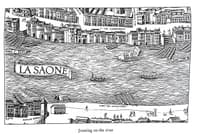
Historic Site of Lyon
Heritage · Lyon
Musée de l'Imprimerie et de la Communication graphique
Museum · Lyon
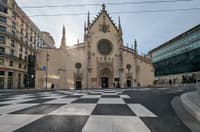
Basilique Saint-Bonaventure
Religious site · Lyon
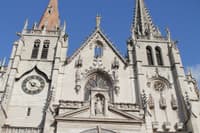
Église Saint-Nizier de Lyon
Religious site · Lyon

Science Expériences Lyon
Museum · Lyon

Musée des Beaux-Arts de Lyon
Museum · Lyon
Galleries nearby: APN Gallery (128 m), Galerie Don Carli (128 m), Galerie Ceysson & Bénétière (219 m).