42 museums · 48 galleries · 1 heritage site
Bas-Rhin: Museums, Galleries and Heritage Sites
Explore museums, galleries and heritage sites in Bas-Rhin, in Grand Est.
A department shaped by history and craftsmanship
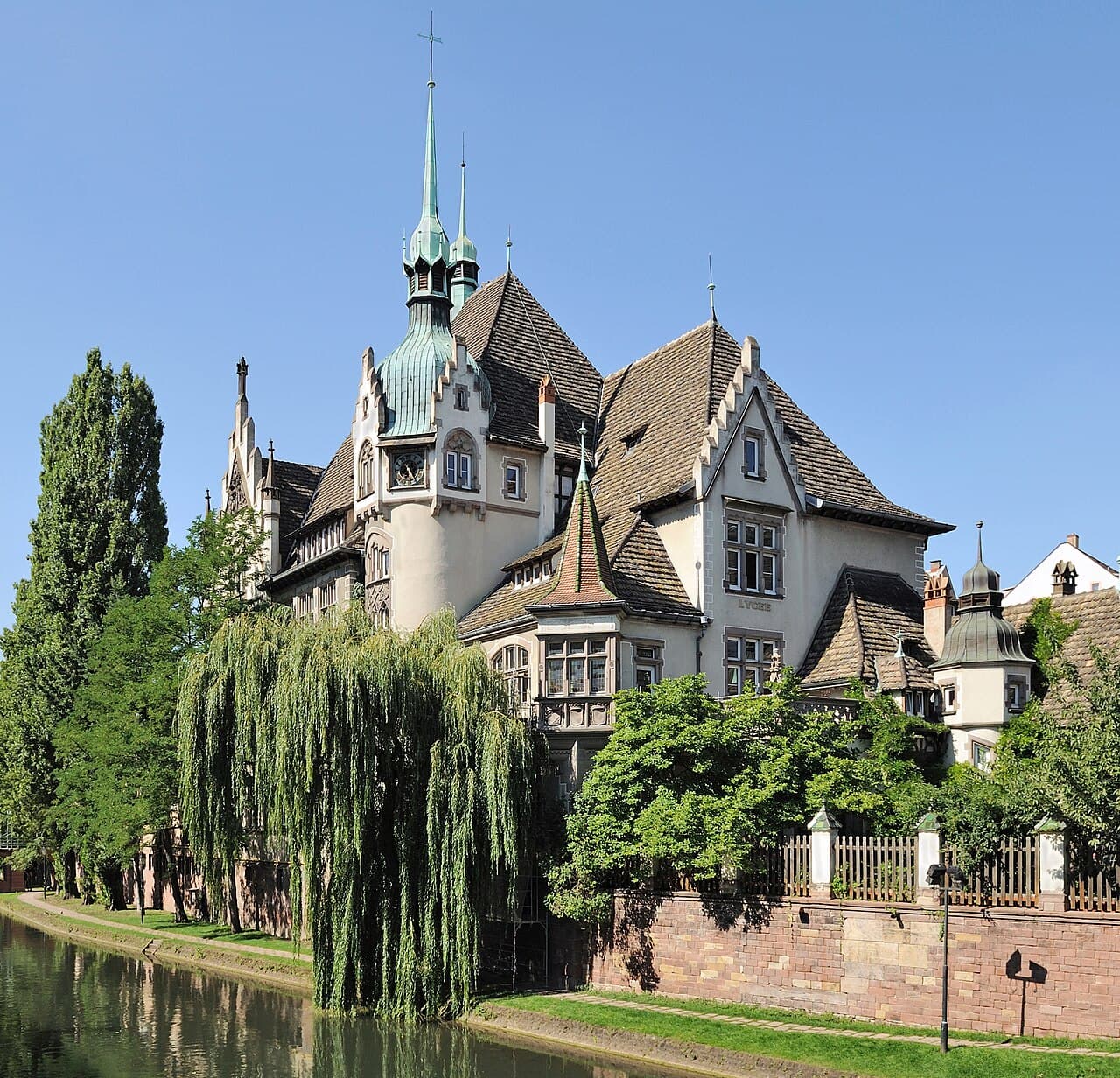
Bas-Rhin's cultural landscape is anchored in Strasbourg, whose Grande-Île and Neustadt form a UNESCO World Heritage site spanning medieval and imperial German urban planning. Within this dense historic core, institutions such as the Musée des Beaux-Arts de Strasbourg, housed in the Palais Rohan, and the Musée de l'Œuvre-Notre-Dame trace the region's artistic output from the medieval cathedral workshop to the nineteenth century.
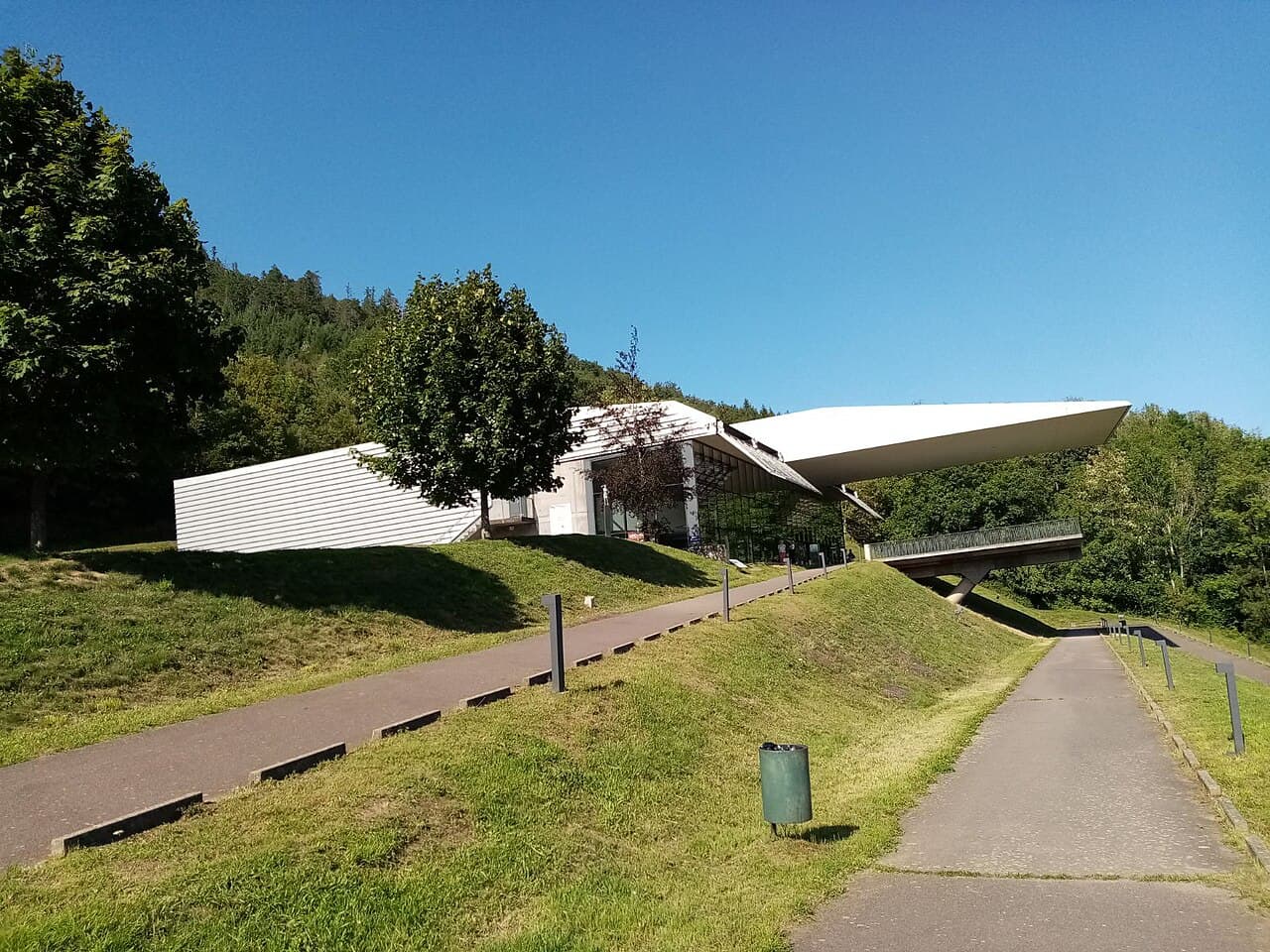
Beyond the capital, the department carries the weight of twentieth-century history. The Mémorial Alsace-Moselle in Schirmeck examines the region's contested status between 1870 and the aftermath of the Second World War, while the Camp de concentration Natzweiler-Struthof and its adjoining Centre européen du résistant déporté preserve the site of the only concentration camp established on French soil.
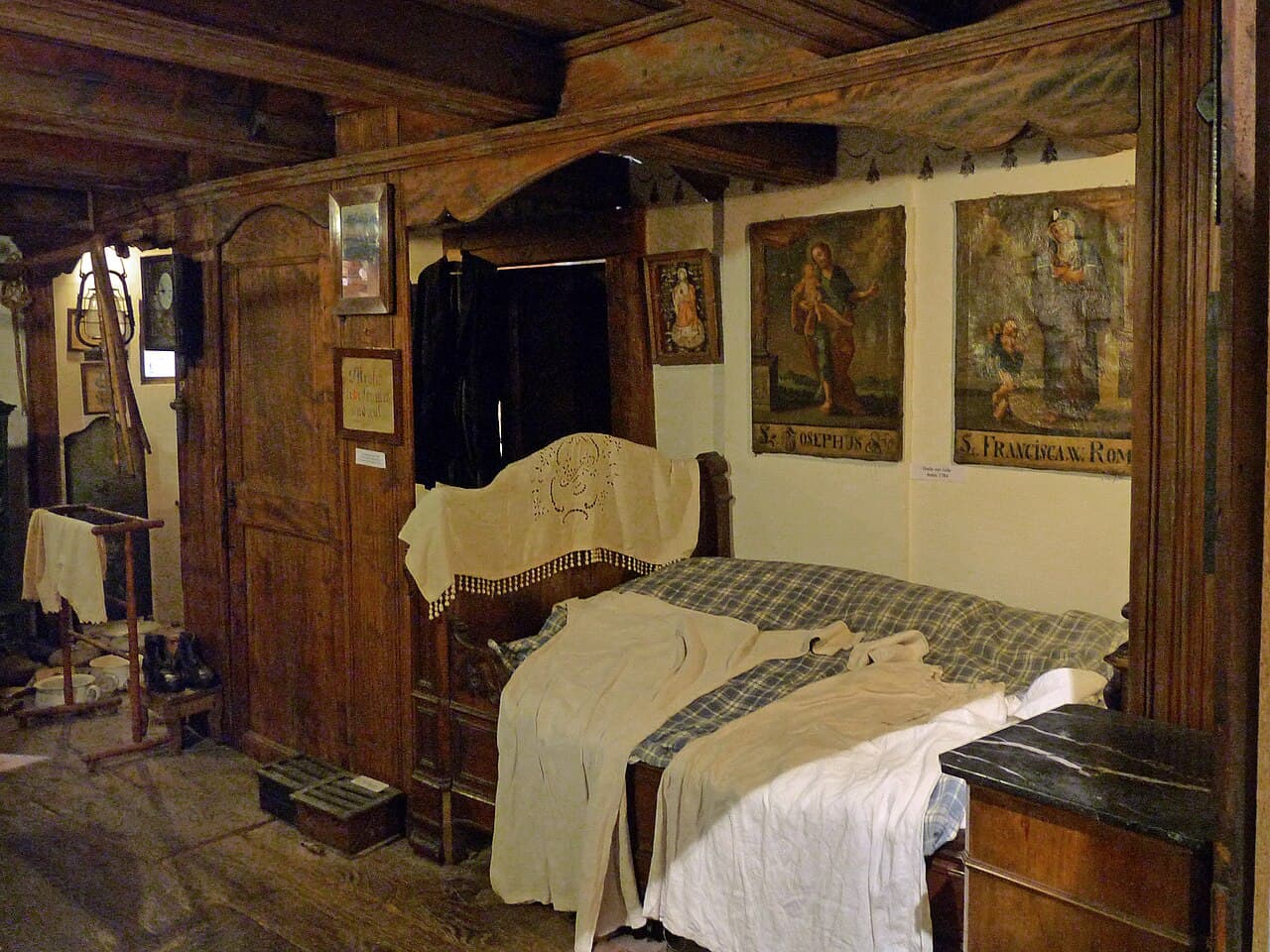
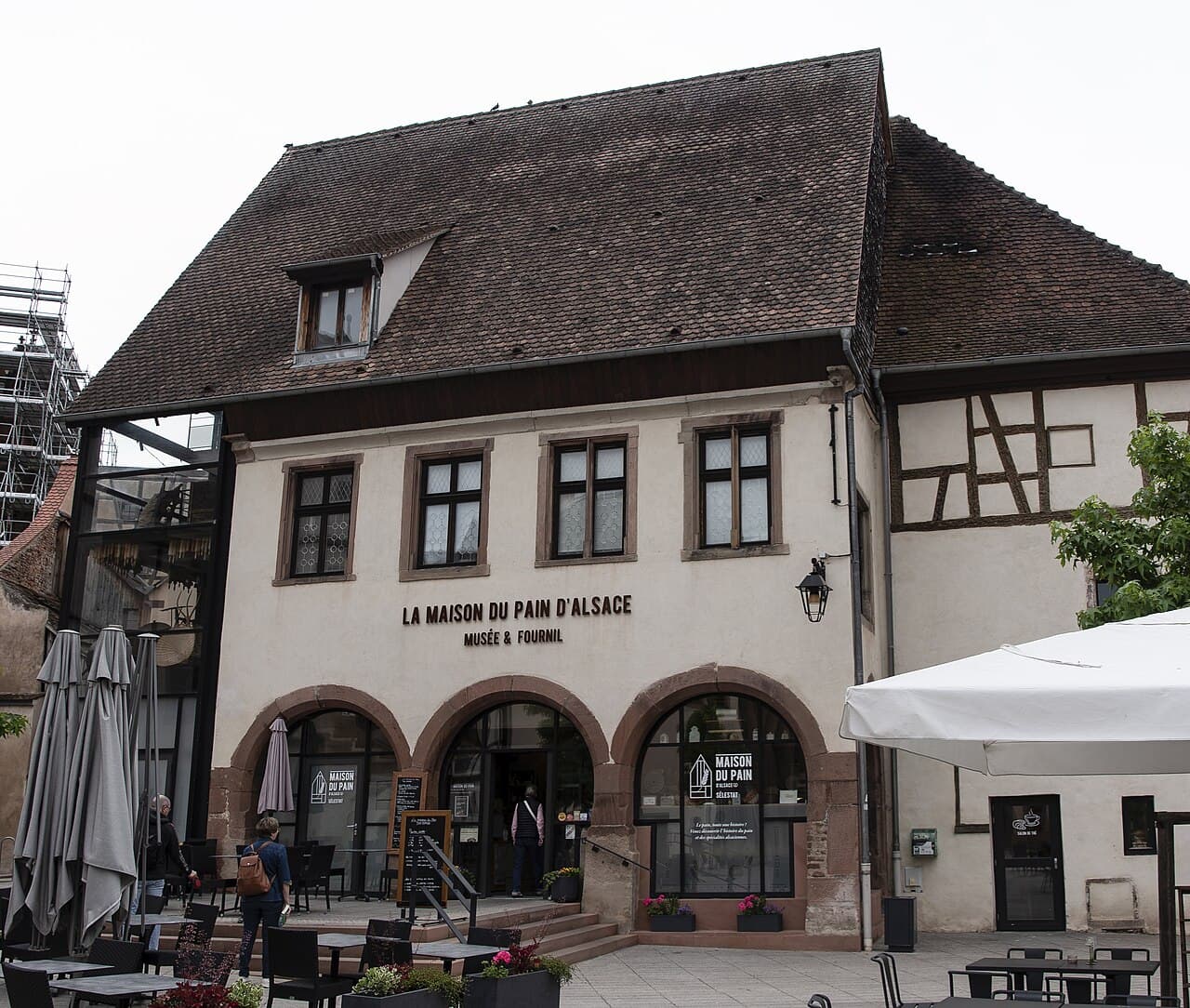
Rural Bas-Rhin sustains a network of specialized craft museums: the Musée du pain d'épices et de l'art populaire alsacien in Gertwiller, the Maison du Pain d'Alsace in Sélestat, and the Musée Meyer's - La Maison du Distillateur in Châtenois each document a distinct regional trade, from gingerbread baking to eau-de-vie distillation.
Cities & region
Museums to discover
42 museums, from major institutions to local collections.
Galleries to discover
48 contemporary and modern art galleries.





World Heritage & monuments
1 UNESCO World Heritage Sites.
Strasbourg's museum quarter and beyond
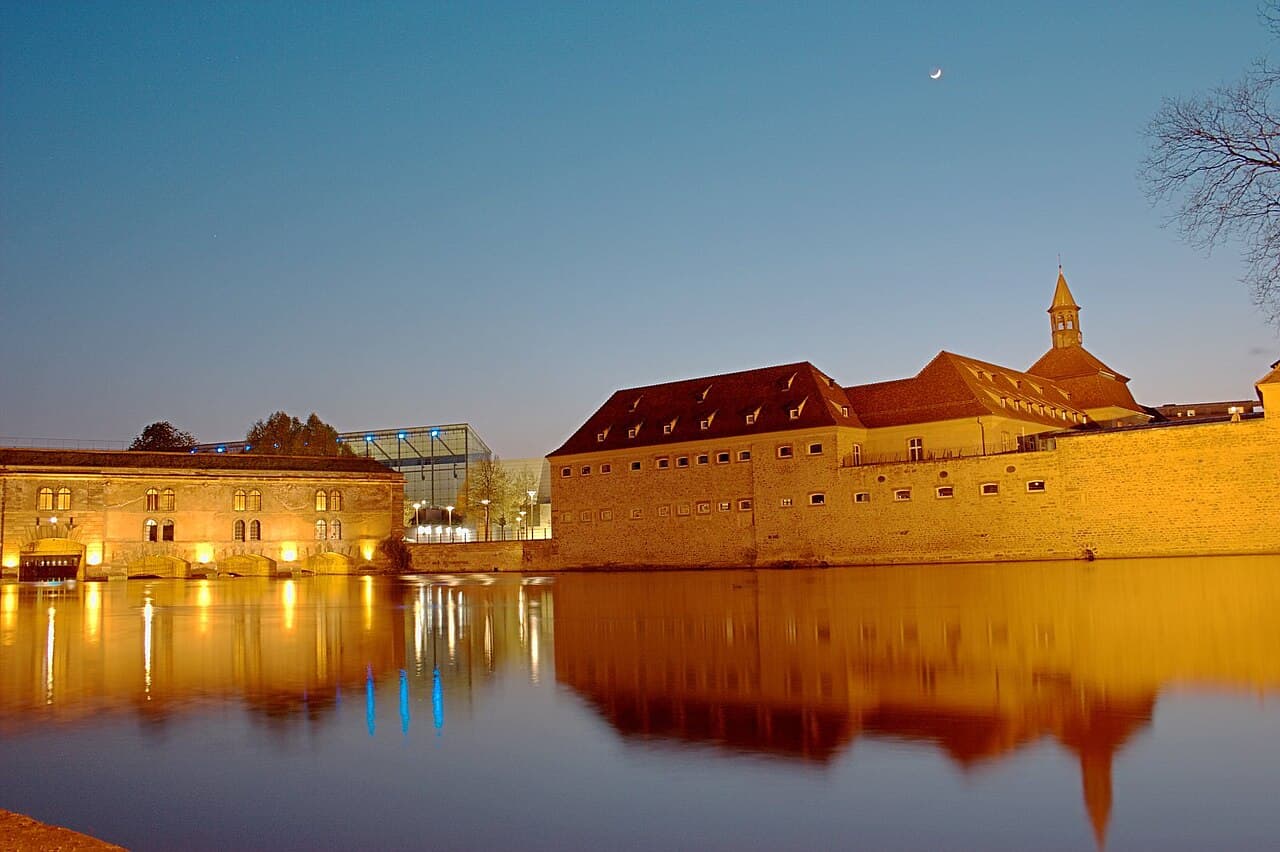
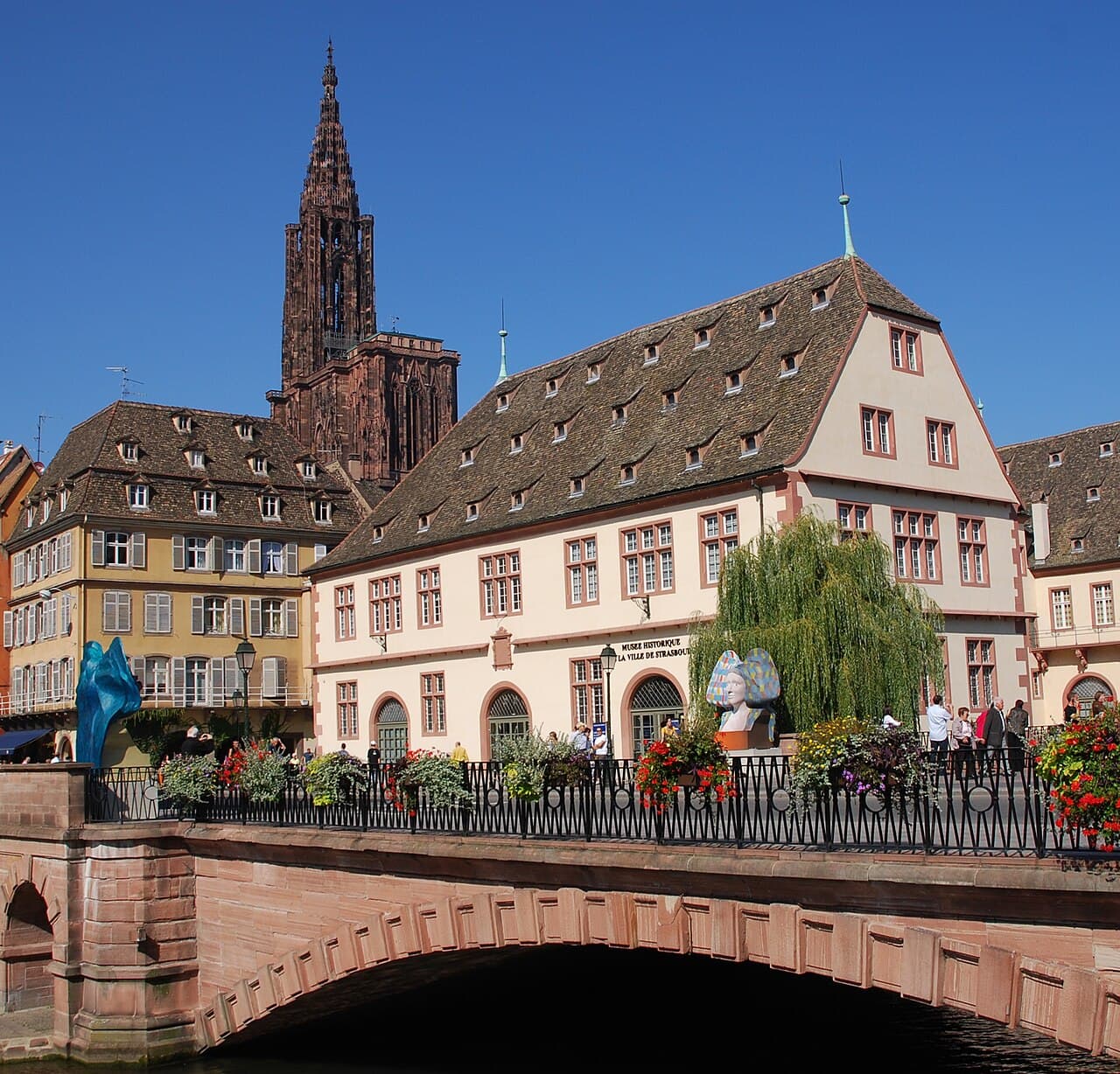
Strasbourg concentrates most of the department's major institutions within walking distance of the cathedral. The Musée historique de la ville de Strasbourg occupies the former butchers' hall dating from 1587, a few steps from the Musée du Château des Rohan collections held in the same episcopal palace as the Beaux-Arts museum. Nearby, the Musée d'Art Moderne et Contemporain de Strasbourg sits along the Ill river close to the railway station, offering a contrasting modern counterpoint to the old town's Gothic and Renaissance architecture.
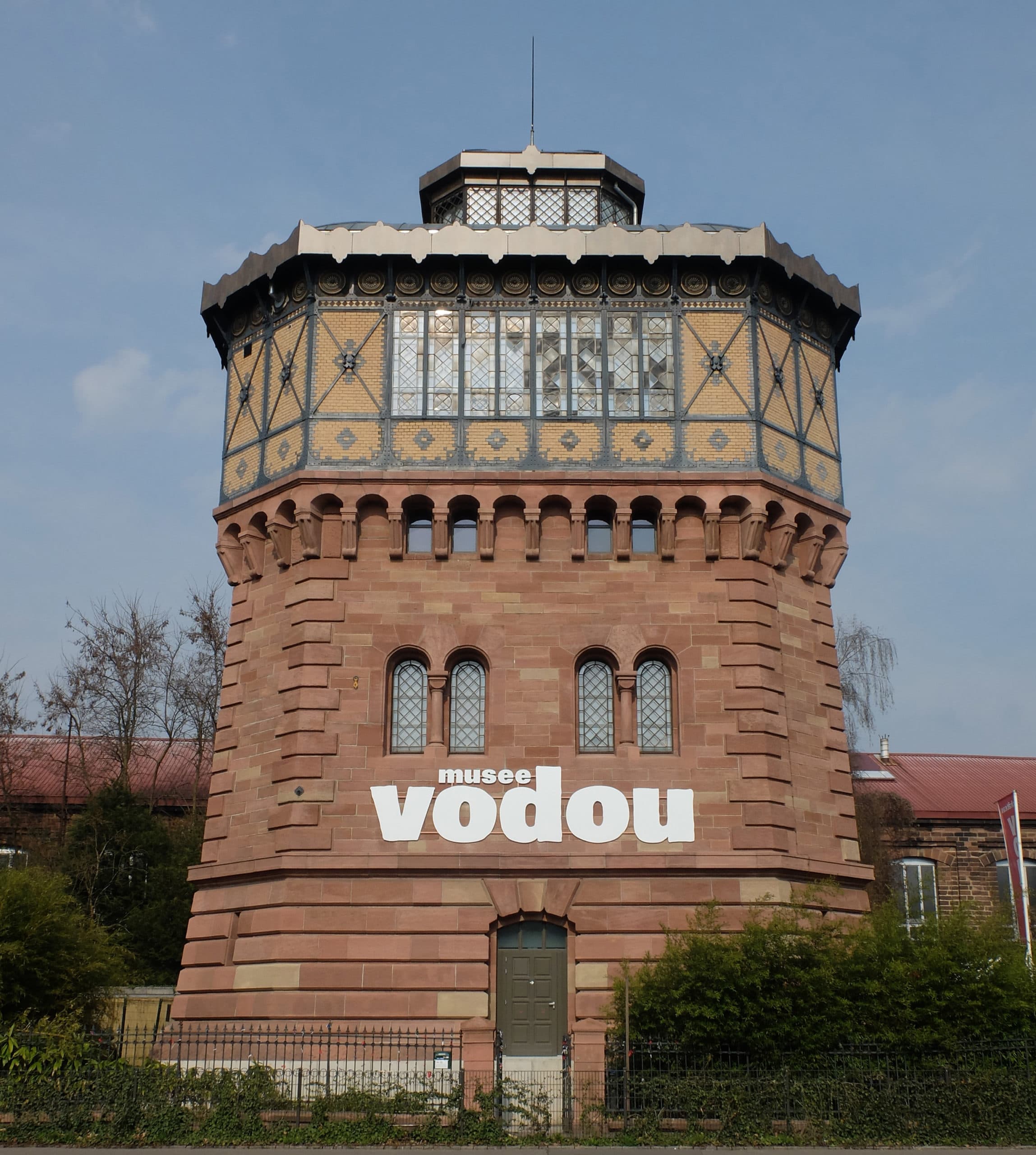
A short walk from the cathedral, a converted 1878 water tower houses the Château Musée Vodou, home to the world's largest collection of vodou objects — an unexpected addition to the city's otherwise Alsace-focused museum landscape.
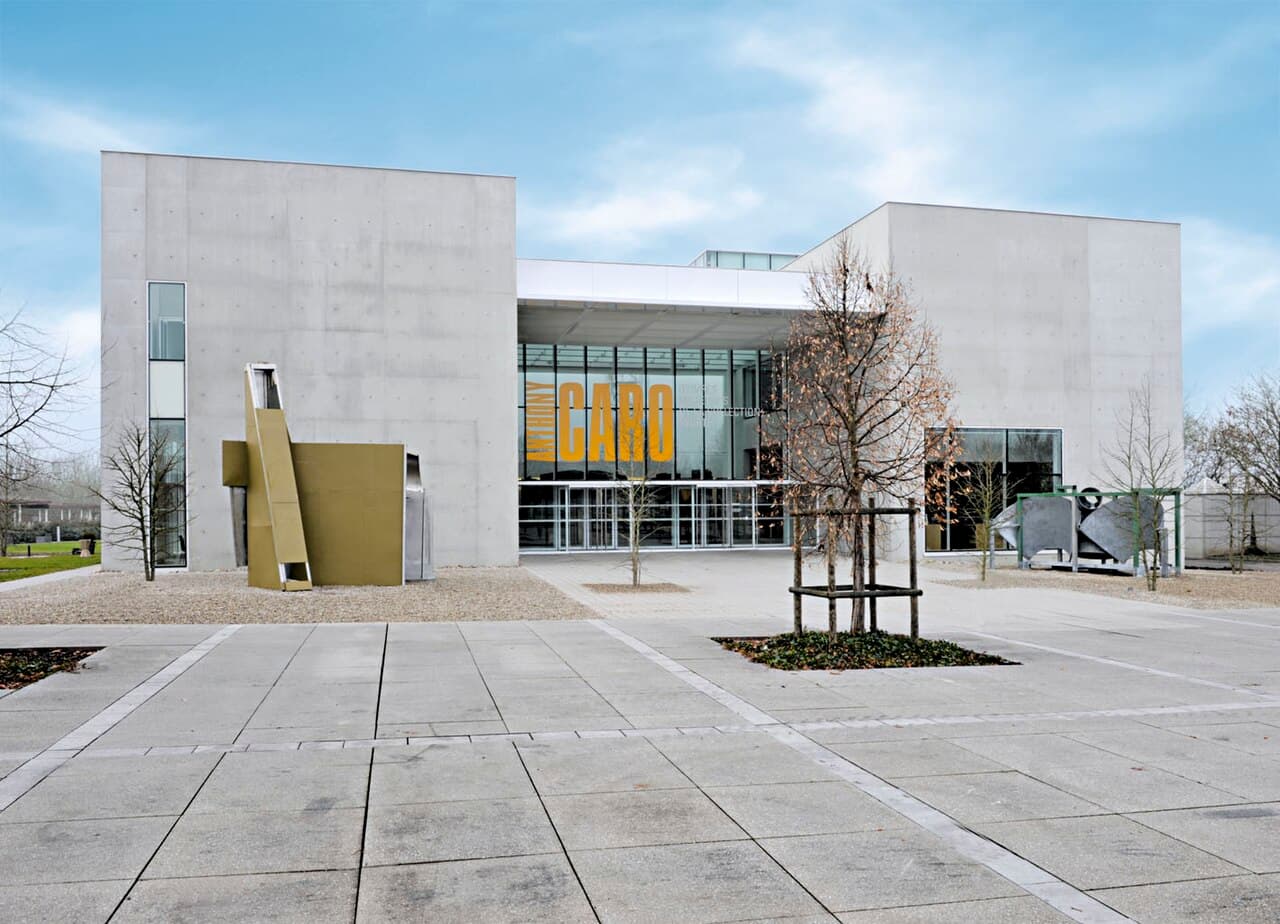
Outside the capital, Saverne and Erstein anchor two distinct cultural poles: the Château des Rohan in Saverne combines archaeology and regional art history, while the Musee Würth in Erstein pairs sculpture exhibitions with a broader program of contemporary cultural events.
Glass, marquetry and applied arts
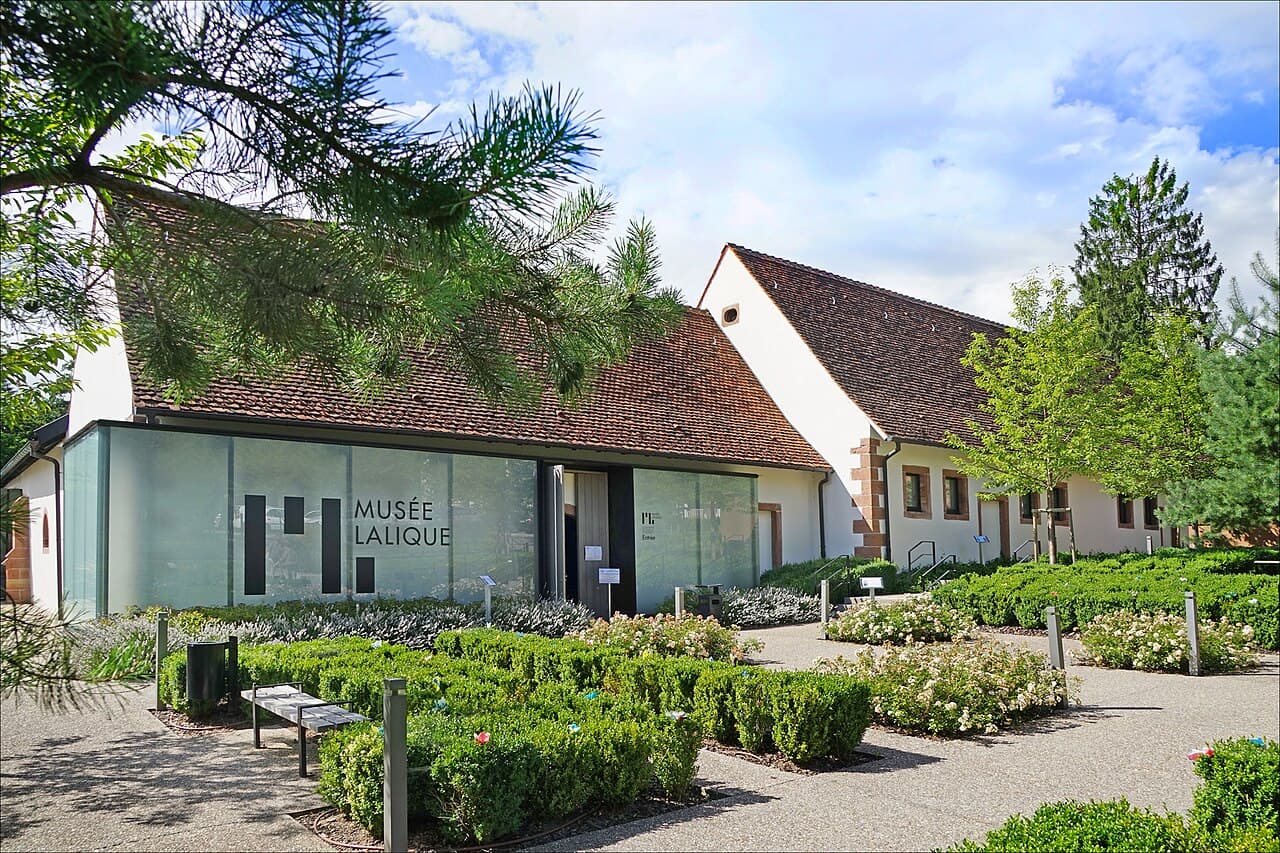
The village of Wingen-sur-Moder is inseparable from the name Lalique: the Musée Lalique retraces the career of René Lalique and his successors through glass and jewelry collections, set on the site of the historic workshop that gave the region its lasting reputation in decorative glassmaking.
Marquetry finds its dedicated showcase at the Marqueterie d'Art Spindler in Boersch, continuing a craft tradition established by the Spindler family workshop in the late nineteenth century.
Bas-Rhin on the map
Museums, galleries and heritage, at a glance.
91 results
Frequently asked questions
How many days should I plan to visit Bas-Rhin's main cultural sites?
Two full days cover Strasbourg's core museums and the Grande-Île; add a third day for Natzweiler-Struthof, Saverne or the Lalique museum, which are 45-90 minutes away by car.
What is the best way to visit Strasbourg's museums in one day?
Focus on the Palais Rohan complex, which houses both the Musée des Beaux-Arts de Strasbourg and the Musée du Château des Rohan collections, then walk to the nearby Musée de l'Œuvre-Notre-Dame and Musée historique de la ville de Strasbourg.
Is the Camp de concentration Natzweiler-Struthof suitable for families?
The site is open to all ages but its content is somber; the memorial and the Centre européen du résistant déporté are best suited to visitors aged 10 and above accompanied by an adult.
Are Bas-Rhin's food-themed museums good for children?
Yes — the Musée du pain d'épices et de l'art populaire alsacien and the Maison du Pain d'Alsace both include hands-on demonstrations that appeal to younger visitors.
When is the best time to visit Strasbourg's Grande-Île and Neustadt?
Late spring and early autumn offer comfortable walking conditions; December draws large crowds for the Christmas market, so museums are quieter on weekday mornings.
Is the Musée Lalique far from Strasbourg?
Wingen-sur-Moder lies about an hour's drive north of Strasbourg in the Vosges du Nord, making it a feasible half-day trip combined with the Château des Rohan in Saverne.