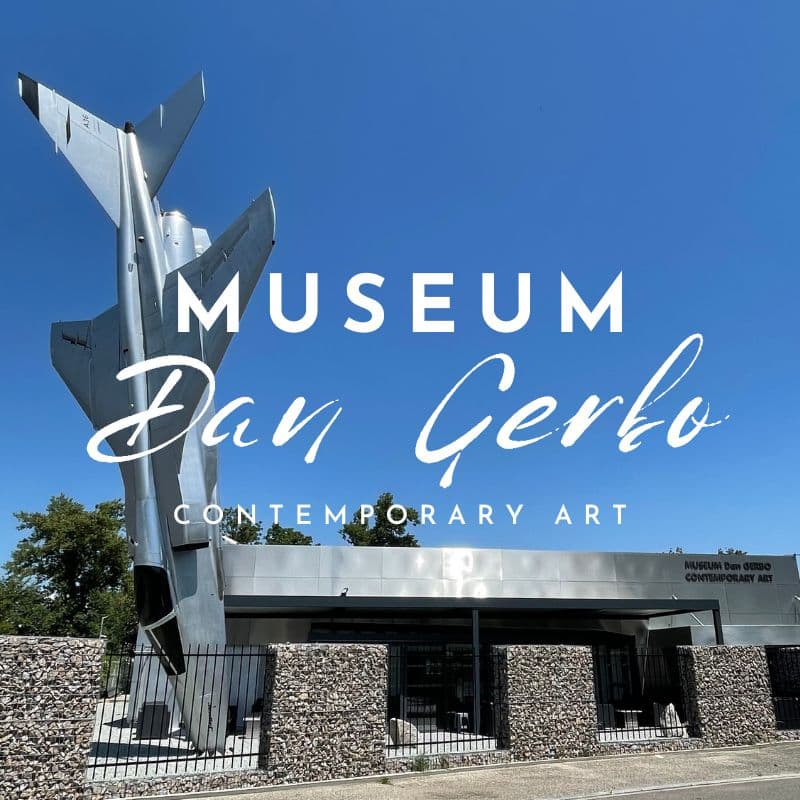
 Museum
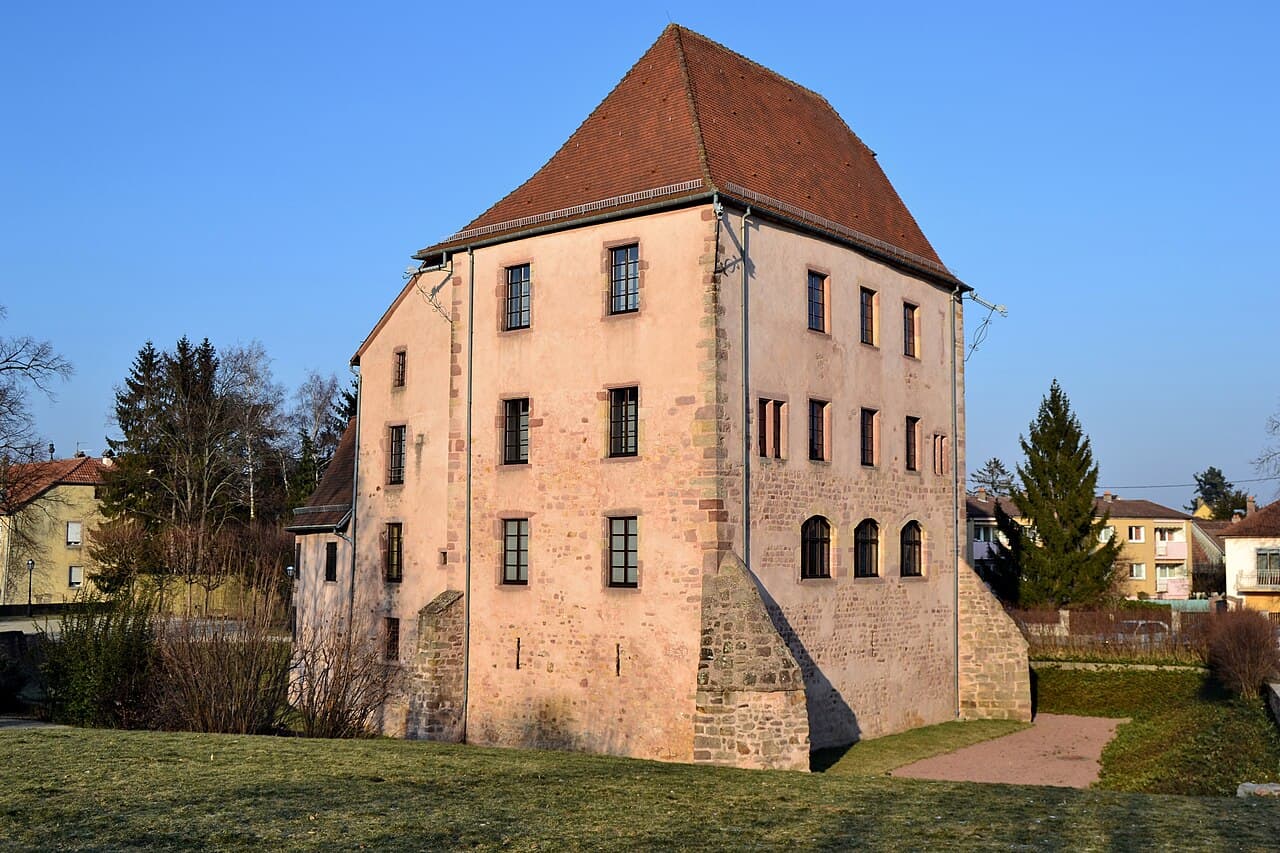
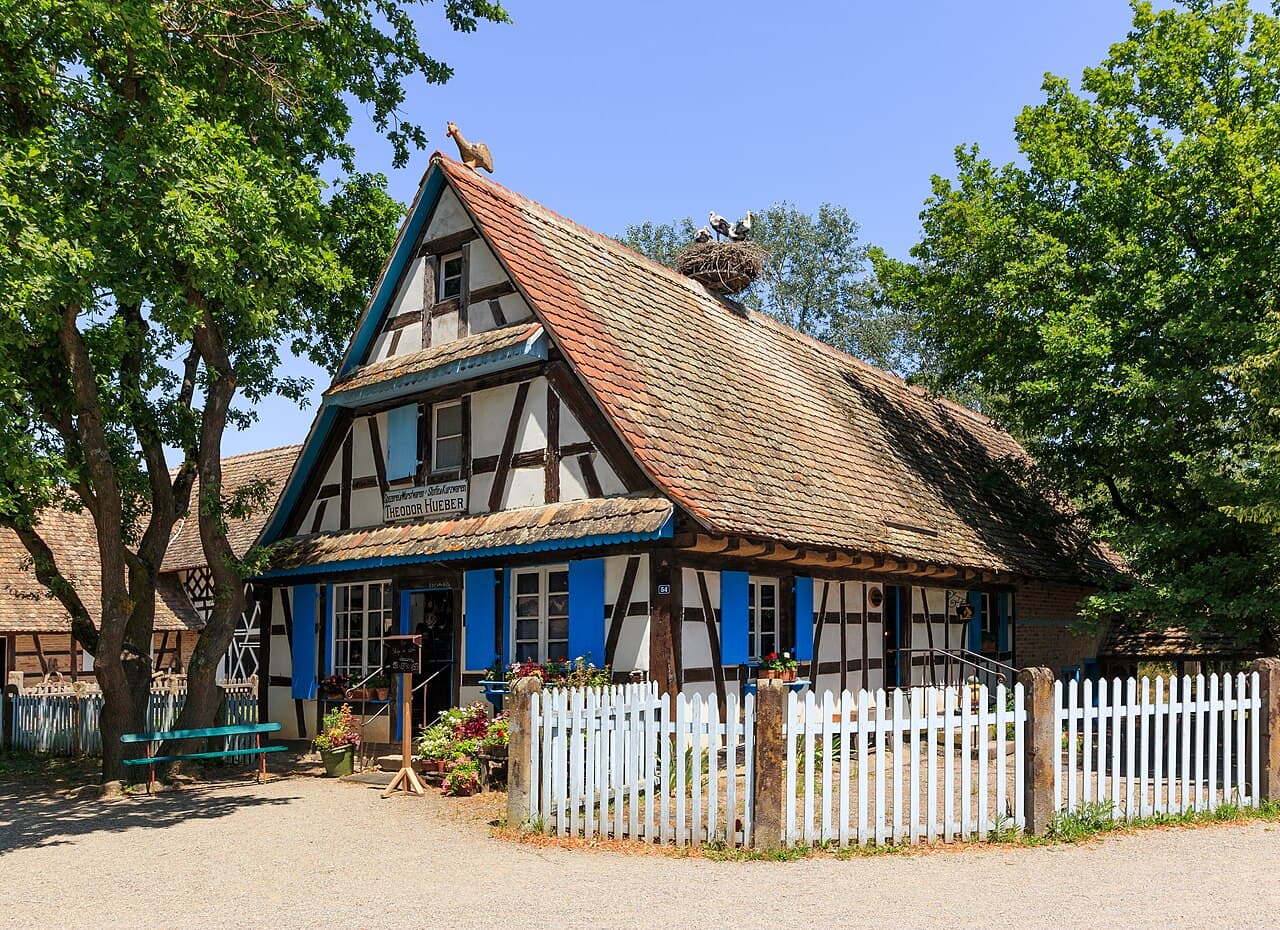
Écomusée d'Alsace
Ungersheim
Department
79 places to discover across Haut-Rhin.
Including Musée Unterlinden, Château du Hohlandsbourg and Parc de Wesserling - Écomusée Textile.
Towns to explore
Altkirch · Biesheim · Brunstatt-Didenheim · Cernay · Colmar · Dietwiller · Guebwiller · Huningue · Husseren-Wesserling · Illzach · Issenheim · Kaysersberg Vignoble · Labaroche · Lapoutroie · Masevaux-Niederbruck · Mulhouse · Neuf-Brisach · Ottmarsheim · Ribeauvillé ·
Haut-Rhin's cultural landscape reflects three overlapping histories: the wine villages of the Alsace route, the 19th-century industrial boom of Mulhouse, and the front-line memory of two world wars. In Colmar, the Musée Unterlinden occupies a former Dominican convent and holds one of Alsace's most significant fine art and archaeology collections, spanning the Middle Ages to the present.
Mulhouse, once a major textile-producing city, retains this identity through the Musée Historique de Mulhouse, housed in the town hall on Place de la Réunion, and through the Musée des Beaux-Arts, part of the wider Musées Mulhouse Sud Alsace network. Further north, the Parc de Wesserling - Écomusée Textile in Husseren-Wesserling preserves the largest textile heritage park in Alsace, a listed historic monument.
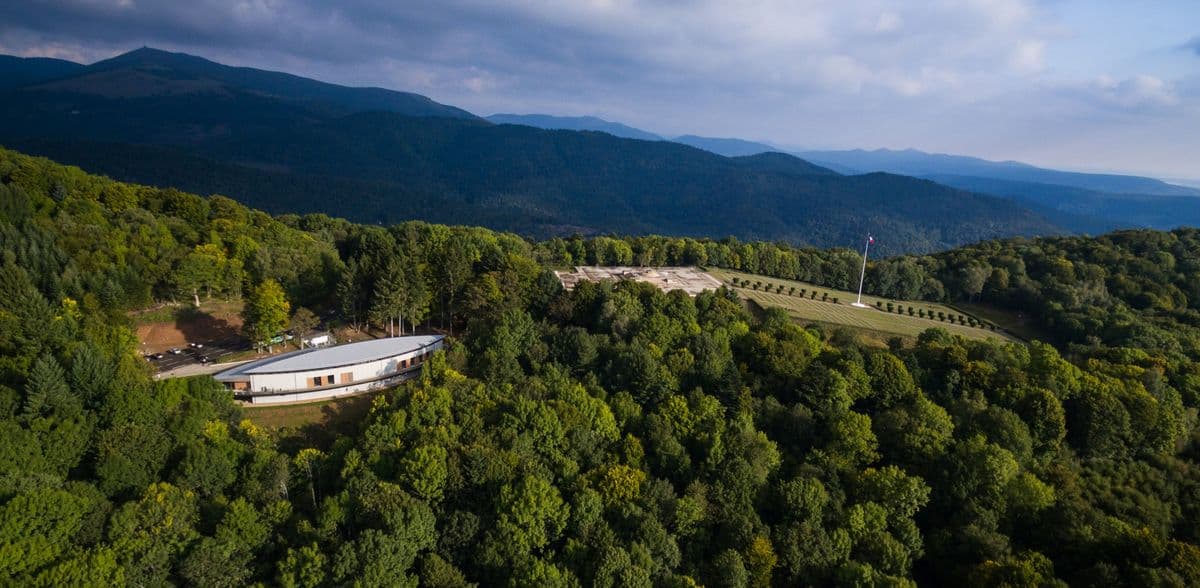
The department's role in 20th-century conflict is documented at the Historial franco-allemand du Hartmannswillerkopf in Wattwiller, built on the site of one of the deadliest First World War battlegrounds, and at the Musée Mémorial des combats de la Poche de Colmar
Colmar's old town concentrates several of the department's key sites within walking distance: the Musée Bartholdi, set in the sculptor's birth house, sits near the Musée d'Histoire Naturelle et d'Ethnographie de Colmar, whose collections of roughly 135,000 specimens trace back to a learned society founded in 1859.
Mulhouse's post-industrial fabric now hosts a cluster of contemporary art venues, including La Kunsthalle Mulhouse and Le Séchoir Mulhouse, alongside smaller commercial spaces such as Orlinda Gallery and Galerie Concorde.
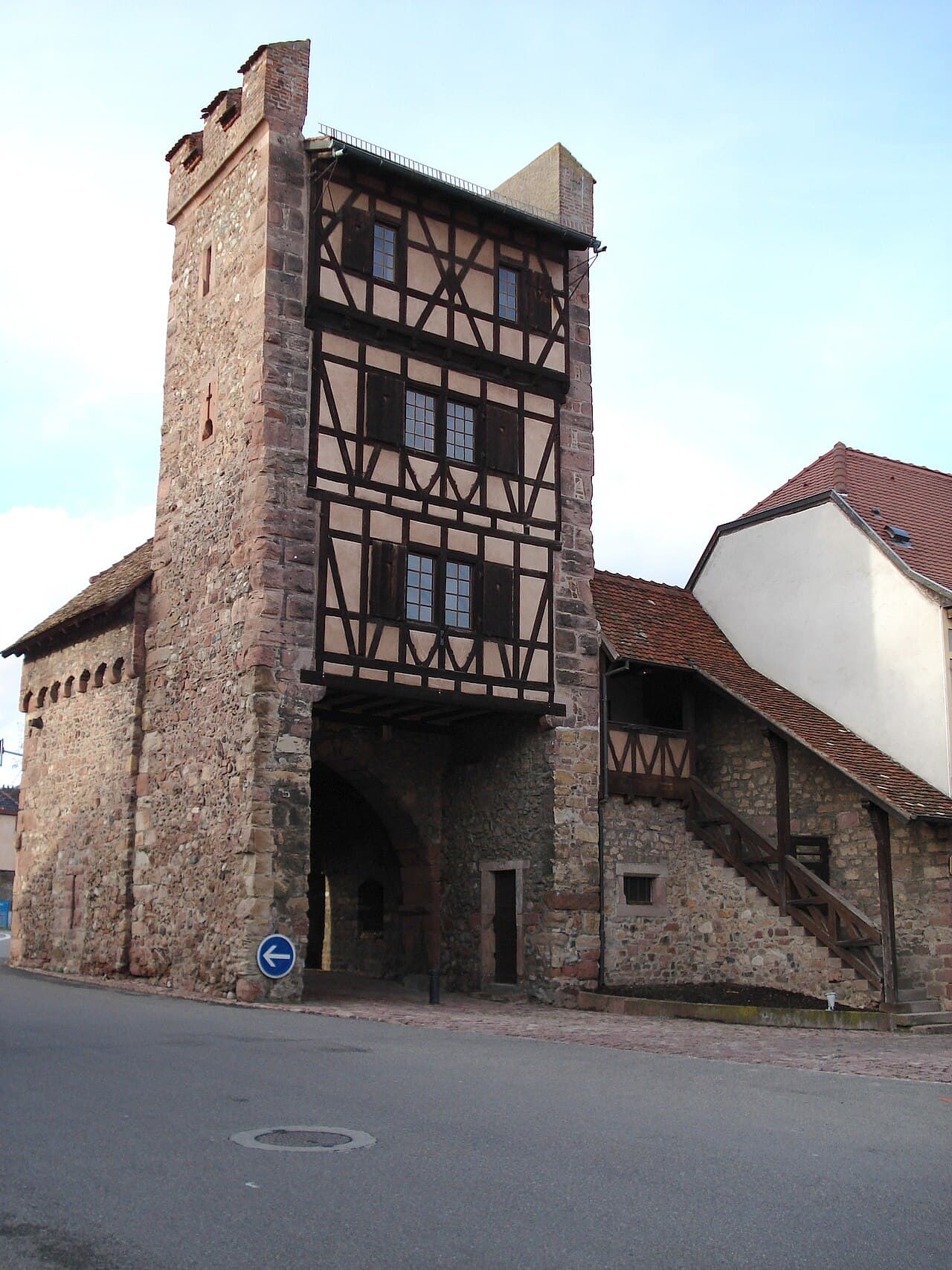
The wine villages along the Route des Vins keep their own historical layers: Riquewihr's 1291 watchtower houses the Musée du Dolder, while Kaysersberg Vignoble is home to the Centre Schweitzer
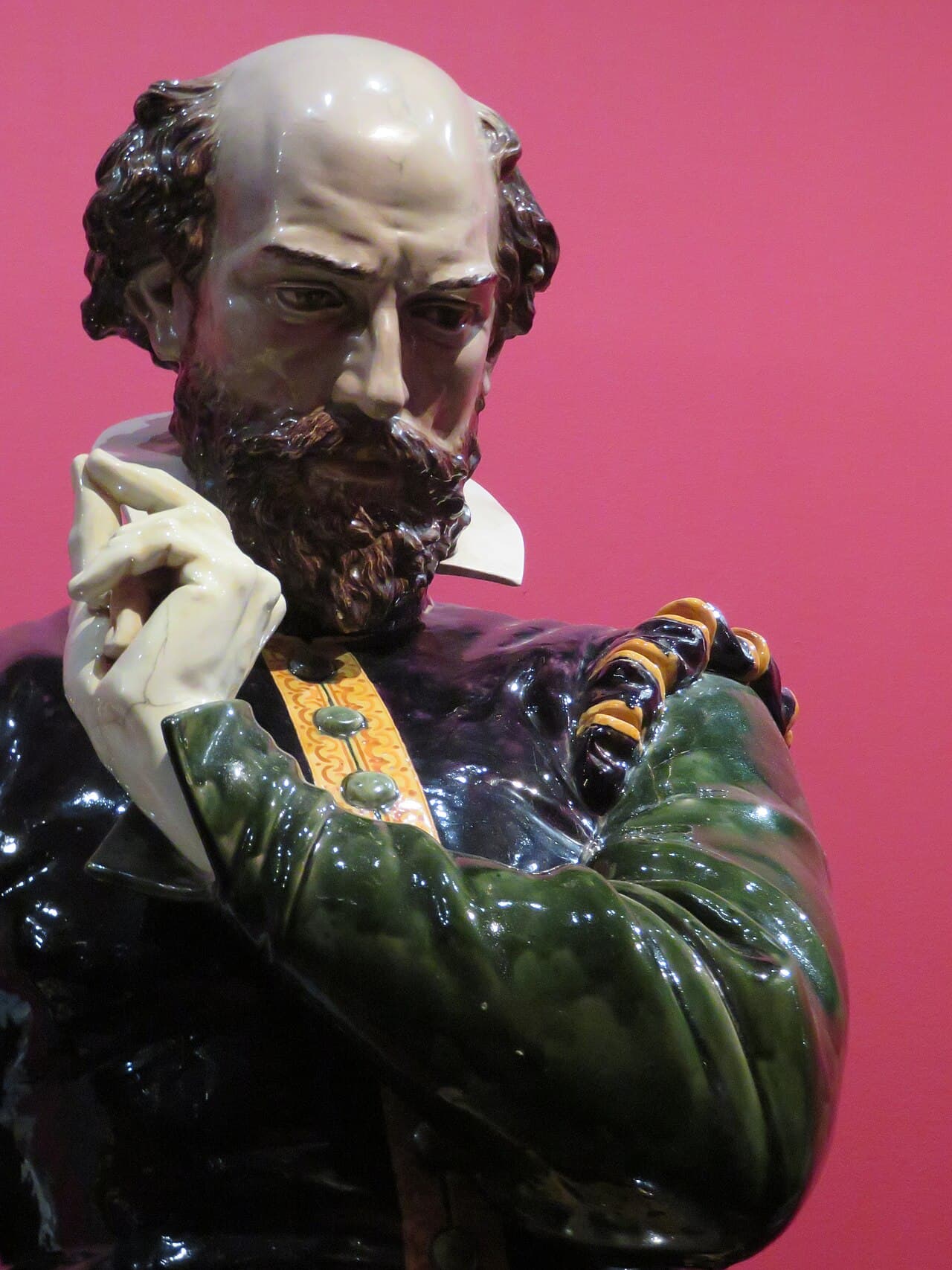
Colmar-born Auguste Bartholdi, sculptor of the Statue of Liberty, is honoured in his own birth house at the Musée Bartholdi, while ceramicist Théodore Deck, native of Guebwiller, is celebrated at the Musée Théodore Deck et des Pays du Florival.
A more recent chapter of visual art unfolds at the MAUSA Vauban - Musée d'Art Urbain et du Street Art in Neuf-Brisach, where international street artists have transformed the Vauban fortifications into a permanent open-air and indoor collection.
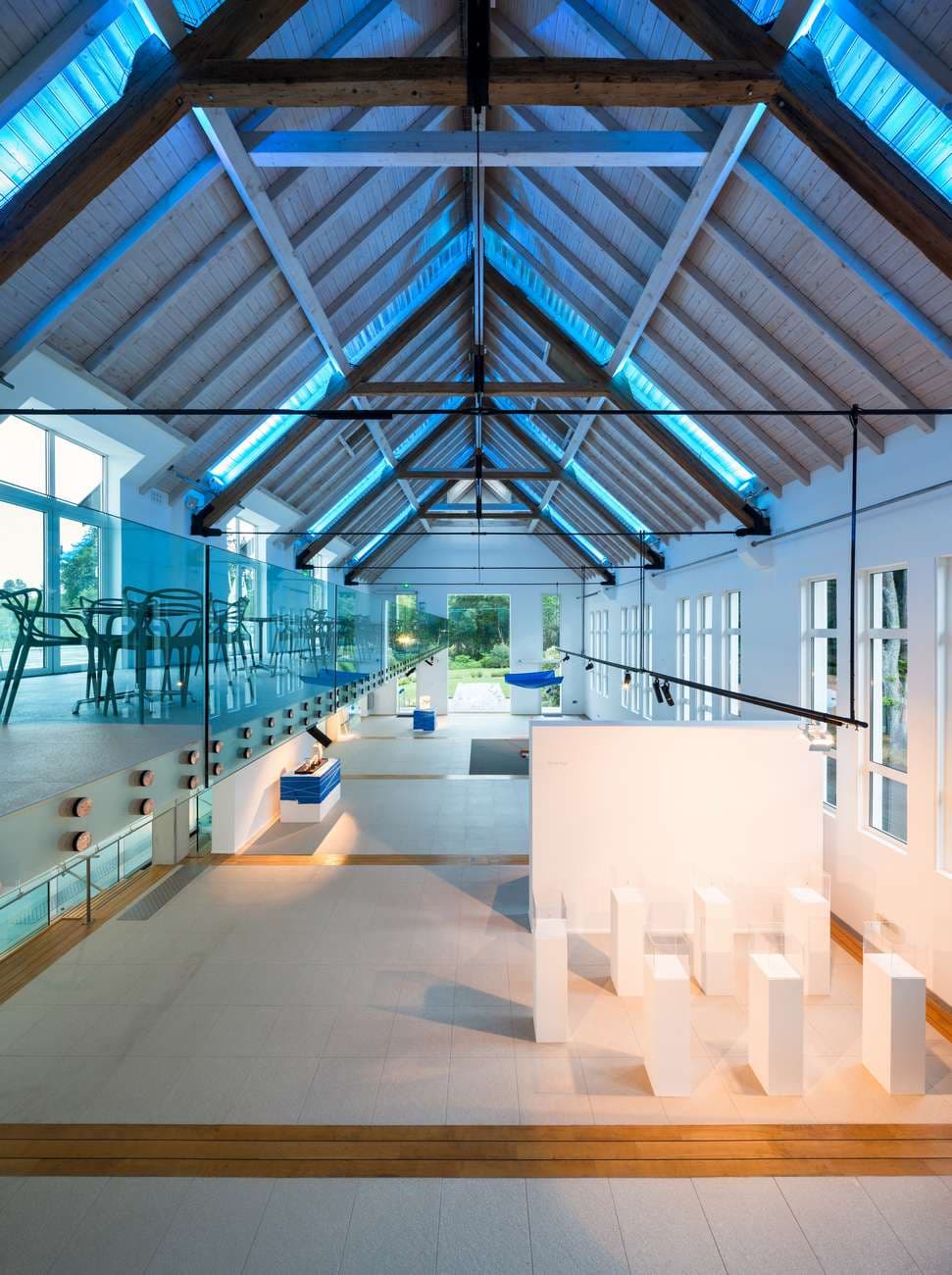
Contemporary practice is also supported through dedicated project spaces, such as CRAC Alsace (Centre Rhénan d'Art Contemporain) in Altkirch and the Fondation François Schneider in Wattwiller, both known for exhibitions engaging with photography and contemporary media.
How much time should I plan to visit the main museums in Colmar?
Allow a full day for Colmar: half a day for the Musée Unterlinden's collections, and an hour or two each for the Musée Bartholdi and the Musée d'Histoire Naturelle et d'Ethnographie de Colmar.
What is the best time of year to visit Haut-Rhin's museums and villages?
Spring and autumn offer mild weather and fewer crowds along the wine route; December draws large numbers for Colmar's Christmas markets, which can make museum visits busier.
Are there sites in Haut-Rhin dedicated to the First and Second World Wars?
Yes: the Historial franco-allemand du Hartmannswillerkopf covers WWI battles near Wattwiller, and the Musée Mémorial des combats de la Poche de Colmar in Turckheim focuses on the 1944-45 liberation.
Where can I see contemporary and street art in Haut-Rhin?
Mulhouse hosts several contemporary art venues including La Kunsthalle Mulhouse and Le Séchoir Mulhouse, while Neuf-Brisach's MAUSA Vauban is dedicated specifically to urban and street art.
Is the Musée Unterlinden accessible for visitors with reduced mobility?
L'adresse Résidence d'artistes
Issenheim
All 79 places
museums · 30
galleries · 22
castles · 3
religious sites · 4
The museum has undergone renovations to improve accessibility across most of its galleries, though some areas within the historic convent building retain original architectural constraints; checking current access details before visiting is advisable.
What makes the Parc de Wesserling different from a typical museum?
It is an open-air ecomuseum built around a former textile manufacturing site, combining industrial heritage buildings, gardens and exhibition spaces across the largest such park in Alsace.