32 museums · 23 galleries
Pas-de-Calais: Museums, Galleries and Heritage Sites
Explore museums, galleries and heritage sites in Pas-de-Calais, in Hauts-de-France.
A Department Between Sea, Coalfields and Battlefields
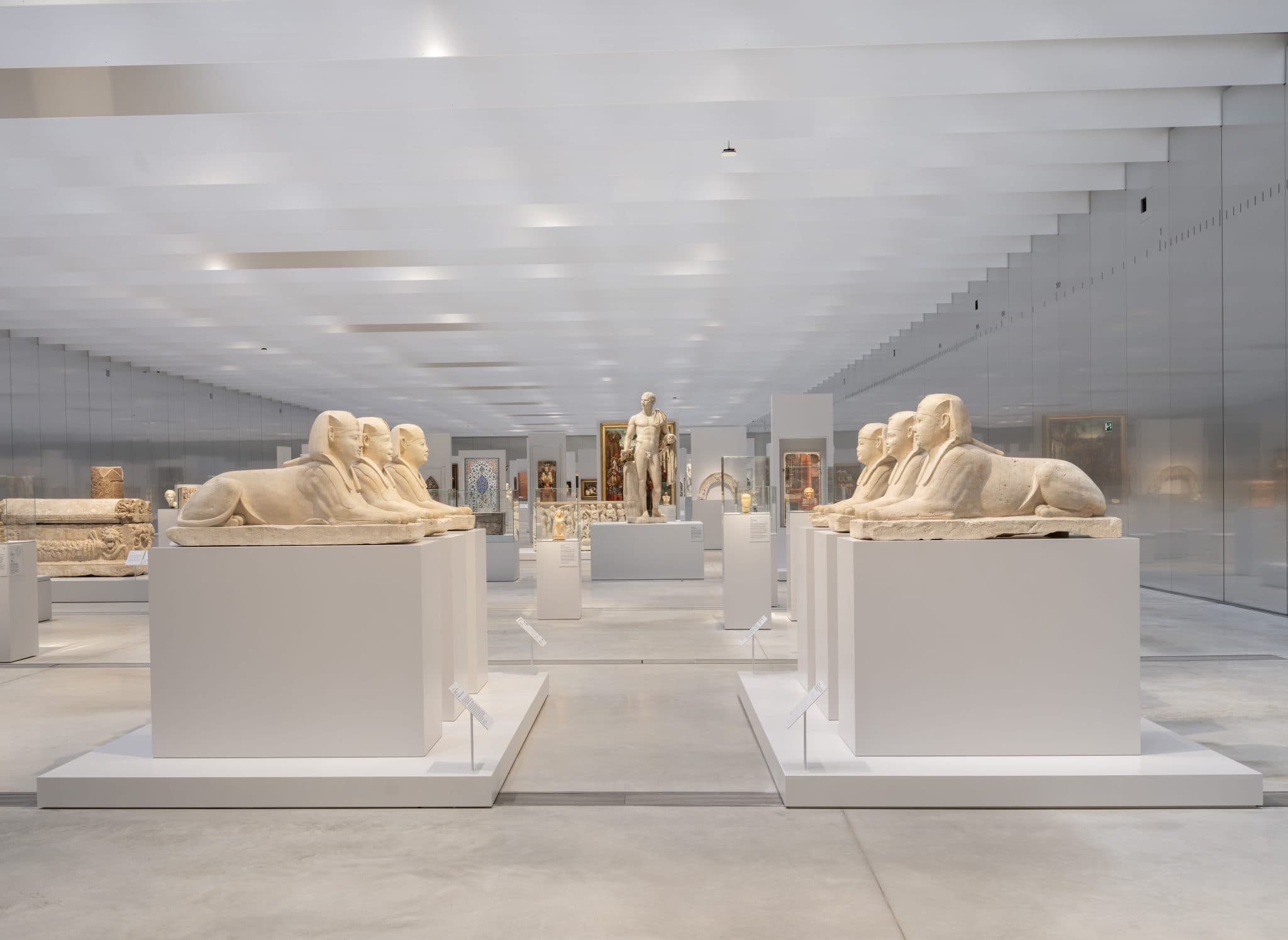
Pas-de-Calais owes its cultural landscape to three overlapping histories: a coastline facing England, a coalfield stretching from Lens to Béthune, and a front line that ran through the region during both world wars. The Musée du Louvre-Lens embodies the first ambition: a decentralised outpost of the Parisian Louvre, built on a former mining site, presenting paintings, sculpture and photography in a single luminous glass-and-metal gallery.
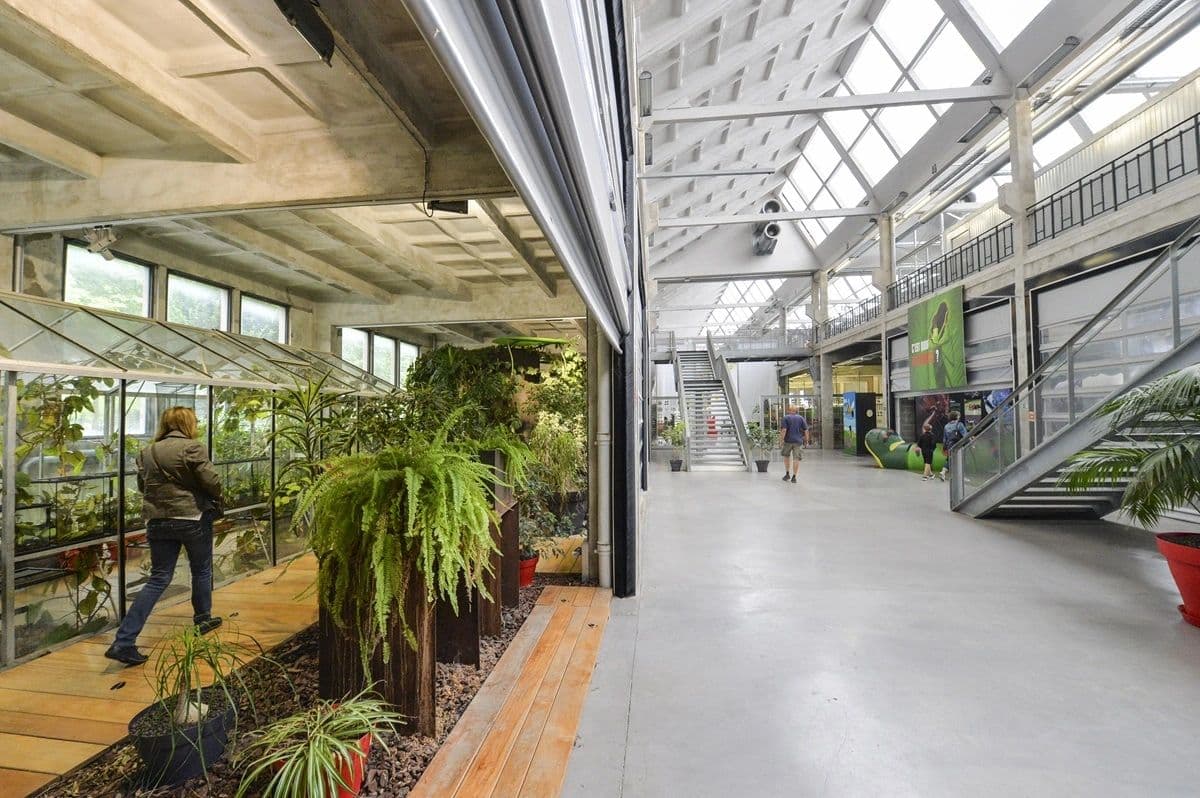
Inland, Arras concentrates fine arts and science under one roof: the Musée des Beaux-Arts d'Arras holds regional and European collections, while nearby Cité Nature occupies a former lamp factory reworked by architect Jean Nouvel and dedicated to environmental and health sciences.
The coast, meanwhile, keeps its own memory. Seaside towns such as Boulogne-sur-Mer, Calais, Berck-sur-Mer and Le Touquet-Paris-Plage each maintain a museum tied to their maritime or artistic identity, detailed below.
Cities & region
Museums to discover
32 museums, from major institutions to local collections.
Galleries to discover
23 contemporary and modern art galleries.






Coastal Towns and Their Museums
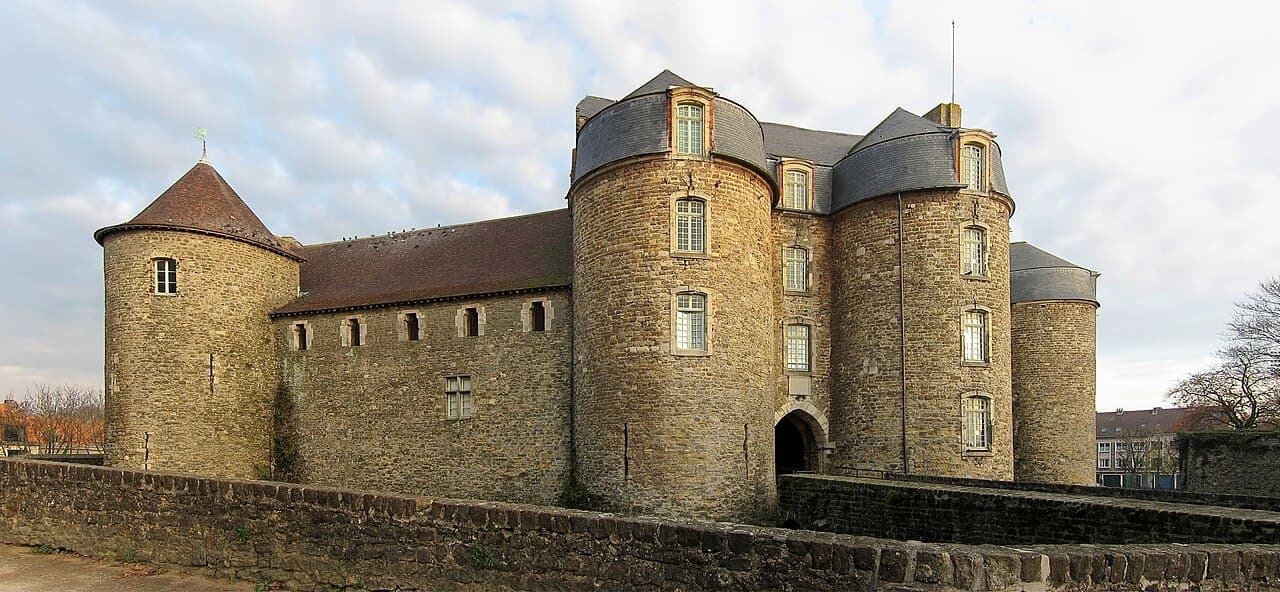
Boulogne-sur-Mer centers its cultural offer on the Château-Musée de Boulogne-sur-Mer, housed in a 1231 comital fortress and built on the naturalist cabinet of painter Isidore Lemaire, alongside the École-Musée de Boulogne-sur-Mer, devoted to the history of French schooling.
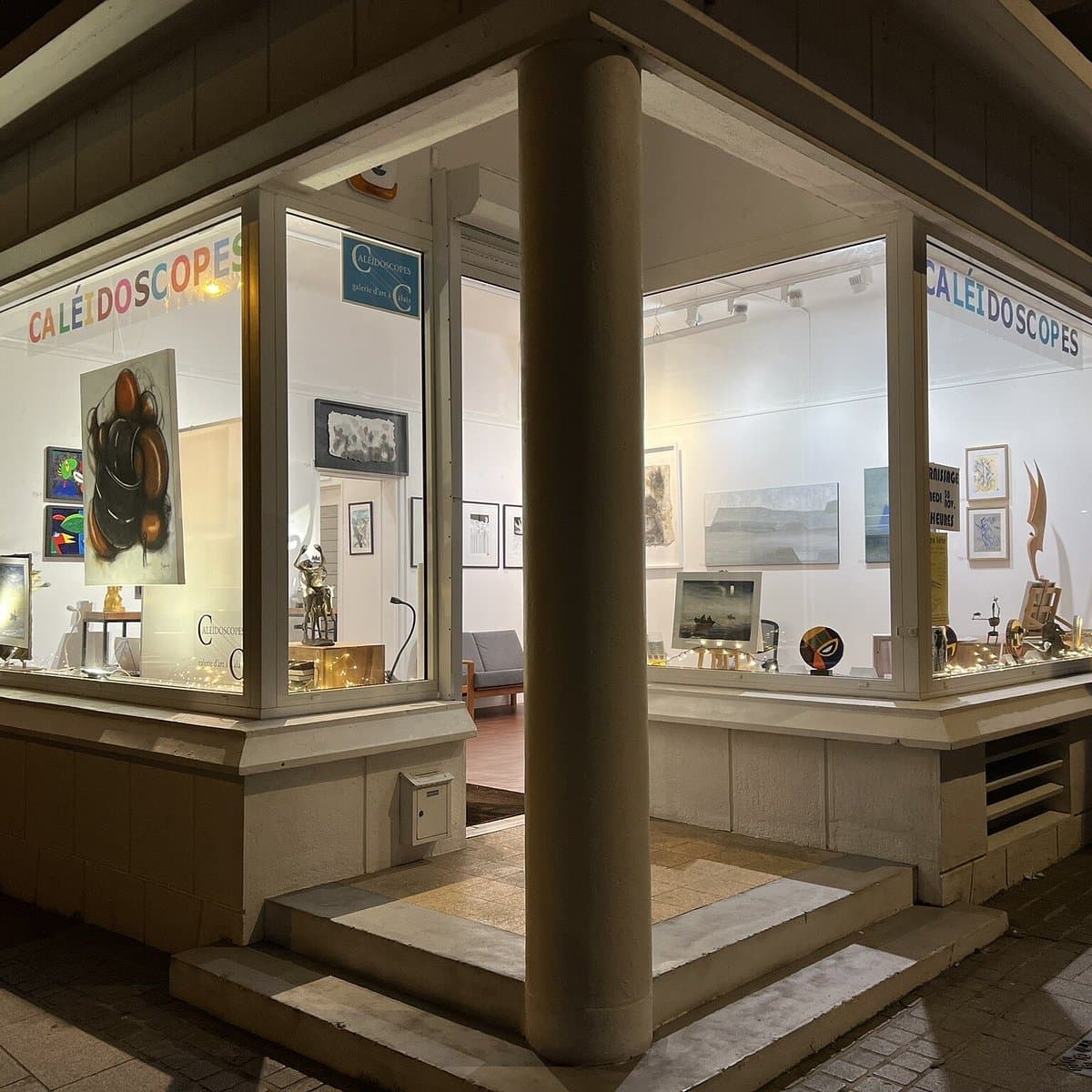
Calais pairs its lace-making heritage with fine art at the Musée des Beaux-Arts de Calais, while a short walk away the gallery Caléidoscopes represents contemporary artists.
Further south, Le Touquet-Paris-Plage has become a genuine gallery hub, with addresses such as Galerie d'art Carré d'artistes, T-Gallery, Icône · Art Galerie and Birdie Gallery clustered within its town centre, complementing the Musée du Touquet-Paris-Plage - Édouard Champion, set inside the Anglo-Norman Villa Way Side in the forest edging the resort.
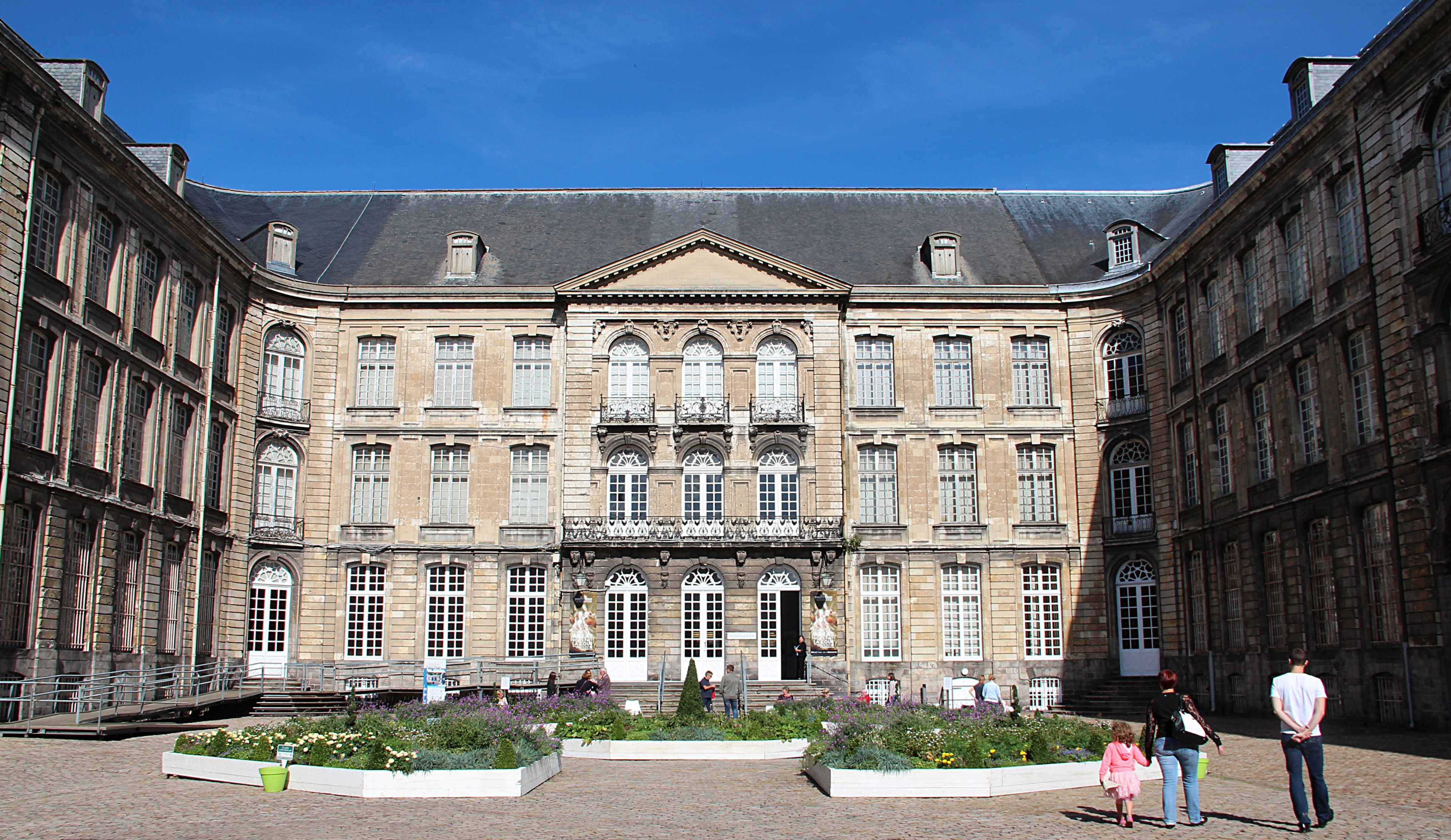
Berck-sur-Mer, long a medical seaside town, houses archaeology and fine art in its former gendarmerie, the Musée Opale Sud Berck; Saint-Omer preserves an 18th-century townhouse, the Musée Sandelin, combining decorative arts and natural history.
War Memory Along the Coast and Front Line
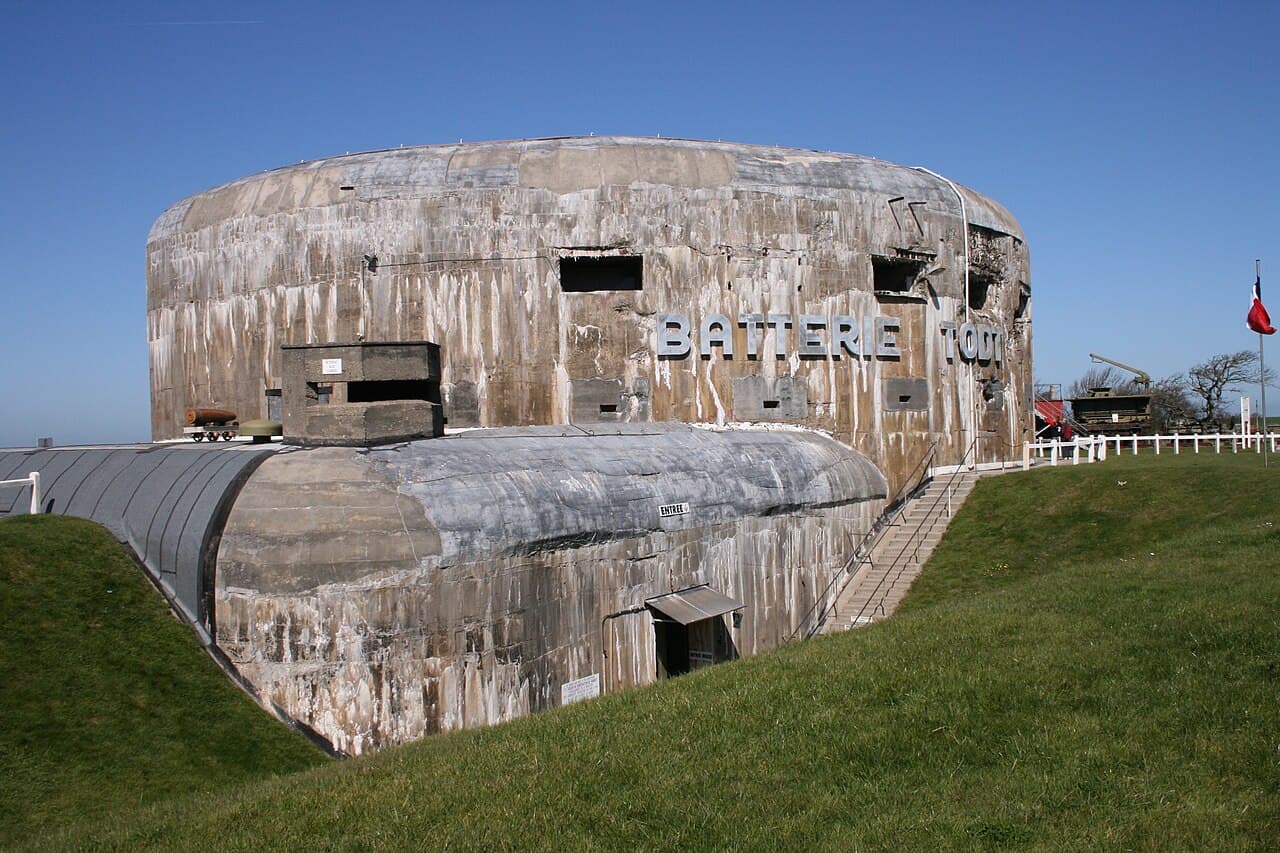
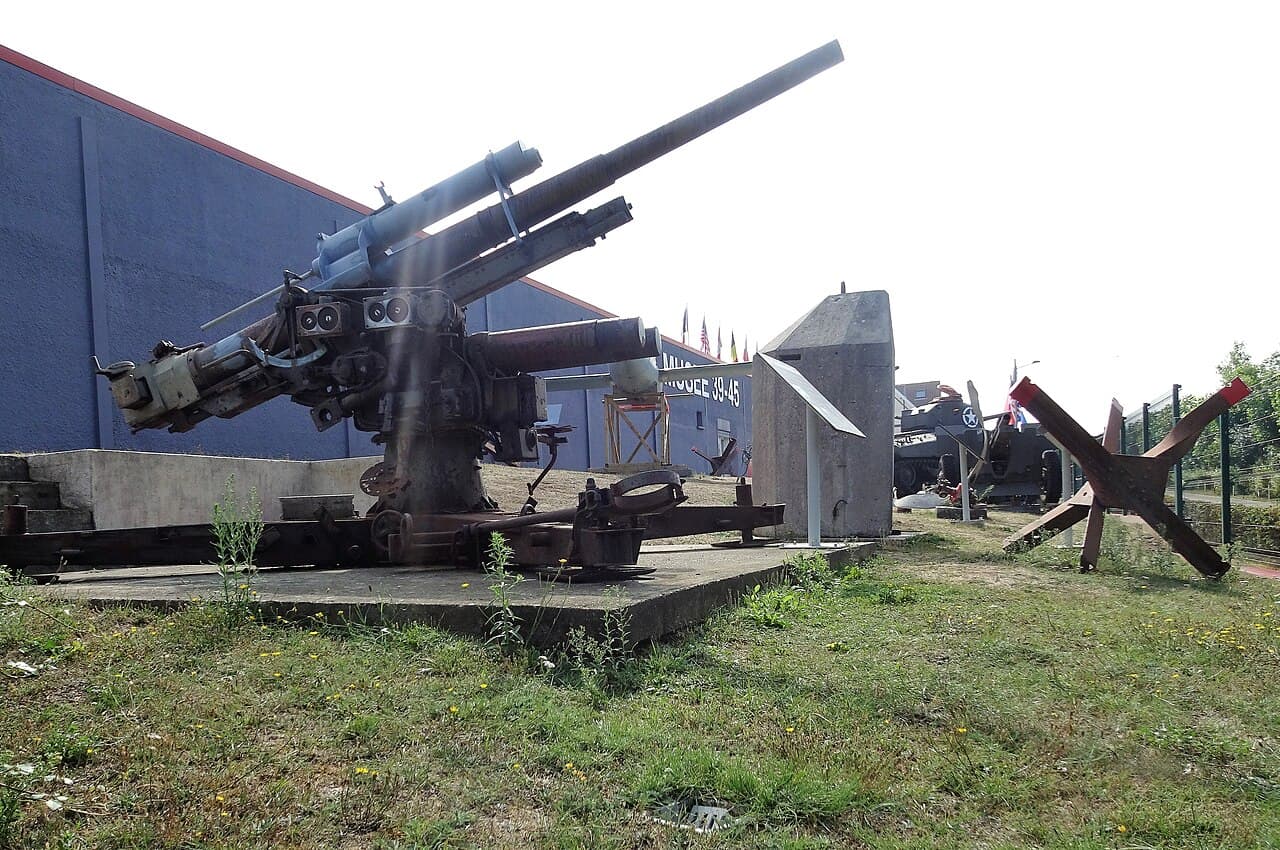
Pas-de-Calais holds one of the densest concentrations of Second World War heritage in France. On the Channel coast, the Musée du Mur de l'Atlantique - Batterie Todt occupies one of the four surviving bunkers of the Todt Battery at Audinghen, while the Musée 39-45 at Ambleteuse covers 800 square metres between Calais and Boulogne-sur-Mer.
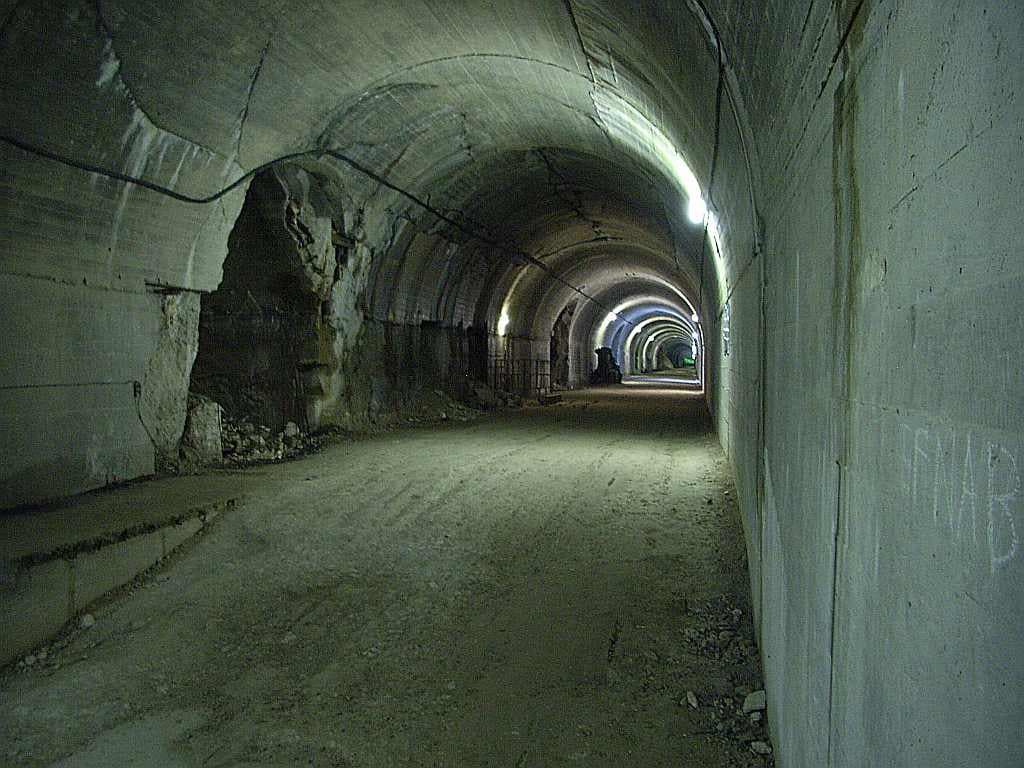
Nearby, the Forteresse de Mimoyecques at Landrethun-le-Nord recalls the underground works planned for V-3 cannons targeting London.
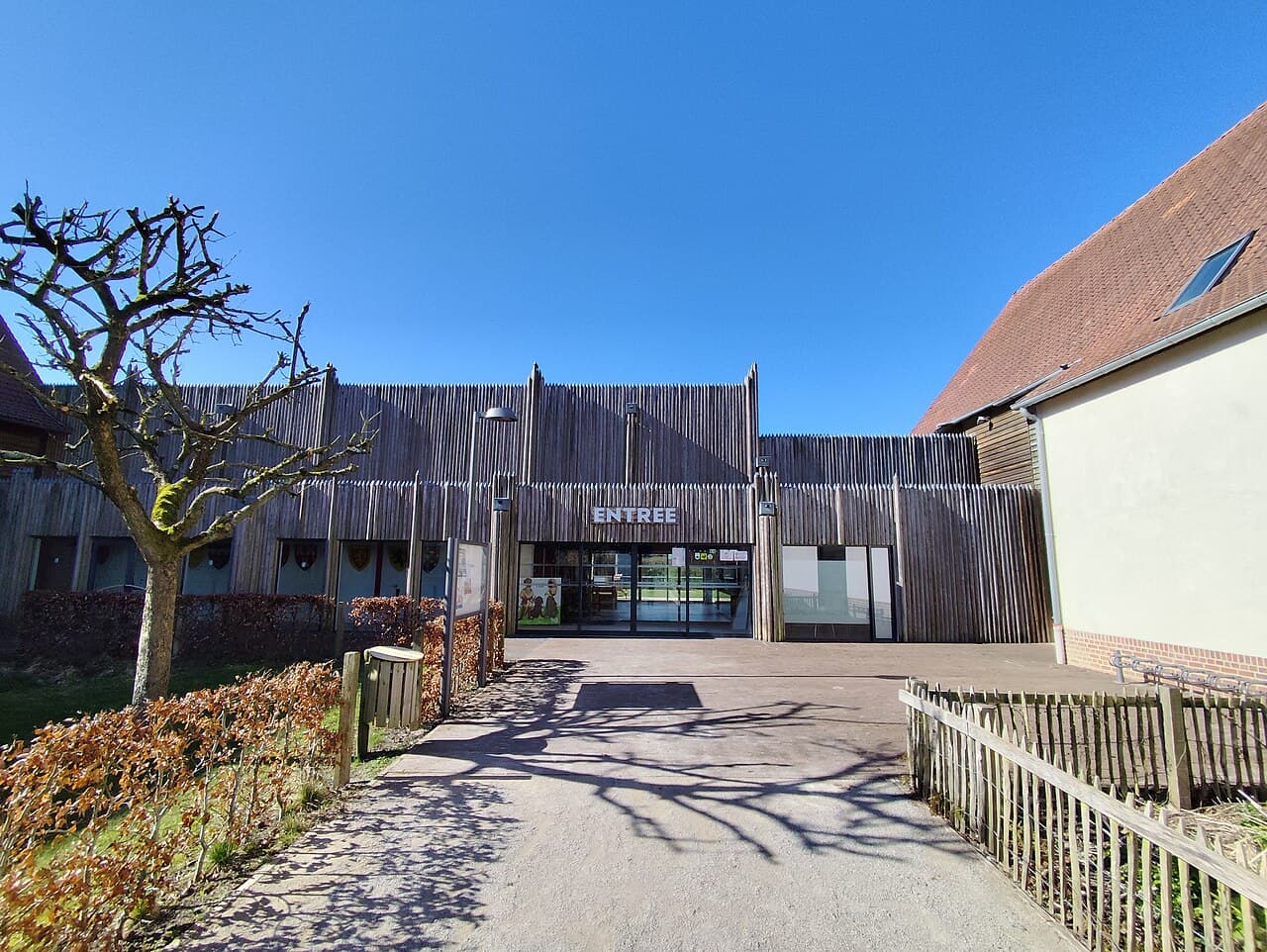
Further back in history, the Centre Azincourt 1415 reconstructs the 1415 battle that gave the region its place in medieval military history, offering a multi-angle account of the confrontation between English and French forces.
Pas-de-Calais on the map
Museums, galleries and heritage, at a glance.
55 results
Frequently asked questions
How much time should I plan for the Musée du Louvre-Lens?
Allow at least half a day: the permanent Galerie du Temps alone spans over 200 works from Antiquity to the 19th century, and temporary exhibitions add further viewing time.
Is the Musée du Louvre-Lens free to visit?
Access to the Galerie du Temps and the park is free; temporary exhibitions in the Pavillon de Verre require a paid ticket.
Which sites cover the Second World War in Pas-de-Calais?
The Musée du Mur de l'Atlantique - Batterie Todt at Audinghen, the Musée 39-45 at Ambleteuse, and the Forteresse de Mimoyecques together document the German coastal defences and the V-weapon program along the Channel.
What is the best base for gallery-hopping in Pas-de-Calais?
Le Touquet-Paris-Plage concentrates the highest number of contemporary art galleries in the department, walkable within the town centre.
Is Pas-de-Calais worth visiting outside summer?
Yes: museums such as the Louvre-Lens, the Musée des Beaux-Arts d'Arras and the war memorial sites operate year-round and are notably quieter outside the July-August coastal season.
Where can I see the region's ceramic tradition up close?
The Musée de la Céramique à Desvres presents the faience and pottery produced locally since the 18th century, including decorative techniques specific to the area.