Region
Museums, galleries and heritage in Bourgogne-Franche-Comté
338 places to discover across Bourgogne-Franche-Comté.
Including Château de Guédelon, Citadelle de Besançon and Abbaye de Cluny.
60 of 93 places, sorted by distance from the center
 Gallery
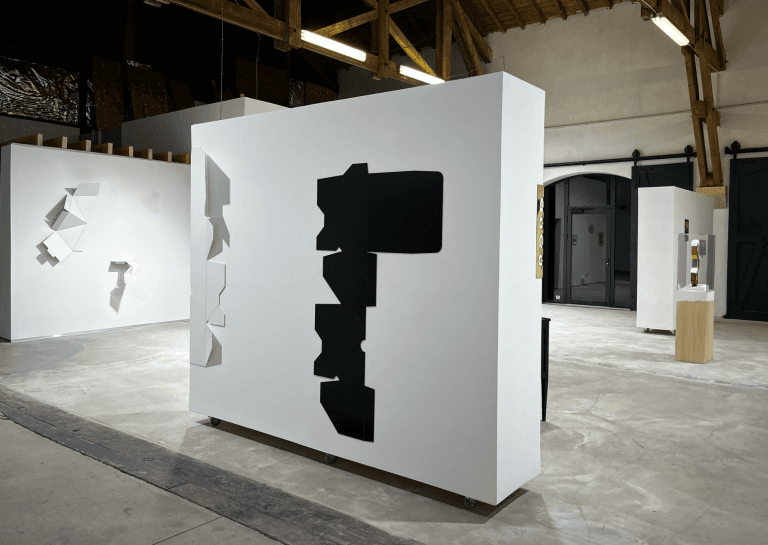
Le Quai 180
Gissey-sur-Ouche
 Museum
L'Hostellerie - Centre d'Art Singulier
Dijon
 Gallery
FRAC Bourgogne
Dijon
 Gallery
Galerie Herbert-Fort
Châteauneuf
 Museum
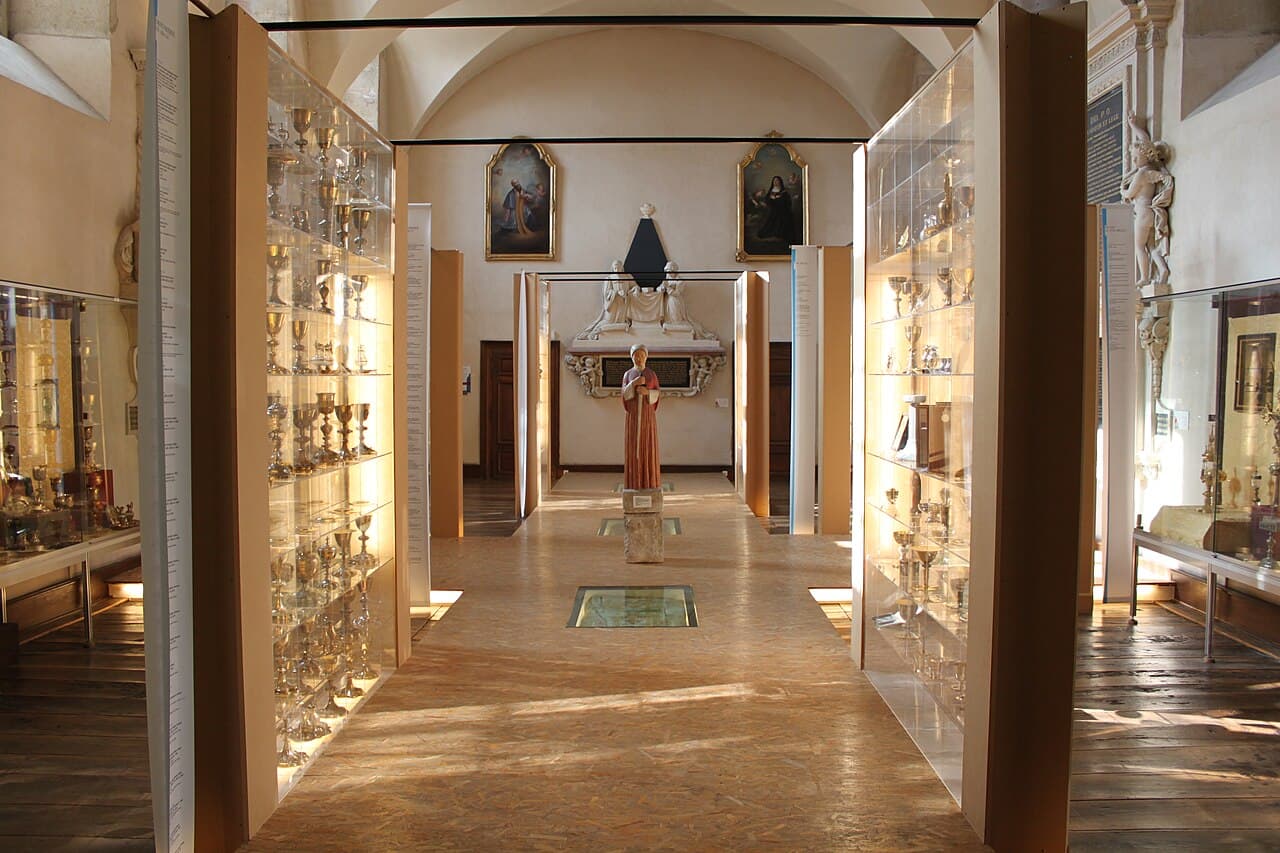
Musée d'Art sacré de Dijon
Dijon
 Museum
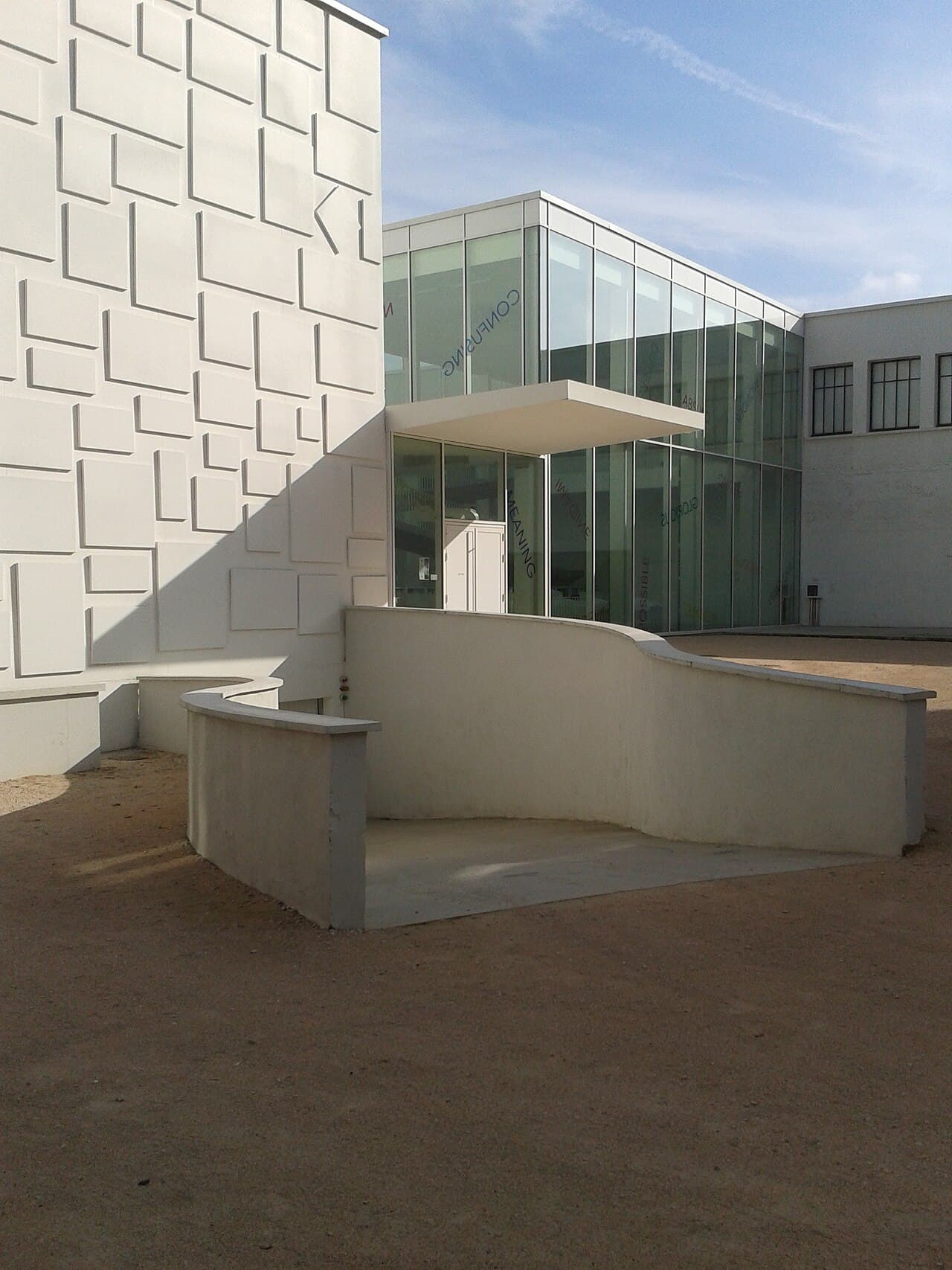
Le Consortium
Dijon
 Gallery
Galerie d'art Carré d'artistes
Dijon
 Gallery
Galerie d'Arts Lorella Santiago
Dijon
 Museum
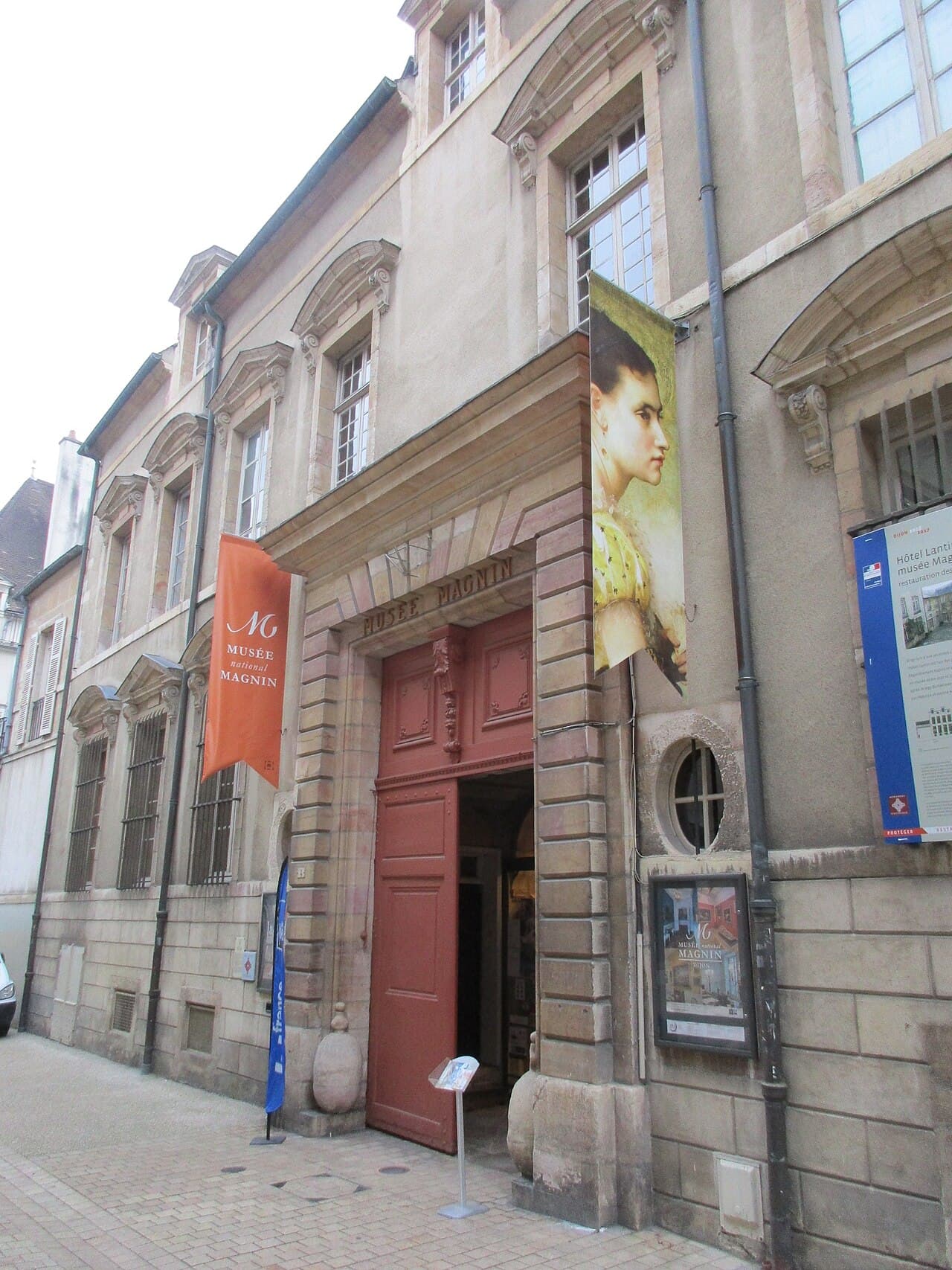
Musée Magnin
Dijon
 Museum
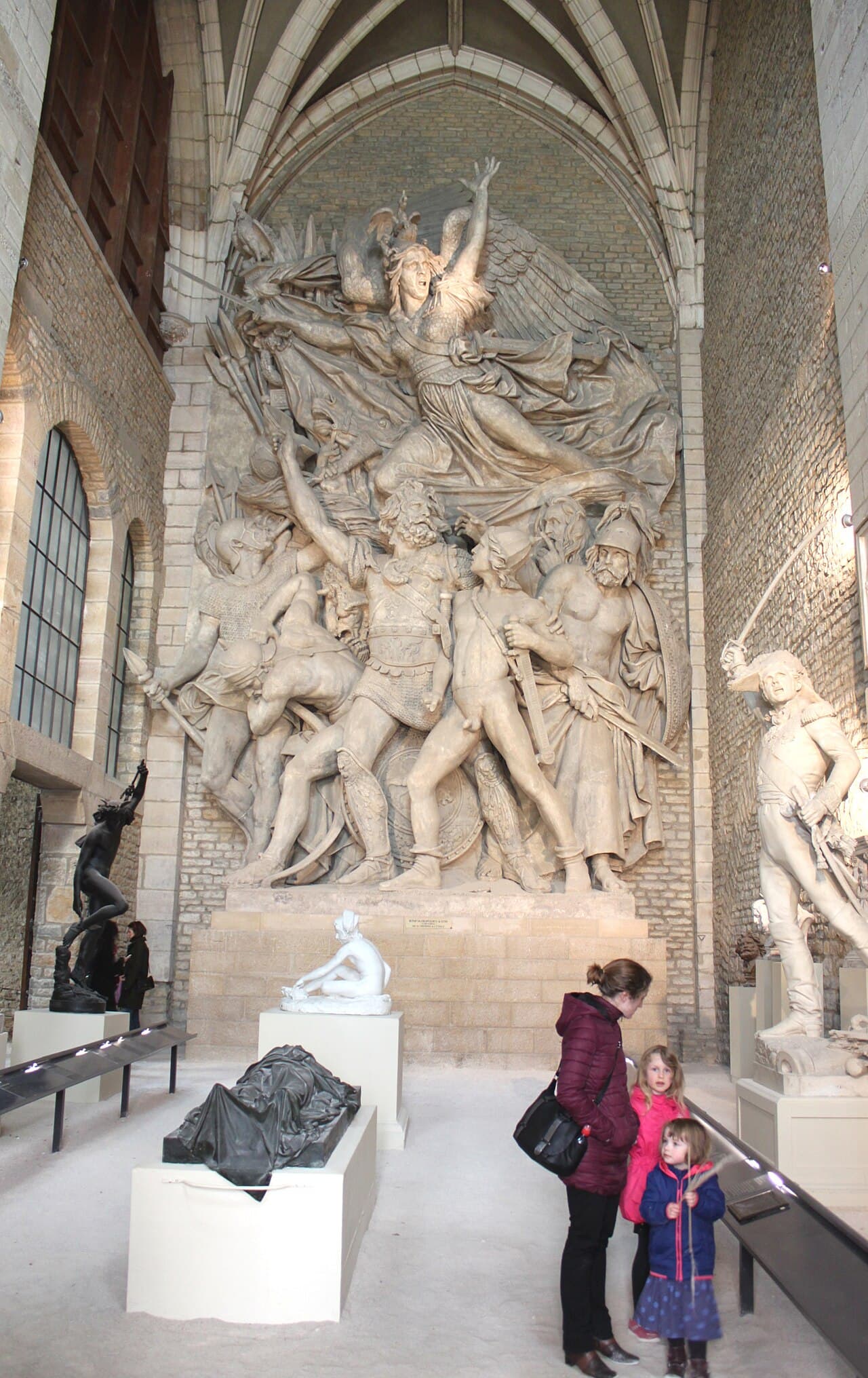
Musée des Beaux-Arts de Dijon
Dijon
Galerie Quattro
Dijon
 Gallery
Stéphane Rouillard "KyonyxPhoto"
Dijon
 Gallery
MK galerie
Ahuy
 Gallery
ARS Essentia
Beaune
 Gallery
galerie cadran solaire
Beaune
 Gallery
Graglia Michel
Beaune
 Gallery
Galerie Particulier
Seurre
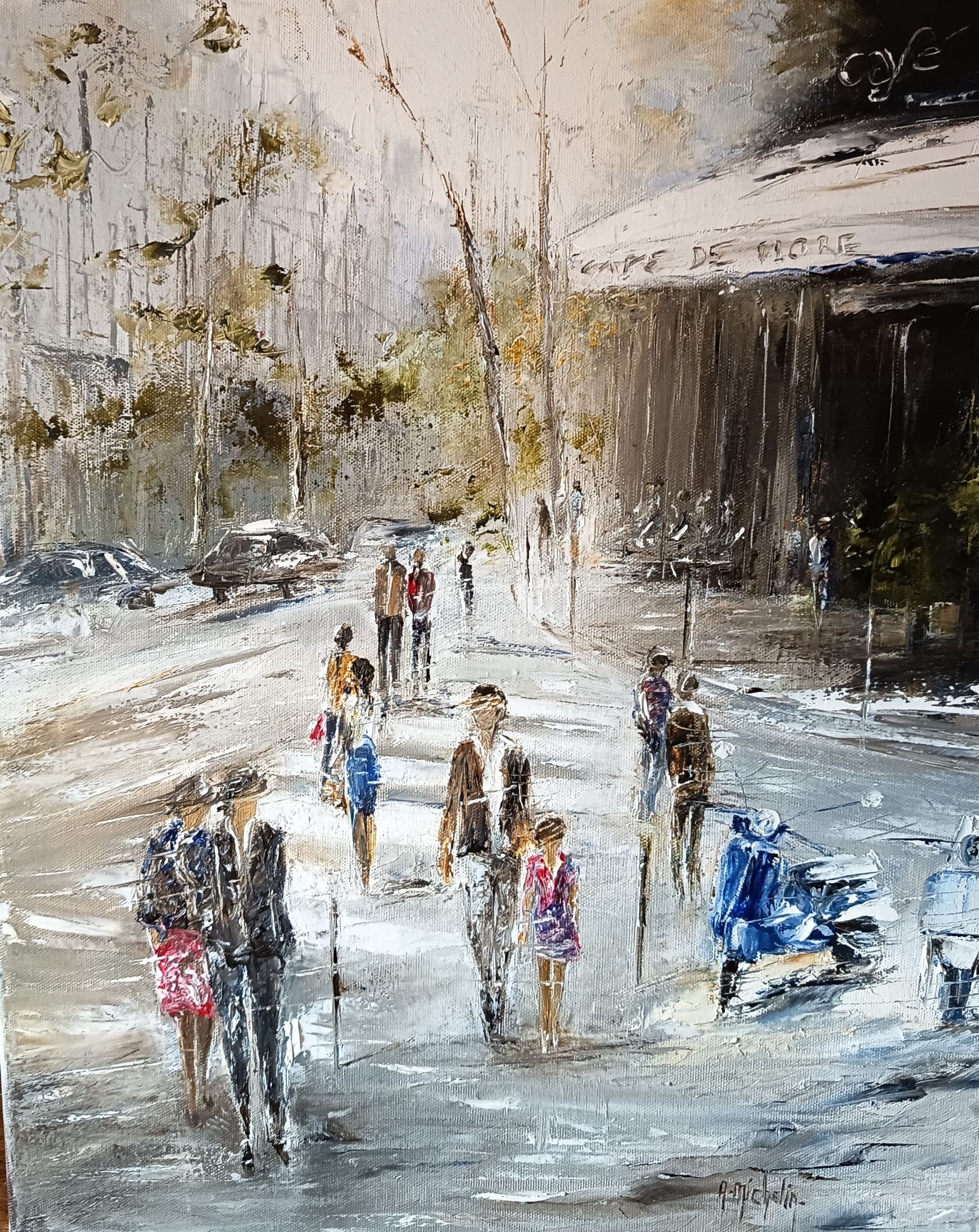 Gallery
galerie le pave
Nolay
 Gallery
La Ferme de Corcelle
Châtenoy-le-Royal
 Gallery
Galerie Appartelier
Chalon-sur-Saône
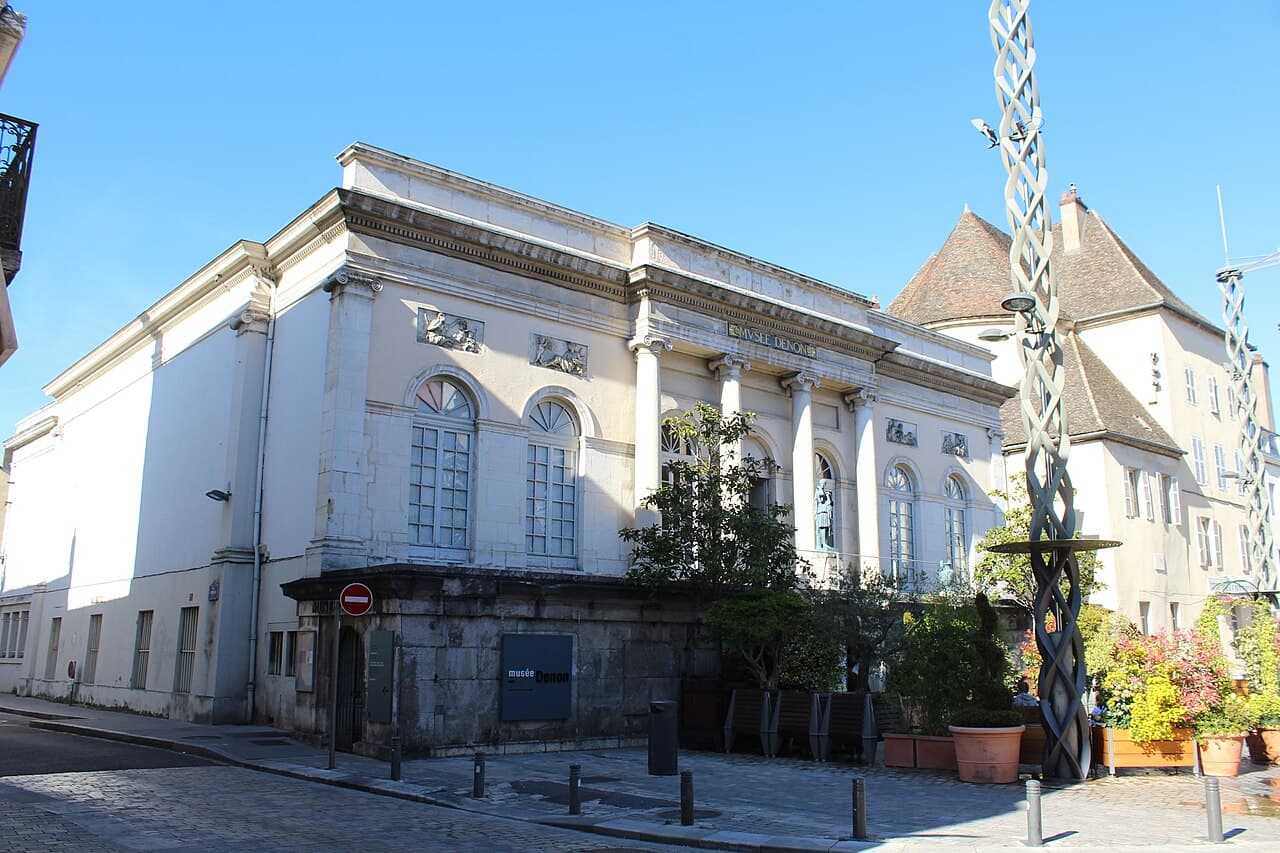 Museum
Musée Vivant Denon
Chalon-sur-Saône
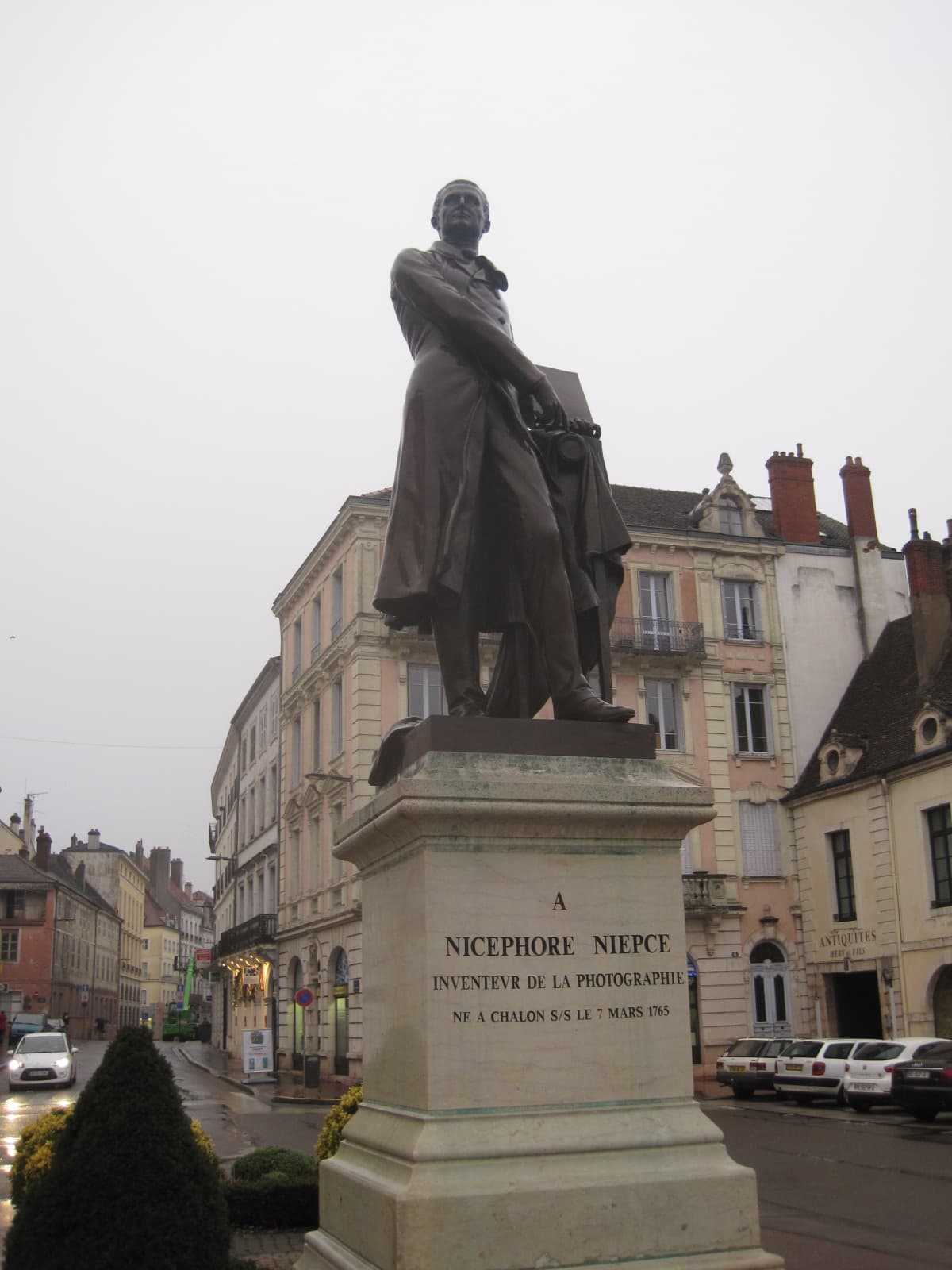 Museum
Musée Nicéphore Niépce
Chalon-sur-Saône
 Gallery
La Porcherie. lieu d'art contemporain
Ménétreux-le-Pitois
 Museum
Musée François Pompon
Saulieu
 Museum
Musée des Beaux-Arts de Dole
Dole
 Gallery
Maison Rochette
Le Creusot
 Gallery
l'Atelier De Beranger
Marmagne
Galerie Lartdelatoile
Cersot
 Gallery
Sculptures - Peintures
Valay
 Museum
Musée Baron Martin
Gray
 Museum
Musée des Beaux-arts de Louhans
Louhans
 Gallery
Galerie L'Orangerie
Sauvigney-lès-Gray
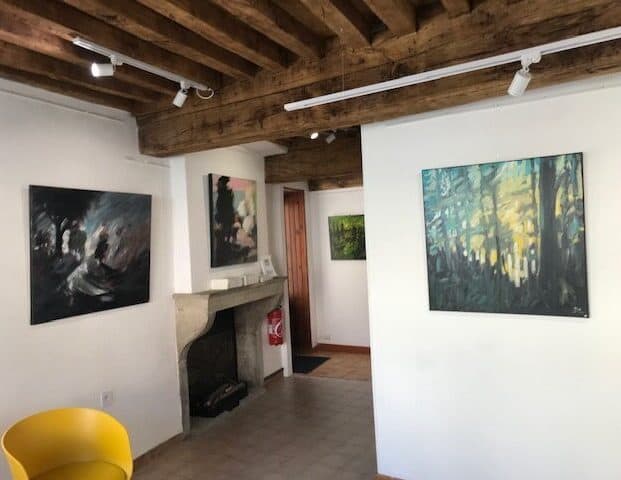 Gallery
RegArt
Joncy
 Gallery
Galerie Soleil
Poil
 Gallery
Galerie Songe
Montceau-les-Mines
 Gallery
Galerie D'Art et d'Or
Châtillon-sur-Seine
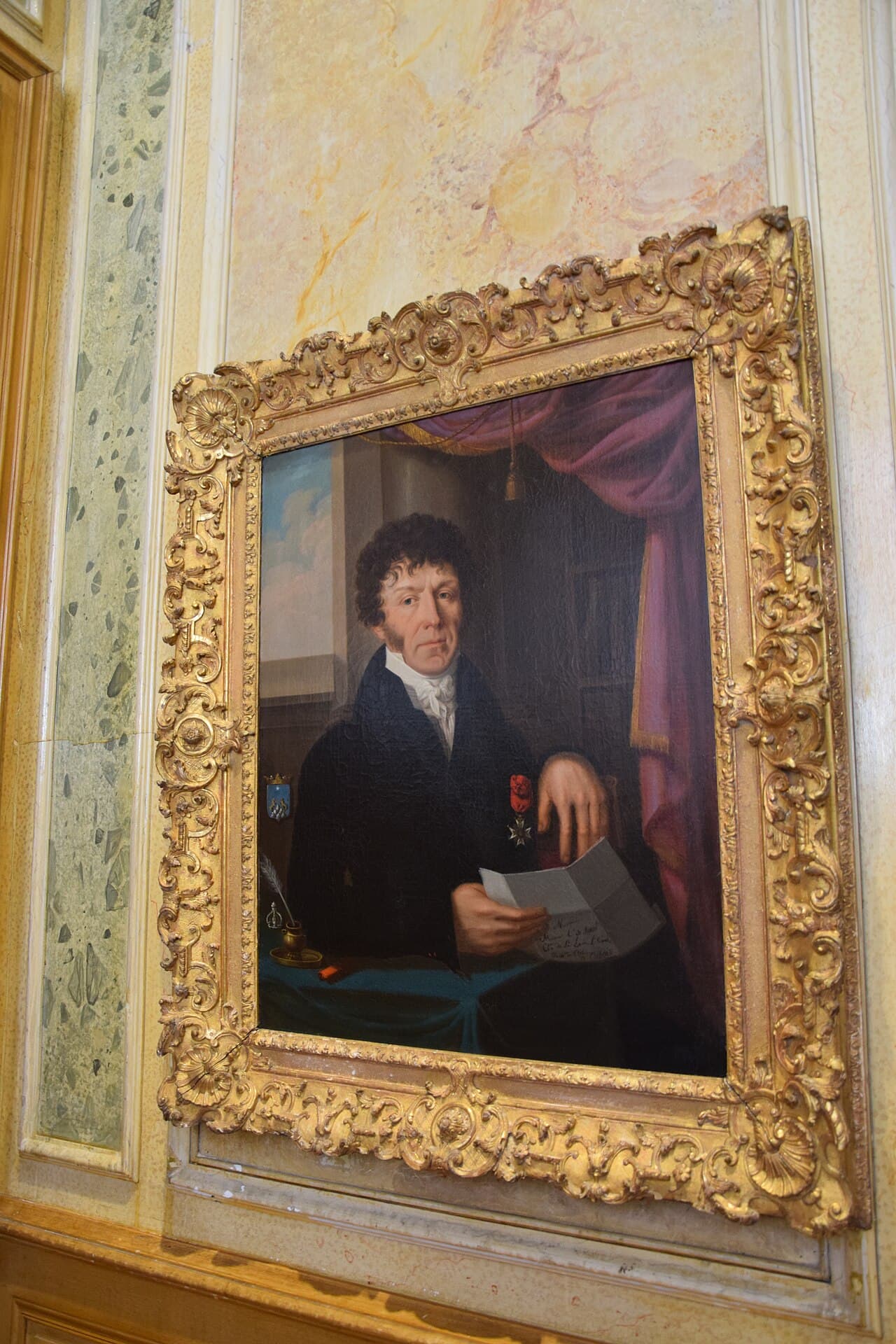 Museum
Musée Sarret de Grozon d'Arbois
Arbois
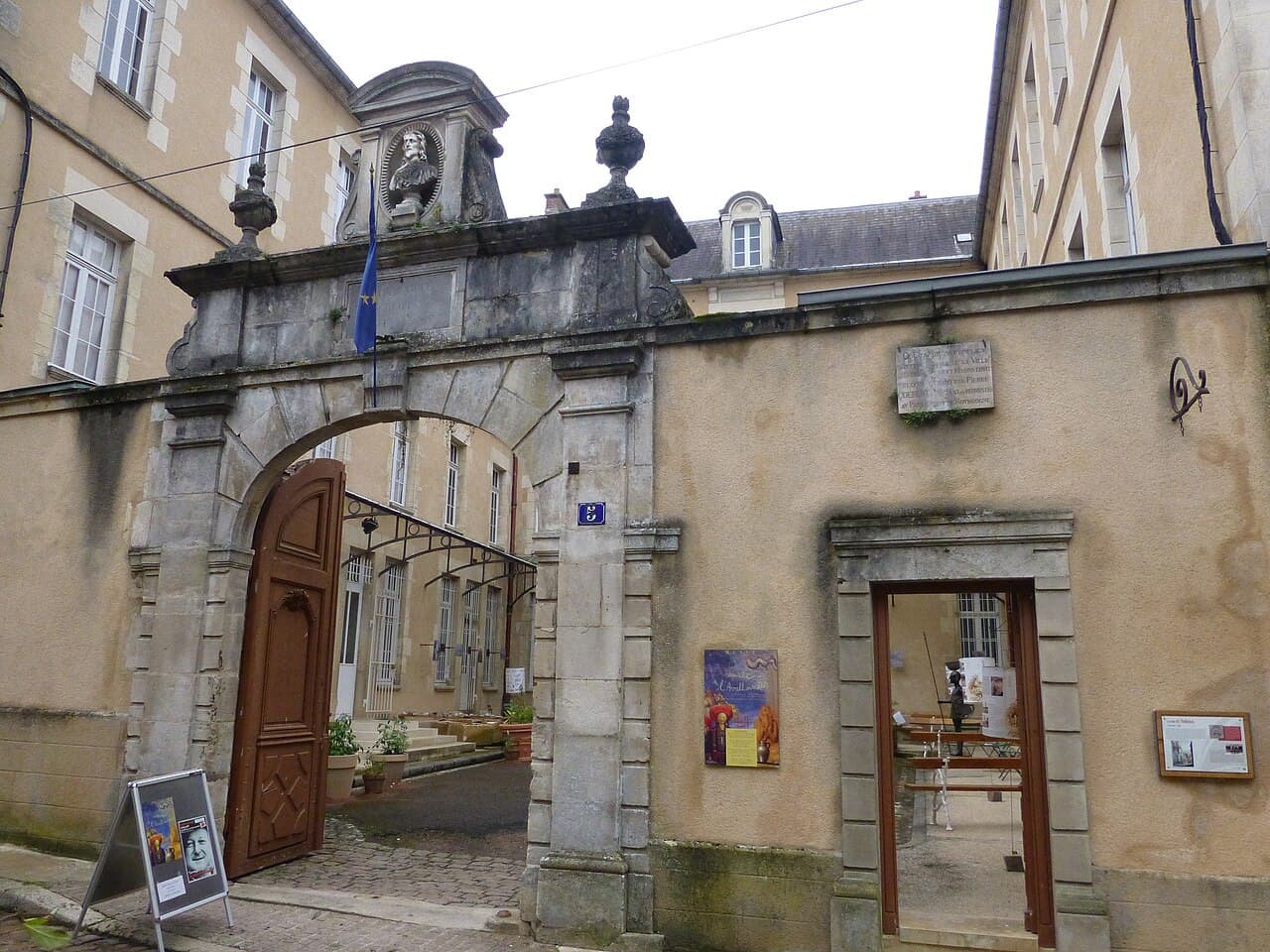 Museum
Musée de l'Avallonnais Jean Després
Avallon
 Gallery
Galerie 2023
Lons-le-Saunier
 Museum
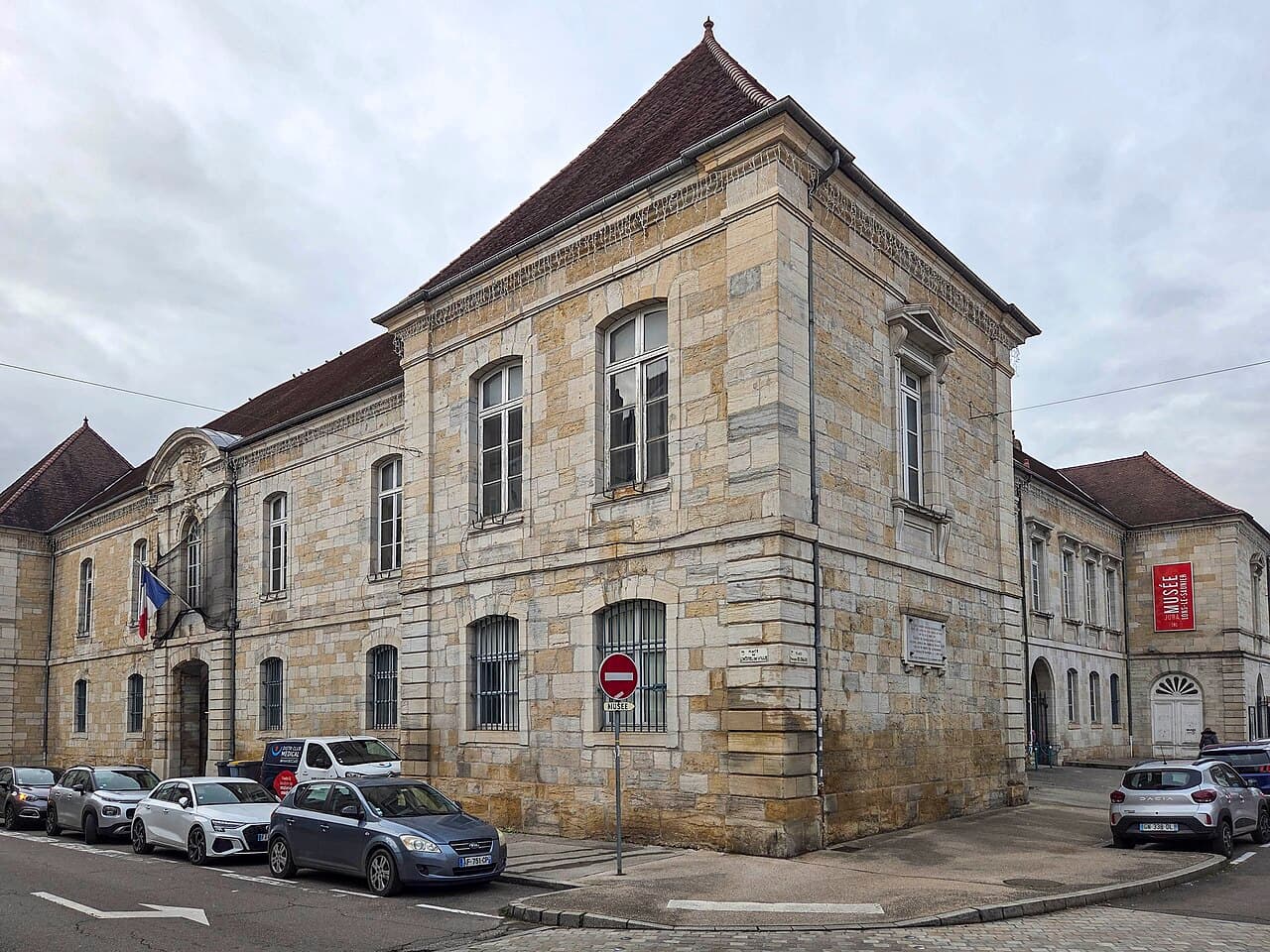
Musée des Beaux Arts
Lons-le-Saunier
 Gallery
Galerie Le Bocal
Salins-les-Bains
 Gallery
Galerie Jean Greset
Étuz
 Gallery
Stichting de Kamergalerie
Préporché
 Gallery
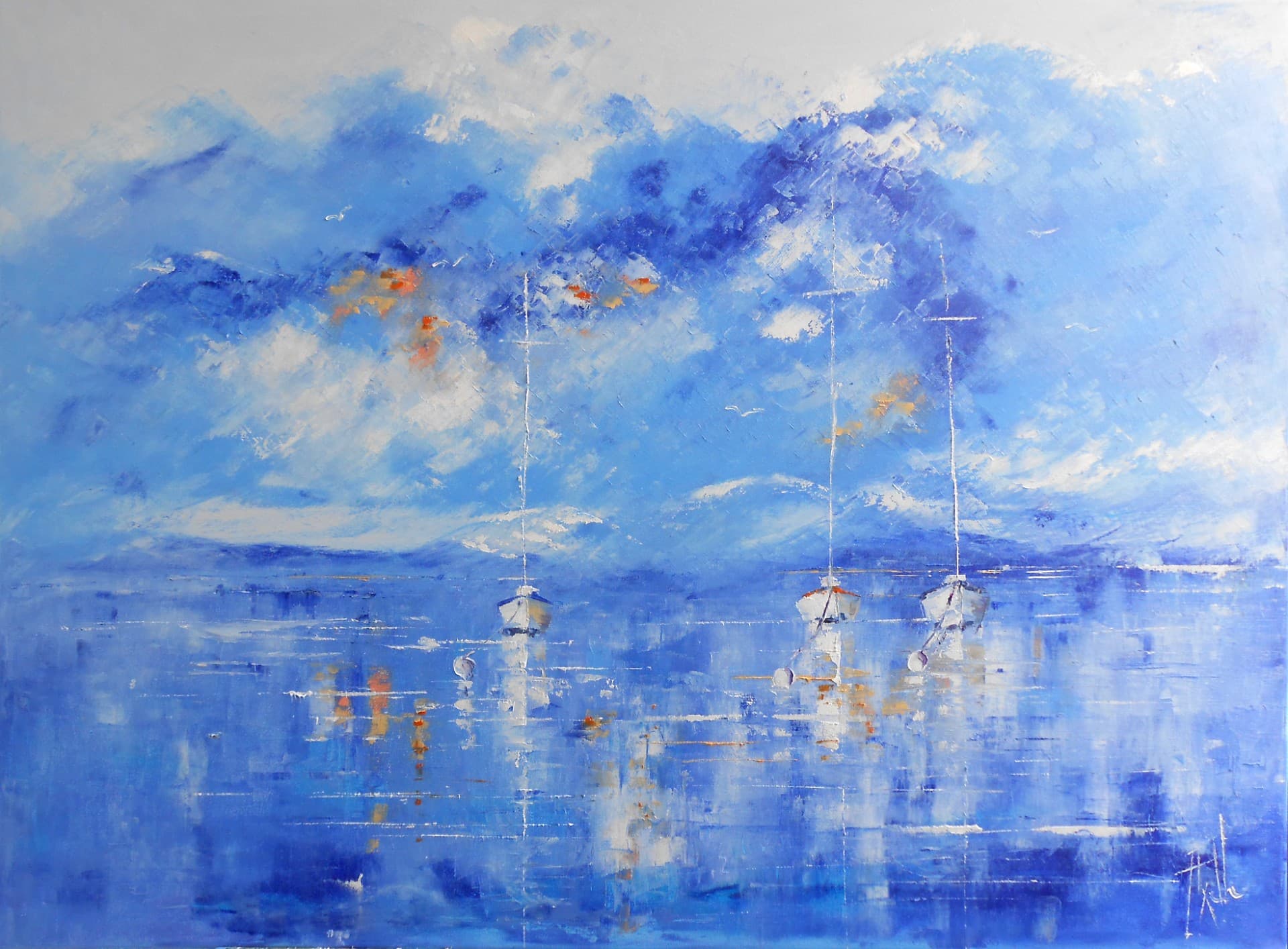
Galerie d’art Murmuse
Geneuille
 Gallery
Atelier Véronique Despinois
Noyers
 Museum
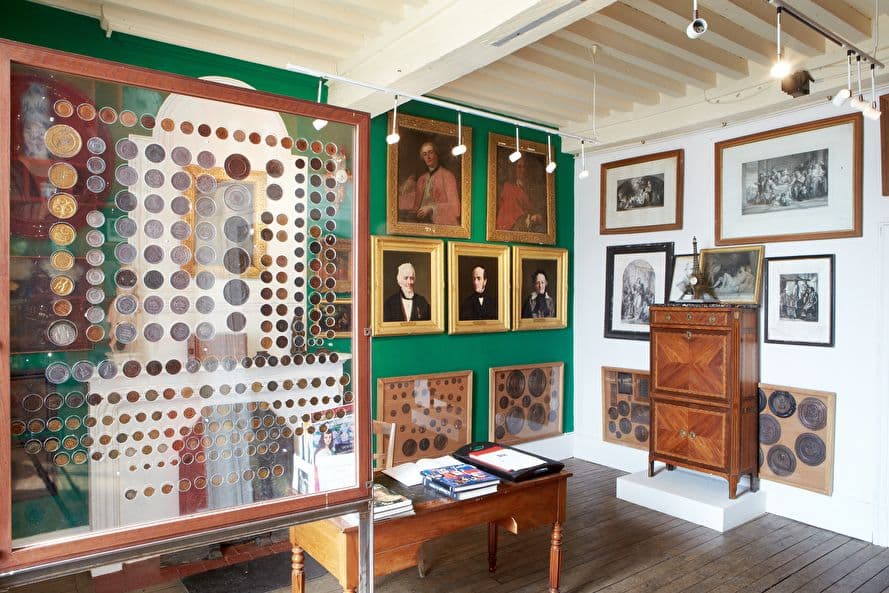
Musée des Arts Naïfs et Populaires de Noyers
Noyers
 Museum
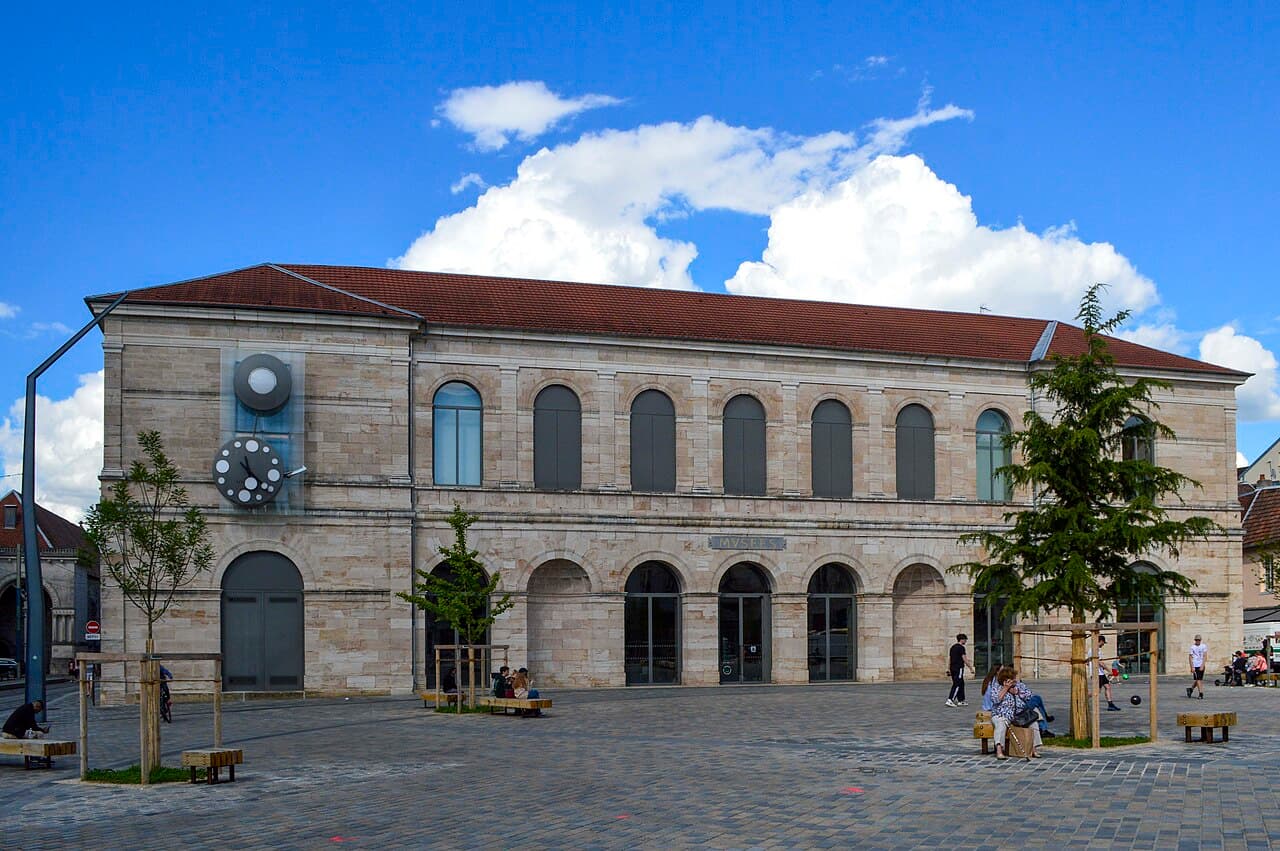
Musée des Beaux-Arts et d'Archéologie de Besançon
Besançon
Les Couronnes de Marie
Boult
Galerie Keller
Besançon
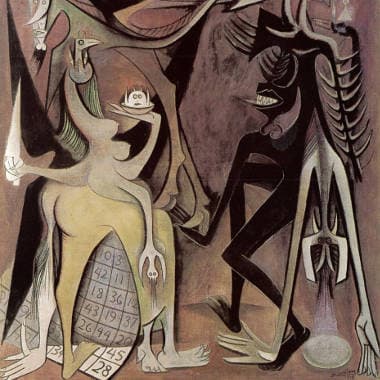 Gallery
Galerie Bertrand Hassoun
Besançon
 Gallery
Galerie Médicis
Besançon
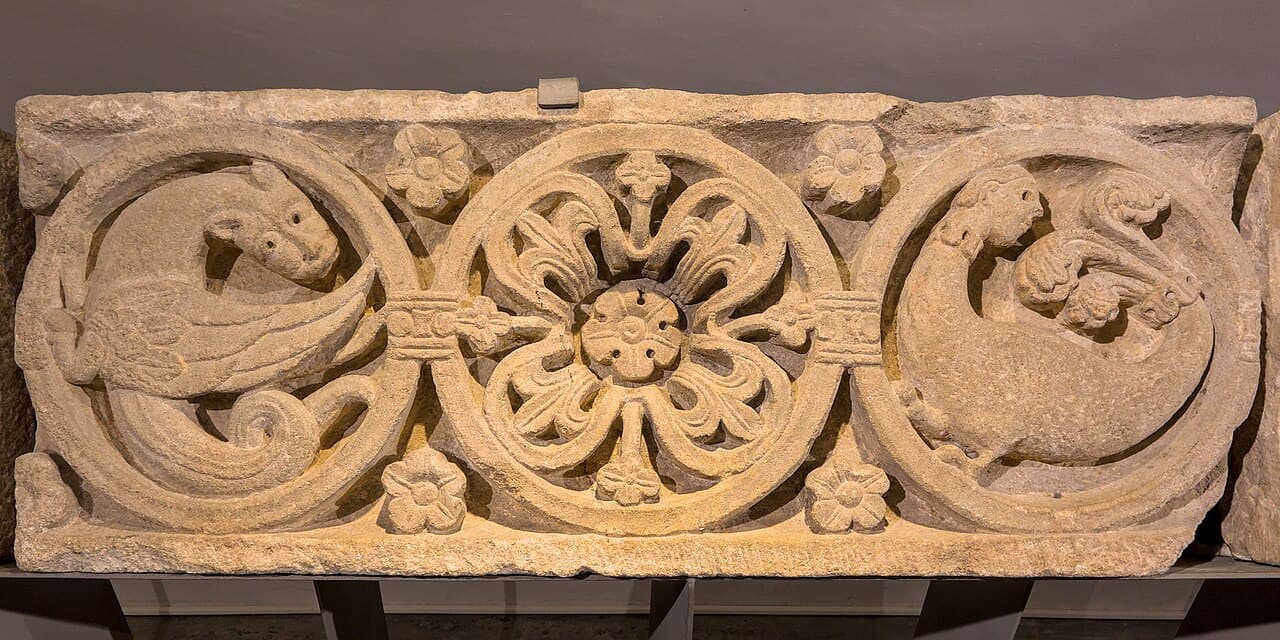 Museum
Musée d'Art et d'Archéologie de Cluny
Cluny
 Gallery
Galerie Oisila Nevoy
Cluny
 Gallery
Galerie le Gabriel
Vézelay
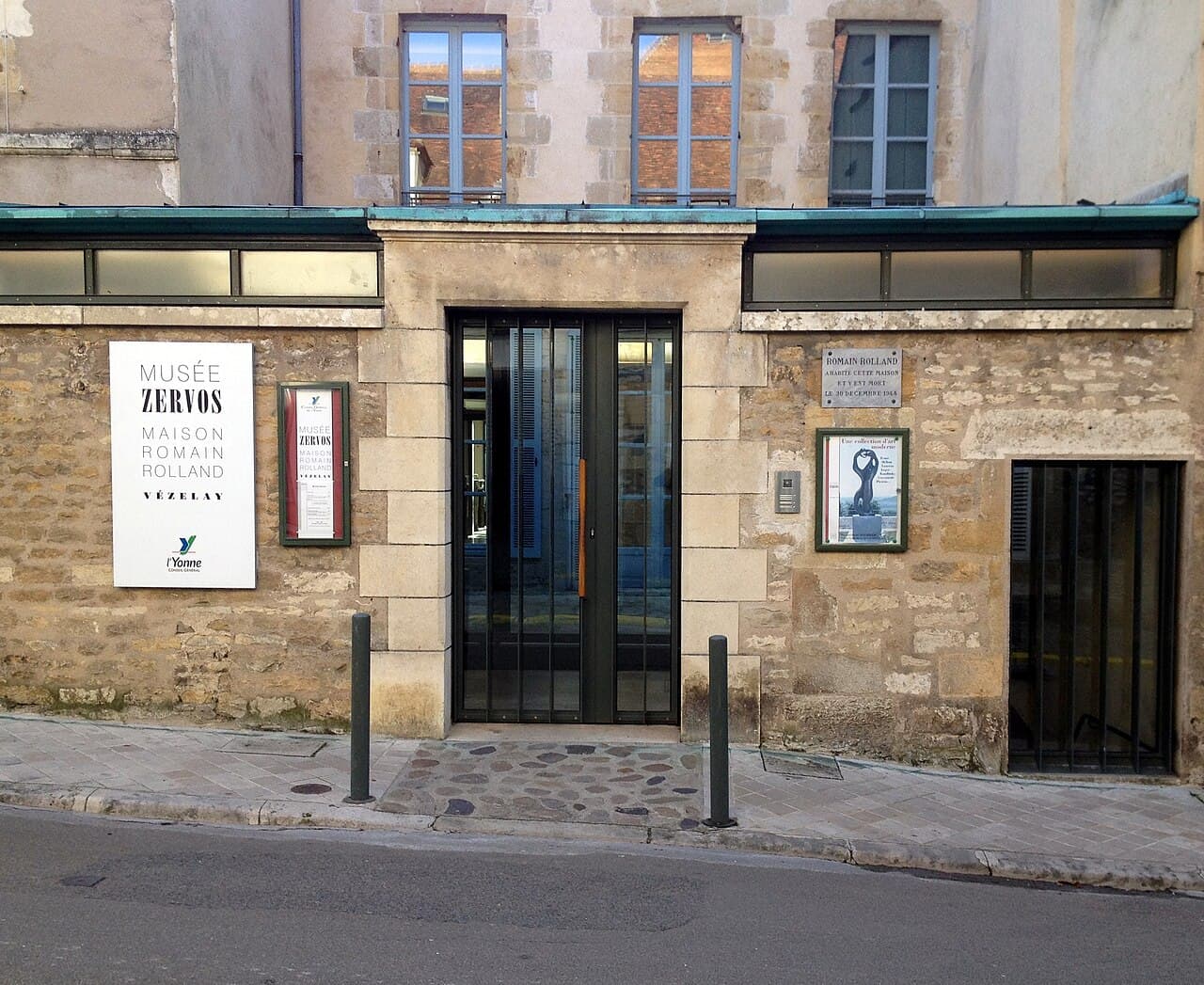 Museum
Musée Zervos - Maison Romain Rolland
Vézelay
 Gallery
Galerie X
Besançon
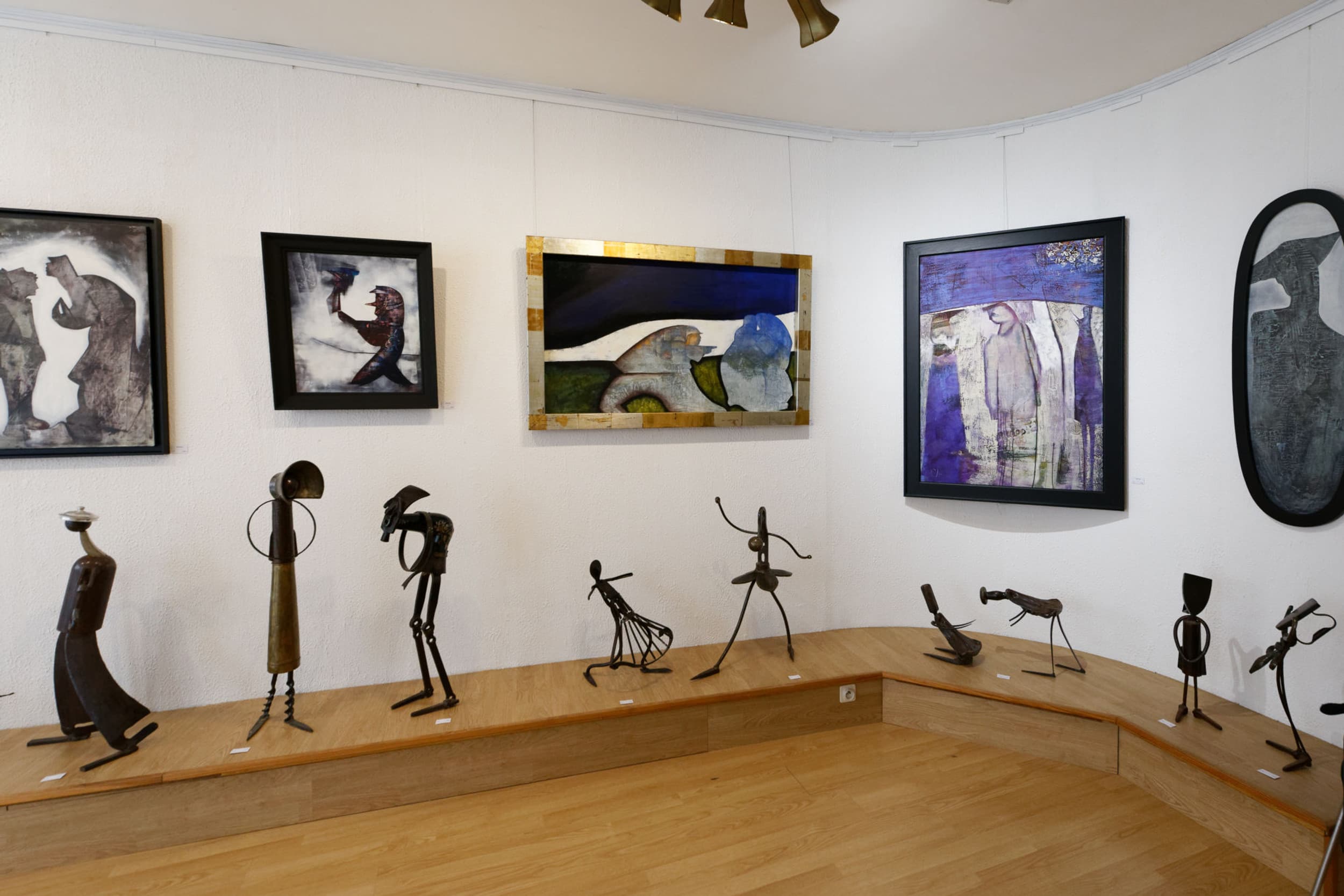 Gallery
Clive Manuel
Chamoux
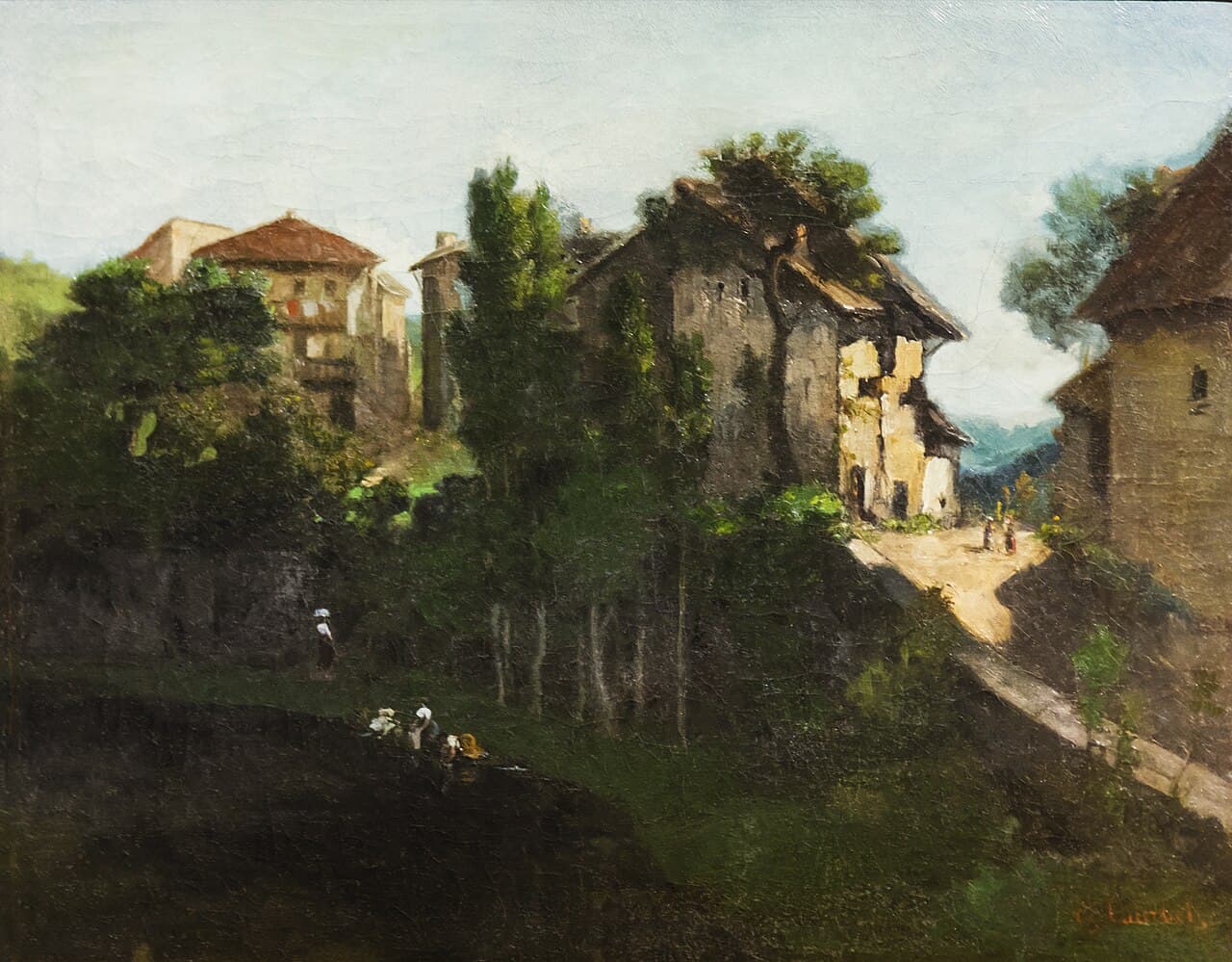 Museum
Musée Gustave Courbet
Ornans
 Gallery
Galerie Alfred Grévin
Tonnerre
Xavier Bernard Atelier Artiste
Tonnerre
A Region Built on Wine, Salt and Faith
Bourgogne-Franche-Comté was formed in 2016 through the merger of two historically distinct territories: the Duchy of Burgundy, whose political and artistic power radiated from Dijon, and Franche-Comté, a formerly independent county shaped by its border position with the Holy Roman Empire and Switzerland. This dual identity still structures the region today, from the Burgundian vineyards protected as UNESCO heritage to the fortified towns of the Jura and Doubs.
The region's economy has long depended on two resources extracted from its soil: wine and salt. The salt production sites of Salins-les-Bains and Arc-et-Senans testify to twelve centuries of brine evaporation, while the Climats of the Burgundy vineyard preserve a mosaic of classified plots that has defined viticulture here since medieval times.
Dijon: Ducal Capital and Contemporary Art Hub
The historic core of Dijon is dominated by the Palais des Ducs et des États de Bourgogne, built progressively from the 15th to the 17th century and now home to the Musée des Beaux-Arts de Dijon, one of the oldest museums in France, holding collections spanning archaeology, medieval sculpture and modern painting.
Beyond its ducal heritage, Dijon supports an active contemporary art scene concentrated in a handful of independent spaces: FRAC Bourgogne, Les Ateliers Vortex and Jonction.art among them, alongside smaller commercial galleries such as Galerie Quattro and Le Trigram.
For a sense of everyday life in the historic capital, the Musée de la Vie bourguignonne documents domestic customs and regional traditions, while the Muséum d'histoire naturelle de Dijon occupies the former 19th-century arquebusiers' barracks near the city centre.
Painters, Scientists and a Novelist
The realist painter Gustave Courbet was born in Ornans, in the Doubs, and the Musée Gustave Courbet now occupies his birthplace as part of a wider cultural complex dedicated to his work and legacy.
Chalon-sur-Saône holds a different kind of artistic pioneer: the Musée Nicéphore Niépce honours the inventor of photography with one of France's most significant photographic collections.
Science is commemorated through Louis Pasteur, who spent his childhood in Arbois and later transformed his family home into a laboratory-residence, preserved today as the Maison de Louis Pasteur, complemented by the Musée Pasteur at his birthplace in Dole. The writer Colette, born in the Yonne, is honoured at La maison de Colette.
Frequently asked questions
How many days should I plan to visit Bourgogne-Franche-Comté's main cultural sites?
A minimum of four to five days allows time for Dijon's museums and ducal palace, one or two UNESCO sites such as the Fontenay abbey or the Burgundy vineyard Climats, and a detour into the Jura or Doubs for Besançon or Ornans.
Is the Palais des Ducs et des États de Bourgogne free to visit?
Access to the courtyards and Place de la Libération is free; the Musée des Beaux-Arts housed within the palace has its own admission policy, with permanent collections generally free of charge.
What is the best season to visit the Climats vineyard landscape?
Late spring through early autumn offers the clearest views of the classified plots, with the September–October harvest period being especially scenic though busier.
Are the salt production sites of Salins-les-Bains and Arc-et-Senans suitable for families?
Yes, the Grande Saline offers guided tours through the underground brine galleries that are accessible and engaging for children, while the Saline Royale at Arc-et-Senans has open outdoor grounds.
Which museum should I prioritise for photography history?
The Musée Nicéphore Niépce in Chalon-sur-Saône, dedicated to the inventor of photography, holds one of the country's most comprehensive collections on the medium's origins and evolution.
Is Dijon's contemporary art scene worth a detour from its historic centre?
Yes, spaces such as FRAC Bourgogne and Les Ateliers Vortex sit a short walk or tram ride from the ducal palace, making it easy to combine both in a single day.