21000
Museums, galleries and heritage around Dijon
22 places listed in Dijon itself.
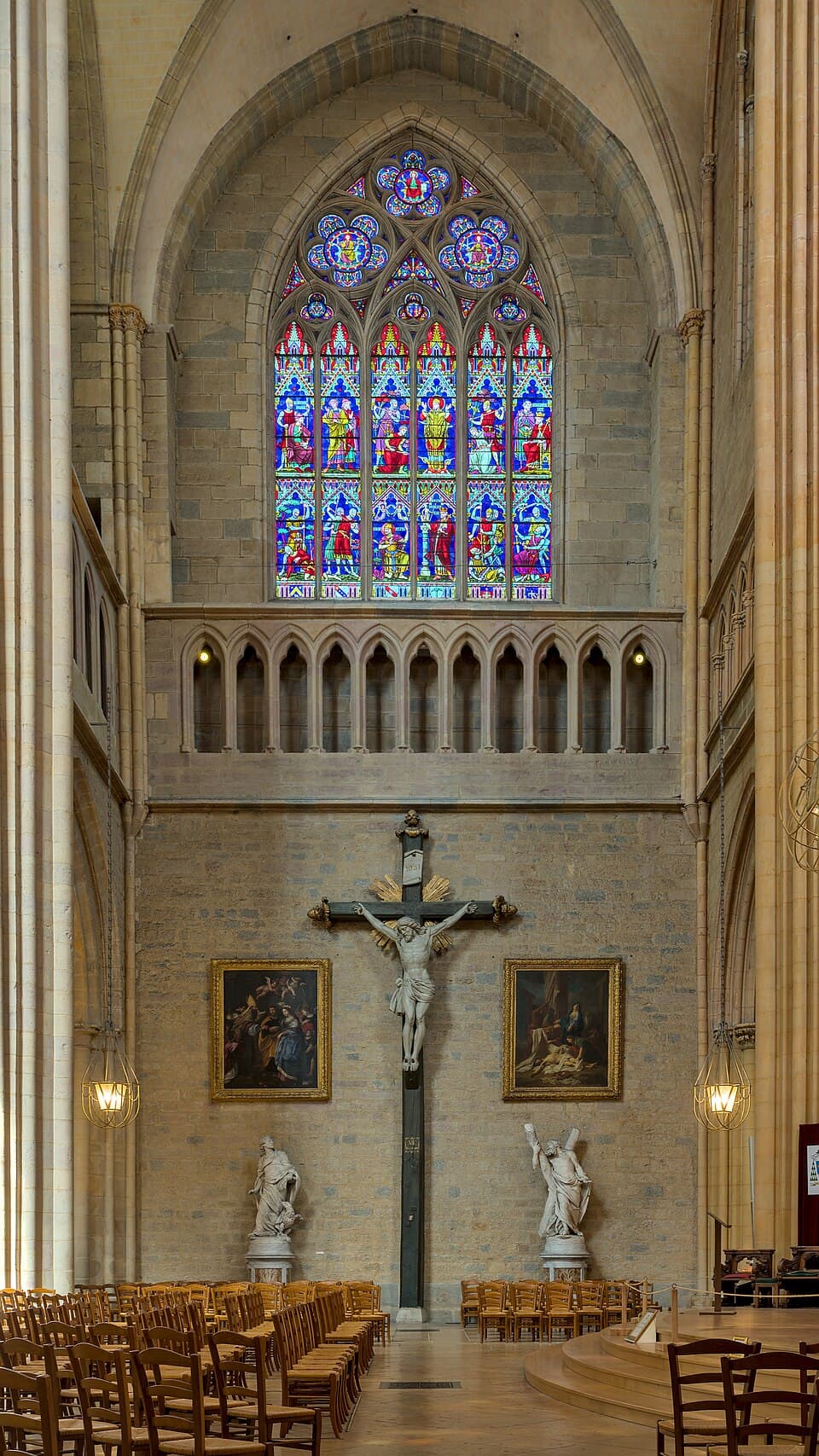
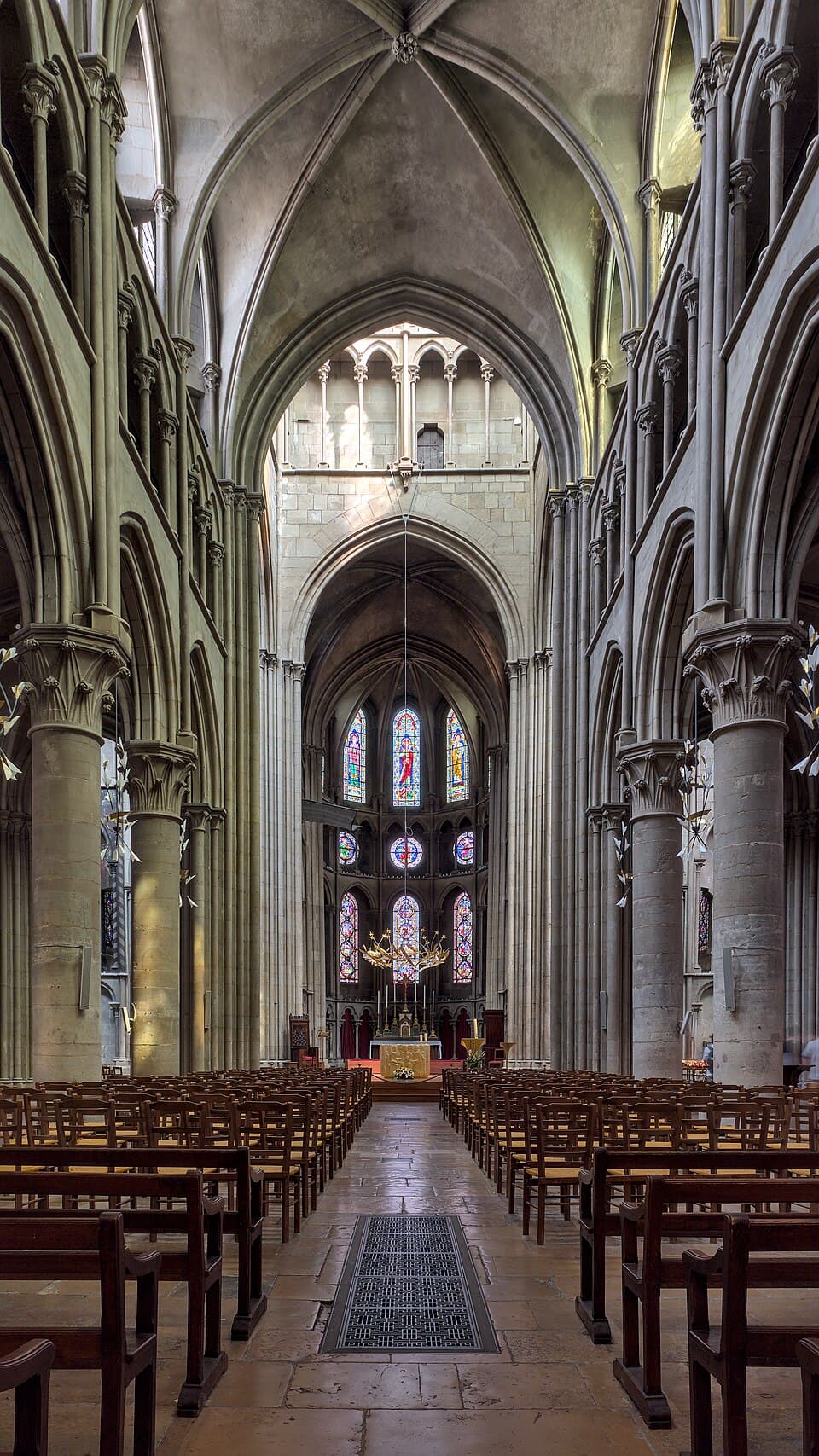
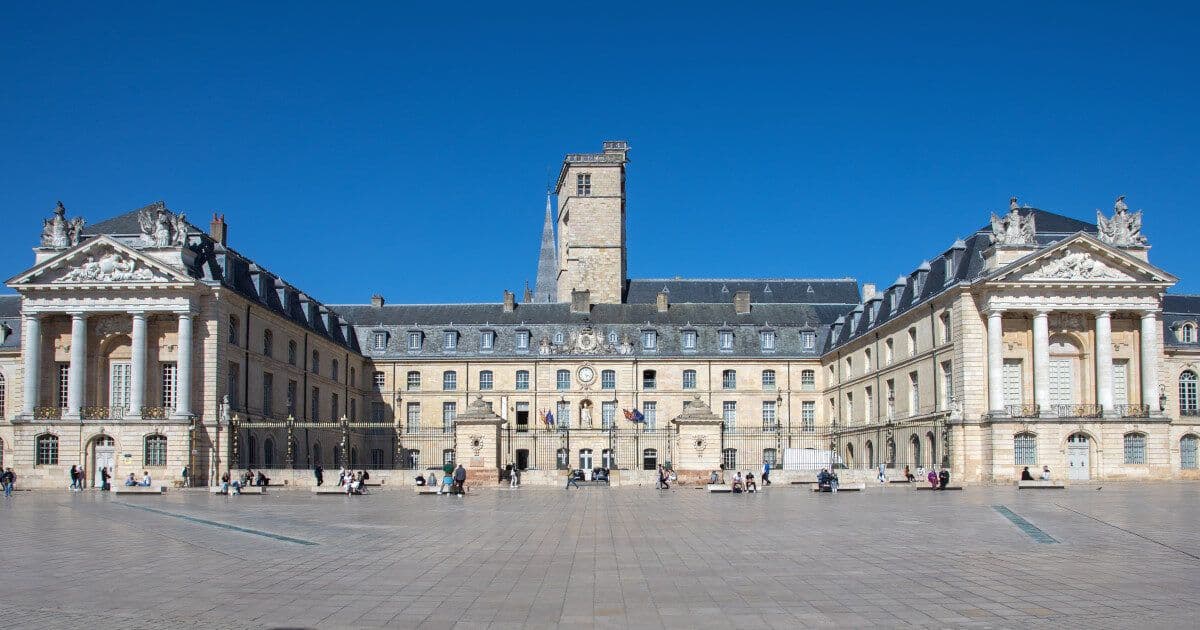
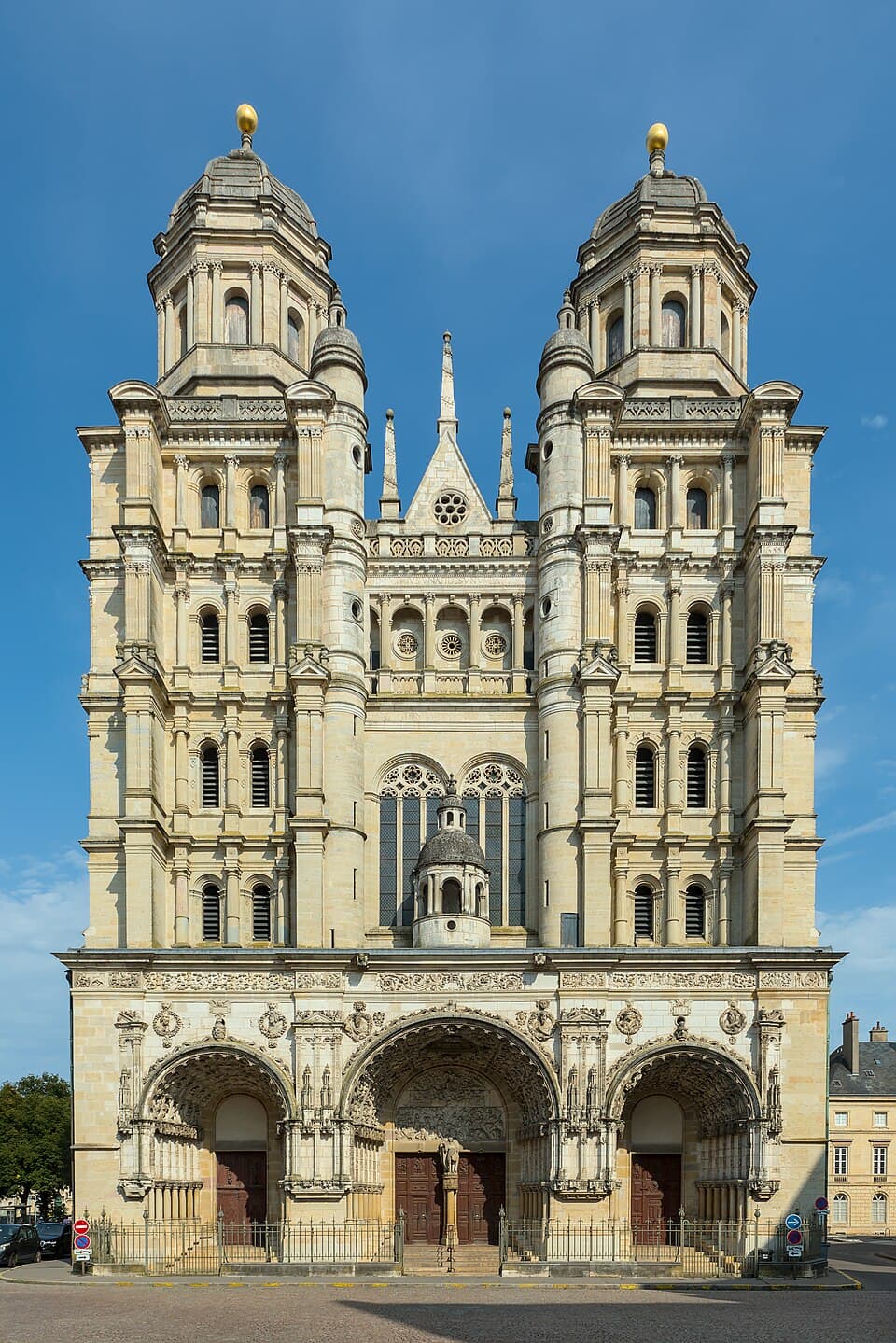
Including Musée des Beaux-Arts de Dijon, Cathédrale Saint-Bénigne de Dijon and Palais des Ducs et des États de Bourgogne.
24 places to discover within 5 km of Dijon.
A Ducal City with a Dense Museum Landscape
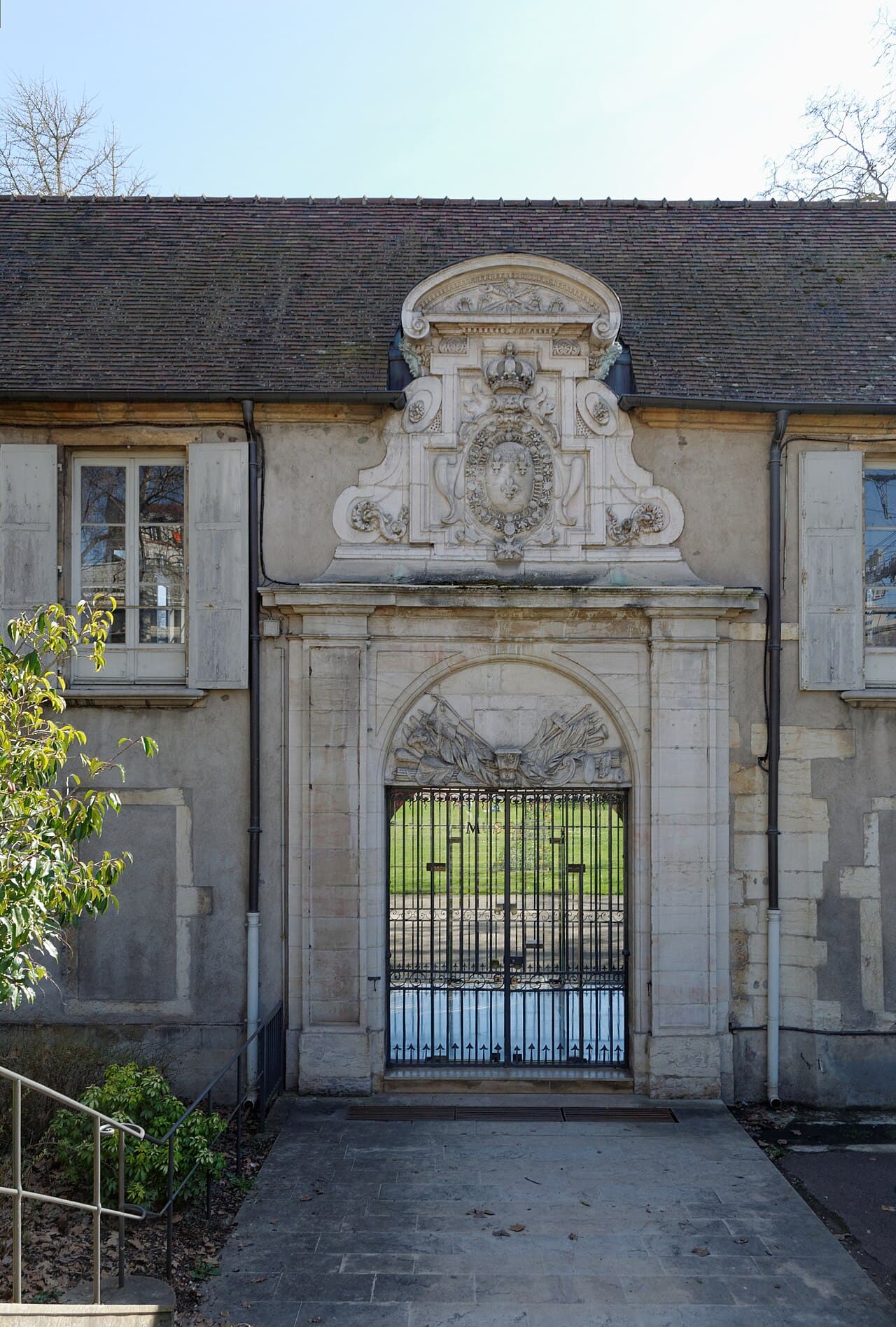
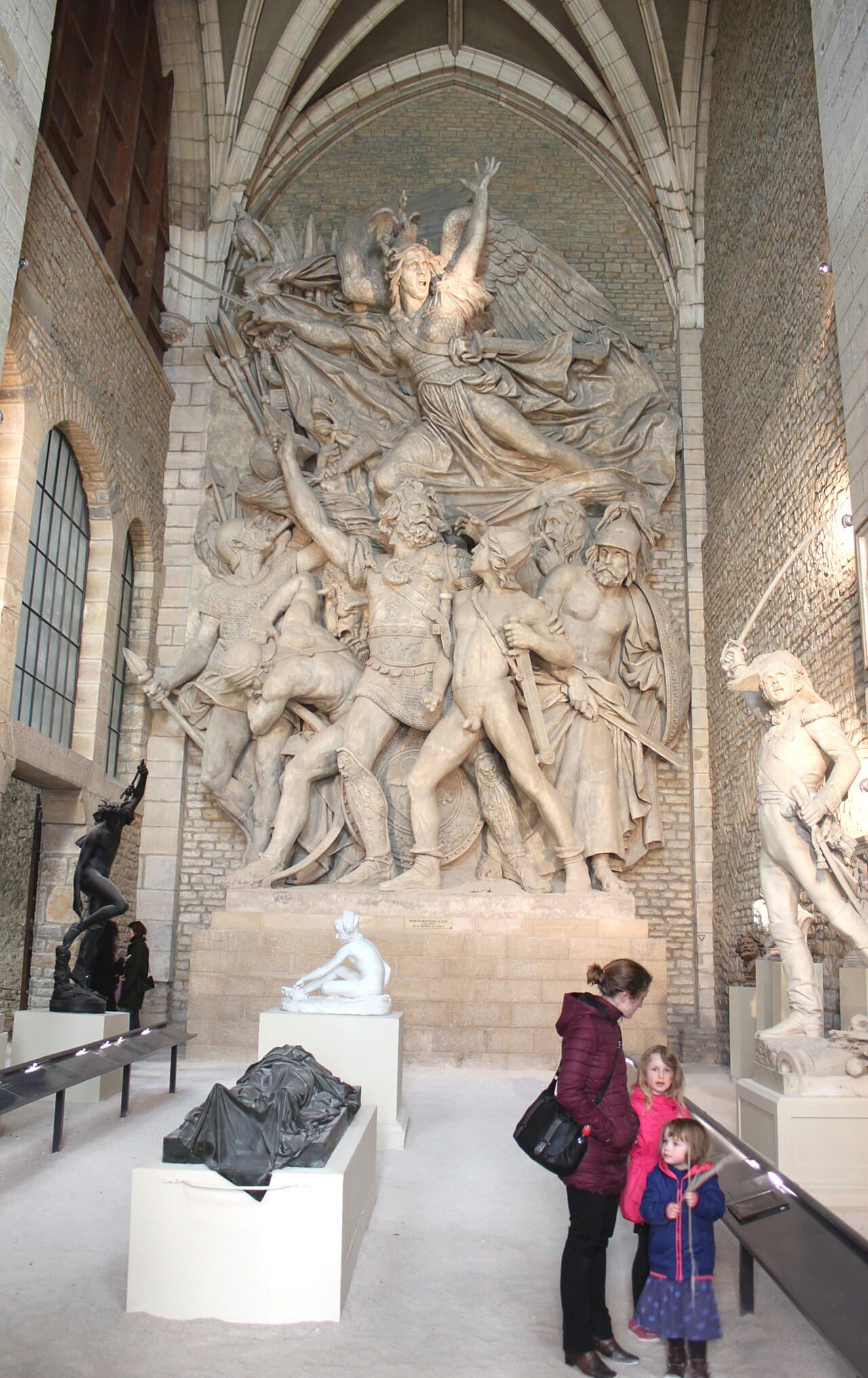
Dijon's historical weight is concentrated in the Palais des Ducs et des États de Bourgogne, a complex built progressively from the 15th to the 17th century, which today houses the Musée des Beaux-Arts de Dijon, also known as the Musée Rude, one of the oldest public art museums in France.
Beyond this ducal core, the city's museum offer diversifies considerably: the Musée de la Vie bourguignonne documents regional ethnography and daily life, while the Muséum d'histoire naturelle de Dijon occupies the former 19th-century arquebusiers barracks on rue Jehan de Marville, with its distinctive arcaded facade.
Contemporary art has its own strong footing in the city, notably through Le Consortium, a venue dedicated to temporary exhibitions and contemporary creation, and the FRAC Bourgogne, the regional collection for contemporary art.
Museums and Galleries Across the City
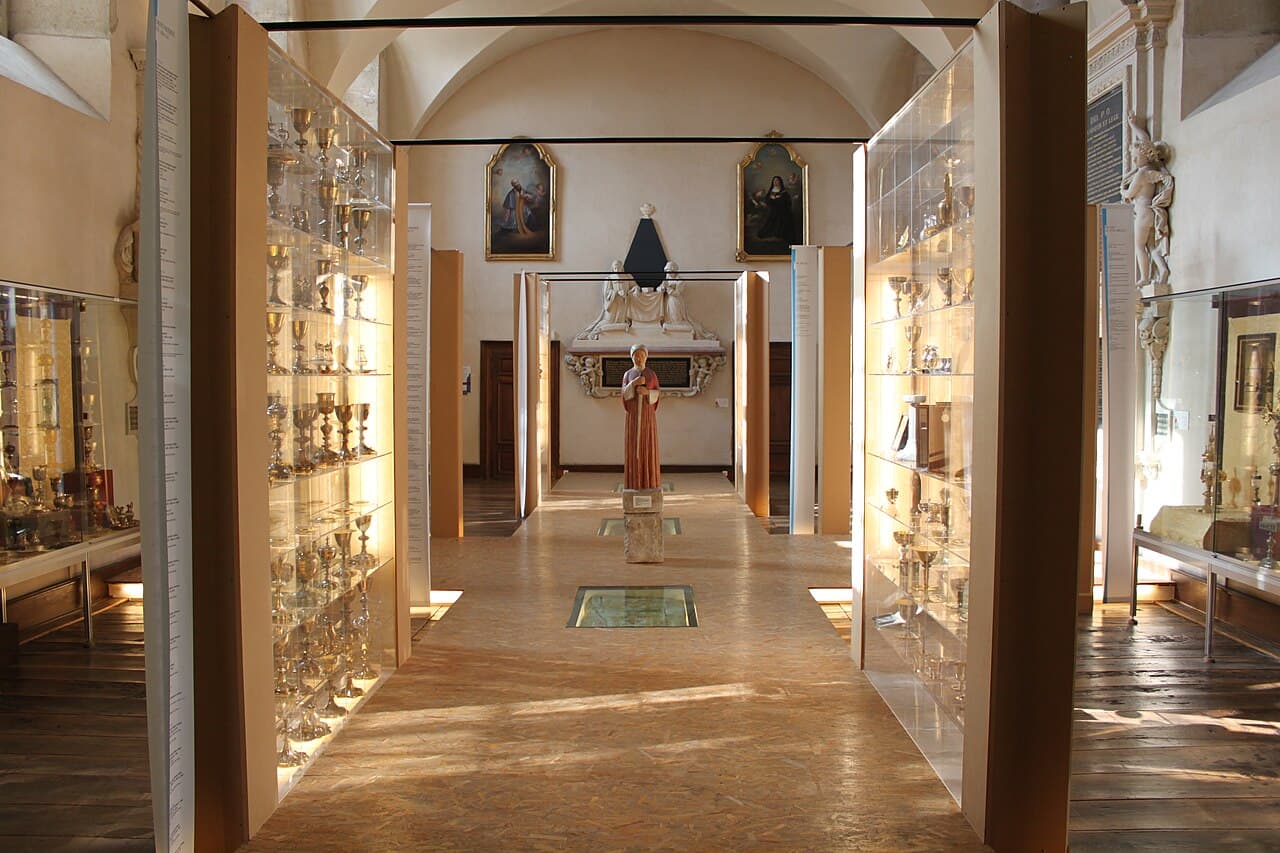
The historic center, around the Palais des Ducs, groups together the city's major institutional museums, from the Musée des Beaux-Arts de Dijon to the Musée d'Art sacré de Dijon, devoted to the conservation and presentation of religious art.
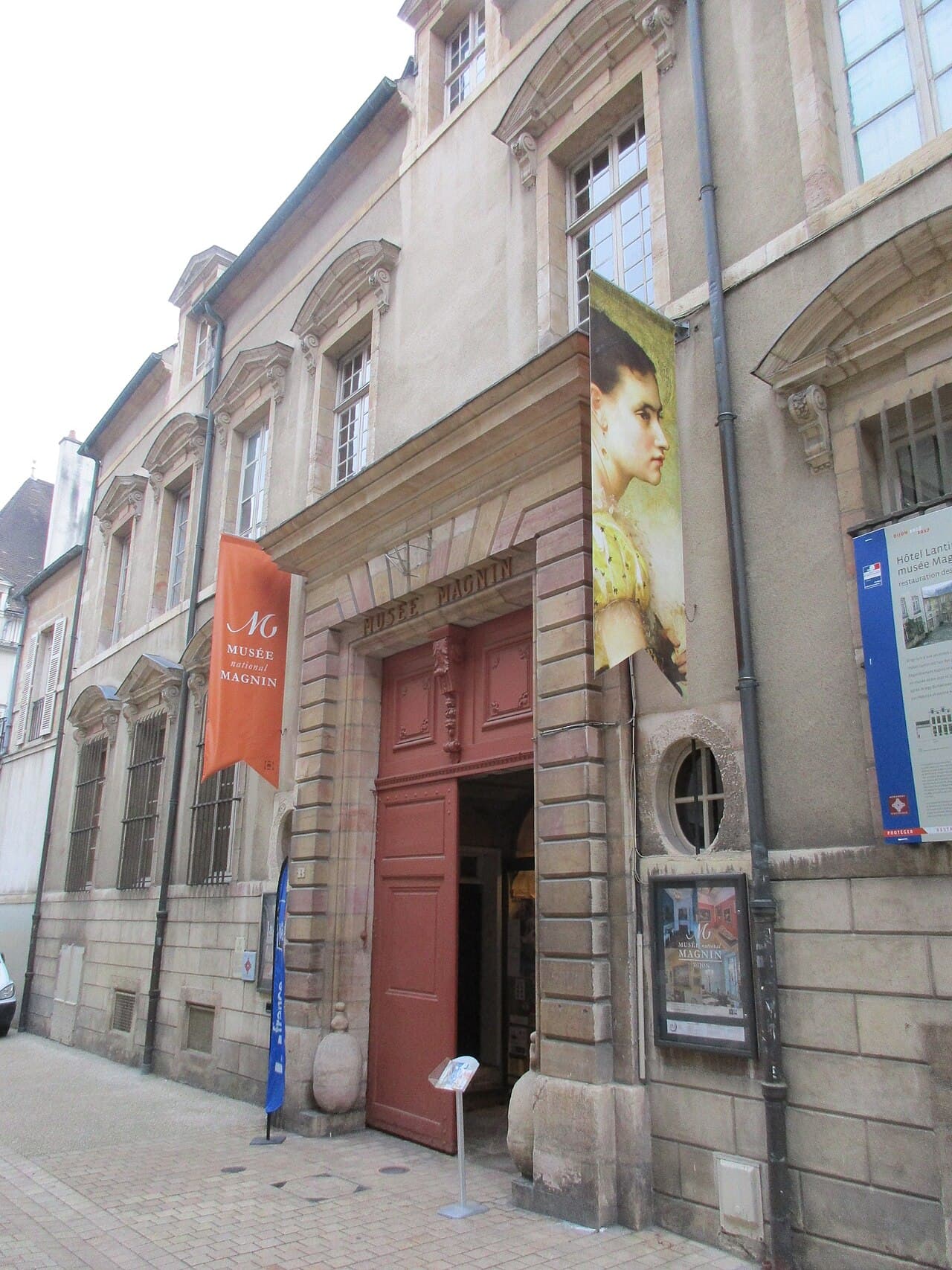
A smaller, more intimate museum, the Musée Magnin, occupies a private Burgundian townhouse and holds national museum status, offering a domestic counterpoint to the grander civic collections nearby.
Further from the center, in the park of the Centre Hospitalier La Chartreuse, L'Hostellerie - Centre d'Art Singulier is dedicated entirely to outsider art (art singulier), a niche but distinctive addition to the city's museum map.
Dijon's gallery scene is spread across the city, including Les Ateliers Vortex, Galerie d'art Carré d'artistes,
Frequently asked questions
How much time should I plan to visit Dijon's main museums?
Allow a full day for the Palais des Ducs et des États de Bourgogne and the Musée des Beaux-Arts de Dijon alone; add a half-day if you also want to see the Musée de la Vie bourguignonne or Le Consortium.
Is the Musée des Beaux-Arts de Dijon free to visit?
The permanent collections of several Dijon municipal museums, including the Musée des Beaux-Arts, are generally accessible free of charge, though temporary exhibitions may require a paid ticket.
What is unique about L'Hostellerie - Centre d'Art Singulier?
It is one of the few venues in France entirely dedicated to outsider art (art singulier), located within the grounds of the Centre Hospitalier La Chartreuse, away from the main museum district.
Can I visit the Climats du vignoble de Bourgogne as a day trip from Dijon?
Yes, the UNESCO-listed Climats begin just south of the city and are commonly explored as a half-day or full-day excursion combining vineyard landscapes with wine tourism.
Which Dijon museum is best for contemporary art?