22 museums · 24 galleries
Ain: Museums, Galleries and Heritage Sites
Explore museums, galleries and heritage sites in Ain, in Auvergne-Rhône-Alpes.
A Department of Contrasts
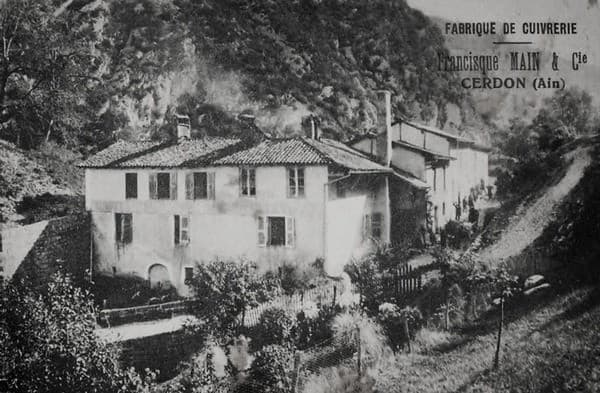
The Ain department, part of the Auvergne-Rhône-Alpes region, stretches from the flat farmland of Bresse to the limestone ridges of the Bugey and Revermont. Its heritage reflects this geography: agricultural écomusées in the plains, industrial museums tied to textile and metalwork production, and archaeological sites in more rugged terrain.
The department's flagship monument, the Monastère Royal de Brou, stands in Bourg-en-Bresse and remains the most visited site in Ain, a landmark of Flamboyant Gothic architecture built for Margaret of Austria in the early 16th century.
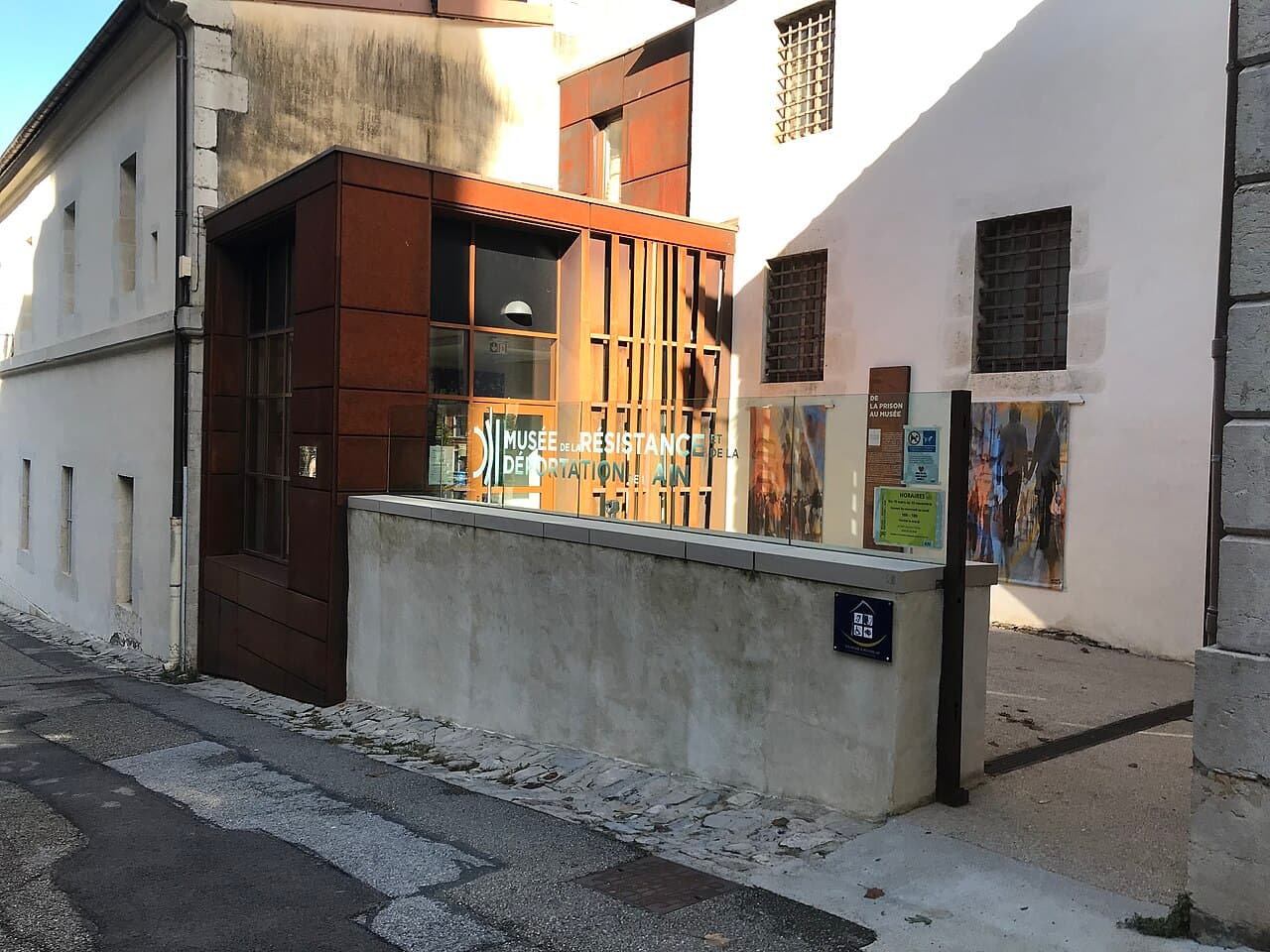
Beyond this major site, the department's museum network is largely made up of small, specialized institutions run by local associations or municipalities, often housed in historic buildings such as former prisons, hôtels particuliers or working farms, giving visitors a close, unpolished look at regional life and industry.
Cities & region
Museums to discover
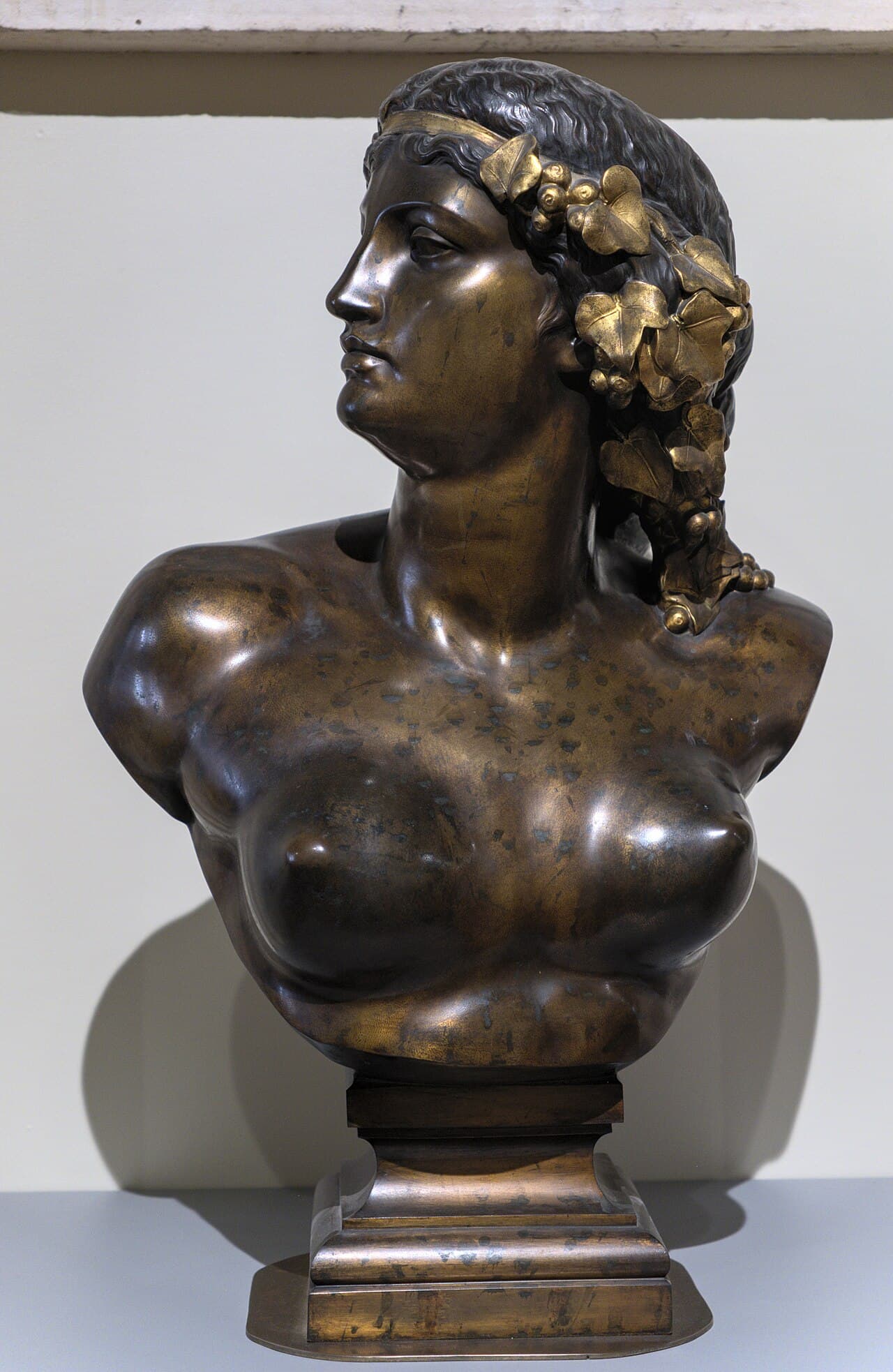
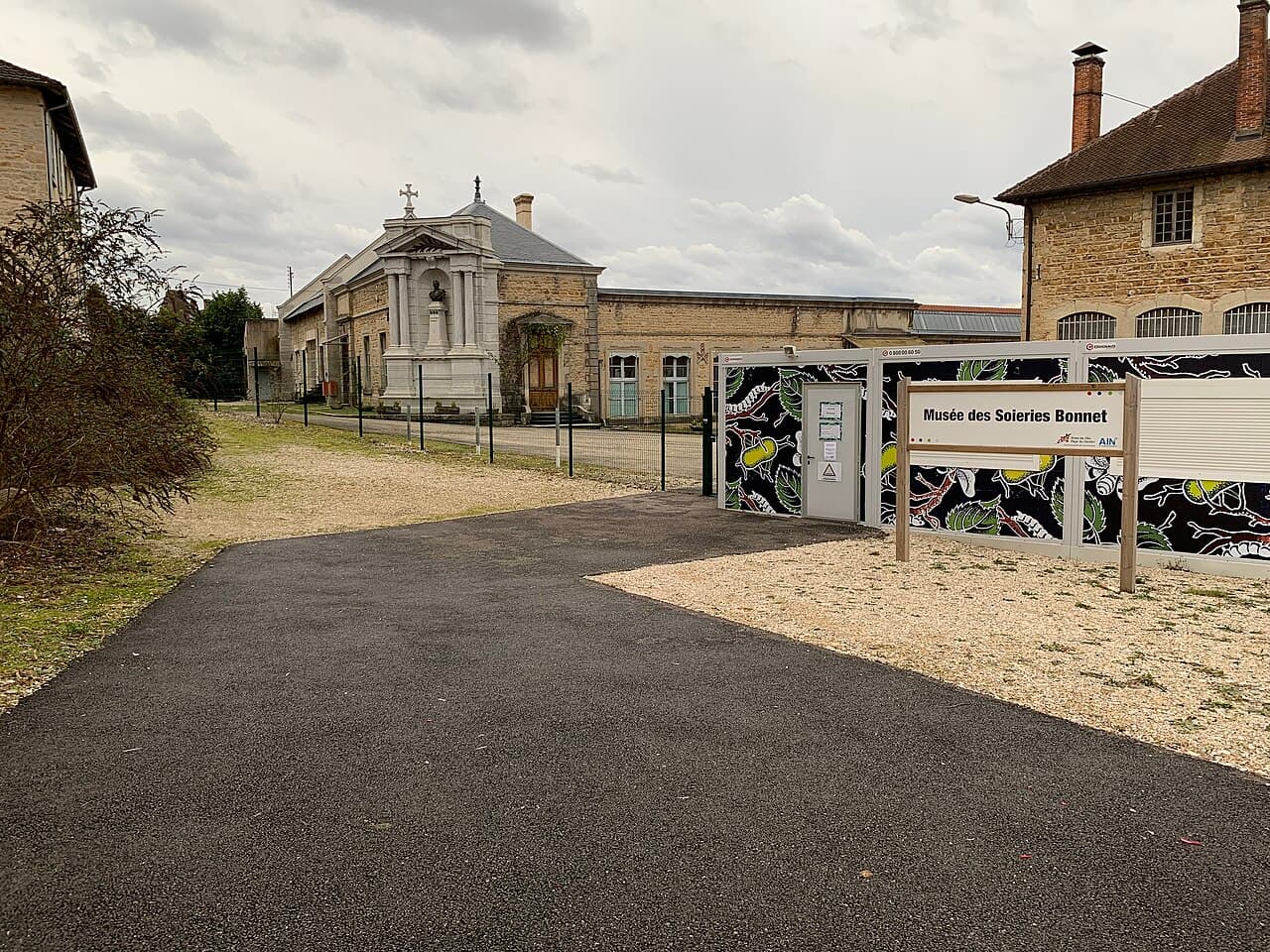
22 museums, from major institutions to local collections.
Galleries to discover
24 contemporary and modern art galleries.




Historic Towns Worth a Detour
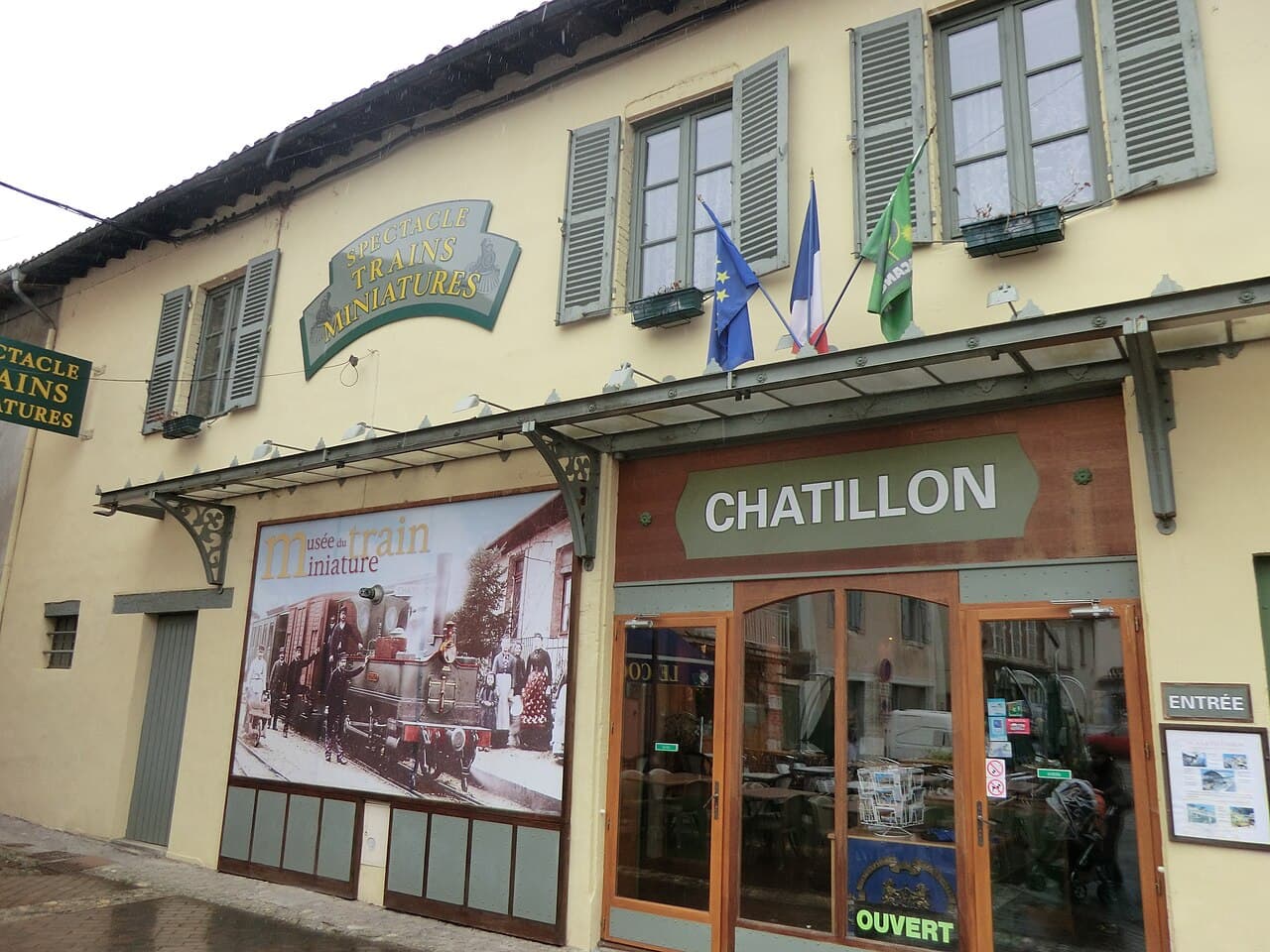
Beyond Bourg-en-Bresse, Ain's smaller towns each preserve a distinct layer of history. Châtillon-sur-Chalaronne, a well-preserved medieval town in the Dombes, combines two contrasting museums: the Musée du Train Miniature, with its 200 m² animated HO-scale layout, and the Musée vie en 1900, set inside the town's former Hôtel-Dieu.
The fortified village of Pérouges, one of the best-preserved medieval sites in the region, houses the Musée du Vieux Pérouges inside the Maison des Princes. In Trévoux, former capital of the Principality of Dombes, the Musée Trévoux et ses Trésors occupies a 15th-century townhouse and recounts the town's princely past.
Fine Arts and Contemporary Galleries
The Musée Chintreuil in Pont-de-Vaux is dedicated to painter Antoine Chintreuil and to landscape painters associated with the region, forming the department's principal fine-arts collection.
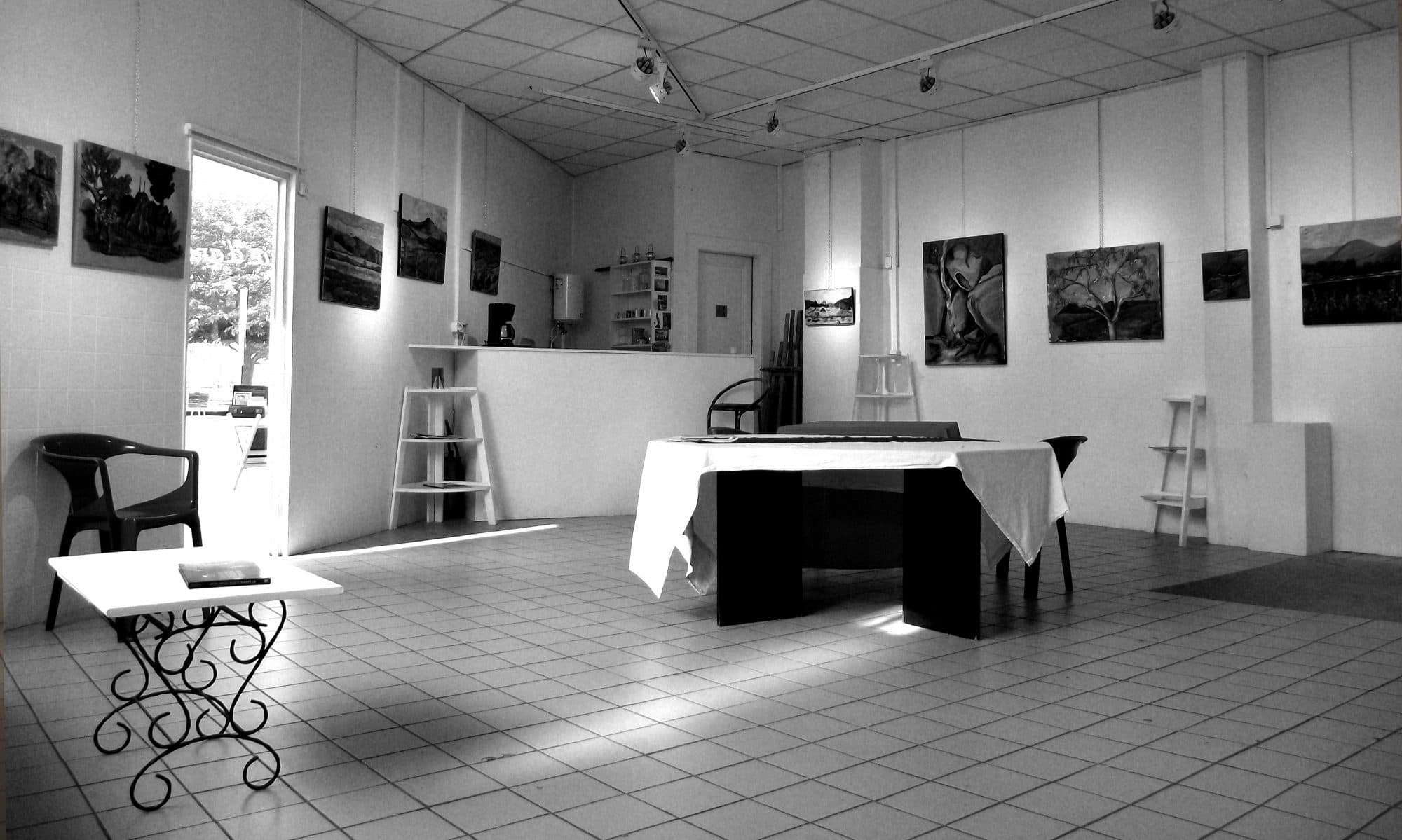
Contemporary art is represented by a network of independent galleries scattered across small towns and villages rather than concentrated in a single center. Among them, Centre d'Art Contemporain de Lacoux on the Hauteville plateau, Hord. in Oyonnax, and Galerie Marie Morel in Haut-Valromey offer varied programming from painting to drawing and mixed media.
Other notable spaces include Galerie d'Art du Quai and Galerie d'Art AppArt' 114, both in Saint-Rambert-en-Bugey, alongside Arts en Cave in Parves-et-Nattages and BC Drawing in Divonne-les-Bains, illustrating the diversity of formats found across the department.
Ain on the map
Museums, galleries and heritage, at a glance.
46 results
Frequently asked questions
How much time should I plan for visiting the Monastère Royal de Brou?
Allow at least two hours to see the church, the three cloisters and the museum galleries housed in the former monastery buildings.
Are the smaller museums in Ain open year-round?
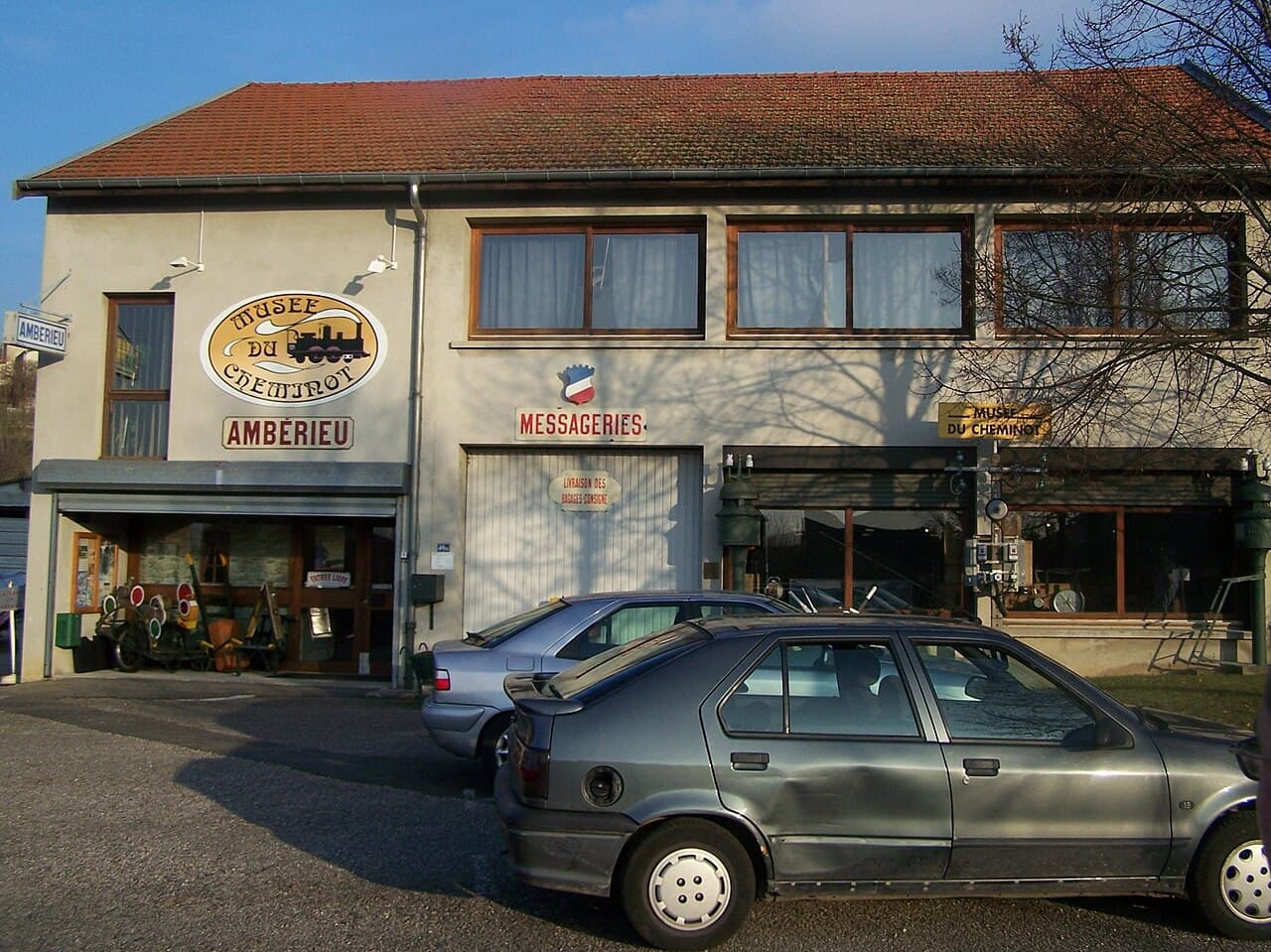
Many, such as the Musée du Cheminot, only open on weekends or during specific seasons, so it's best to check opening days before visiting, especially outside summer.
What is the best way to explore Ain's heritage sites?
A car is recommended, as most museums and galleries are spread across small towns and rural villages rather than concentrated in one city.
Is Pérouges worth visiting alongside its museum?
Yes, the fortified village itself, with its cobbled streets and stone houses, is as much a highlight as the Musée du Vieux Pérouges inside it.
Which museum should I choose to understand Bresse rural life?
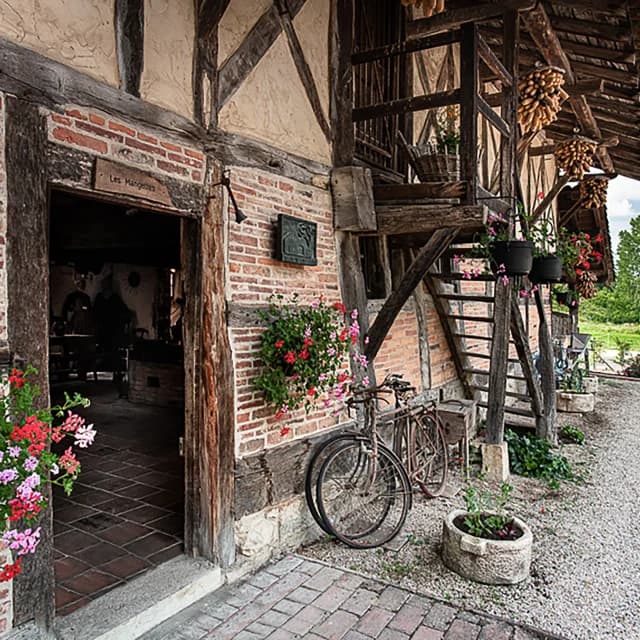
The Domaine des Saveurs - Les Planons and the Ecomusée Maison de Pays en Bresse both center on historic farms and cover daily rural life from the 15th to 19th centuries.
Are contemporary art galleries in Ain easy to visit without an appointment?
Many are small, independent spaces with limited opening hours, so checking ahead or contacting the gallery directly is advisable before a visit.