Region
Museums, galleries and heritage in Occitanie
587 places to discover across Occitanie.
Including Basilique Saint-Sernin de Toulouse, Cathédrale Sainte-Cécile d'Albi and Cité de Carcassonne et château comtal.
60 of 586 places, sorted by distance from the center
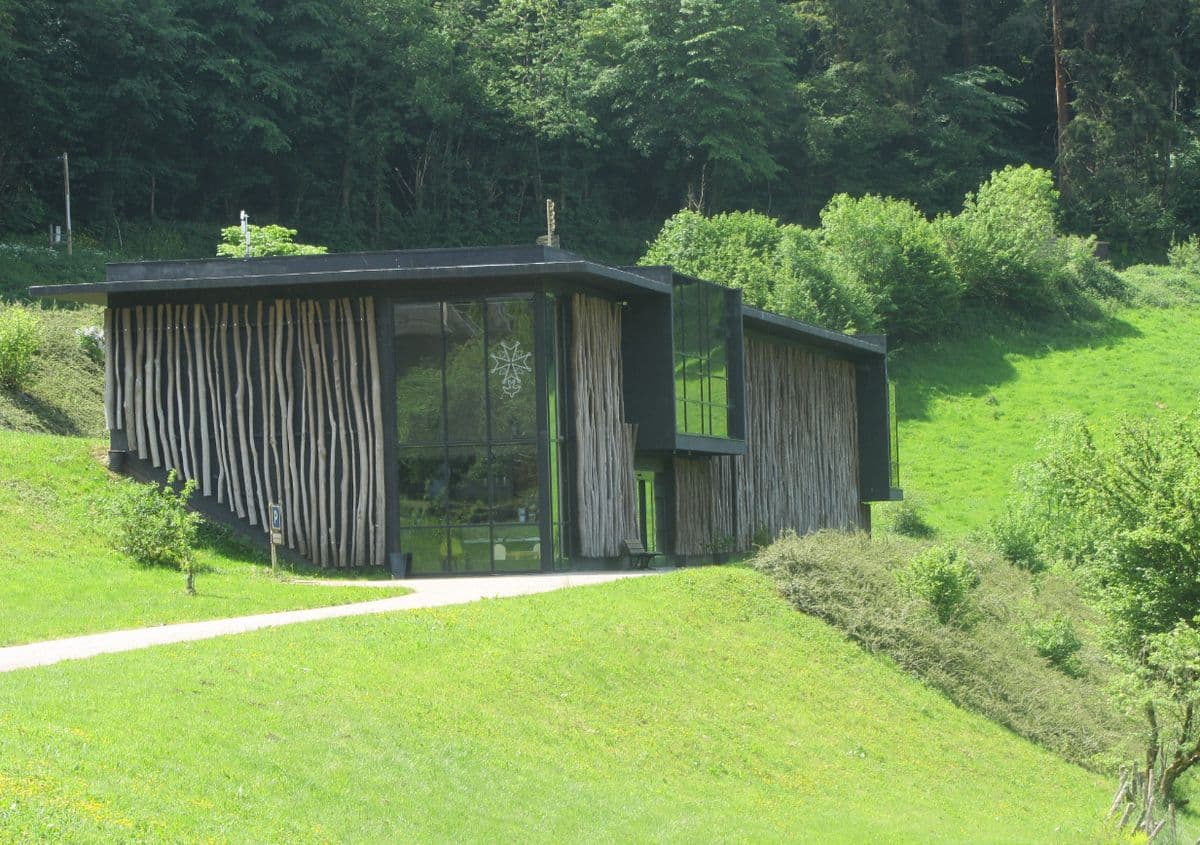 Museum
Musée du protestantisme, de la Réforme à la laïcité
Fontrieu
 Gallery
Galerie Daniel Vignal
Vabre
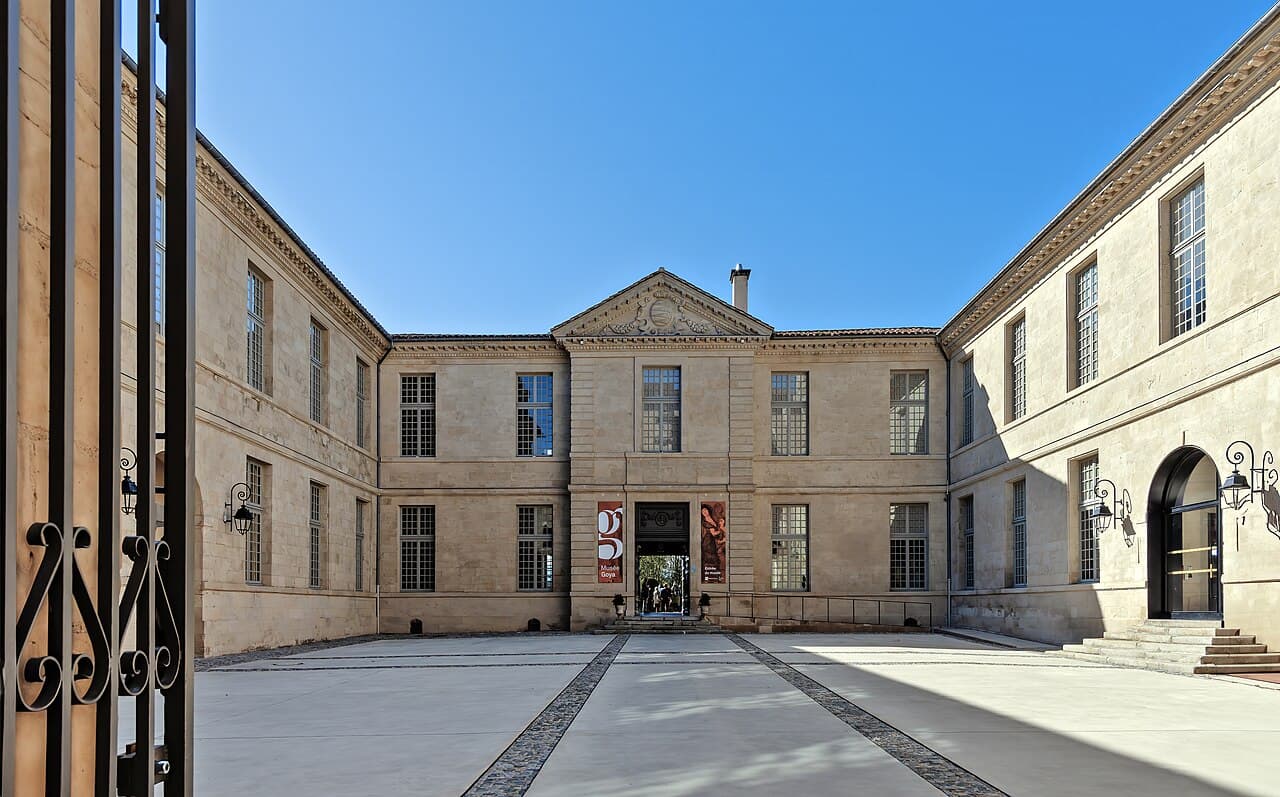 Museum
Musée Goya
Castres
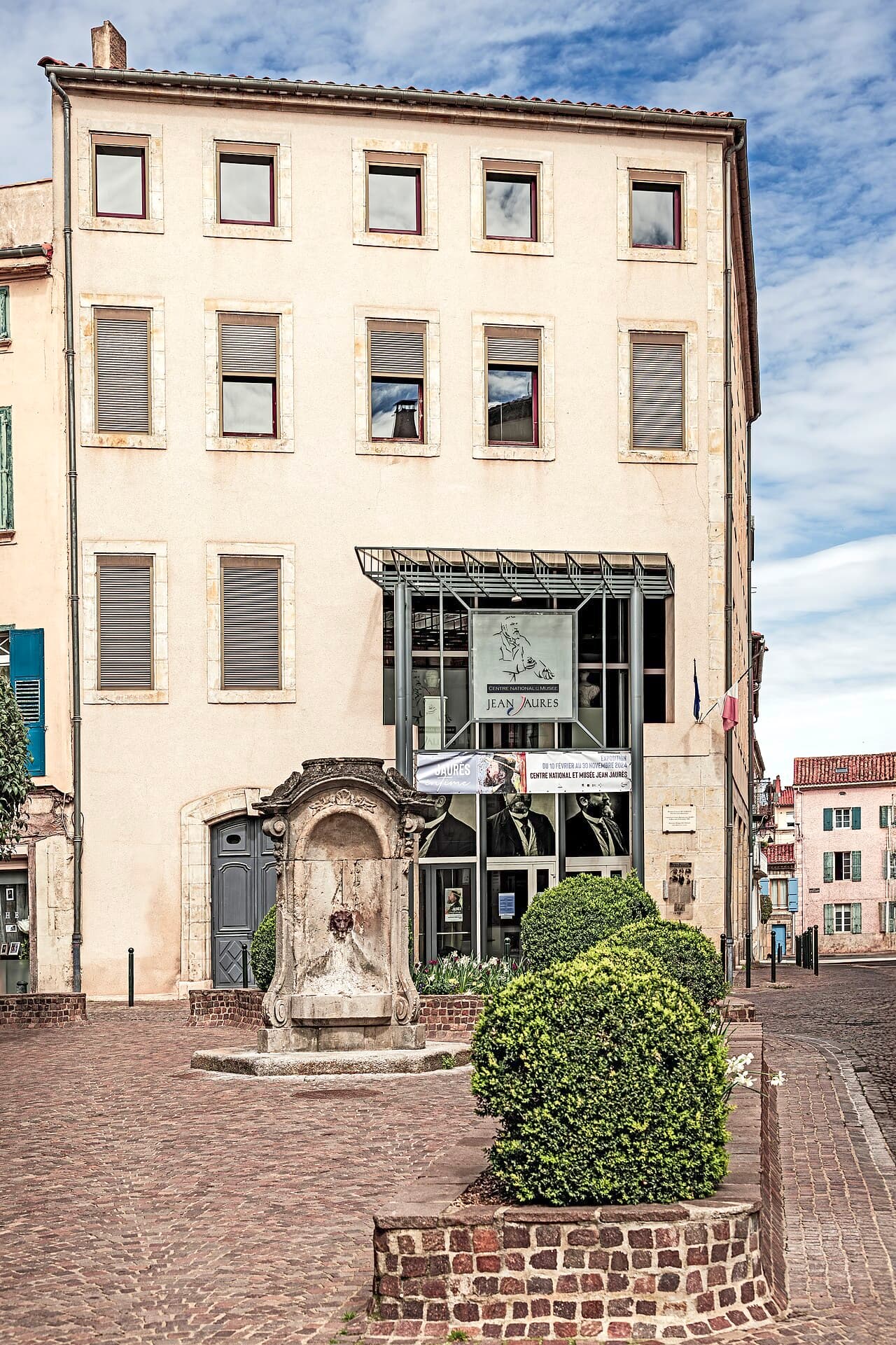 Museum
Centre National et Musée Jean-Jaurès
Castres
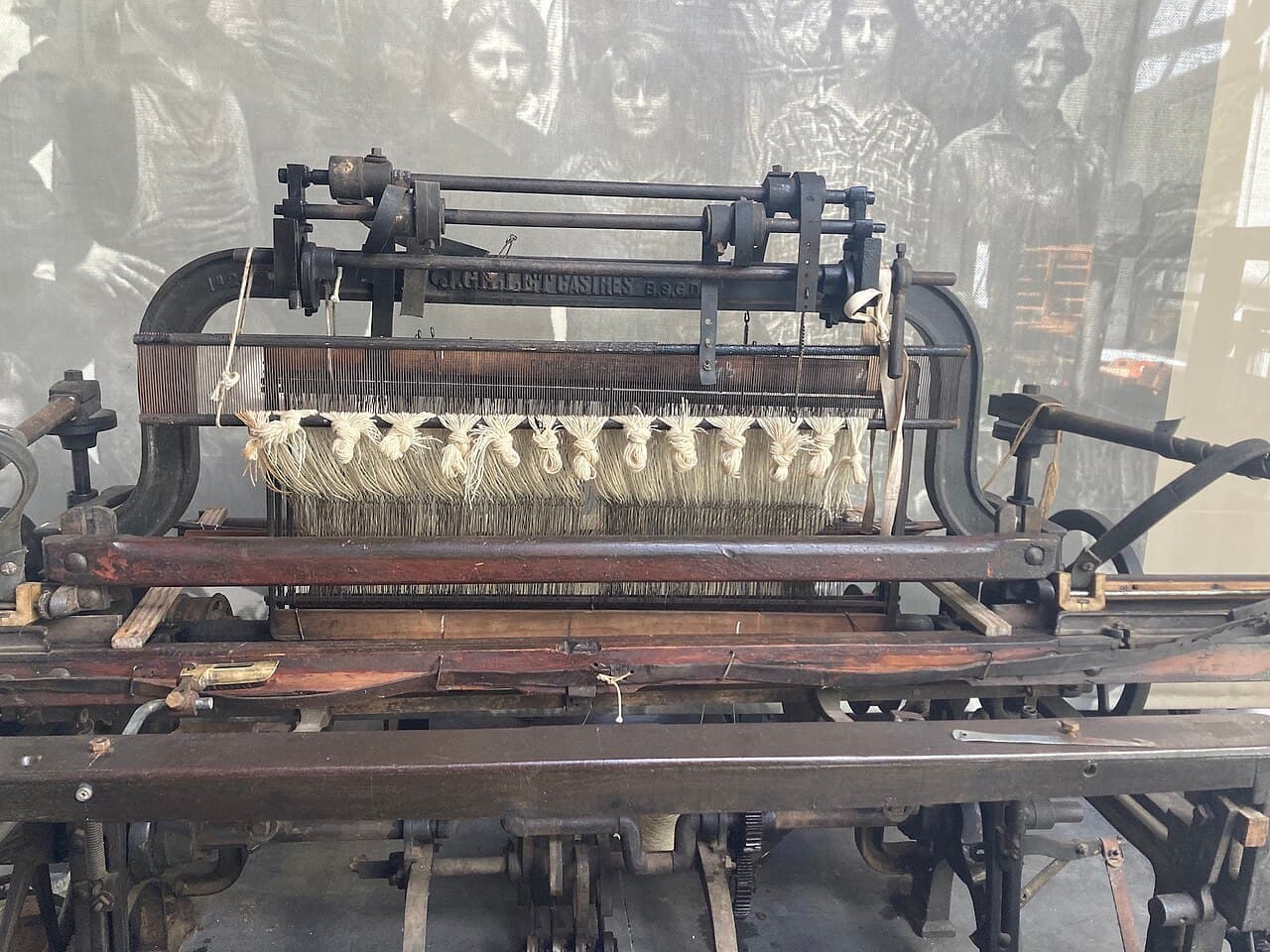 Museum
Musée départemental du textile
Labastide-Rouairoux
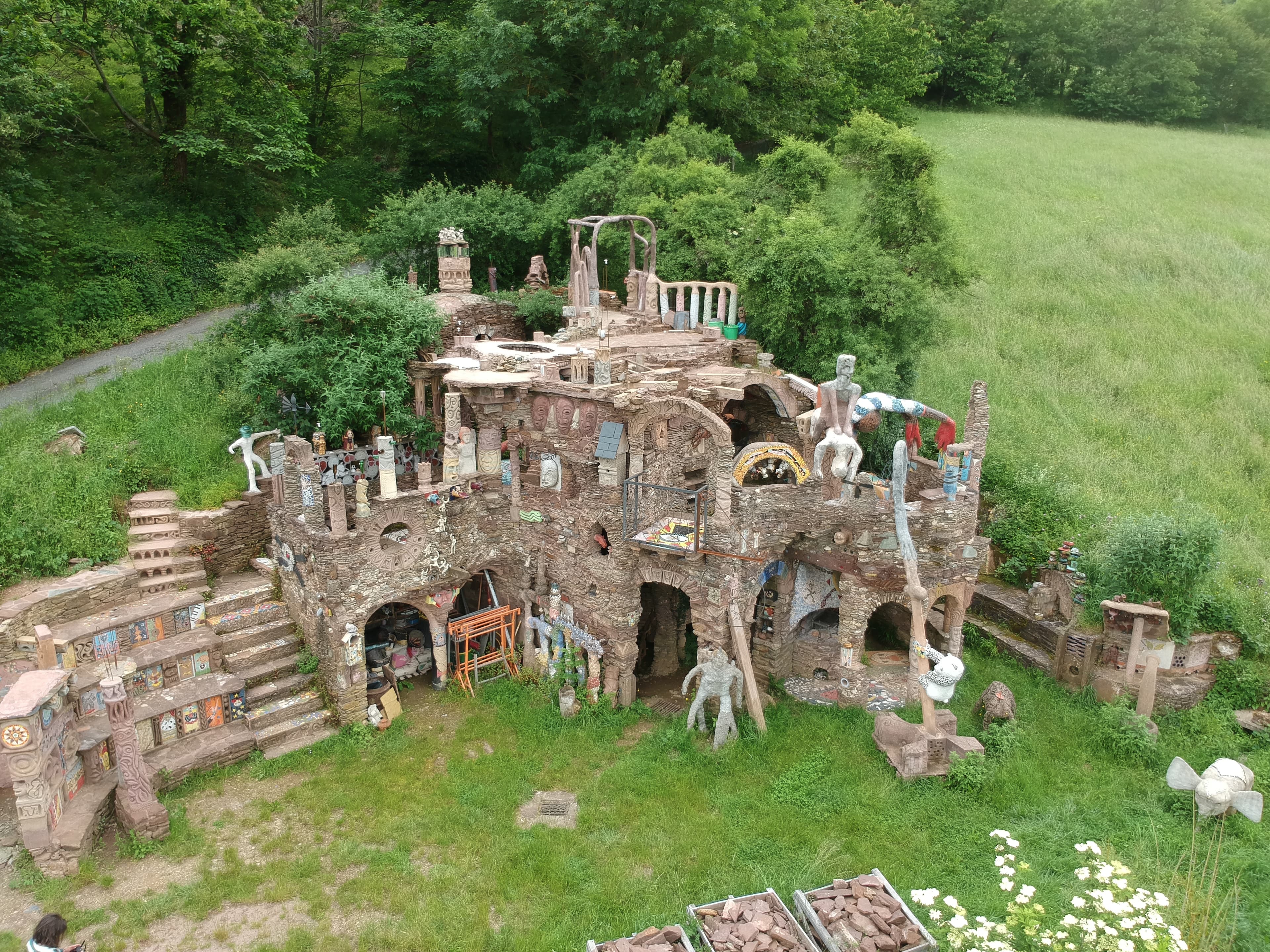 Museum
La Construction Insolite
Saint-Sever-du-Moustier
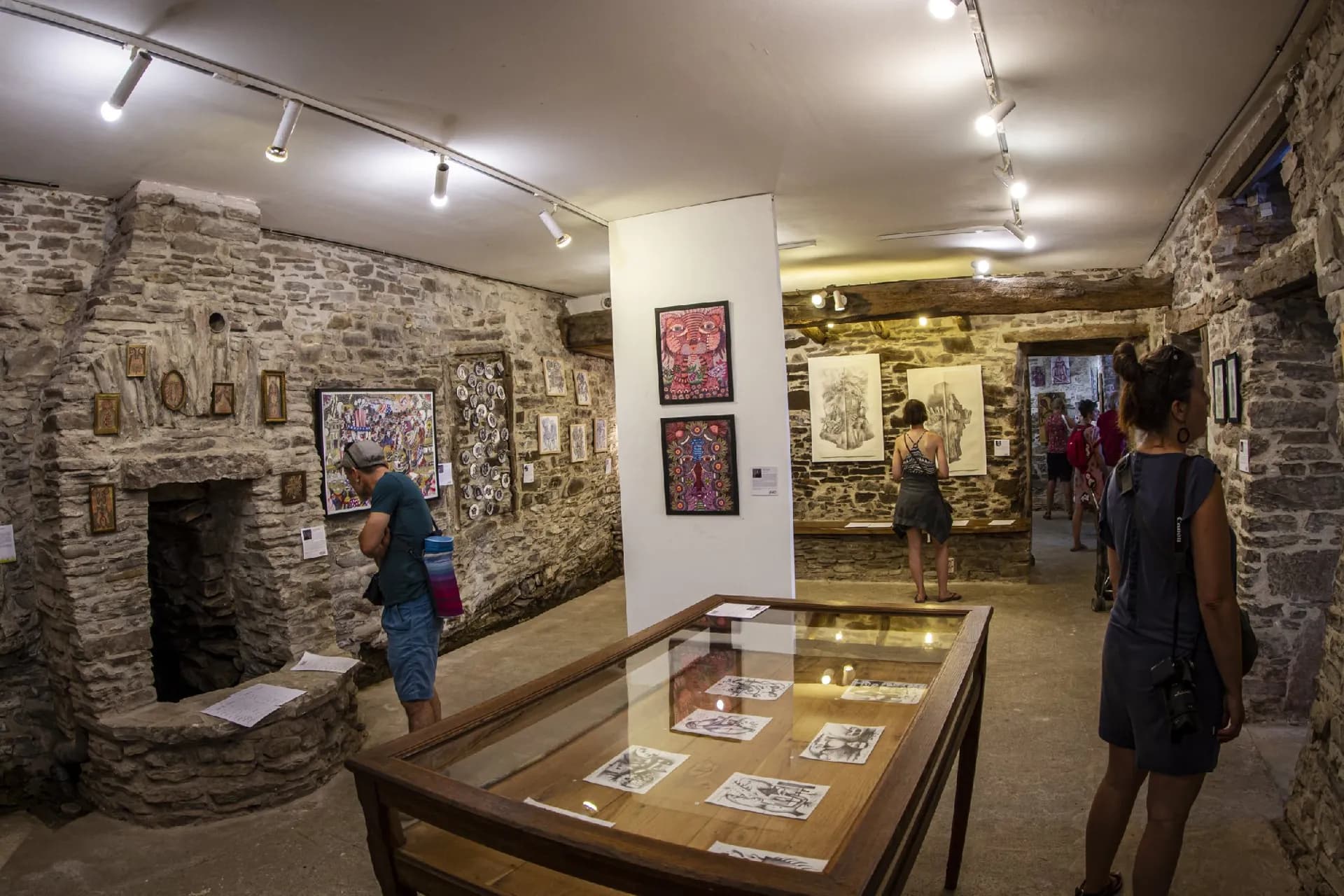 Museum
Musée des Arts Buissonniers
Saint-Sever-du-Moustier
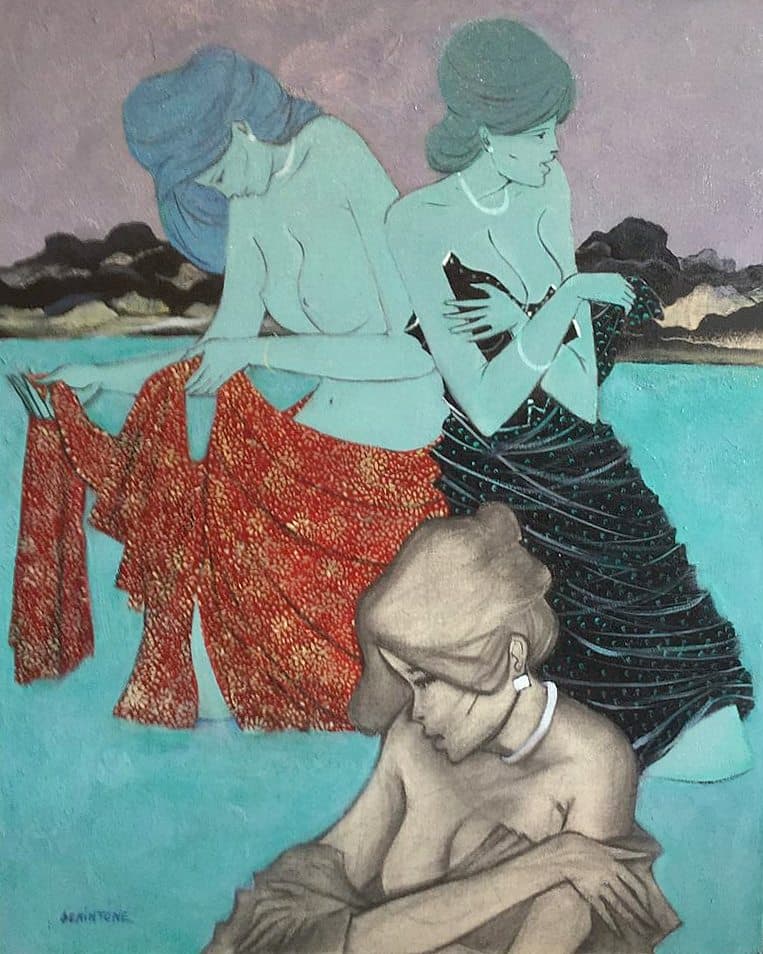 Gallery
Cathy Lamon
Castres
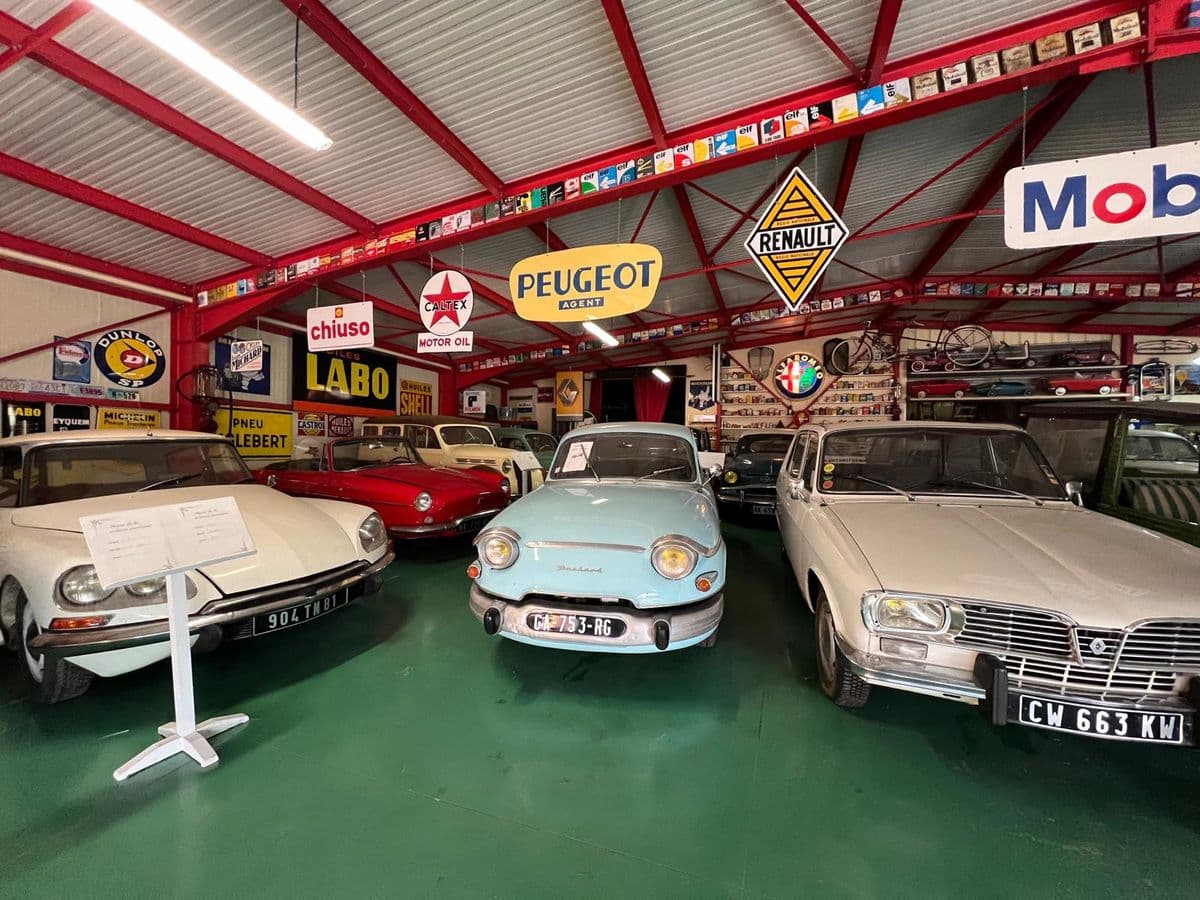 Museum
Musée de l’auto ancienne
Moulin-Mage
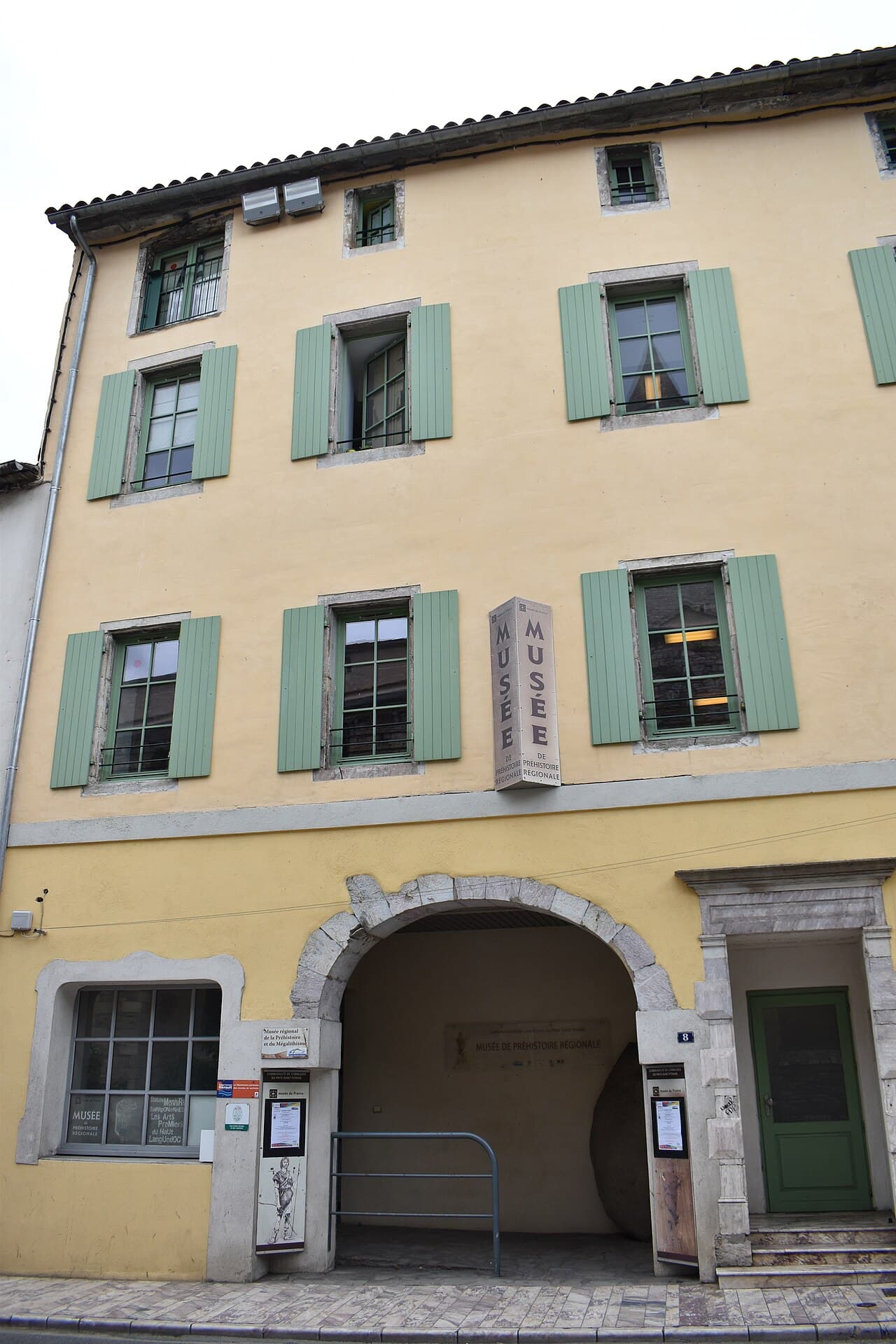 Museum
Musée de préhistoire
Saint-Pons-de-Thomières
 Gallery
La Forestière - Espace photographique
Caunes-Minervois
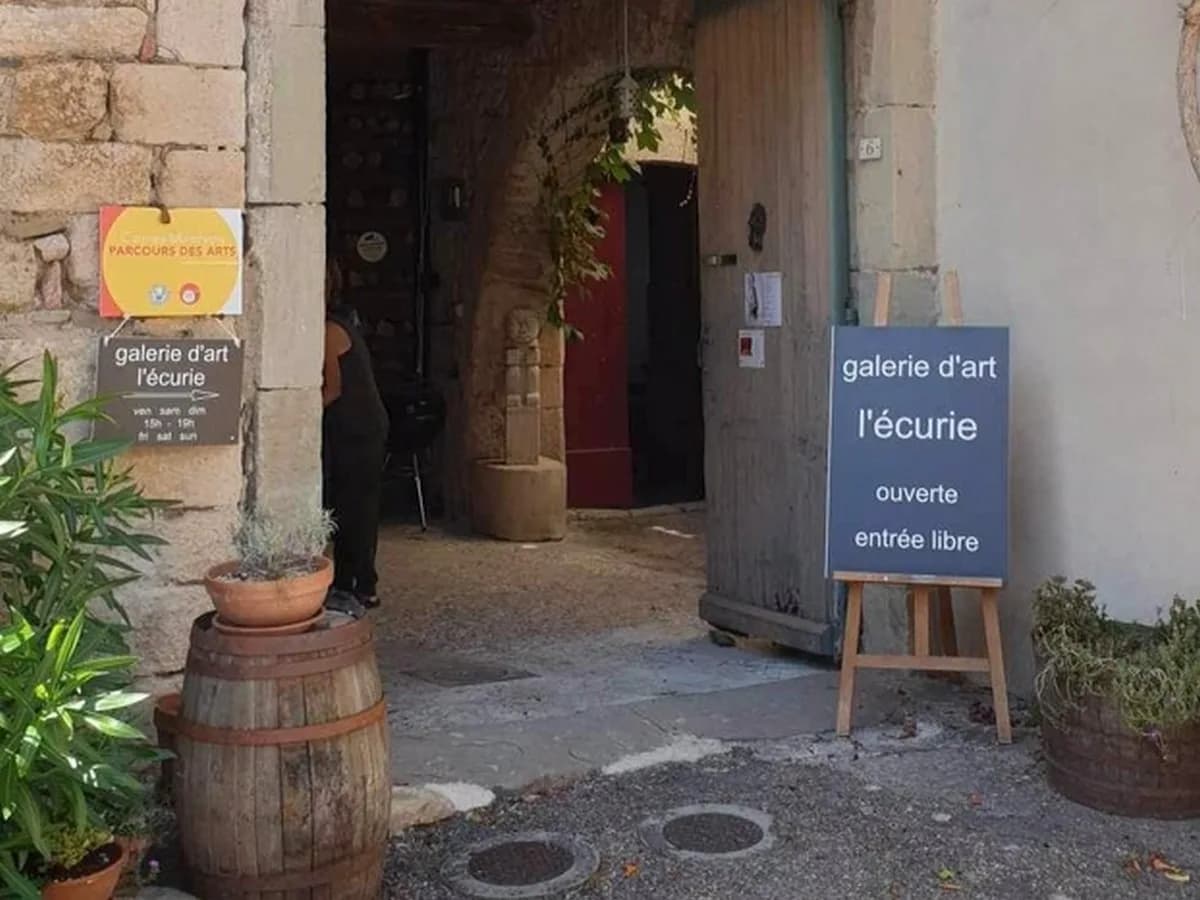 Gallery
Galerie l'Ecurie
Caunes-Minervois
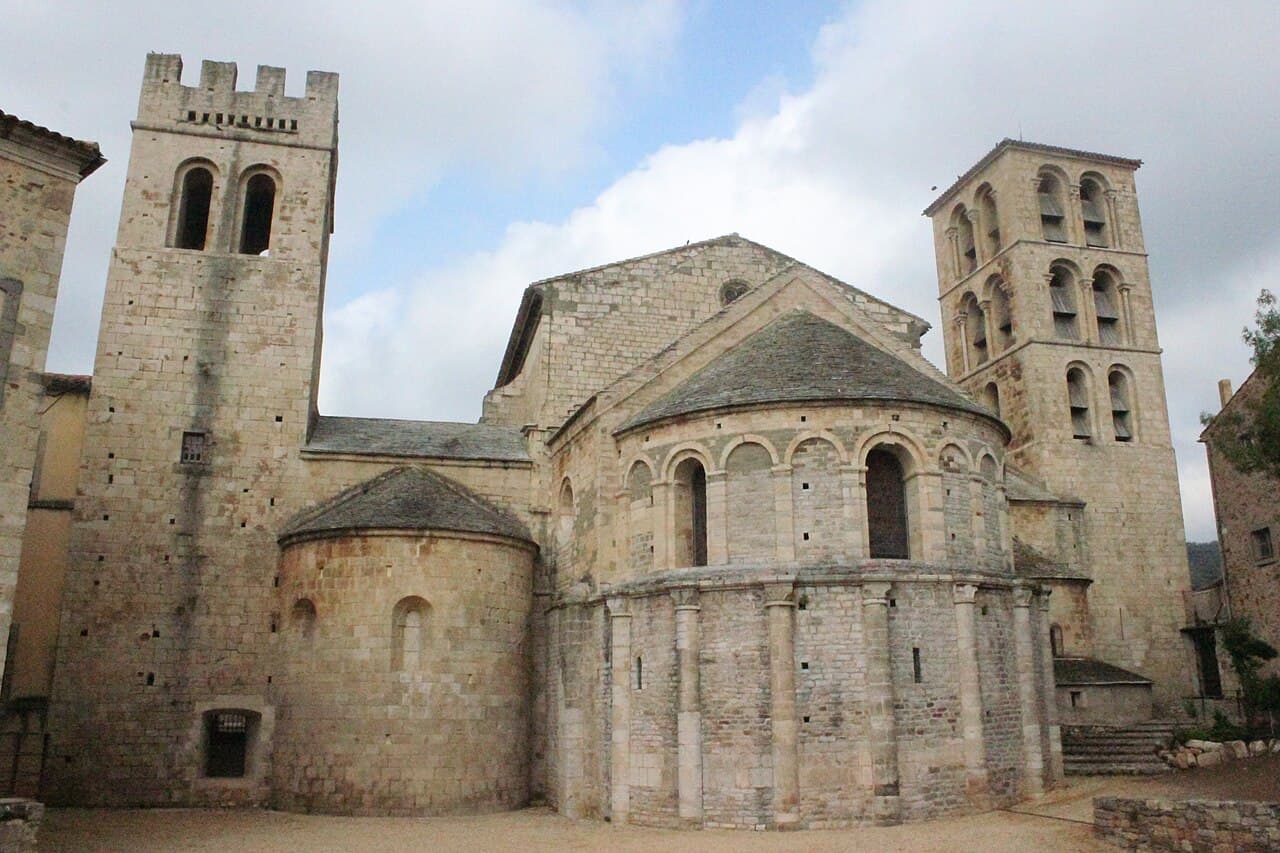 Religious site
Abbaye de Caunes-Minervois
Caunes-Minervois
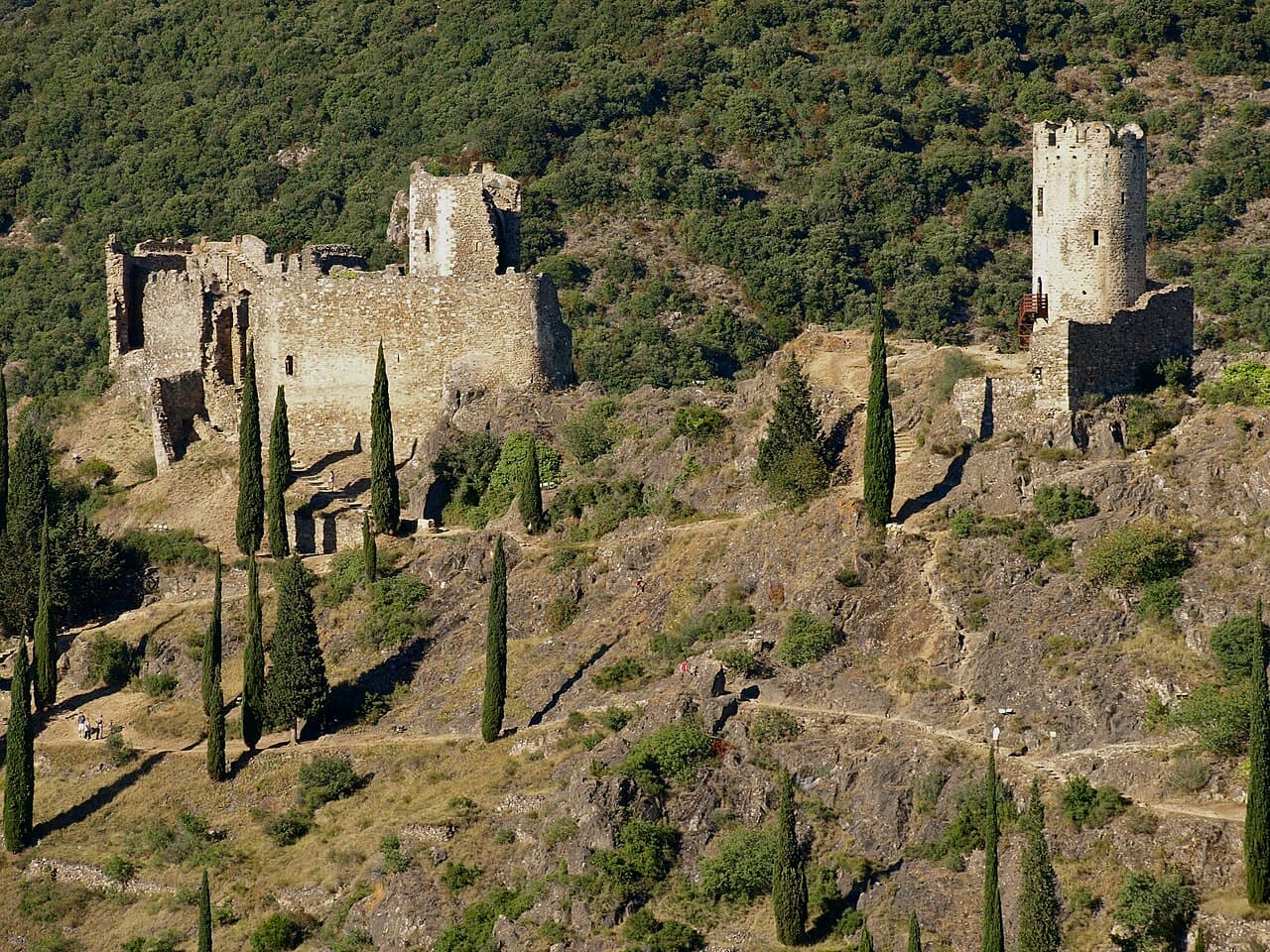 Castle
Châteaux de Lastours
Lastours
 Gallery
Galerie d'art Knockaert Els
Olargues
 Gallery
Ancienne Église Saint-Gilles
Ambialet
 Gallery
La Chouette de Minerve
Minerve
Faubourg 31
Puylaurens
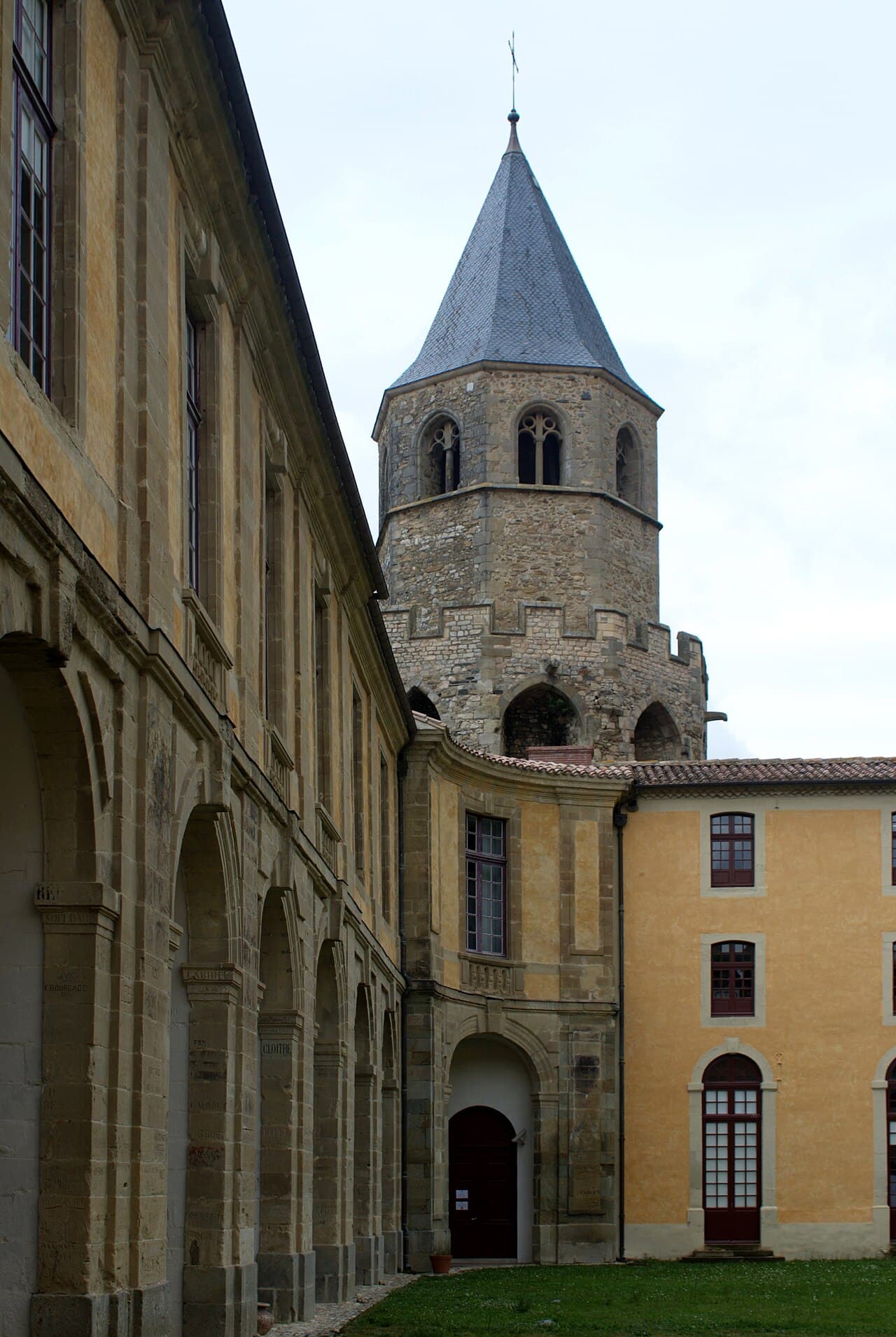 Religious site
Abbaye-école de Sorèze
Sorèze
 Gallery
ArtCoBlan
Blan
Pascale Moret Galerie
Albi
 Gallery
Art Graulhet
Graulhet
 Gallery
Atelier d'art Gaelle Ferradini
Montolieu
Les toiles d'étoiles
Villalier
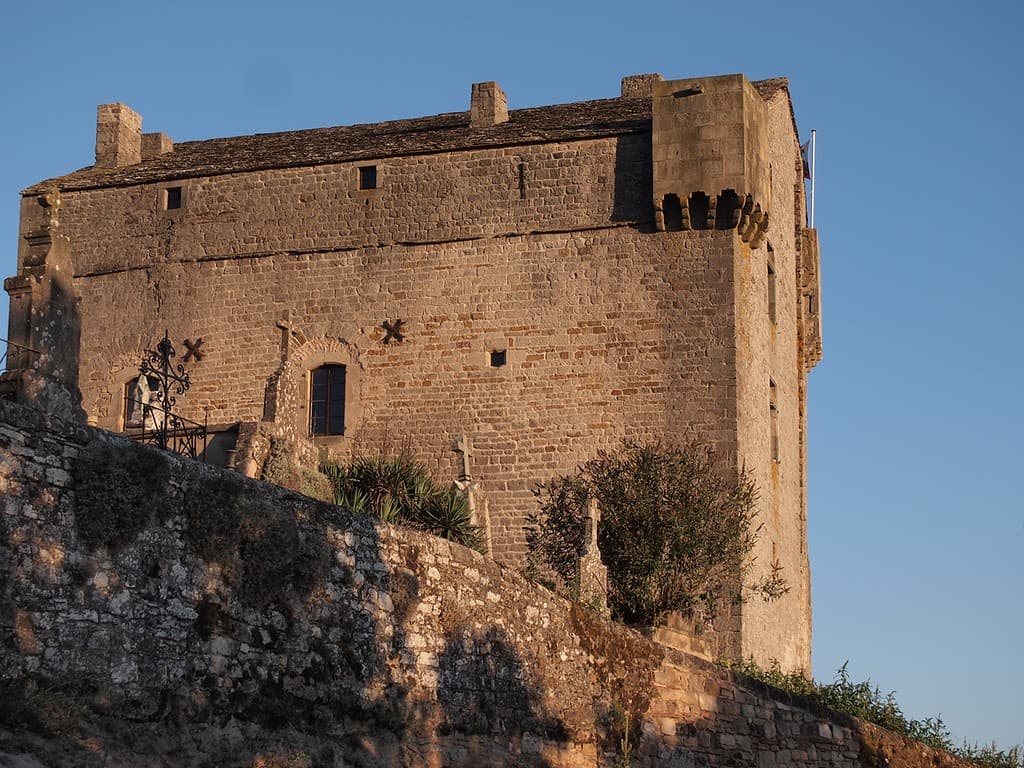 Castle
Château de Montaigut
Gissac
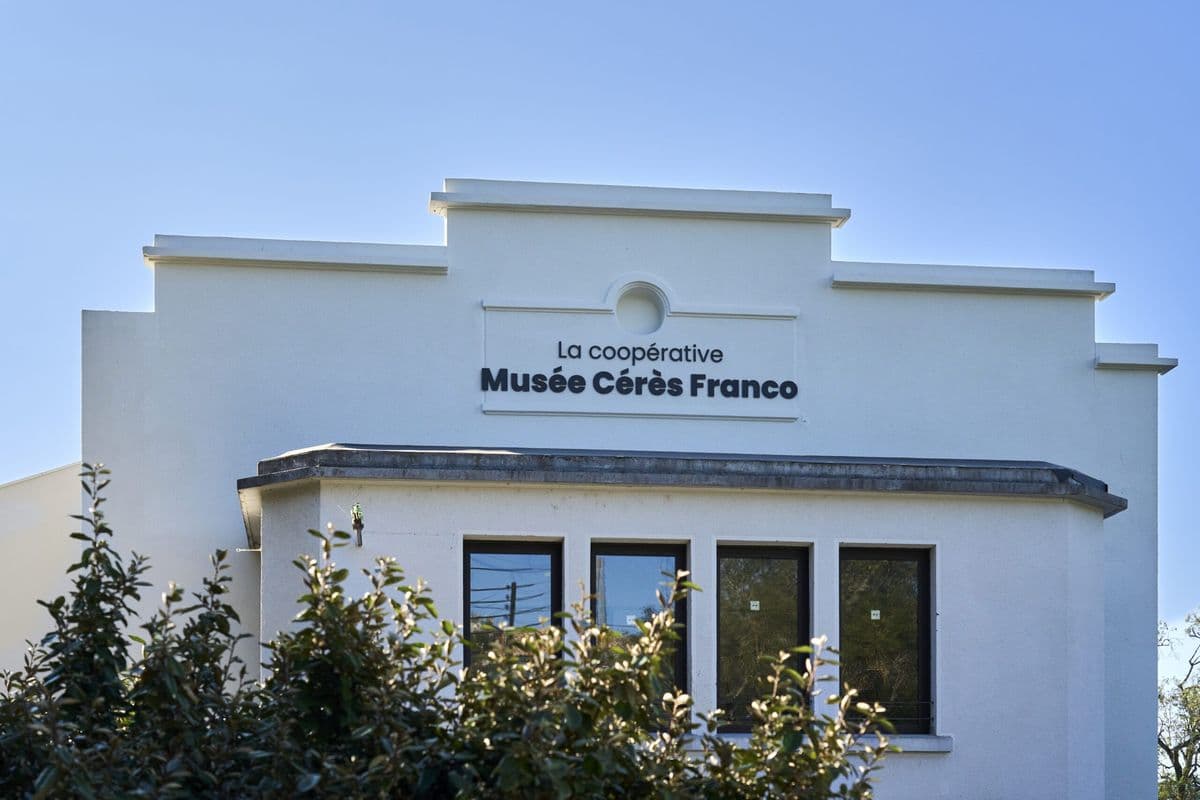 Museum
La Coopérative-musée Cérès Franco
Montolieu
 Gallery
Espace Art
Albi
 Gallery
Espace d'exposition - Hôtel Rochegude
Albi
 Heritage
Episcopal City of Albi
Albi
 Gallery
Galerie Jérôme Morcillo
Albi
 Gallery
Ateliers Cub'Art
Albi
 Gallery
Galerie Mémoires
Albi
 Gallery
Galerie 144
Olonzac
 Gallery
Galerie Nadine Granier
Albi
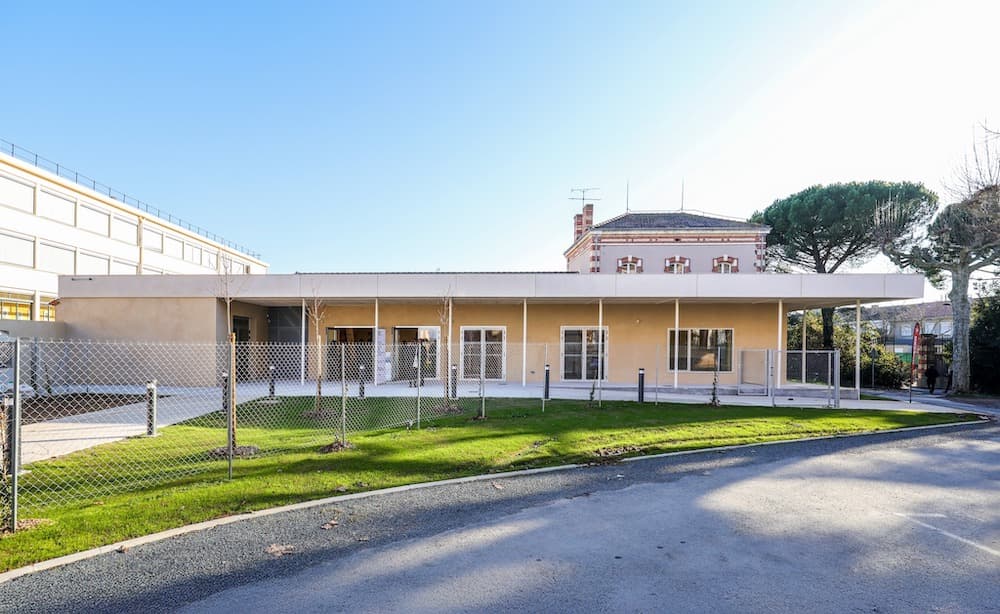 Museum
Centre d'art Le Lait
Albi
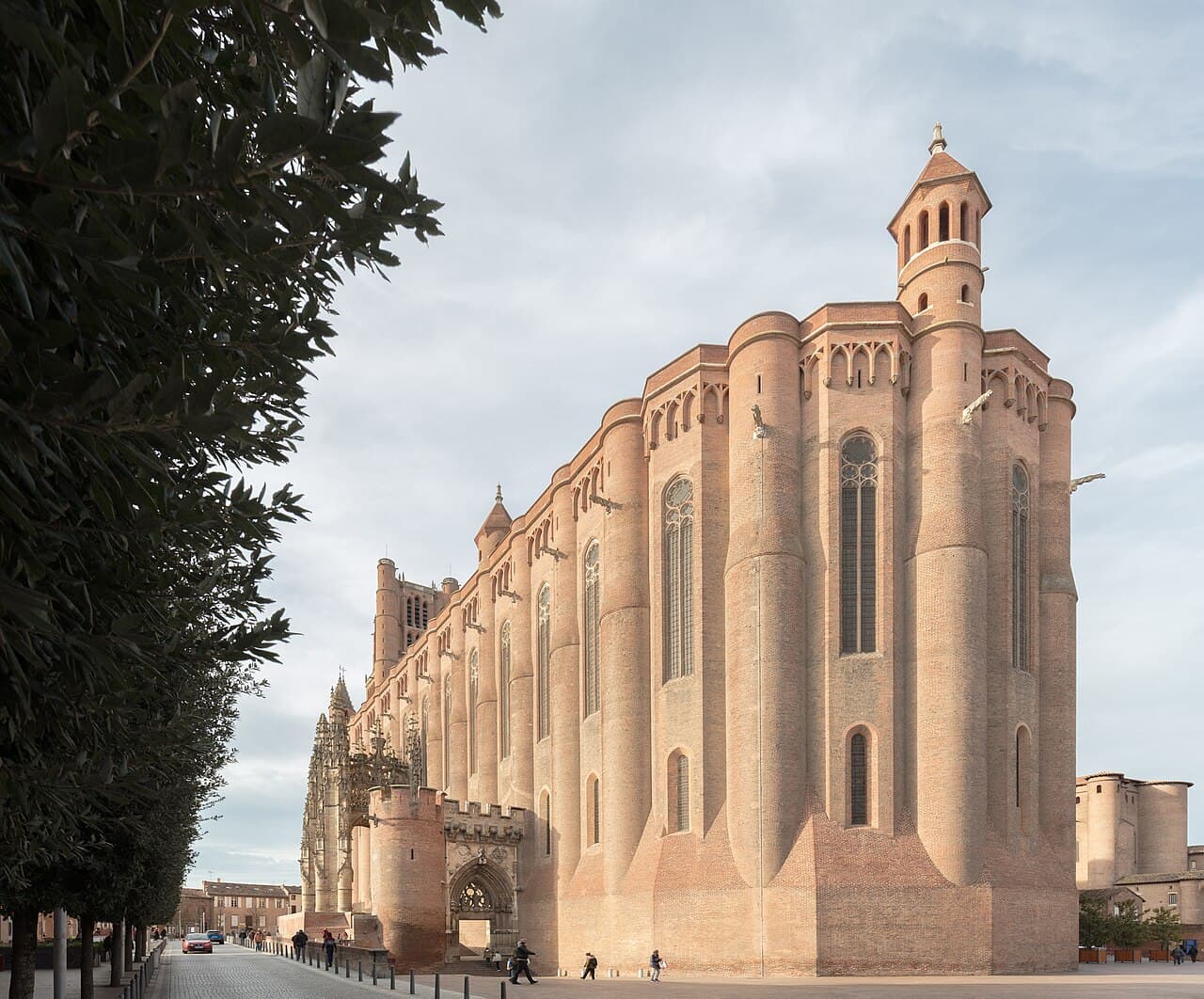 Religious site
Cathédrale Sainte-Cécile d'Albi
Albi
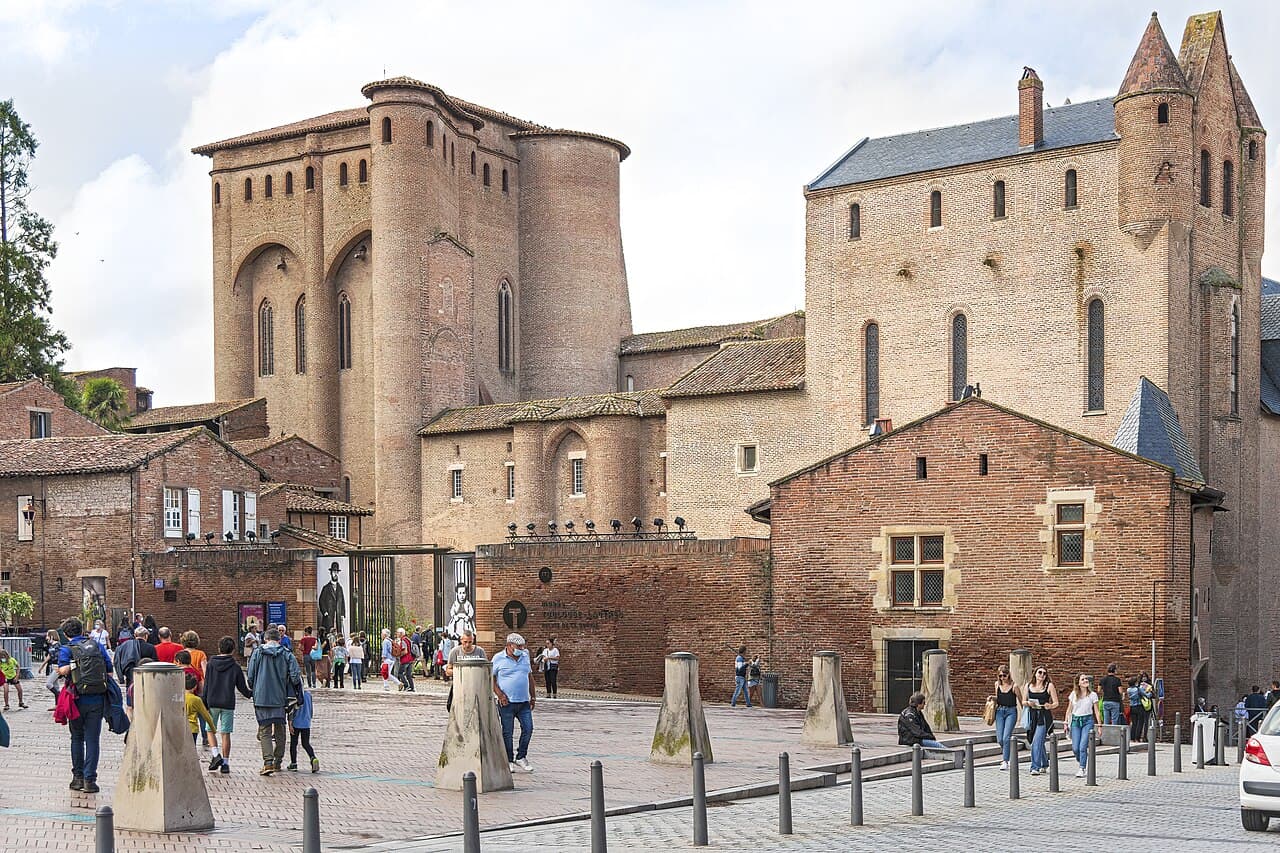 Museum
Musée Toulouse-Lautrec
Albi
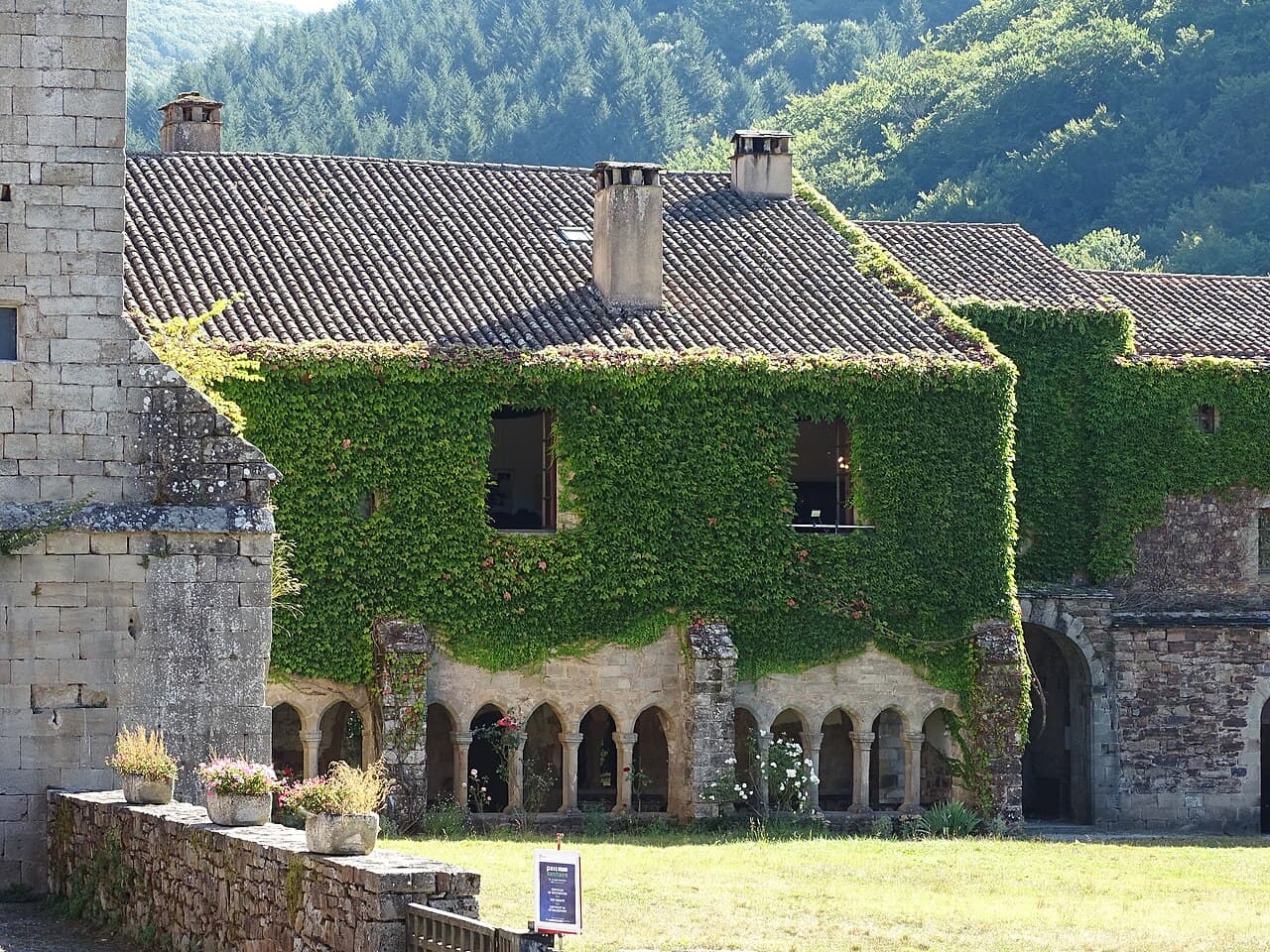 Religious site
Abbaye de Sylvanès
Sylvanès
 Gallery
Chapelle Saint-François Xavier
Carcassonne
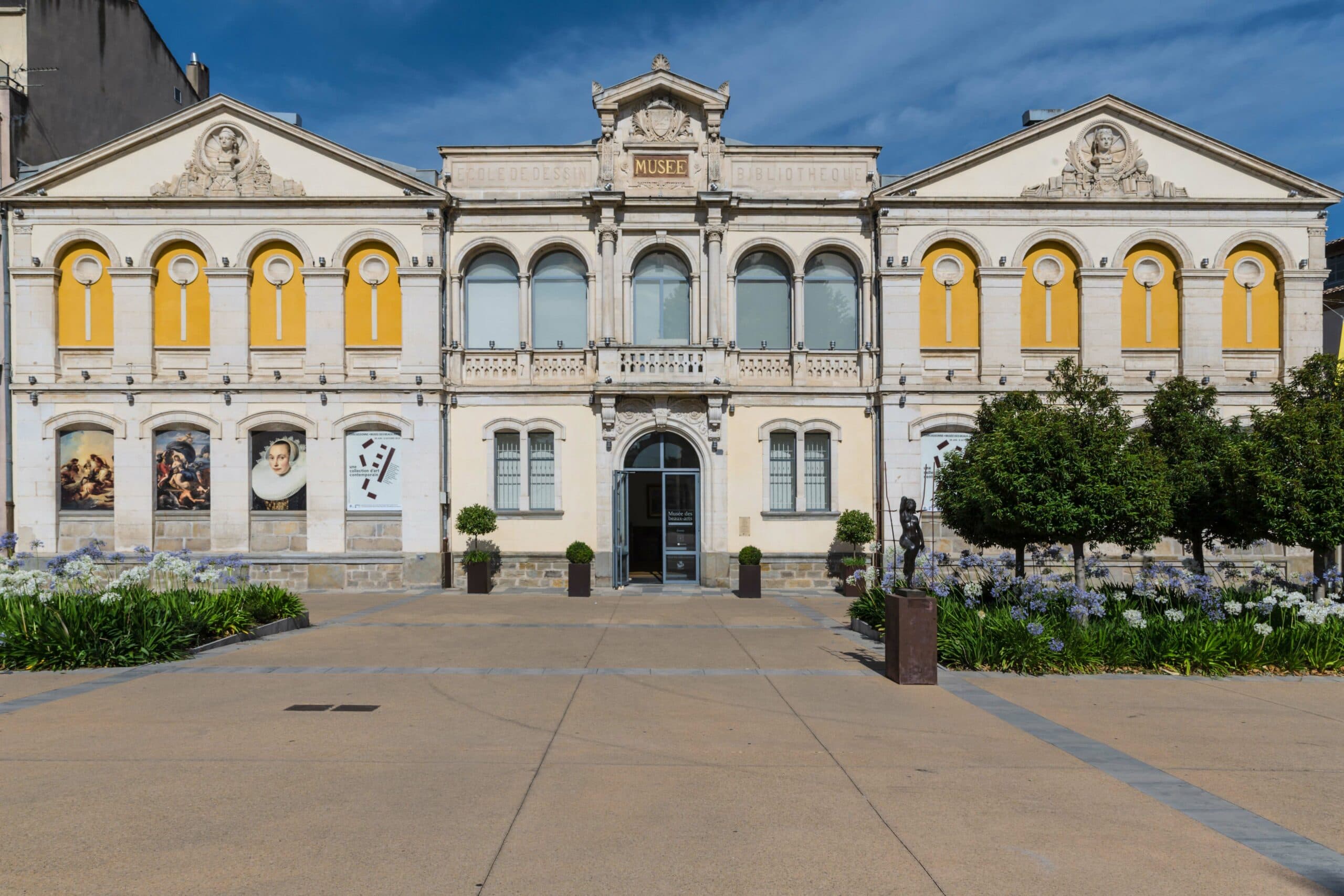 Museum
Musée des Beaux-Arts de Carcassonne
Carcassonne
 Gallery
Chapelle des Dominicaines
Carcassonne
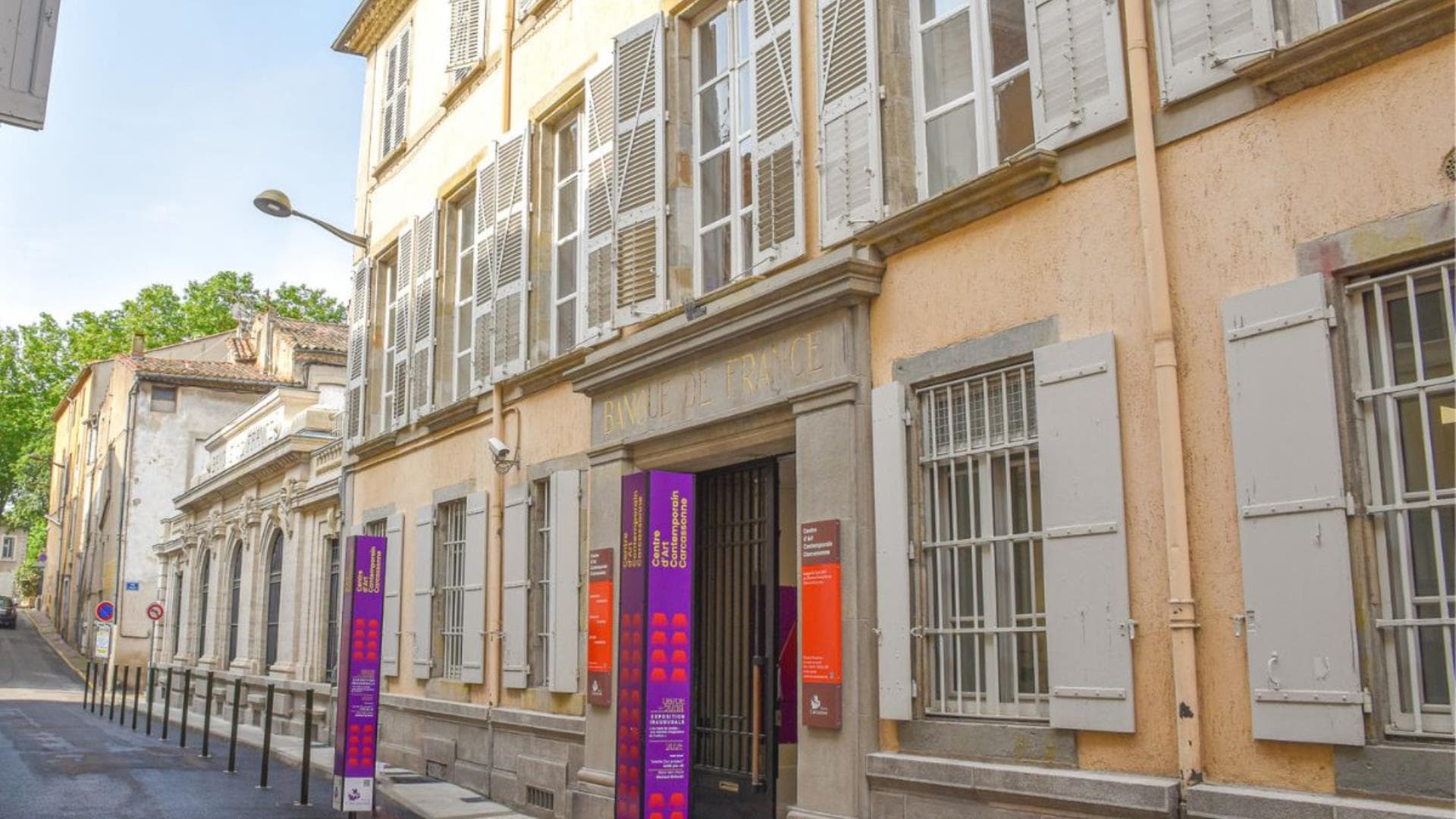 Museum
Centre d'Art Contemporain de Carcassonne
Carcassonne
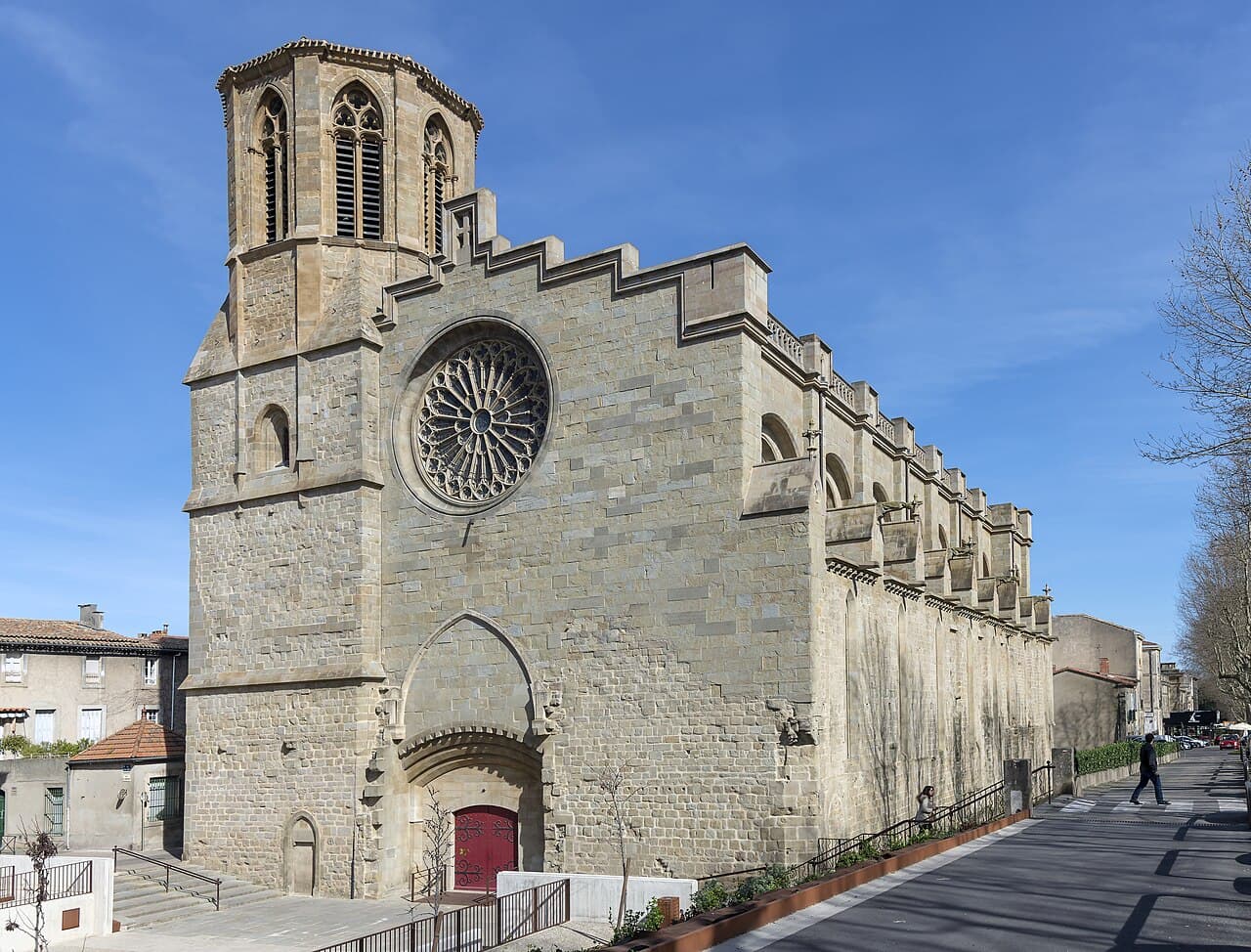 Religious site
Cathédrale Saint-Michel de Carcassonne
Carcassonne
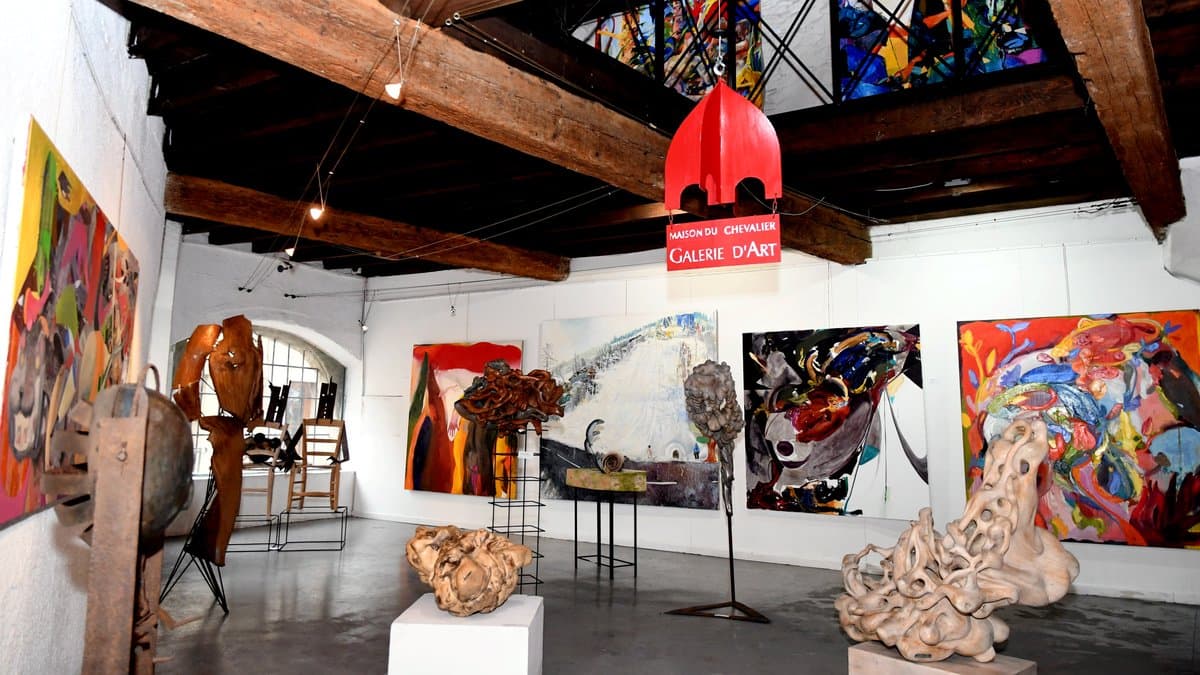 Gallery
La Maison du Chevalier
Carcassonne
 Gallery
Maison des arts et de la nature
Villesèquelande
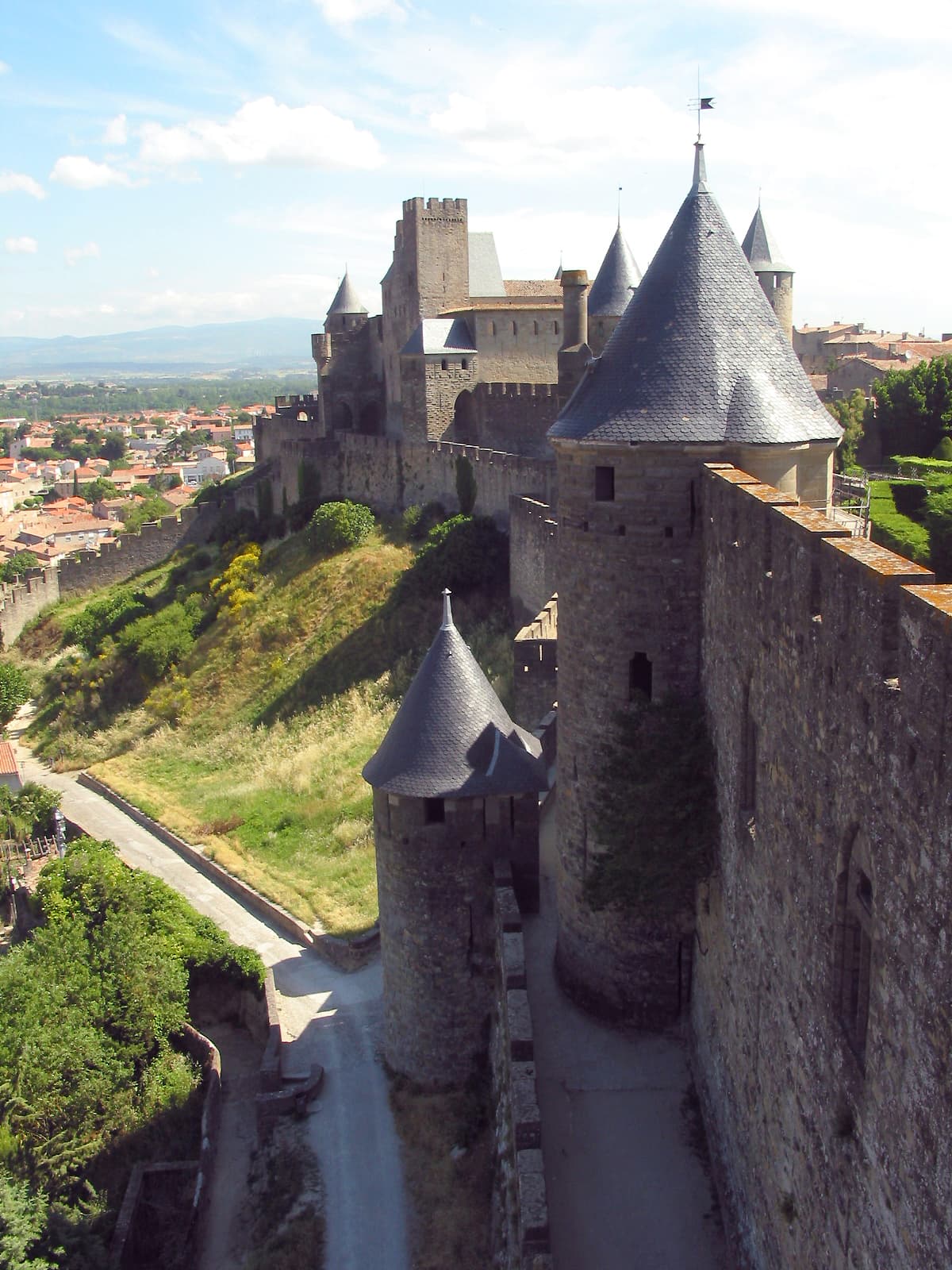 Castle
Cité de Carcassonne et château comtal
Carcassonne
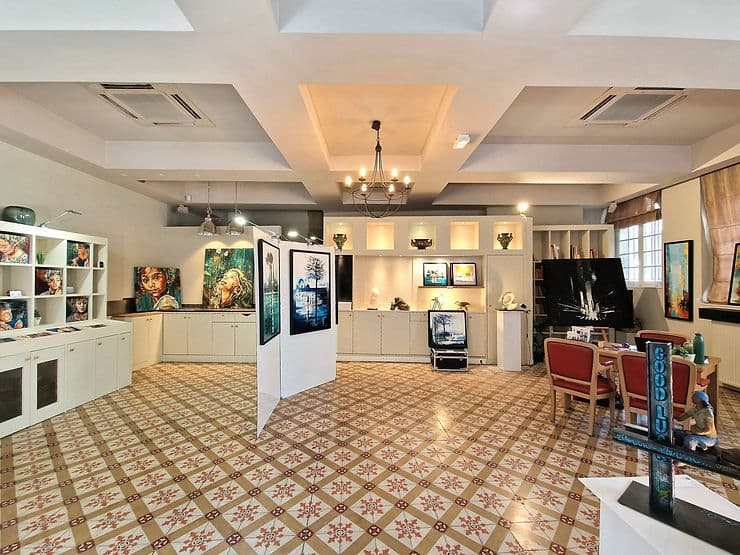 Gallery
Galerie De La Cité
Carcassonne
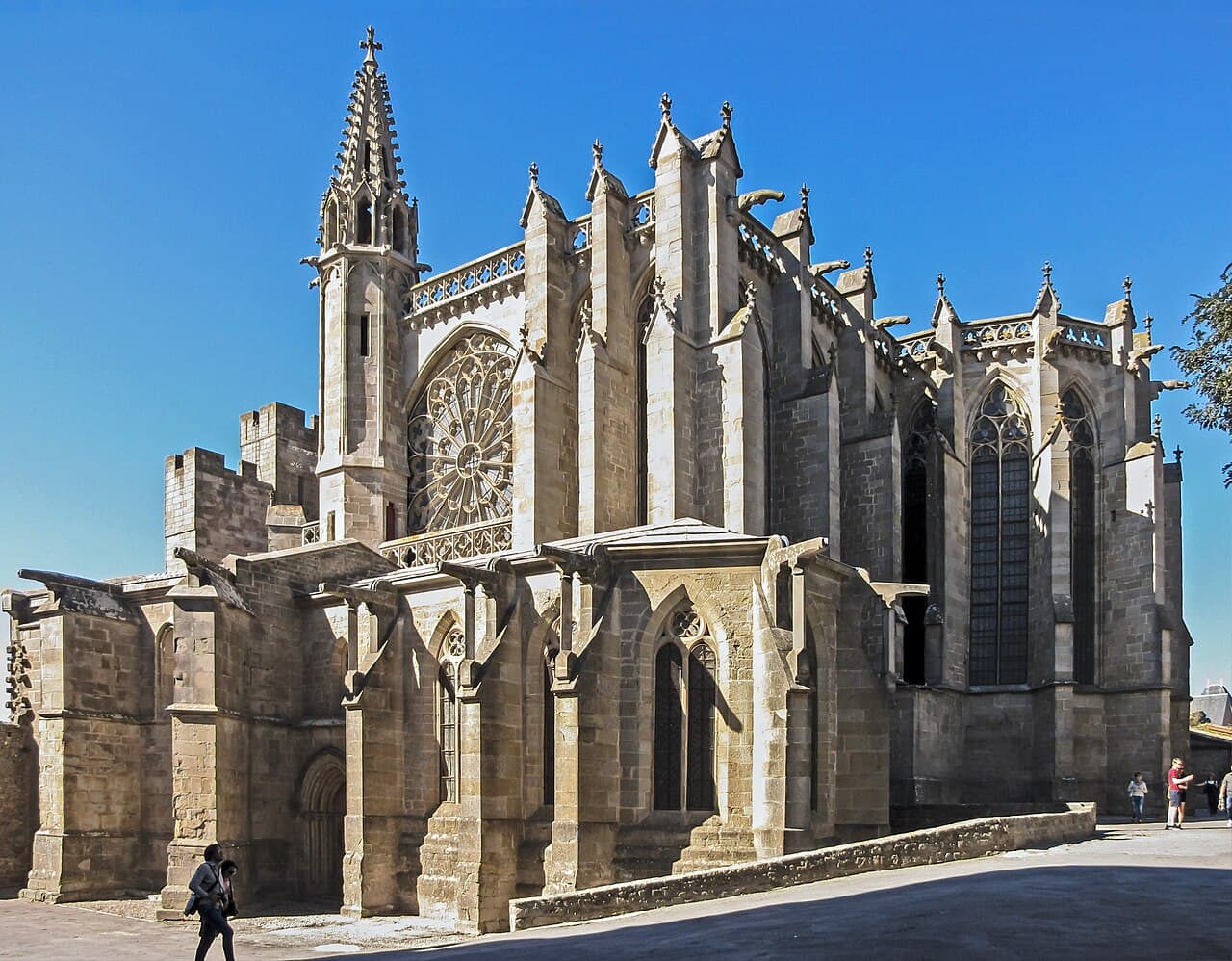 Religious site
Basilique Saint-Nazaire de Carcassonne
Carcassonne
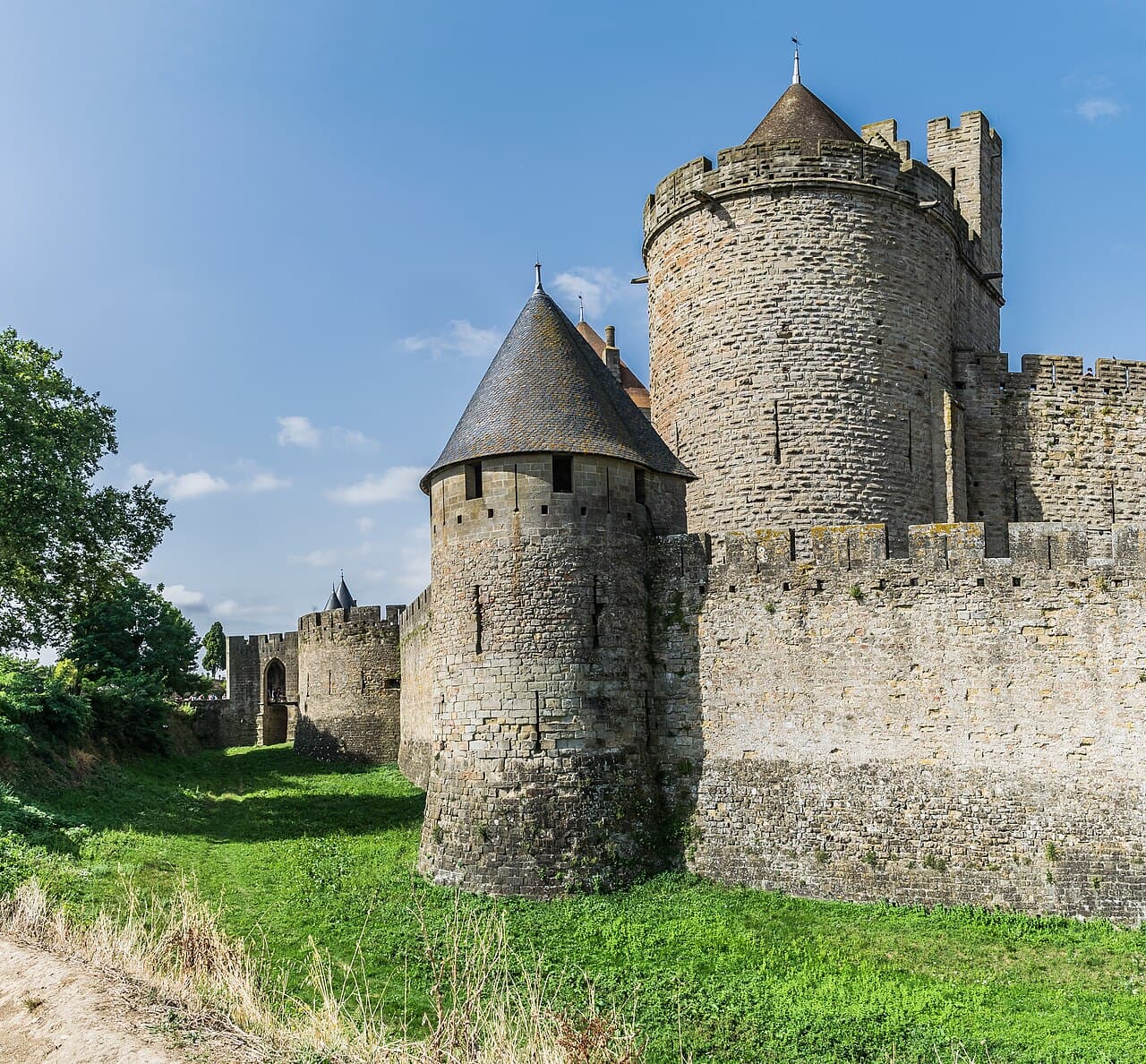 Heritage
Historic Fortified City of Carcassonne
Carcassonne
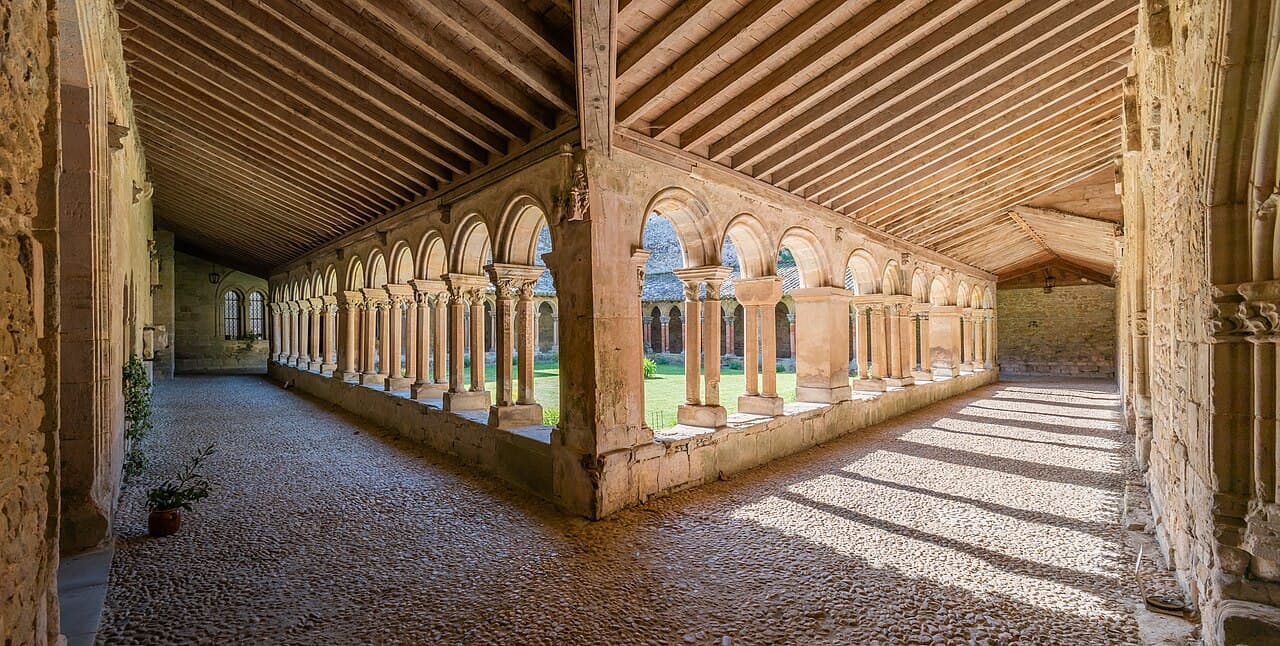 Religious site
Abbaye de Saint-Papoul
Saint-Papoul
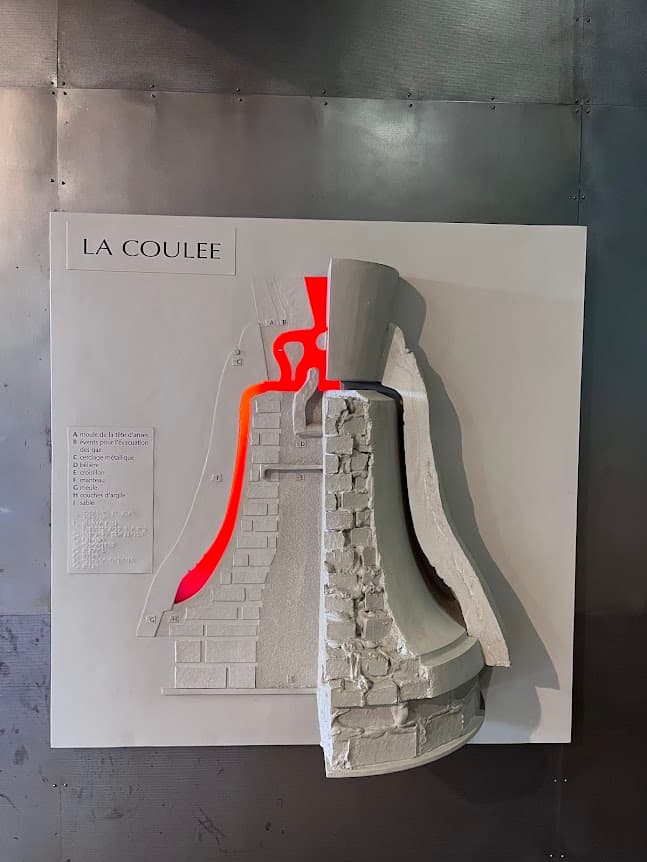 Museum
Musée de la cloche et de la sonnaille
Hérépian
 Gallery
Le Clap
Paraza
 Gallery
Sylvie Dauriac Art
Carcassonne
 Gallery
Studio Causses
Causses-et-Veyran
 Gallery
Images/Ventenac
Ventenac-en-Minervois
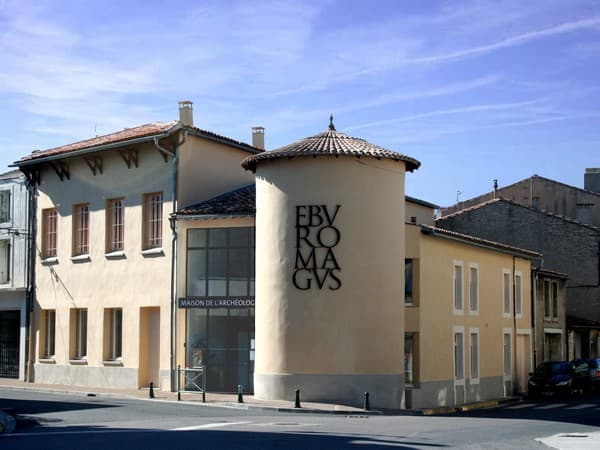 Museum
Musée municipal "Eburomagus musée archéologique"
Bram
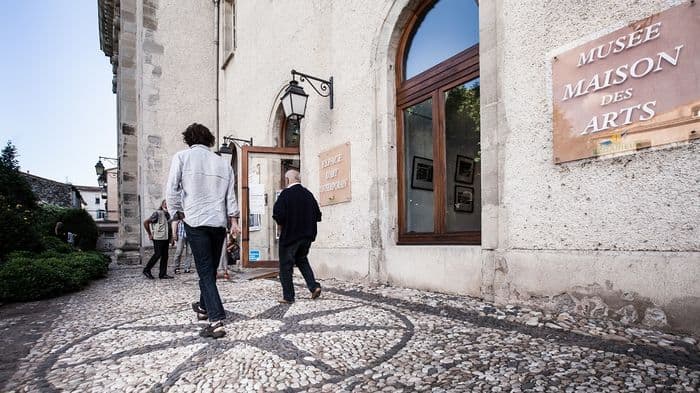 Museum
Maison des Arts - Espace d'Art Contemporain
Bédarieux
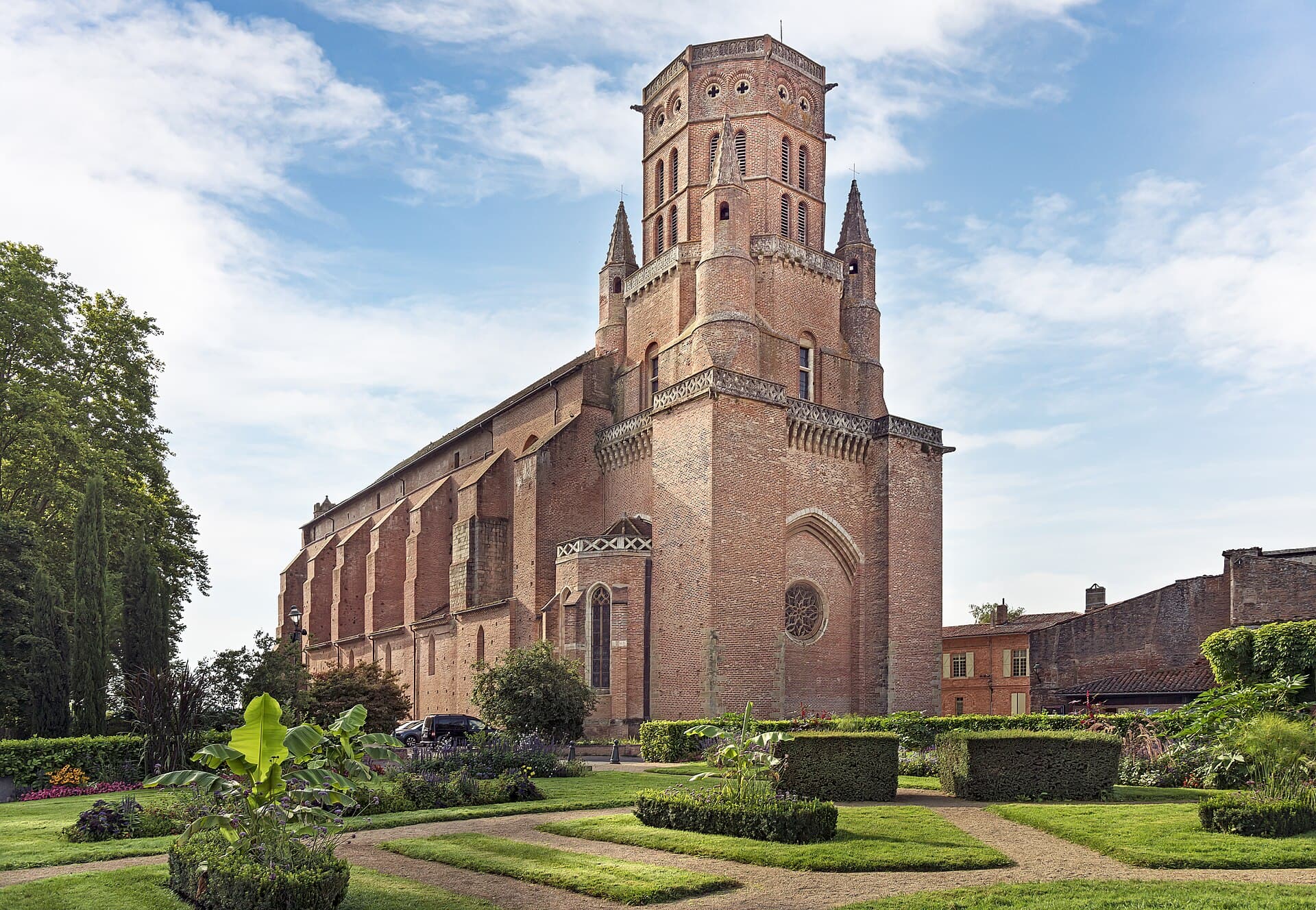 Religious site
Cathédrale Saint-Alain de Lavaur
Lavaur
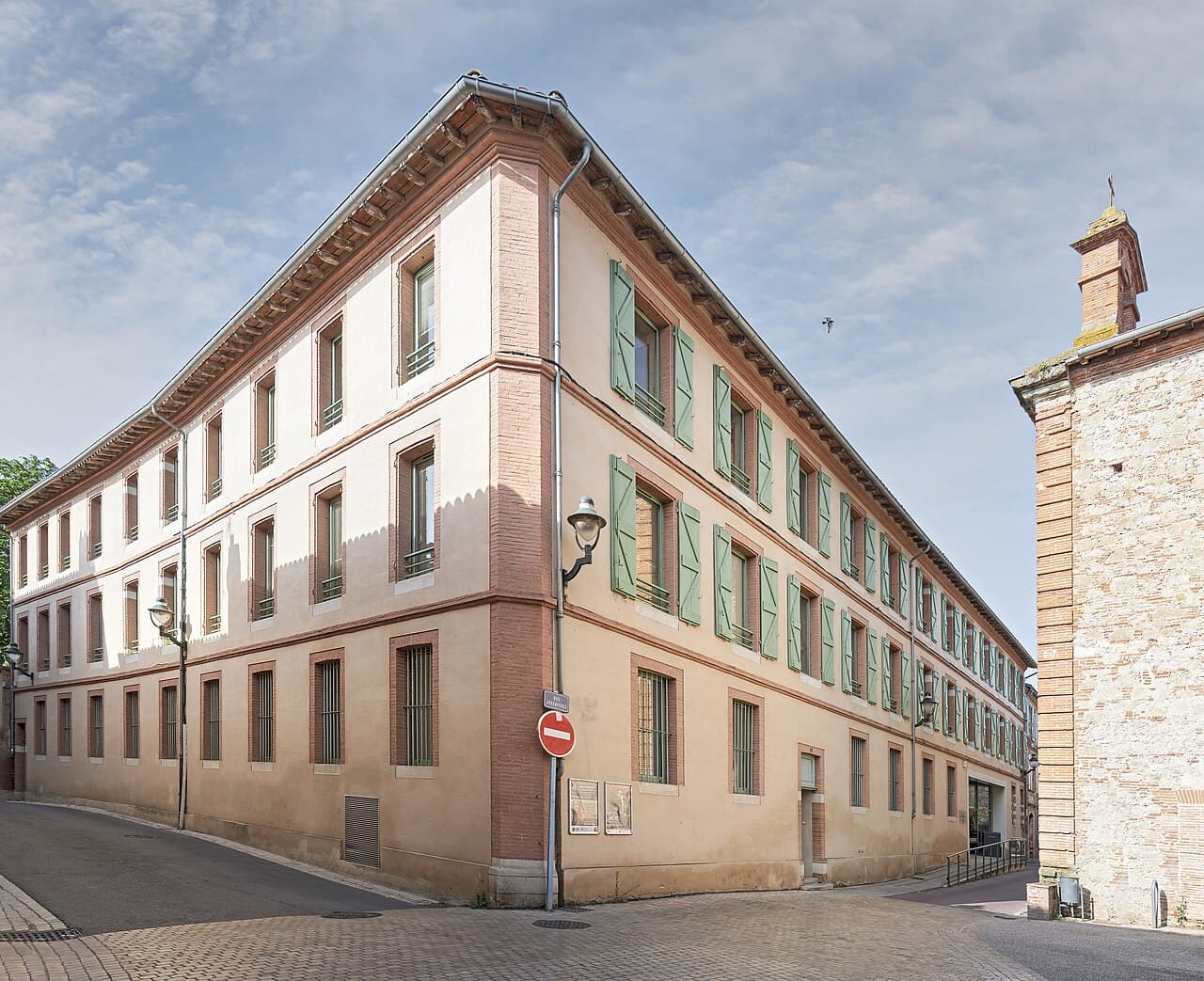 Museum
Musée du pays de Cocagne
Lavaur
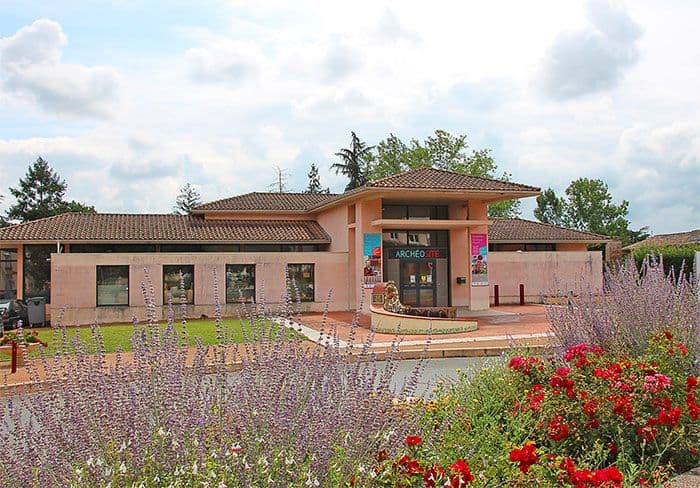 Museum
Archéosite de Montans
Montans
A Region Shaped by History and Diversity
Occitania is France's second-largest region, and its cultural geography reflects centuries of layered history. In Toulouse, the pink-brick capital, aerospace innovation coexists with Renaissance architecture: the Cité de l'espace explores space exploration through interactive exhibits, while the Fondation Bemberg occupies the 1555 Hôtel d'Assézat with a collection spanning Renaissance portraiture to Bonnard.
Further south, Perpignan carries a strong Catalan identity, visible in the Musée Casa Pairal, housed in the fortified Castillet gate, and in the mountain town of Céret, where the Musée d'Art Moderne de Céret holds works linked to Picasso, Matisse and Soutine, artists who visited the town in the early twentieth century.
Along the Mediterranean coast, Nîmes preserves some of the best-conserved Roman monuments in Europe, while Montpellier has built a reputation as a hub for contemporary and photographic art.
Cities and Their Distinct Character
Each major city in Occitania has developed its own cultural signature. Toulouse concentrates its museums around the historic center: the Musée des Augustins occupies a former convent with a remarkable cloister, and the Musée Saint-Raymond gathers archaeological collections tracing the city's Roman and medieval past.
In Montpellier, the Pavillon Populaire offers free entry to major photography exhibitions, while the MO.CO. Panacée anchors the city's contemporary art scene in a former Jesuit college near the historic Ecusson district.
In Nîmes, the Roman heritage is inseparable from the city's identity: the Maison Carrée, a first-century temple, stands just steps from the arena and the CACN - Centre d'Art Contemporain de Nîmes, which brings a contemporary counterpoint to the city's ancient monuments.
Pilgrimage, Prehistory and Popular Culture
Lourdes, in the Hautes-Pyrénées, forms one of the world's foremost Catholic pilgrimage sites following the 1858 apparitions reported by Bernadette Soubirous. The Maison Paternelle de Sainte Bernadette and the Musée du Petit Lourdes document this history, alongside the Musée de Cire de Lourdes, which stages roughly a hundred wax figures related to the town's story.
Elsewhere in the region, paleontology has a strong local presence: the Musée des Dinosaures in Mèze presents an open-air site linked to fossil discoveries in the area, while the Musée des Dinosaures d'Espéraza in Aude focuses on the paleontological finds of the surrounding Corbières hills.
Modern and modest art forms also find a place here: Sète's Musée International des Arts Modestes celebrates everyday objects elevated to art status, a distinctly Mediterranean take on popular culture.
Frequently asked questions
Which city in Occitania is best for a museum-focused weekend?
Toulouse offers the widest concentration of major museums, including the Musée des Augustins, Musée Saint-Raymond, Fondation Bemberg and the Cité de l'espace, all reachable within the city center or a short tram ride.
Is it possible to visit both Carcassonne and the Cité épiscopale d'Albi in one trip?
Yes, the two UNESCO sites are about an hour apart by car and are commonly combined in a two-to-three-day itinerary through the Aude and Tarn departments.
What is the best time of year to visit the Pont du Gard and Nîmes?
Spring and early autumn offer milder temperatures for exploring outdoor Roman sites; summer can be very hot, though the Pont du Gard site allows swimming in the Gardon river below the aqueduct.
Are the region's contemporary art galleries free to visit?
Several are, including the Pavillon Populaire in Montpellier and MO.CO. Panacée, though opening hours vary and some exhibitions require advance booking during peak periods.
Is the Pyrénées - Mont Perdu site accessible for casual visitors, or only hikers?
The area around Gavarnie includes accessible viewpoints reachable by short walks, while the wider Mont Perdu massif requires more serious hiking experience and preparation.
How much time should I plan for Carcassonne's fortified city?
Half a day is enough to walk the ramparts and inner town, though staying until evening allows visitors to see the walls illuminated after the daytime crowds have left.