34000
Museums, galleries and heritage around Montpellier
38 places listed in Montpellier itself.
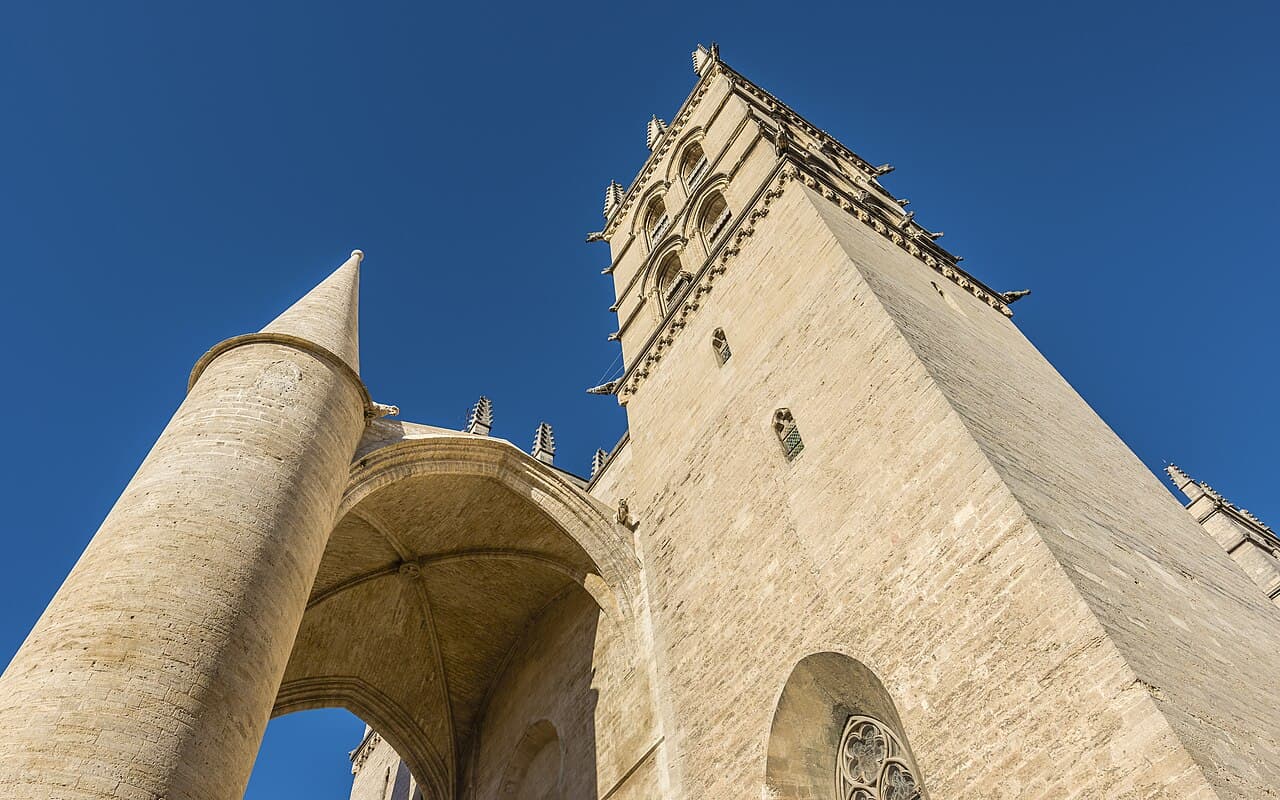
Including Cathédrale Saint-Pierre de Montpellier, MO.CO. Panacée and Château d'O.
39 places to discover within 5 km of Montpellier.
An Art City Built Around Two Poles
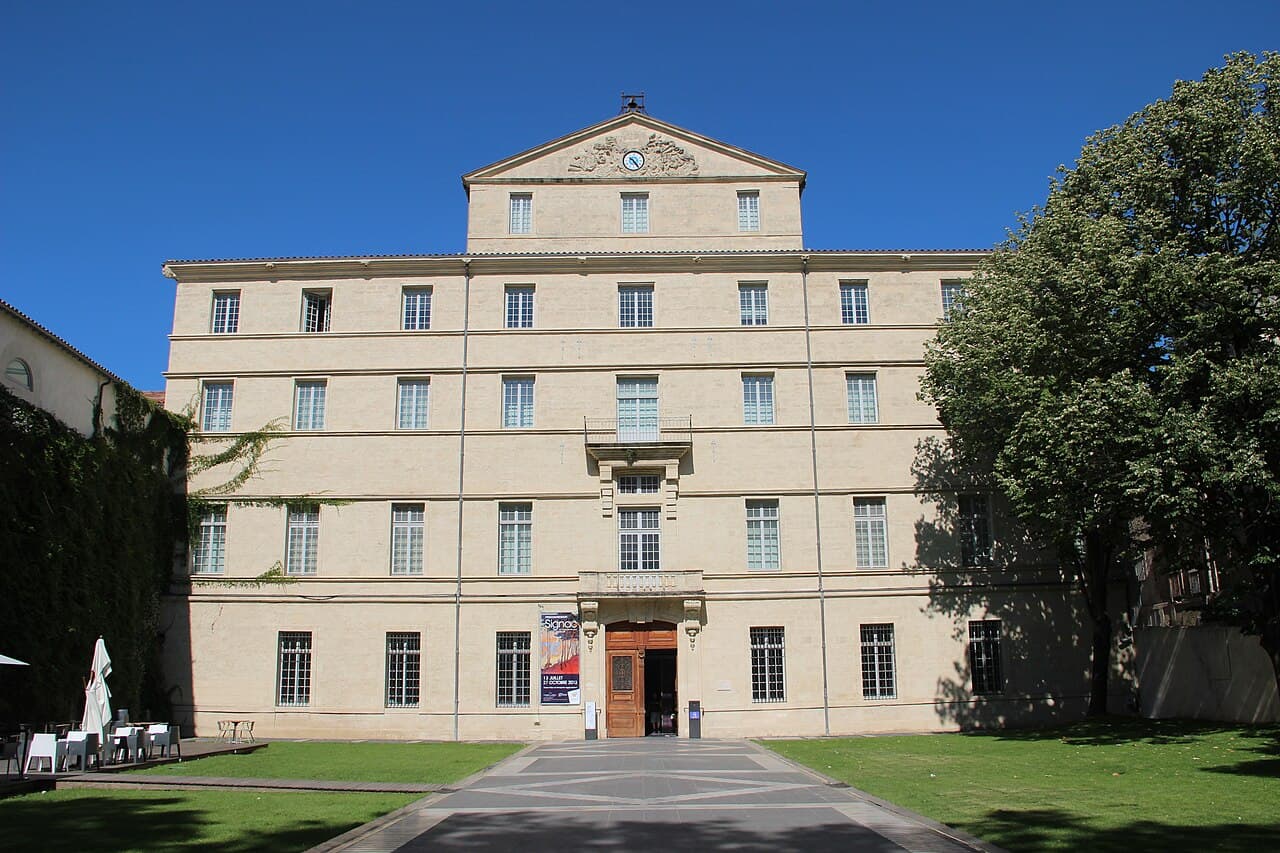
The city's art identity rests on two contrasting institutions. The Musée Fabre, founded in the early nineteenth century, holds one of the largest fine-arts collections in the south of France, spanning European painting from the seventeenth to the twentieth century. A few streets away, in the Beaux-Arts district, the Musée d'art brut de Montpellier offers an entirely different perspective, with around two thousand works in its permanent collection, of which some eight hundred are currently on display, dedicated to self-taught and outsider creators.
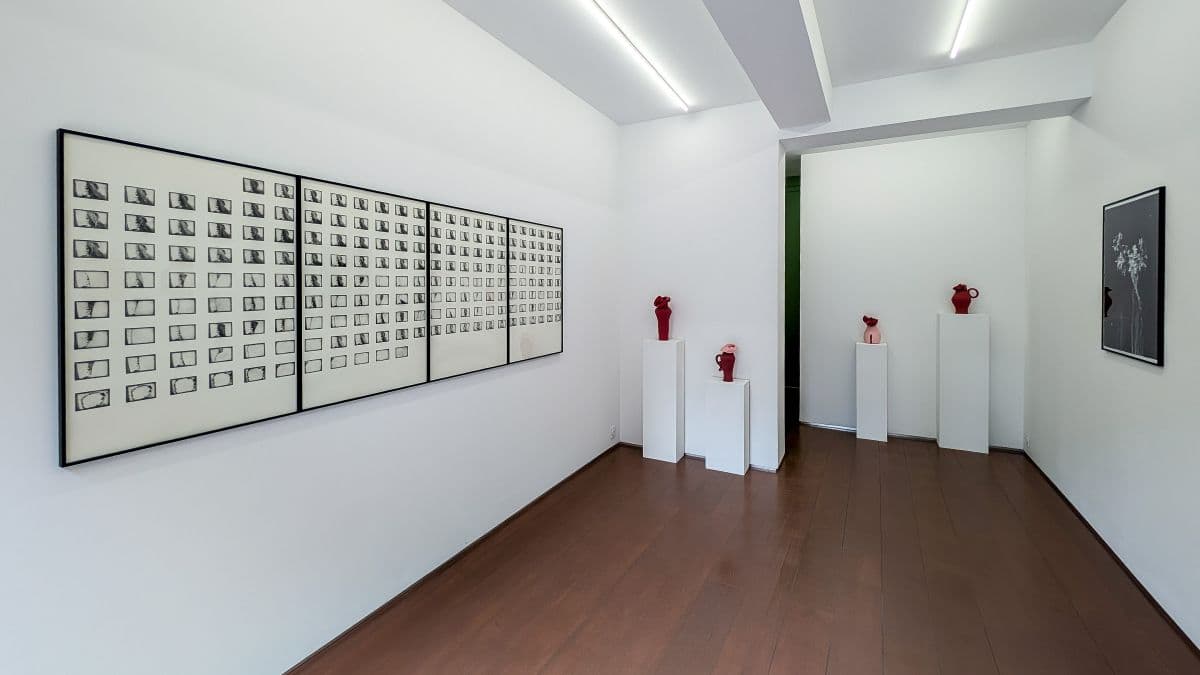
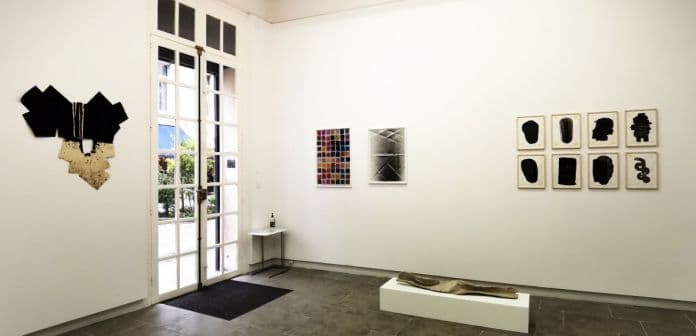
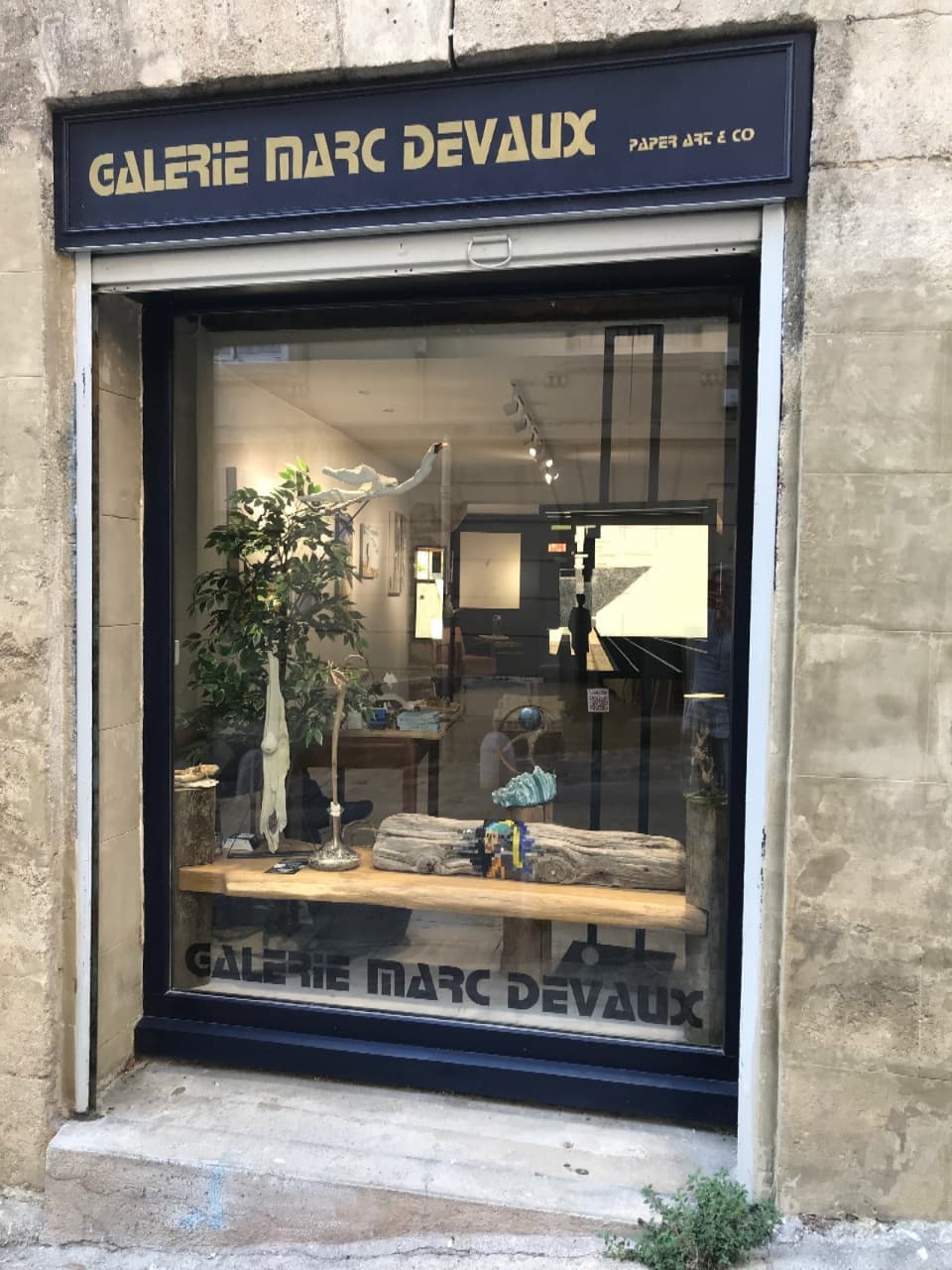
Between these two poles, Montpellier concentrates a dense grid of contemporary galleries in its historic center, many within walking distance of one another, making the city one of the more gallery-rich mid-sized centers in Occitanie.
Where the Galleries Cluster
The old town, around the rue de l'Ancien Courrier and the surrounding lanes, hosts several of the city's contemporary art spaces, including the Galerie de l'Ancien Courrier and the Galerie du Bar à photo, the latter focused specifically on photography.
Nearby, MO.CO. Panacée occupies a former Jesuit college converted into an exhibition space for contemporary art, part of the broader MO.CO. institution that anchors the city's contemporary art programming. Photography specialists such as YellowKorner and Eric Canto add to a noticeably strong photographic gallery presence in the city.
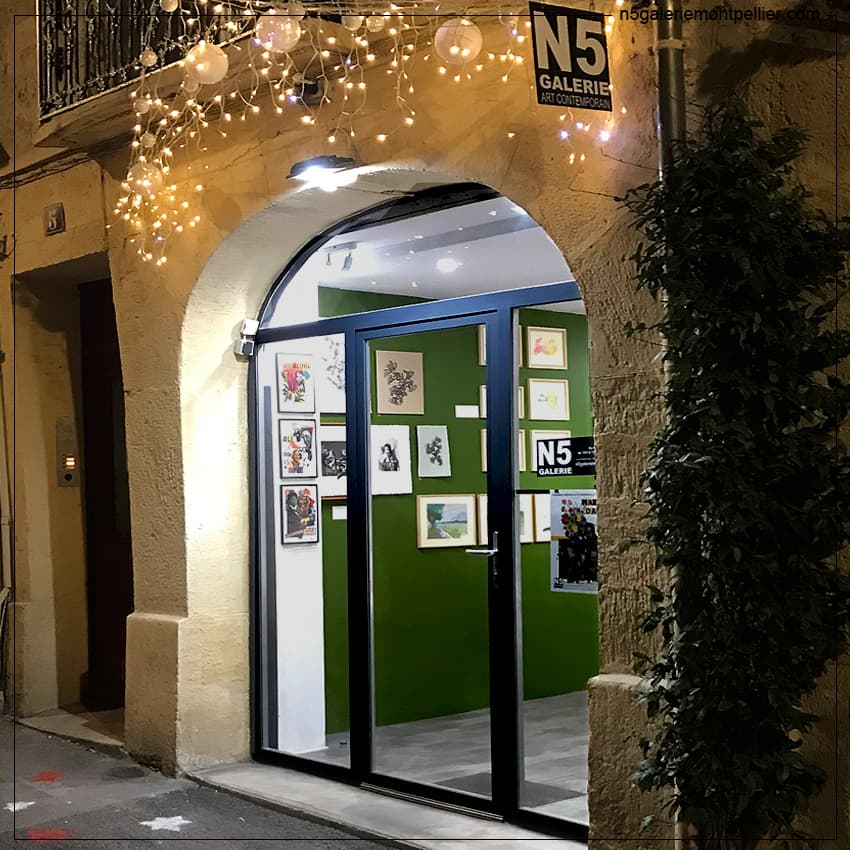
Further galleries such as Galerie Nicolas-Xavier, N5 Galerie art contemporain and Galerie Samira Cambie
Frequently asked questions
How much time should I plan for the Musée Fabre?
Allow at least two to three hours: the collection spans several centuries of European painting across multiple wings, and the building itself, a former eighteenth-century mansion, is worth pausing over.
Is the Musée d'art brut de Montpellier suitable for a short visit?
Yes, a visit typically takes about an hour. With roughly eight hundred works on display, the collection is dense but the museum's scale remains manageable for a focused visit.
Can I visit the Musée de la Pharmacie Albert Ciurana without a science background?
Yes, the museum is designed for general visitors and presents the history of pharmacy through instruments and artifacts rather than technical content requiring prior knowledge.
Are Montpellier's contemporary galleries free to enter?
Most commercial galleries in the old town and around MO.CO. Panacée are free to browse, as they operate primarily to sell works rather than charge admission.
What is the best way to see several galleries in one visit?