Department
Museums, galleries and heritage in Indre-et-Loire
67 places to discover across Indre-et-Loire.
Including Château de Chenonceau, Château royal d'Amboise and Château du Clos Lucé.

Towns to explore
Amboise · Artannes-sur-Indre · Athée-sur-Cher · Azay-le-Rideau · Château-Renault · Chinon · Cinq-Mars-la-Pile · Cléré-les-Pins · Descartes · Joué-lès-Tours · Langeais · Loches · Montlouis-sur-Loire · Monts · Noizay · Preuilly-sur-Claise · Rouziers-de-Touraine · Saché · Saint-Avertin
A Department Shaped by the Loire
Indre-et-Loire owes its identity to the river that gives the department its name and to the stretch of countryside recognized by UNESCO as the Val de Loire entre Sully-sur-Loire et Chalonnes, a cultural landscape inscribed in 2000 for its château architecture, riverside towns and centuries-old agricultural terraces.
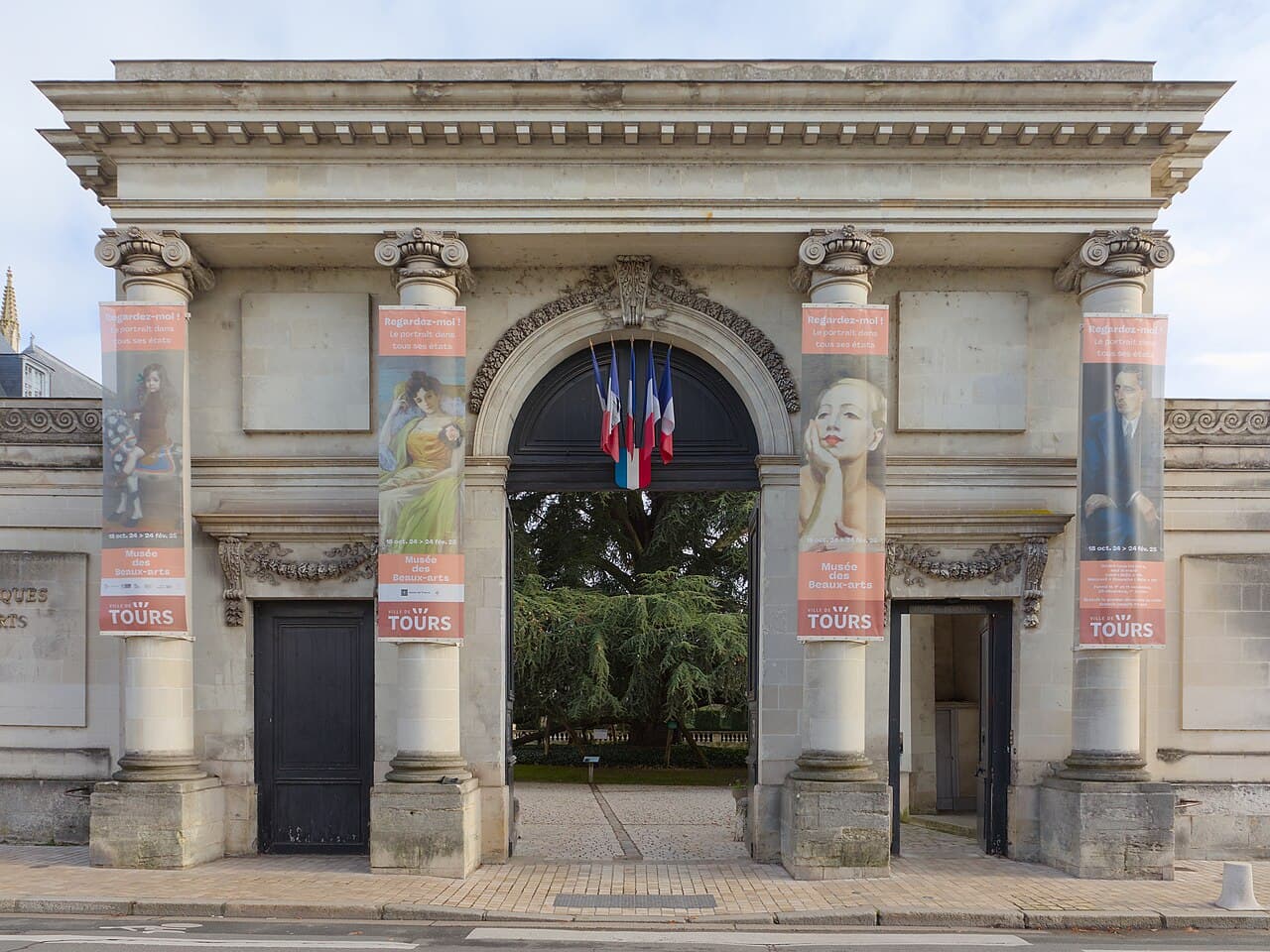
Tours, the departmental capital, anchors the cultural offer with institutions such as the Musée des Beaux-Arts de Tours, one of the principal art collections in the region, and the Centre de Création Contemporaine Olivier Debré (CCC OD), dedicated to contemporary art and named after the painter who was born in the city.
Beyond Tours, market towns such as Amboise, Loches and Chinon preserve a dense heritage fabric, from Renaissance townhouses to fortified castles, while smaller communes host specialized museums covering everything from prehistoric flint tools to leather tanning.
Towns and Territories
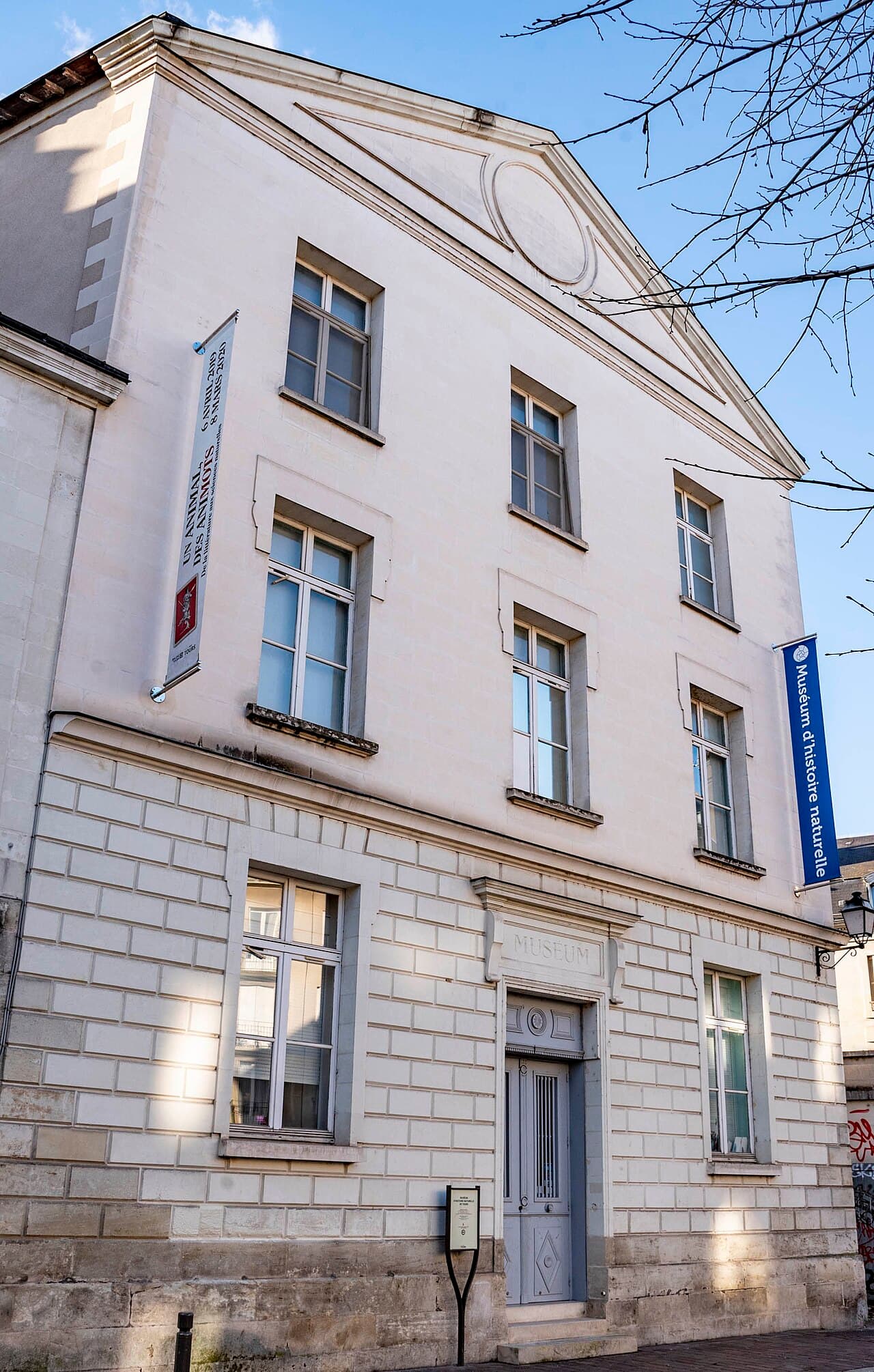
Tours concentrates the largest share of cultural venues: alongside the Musée des Beaux-Arts de Tours, the city holds the Musée du Compagnonnage, devoted to the traditions of French craft guilds, the Muséum d'Histoire Naturelle de Tours, and the Collections du musée de la société archéologique de Touraine.
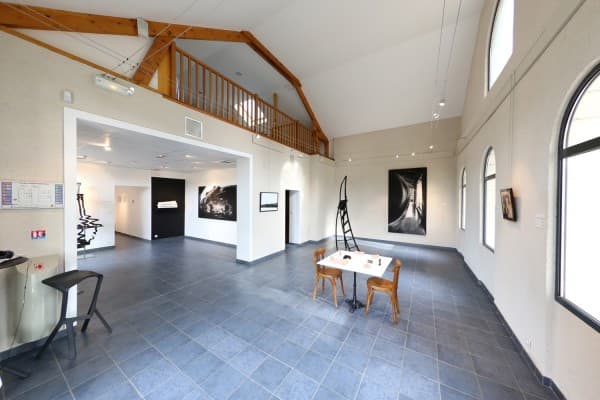
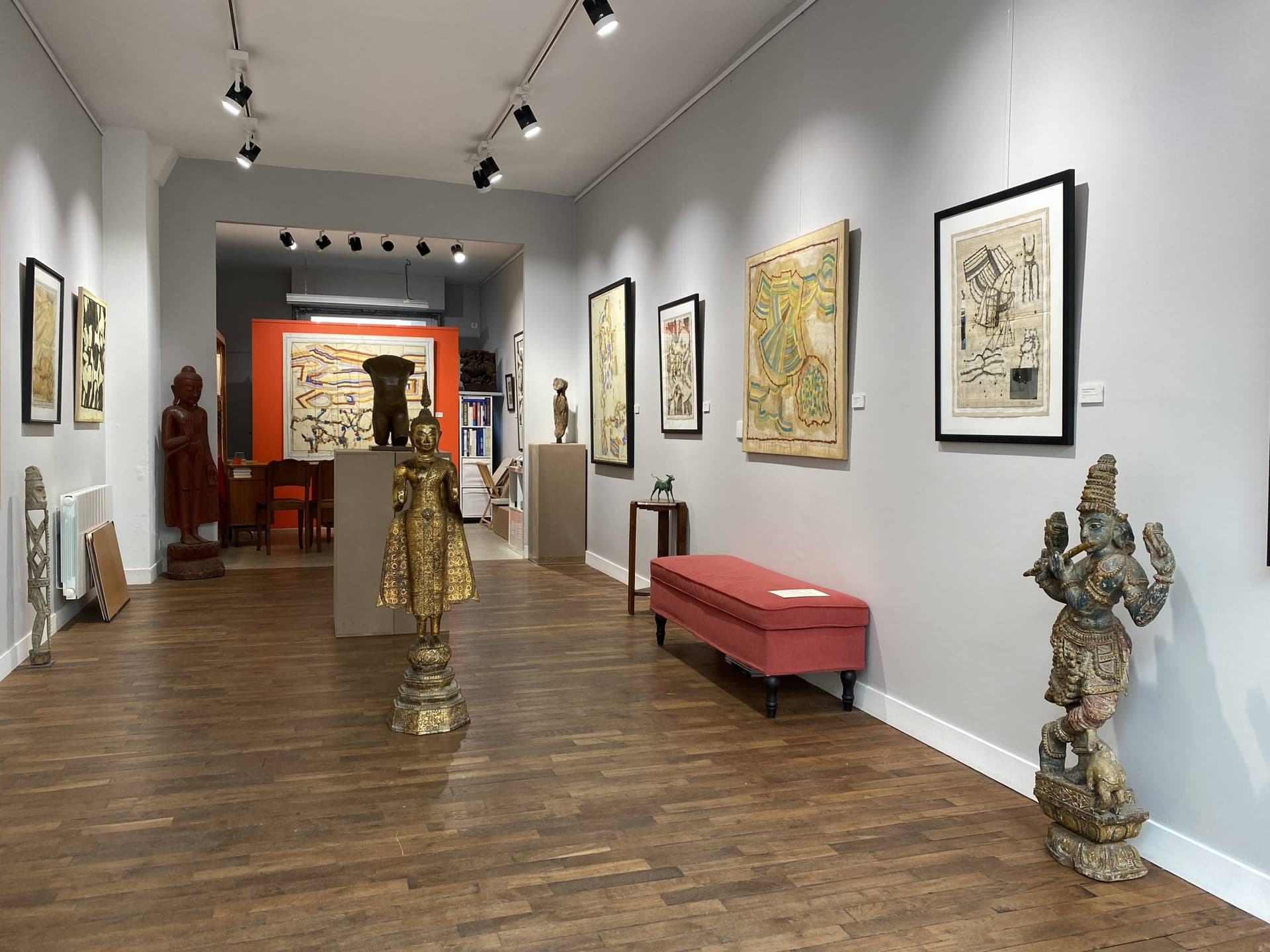
Amboise combines royal history with an active gallery scene: the Musée d'Art et d'Histoire d'Amboise occupies a Renaissance townhouse built for a treasurer of Louis XII, while contemporary art can be seen at the Galerie Vianney Frain de la Gaulayrie, the Galerie Victor Hugo and the Bleu Cobalt Gallery.
Writers, Thinkers and Artists of Touraine
Indre-et-Loire has inspired and hosted major figures of French literature and thought, each commemorated by a dedicated house-museum. Balzac, who set much of his fiction in Touraine, is honored at the Musée Balzac, while René Descartes, born nearby, is the subject of the Musée Descartes.
Rabelais, native of the region, is celebrated at the Musée Rabelais, and painter Emmanuel Lansyer has a museum bearing his name, the Musée Lansyer. At Noizay, Le Grand Coteau - Demeure Francis Poulenc, a sixteenth-century residence listed as a historic monument, preserves the memory of composer Francis Poulenc.
Frequently asked questions
How many days should be planned to explore Indre-et-Loire's museums and heritage sites?
A minimum of three to four days allows time for Tours' museums, one or two Loire châteaux, and a stop in a smaller town such as Amboise or Loches.
What is the best time of year to visit Indre-et-Loire?
Late spring (May-June) and early autumn (September) offer comfortable weather and fewer crowds than the peak summer season, ideal for both château gardens and gallery visits.
Is the Musée des Beaux-Arts de Tours free to visit?
The permanent collection has free entry on the first Sunday of the month; temporary exhibitions and other visits require a paid ticket.
Which museum best introduces Loire Valley agricultural and craft heritage?
The Musée du Véron in Savigny-en-Véron, an ecomuseum, and the Musée des outils et objets d'hier in Rouziers-de-Touraine both give a close view of rural Touraine's material culture.
Can the UNESCO-listed Val de Loire landscape be visited on foot or by bike?
Yes, cycling paths (including La Loire à Vélo) and riverside walking trails run through the inscribed section between Sully-sur-Loire and Chalonnes, passing near Tours and several châteaux.