Department
Museums, galleries and heritage in Calvados
91 places to discover across Calvados.
Including Mémorial de Caen, Musée du Débarquement and Basilique Sainte-Thérèse de Lisieux.
32 of 32 places, sorted by distance from the center
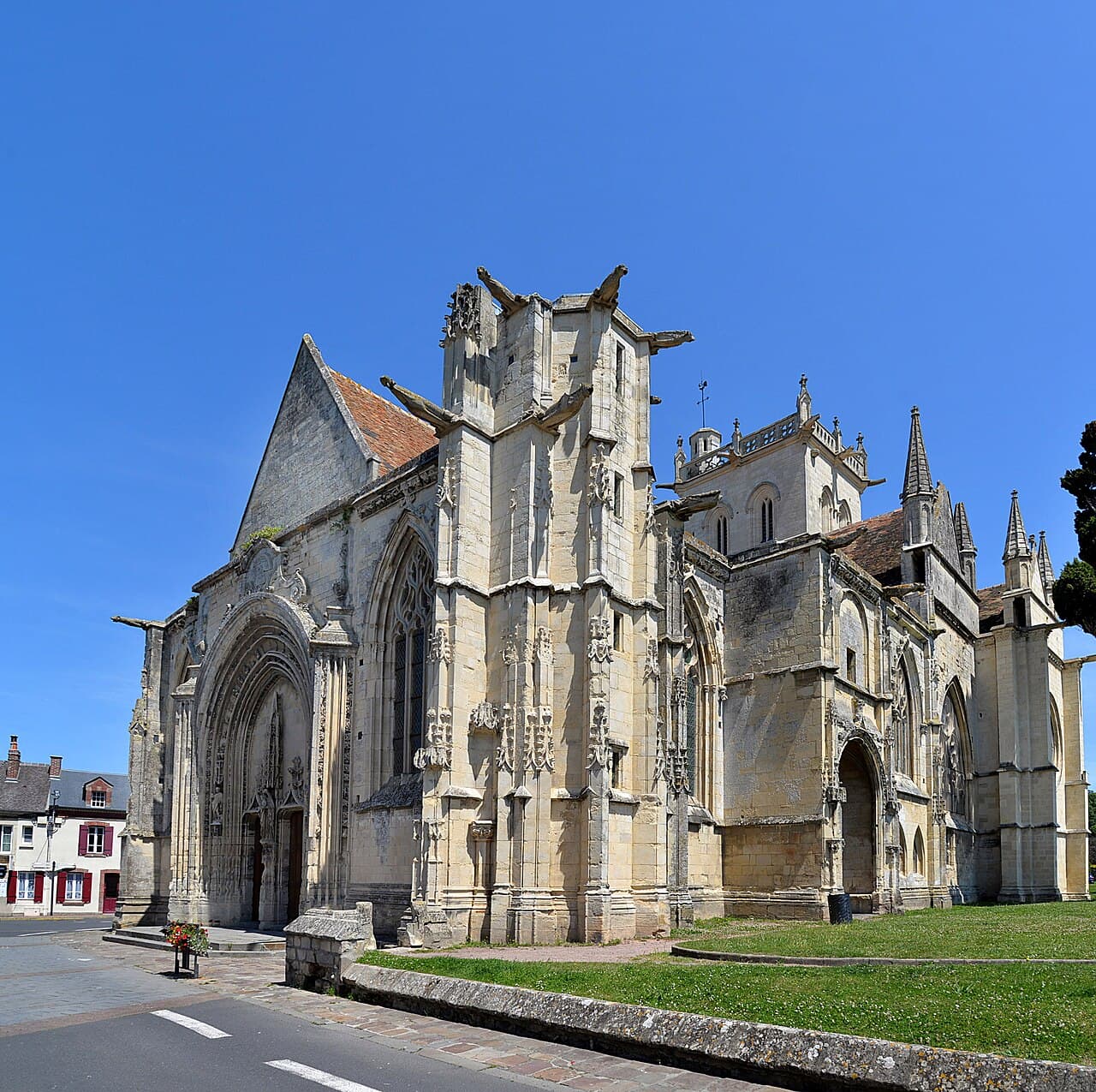 Religious site
Église Notre-Dame de Dives-sur-Mer
Dives-sur-Mer
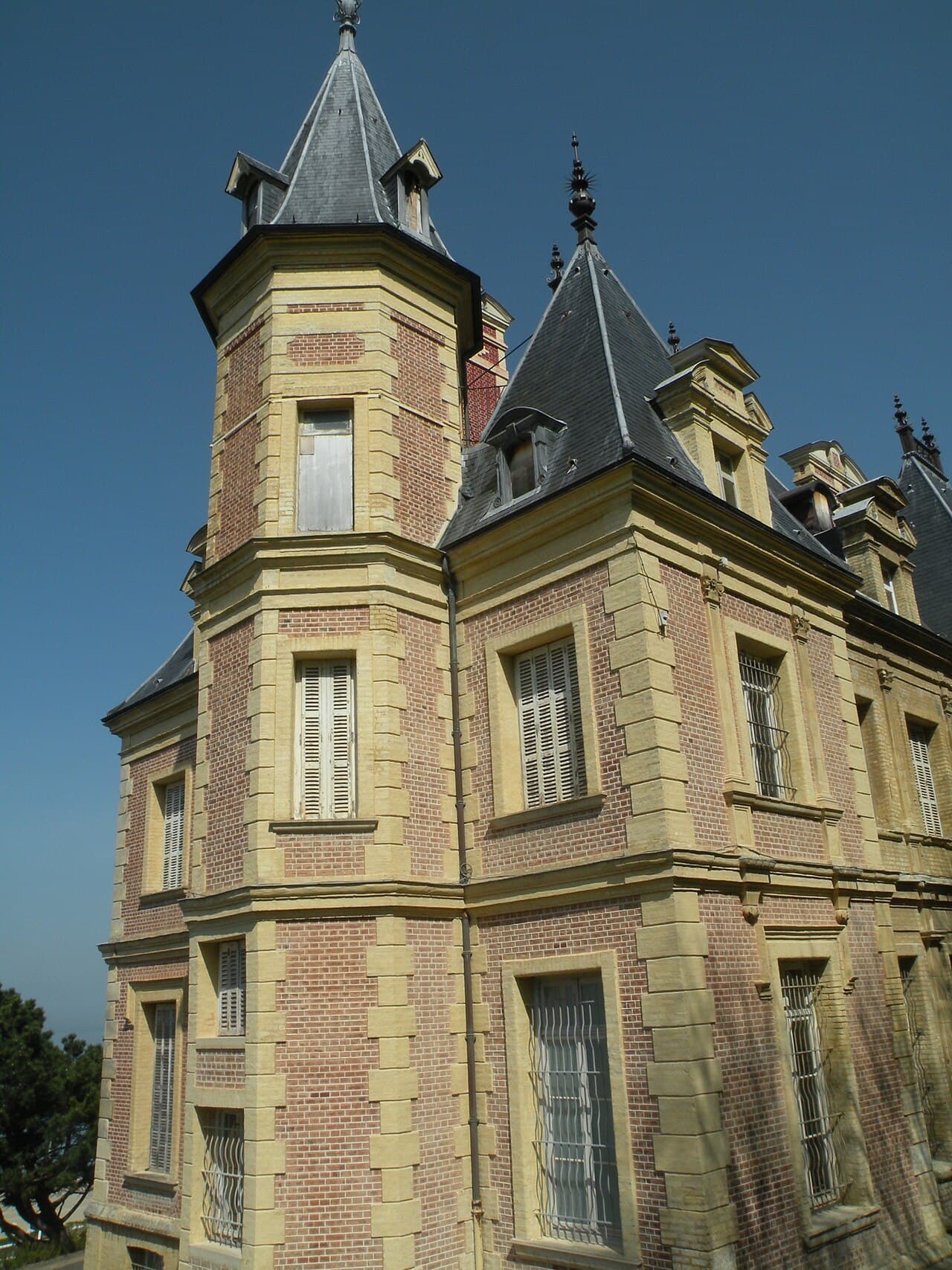 Museum
Musée de la villa Montebello
Trouville-sur-Mer
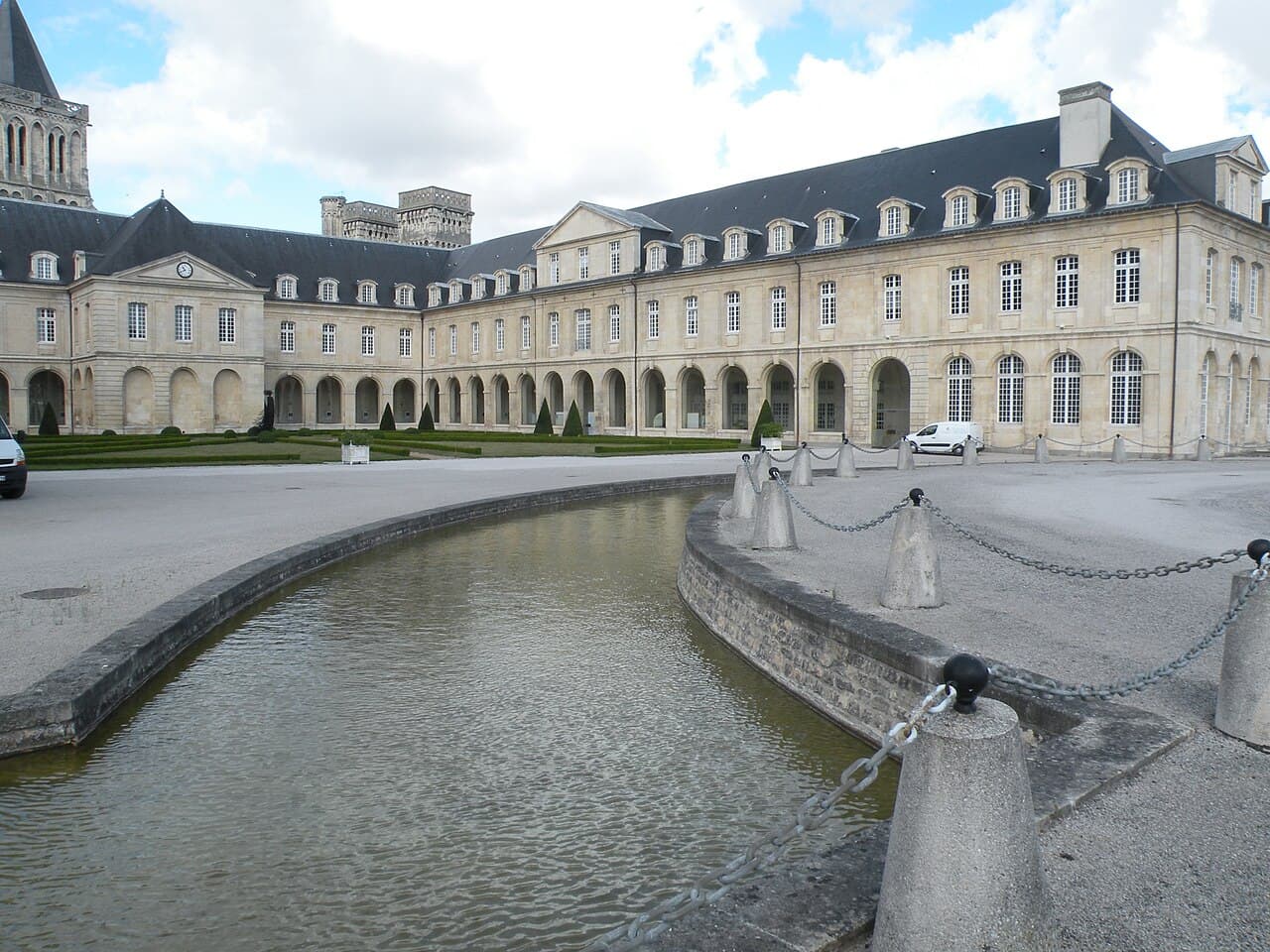 Religious site
Abbaye aux Dames
Caen
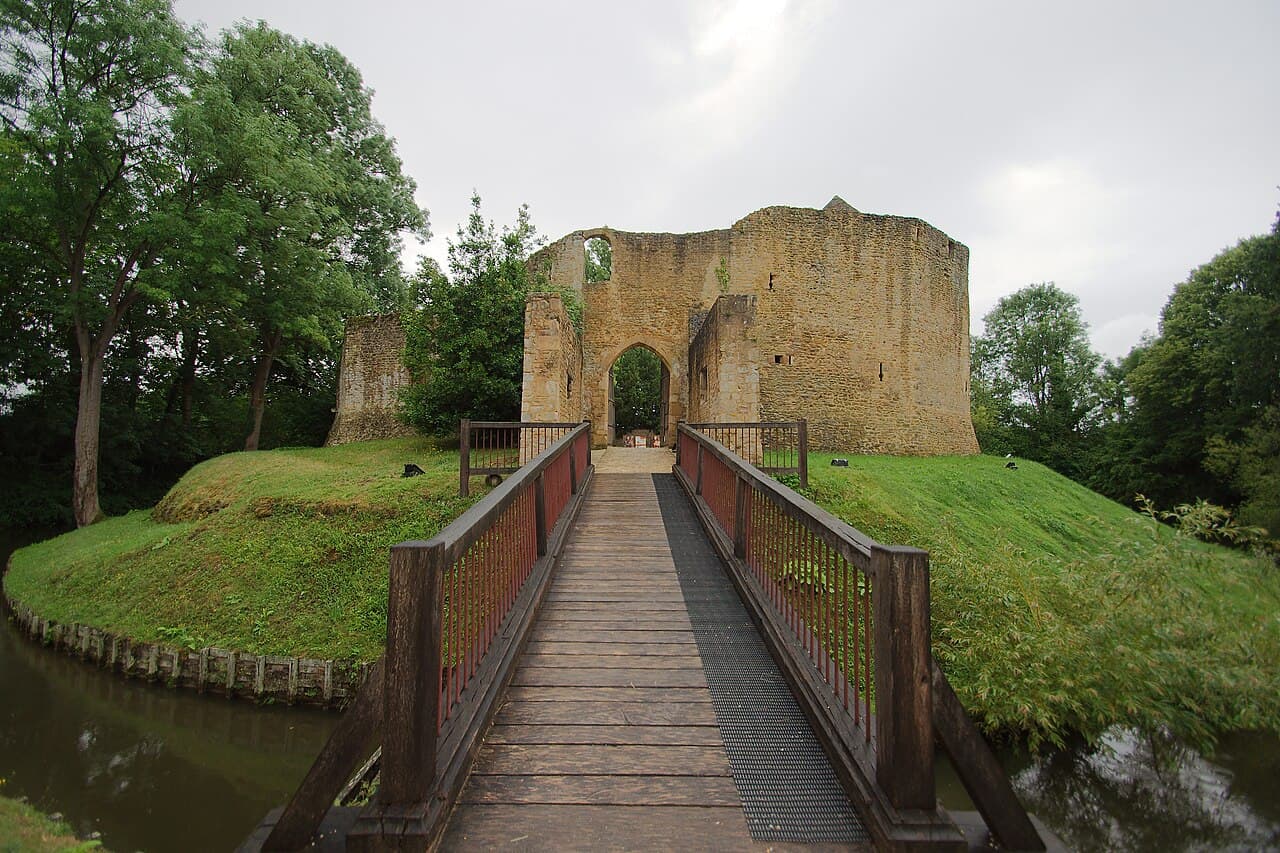 Castle
Château de Crèvecœur-en-Auge
Crèvecœur-en-Auge
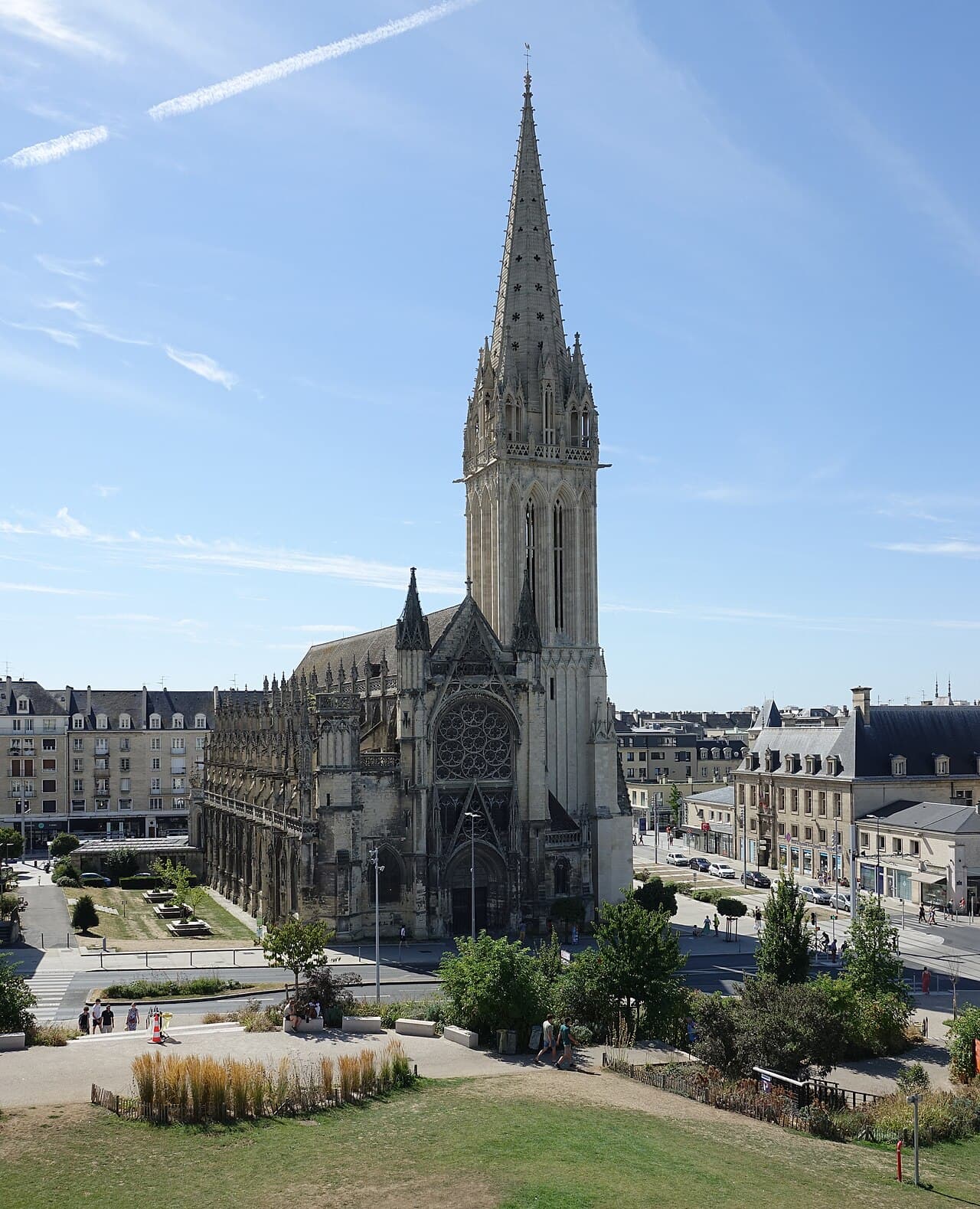 Religious site
Église Saint-Pierre de Caen
Caen
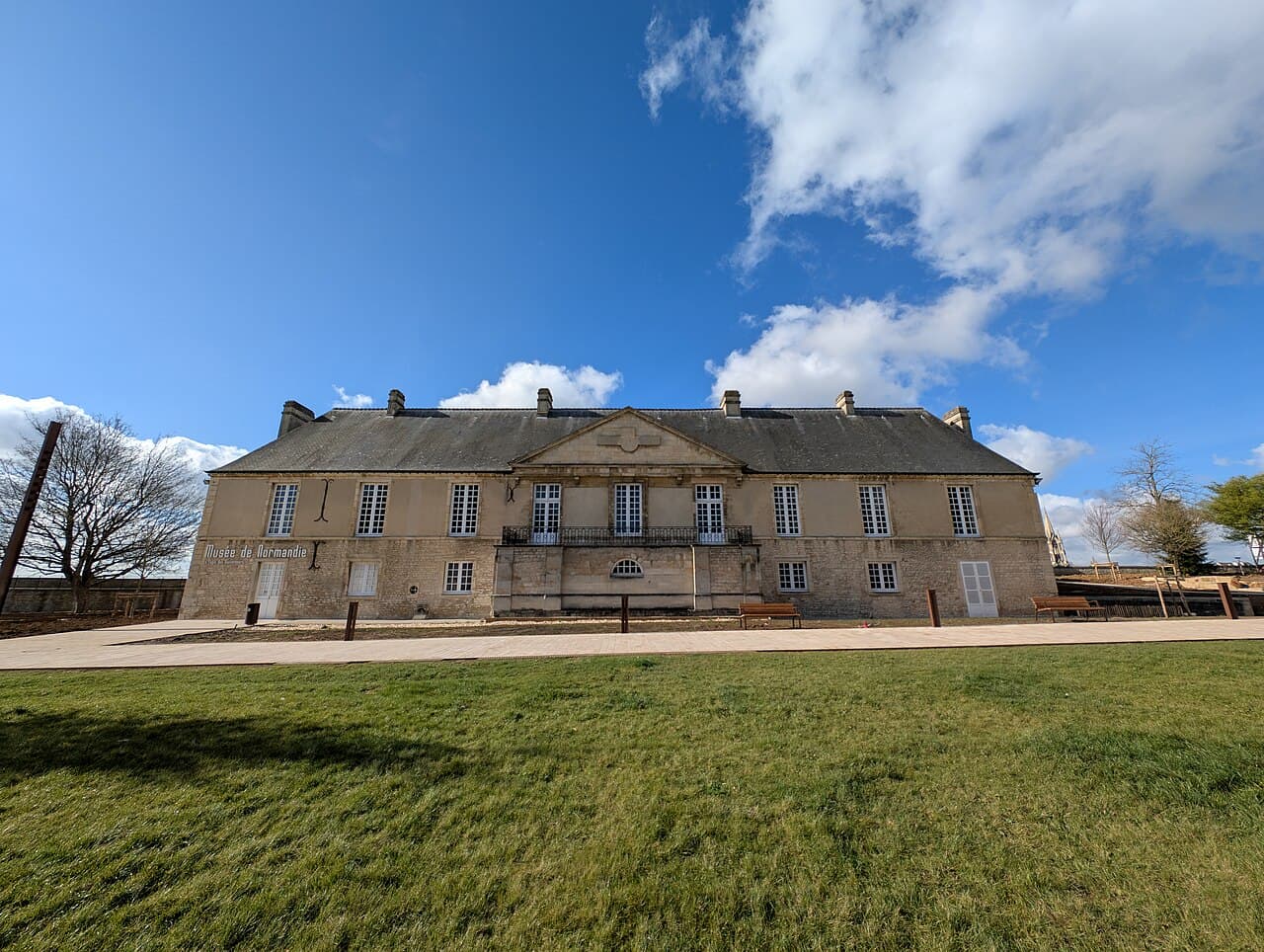 Museum
Musée de Normandie
Caen
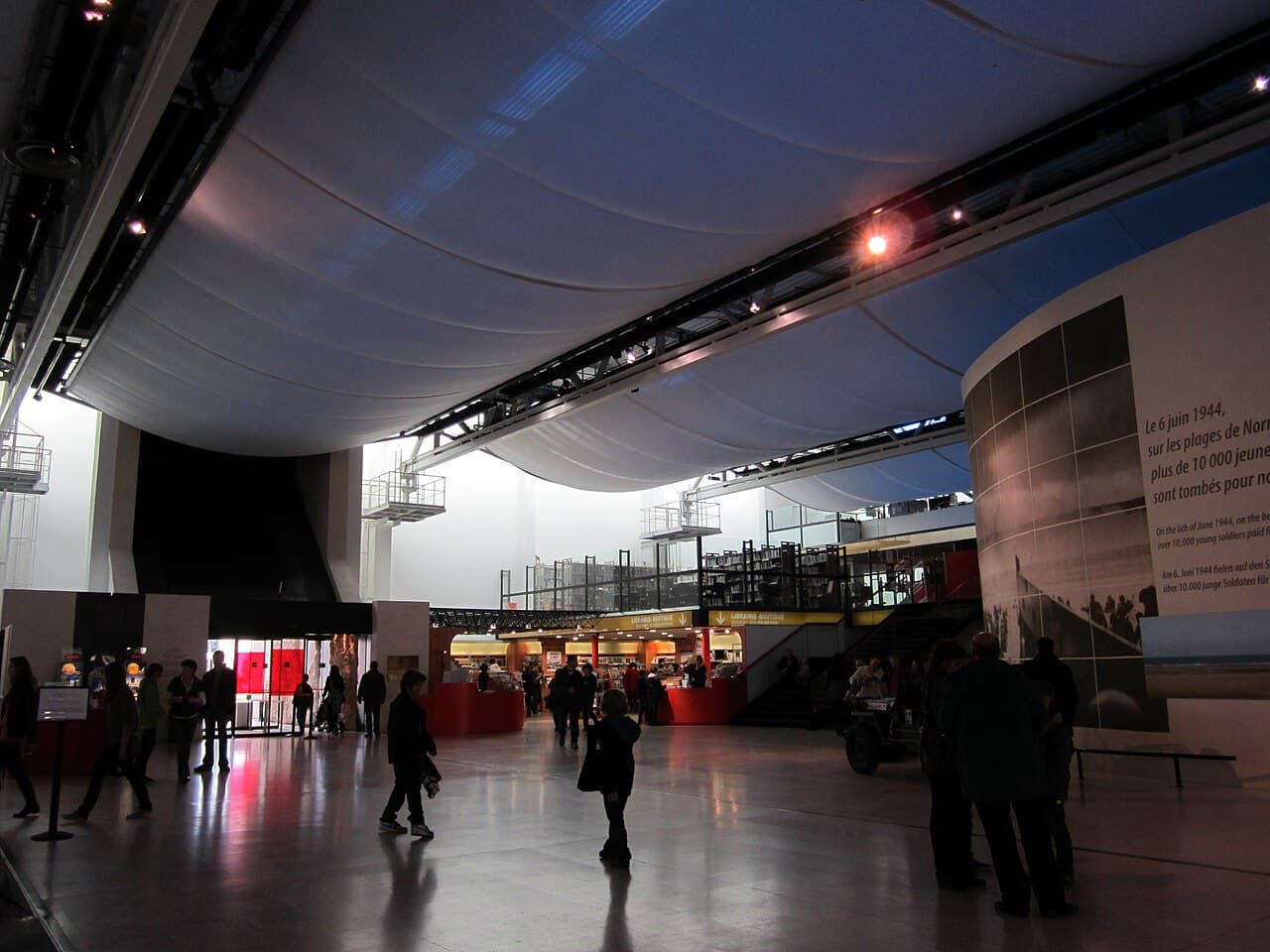 Castle
Mémorial de Caen
Caen
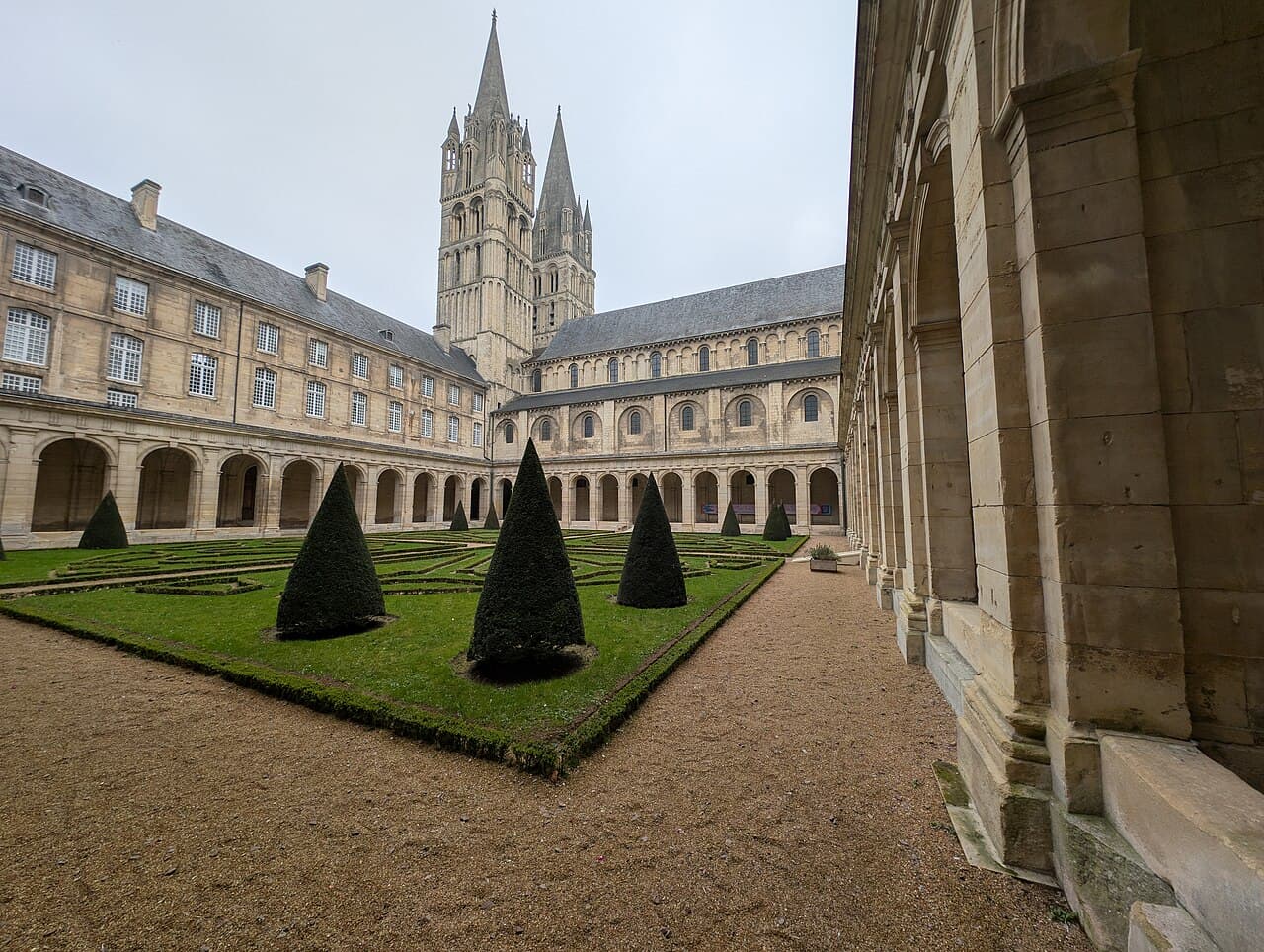 Religious site
Abbaye aux Hommes
Caen
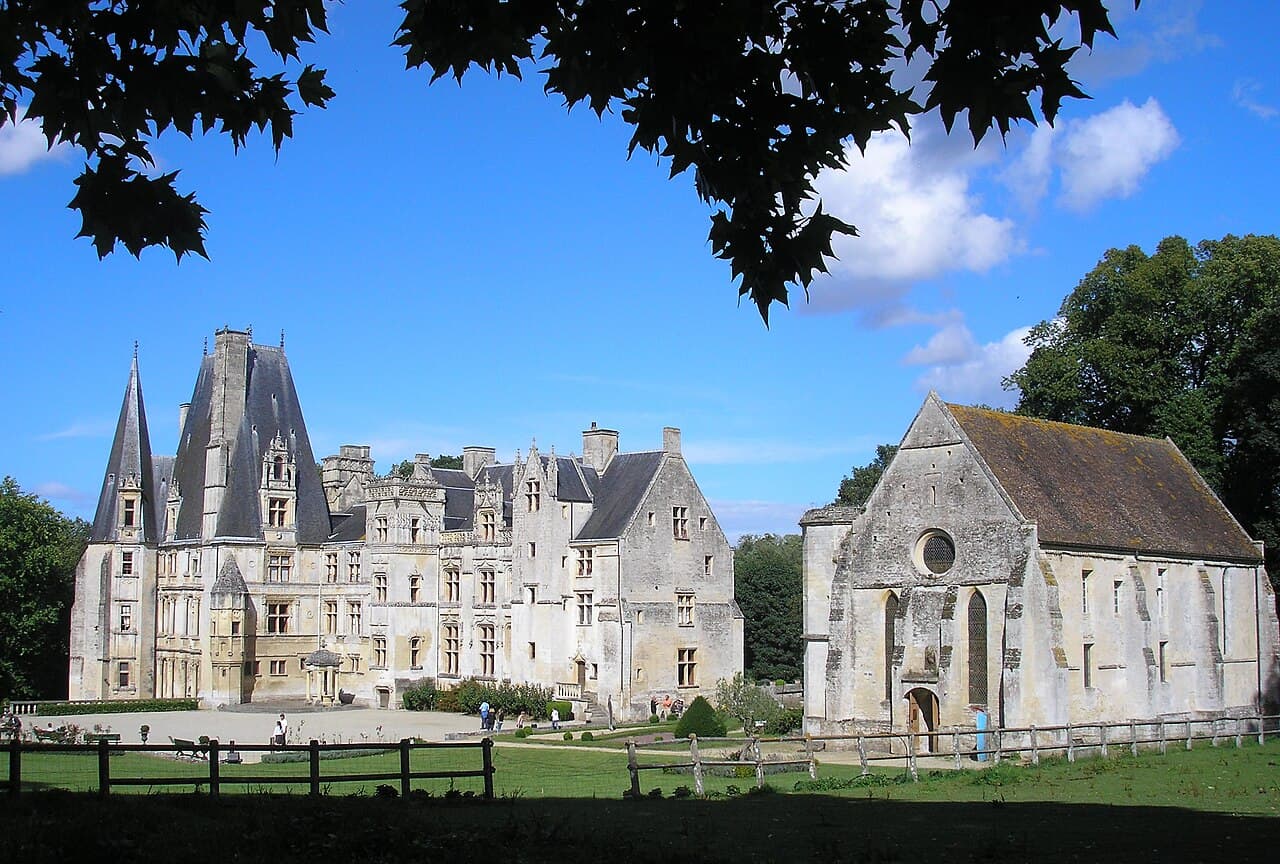 Castle
Château de Fontaine-Henry
Fontaine-Henry
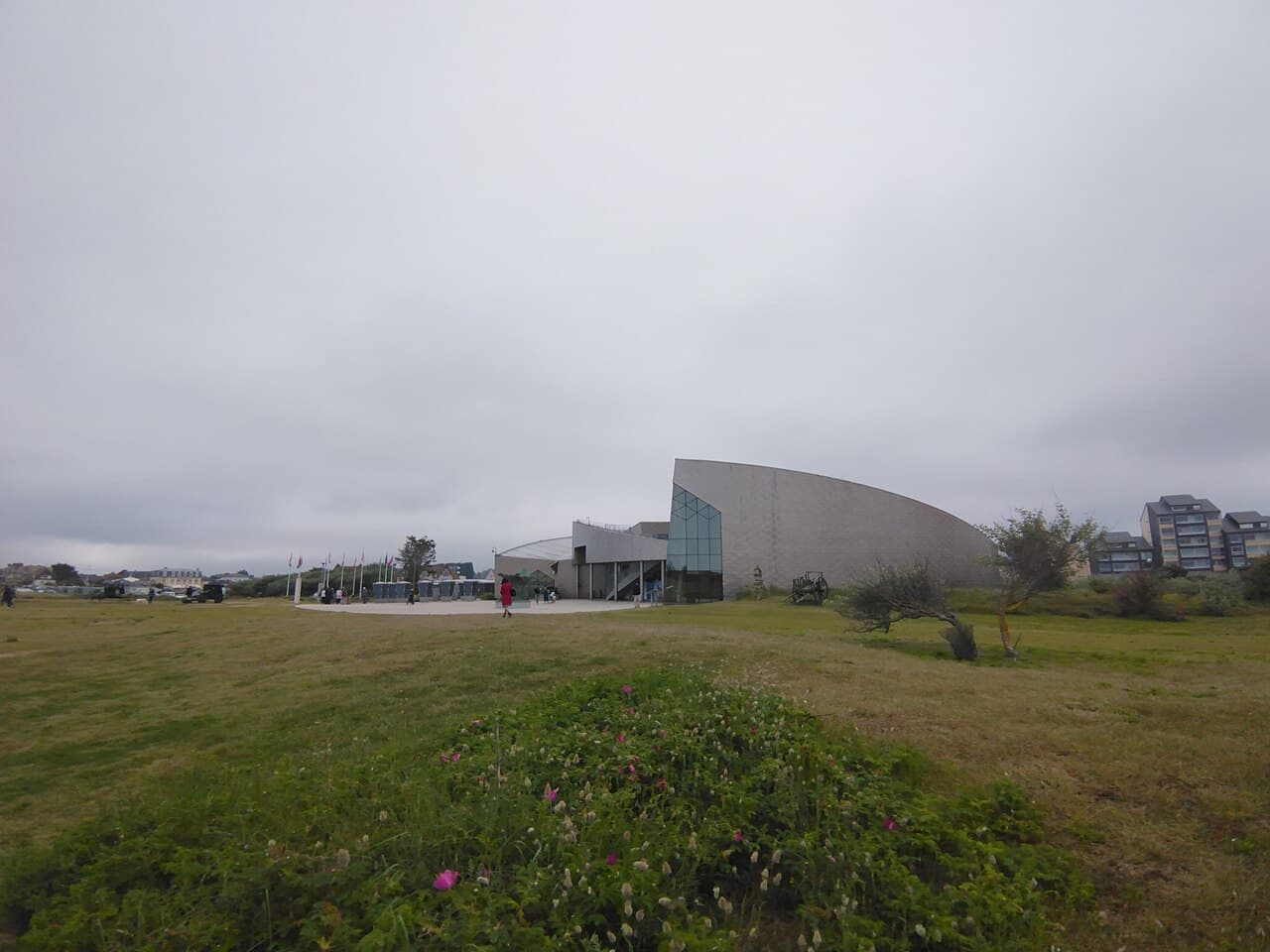 Museum
Centre Juno Beach
Courseulles-sur-Mer
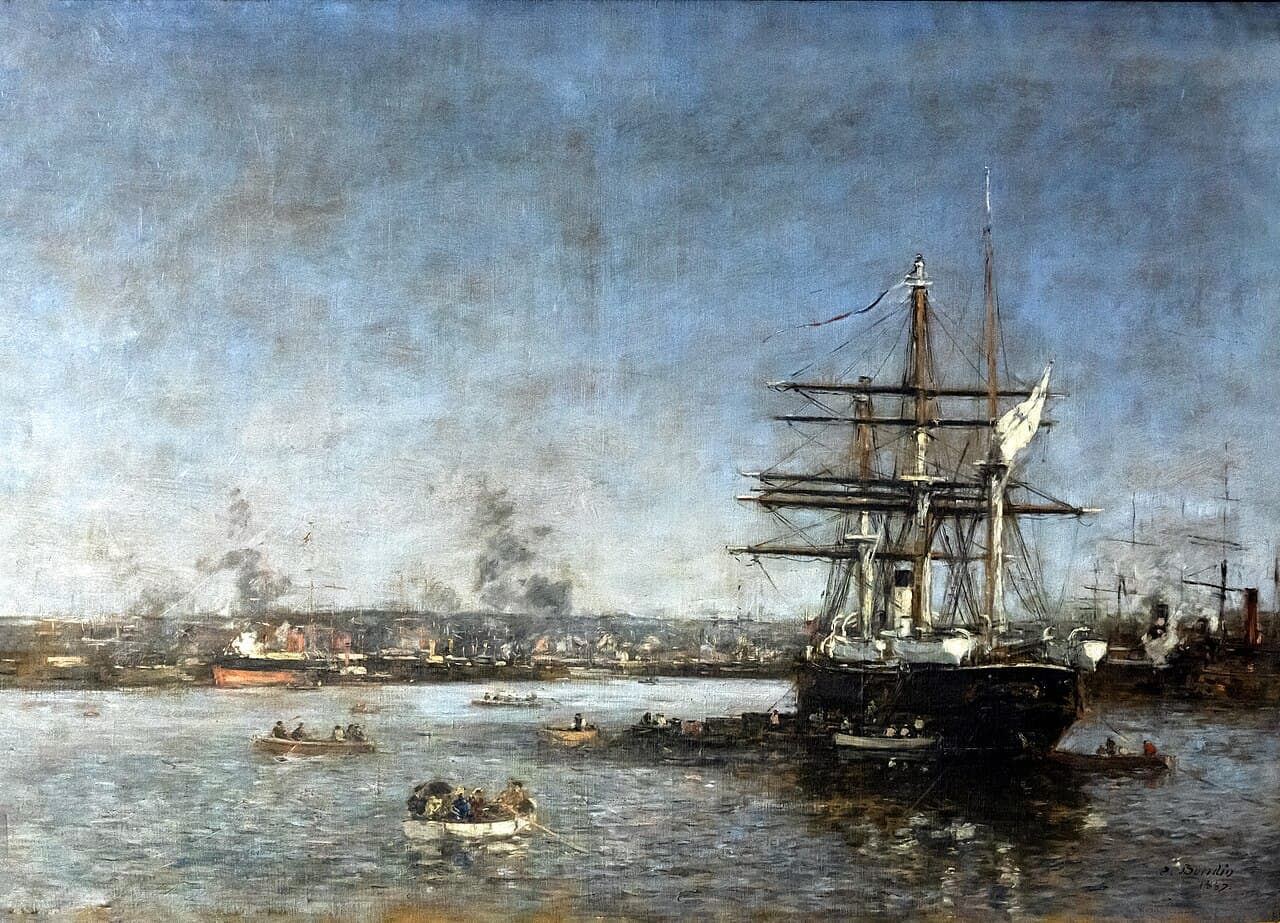 Museum
Musée Eugène Boudin
Honfleur
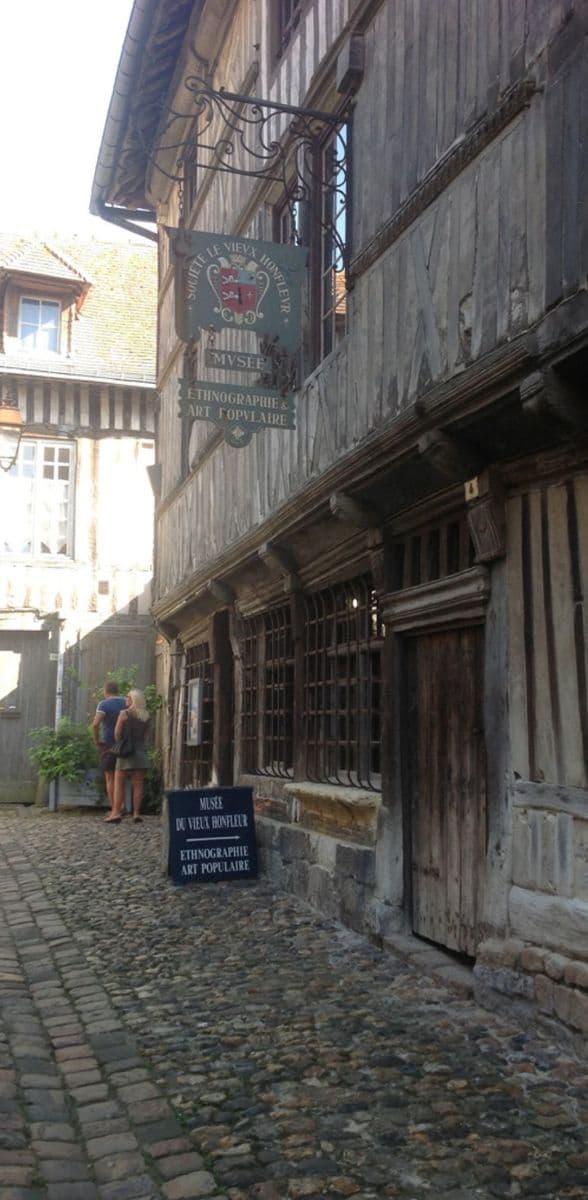 Museum
Musée d'ethnographie et d'arts populaires et musée de la marine
Honfleur
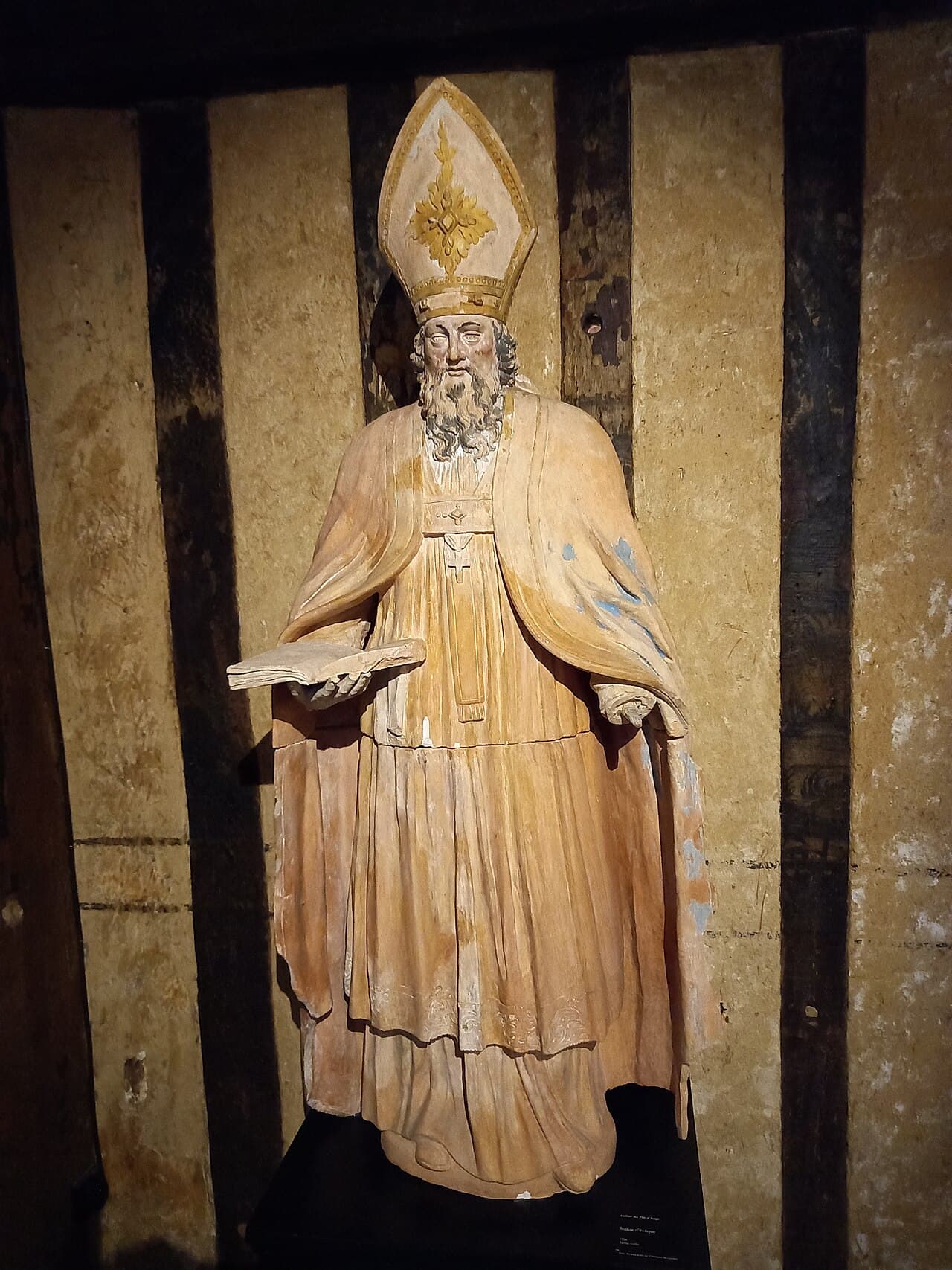 Museum
Musée d’Art et d’Histoire de Lisieux
Lisieux
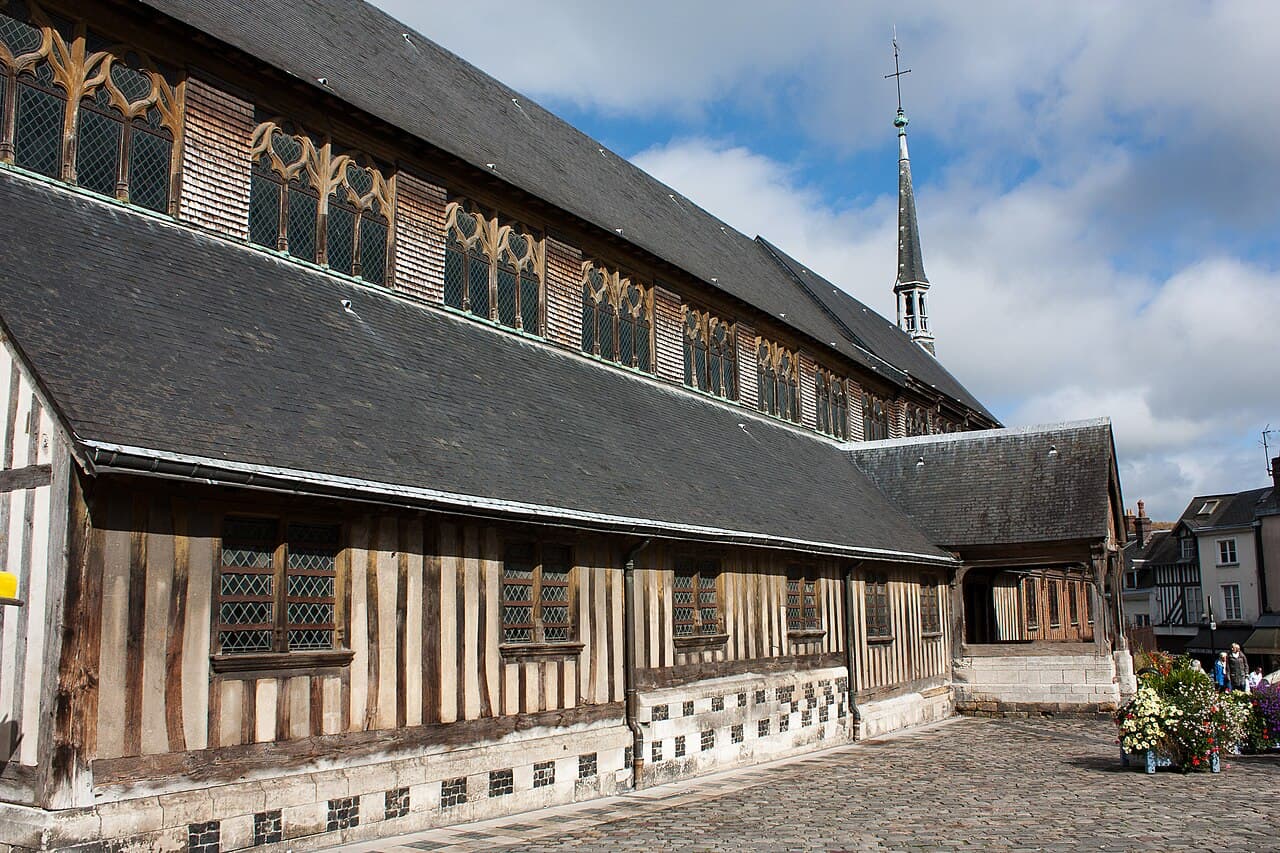 Religious site
Église Sainte-Catherine de Honfleur
Honfleur
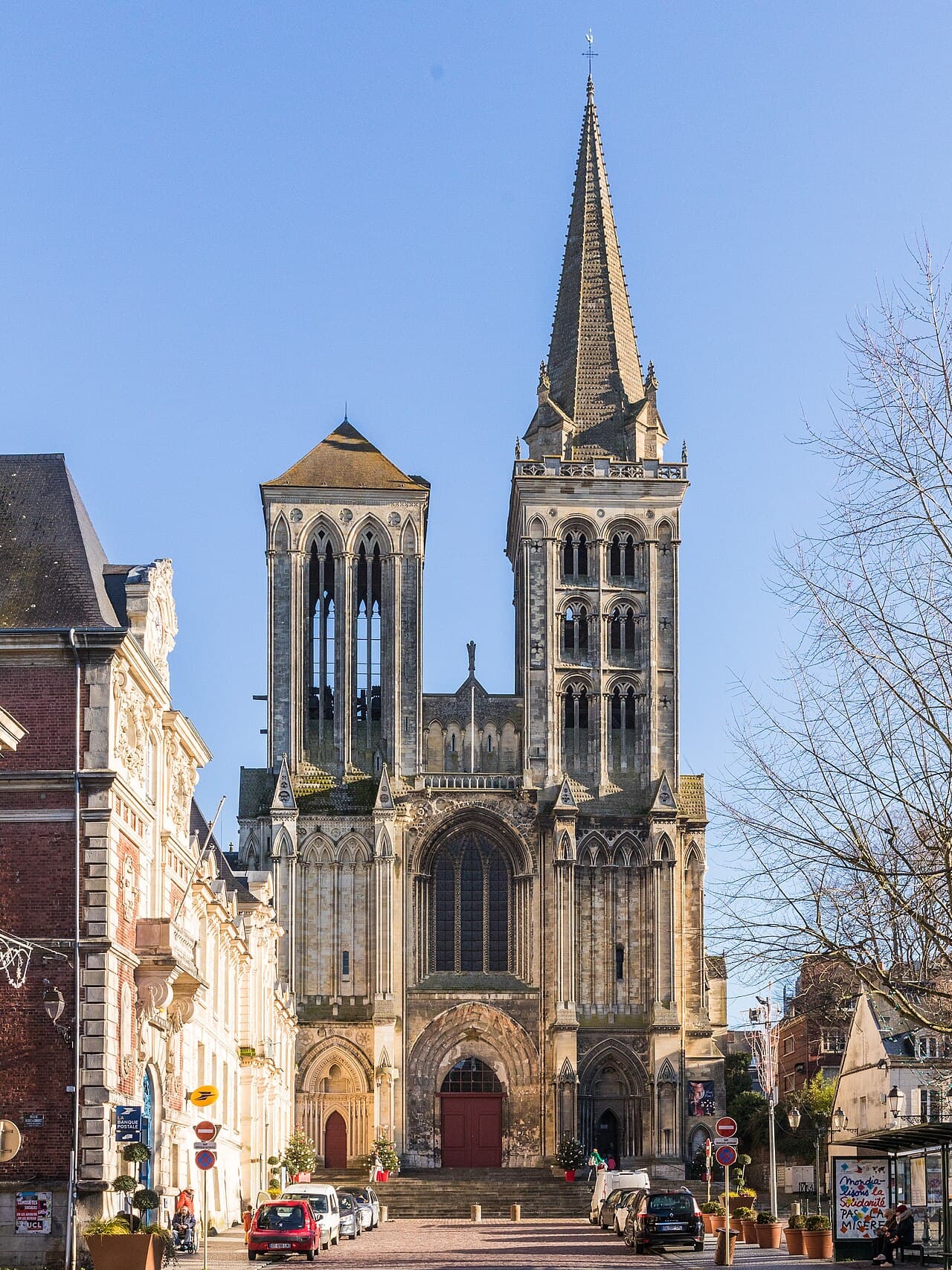 Religious site
Cathédrale Saint-Pierre de Lisieux
Lisieux
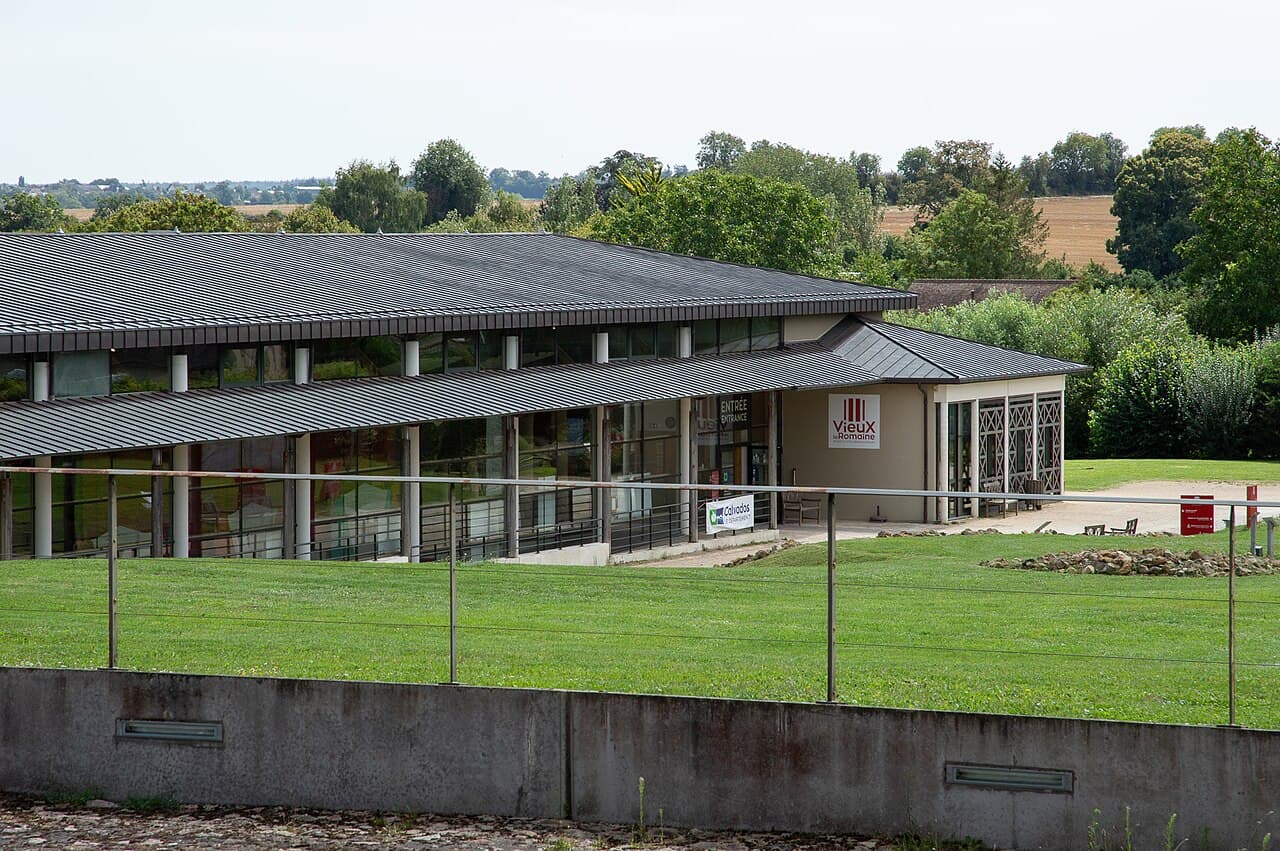 Museum
Musée et sites archéologiques de Vieux-la-Romaine
Vieux
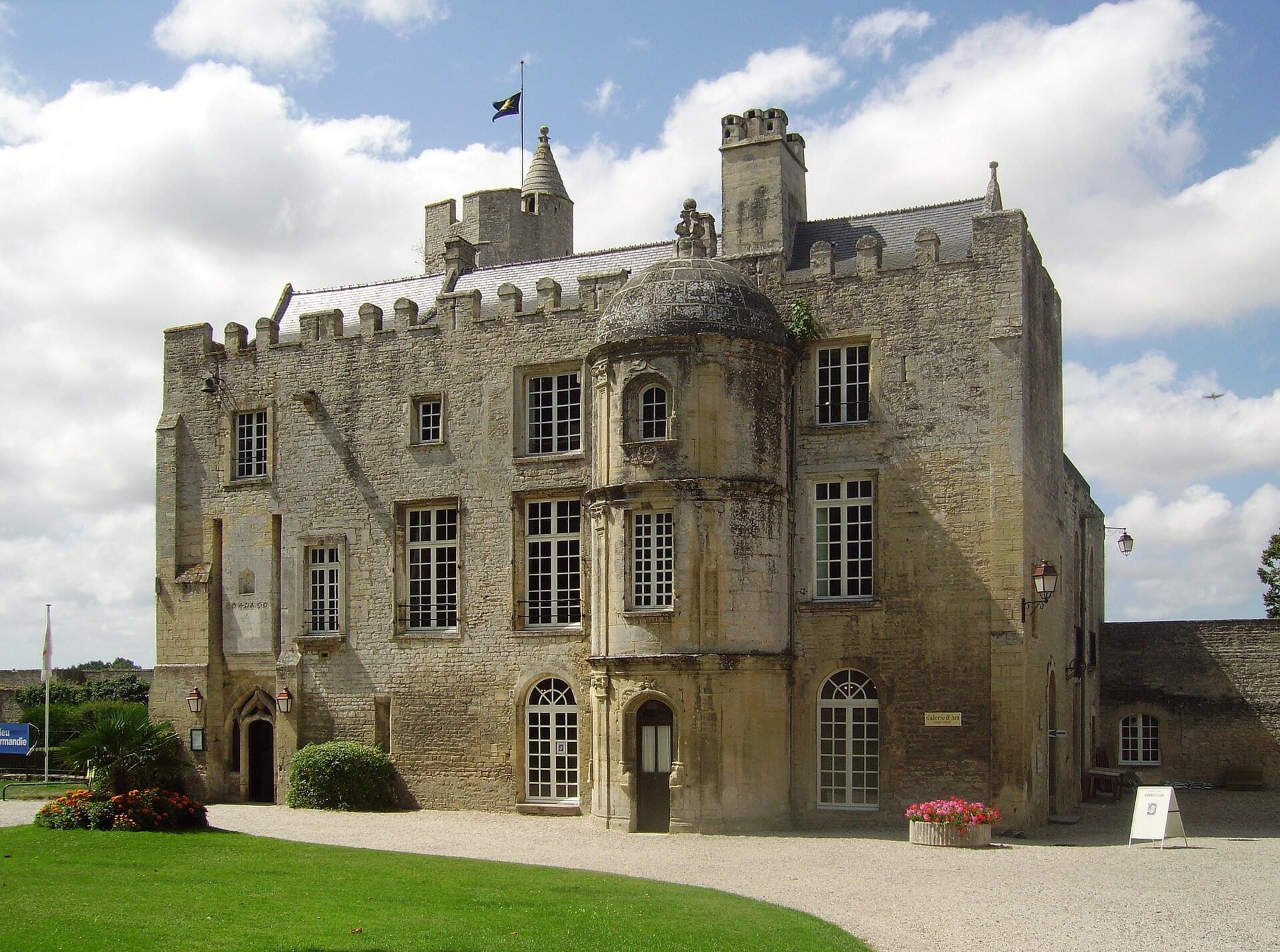 Castle
Château de Creully
Creully sur Seulles
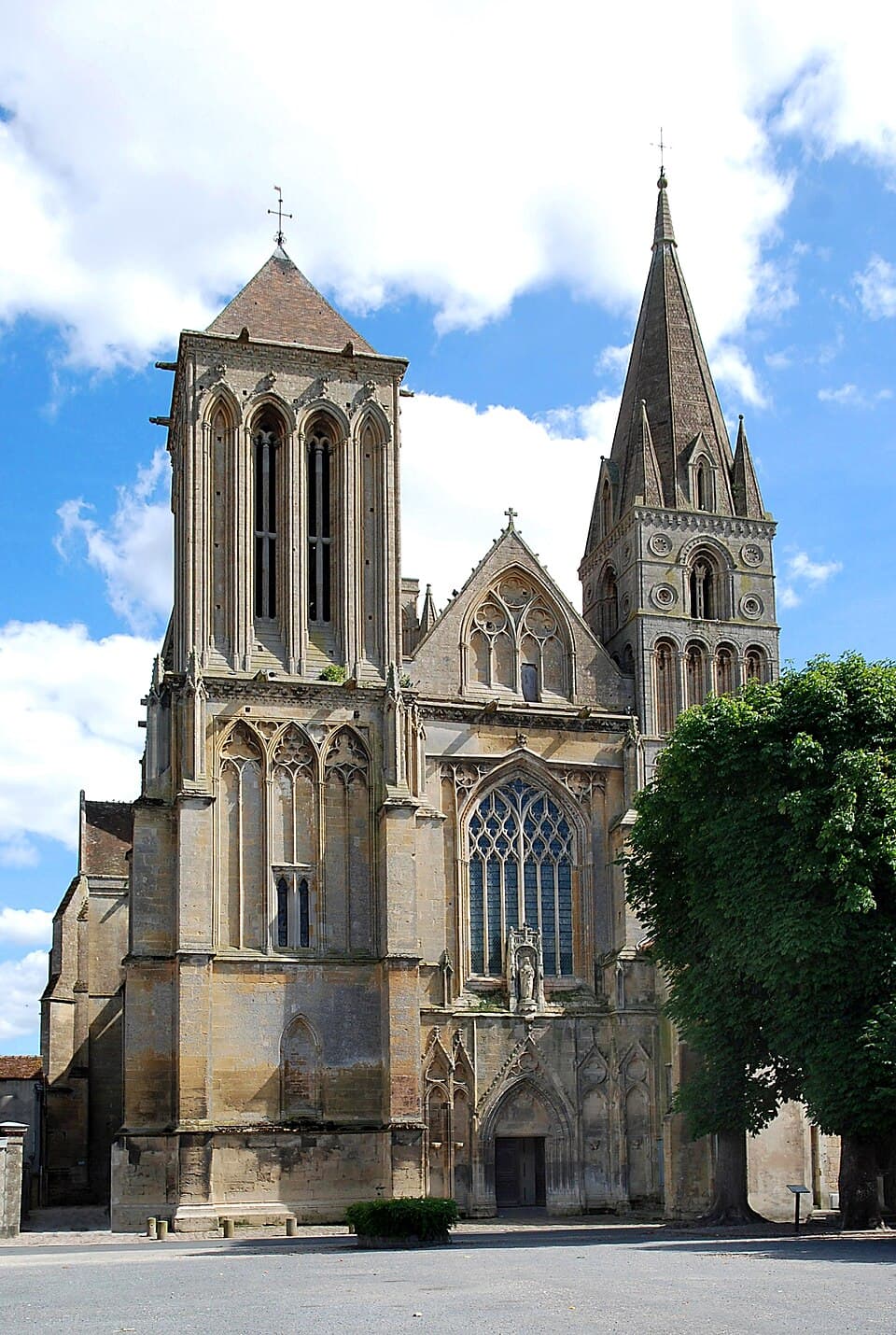 Religious site
Abbatiale de Saint-Pierre-sur-Dives
Saint-Pierre-en-Auge
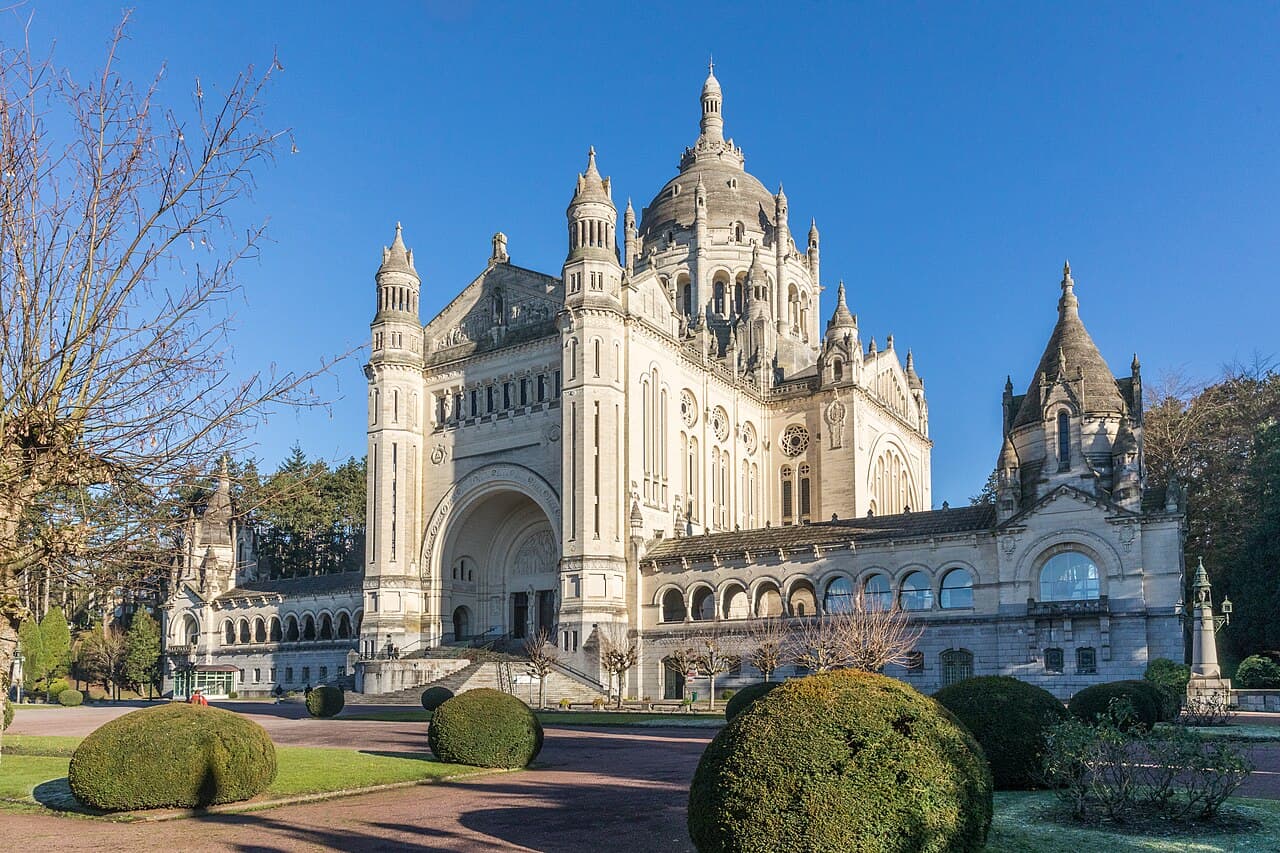 Religious site
Basilique Sainte-Thérèse de Lisieux
Lisieux
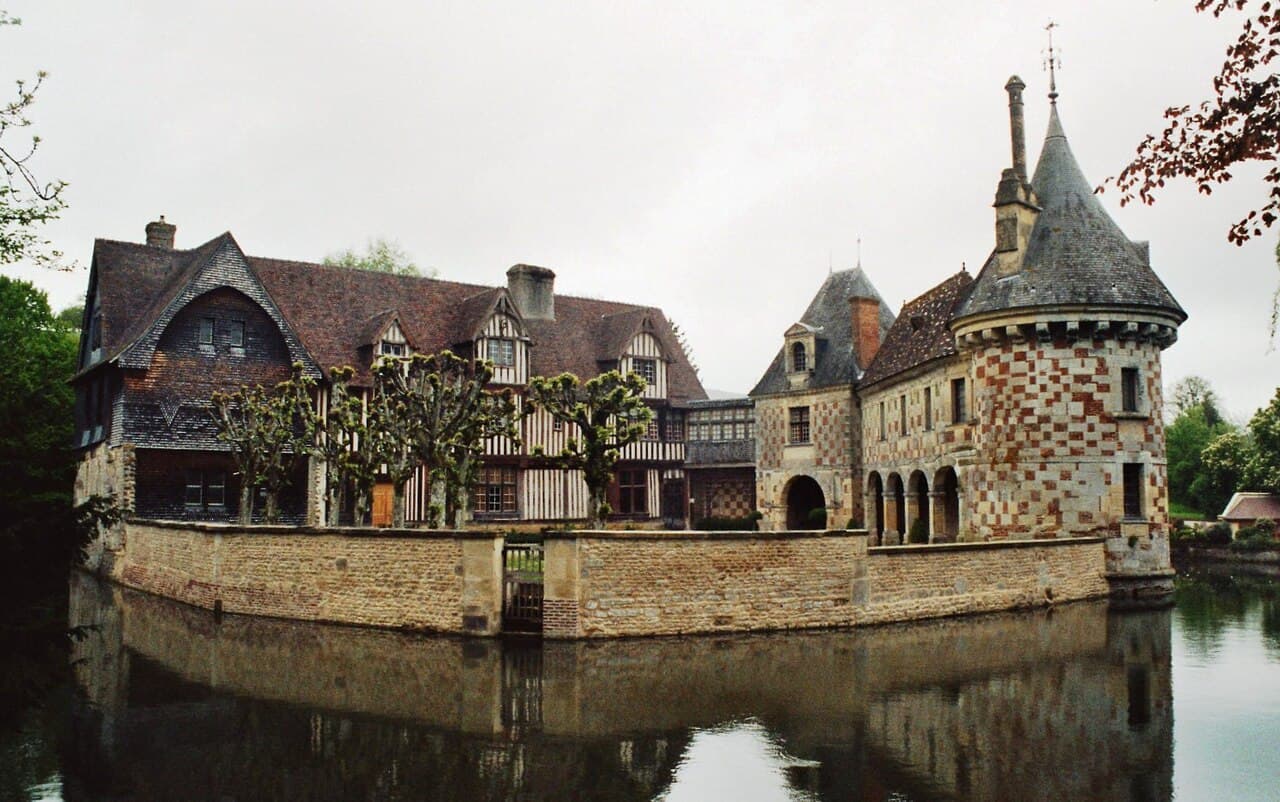 Castle
Château de Saint Germain de Livet
Saint-Germain-de-Livet
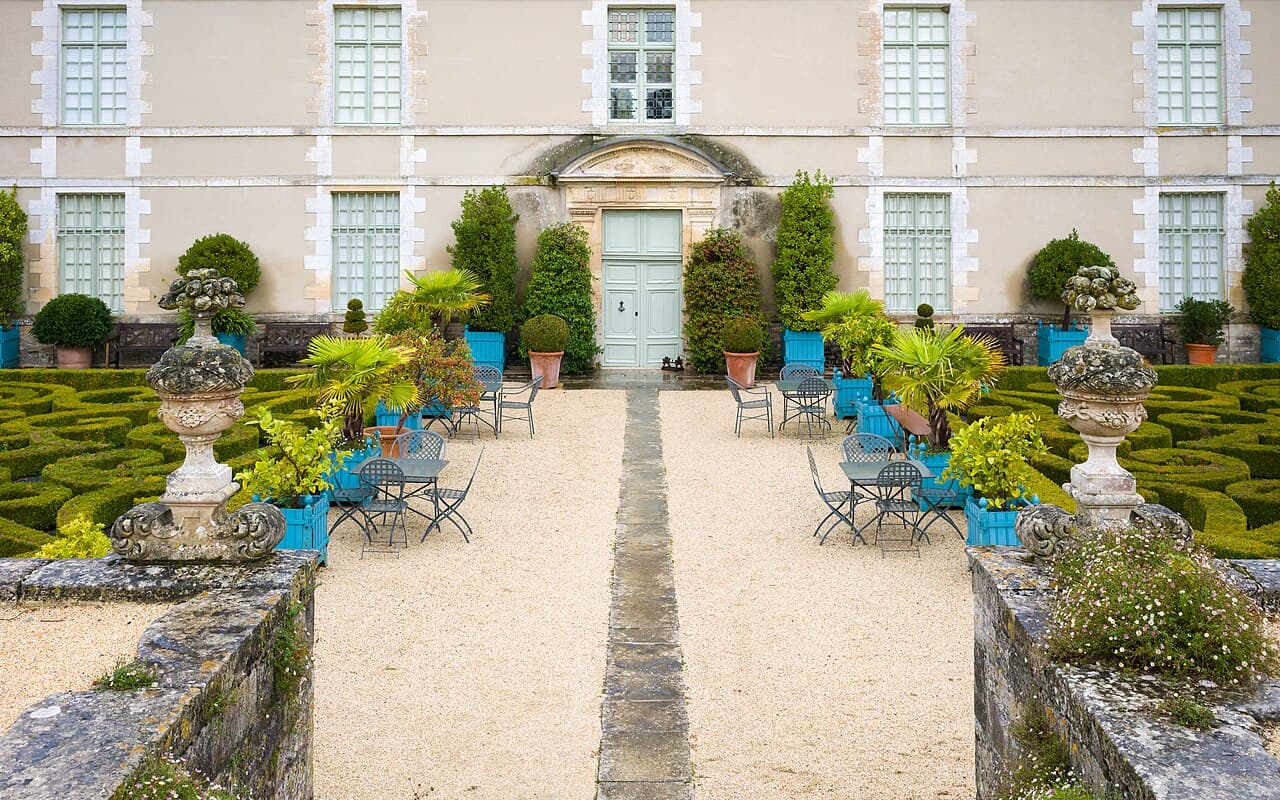 Castle
Château de Brécy
Saint-Gabriel-Brécy
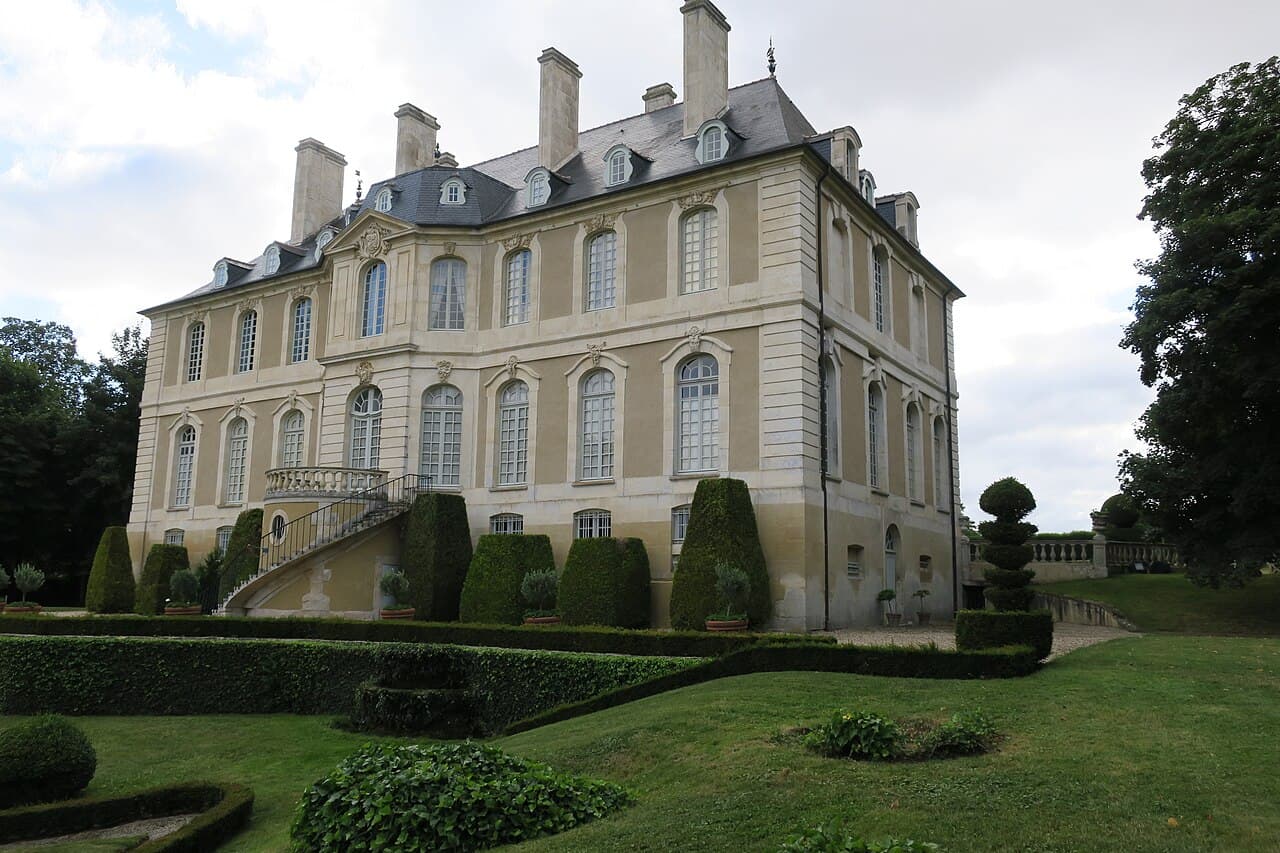 Castle
Château de Vendeuvre
Vendeuvre
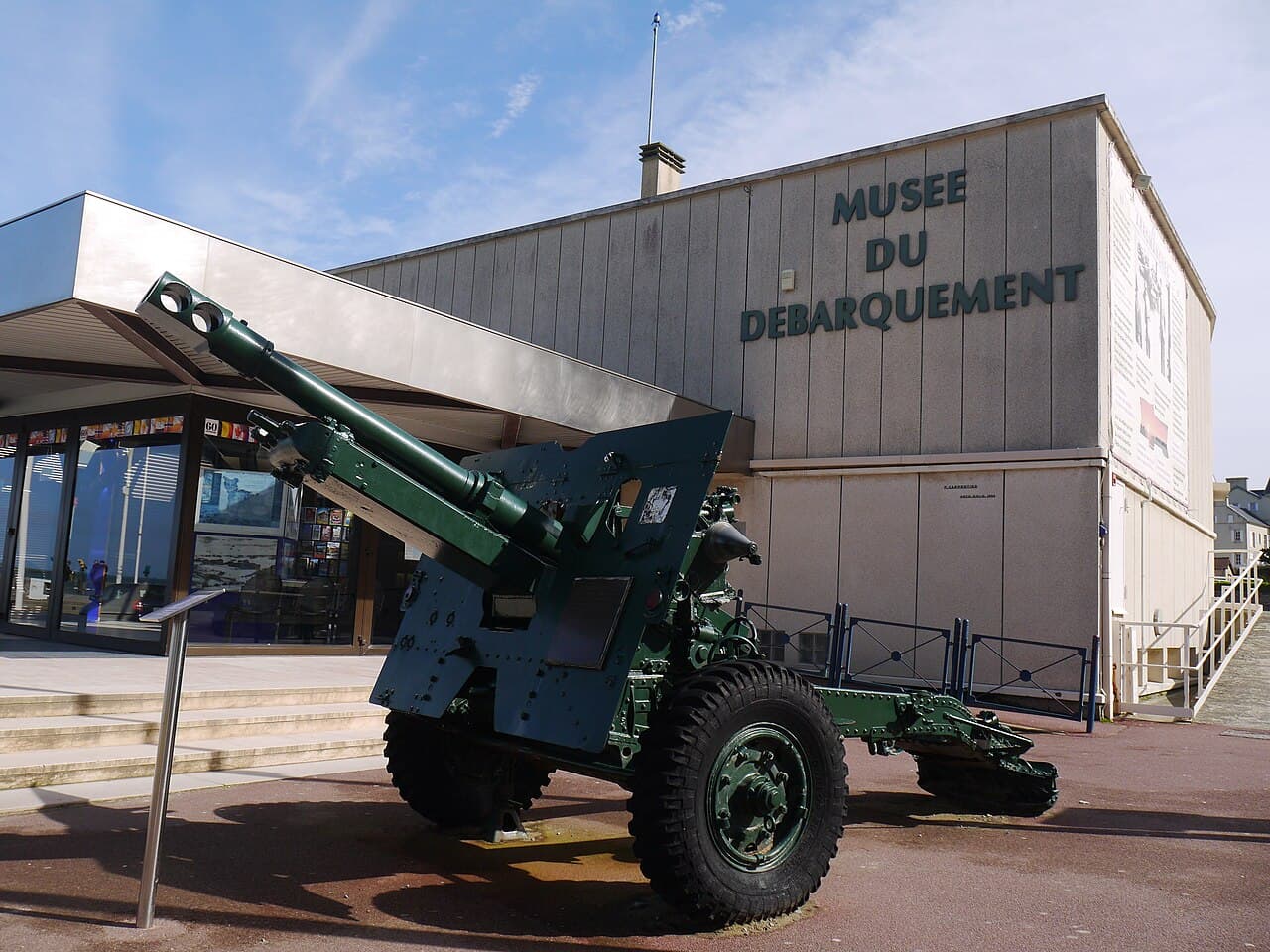 Museum
Musée du Débarquement
Arromanches-les-Bains
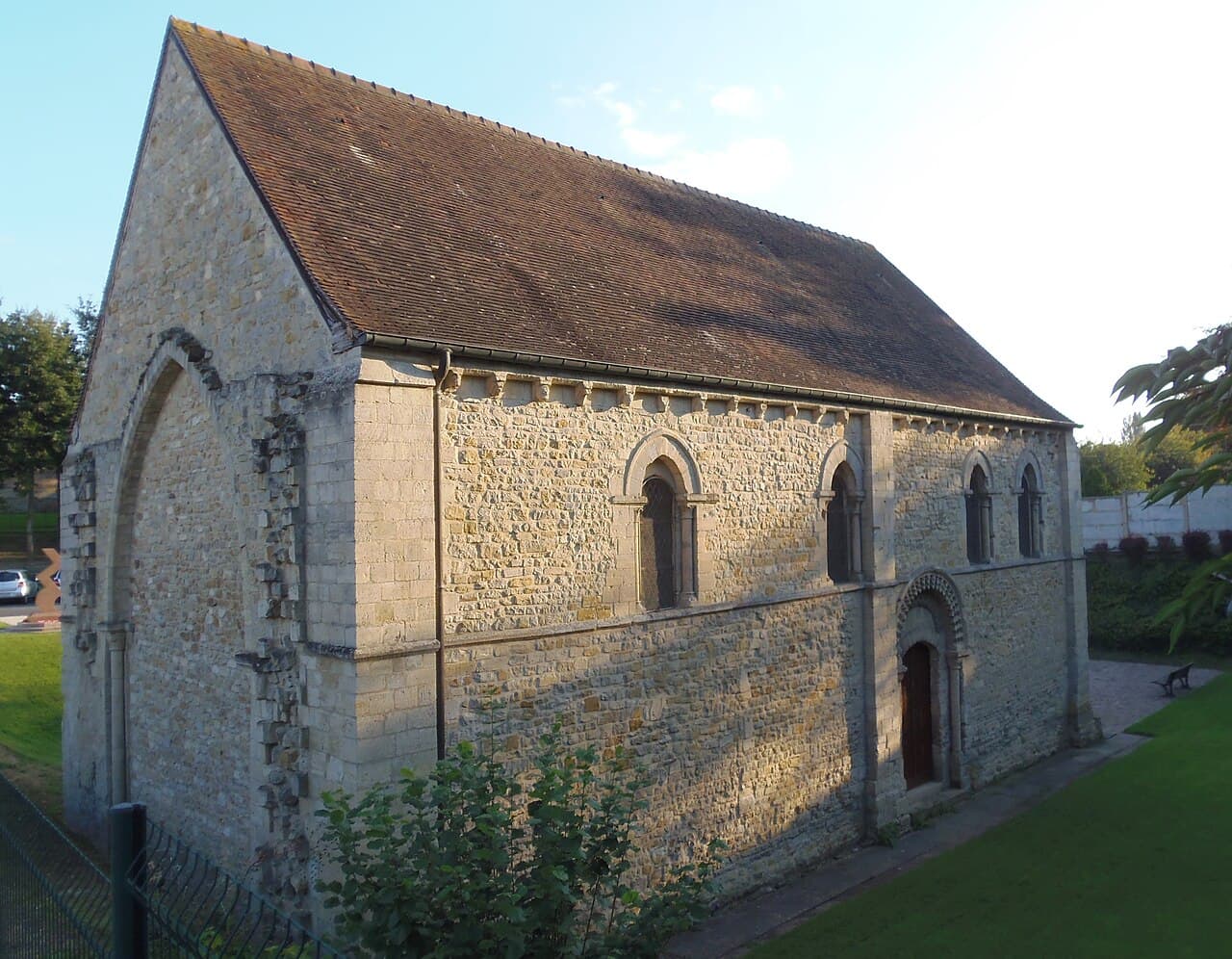 Museum
Musée de la bataille de Tilly-sur-Seulles
Tilly-sur-Seulles
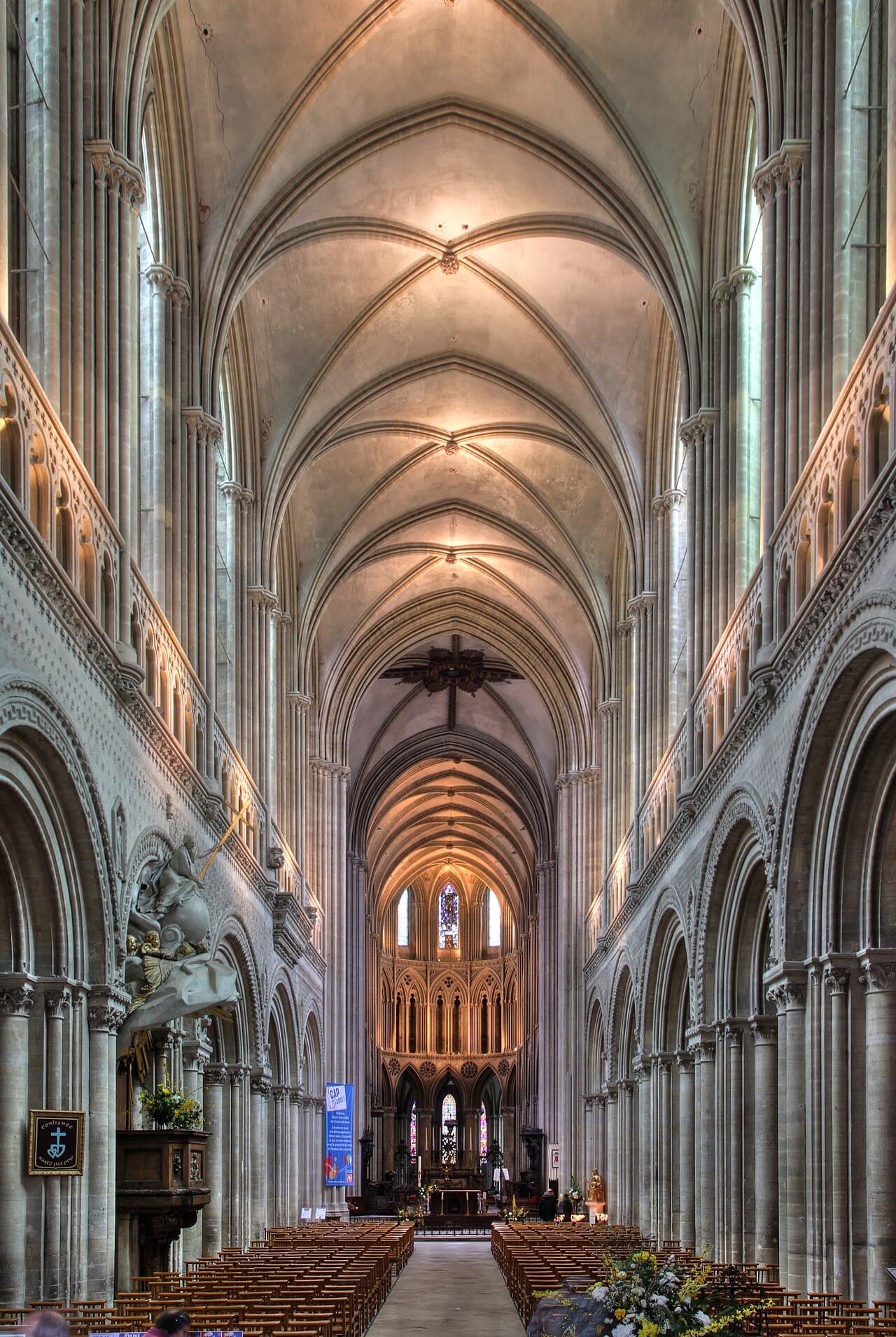 Religious site
Cathédrale Notre-Dame de Bayeux
Bayeux
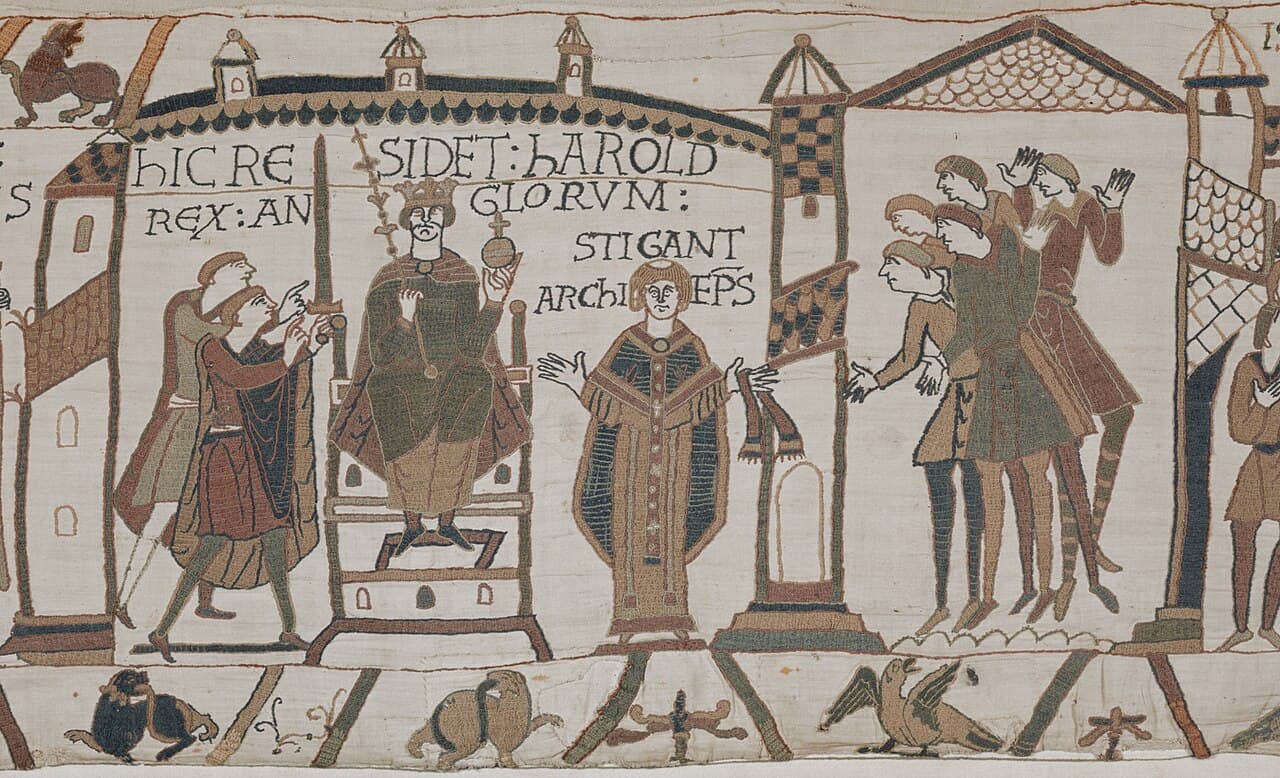 Museum
MAHB musée d'art et d'histoire Baron Gérard
Bayeux
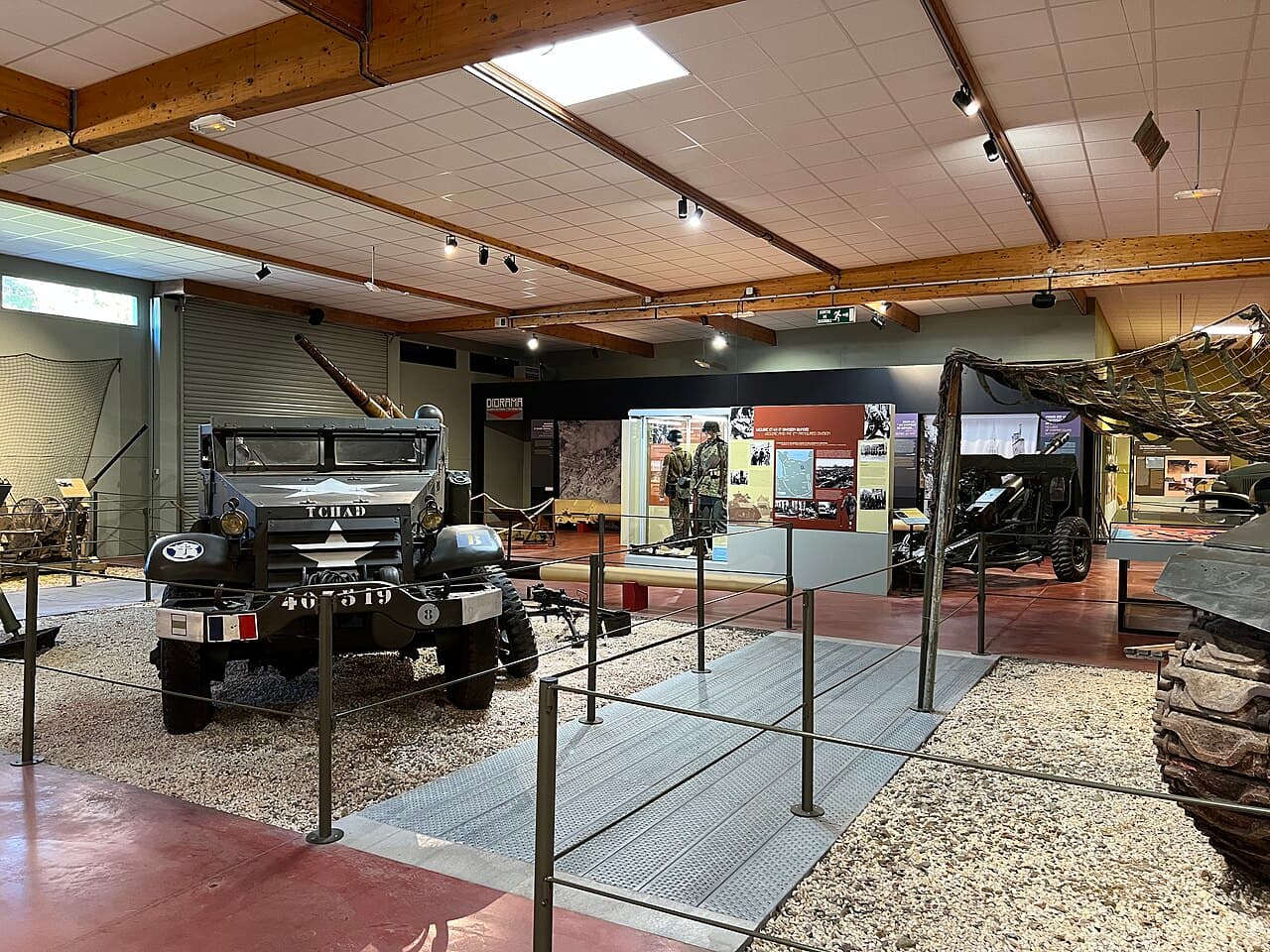 Museum
Musée de la Bataille de Normandie
Bayeux
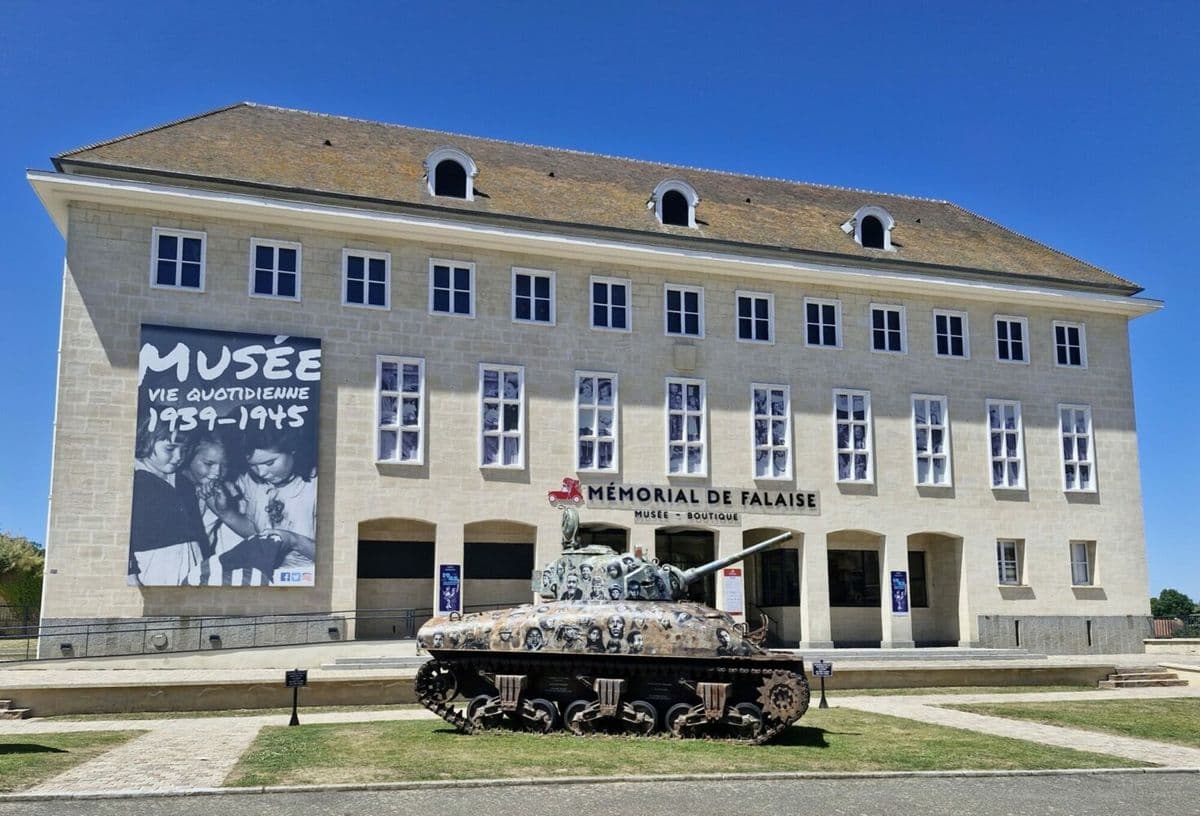 Museum
Mémorial de Falaise - Les Civils dans la Guerre
Falaise
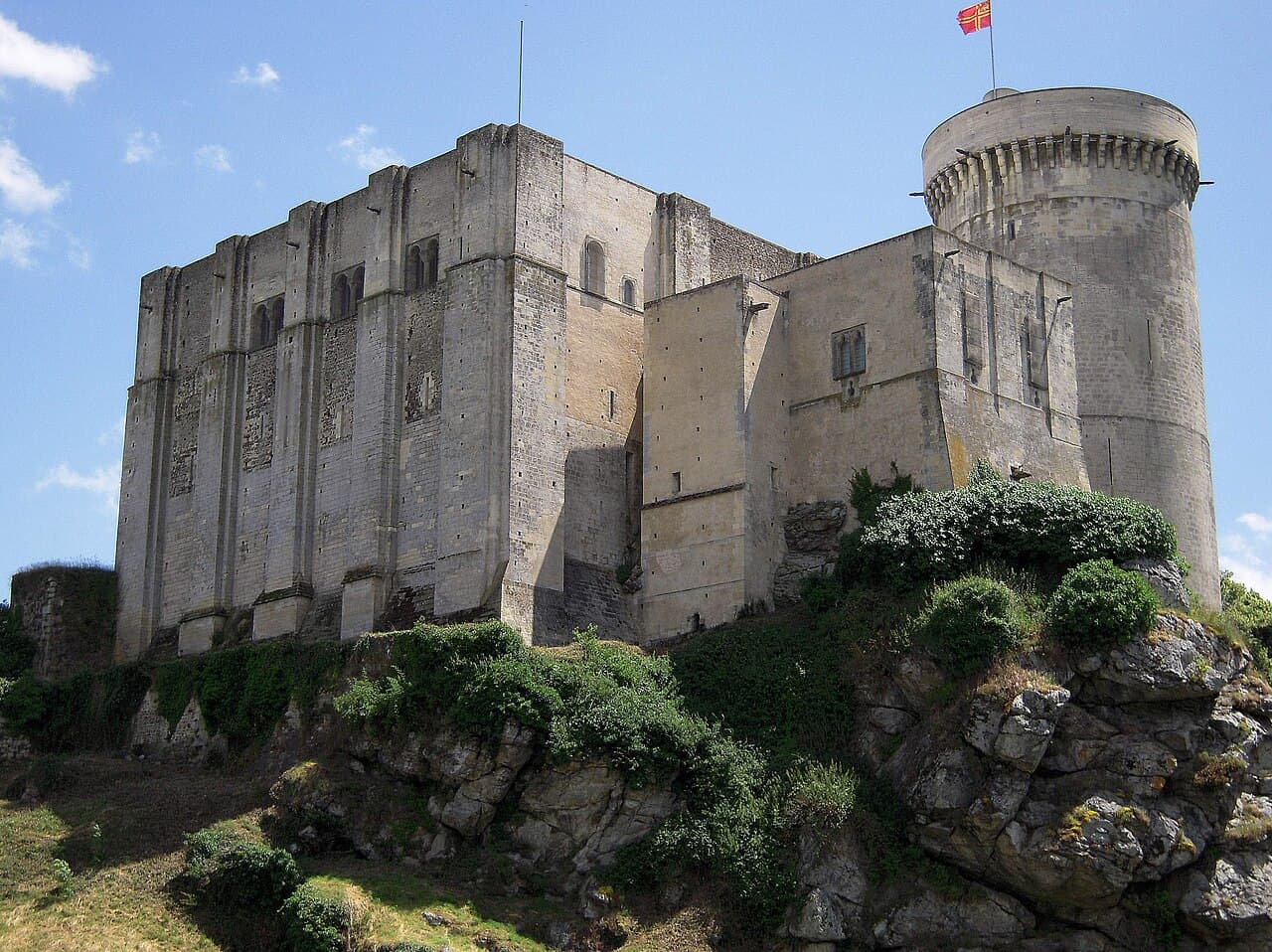 Castle
Château Guillaume-le-Conquérant
Falaise
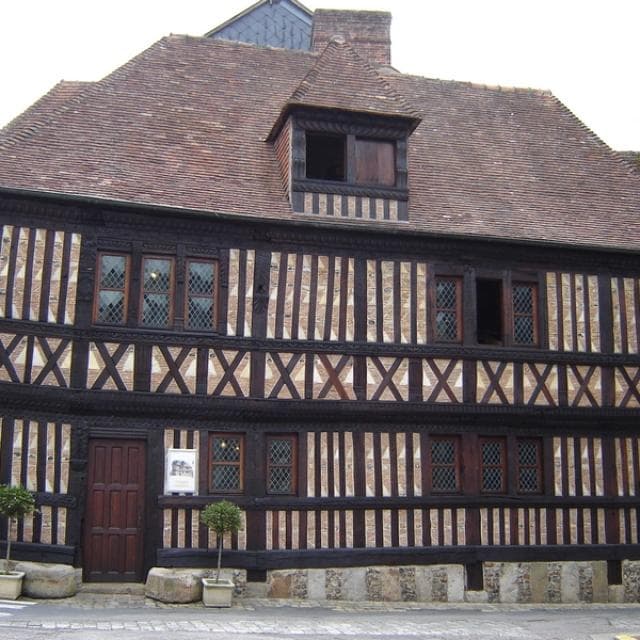 Museum
Musée municipal le vieux manoir
Orbec
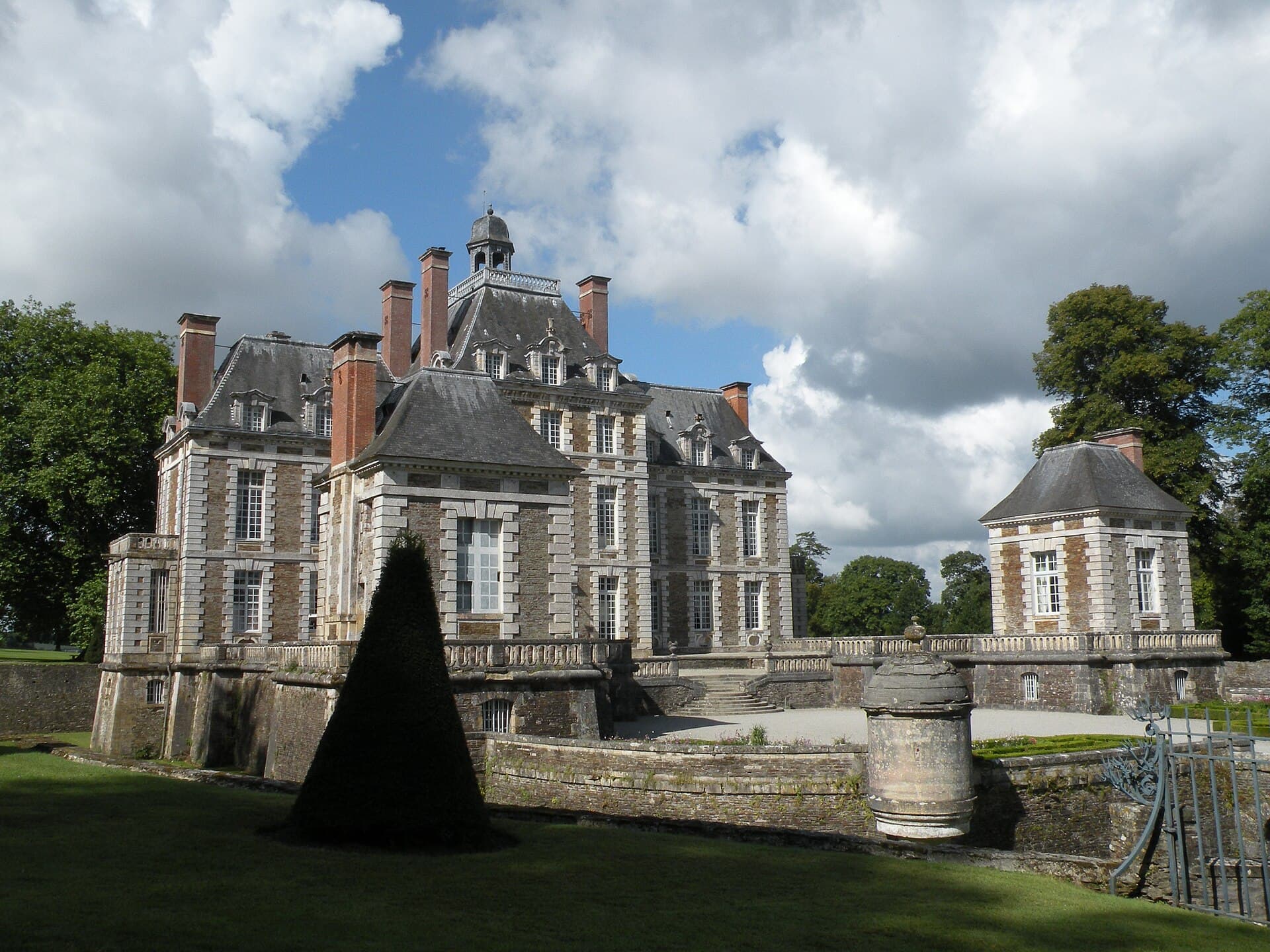 Castle
Château de Balleroy
Balleroy-sur-Drôme
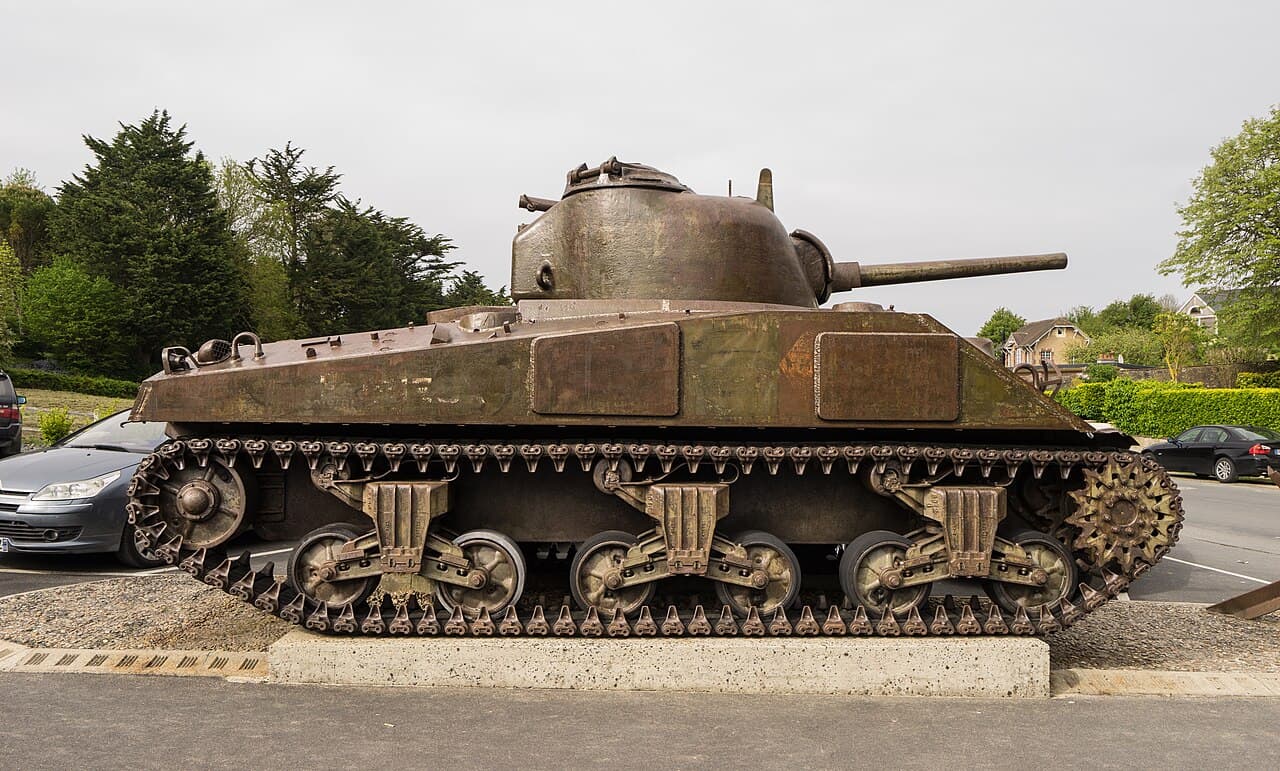 Museum
Musée Mémorial d'Omaha Beach - Saint Laurent sur Mer
Saint-Laurent-sur-Mer
A Department Shaped by History and Light
Calvados owes its international profile largely to June 1944. Caen, the departmental capital, hosts the Mémorial de Caen, one of the most comprehensive museums on the Second World War in Europe, tracing the conflict from its origins through the Cold War. Along the coast, a chain of specialized museums covers the landings sector by sector: the Musée du Débarquement at Arromanches, built around the remains of the artificial Mulberry harbor, the Centre Juno Beach at Courseulles-sur-Mer dedicated to the Canadian contribution, and the Musée Mémorial d'Omaha Beach at Saint-Laurent-sur-Mer, positioned directly on the site of the American naval assault.
Bayeux, spared from the bombardments that destroyed much of Caen, preserves its medieval fabric alongside the MAHB musée d'art et d'histoire Baron Gérard and the Musée de la Bataille de Normandie, which situates the town's role in the wider Normandy campaign. Further inland, Falaise, birthplace of William the Conqueror, addresses a less-told chapter through the Mémorial de Falaise - Les Civils dans la Guerre, focused on civilian experience under bombing and occupation.
The coastline also carries a very different heritage: that of 19th-century painting. Honfleur, with its Vieux-Bassin and slate-fronted houses, drew artists associated with the Normandy landscape school and later Impressionism, a legacy still visible in its exceptionally high concentration of art galleries.
Caen, Bayeux, Honfleur: Three Distinct Territories
Caen combines its post-war reconstructed center with older institutions such as the Musée des Beaux-Arts de Caen, holding collections spanning several centuries of painting, and the Musée de Normandie, devoted to the region's archaeology and ethnography. Contemporary practice is represented at the Artothèque, Espaces d'art contemporain de Caen.
Bayeux functions as the gateway to the landing beaches while retaining an independent identity as a historic market town. Its museum offer, split between medieval and 20th-century history, is complemented by contemporary art spaces including Le Radar.
Honfleur concentrates an unusually dense gallery district around its harbor and adjoining streets, among them Galerie Katia Granoff, Galeries Bartoux, Galerie de l'Estuaire, Galerie ArTiane and Galerie Atelier LM Art Honfleur. The town's own maritime and ethnographic collections are held at the Musée d'ethnographie et d'arts populaires et musée de la marine, housed near the Vieux-Bassin.
Honfleur and the Painters of the Normandy Coast
Honfleur's light and harbor drew painters throughout the 19th century, laying groundwork for what later crystallized into Impressionism; Eugène Boudin, a native of the town, is often credited with encouraging Claude Monet to paint outdoors along this coast. That legacy sustains a gallery ecosystem unmatched elsewhere in Calvados, from established spaces such as Galerie Danielle Bourdette Gorzkowski and Galerie d'Art J.C Robert to smaller addresses like La p'tite galerie and La Force d'un Rêve.
Arromanches-les-Bains has its own, more recent, painter's tradition tied to the D-Day site itself: la galerie - artiste VanLuc and La Galerie both work from the town's landscape and its wartime remnants as subject matter.
Frequently asked questions
How many days should I plan to visit the D-Day sites in Calvados?
Two full days is a reasonable minimum: one for Caen and the Mémorial de Caen, one for the beaches (Arromanches, Juno, Omaha) and Bayeux.
Is the Mémorial de Caen suitable for children?
Yes, though its detailed historical content is best suited to children aged 10 and up; younger visitors may find the pace and volume of information demanding.
What is the best time of year to visit Honfleur's galleries?
Spring and early autumn offer quieter streets than summer, when the harbor and gallery district can be very crowded, especially on weekends.
Can the D-Day beach museums be visited in a single day?
Visiting all of them (Arromanches, Juno, Omaha) in one day is possible by car but leaves little time at each; most visitors prioritize two of the three.
Is Bayeux walkable, and is it a good base for exploring Calvados?
Yes, the historic center is compact and pedestrian-friendly, and its central location makes it a practical base for reaching both the coast and Caen.
Are the fossil sites at Villers-sur-Mer accessible without a guide?
The cliffs can be viewed independently at low tide, but the Paléospace museum provides the geological context and displays the fossils found on site.