16 museums · 4 galleries · 2 heritage sites
Somme: Between Gothic Heritage and Great War Memory
Explore museums, galleries and heritage sites in Somme, in Hauts-de-France.
A Department Shaped by Faith, War and Water
Amiens, the departmental capital, is dominated by the Cathédrale d'Amiens, built between the 13th and 16th centuries and ranked among the largest Gothic cathedrals in France. Its scale and sculpted portals reflect the ambitions of the medieval bishops who financed its construction over three centuries.
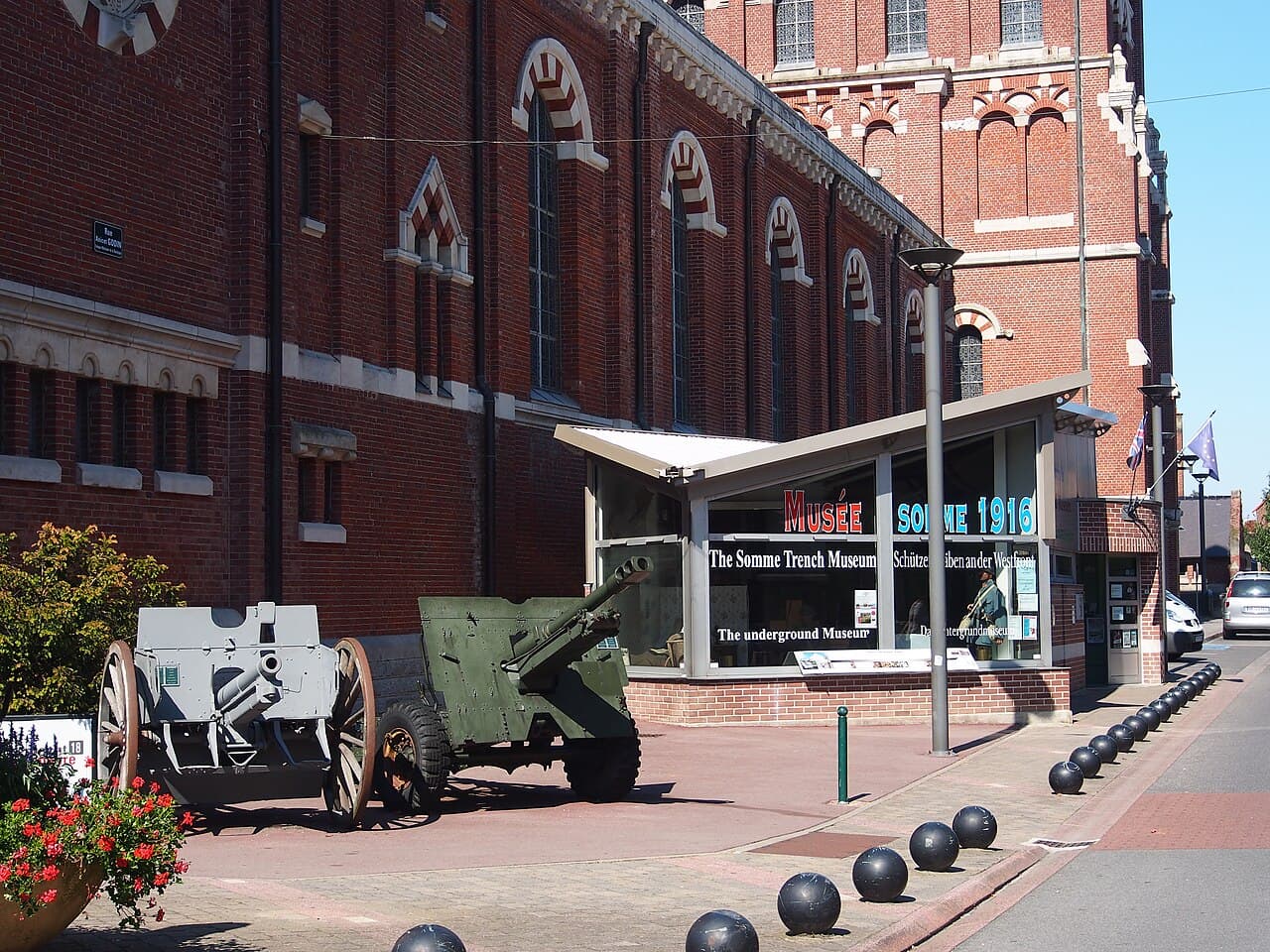
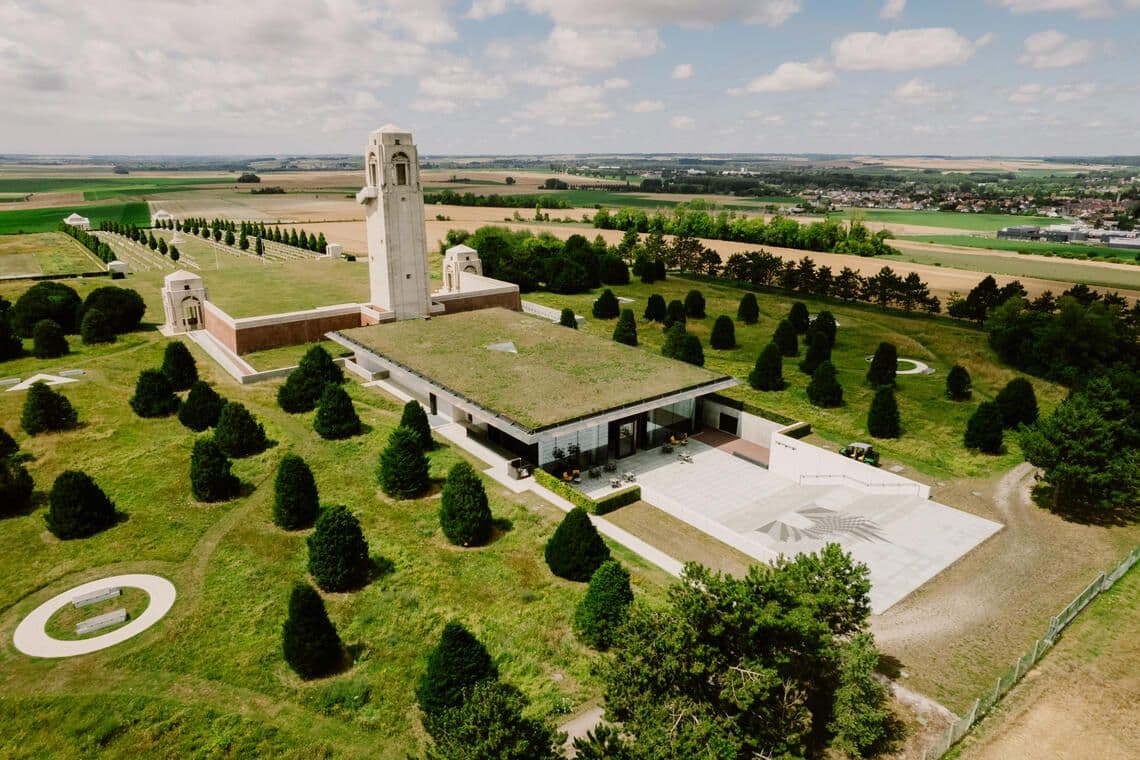
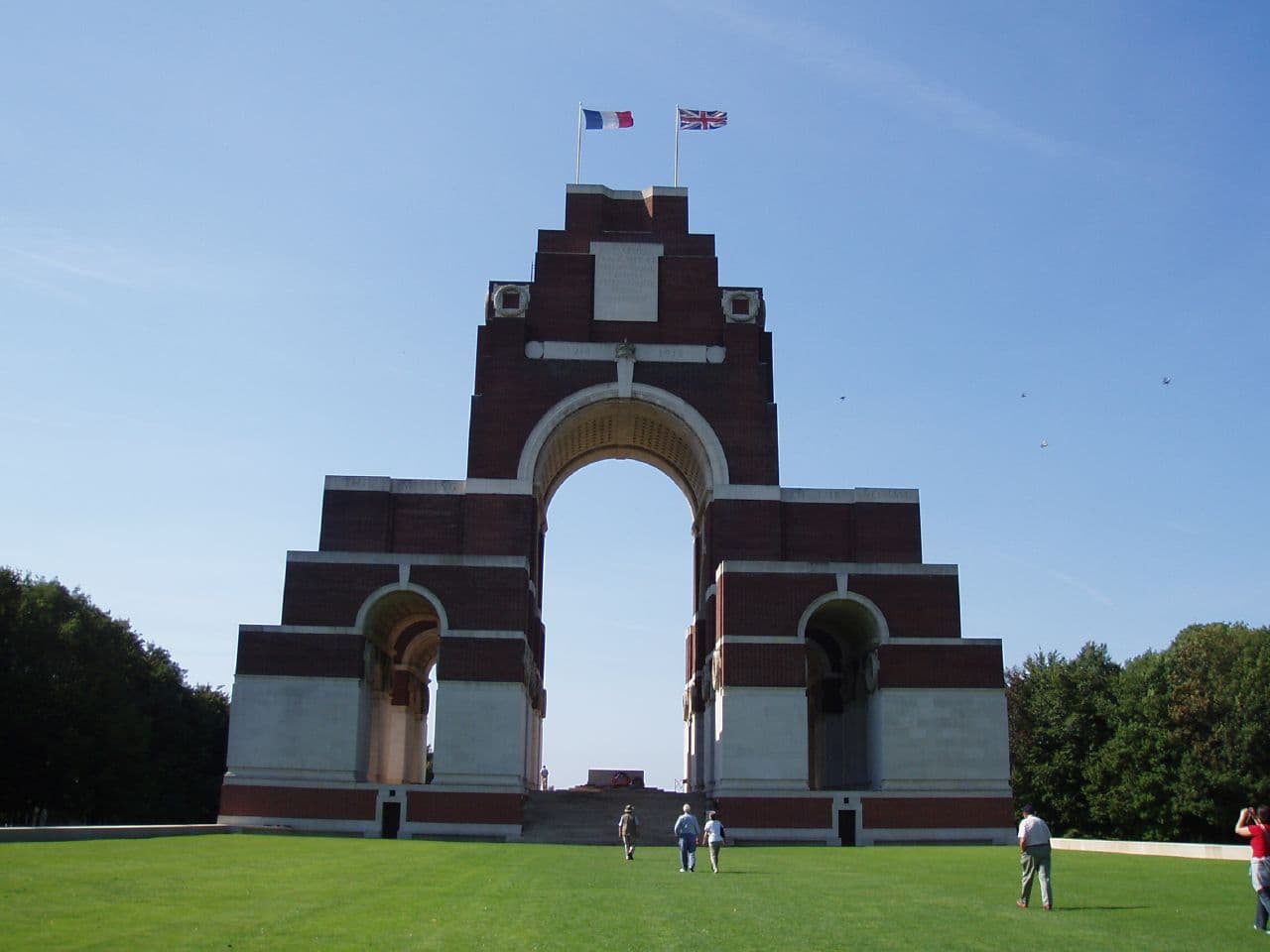
The department's identity is inseparable from the First World War. The battles fought along the Somme river in 1916 left a landscape marked by cemeteries, craters and memorials, gathered together within the UNESCO-listed Sites funéraires et mémoriels de la Première Guerre mondiale (Front Ouest) at Thiepval. Nearby, the Musée Somme 1916 in Albert occupies a Second World War air-raid shelter and reconstructs trench life for visitors walking through its underground galleries.
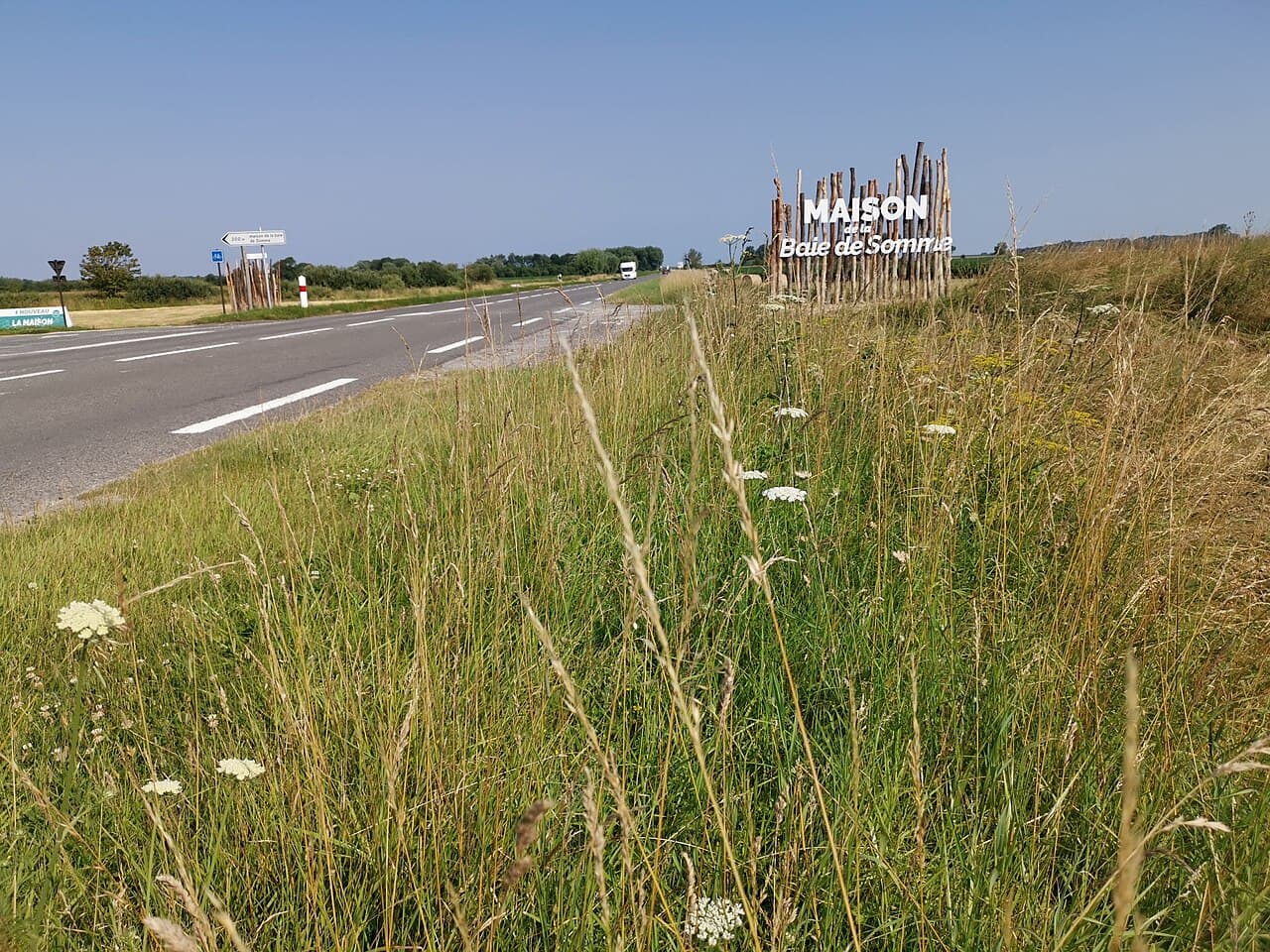
Away from the battlefields, the Baie de Somme offers a different rhythm: tidal flats, migratory birds and salt meadows interpreted at the Maison de la Baie de Somme in Lanchères, between Saint-Valery-sur-Somme and Le Hourdel.
Cities & region
Museums to discover
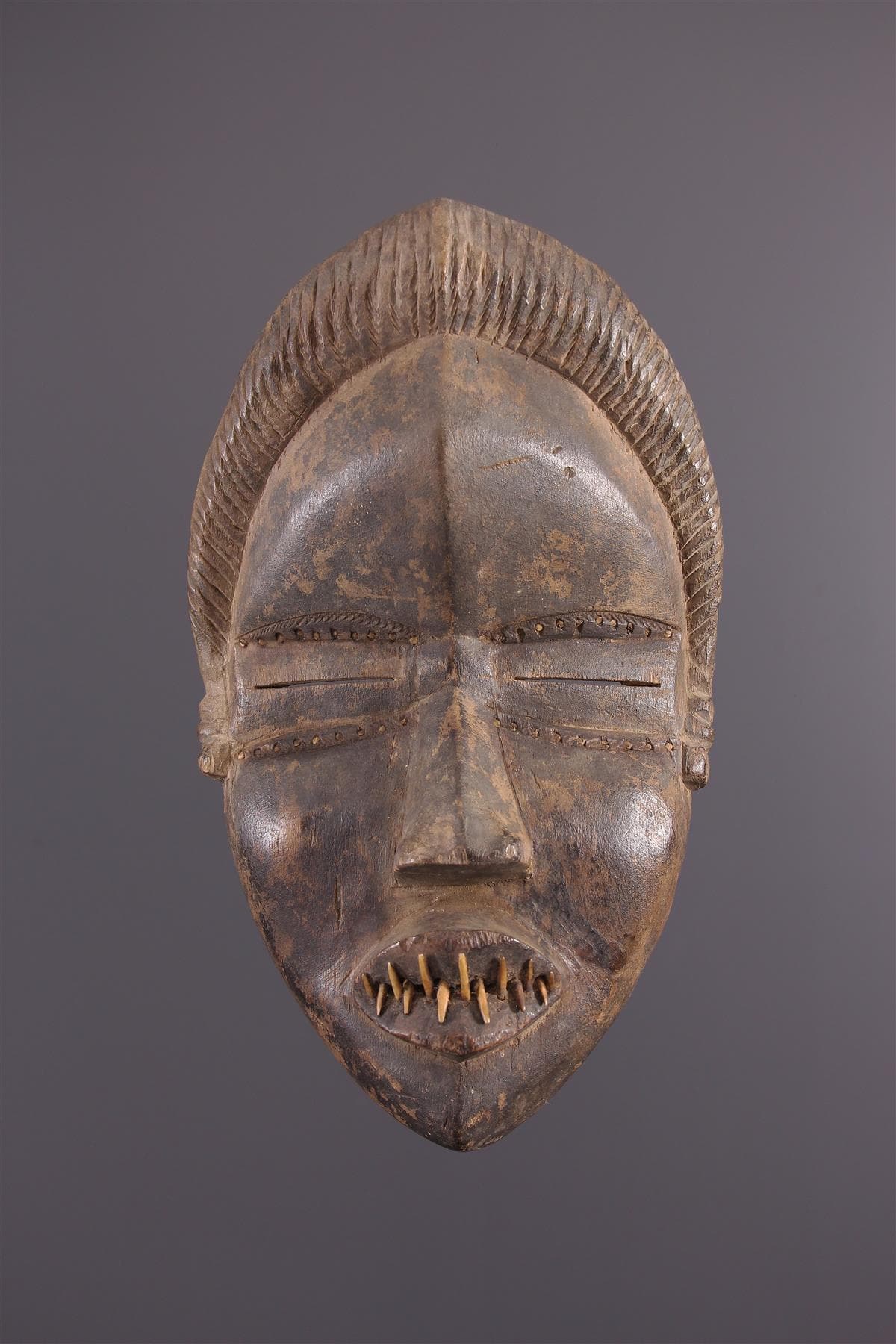
16 museums, from major institutions to local collections.
Galleries to discover
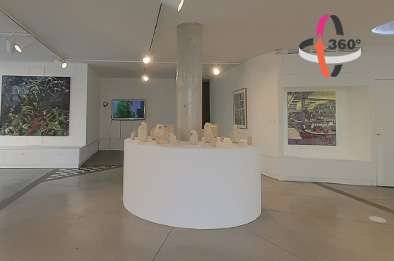
4 contemporary and modern art galleries.

World Heritage & monuments
2 UNESCO World Heritage Sites.

Amiens and the River Towns
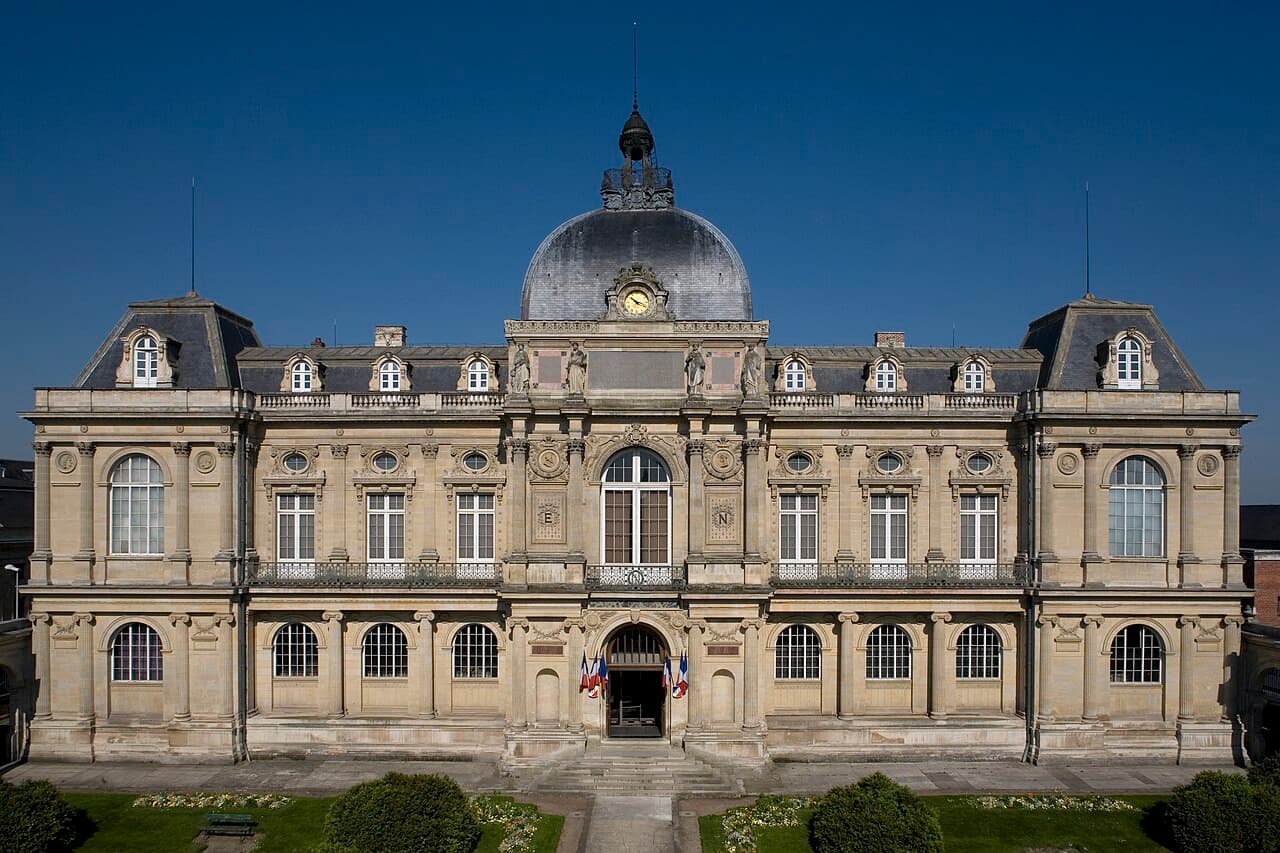
In Amiens, the Saint-Leu quarter runs alongside canals once used by market gardeners, while the Musée de Picardie and the Musée de l'hôtel de Berny, housed in a brick and stone mansion built in 1633-1634 for the Trésoriers de France, anchor the city's museum quarter near the cathedral.
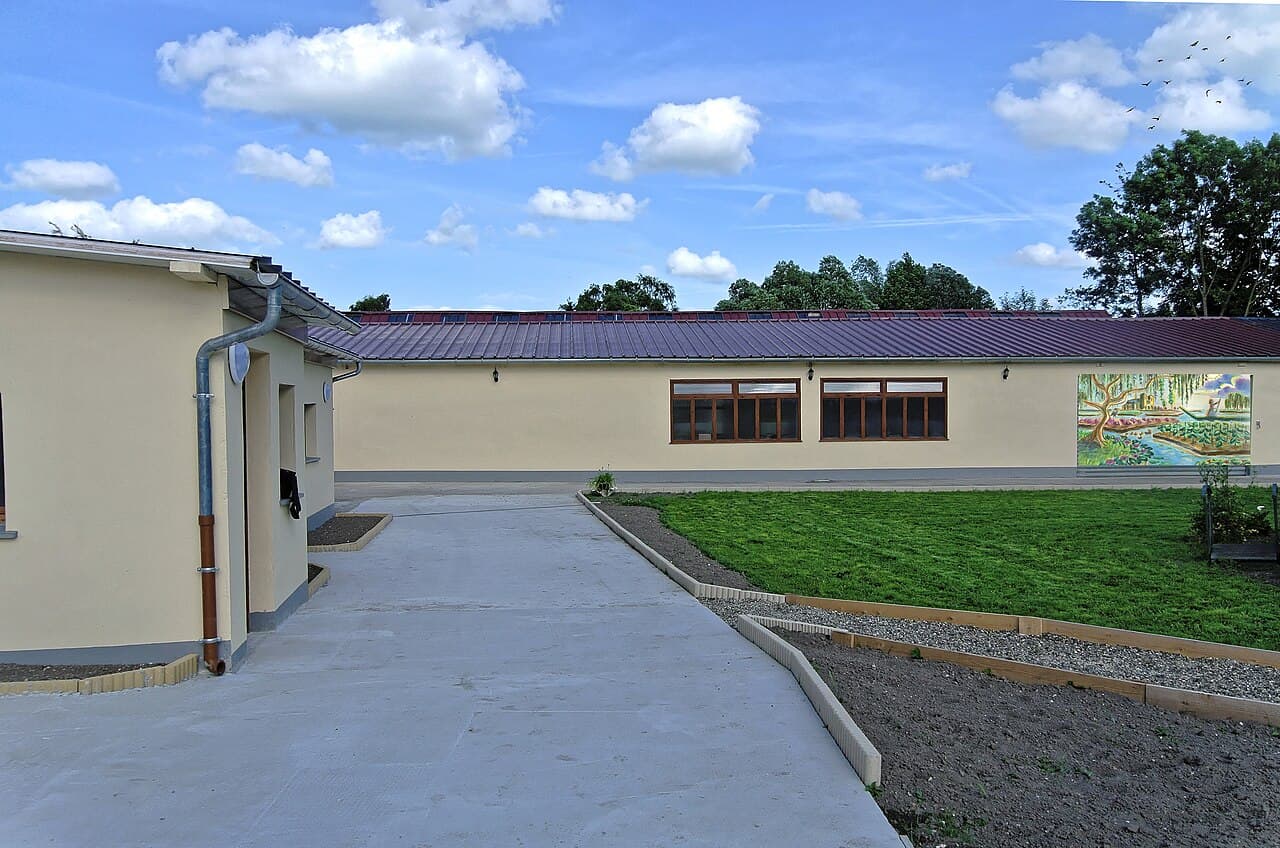
A few kilometres east, at Rivery, the Musée des Hortillonnages documents the traditional tools and trades of the floating market gardens that have supplied Amiens with vegetables for centuries.
Further north, Abbeville and Péronne each preserve distinct layers of local history: the Musée Boucher-de-Perthes in Abbeville's Beffroi building, and the Musée Danicourt, installed since 1877 on the upper floor of Péronne's town hall, with archaeological collections spanning Prehistory to the Middle Ages.
Memory and Commemoration
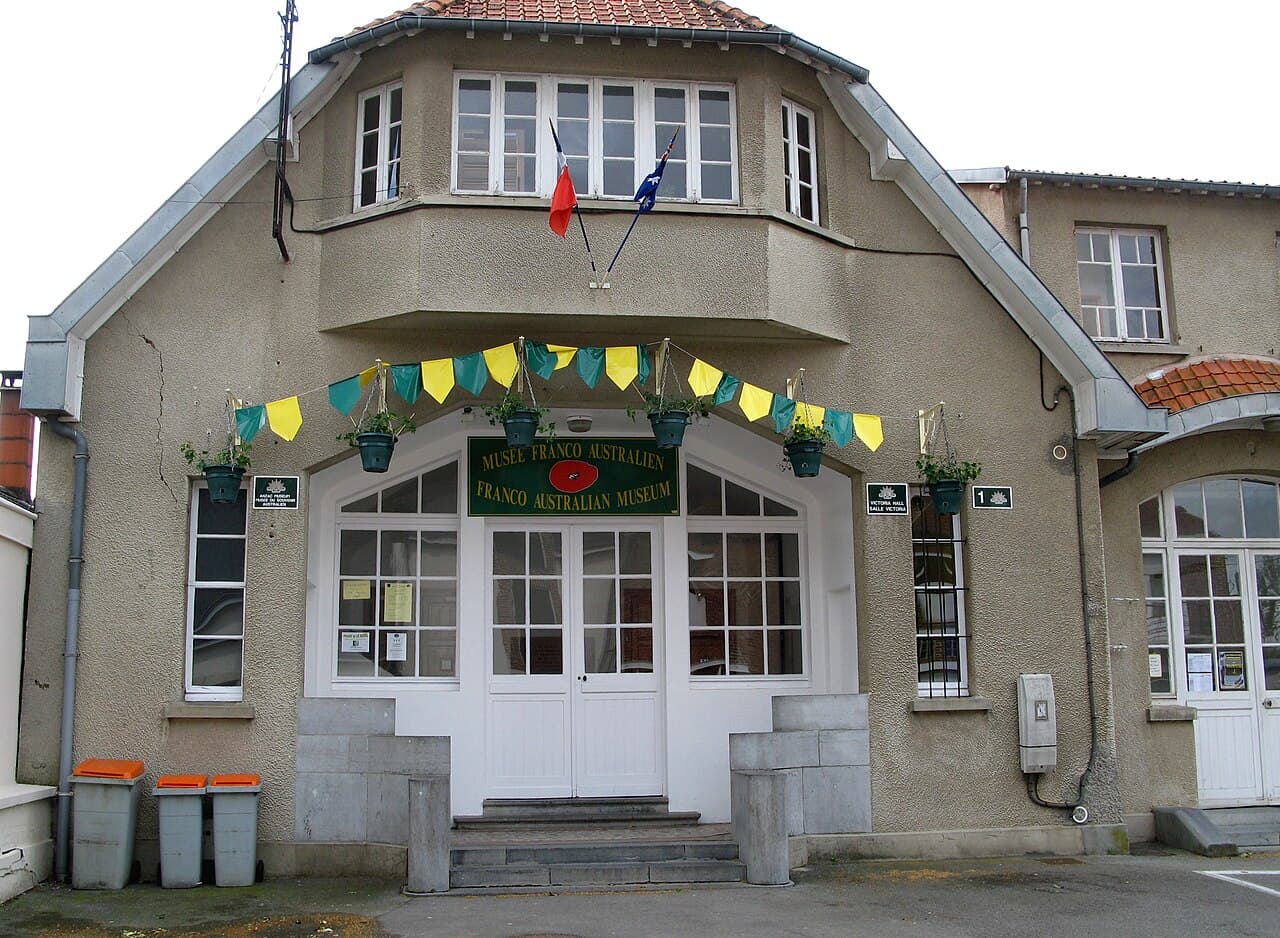
Every year around 1 July and 11 November, commemorations take place across the former Somme battlefields, drawing descendants of soldiers from Britain, Australia and France to sites such as Thiepval and Villers-Bretonneux. The Musée Franco-Australien in Villers-Bretonneux keeps alive the memory of the Australian forces who recaptured the town in April 1918.
The Musée-historial de la Grande Guerre in Péronne coordinates its exhibitions with these commemorative dates, presenting the conflict from French, British and German perspectives side by side.
A Landscape That Shaped Writers and Painters
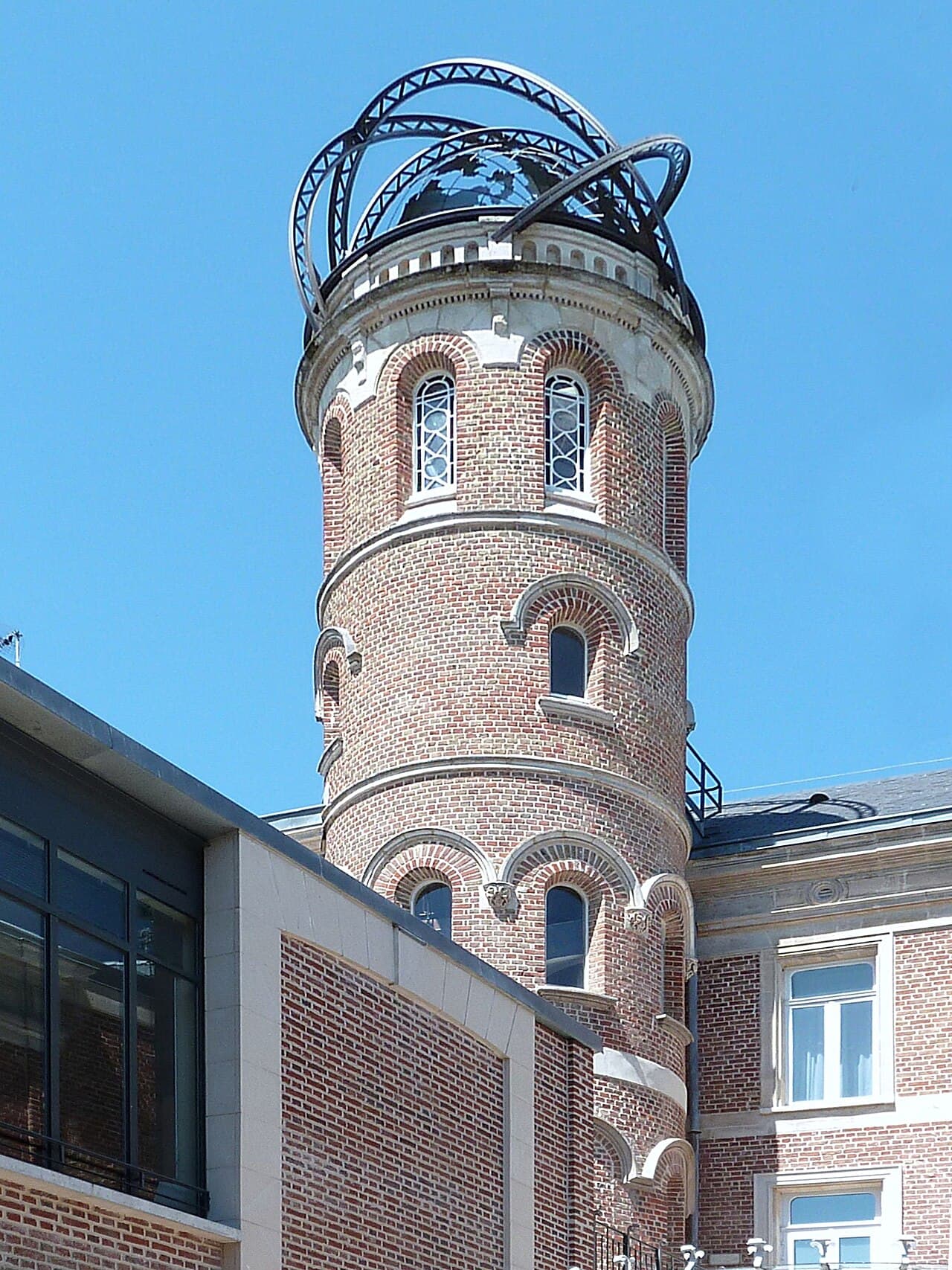
Jules Verne lived in Amiens for thirty-four years, from 1871 to 1905, in the house now open as the Maison de Jules Verne, where much of his later work was written.
Contemporary artistic practice continues in smaller venues such as Les Ateliers Art & Nature en Baie de Somme in Abbeville, which draws on the estuarine landscape, and the Espace Totem / Amiens Métropole in Amiens.
Somme on the map
Museums, galleries and heritage, at a glance.
22 results
Frequently asked questions
How much time should I plan to visit the Somme's WWI sites?
A full day is enough for the essentials: the Thiepval memorial, the Musée Somme 1916 in Albert and the Musée Franco-Australien in Villers-Bretonneux. Add a second day to include the Historial de la Grande Guerre in Péronne.
Is Amiens Cathedral free to visit?
Yes, entry to the Cathédrale d'Amiens is free, though a light and sound show projected on the facade in summer evenings is also free and worth planning around.
When is the best time to visit the Baie de Somme?
Spring and autumn offer the best conditions for birdwatching at low tide, while the Maison de la Baie de Somme is open year-round for an introduction to the bay's ecology.
Can the Somme battlefields be visited without a car?
A car is strongly recommended, as sites like Thiepval, Albert, Péronne and Villers-Bretonneux are spread across the countryside with limited public transport between them.
What should not be missed in Amiens itself?
Beyond the cathedral, the Musée de Picardie, the Maison de Jules Verne and a walk through the Saint-Leu canal district give a good sense of the city in half a day.