43 museums · 71 galleries · 1 heritage site
Rhône: Art and Heritage Guide to Lyon and its Department
Explore museums, galleries and heritage sites in Rhône, in Auvergne-Rhône-Alpes.
A Department Shaped by Lyon
The Rhône department, part of the Auvergne-Rhône-Alpes region, owes its cultural weight almost entirely to Lyon, at the confluence of the Rhône and Saône rivers. The city's layered history—Roman colony, Renaissance trading hub, silk-weaving capital, birthplace of cinema—translates directly into its museum landscape, with institutions dedicated to each of these chapters standing often within walking distance of one another.
The Site historique de Lyon, inscribed on the UNESCO World Heritage list in 1998, covers a continuous urban fabric from the Roman theatres of Fourvière down through the Renaissance quarter of Vieux-Lyon to the 19th-century silk-weavers' district of the Croix-Rousse—making Lyon one of the rare cities where this scale of historical continuity remains legible on foot.
Cities & region
Museums to discover
43 museums, from major institutions to local collections.
Galleries to discover
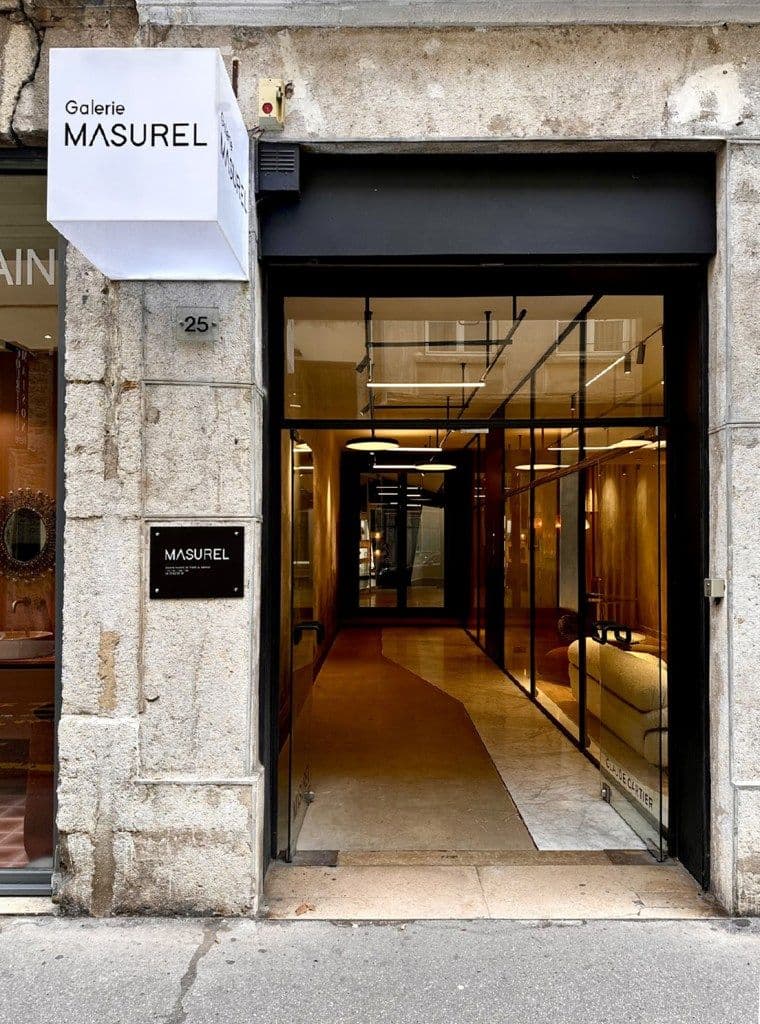
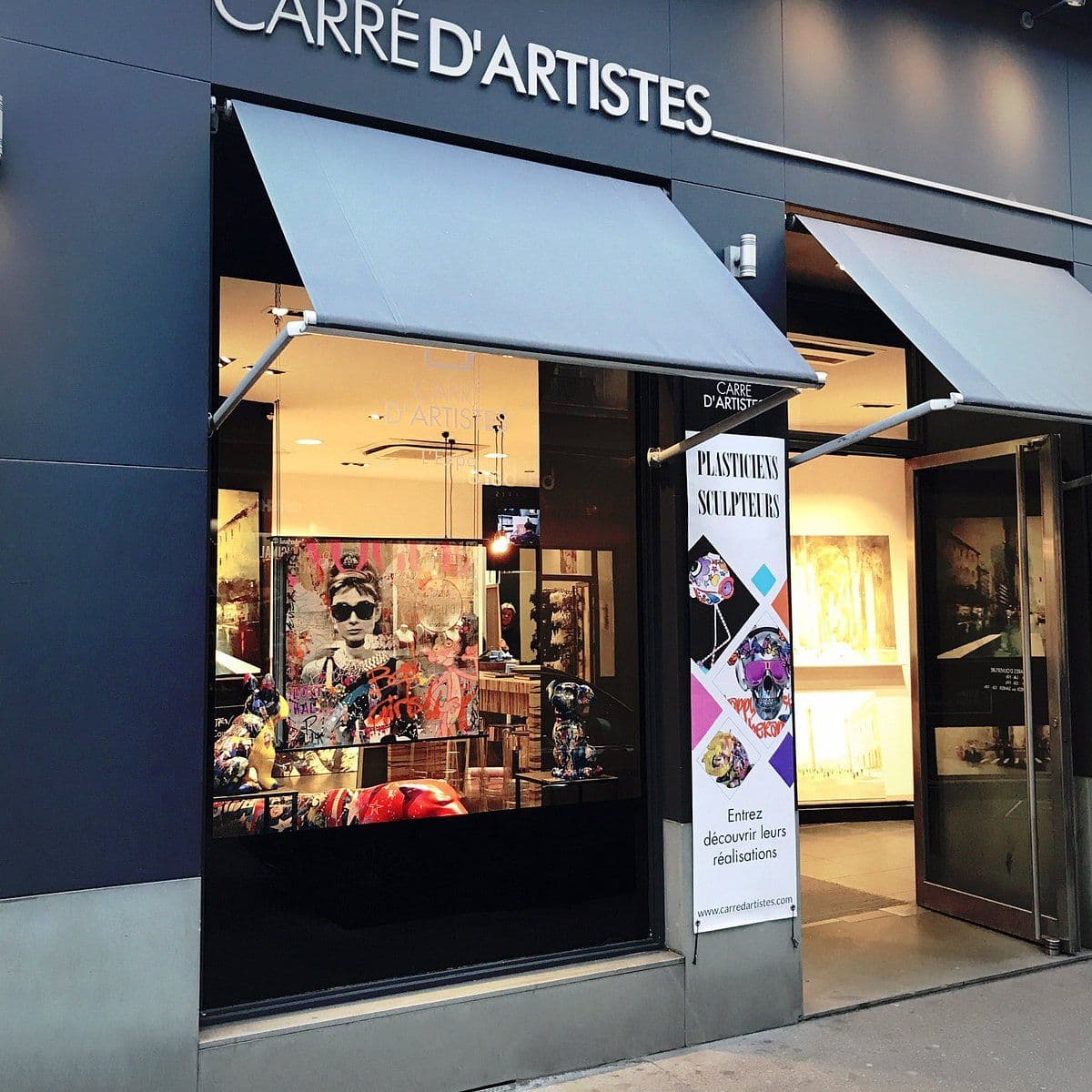
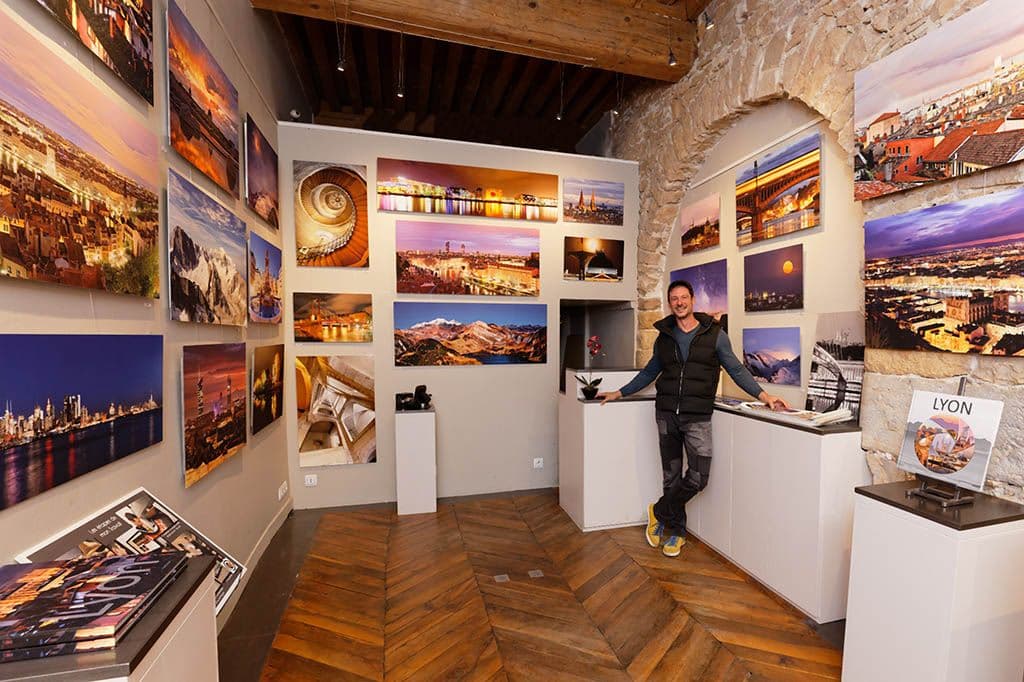
71 contemporary and modern art galleries.
World Heritage & monuments
1 UNESCO World Heritage Sites.
Museum Districts: Fourvière, Vieux-Lyon and Beyond
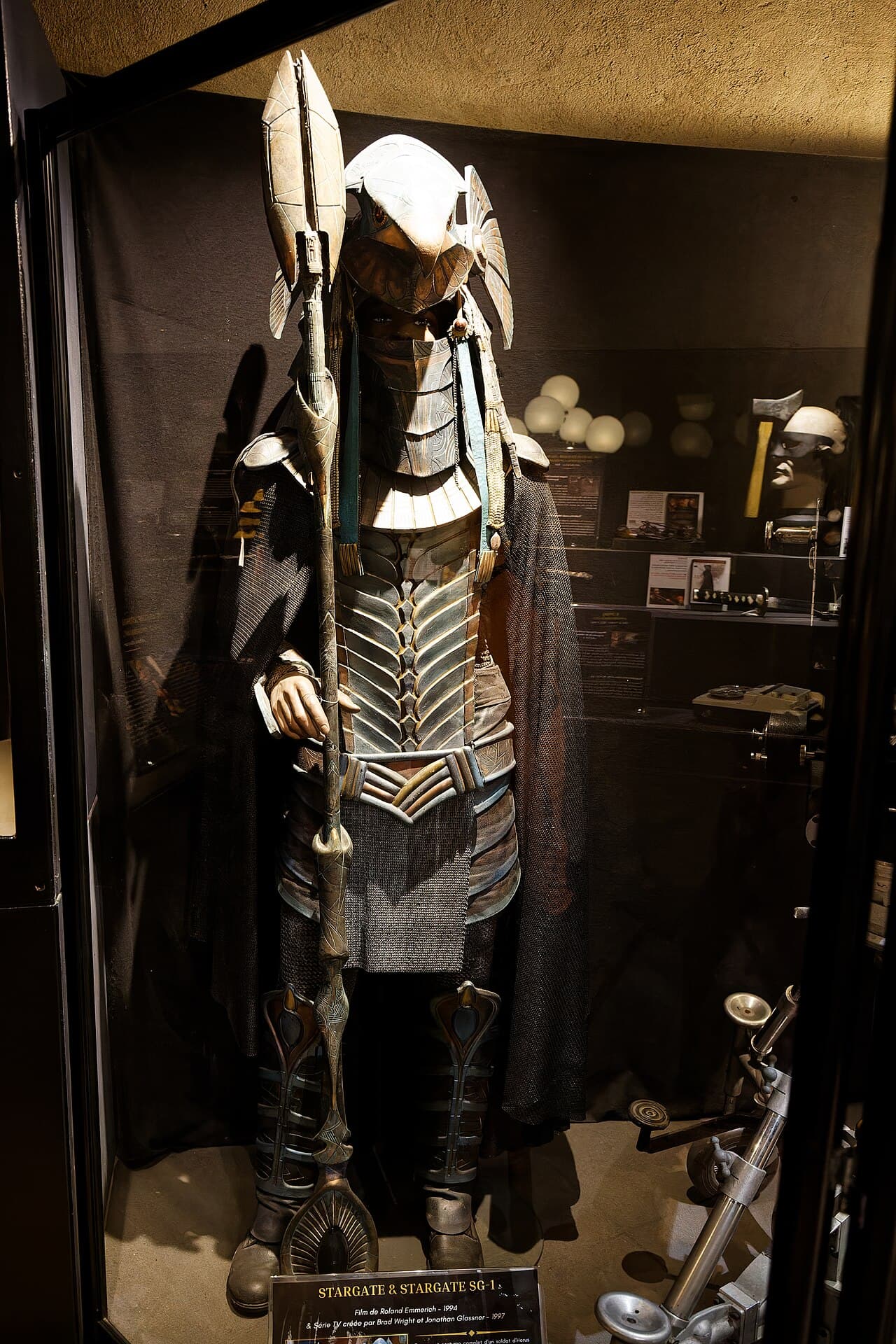
Vieux-Lyon concentrates several flagship museums within its Renaissance streets: the Musée d'histoire de Lyon - Gadagne occupies a listed 16th-century mansion and combines the city's history with a dedicated puppetry collection, while the nearby Musée Cinéma et Miniature is housed in another UNESCO-listed 15th-century building, displaying over 10,000 original film props.
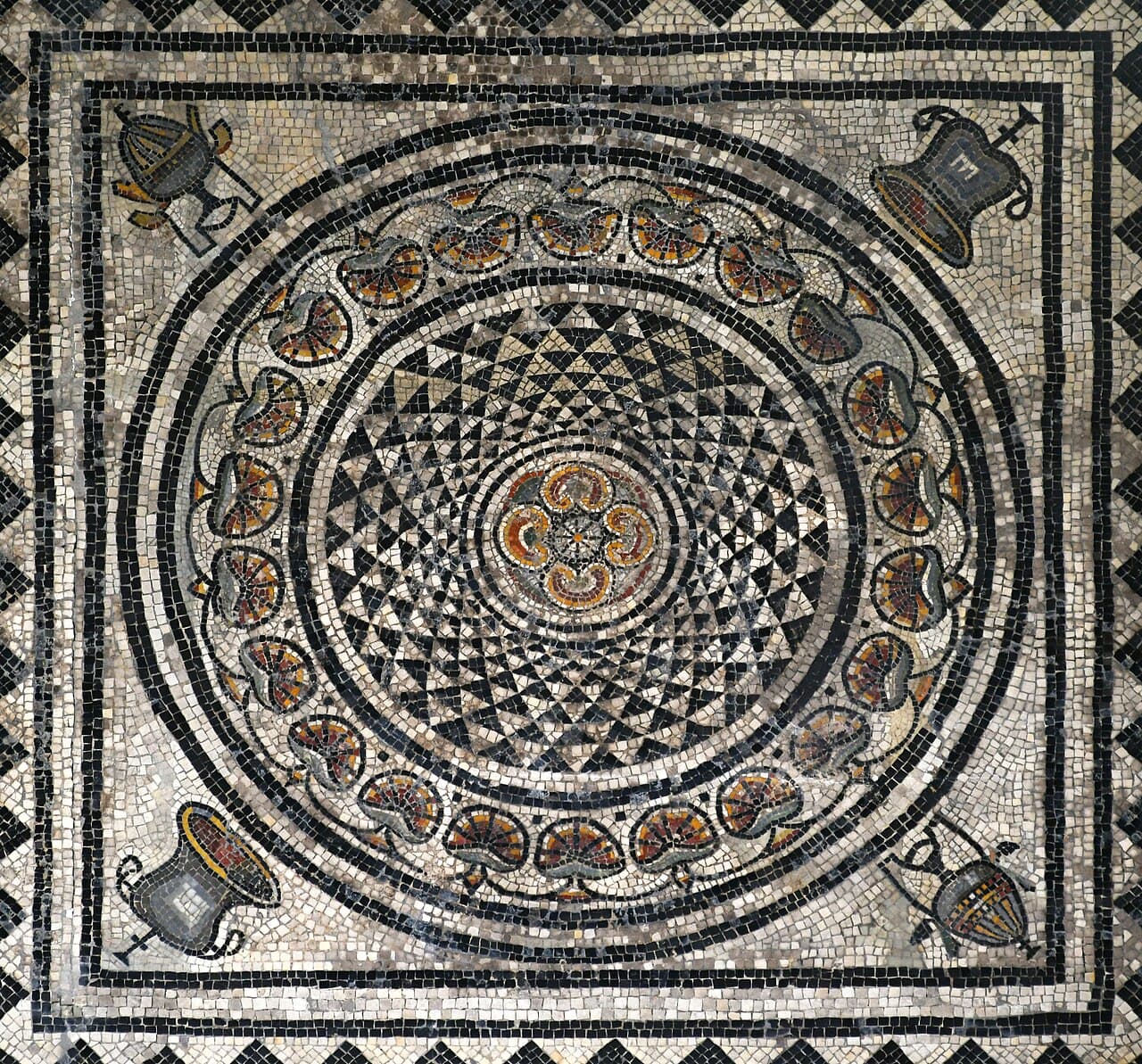
On the Fourvière hill, the Lugdunum - Musée & Théâtres romains sits directly above the excavated Roman theatres, presenting mosaics, sculptures and coins from the ancient city of Lugdunum. East of the city centre, the Croix-Rousse plateau—historically the silk-weavers' quarter—houses La Maison des Canuts, which traces the full cycle of Lyonnais silk production.
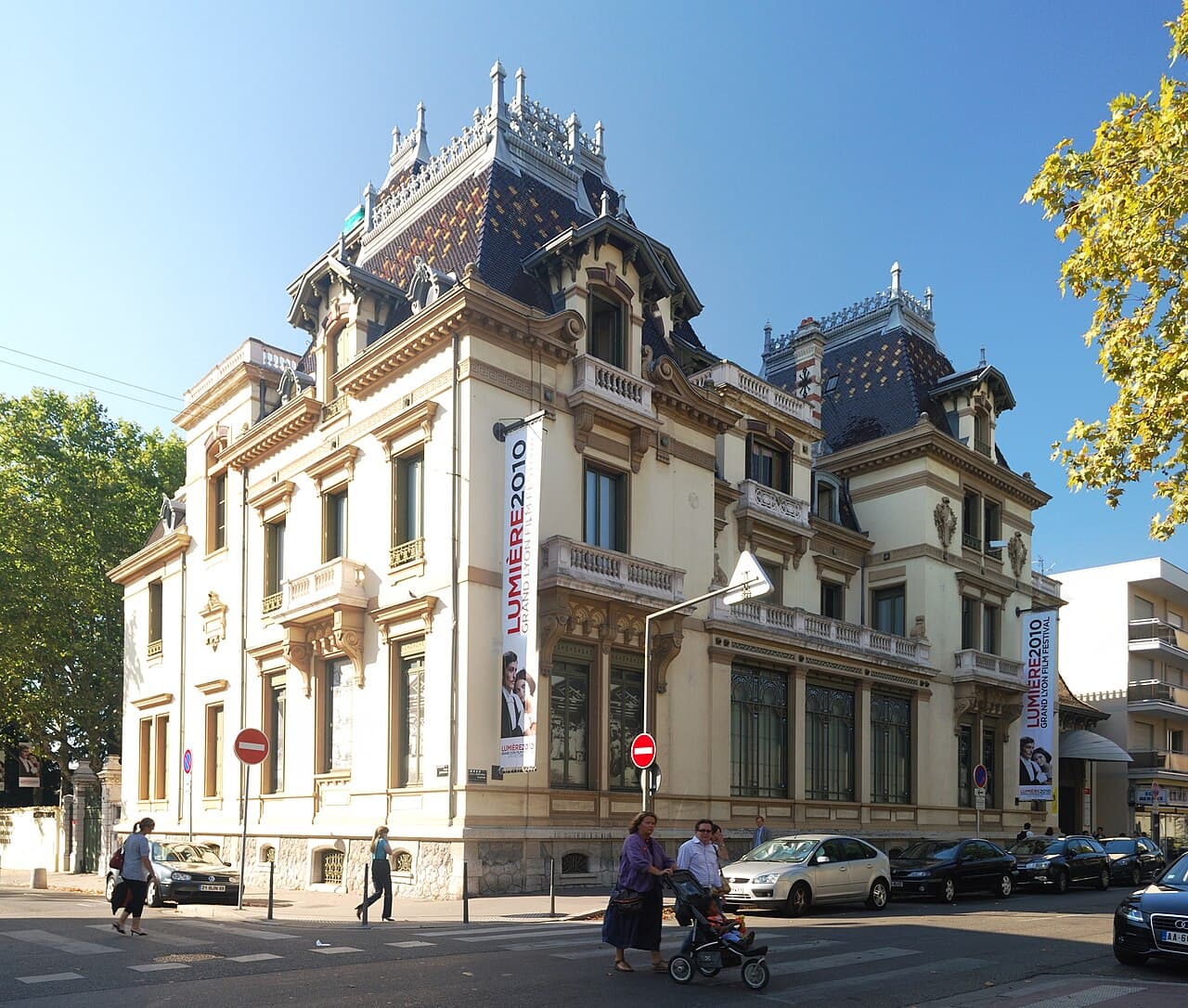
The Cité Internationale on the banks of the Rhône groups contemporary institutions such as the Musée d'Art Contemporain de Lyon (macLYON), while the Monplaisir-Lumière neighbourhood, birthplace of cinema, is home to the Musée Lumière.
Art Spaces and Galleries
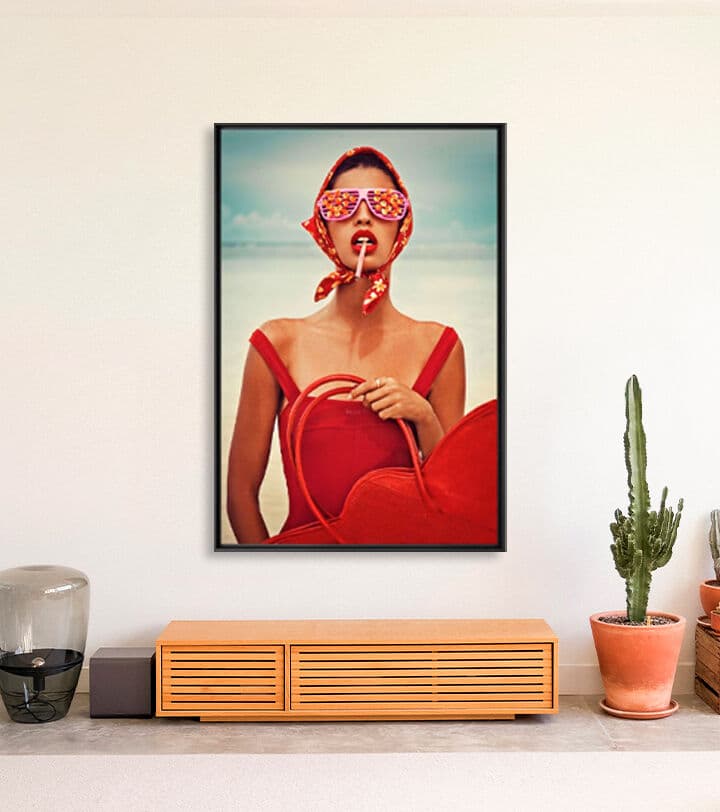
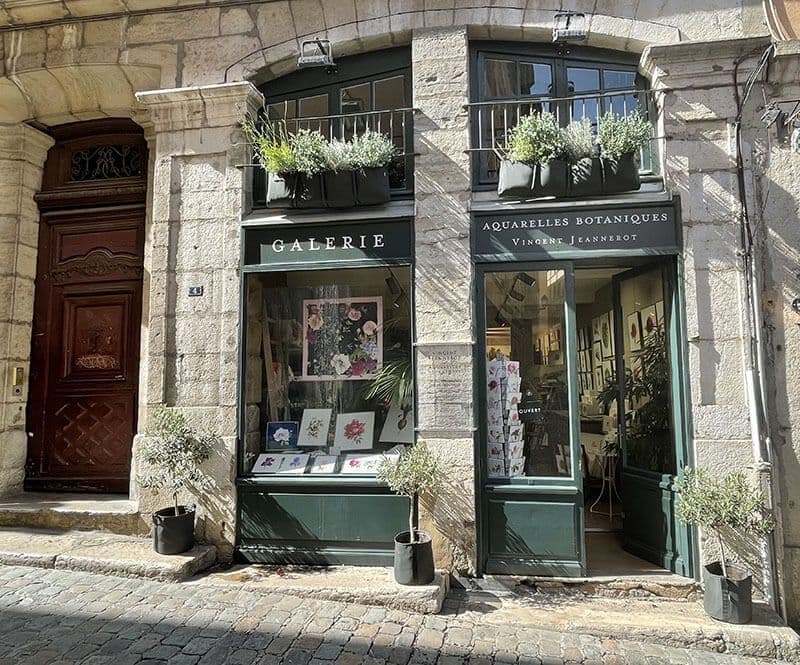
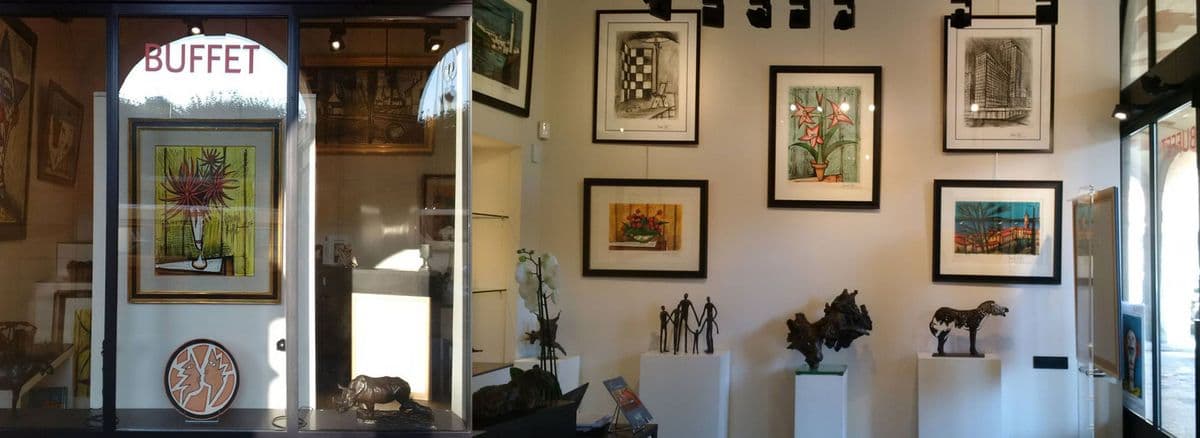
Lyon's gallery scene spans contemporary photography and painting, with addresses such as Galerie Estades, Galerie Françoise Besson and YellowKorner Lyon Argue concentrated mainly in the presqu'île and Croix-Rousse areas.
For contemporary and experimental practice, the Institut d'art contemporain de Villeurbanne complements the gallery network with a program oriented toward emerging and international artists, distinct from the more historical collections found in central Lyon.
Rhône on the map
Museums, galleries and heritage, at a glance.
115 results
Frequently asked questions
How much time should I plan for a museum visit in Lyon?
Most single museums require 1 to 2 hours; the Musée des Confluences and Lugdunum, given their scale, warrant closer to 2-3 hours.
Which museums are free to visit?
Several municipal museums, including the Musée des Beaux-Arts de Lyon and Lugdunum, offer free entry on the first Sunday of the month.
What is the best starting point to explore Lyon's heritage on foot?
Vieux-Lyon is the most practical base: it groups the Musée d'histoire de Lyon - Gadagne, the Musée Cinéma et Miniature and direct access up to the Fourvière Roman site.
Is the Rhône department worth visiting outside Lyon itself?
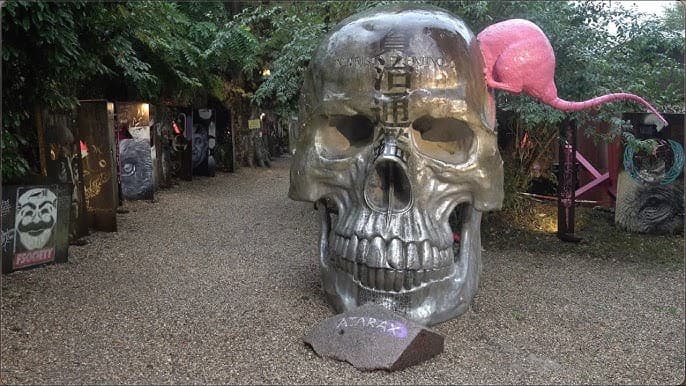
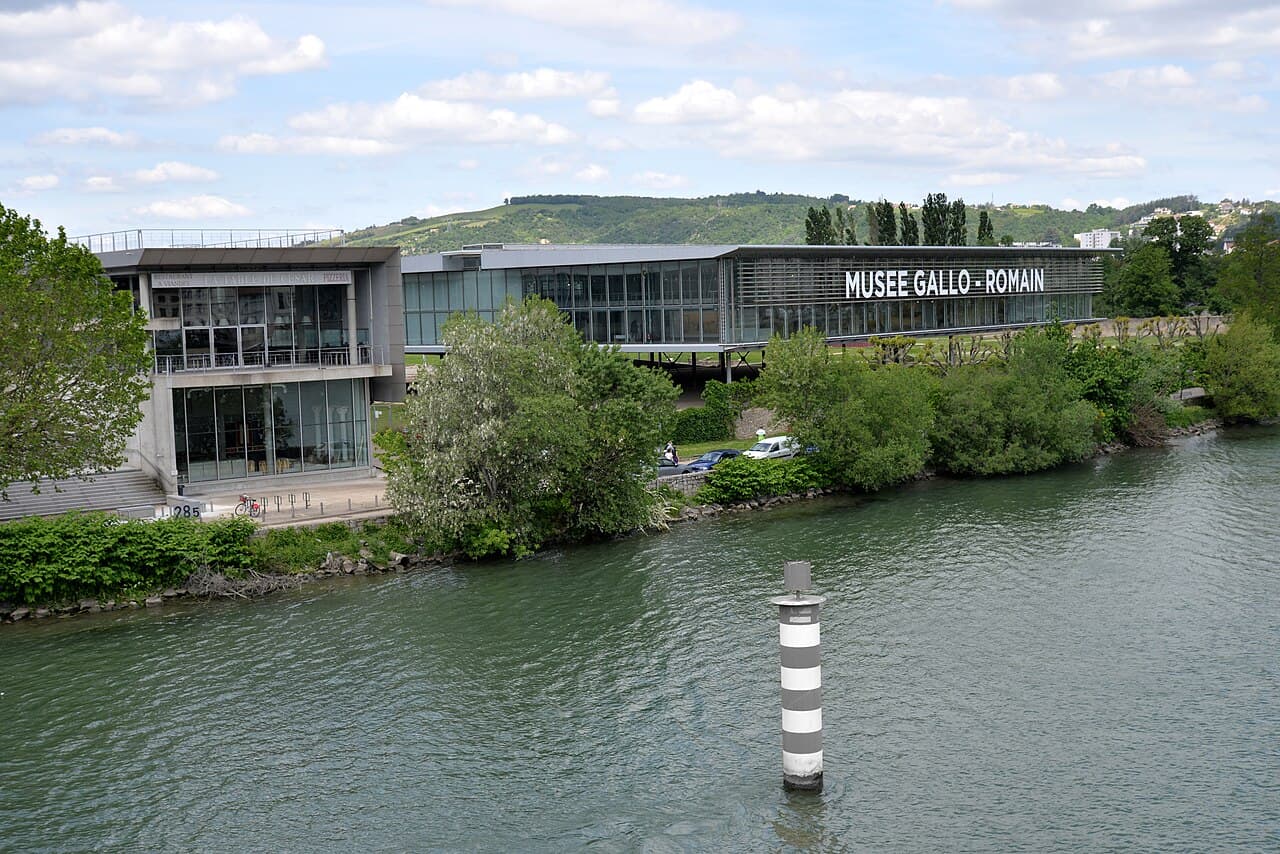
Yes: Saint-Romain-en-Gal, just across the river from Vienne, and Saint-Romain-au-Mont-d'Or (La Demeure du Chaos) offer distinct experiences beyond the city centre.
When is the best time to visit Lyon's museums?
Weekday mornings outside school holidays offer the quietest visits; December's Fête des Lumières draws large crowds and is best booked well in advance.
Are the main museums accessible by public transport?
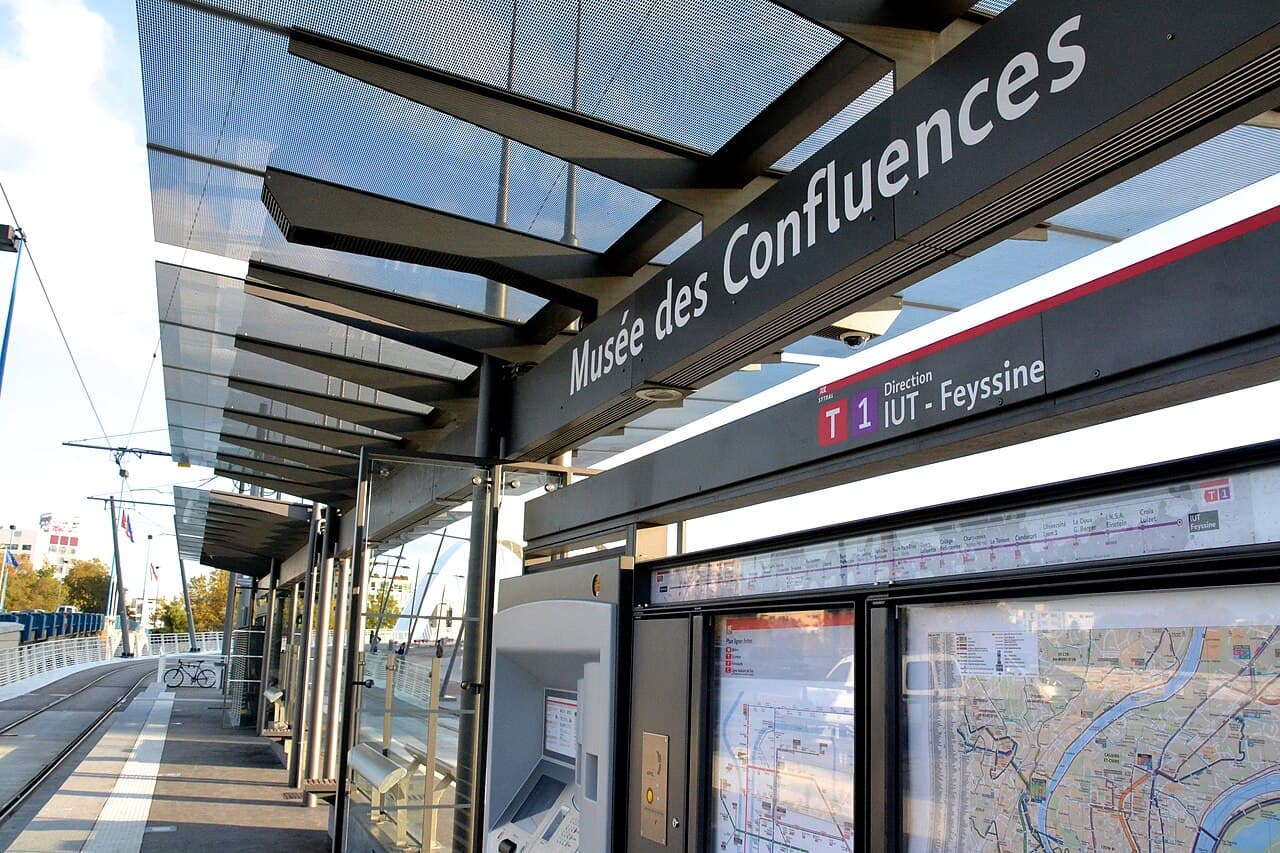
Yes, Lyon's metro, tram and bus network connects nearly all major sites, including the Musée des Confluences at the tip of the Confluence district and the Musée Lumière in Monplaisir.