28 museums · 67 galleries
Loire-Atlantique: Museums and Art Galleries Guide
Explore museums, galleries and heritage sites in Loire-Atlantique, in Pays-de-la-Loire.
A Department Between River and Ocean
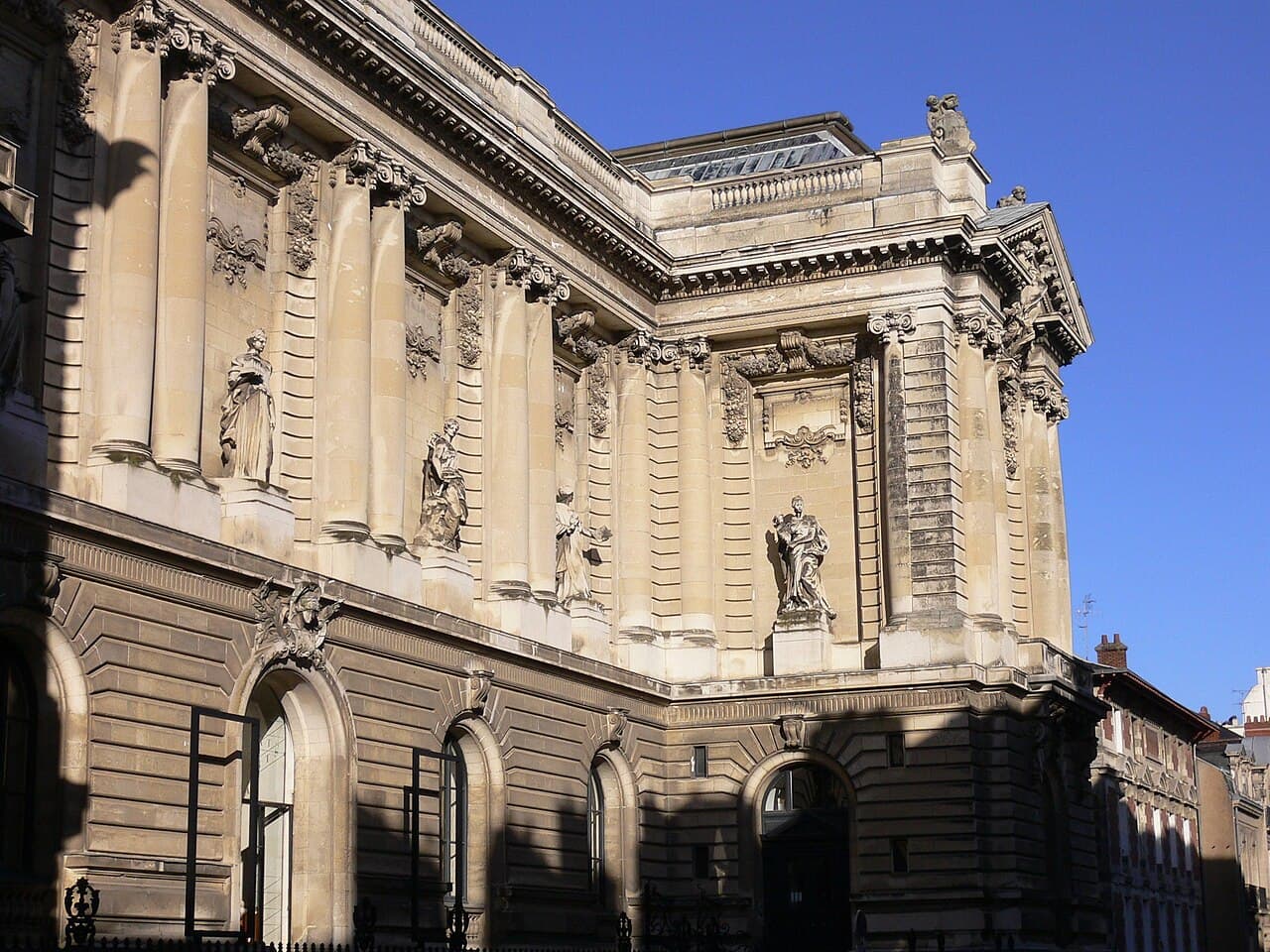
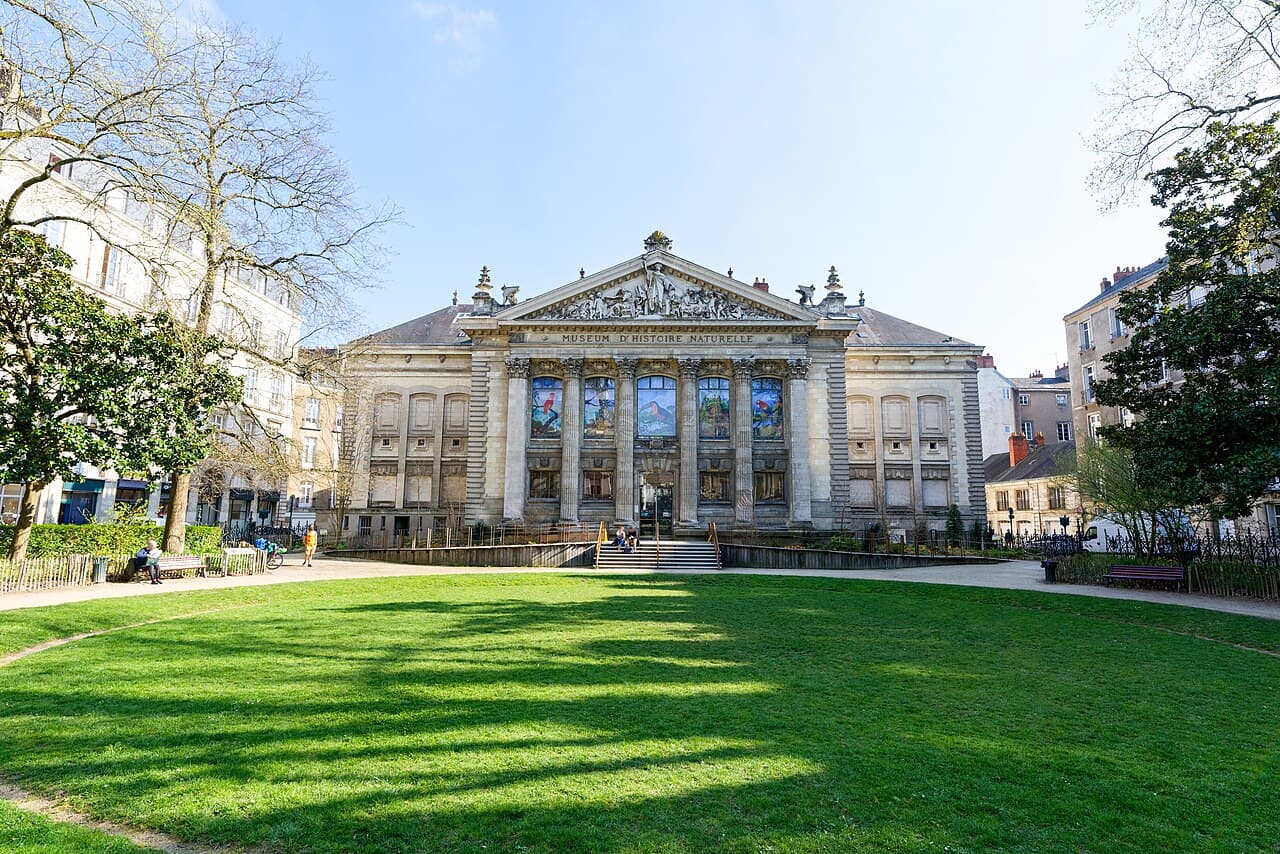
Nantes concentrates most of the department's major institutions. The Musée d'arts de Nantes holds nine centuries of visual art across more than 14,000 works, while the Musée d'histoire de Nantes occupies the Château des ducs de Bretagne, tracing the city's history through 32 rooms and over 1,500 objects.
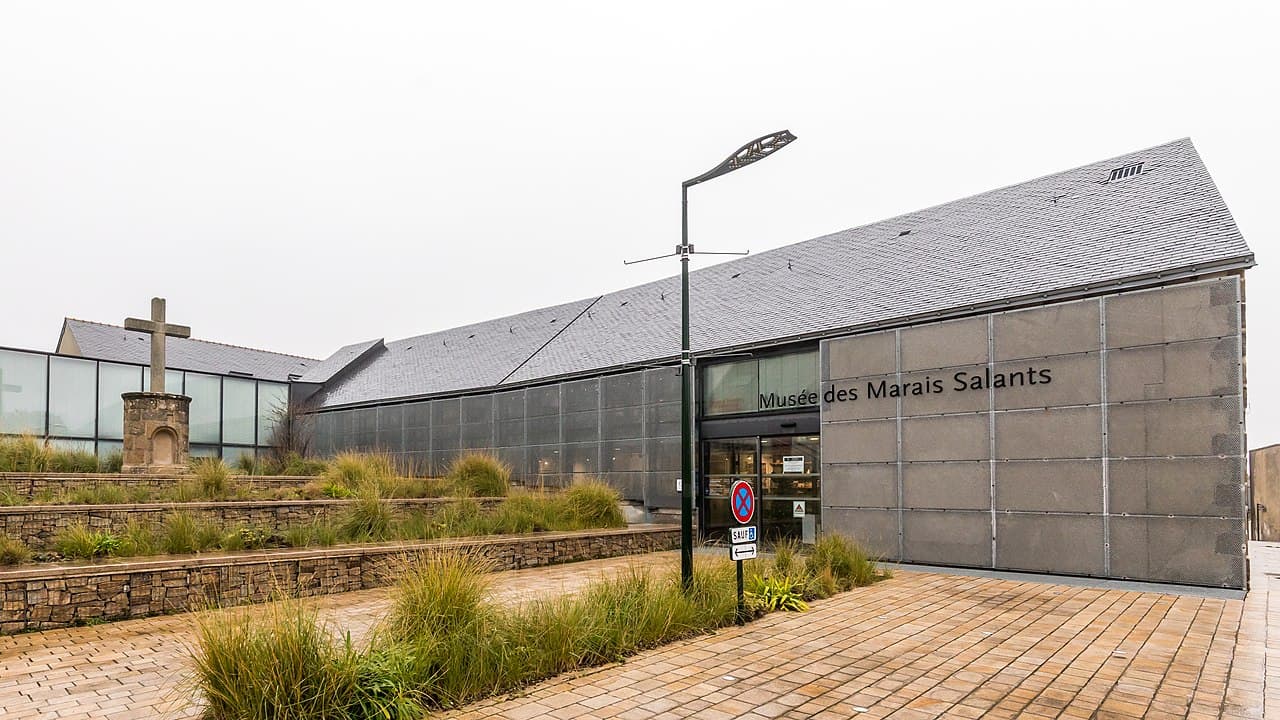
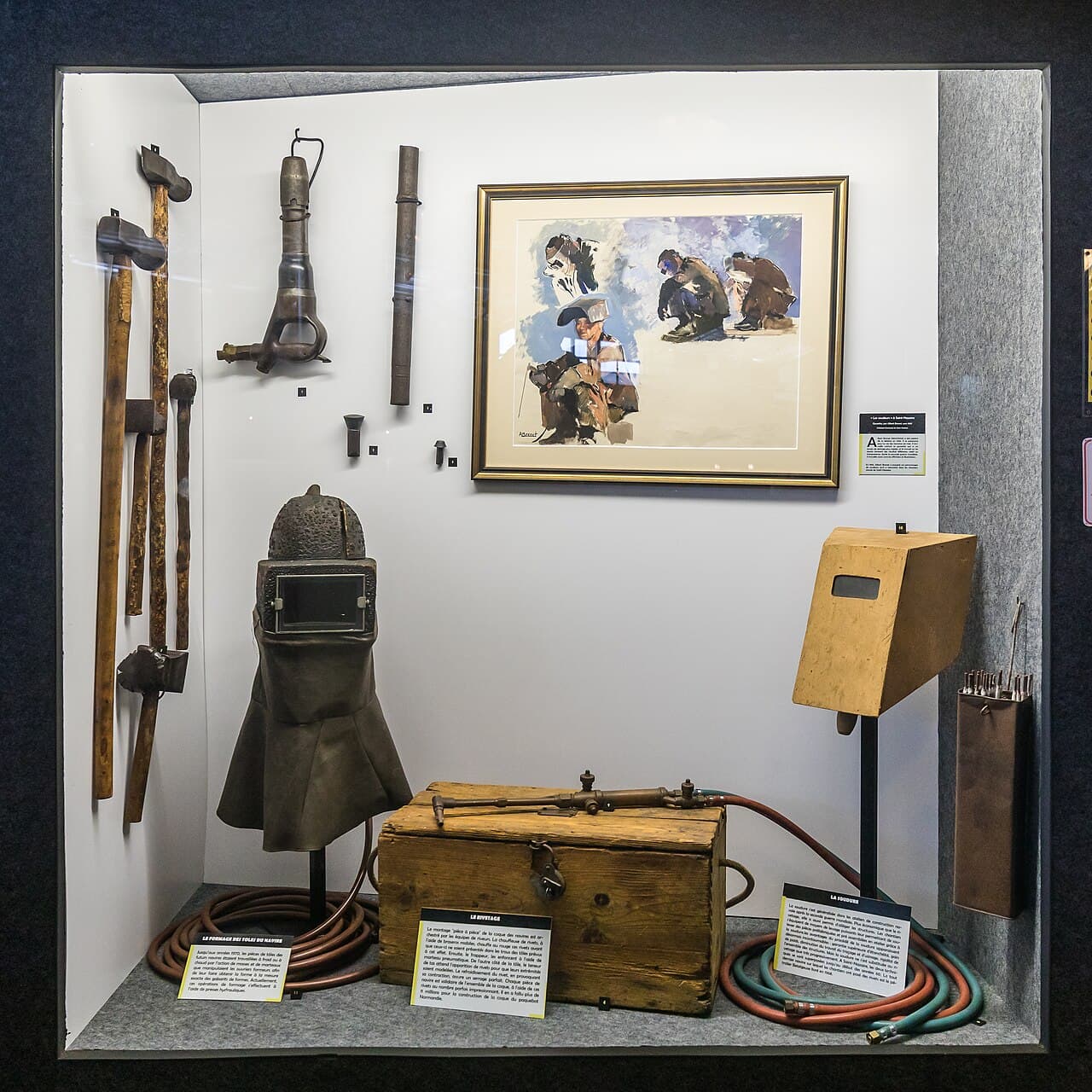
The department's identity is inseparable from the sea and the Loire estuary. In Saint-Nazaire, the Écomusée de Saint-Nazaire documents the port city's shipbuilding history, while the Musée des Marais Salants in Batz-sur-Mer explains the traditional salt-harvesting economy of the Guérande peninsula. Further along the coast, the Musée de la Marine de Mindin in Saint-Brevin-les-Pins covers French maritime history through permanent exhibitions on major ocean liners.
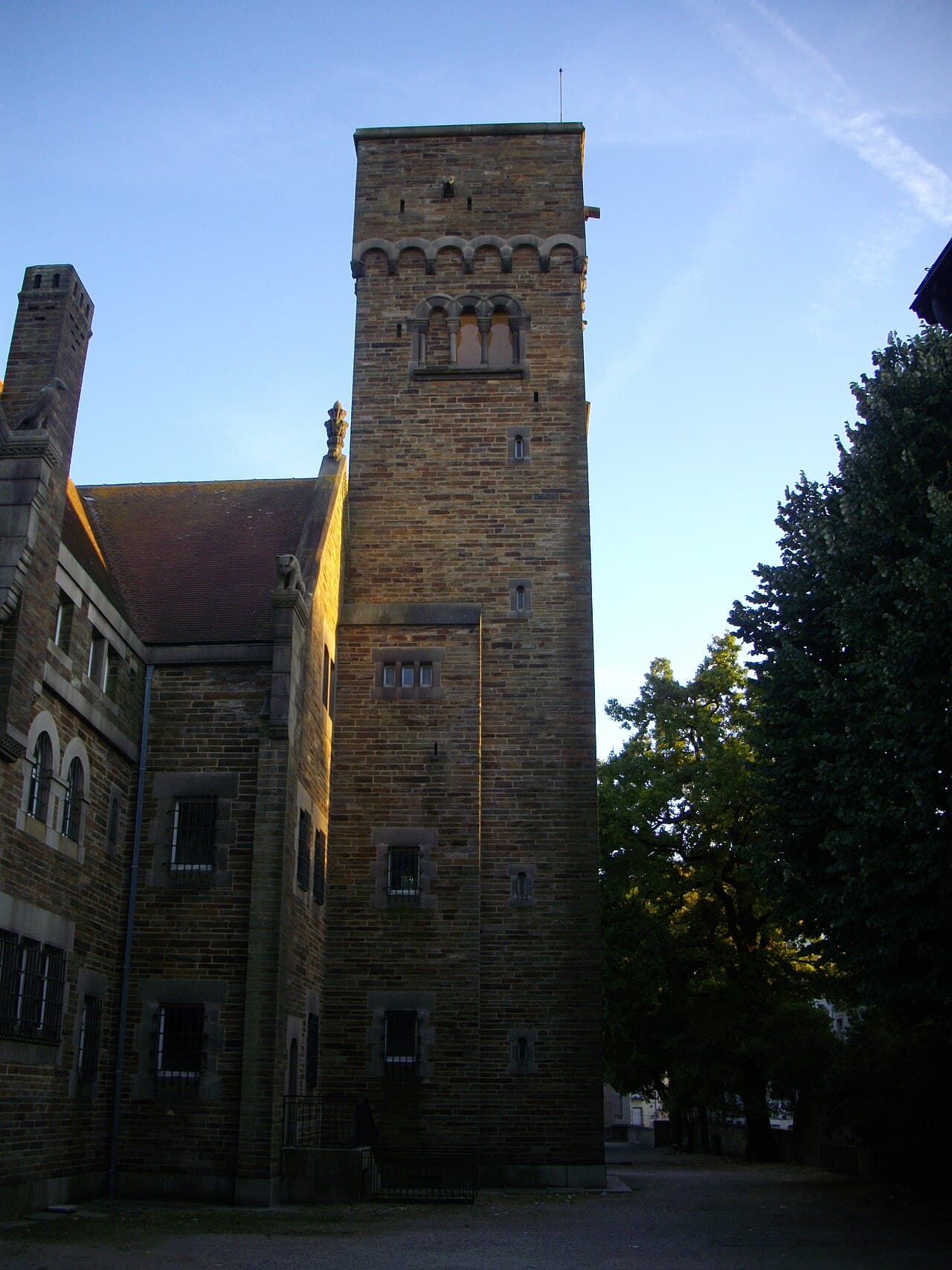
Beyond Nantes, smaller institutions preserve rural and wartime memory: the Musée de la Résistance de Châteaubriant stands on the site of the Carrière des Fusillés, a major memorial site from the Second World War, and the Le Chronographe in Rezé sits atop the excavated remains of the Gallo-Roman town of Ratiatum.
Cities & region
Museums to discover
28 museums, from major institutions to local collections.
Galleries to discover
67 contemporary and modern art galleries.





Nantes' Gallery Scene
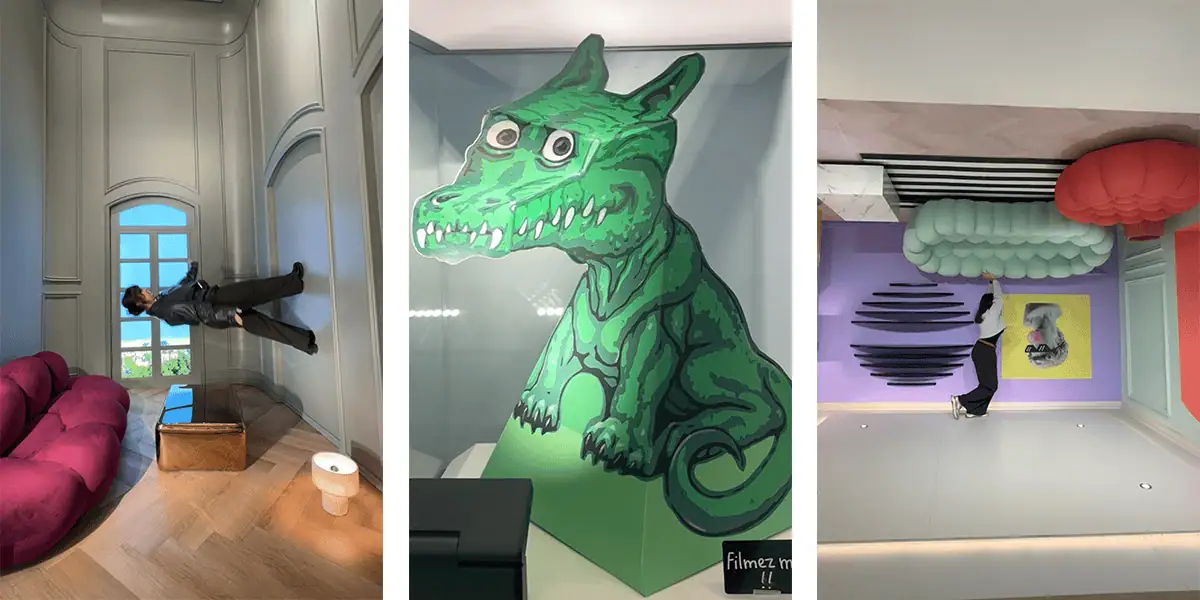
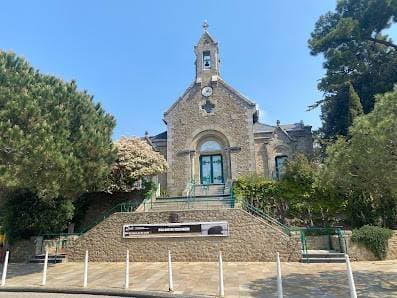
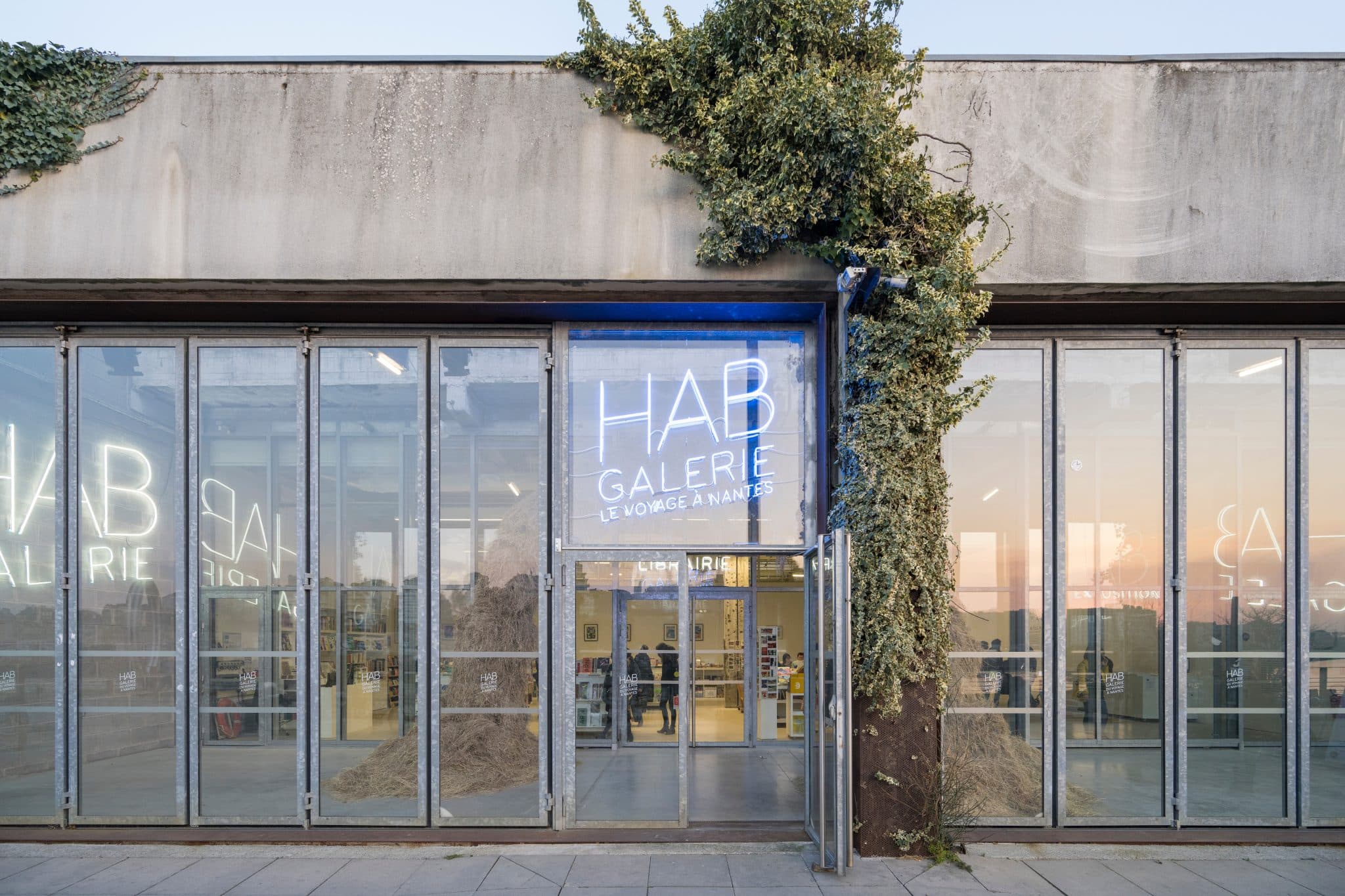
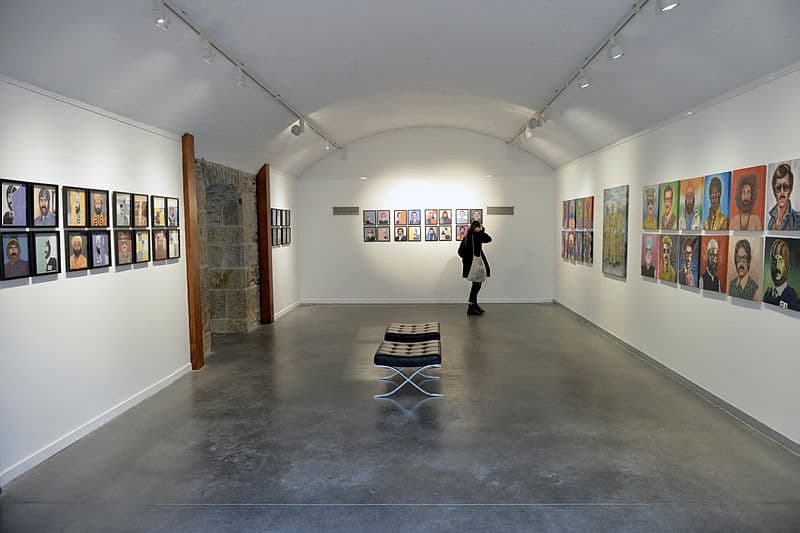
Nantes hosts a dense concentration of contemporary art spaces, particularly around the docks and the historic center. The HAB Galerie on Île de Nantes occupies a former banana warehouse and shows large-scale contemporary exhibitions, while House of Banksy and YellowKorner cater to visitors interested in urban art and fine-art photography.
Smaller independent galleries round out the scene: Galerie des Oubliés, Zoo centre d'art contemporain, and Galerie Gaïa each maintain distinct programming focused on emerging and regional artists. In Saint-Nazaire, Le Grand Café functions as the town's contemporary art center, and along the coast near La Baule and Guérande, the Espace Culturel Chapelle Sainte-Anne and Rêverie d'art draw a seasonal, holiday-going public.
A Literary and Artistic Heritage
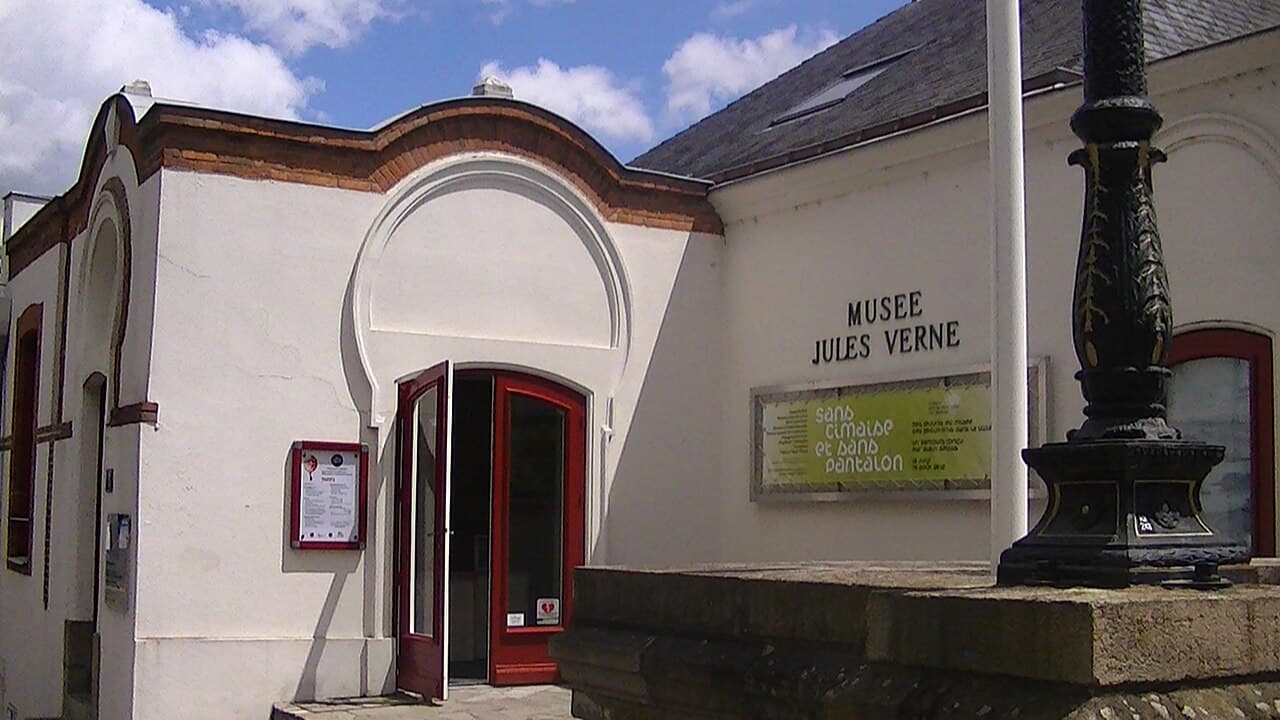
Nantes was the birthplace of Jules Verne in 1828, and the Musée Jules Verne, inaugurated in 1978 for the 150th anniversary of his birth, holds a rich collection tied to his life and the imaginary worlds of his novels.
The department's artistic heritage also has a coastal dimension: the Musée Bernard Boesch in Le Pouliguen is dedicated to the painter's work and anchors the local art scene of this seaside town near La Baule.
Loire-Atlantique on the map
Museums, galleries and heritage, at a glance.
95 results
Frequently asked questions
Which museum in Loire-Atlantique should not be missed?
The Musée d'histoire de Nantes, housed in the Château des ducs de Bretagne, is the most comprehensive introduction to the department, covering both the city and the wider region through 32 rooms of exhibits.
How much time should I plan for the Musée d'arts de Nantes?
Allow at least two to three hours to see a meaningful selection of the collection, which spans nine centuries of visual art across multiple floors.
Is the Musée des Marais Salants easy to combine with a visit to Guérande?
Yes, Batz-sur-Mer sits a few kilometers from Guérande, making it easy to pair the museum with a walk through the surrounding salt marshes, especially during the summer harvest season.
Are there sites related to the Second World War in Loire-Atlantique?
Yes, the Musée de la Résistance de Châteaubriant stands on the Carrière des Fusillés, a memorial site where Resistance members were executed in 1941, and the Maquis de Saffré site also documents wartime resistance in the department.
What is the best area in Nantes for gallery hopping?
The Île de Nantes and the streets around the historic center concentrate most contemporary galleries, including HAB Galerie, House of Banksy, and several independent spaces within walking distance of each other.
Is Loire-Atlantique a good destination for maritime and industrial heritage?
Yes, the Écomusée de Saint-Nazaire, the Musée de la Marine de Mindin, and the Musée Aéronautique Presqu'île Côte d'Amour together cover shipbuilding, ocean liners, and aviation history along the estuary and coast.