42 museums · 36 galleries · 1 heritage site
Isère: Museums, Galleries and Alpine Heritage in Auvergne-Rhône-Alpes
Explore museums, galleries and heritage sites in Isère, in Auvergne-Rhône-Alpes.
A Department Shaped by History and Innovation
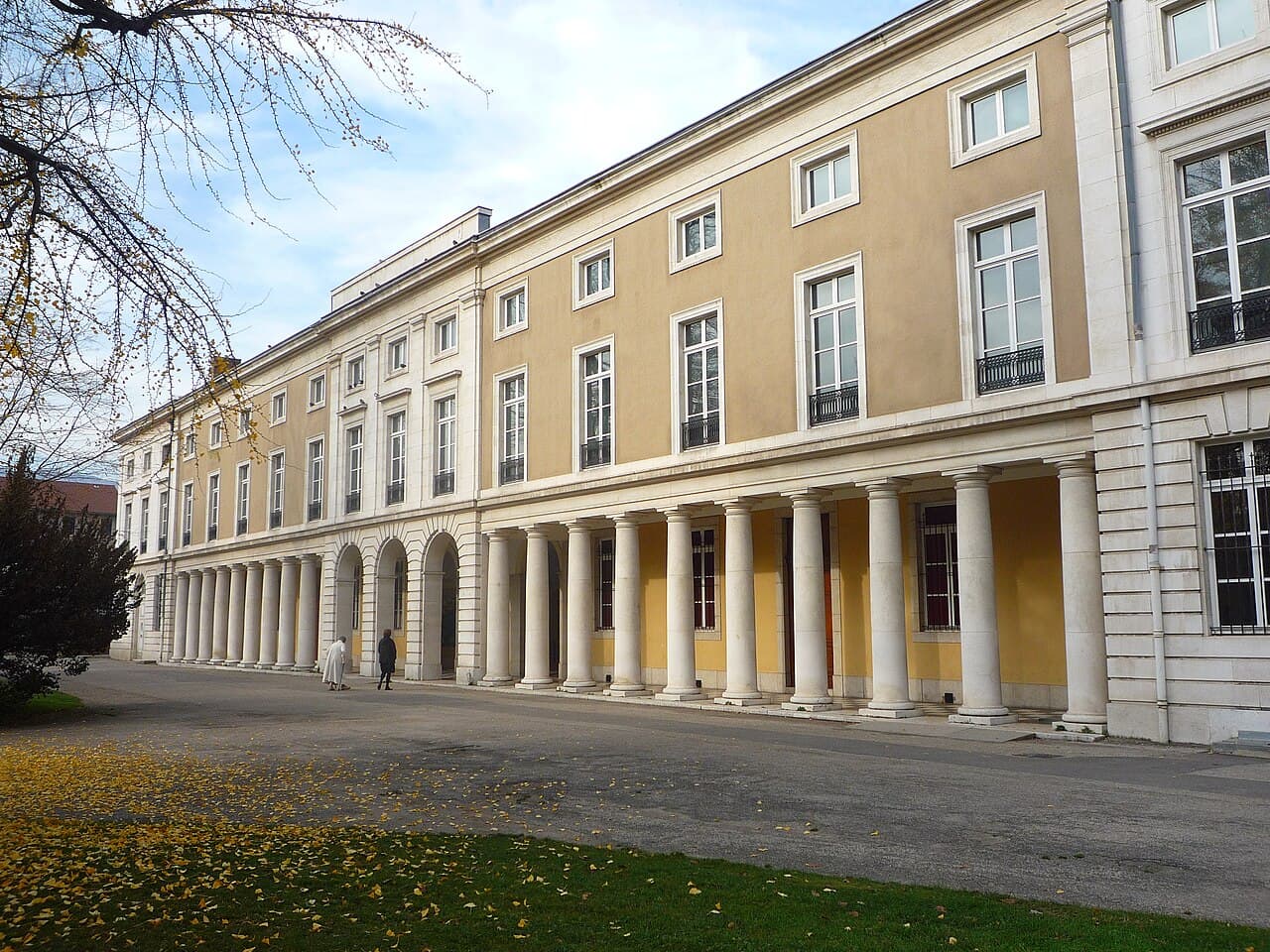
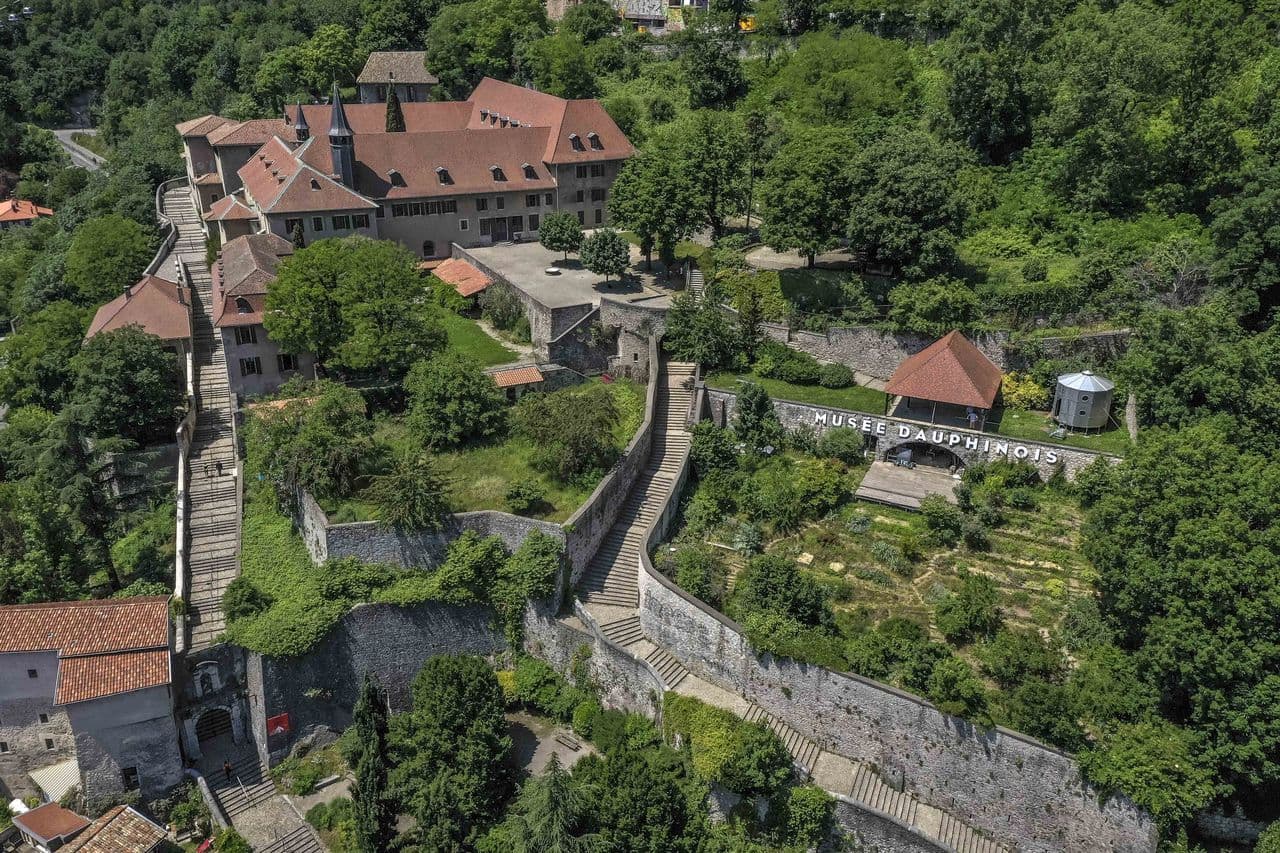
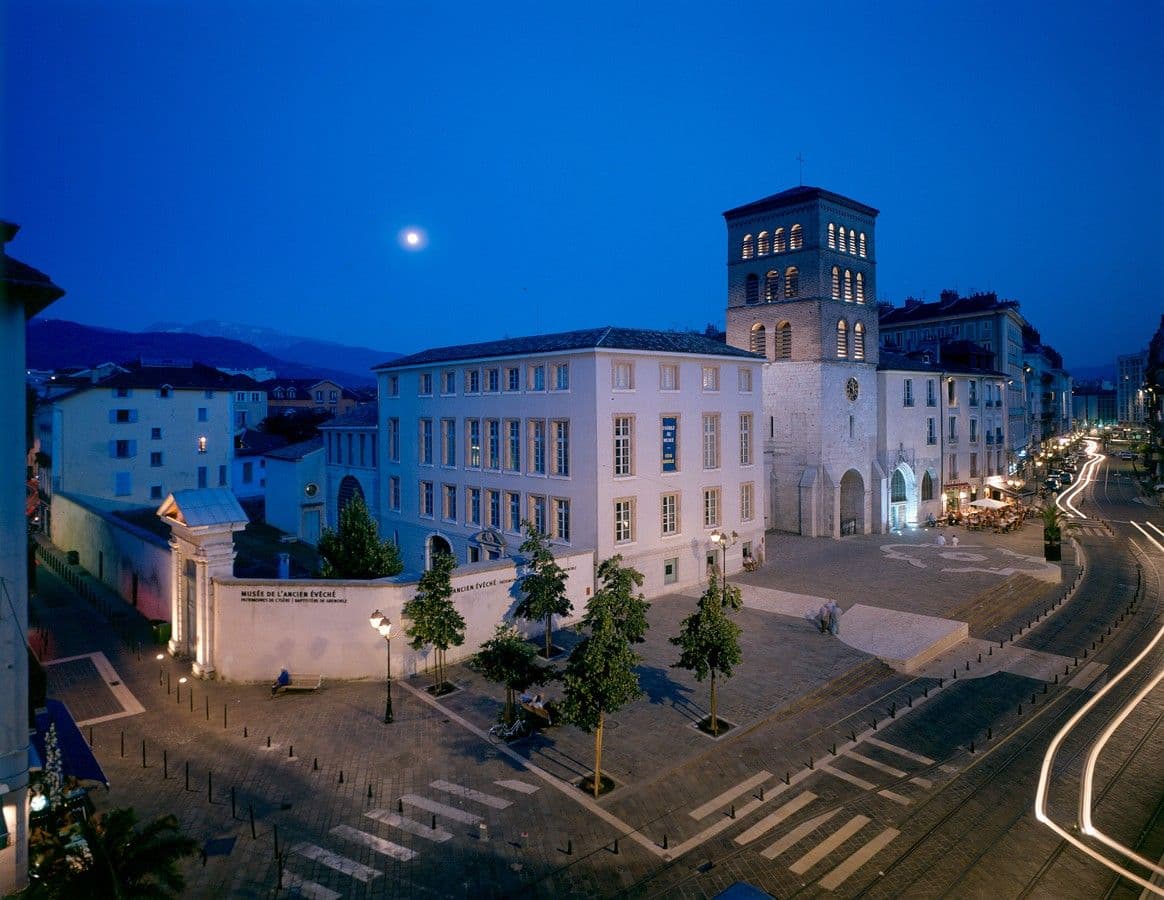
Grenoble anchors the department's cultural life. The Musée de Grenoble holds one of France's most significant provincial art collections, while the Musée dauphinois, housed in the former monastery of Sainte-Marie d'en-Haut, documents Alpine and Dauphiné history and ethnography. The same building is sometimes referred to informally as the Musée de l'Ancien Évêché, reflecting the site's layered institutional history.
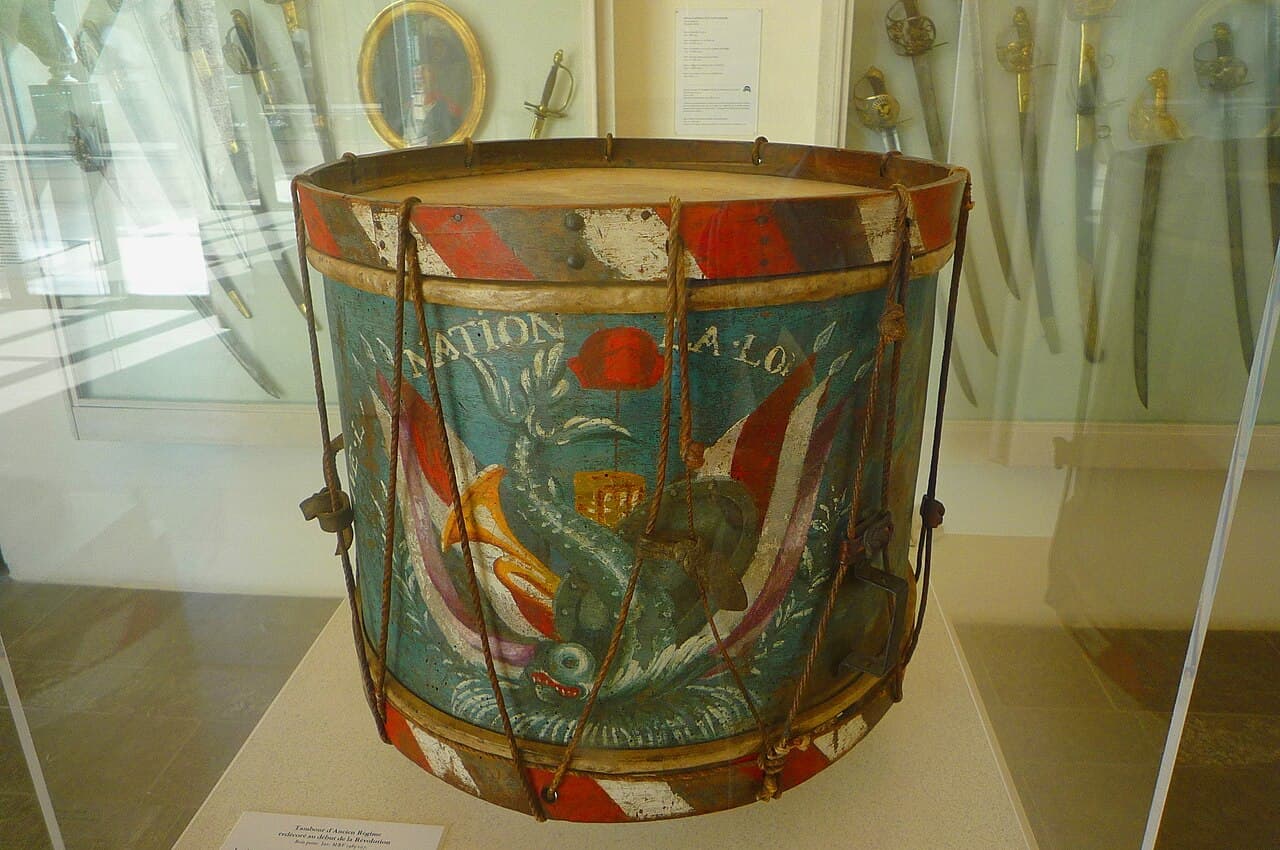
Outside the capital, the Musée de la Révolution française occupies the historic Domaine de Vizille, combining a landscaped garden with collections tracing the events of 1789 and their aftermath. Industrial history is equally present: the Maison Bergès - musée de la Houille blanche in Villard-Bonnot recounts the invention of hydroelectric power, and the Musée de l'Industrie textile preserves the region's once-dominant textile manufacturing.
Cities & region
Museums to discover
42 museums, from major institutions to local collections.
Galleries to discover
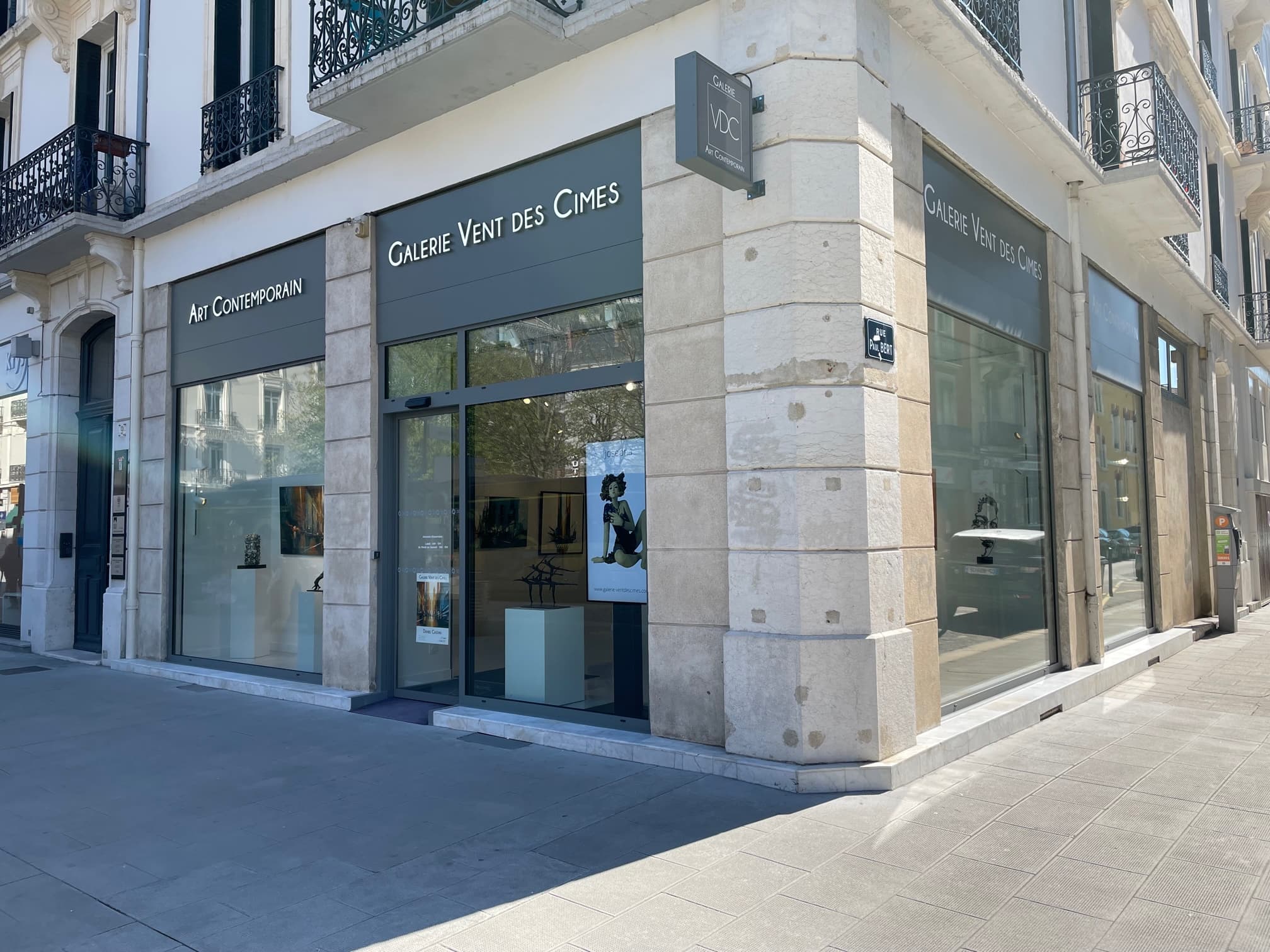
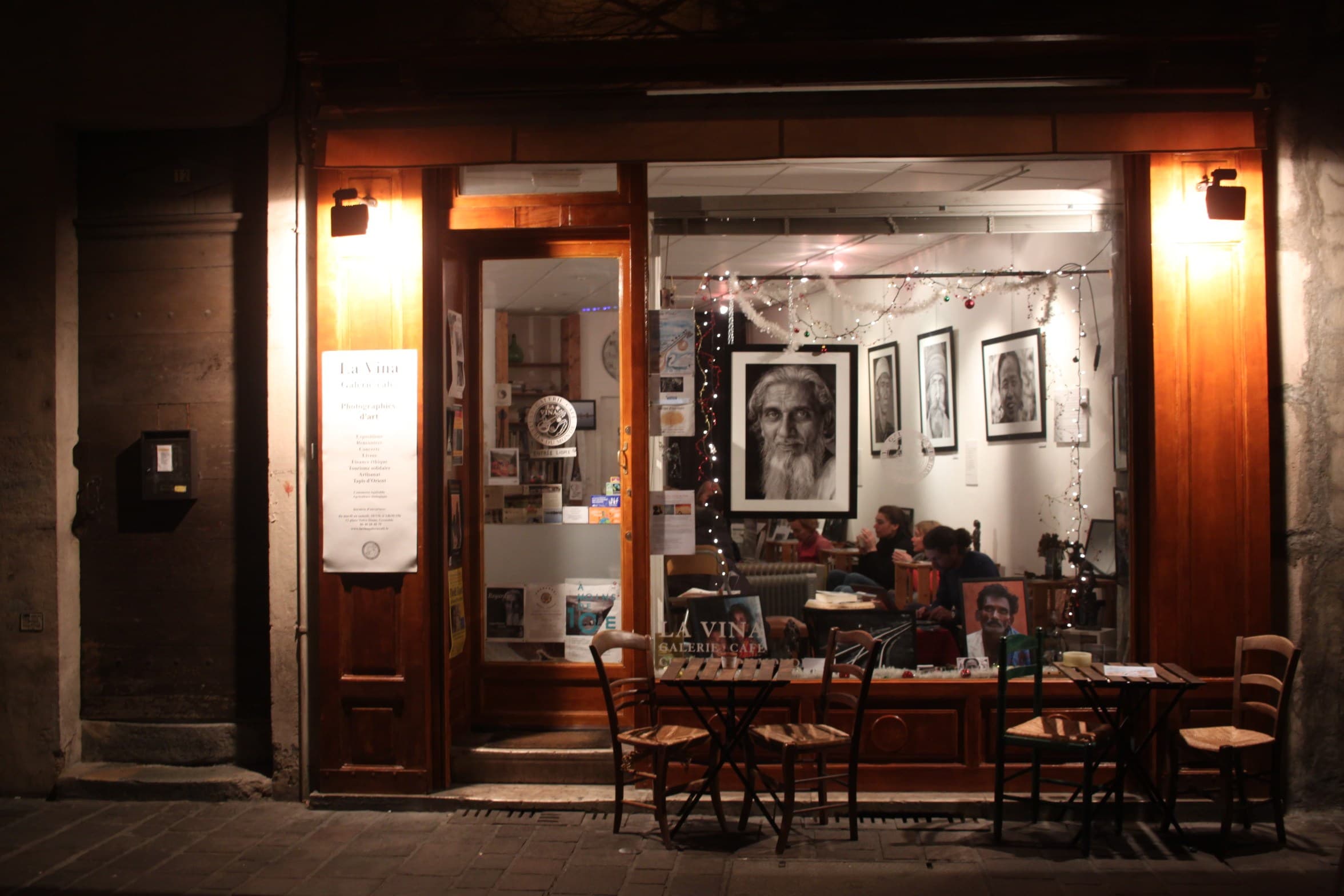
36 contemporary and modern art galleries.



World Heritage & monuments
1 UNESCO World Heritage Sites.

Grenoble's Museum District
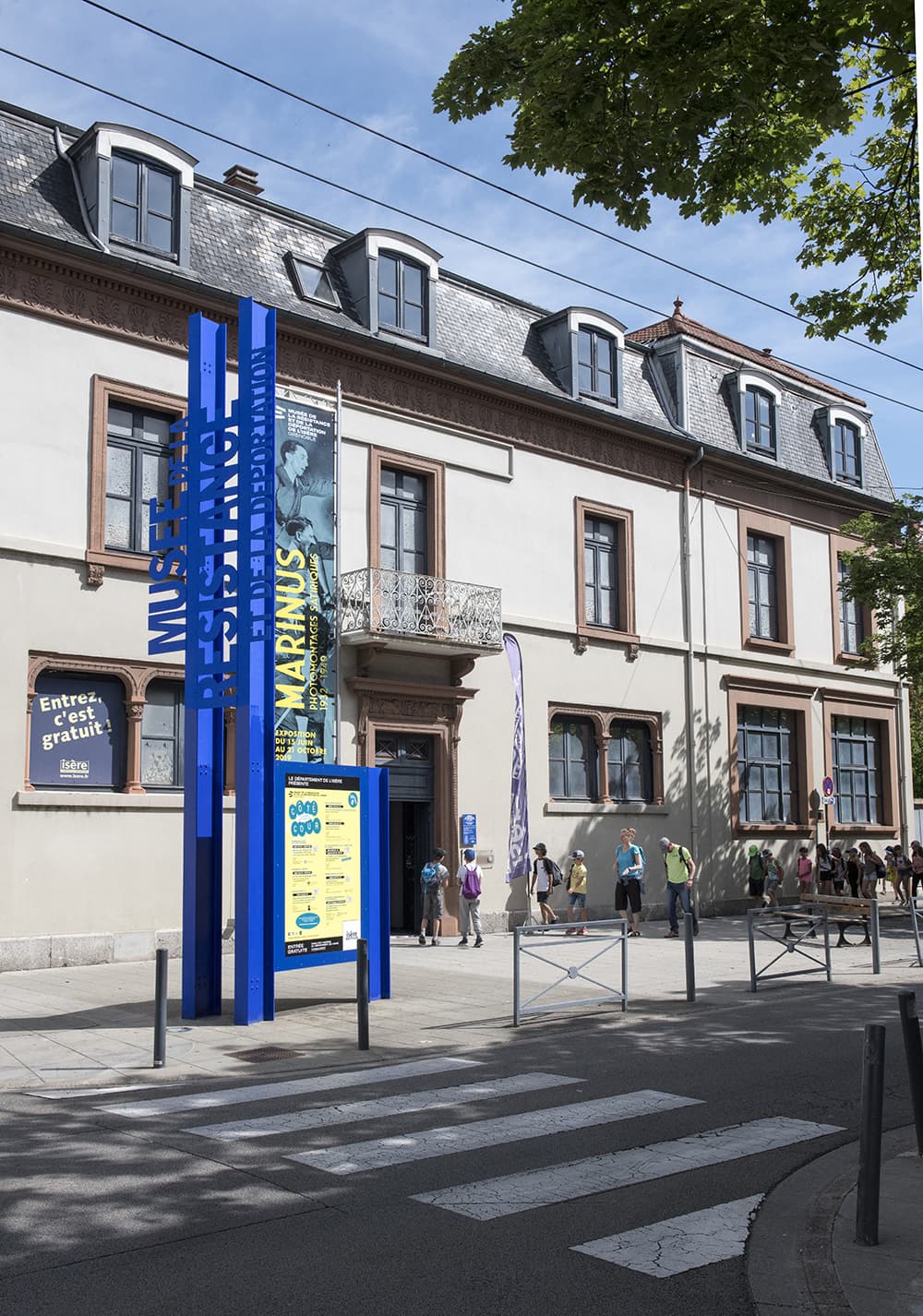
Grenoble concentrates several institutions within walking distance of each other. Beneath the Musée des Troupes de montagne, set inside the Fort de la Bastille overlooking the city, visitors can trace two centuries of mountain warfare history. Closer to the old town, the Musée archéologique Saint-Laurent presents archaeological remains directly on the site they were excavated, while the Musée de la Résistance et de la Déportation de l'Isère addresses the department's role during the Second World War.
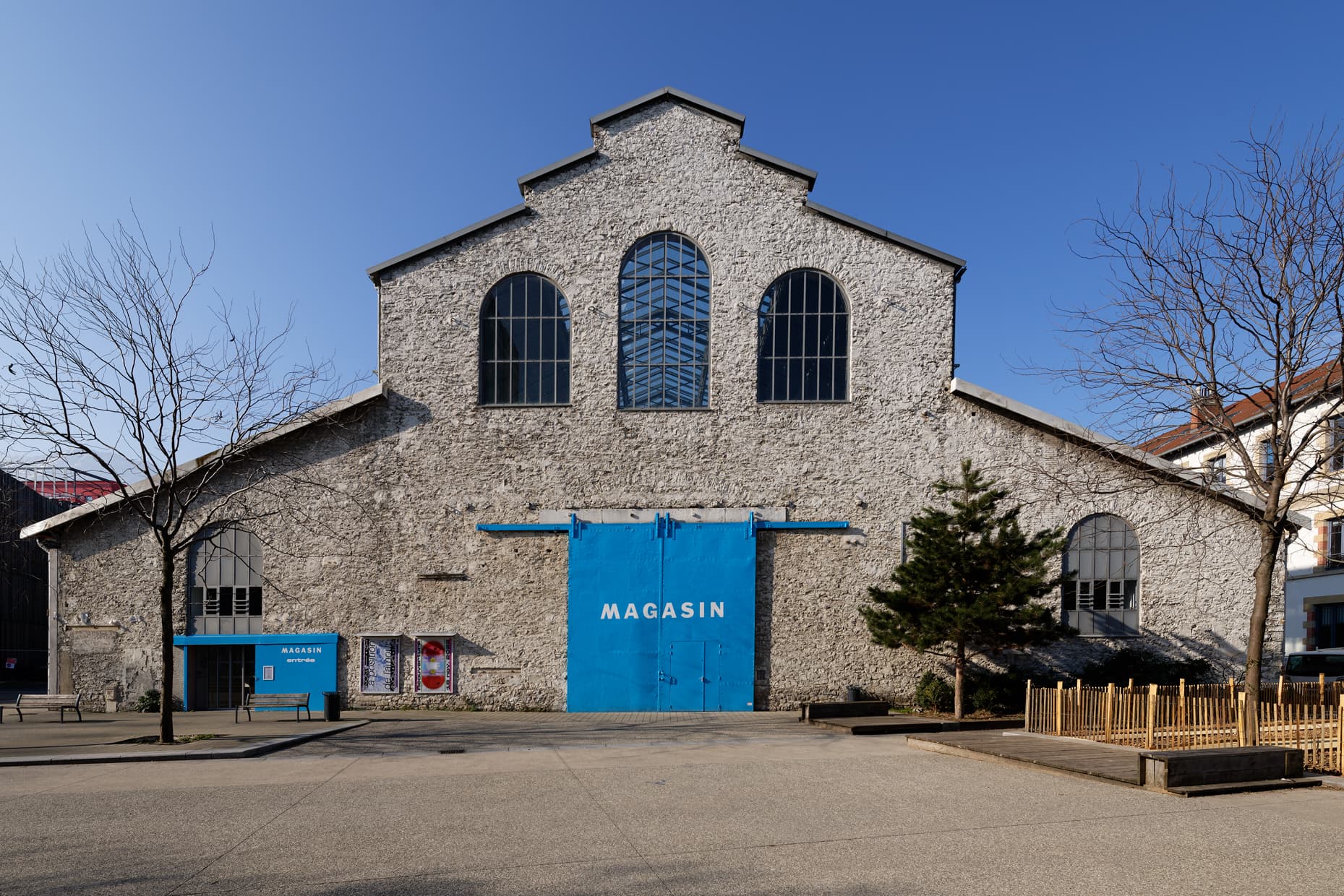
Contemporary art finds space in a network of small galleries, including Le Magasin, Galerie Tracanelli, Collberg galerie and Alter Art, each showing rotating exhibitions from regional and national artists.
Vienne's Art and Archaeology Heritage
South of Grenoble, Vienne holds its own dense cultural offering. The Musée des Beaux-Arts et d'Archéologie de Vienne occupies the upper floor of a former grain hall built in 1823 and inaugurated as a museum in 1895, retaining much of its original dense, period display style. Nearby galleries such as Terre d'Art and Galerie Lety complement the town's Roman archaeological sites with contemporary exhibition spaces.
Isère on the map
Museums, galleries and heritage, at a glance.
79 results
Frequently asked questions
How many days should I plan to explore Isère's museums?
A focused two-day visit covers Grenoble's main museums (Musée de Grenoble, Musée dauphinois, Musée archéologique Saint-Laurent); a third day allows a trip to Vizille and Vienne.
Is the Musée de Grenoble free to visit?
The permanent collection is free of charge; temporary exhibitions usually require a separate ticket.
What is unique about the Musée Champollion in Vif?
It is one of the few French museums dedicated to Ancient Egypt through a biographical lens, focusing on the life and work of Jean-François Champollion, who deciphered hieroglyphs, in his family's own former home.
Can I visit the Musée dauphinois and Musée de l'Ancien Évêché together?
They occupy the same historic building, the former monastery of Sainte-Marie d'en-Haut in Grenoble, so a single visit covers both.
What is the prehistoric UNESCO site near Charavines about?
The Sites palafittiques préhistoriques autour des Alpes preserve Neolithic and Bronze Age lake-dwelling remains at Charavines, part of a wider Alpine UNESCO listing.
Are there contemporary art galleries in Grenoble beyond the museums?
Yes, Grenoble has an active gallery scene including Le Magasin, Galerie Tracanelli, Collberg galerie and Alter Art, showing contemporary and emerging artists.