13 museums · 52 galleries
Ille-et-Vilaine: Art and Heritage Between Rennes and Saint-Malo
Explore museums, galleries and heritage sites in Ille-et-Vilaine, in Bretagne.
An Inland Capital and a Corsair City
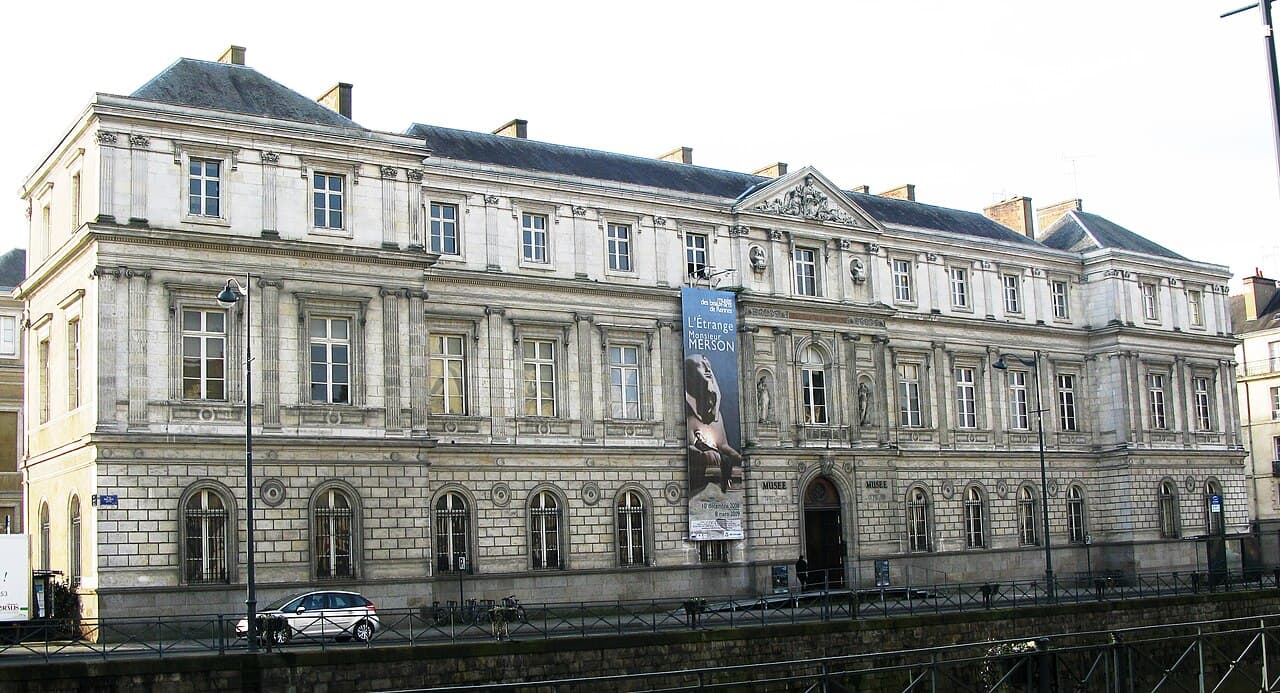
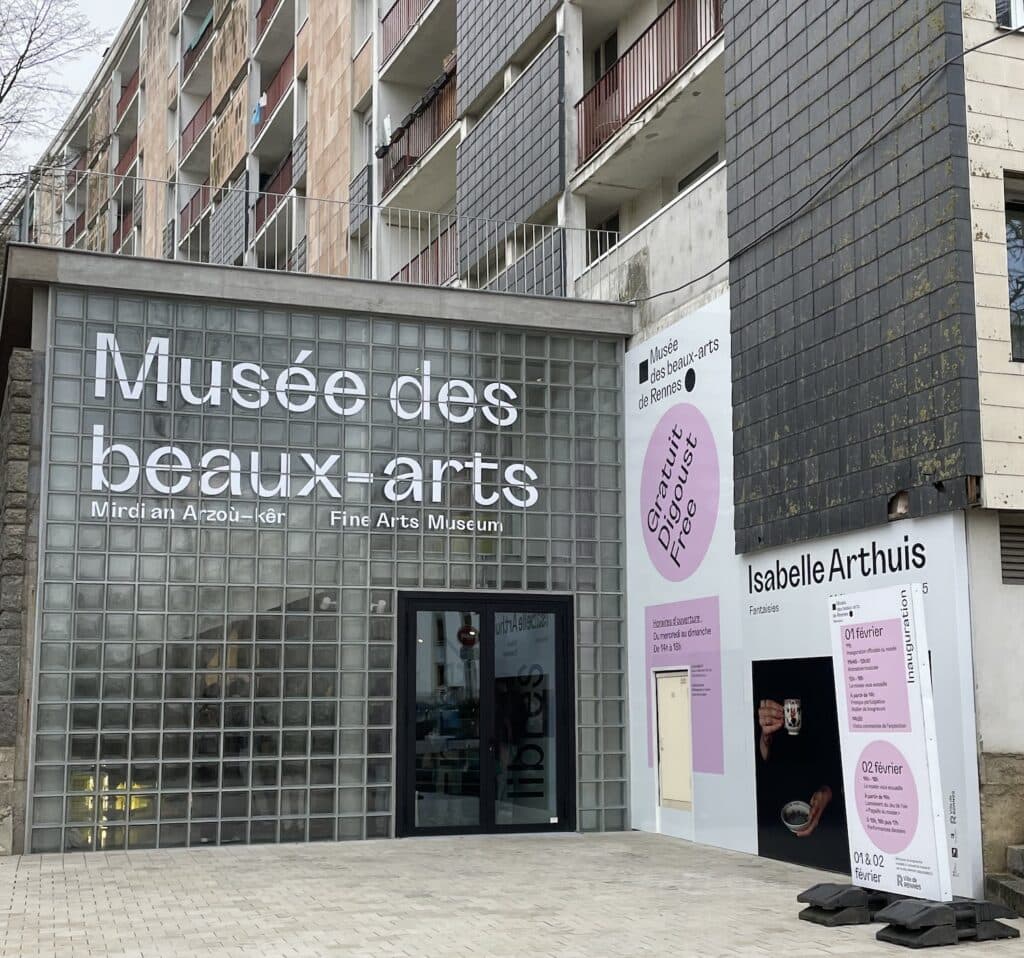
Ille-et-Vilaine, part of the Bretagne region, splits its cultural identity between two very different poles. Rennes, the regional capital, holds the department's largest art institutions, including the Musée des Beaux-Arts de Rennes, whose collections trace the history of art from Antiquity to the present, built up from works seized from religious buildings in 1794.
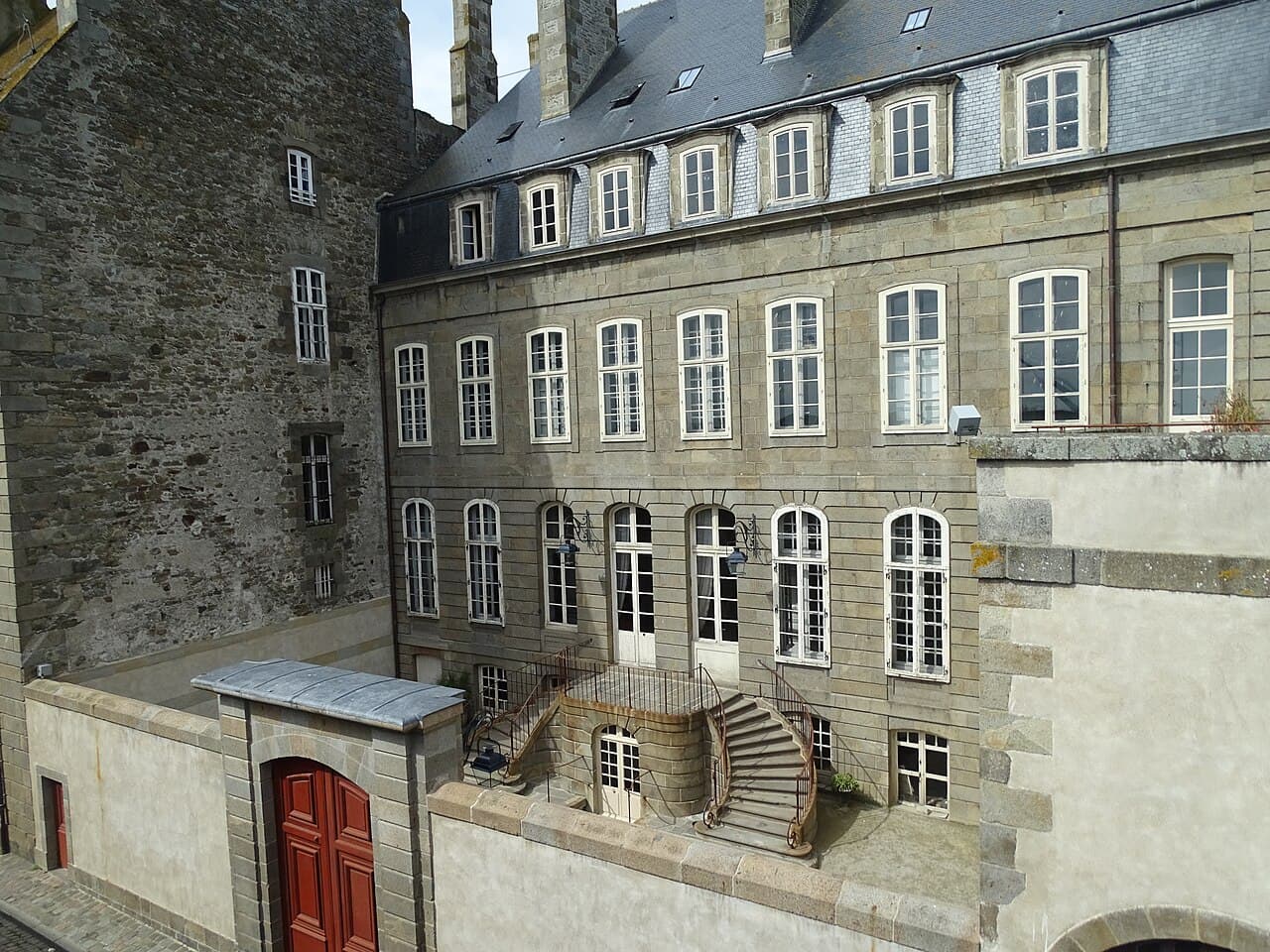
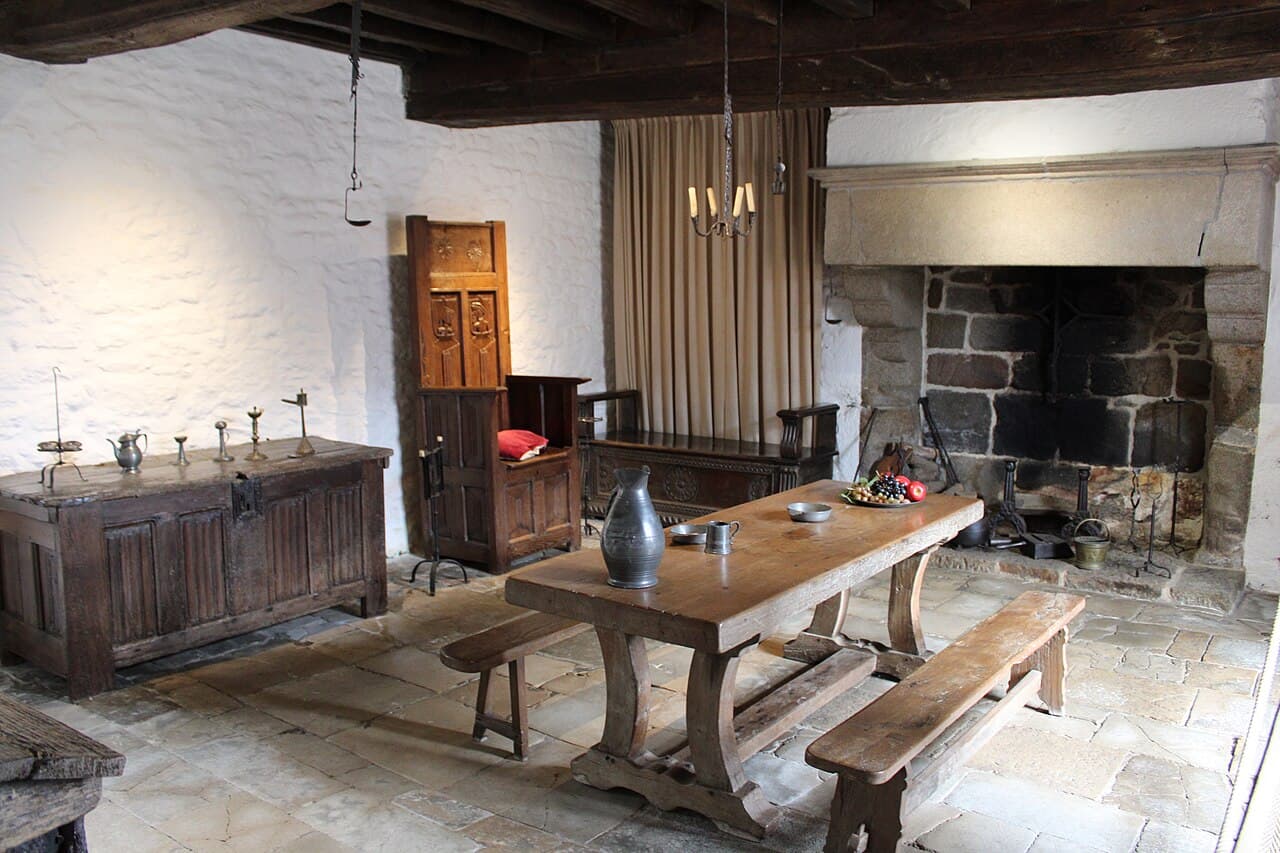
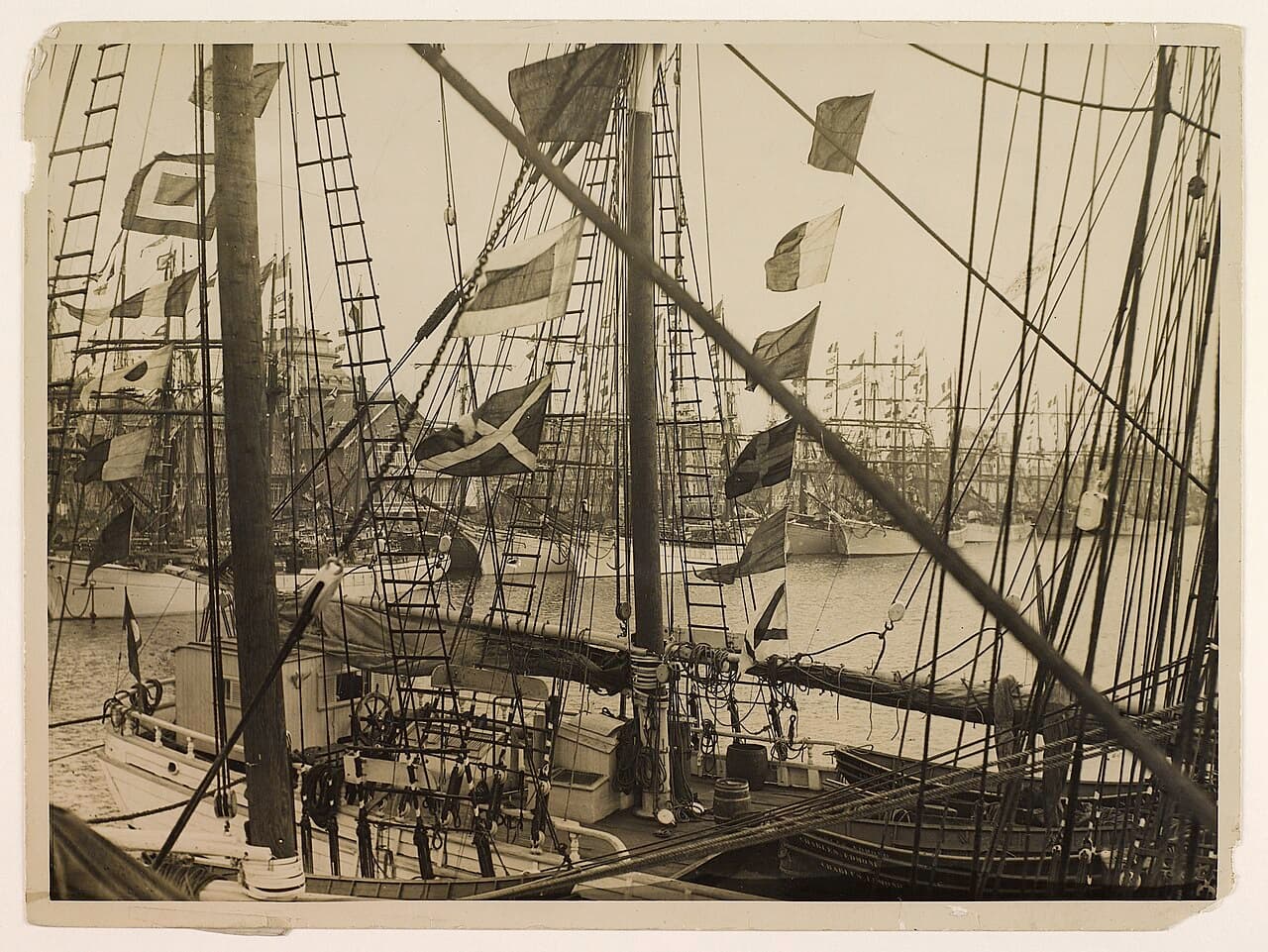
On the coast, Saint-Malo tells a different story. Its intramural streets concentrate museums devoted to the corsairs, navigators and Terre-Neuvas fishermen who built the city's fortune, including the La Demeure de Corsaire, also known as Hôtel Magon, and the Musée du long-cours cap-hornier, labelled Musée de France since 2003.
Cities & region
Museums to discover
13 museums, from major institutions to local collections.
Galleries to discover
52 contemporary and modern art galleries.




Rennes and Saint-Malo, Two Museum Hubs
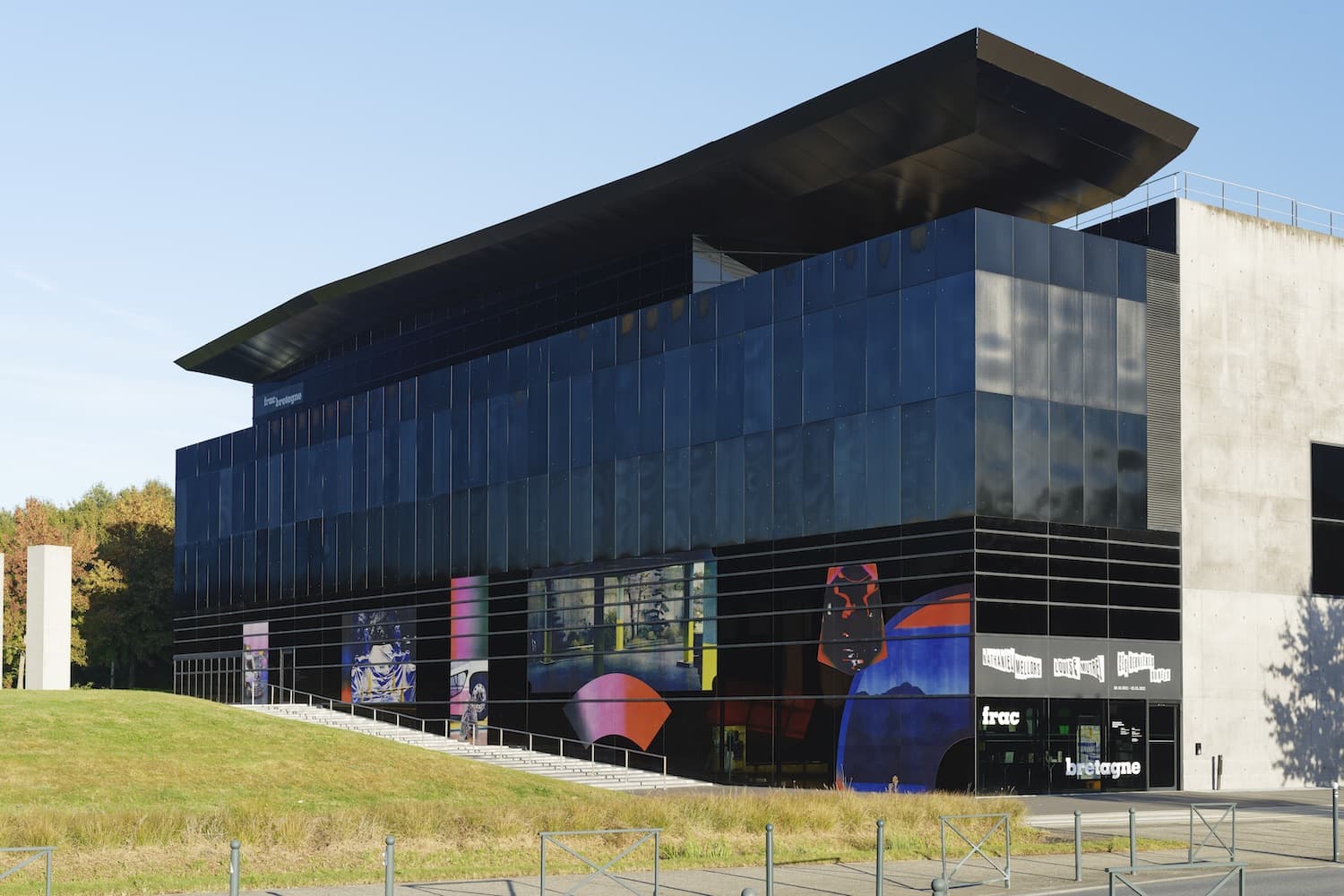
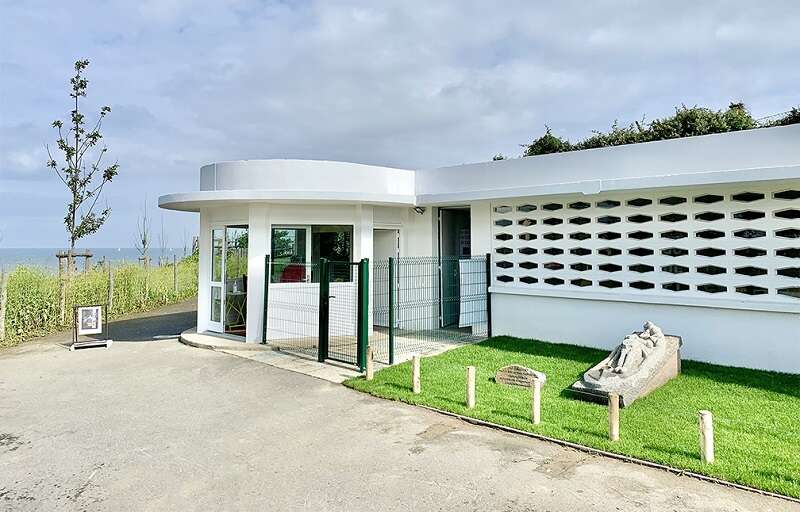
In Rennes, the quai Zola area around the Musée des Beaux-Arts de Rennes anchors the city's traditional art scene, while the Frac Bretagne and independent spaces such as 40mcube and Oniris . galerie art contemporain carry the contemporary art programme. The Maurepas district, near the metro station, gained its own annex in 2025 with the Musée des Beaux-Arts de Rennes - Maurepas.
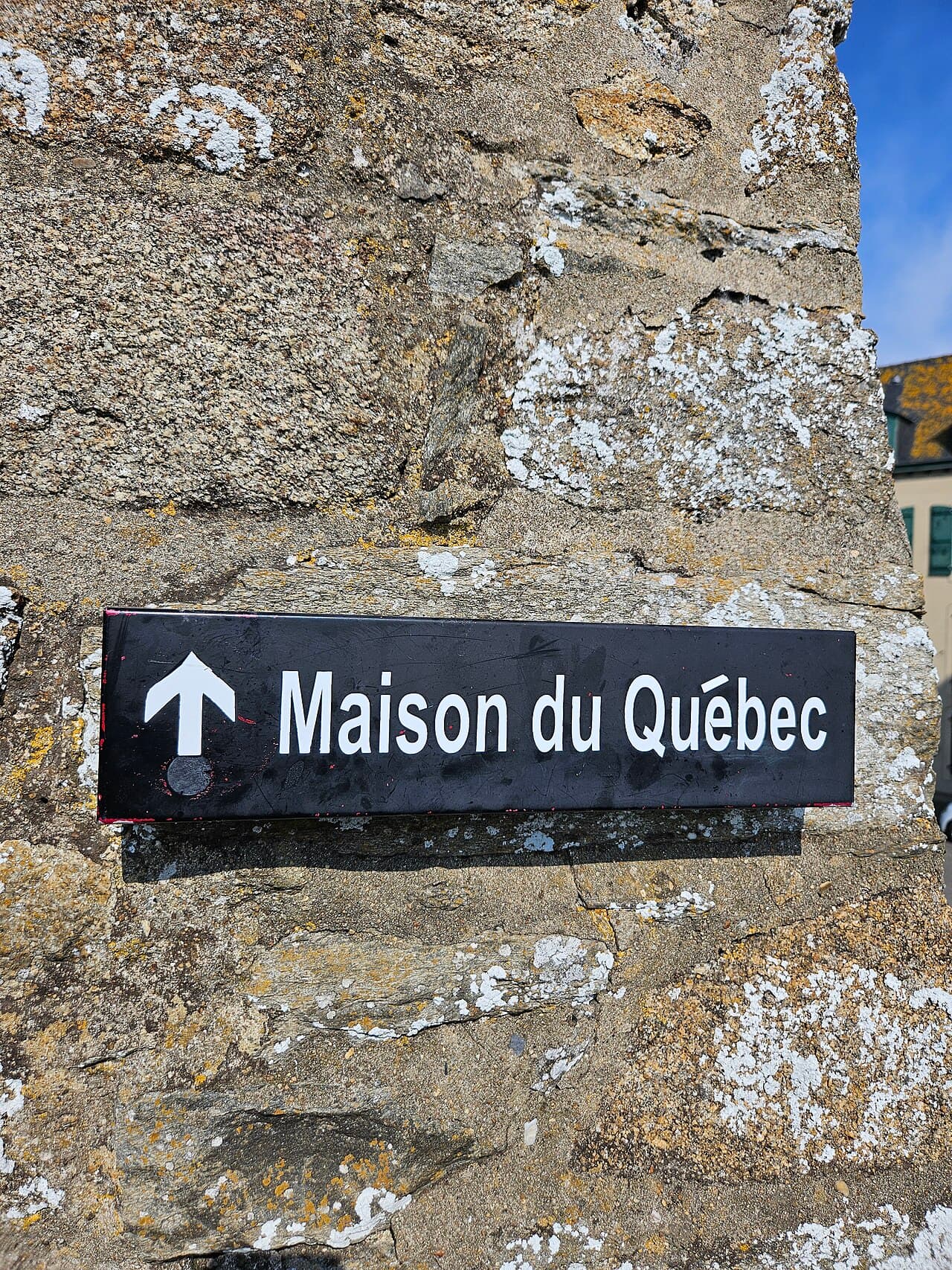
Saint-Malo Intramuros is dense with small, focused museums within walking distance of one another: the Musée d'histoire de la ville et d'ethnographie du pays malouin, the Musée des Terre-Neuvas, and the Maison du Québec, open from May to August and dedicated to Québécois popular culture. Nearby galleries in Dinard, such as Galerie Winston Dinard and La Galerie Alfred, extend the coastal art circuit along the Emerald Coast.
Cartier, Sévigné and the Hermit of Rothéneuf
Rothéneuf, near Saint-Malo, is linked to two very different figures. The navigator Jacques Cartier, who reached the shores of Canada in 1534, is honoured at the Musée Jacques Cartier, installed in his former manor, the Manoir de Limoëlou. A short distance away, the Centre Abbé Fouré documents the life and rock-carved work of the hermit Abbé Fouré, whose sculptures remain visible on the cliffs of Rothéneuf.
In Vitré, the Musée des rochers de Sévigné occupies a site linked to the writer Madame de Sévigné, whose letters described life at the Rochers estate.
Ille-et-Vilaine on the map
Museums, galleries and heritage, at a glance.
65 results
Frequently asked questions
How many days are needed to see the main museums of Ille-et-Vilaine?
Two days is a comfortable minimum: one for Rennes' Musée des Beaux-Arts, Frac Bretagne and Musée de Bretagne, one for the cluster of small museums inside Saint-Malo's walled city.
Are the Saint-Malo museums within walking distance of each other?
Yes. La Demeure de Corsaire, the Musée des Terre-Neuvas, the Musée du long-cours cap-hornier and the Musée d'histoire de la ville are all located inside or near Intramuros and can be visited on foot in one day.
When is the Maison du Québec open?
It opens seasonally, from May to August, so visits should be planned within this window.
Where can I see contemporary art in Ille-et-Vilaine?
Rennes is the main hub, with Frac Bretagne, 40mcube and independent galleries such as Oniris and Basalt: sons & curiosités. Dinard also has several private galleries focused on painting and photography.
Is the Musée des Beaux-Arts de Rennes - Maurepas a separate museum?
It is an annex of the main Musée des Beaux-Arts de Rennes, inaugurated in 2025 in the Maurepas district near the metro line, rather than an independent collection.
What is the connection between Rothéneuf and Jacques Cartier?
Cartier retired to the Manoir de Limoëlou in Rothéneuf after his voyages to Canada; the building now houses the Musée Jacques Cartier dedicated to his expeditions.