14 museums · 5 galleries
Cantal: Museums and Galleries in the Heart of Auvergne's Volcanic Land
Explore museums, galleries and heritage sites in Cantal, in Auvergne-Rhône-Alpes.
A Department Shaped by Volcanic Land and Rural Memory
Cantal's cultural landscape is defined less by grand institutions than by a constellation of local museums, each rooted in a specific trade, landscape feature, or historical building. In Aurillac, the department's largest town, the Musée d'Art et d'Archéologie brings together ethnography, archaeology and contemporary art under one roof, offering the most comprehensive overview of the region's material culture available in a single visit.
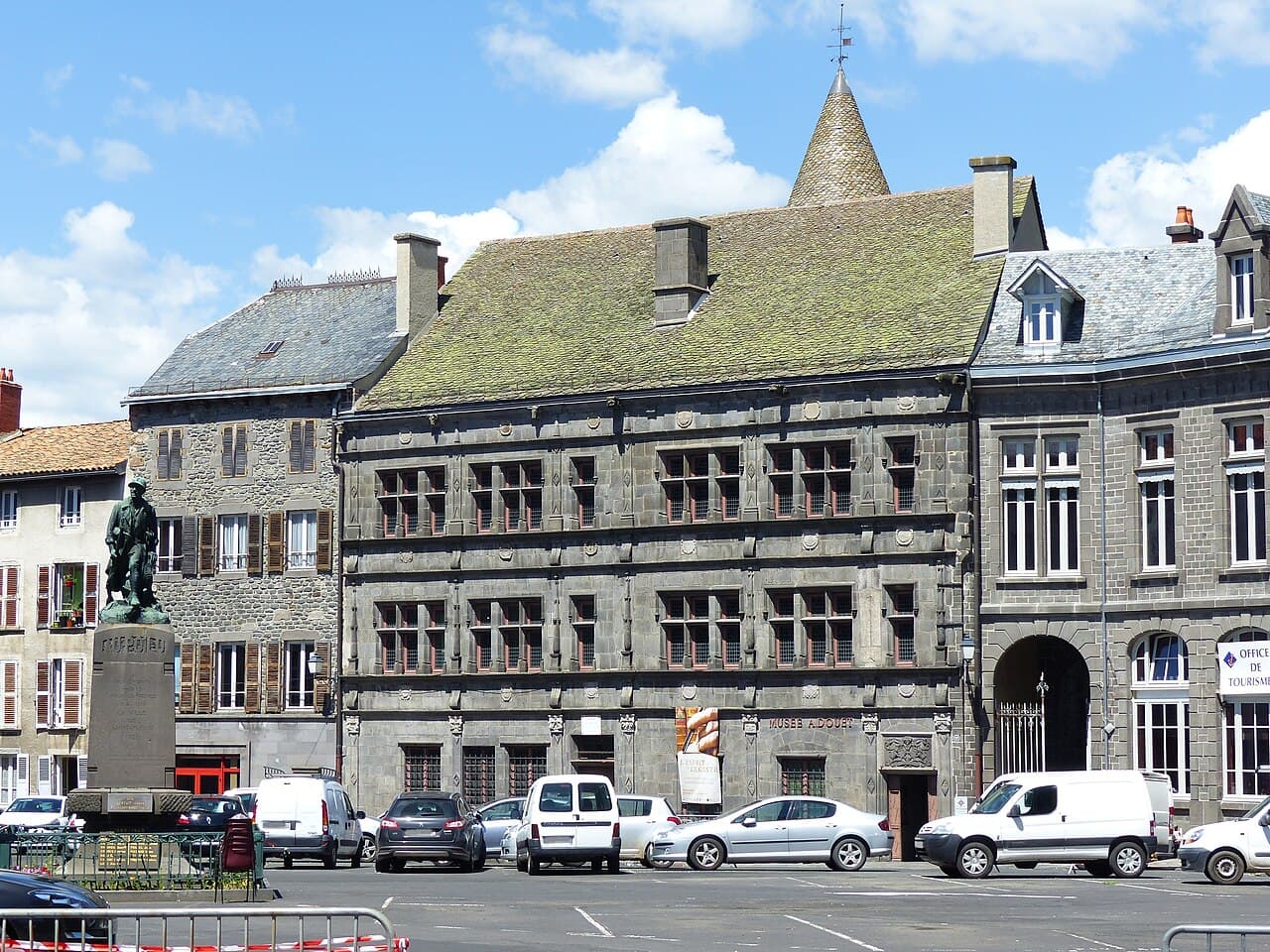
Saint-Flour, perched on its volcanic plateau, concentrates several notable sites within a compact historic center: the Musée Alfred Douet occupies a Renaissance-era consular house, while the Musée de la haute Auvergne is housed in the town's 17th-century former episcopal palace — a listed historic monument in its own right.
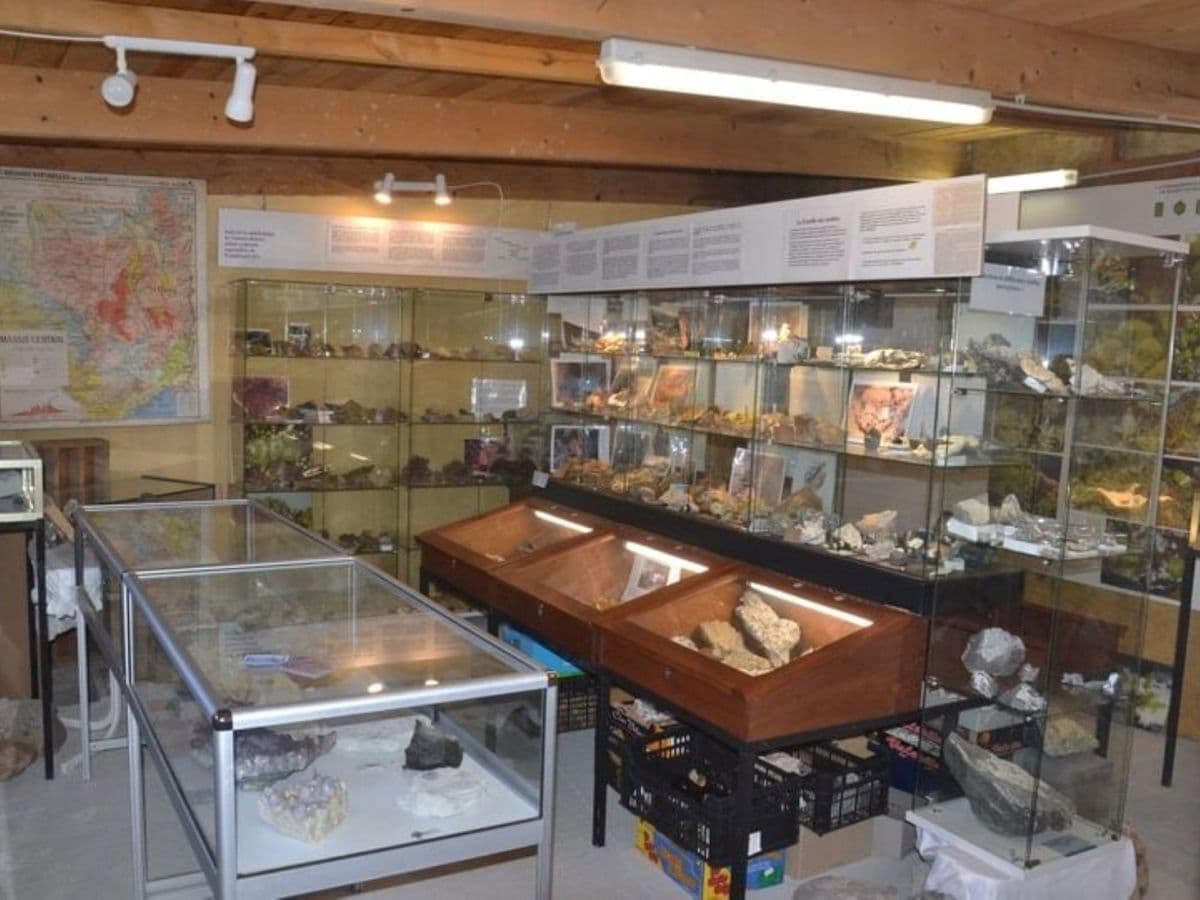
The department's identity as a land of volcanic geology and extreme weather has produced two of its more unusual institutions: the Musée Des Orages Et De La Foudre in Champs-sur-Tarentaine-Marchal, linked to an active lightning research laboratory, and the Maison de la minéralogie du Massif Central in Antignac, devoted to the mineral wealth of the Massif Central.
Cities & region
Museums to discover
14 museums, from major institutions to local collections.
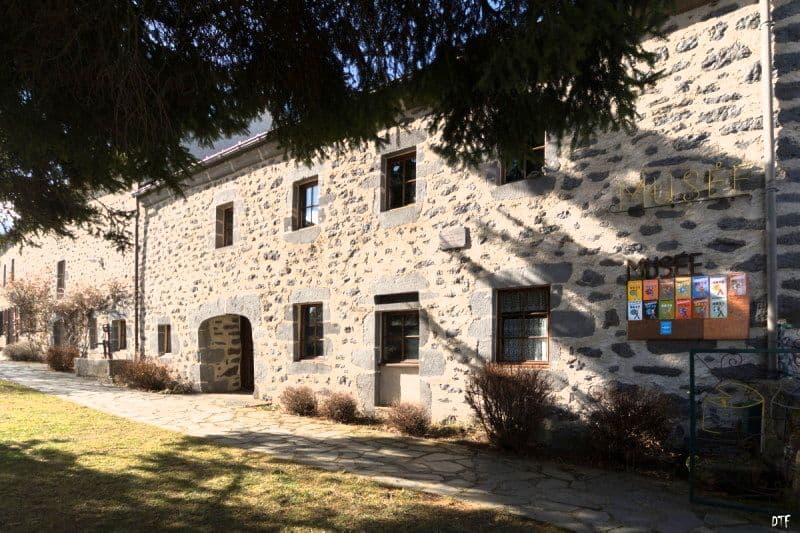
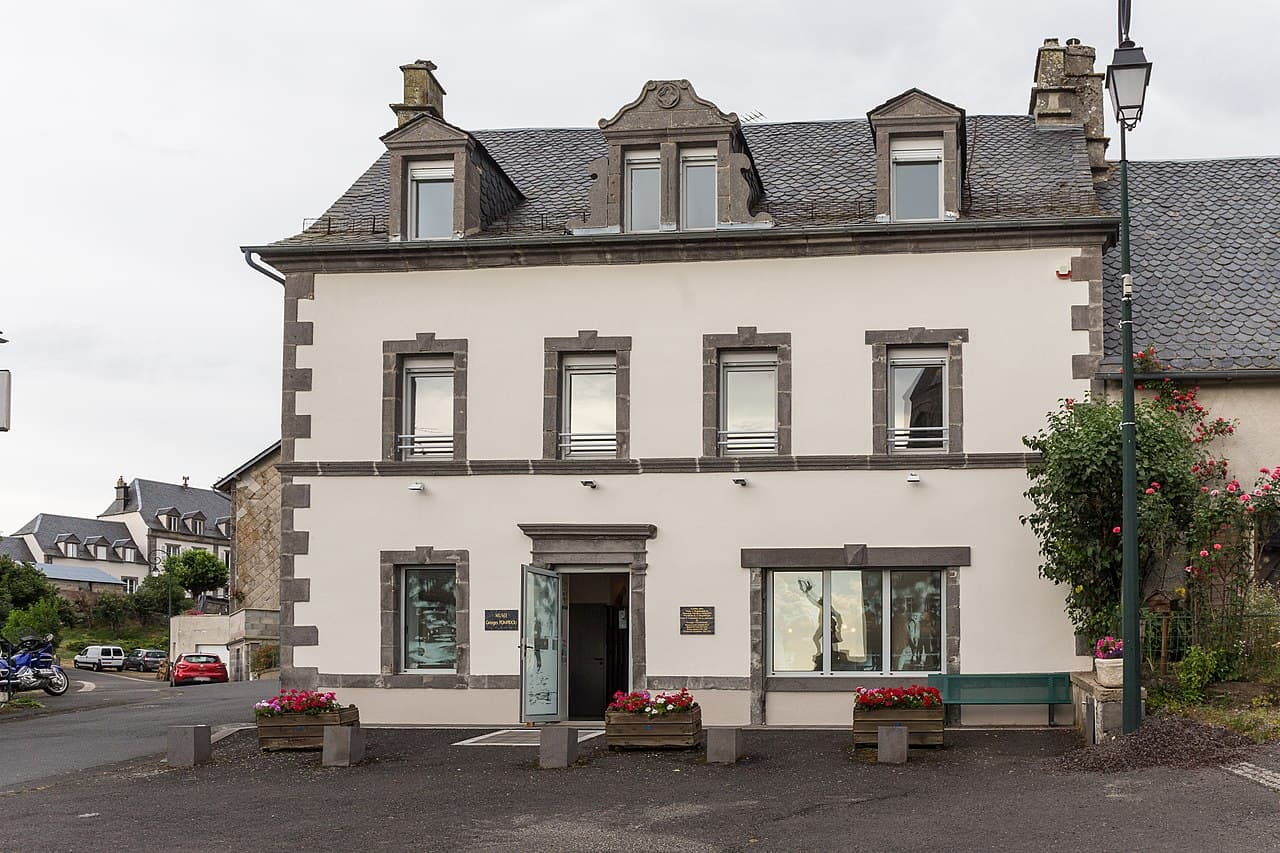
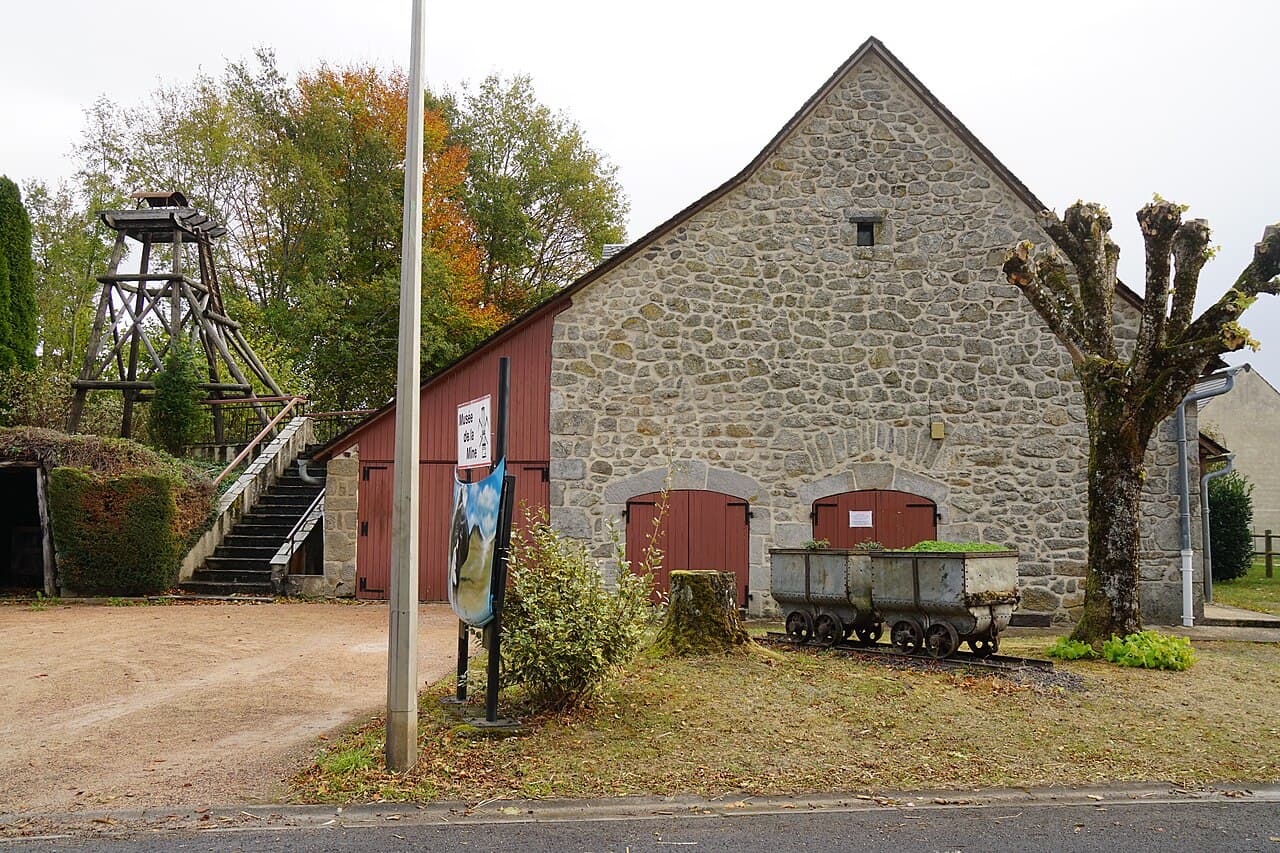
Galleries to discover
5 contemporary and modern art galleries.



Villages and Towns Worth Seeking Out
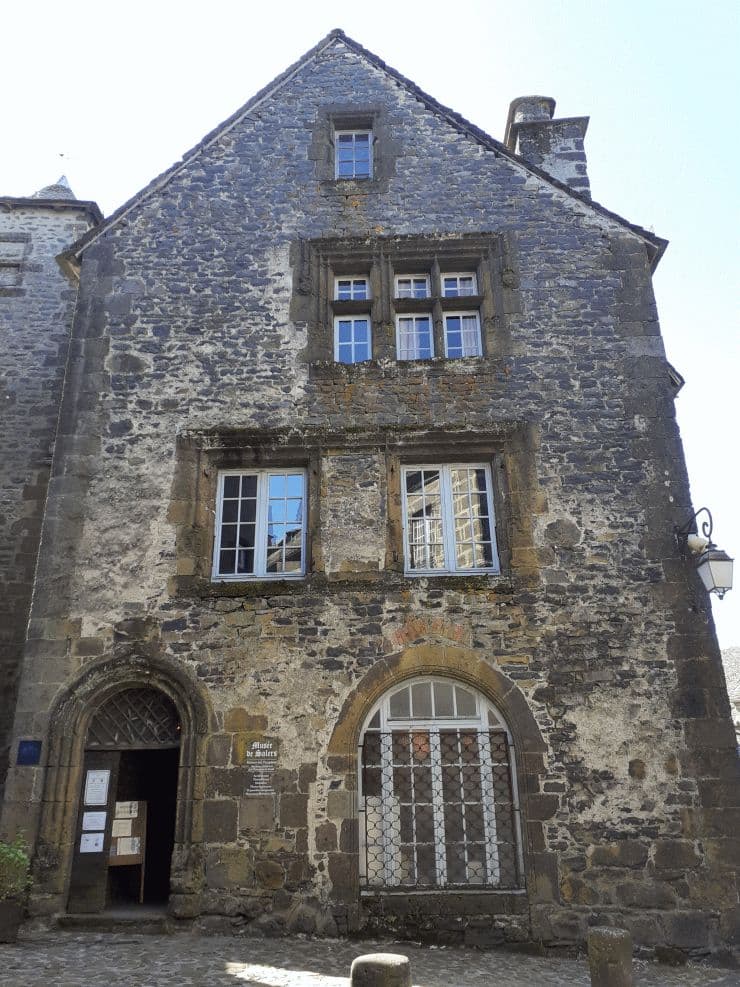
Beyond Aurillac and Saint-Flour, Cantal's cultural map extends into small villages where a single museum often anchors the entire visitor experience. In Salers, one of the department's best-preserved medieval villages, the Musée de Salers occupies the historic Maison des Templiers and focuses on local art and popular traditions.
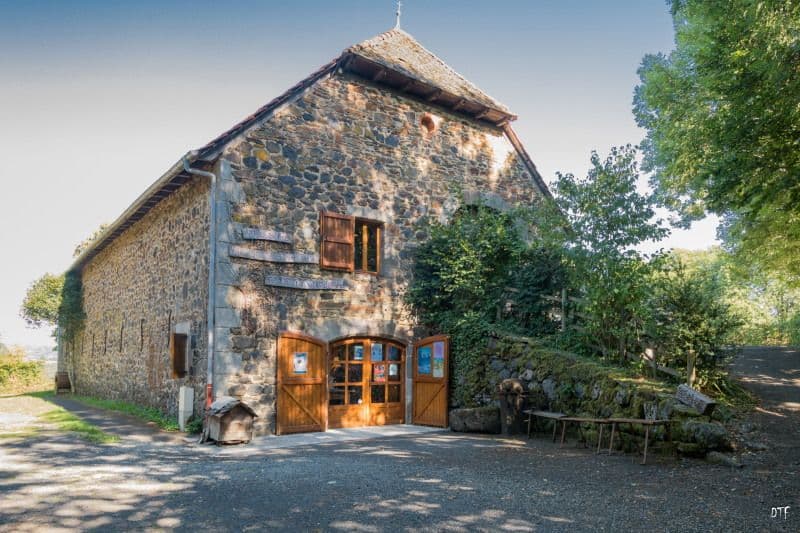
Further south, Maurs and Siran preserve more specialized threads of local heritage: the Eco-Musée Lou Truel in Maurs documents rural daily life, while the Musée de l'Accordéon à Siran sits at the crossroads of the Auvergne Châtaigneraie, the upper Quercy and neighboring regions, tracing the accordion's role in French popular music.
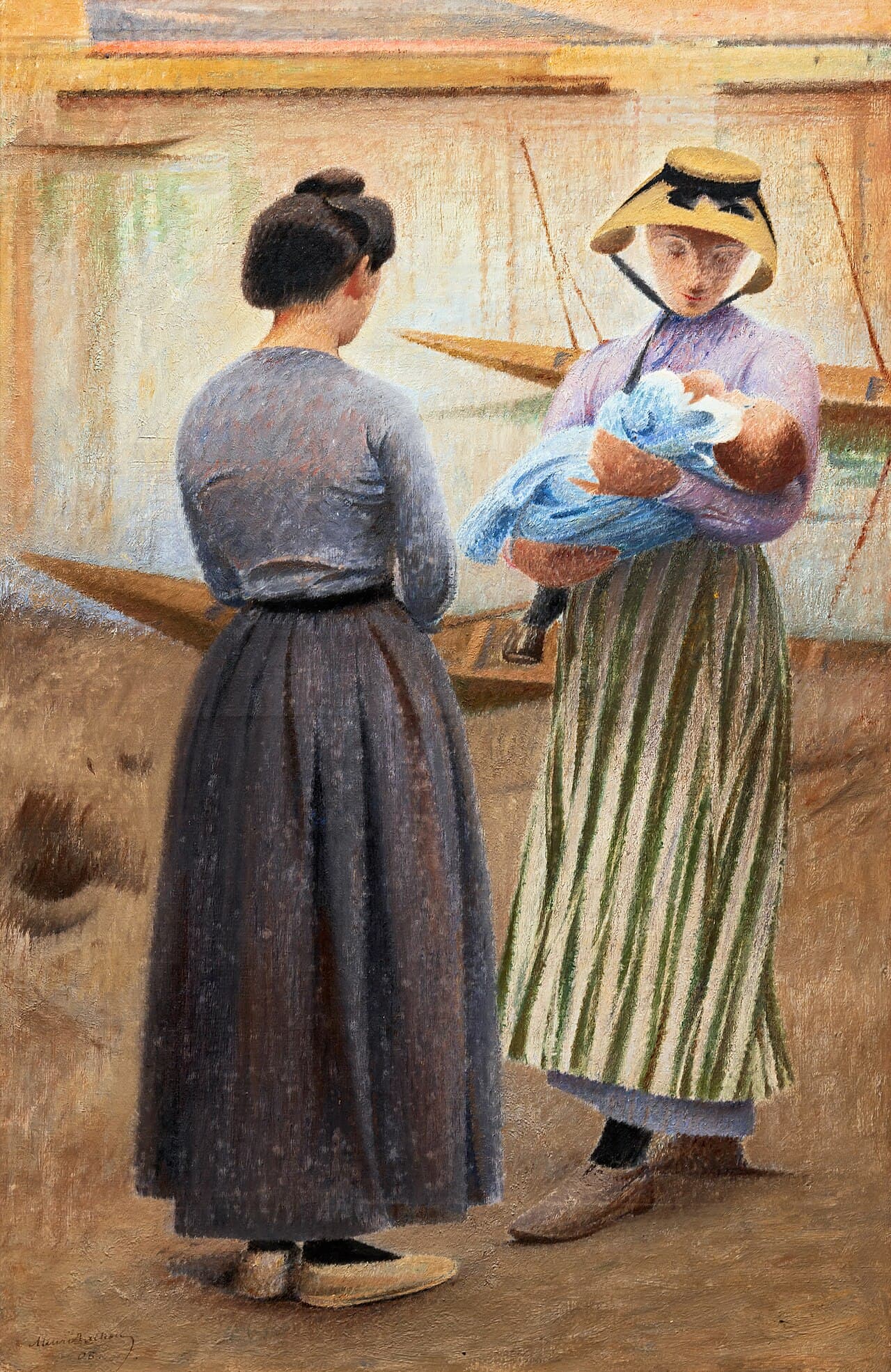
Massiac, in the eastern part of the department, hosts the Musée Élise Rieuf, dedicated to the painter Élise Rieuf and other artists connected to the town.
Independent Galleries in Aurillac and Saint-Flour
Contemporary art in Cantal is largely sustained by a handful of independent galleries concentrated in Aurillac and Saint-Flour. Galerie la Trace in Aurillac shows contemporary work, while Saint-Flour's gallery scene includes de Fer et de Rouille, Galerie Duo and Galerie La Troisième Aile.
In Maurs, ceramic work is showcased at the Atelier & Expo céramique Renate Frotscher, combining a working studio with exhibition space — a format well suited to a department where craft and daily practice remain closely linked.
Cantal on the map
Museums, galleries and heritage, at a glance.
19 results
Frequently asked questions
How many days should I plan to see Cantal's main museums?
A focused two- to three-day visit allows time for Aurillac, Saint-Flour and one or two rural écomusées, given the driving distances between villages.
Which Cantal museum should not be missed?
The Musée d'Art et d'Archéologie in Aurillac offers the broadest overview, while the Musée Alfred Douet in Saint-Flour stands out for its Renaissance building alone.
Is the Musée Georges Pompidou related to the former French president?
Yes, it is located in Montboudif, the Cantal commune where Georges Pompidou was born.
Are Cantal's museums open year-round?
Many rural écomusées and smaller sites operate on seasonal schedules, typically open from spring through autumn; it is worth checking hours before visiting outside summer.
What makes the Musée des Orages et de la Foudre unusual?
It is directly linked to an active lightning research laboratory in Champs-sur-Tarentaine-Marchal, combining museum exhibits with ongoing scientific study.
Where can I see contemporary art galleries in Cantal?
Saint-Flour and Aurillac host the department's main independent galleries, alongside a ceramic studio-gallery in Maurs.