13 museums · 7 galleries
Aube: Art and Heritage in the Heart of Champagne
Explore museums, galleries and heritage sites in Aube, in Grand Est.
An Understated Cultural Territory
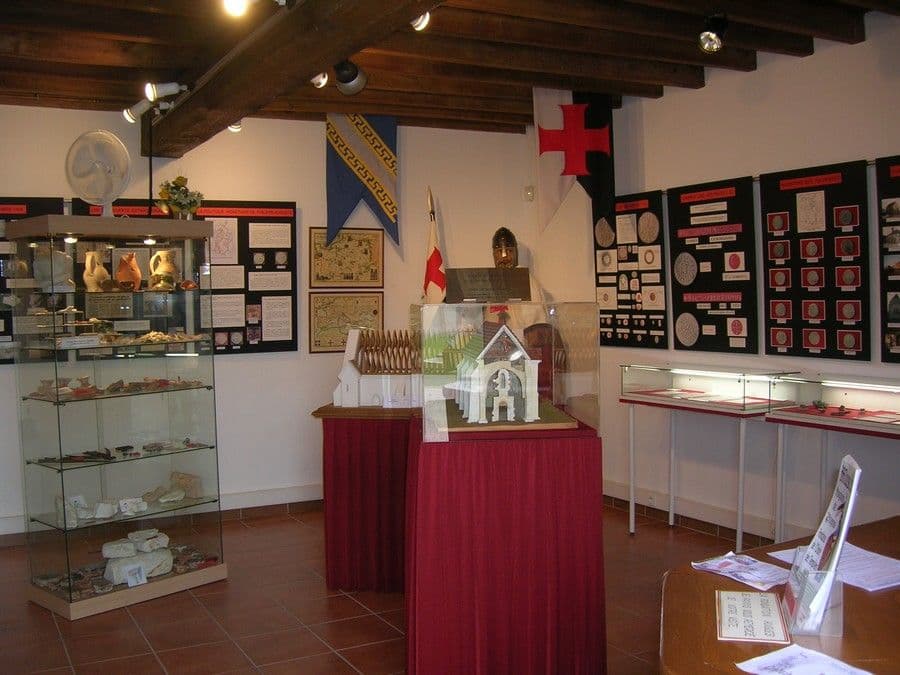
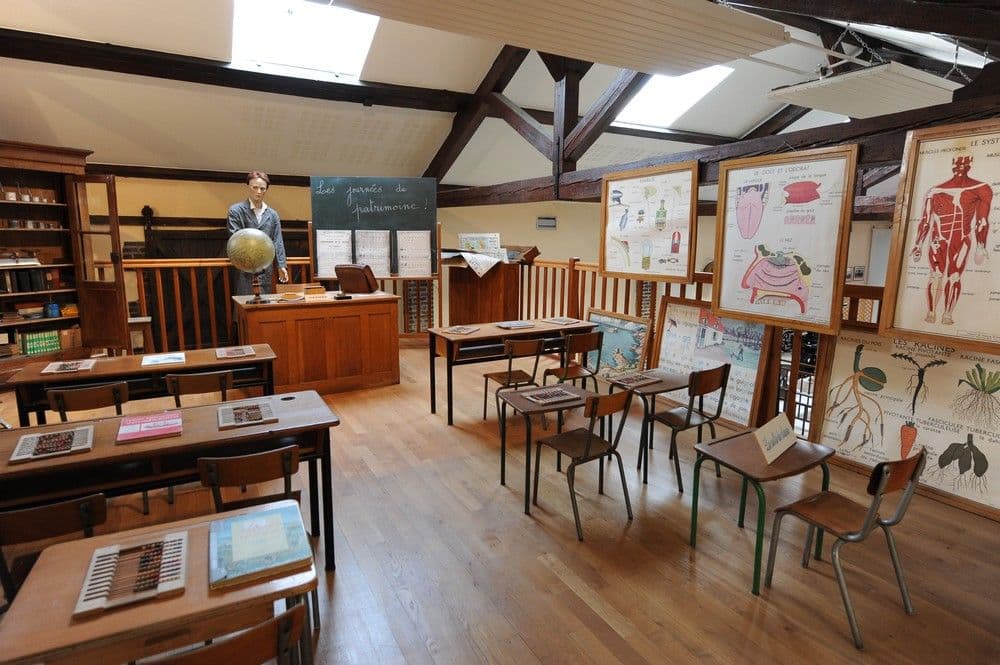
The Aube department, part of the Grand Est region, sits at the southern edge of Champagne. Its capital, Troyes, has preserved a dense medieval and Renaissance city center, while smaller towns across the countryside hold museums devoted to niche but genuine local histories: the Knights Templar, chapel-making, and rural craftsmanship.
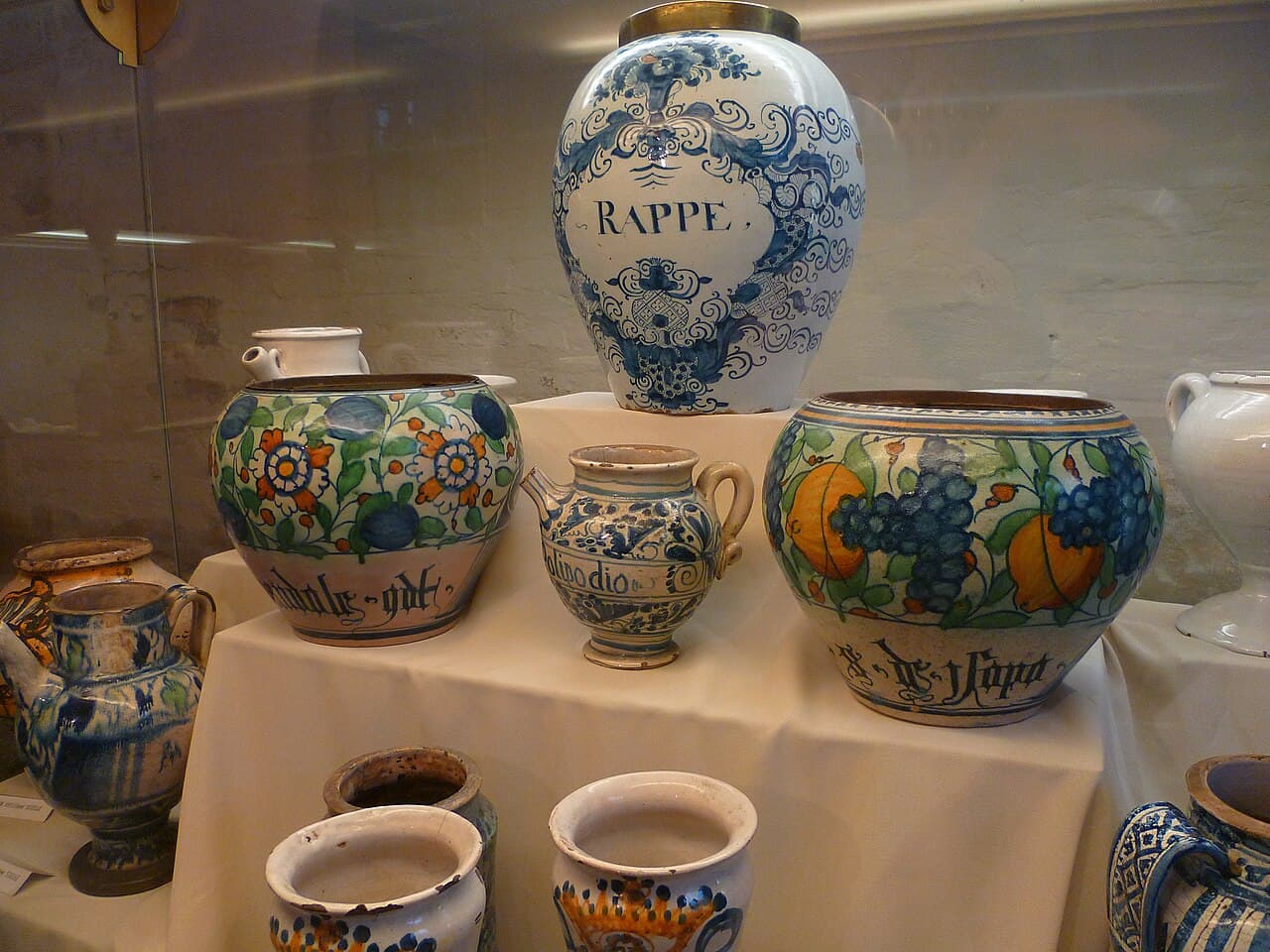
Troyes itself concentrates a striking number of institutions within walking distance of each other, forming what is locally known as the museum pole: six institutions including the Musée Saint-Loup, the Musée de la Renaissance en Champagne and the Apothicairerie de l'Hôtel-Dieu-le-Comte, all reflecting the city's medieval and religious heritage.
Beyond Troyes, the department's smaller towns each preserve a distinct thread of history: Nogent-sur-Seine for sculpture, Payns for the Templar order, Brienne-le-Château for Napoleon's early education, and Mussy-sur-Seine for wartime memory.
Cities & region
Museums to discover
13 museums, from major institutions to local collections.
Galleries to discover
7 contemporary and modern art galleries.



Troyes: A Compact Museum City
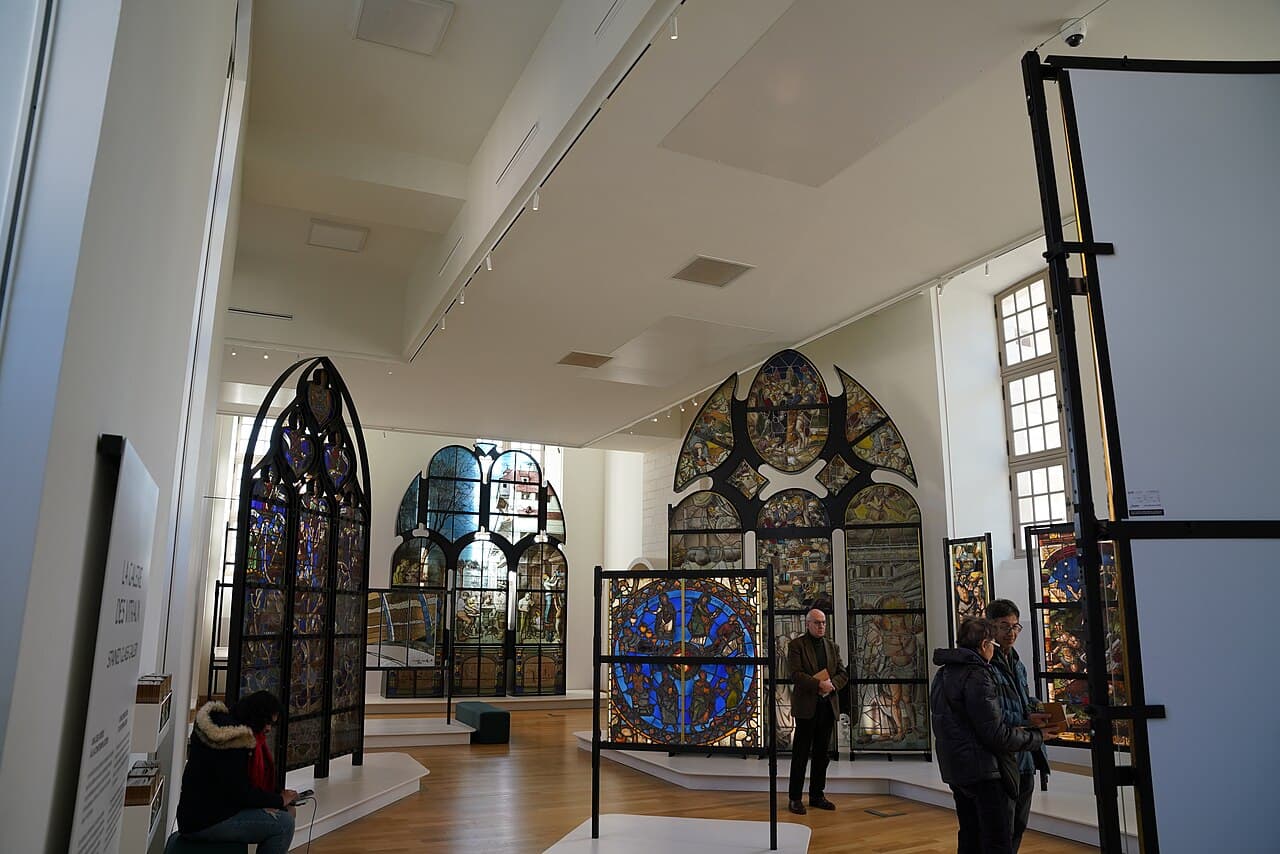
Troyes' historic center, with its half-timbered houses and narrow lanes shaped like a champagne cork, is the natural starting point. The Cité du Vitrail occupies a dedicated space in the city and serves as an interpretation center for stained-glass craftsmanship, a tradition for which the region is historically renowned.
Nearby, the Musée d'Art Moderne - collections nationales Pierre et Denise Lévy holds the Lévy collection of modern art, labeled a museum of national interest since 2003. A short walk away, the Maison de l'outil et de la pensée ouvrière displays roughly 12,000 tools gathered under the initiative of Paul Feller, offering a different angle on craftsmanship and labor history.
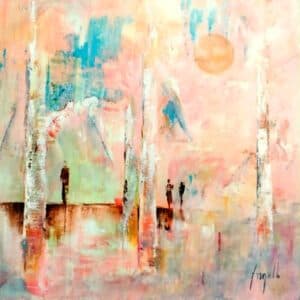
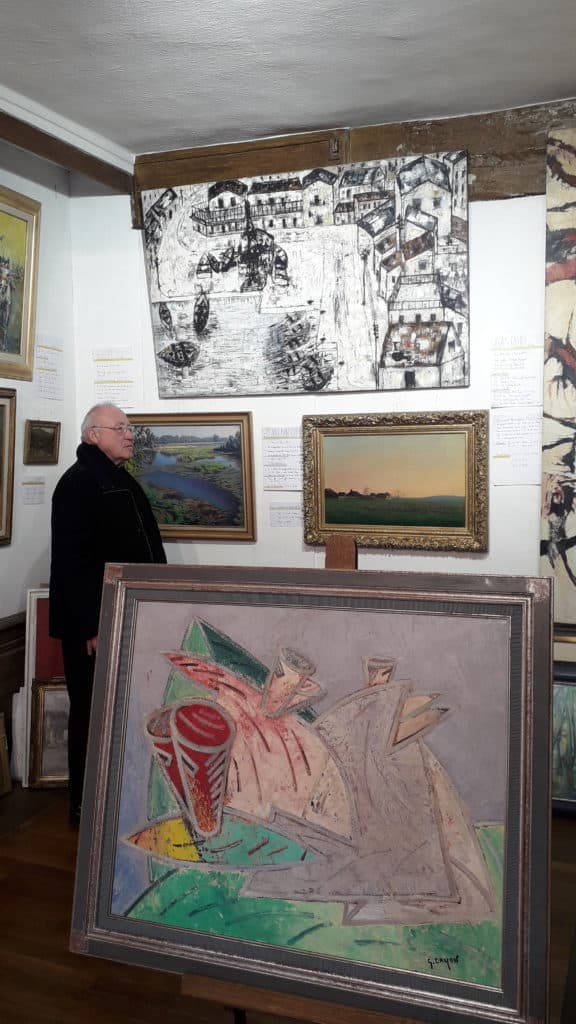
For contemporary art, Troyes and its surroundings host several galleries, including Galerie d'art Carré d'artistes, Galerie Cayon, Dumont Eric and Pallatisse, alongside Galerie Angelli Cathy in Sainte-Savine and Galerie Artes in Pont-Sainte-Marie.
Camille Claudel and Sculpture in Nogent-sur-Seine
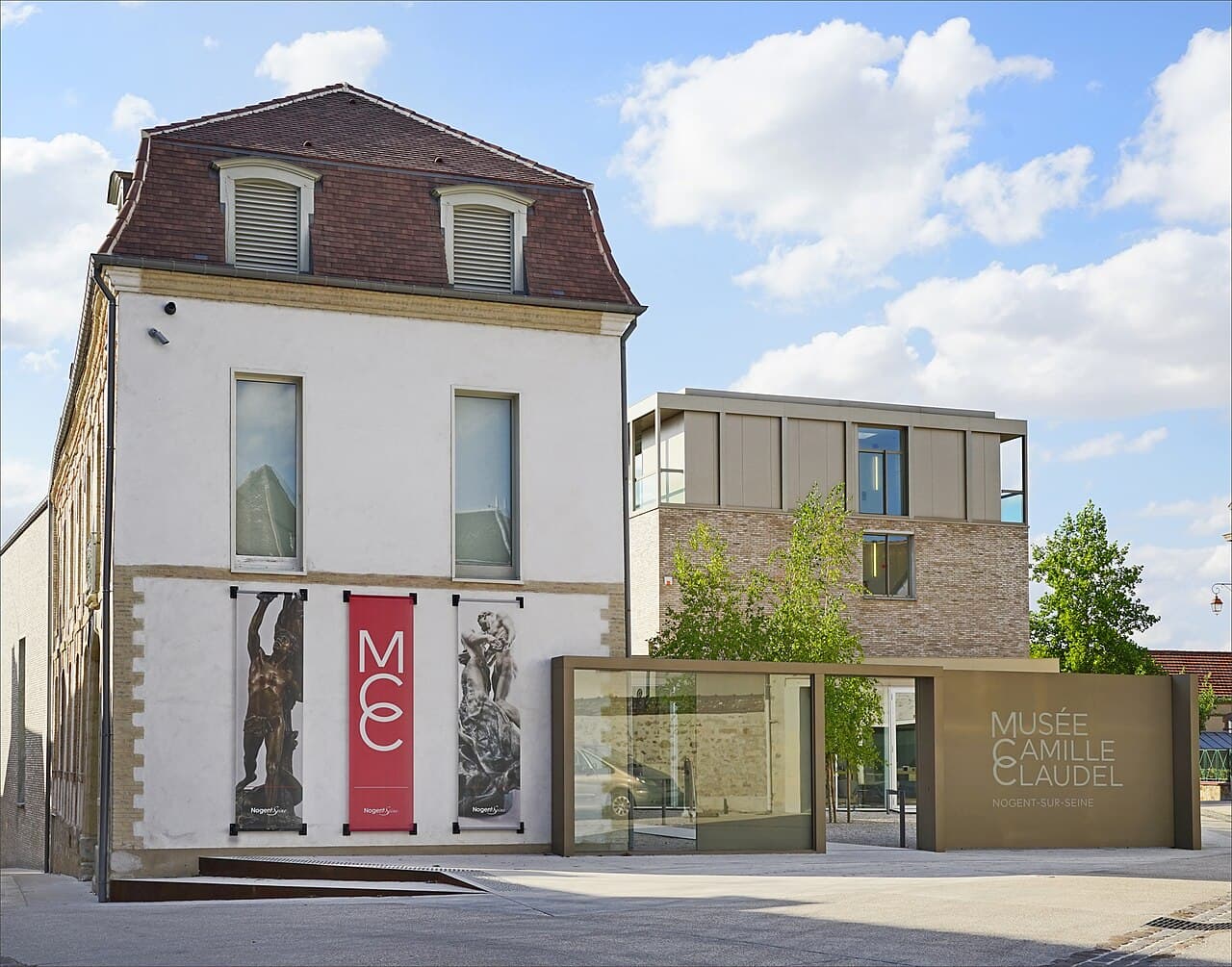
The Musée Camille Claudel in Nogent-sur-Seine holds the most important collection of works by Camille Claudel (1864-1943), who spent part of her youth in the town. The museum is dedicated more broadly to 19th-century sculpture, situating Claudel's work alongside that of her contemporaries.
Aube on the map
Museums, galleries and heritage, at a glance.
20 results
Frequently asked questions
How much time should I plan to visit Troyes' museums?
Allow a full day for the main museum pole (Musée Saint-Loup, Musée d'Art Moderne, Cité du Vitrail, Apothicairerie), as they are within walking distance of each other in the historic center.
Is the Musée Camille Claudel worth a trip outside Troyes?
Yes, it holds the largest collection of Camille Claudel's work anywhere and is a dedicated stop for anyone interested in 19th-century sculpture, located in Nogent-sur-Seine about 45 minutes from Troyes.
What is the best time of year to visit the Aube's museums?
Spring and early autumn offer comfortable conditions for combining museum visits with walks through Troyes' half-timbered streets, avoiding the busier summer tourist season.
Are the smaller museums in Aube's villages easy to reach without a car?
Public transport is limited outside Troyes, so a car is recommended for visiting sites like the Musée Napoléon Ier in Brienne-le-Château or the Musée Hugues de Payns in Payns.
Where can I see contemporary art in the Aube?
Troyes and its immediate surroundings host several galleries, including Galerie Cayon, Carré d'artistes, and Dumont Eric, alongside Galerie Artes in Pont-Sainte-Marie.