16 museums · 9 galleries
Haute-Saône: Museums, Galleries and Heritage Sites
Explore museums, galleries and heritage sites in Haute-Saône, in Bourgogne-Franche-Comté.
A rural department with a dense museum network
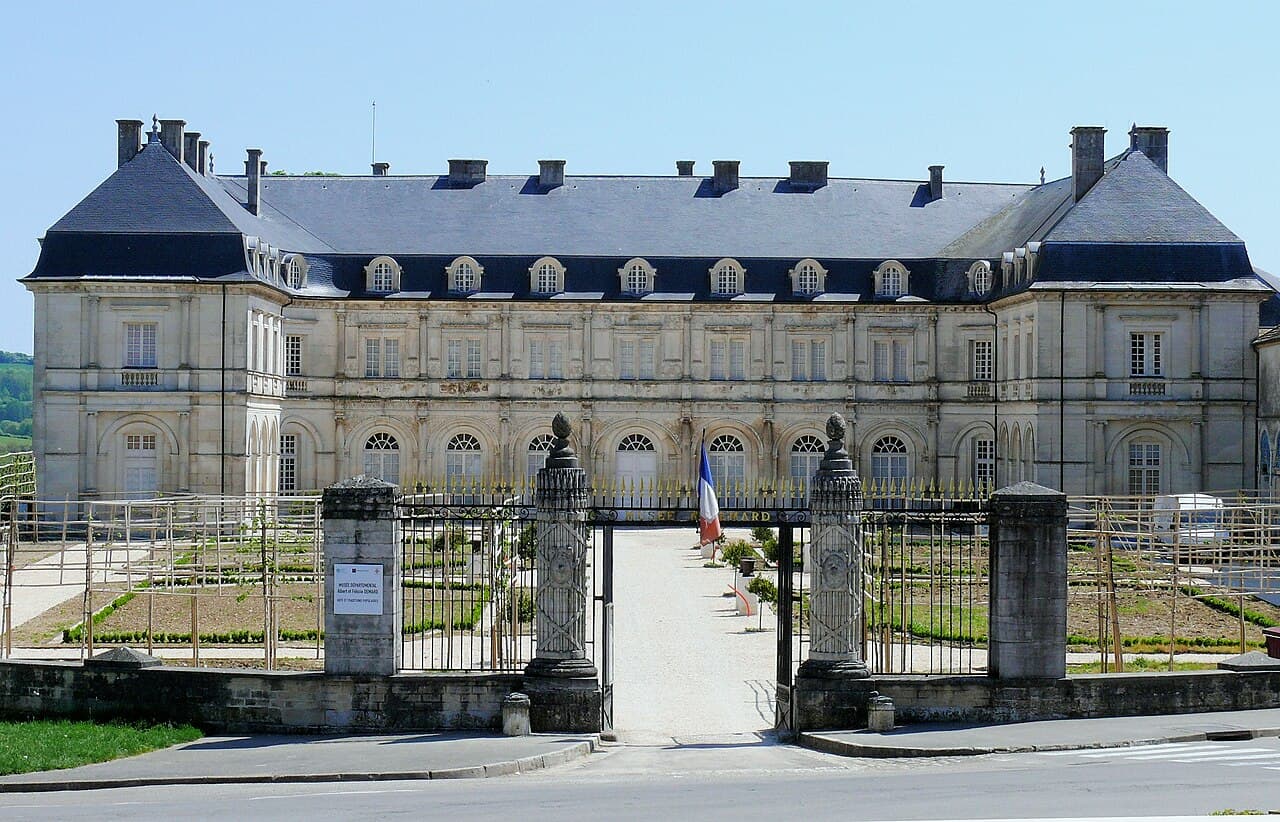
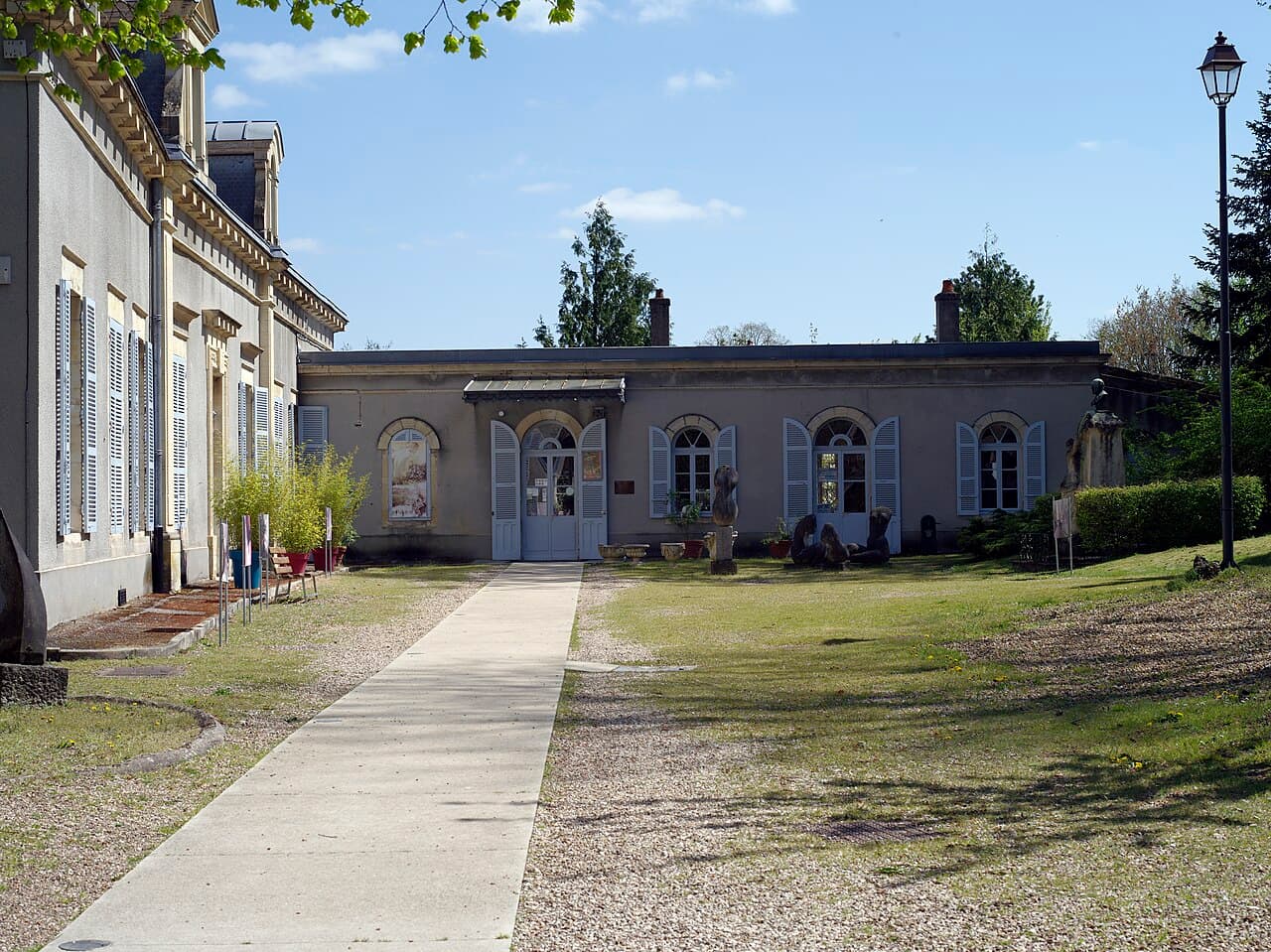
Haute-Saône, part of the Bourgogne-Franche-Comté region, has developed an unusually thorough network of small and mid-sized museums that document local trades, agriculture and daily life rather than concentrating solely on fine art. Many of these institutions occupy historic buildings: the Musée Baron Martin sits inside an 18th-century château overlooking the Saône at Gray, while the Musée Départemental Demard des Arts & Traditions Populaires is housed in the château of Champlitte.
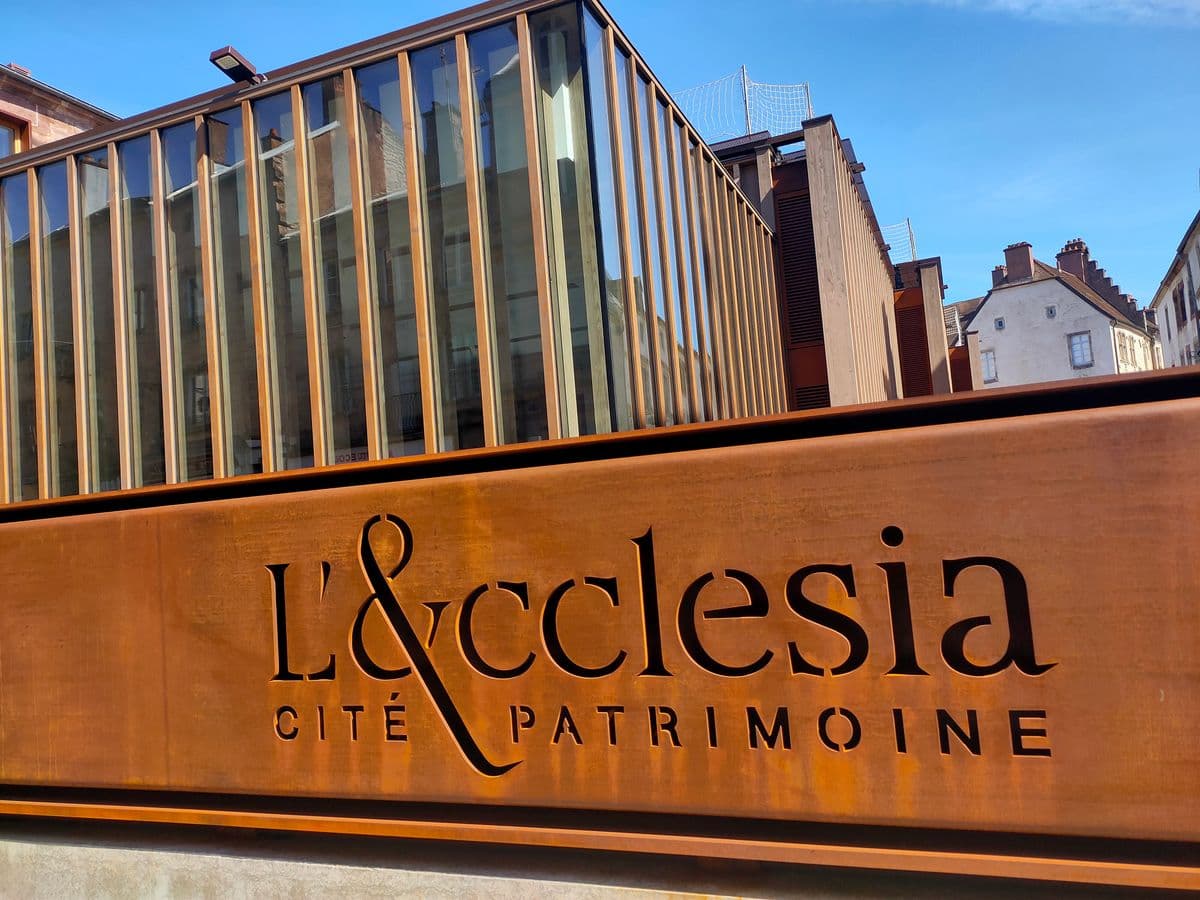
The department's two main towns anchor its cultural offer: Vesoul is home to the Musée Jean-Léon Gérôme, integrated into the local cultural district alongside the Théâtre Édwige Feuillère, while Luxeuil-les-Bains concentrates several institutions in its historic core, including L'Ecclésia, cité patrimoine, the Musée de la Tour des Echevins, set in a 15th-century former town hall, and the Musee du Combattant de la Haute Saone.
Cities & region
Museums to discover
16 museums, from major institutions to local collections.
Galleries to discover
9 contemporary and modern art galleries.




Towns worth a detour
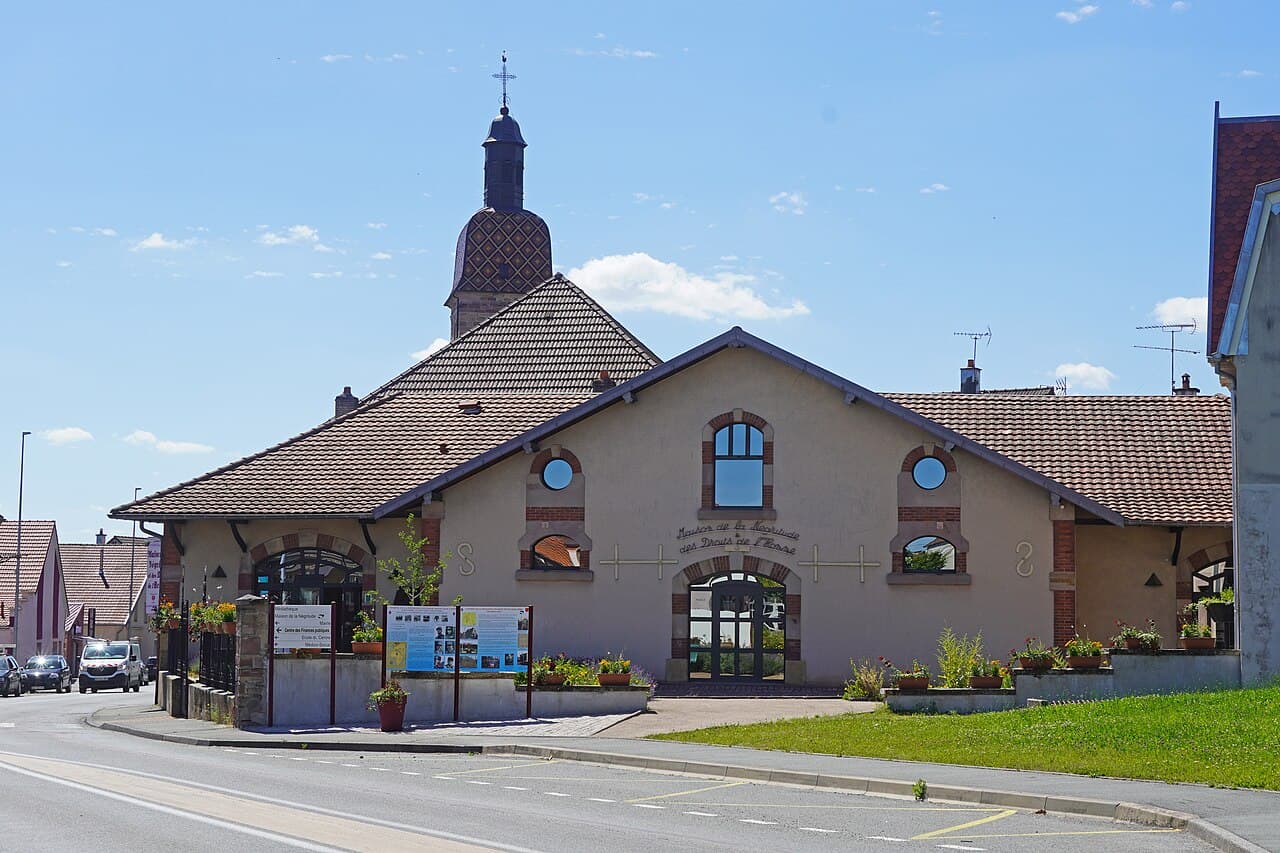
Gray, on the banks of the Saône, pairs its riverside setting with the Musée Baron Martin, labelled Musée de France. Héricourt offers the Musée Minal, a neo-classical brick-and-stone building conceived from the outset as a museum. Champagney, meanwhile, holds a place in the history of human rights through the Maison de la Négritude, founded under the patronage of Léopold Sédar Senghor.
Local painters, national reputations
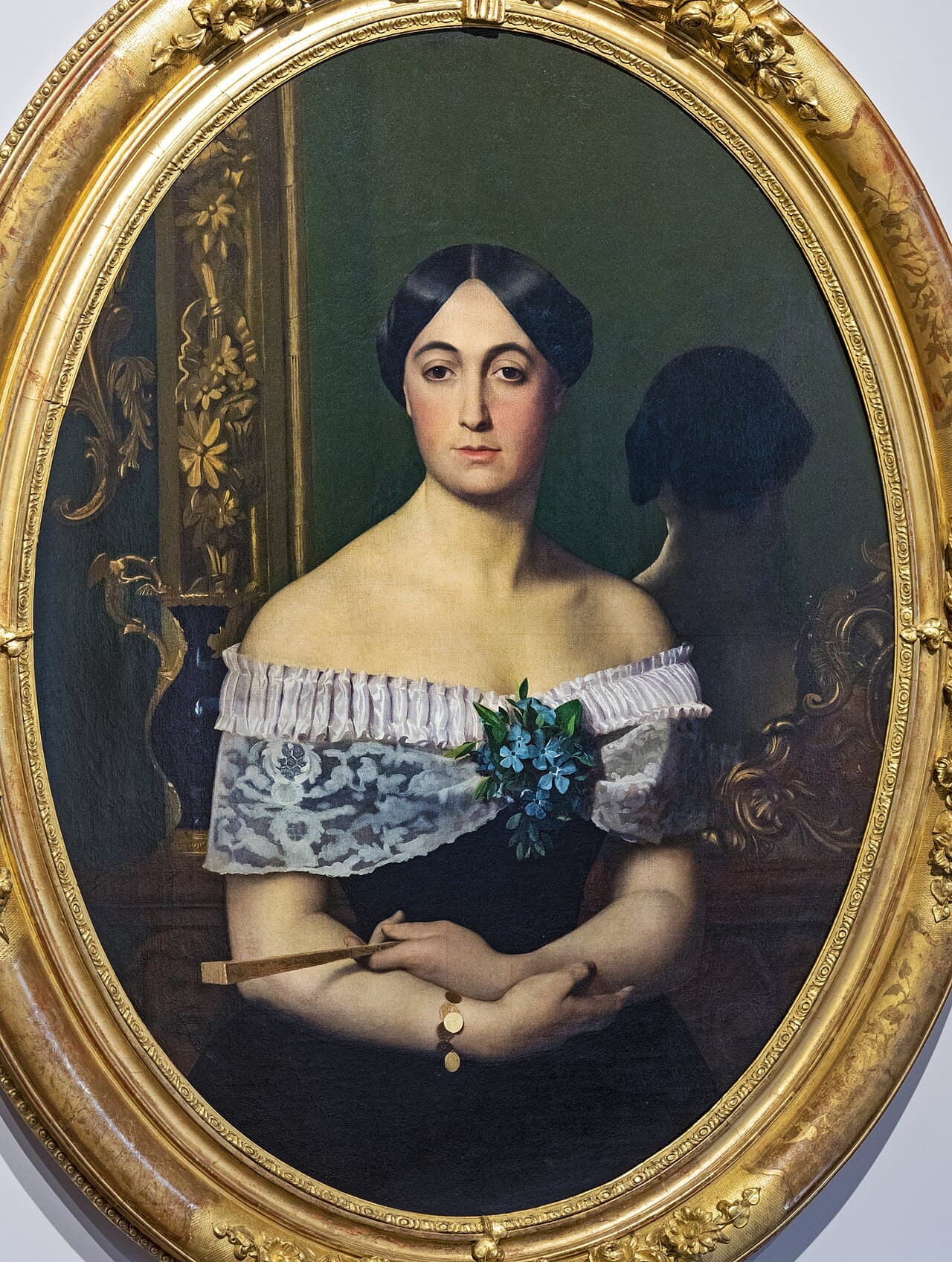
Vesoul's Musée Jean-Léon Gérôme honours the town's most famous painter, Jean-Léon Gérôme, a leading figure of 19th-century academic art known for his Orientalist scenes. The department's other painter-museum, the Musée Jules Adler, is devoted to Jules Adler, a naturalist painter of working-class and rural life associated with the region.
Contemporary creation is carried by a scattering of small galleries across Haute-Saône's villages, among them Galerie L'Orangerie in Sauvigney-lès-Gray, Les voûtes in Pesmes, Galerie Jean Greset in Étuz, and Galerie Valtesse in Vesoul itself.
Haute-Saône on the map
Museums, galleries and heritage, at a glance.
25 results
Frequently asked questions
How much time should I plan for the museums in Vesoul and Luxeuil-les-Bains?
Half a day per town is usually enough: the Musée Jean-Léon Gérôme in Vesoul takes about 1-1.5 hours, while Luxeuil-les-Bains combines L'Ecclésia, the Musée de la Tour des Echevins and the Musée du Combattant, best visited together over 2-3 hours.
Are the smaller trade museums (agriculture, furniture, mining) suitable for children?
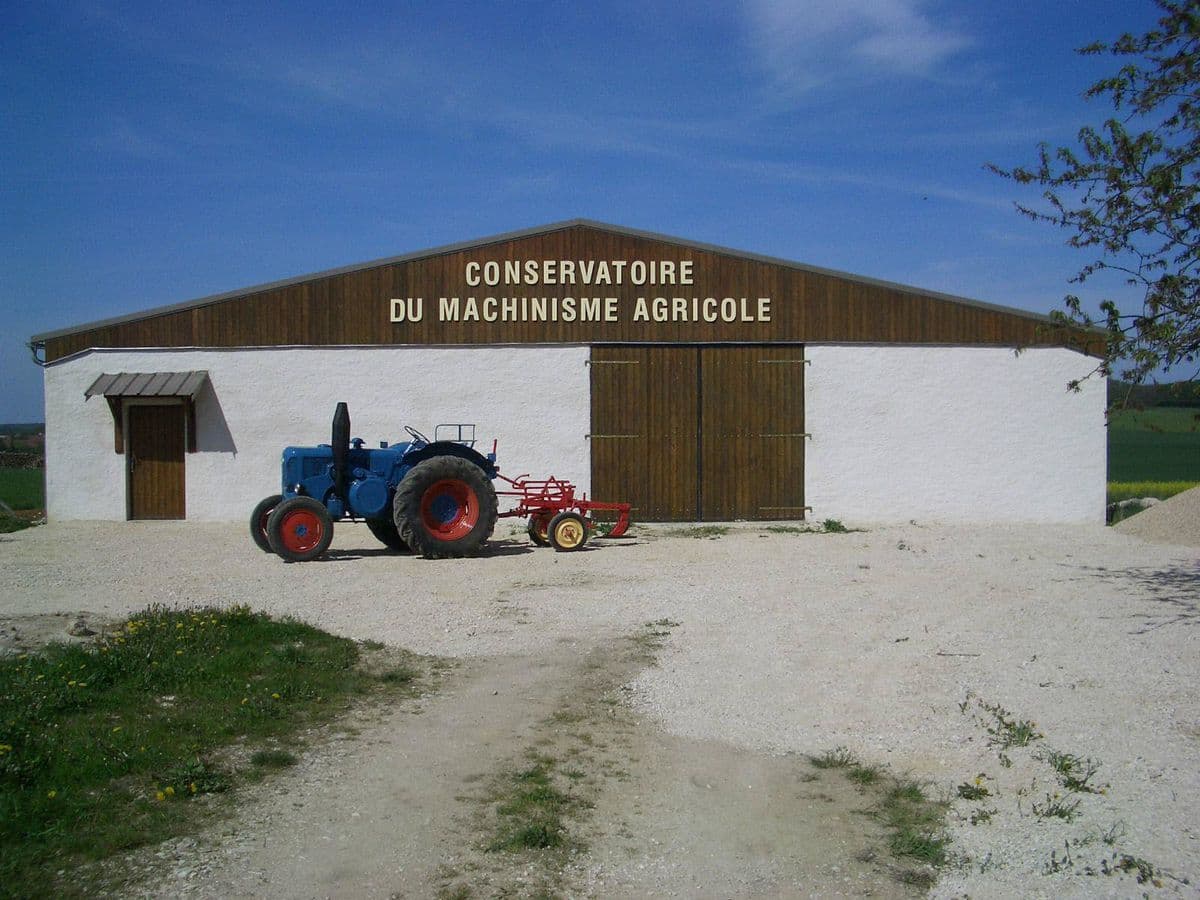
Yes, sites like the Conservatoire du Machinisme Agricole, the Ferme du tracteur et matériel agricole anciens and the Musée de la Mine display working machinery and tools in hands-on settings that generally appeal to families.
Which museum best represents Haute-Saône's fine-art heritage?
The Musée Baron Martin in Gray, set in an 18th-century château and labelled Musée de France, holds the department's most significant fine-art collection.
Is there a UNESCO World Heritage site in Haute-Saône?
No, the department has no inscribed UNESCO World Heritage site; its heritage value lies instead in a dense network of local museums and historic buildings.
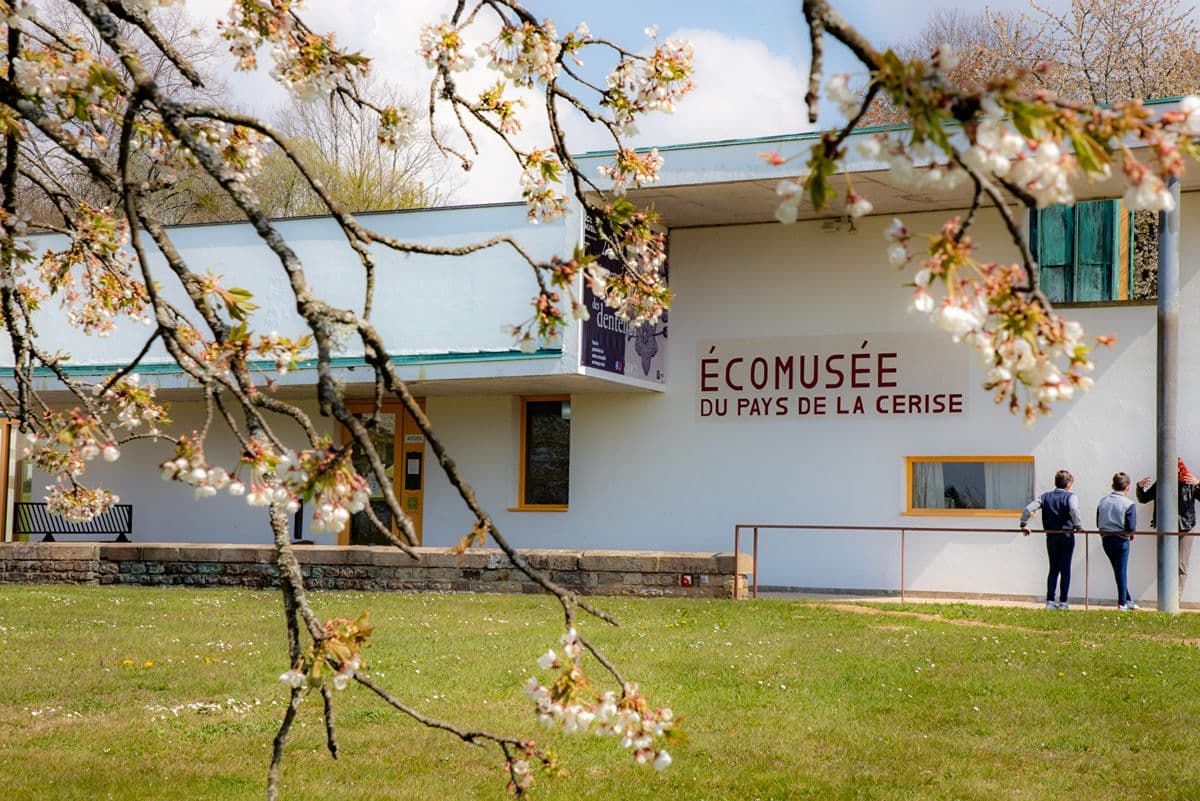
What is a good season to visit the Ecomusée du Pays de la Cerise?
Spring, during cherry blossom, and early summer at harvest time are the most rewarding periods, since the museum's grounds and themes are tied directly to the cherry orchards of Fougerolles.
Are the village art galleries open year-round?
Most of Haute-Saône's small galleries, such as Les Couronnes de Marie or Sculptures - Peintures in Valay, keep limited or seasonal opening hours, so checking ahead before a visit is recommended.