9 museums · 10 galleries · 1 heritage site
Haute-Loire: Museums, Galleries and Heritage Sites
Explore museums, galleries and heritage sites in Haute-Loire, in Auvergne-Rhône-Alpes.
A department shaped by pilgrimage, volcanism and rural memory
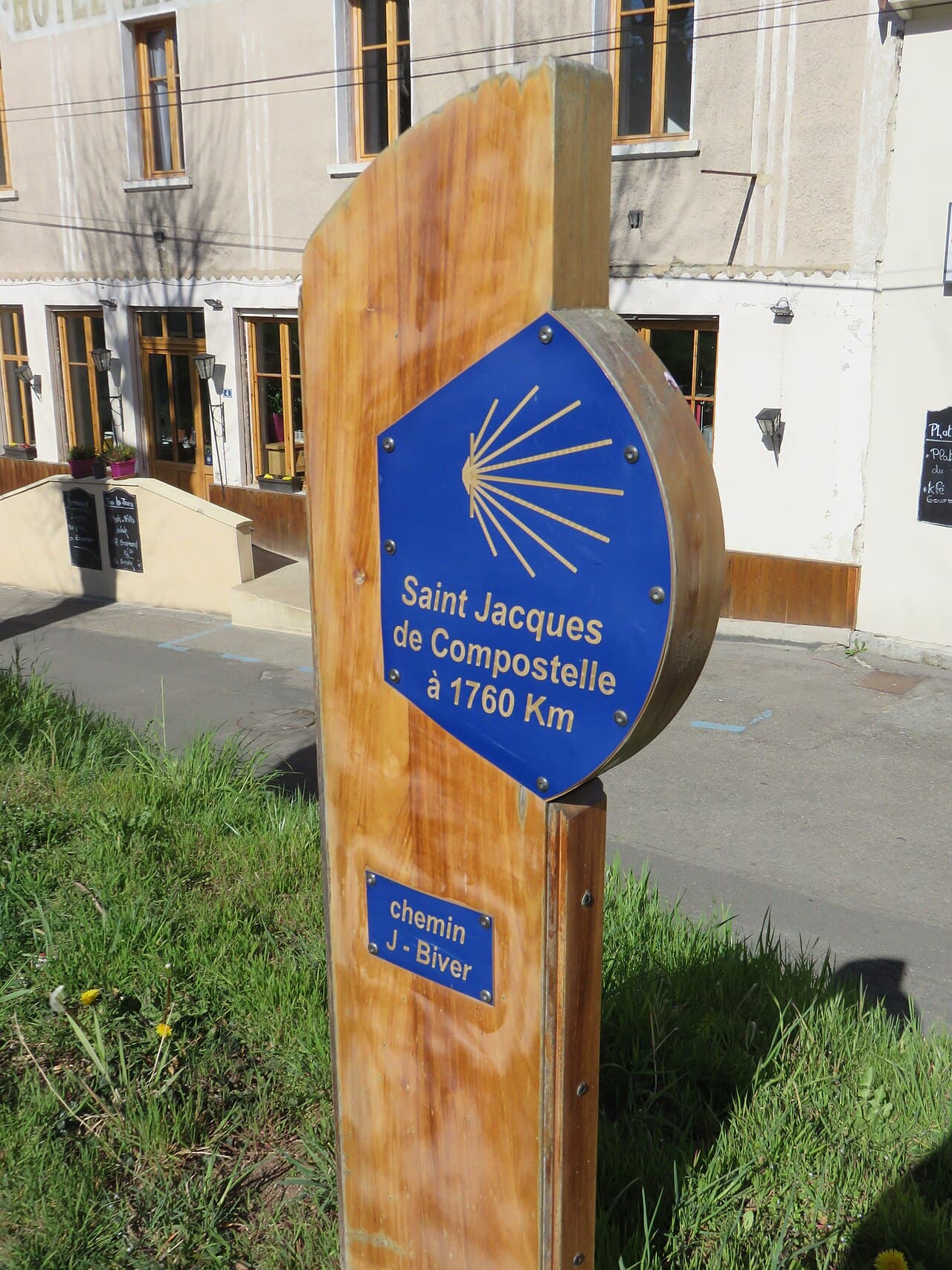
Haute-Loire, part of the Auvergne-Rhône-Alpes region, is crossed by one of the historic routes of the Chemins de Saint-Jacques-de-Compostelle, listed as UNESCO World Heritage since 1998. Le Puy-en-Velay, the department's capital, has been a starting point for pilgrims heading toward Spain since the Middle Ages, and this legacy still structures the region's cultural identity.
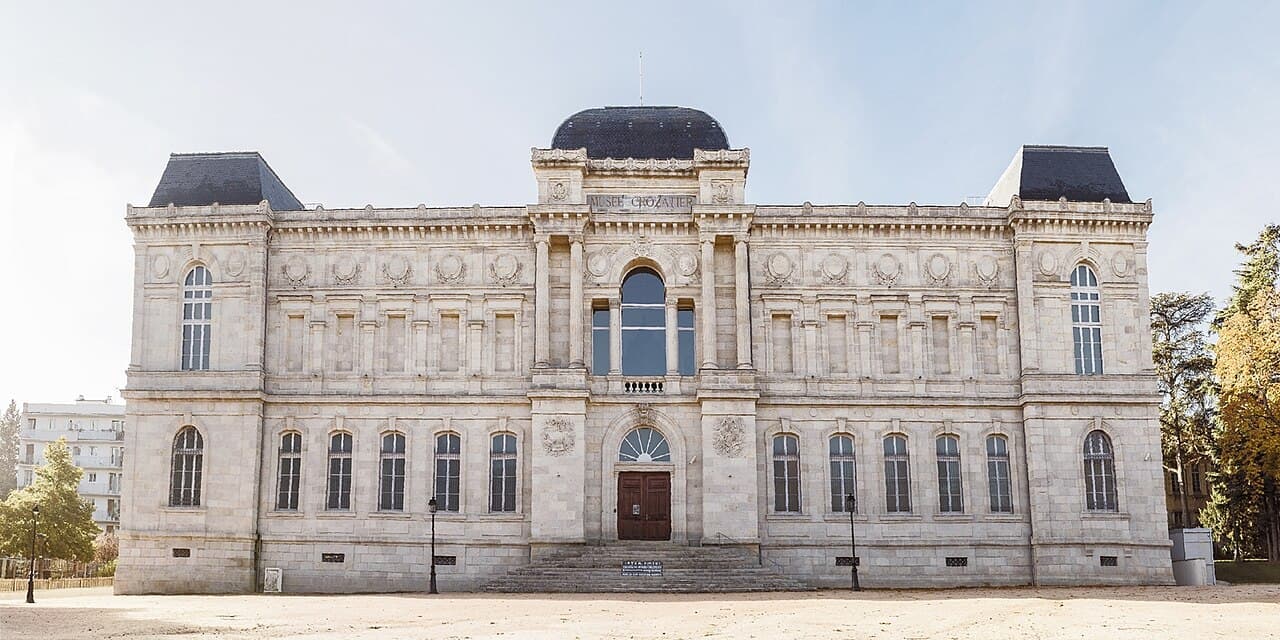
The department's museums reflect this layered history: the Musée Crozatier in Le Puy-en-Velay gathers archaeology, fine arts, Egyptology, mineralogy, paleontology and zoology collections in a single institution, while smaller rural museums document local memory, from the legend of the Beast of Gévaudan to the Resistance movements of the Margeride and Livradois mountains.
Cities & region
Museums to discover
9 museums, from major institutions to local collections.
Galleries to discover
10 contemporary and modern art galleries.





World Heritage & monuments
1 UNESCO World Heritage Sites.
Le Puy-en-Velay and the villages of the Margeride and Velay
Le Puy-en-Velay concentrates much of the department's artistic life, with galleries such as L'atelier du 8 and Galerie des Costes operating alongside the Musée Crozatier in the historic center.
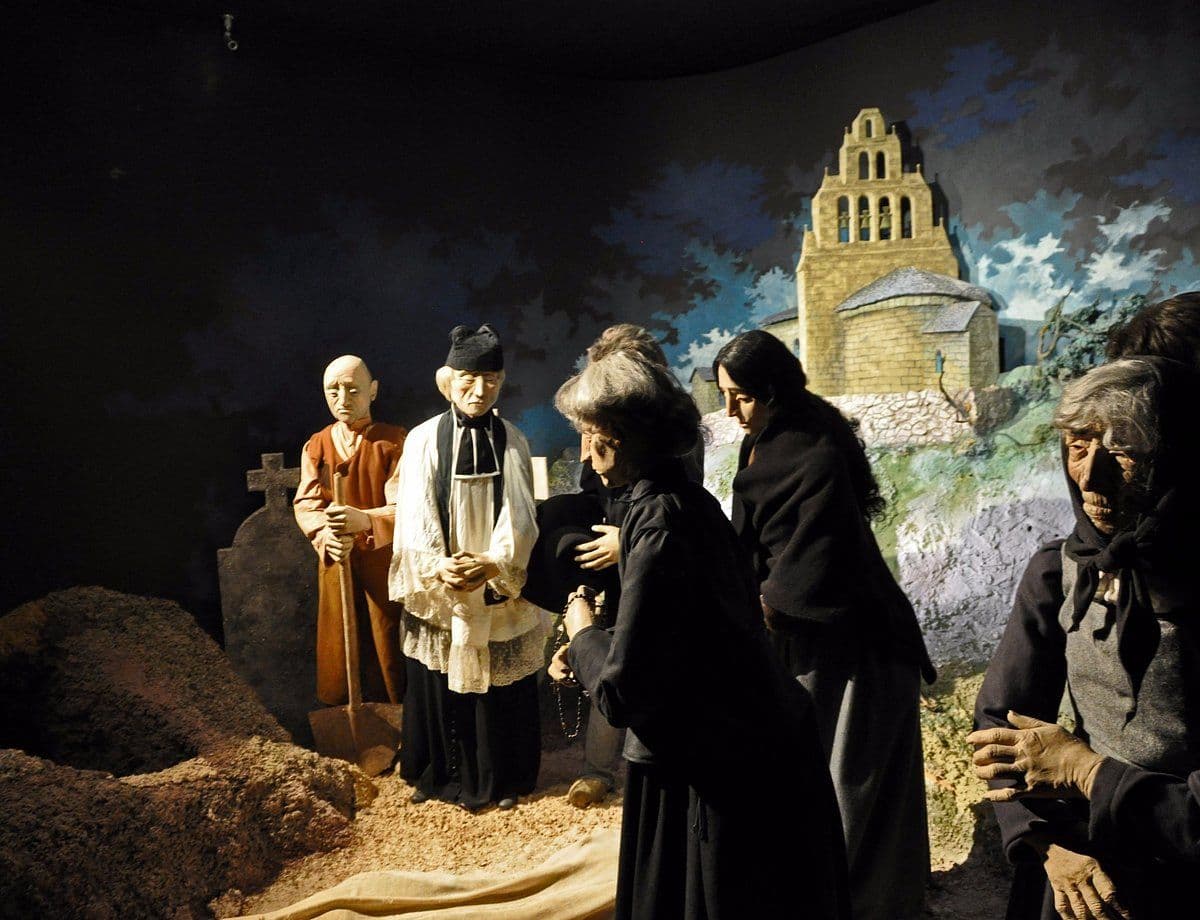
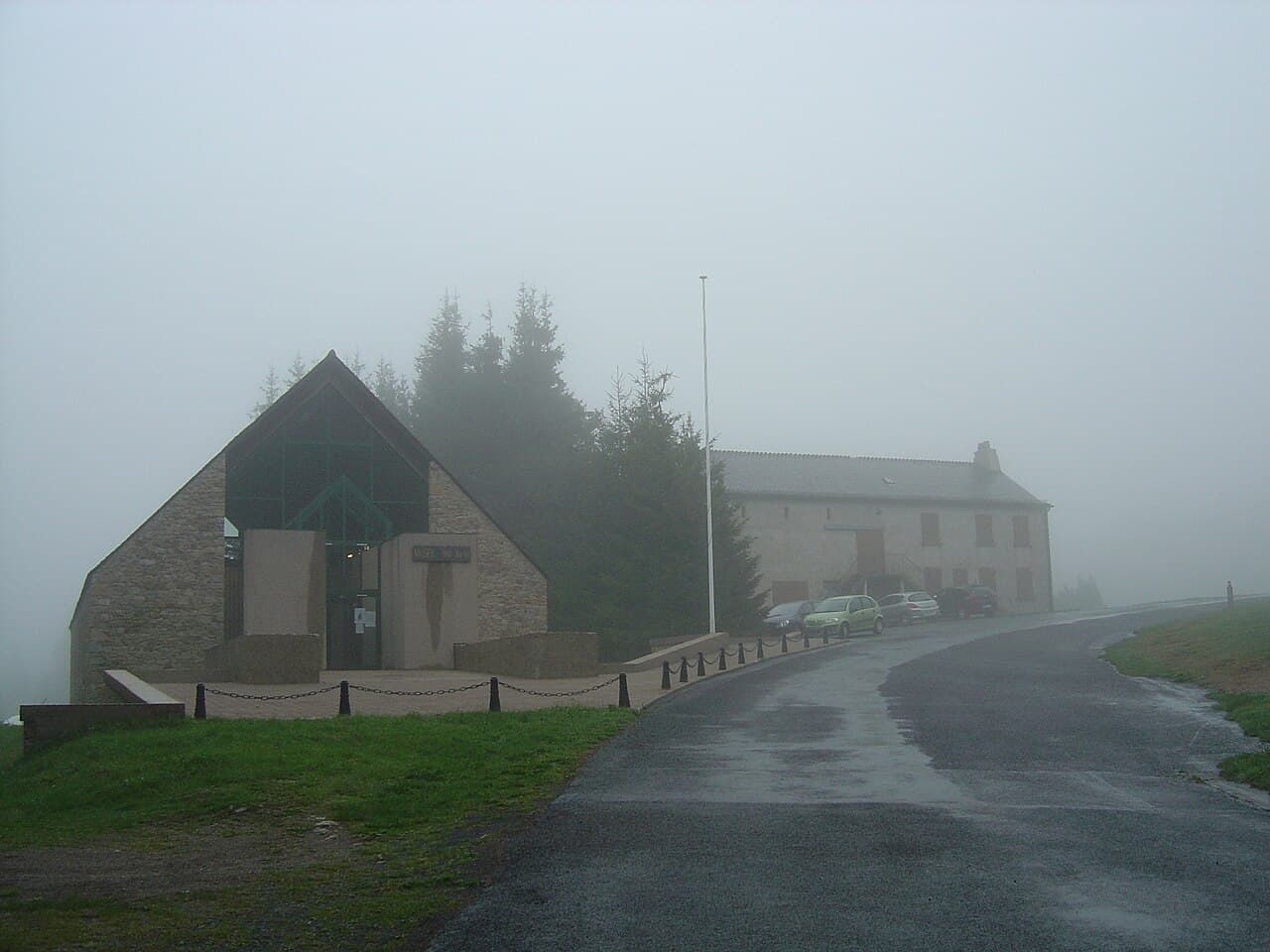
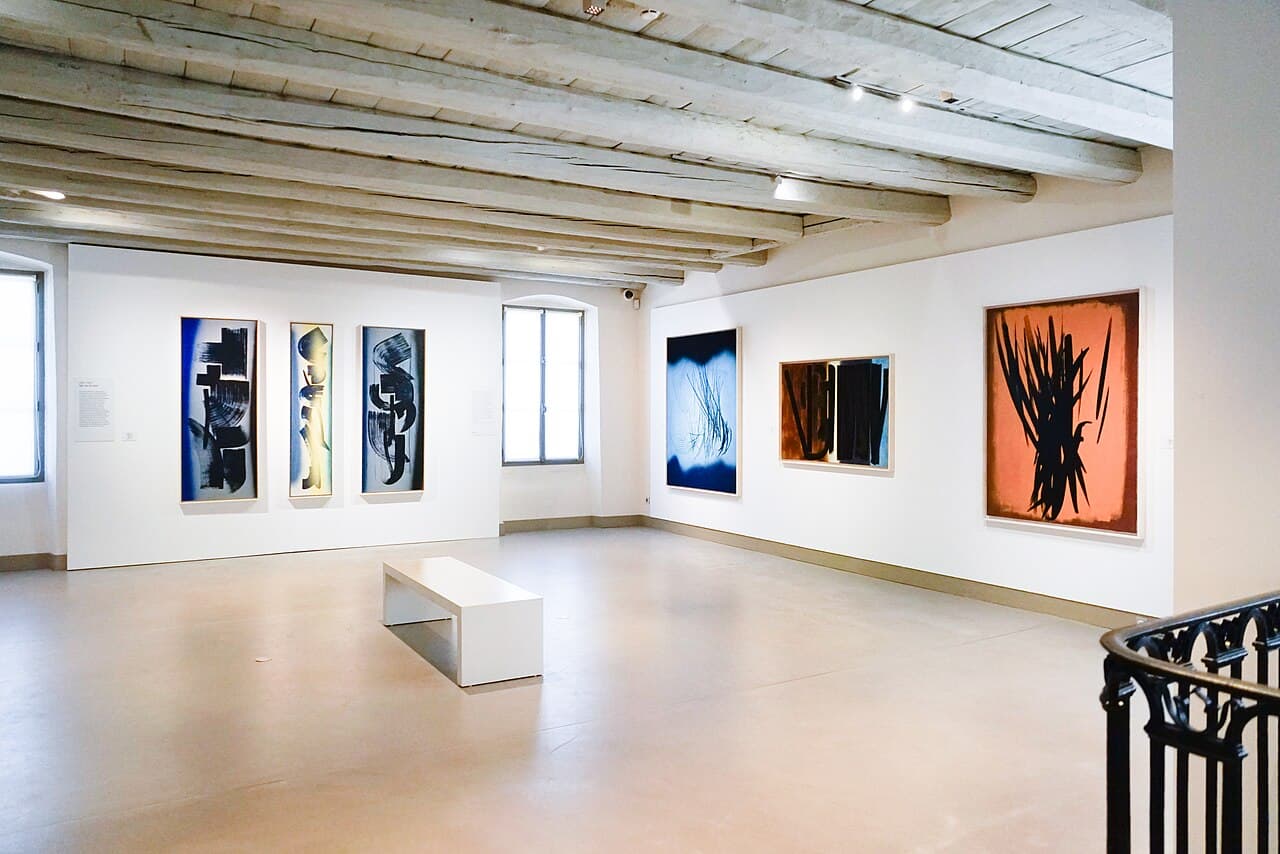
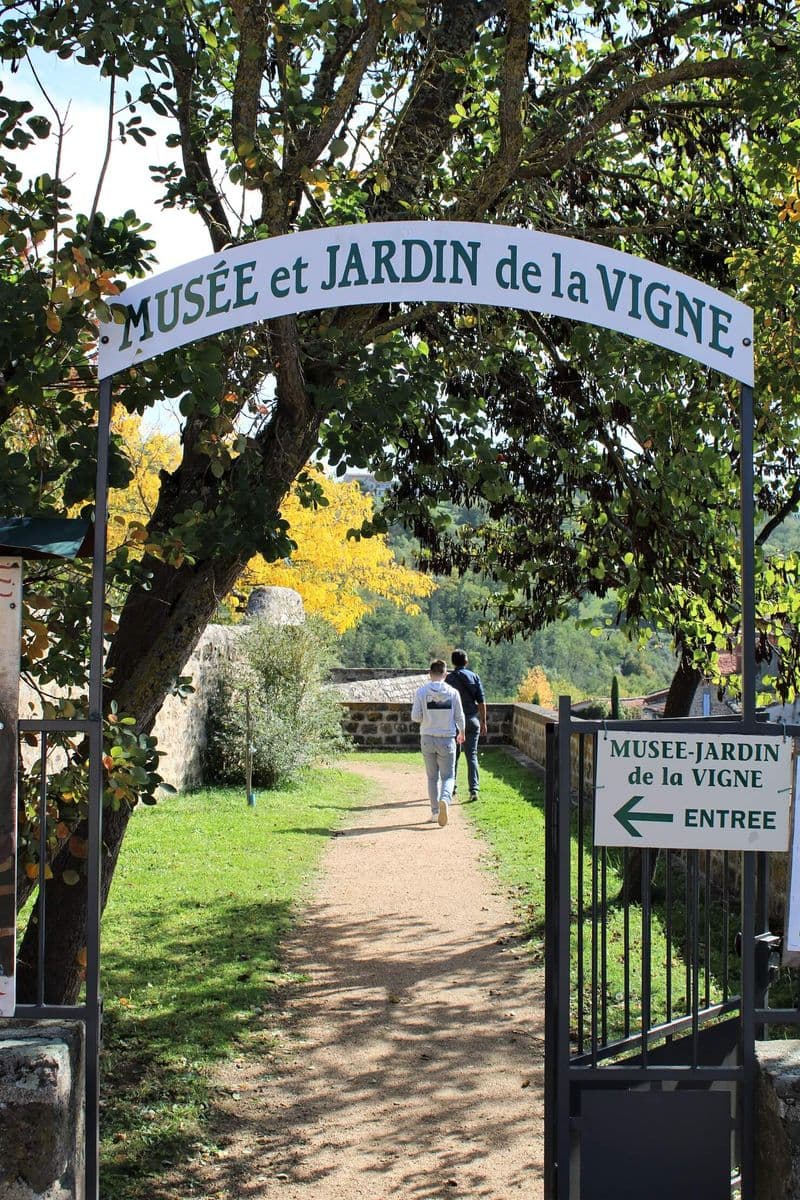
Further into the countryside, Saugues holds two distinct museums devoted to local lore and history: the Musée Fantastique de la Bête du Gévaudan and the DIORAMA Saint Bénilde. In Brioude, Le Doyenné occupies a listed historic building and shows modern and contemporary art, a contrast to the town's medieval fabric. Nearby, Vieille-Brioude preserves the region's viticultural past at the Musée de la Vigne et du vin.
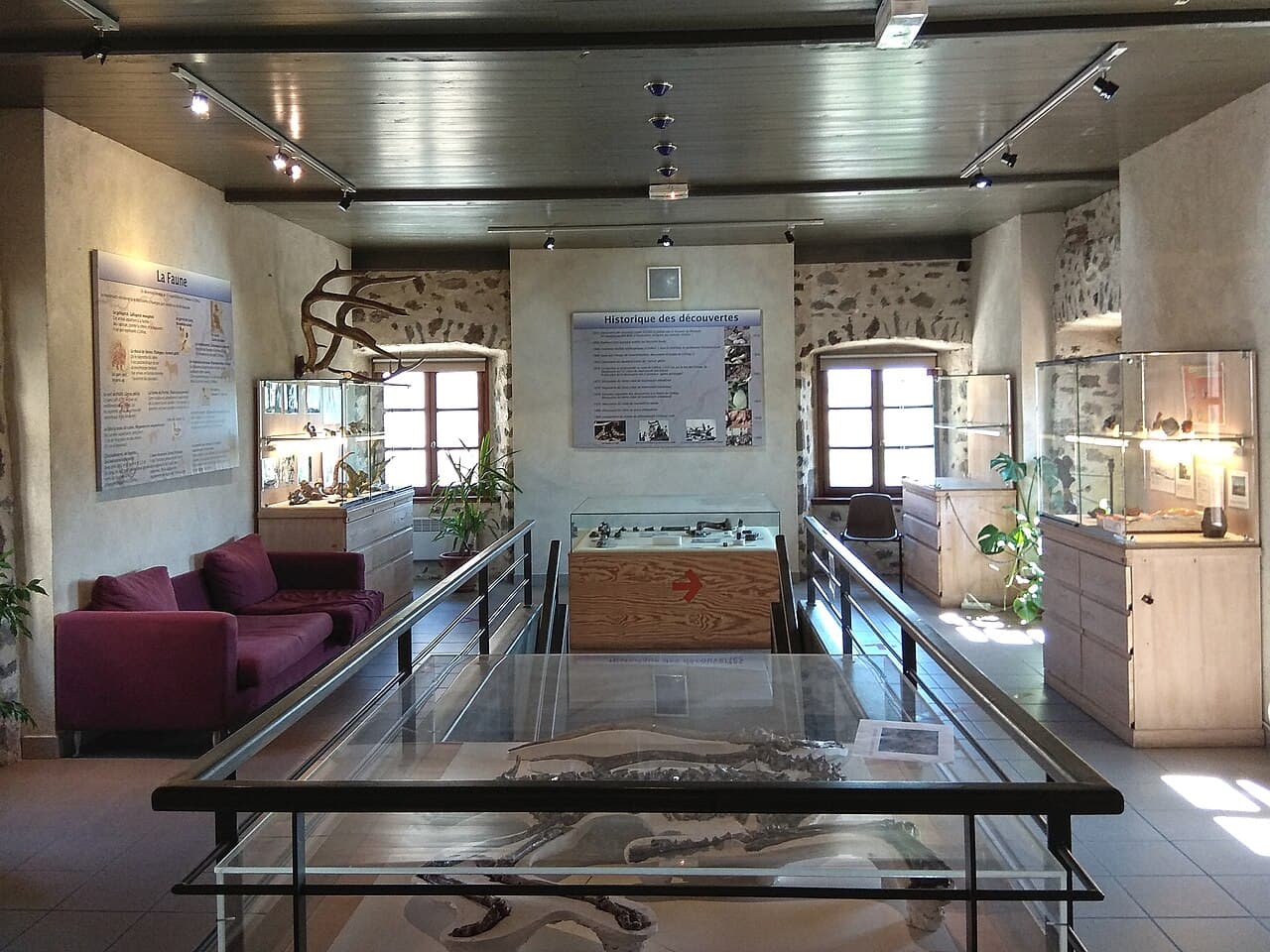
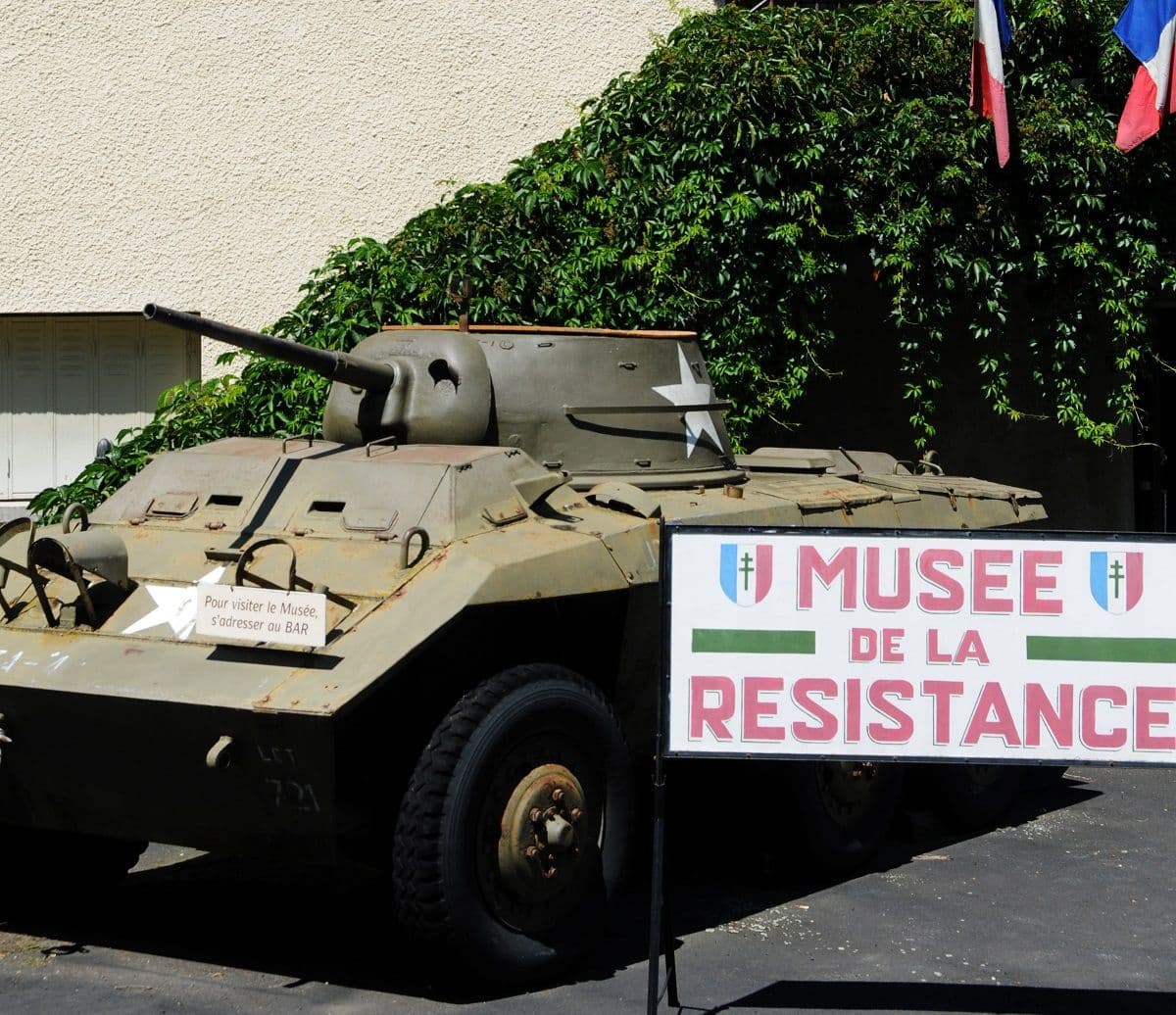
Smaller villages complete the picture: Retournac preserves an entire lace manufacture at the Musée des manufactures de dentelles, Chilhac hosts fossil collections at the Musée de Paléontologie Christian Guth, and Frugières-le-Pin keeps wartime memory alive through the Musée de la résistance et de la déportation, housed in a former administrative building.
An active network of independent galleries
Beyond Le Puy-en-Velay, a dense network of small independent galleries animates the villages of the Velay plateau and the Vivarais border. Flaye in Le Brignon, Aponia in Le Monastier-sur-Gazeille, and LEA artiste peintre in La Chaise-Dieu each show local and regional artists in modest, distinctly rural settings.
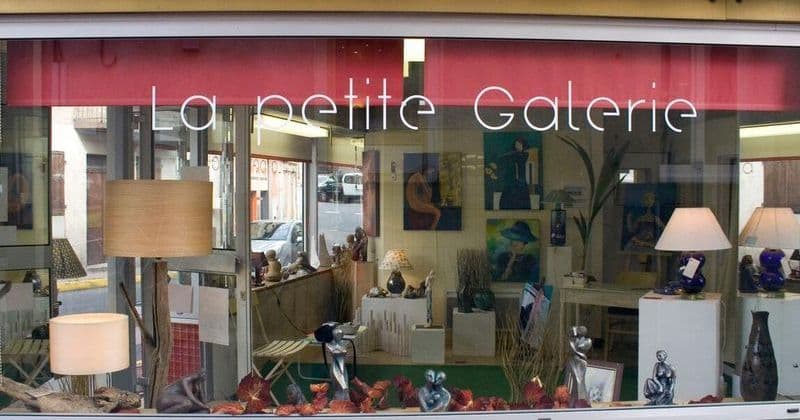
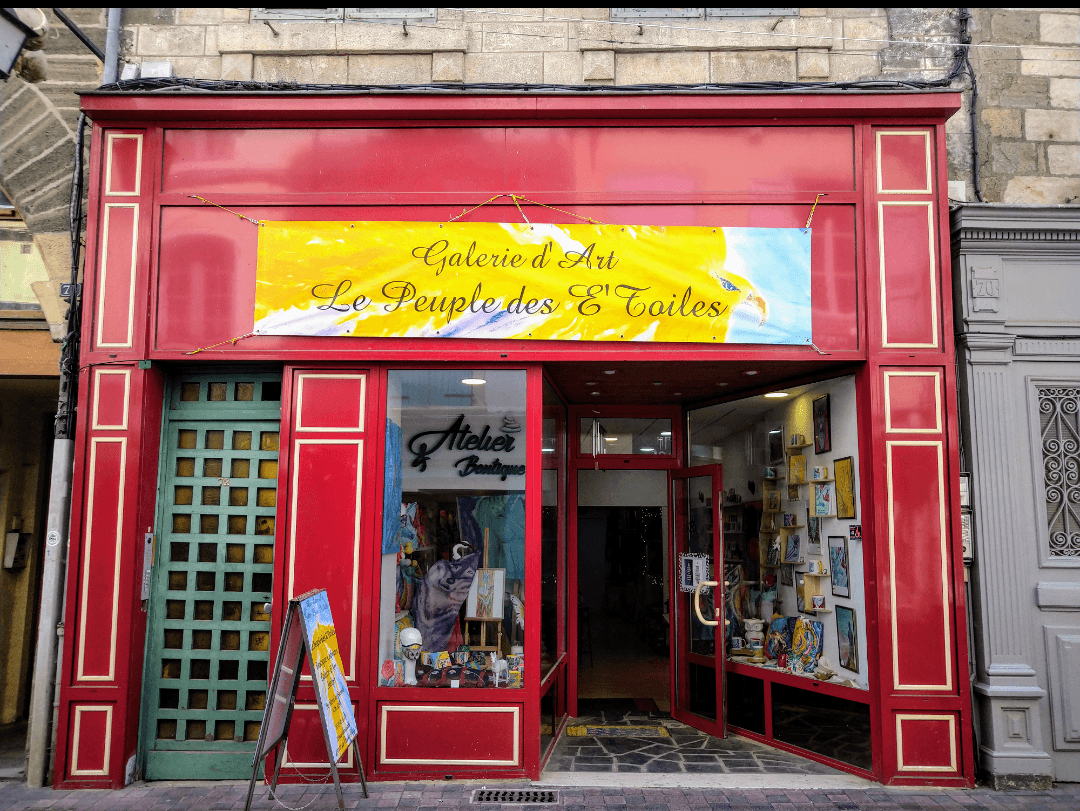
Toward the eastern edge of the department, near the border with the Ardèche, EAC Les Roches in Le Chambon-sur-Lignon and L'éphémère-in in La Séauve-sur-Semène extend this network, alongside La petite Fabrique (Galerie d'art L'Estampe) in Tence, La Petite Galerie 43210 in Bas-en-Basset, and Le Peuple des E'Toiles in Saint-Jean-Lachalm.
Haute-Loire on the map
Museums, galleries and heritage, at a glance.
20 results
Frequently asked questions
How much time should I plan to visit the museums of Le Puy-en-Velay?
A half-day is enough for the Musée Crozatier and one or two galleries in the old town; add a full day if you also want to walk the historic center and its pilgrimage sites.
What is the best base to explore Haute-Loire's rural museums?
Le Puy-en-Velay is the most practical base, with Saugues, Brioude and Retournac each within 30 to 45 minutes by car.
Is the Musée Fantastique de la Bête du Gévaudan suitable for children?
Yes, its storytelling format around the Gévaudan legend appeals to families and works well as a short, engaging visit of about an hour.
When is the best time to visit the smaller village galleries?
Many independent galleries in villages like Le Brignon or Le Monastier-sur-Gazeille keep limited hours outside summer, so spring through early autumn offers the most reliable access.
Can the Chemins de Saint-Jacques-de-Compostelle be visited without walking the full route?
Yes, short sections around Le Puy-en-Velay can be walked in a few hours, and the departure ceremony from the cathedral is worth attending even without continuing on foot.
Are the paleontology and lace museums (Chilhac, Retournac) accessible year-round?
Both generally operate on seasonal schedules with reduced opening in winter, so checking hours in advance is recommended outside the April-to-October period.