14 museums · 7 galleries
Essonne: Museums, Artists' Houses and Galleries in Île-de-France
Explore museums, galleries and heritage sites in Essonne, in Île-de-France.
A Department Shaped by Rivers, Artists and Castles
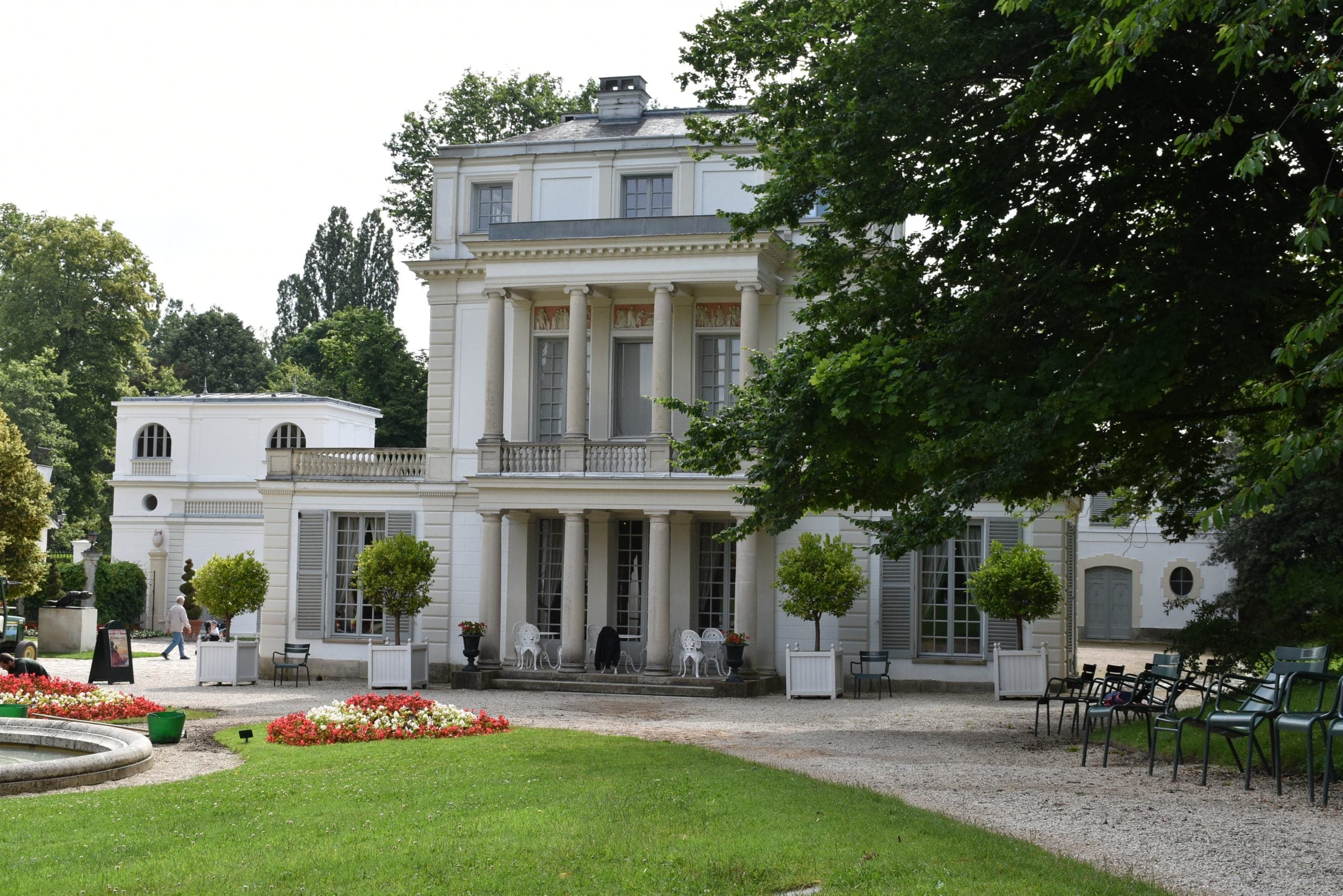
Essonne owes much of its cultural identity to the artists who settled along its rivers and forests. In Yerres, the Maison Caillebotte preserves the house, orangery, ornamental farm and gardens where Gustave Caillebotte painted many of his Impressionist scenes. Further west, the Maison-Atelier Foujita in Villiers-le-Bâcle keeps intact the working studio of Léonard Foujita, offering a rare, unfiltered view of an artist's daily practice.
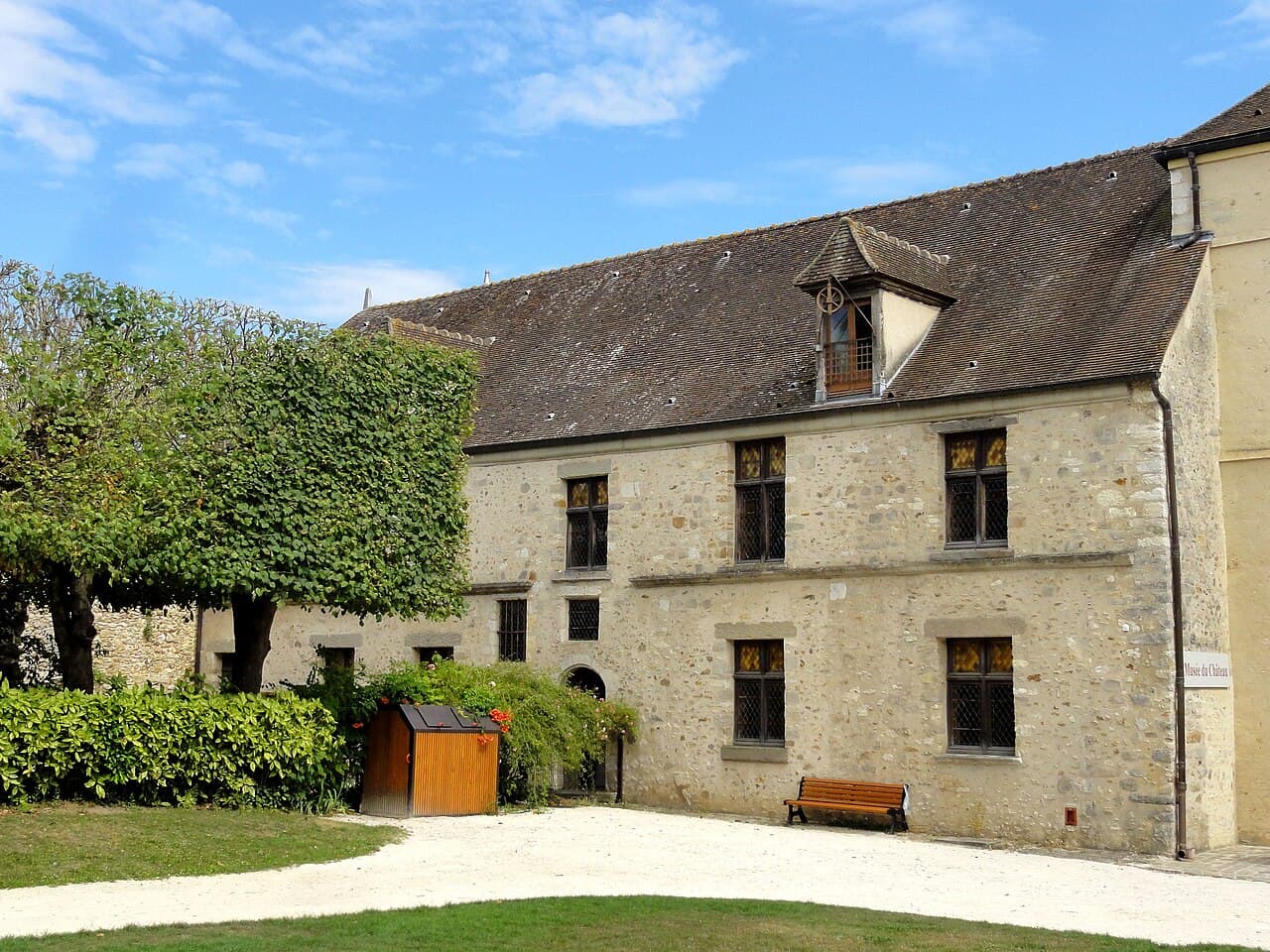
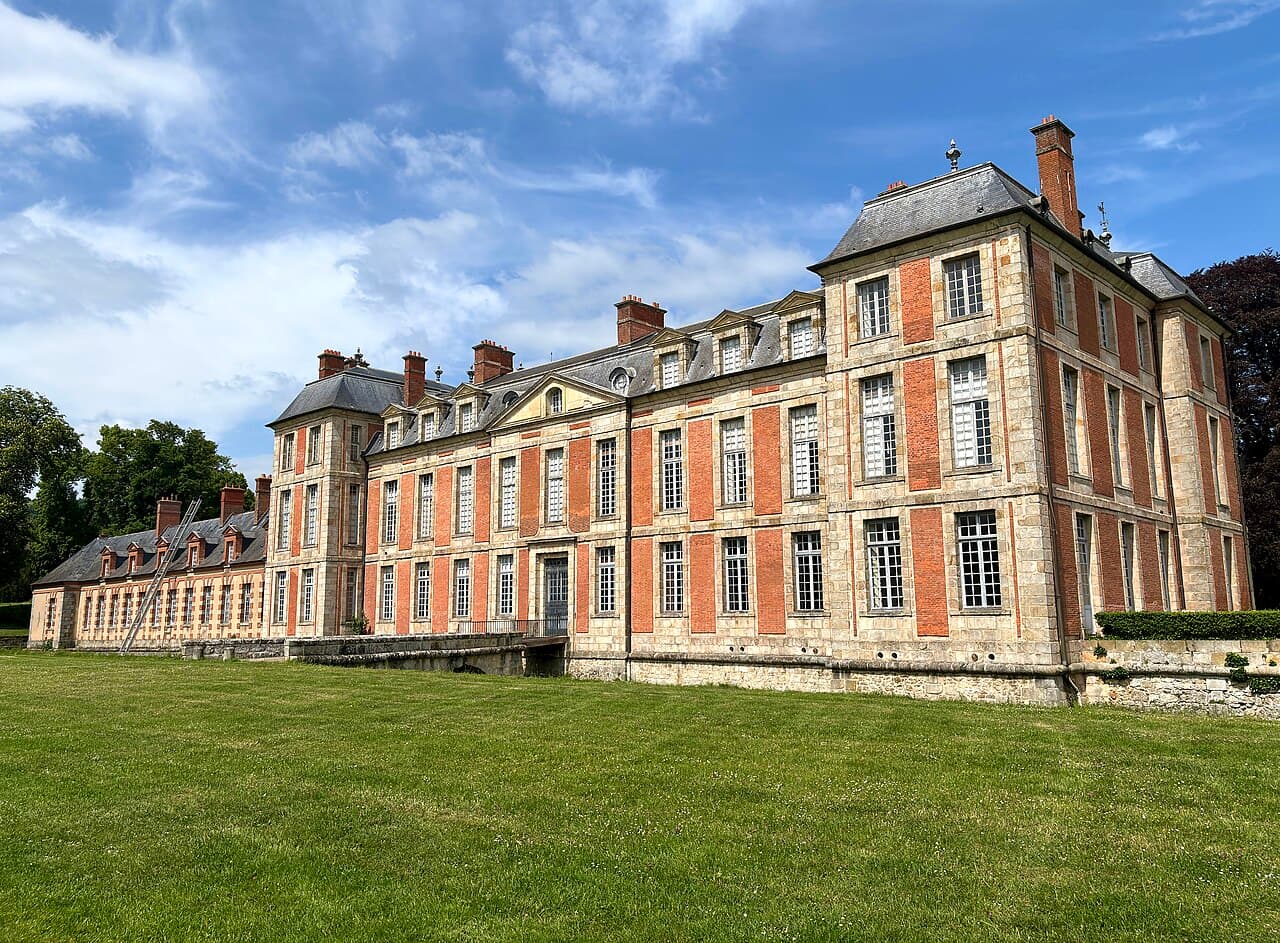
Medieval and classical architecture is equally present. The Château de Dourdan occupies a genuine fortress and presents its defensive structures through a dedicated museographic approach, while the Château de Chamarande combines a listed historic monument with a regular programme of contemporary art exhibitions.
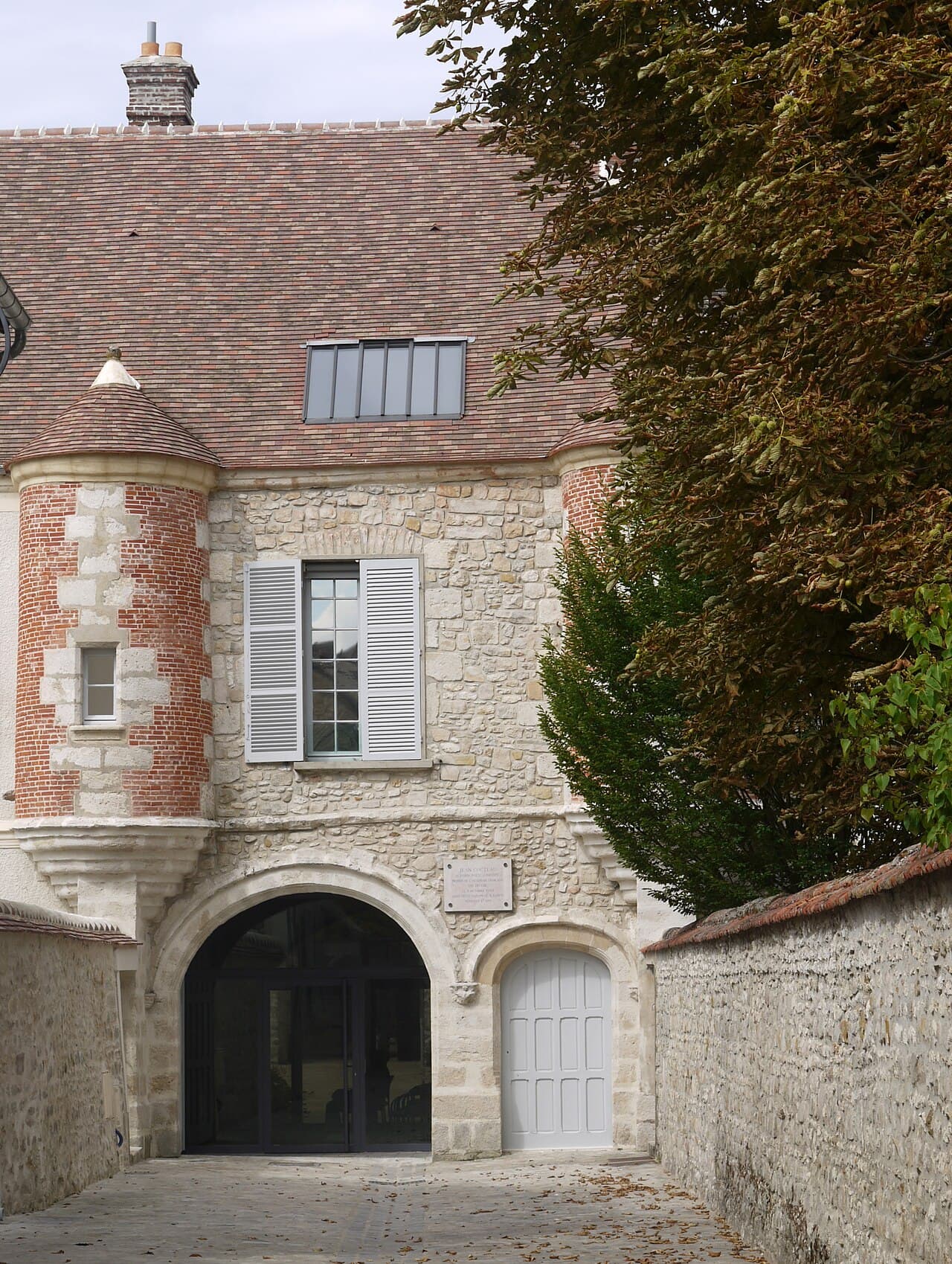
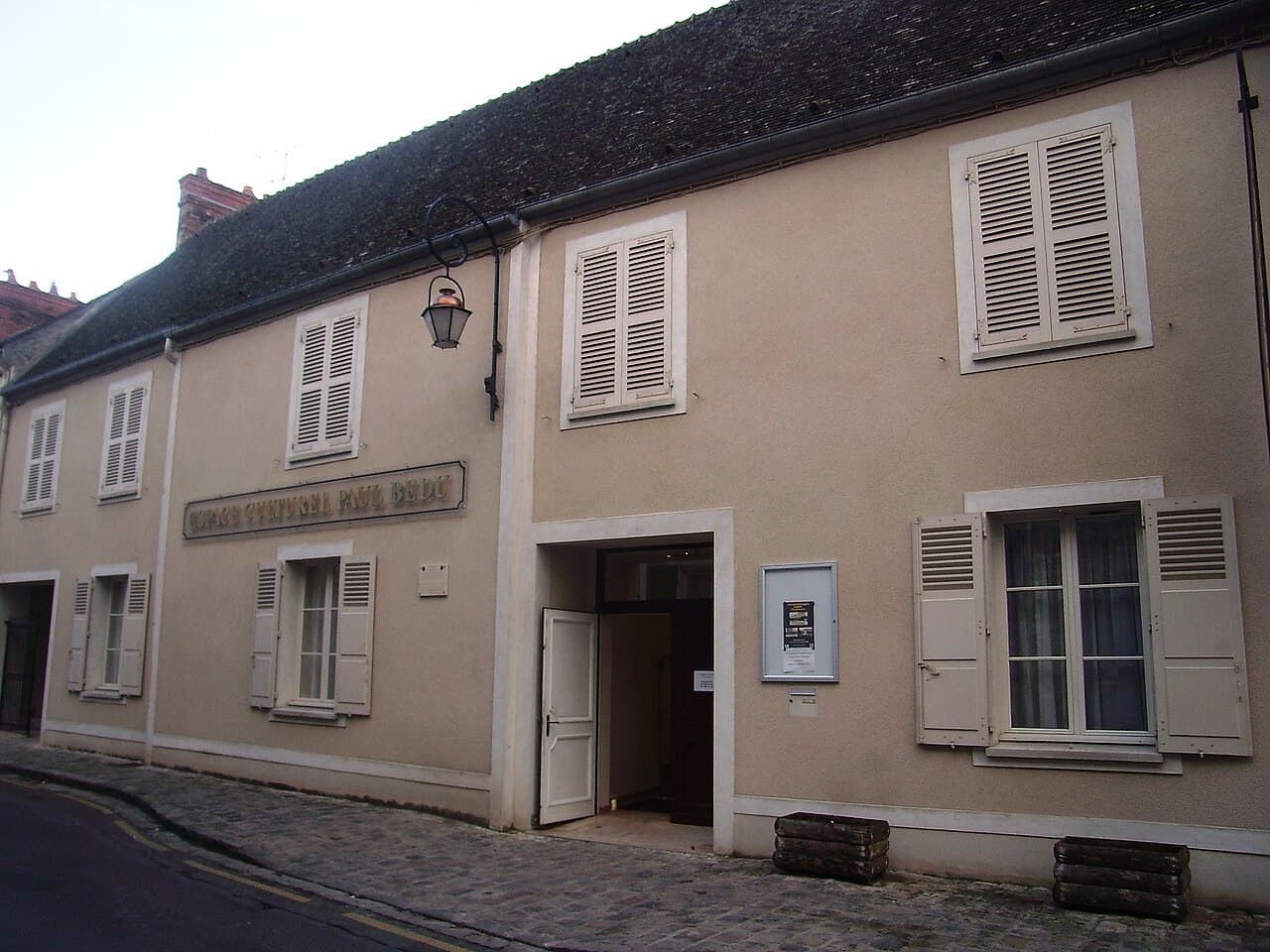
Milly-la-Forêt, meanwhile, is closely tied to Jean Cocteau, who lived and worked there until his death. The Maison Jean Cocteau occupies his former home, and the nearby Espace Culturel Paul Bédu in a former boys' school extends the town's cultural offer with temporary exhibitions.
Cities & region
Museums to discover
14 museums, from major institutions to local collections.
Galleries to discover
7 contemporary and modern art galleries.


Museums Rooted in Their Towns
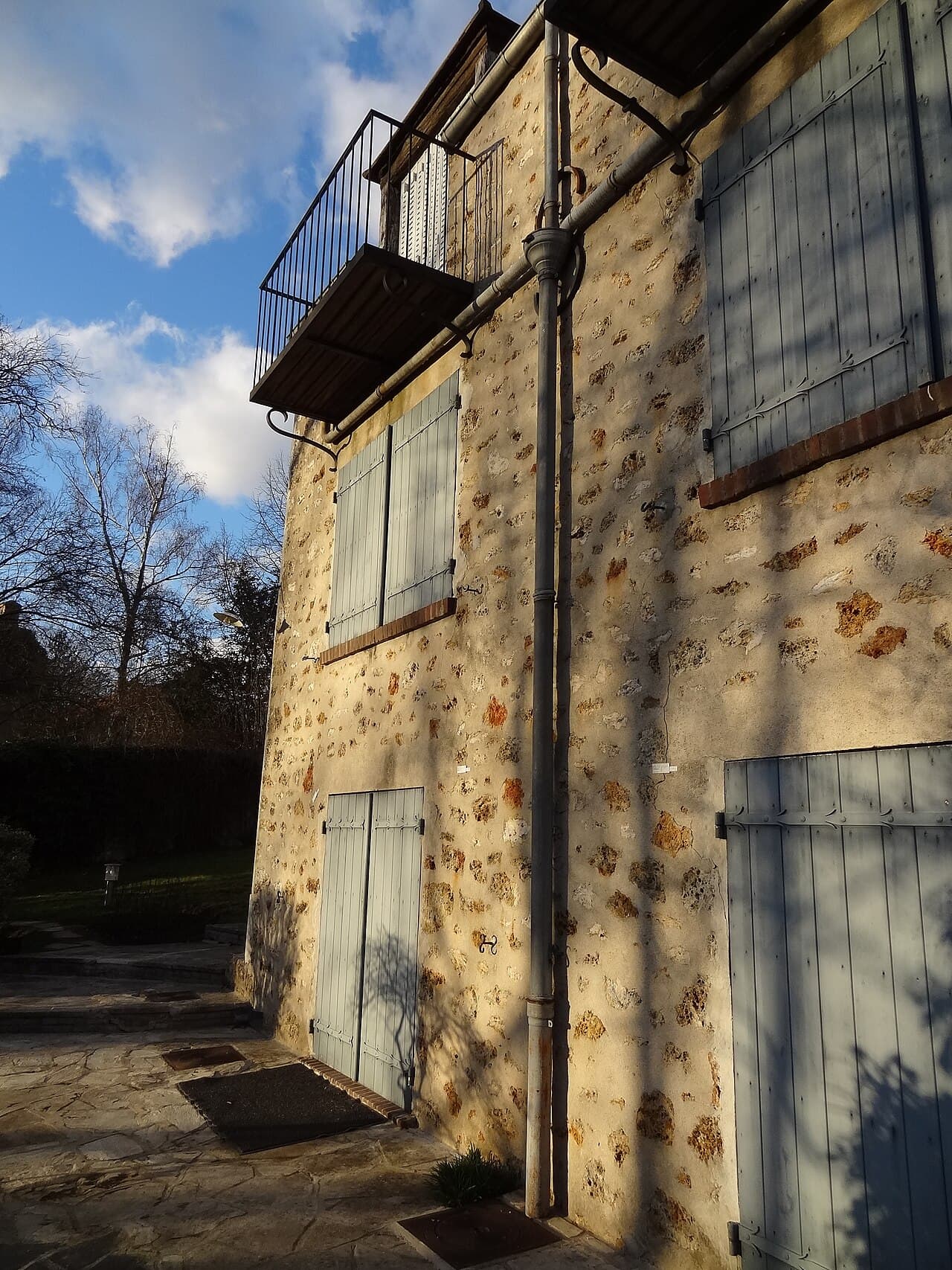
Several Essonne museums occupy buildings tied to a single figure or place. In Brunoy, the Musée municipal Robert Dubois-Corneau is housed in the former home of the historian who devoted his life to studying the town. In Boussy-Saint-Antoine, the Musée Dunoyer de Segonzac functions as a classified site museum preserving local heritage, and in Cheptainville the Musée de Bois-Blanc contributes to the same patrimonial network on a more general scale.
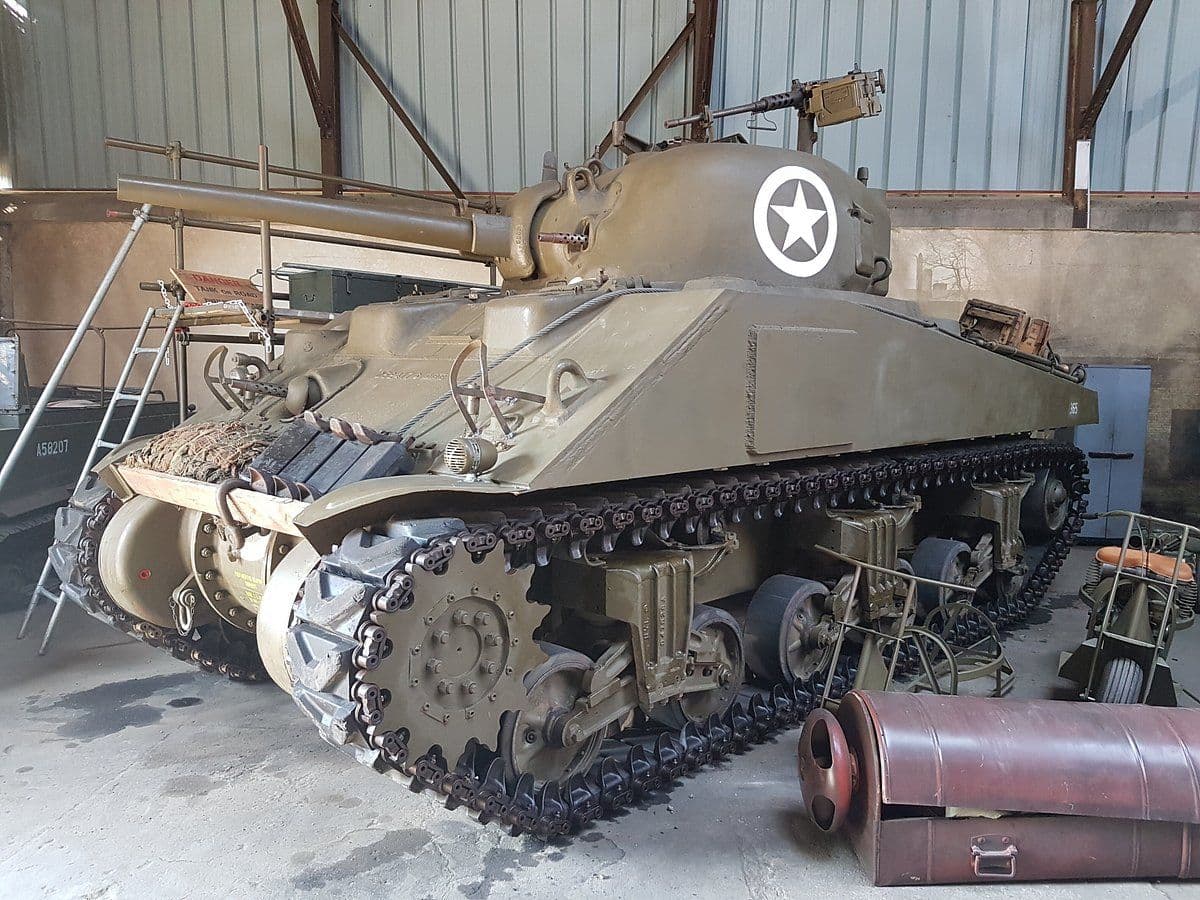
History linked to the Liberation of France is preserved by the Musée des Véhicules de la Libération, an association-run collection focused on the restoration of military vehicles from that period.
A Network of Contemporary Galleries
Beyond its historic museums, Essonne supports a network of independent galleries spread across small and mid-sized towns. ArtCom Paris in Étréchy and Espace Déclic in Étampes give contemporary artists exhibition space outside the capital, while the Société d'Art de Corbeil-Essonne and La venue des arts both operate in Corbeil-Essonnes, forming a small but active art scene along the Seine.
Elsewhere in the department, Aller Simple 24 in Champlan, Molokoï in Verrières-le-Buisson and Tente Manute in Palaiseau complete a landscape of exhibition spaces that keeps contemporary art accessible in residential towns close to Paris.
Essonne on the map
Museums, galleries and heritage, at a glance.
21 results
Frequently asked questions
How much time should I plan to visit the main museums in Essonne?
Allow half a day for the Maison Caillebotte or the Château de Dourdan, including their grounds; smaller sites like the écomusées or the Maison-Atelier Foujita can be seen in under an hour.
Which Essonne site is best for families?
The Musée des Véhicules de la Libération and the Château de Dourdan combine hands-on history with outdoor space, making them well suited to children.
Is the Maison Jean Cocteau only about the writer's life?
No, alongside the preserved house the site regularly hosts temporary exhibitions and cultural programming beyond Cocteau's own work.
Are the Essonne galleries open to the public without appointment?
Most, including ArtCom Paris and Espace Déclic, welcome visitors during regular opening hours, though it's worth checking ahead for smaller spaces like Aller Simple 24 or Tente Manute.
What is the best season to visit the Château de Chamarande?
Spring and summer are ideal, since the château's park adds to the visit alongside its temporary art exhibitions.
Where can I learn about the history of photography in Essonne?
The Musée français de la photographie in Bièvres is entirely dedicated to this subject, from early cameras to contemporary imaging.