Region
Museums, galleries and heritage in Grand Est
440 places to discover across Grand Est.
Including Cathédrale Notre-Dame de Strasbourg, Château du Haut-Kœnigsbourg and Cathédrale Notre-Dame de Reims.
47 of 47 places, sorted by distance from the center
 Gallery
Galerie Raugraff
Nancy
 Gallery
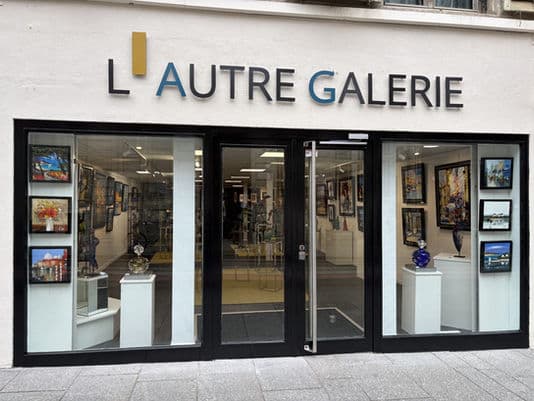
L'Autre Galerie
Nancy
 Gallery
Fondation Solange Bertrand
Nancy
 Gallery
Aubry Delphine
Girecourt-sur-Durbion
 Gallery
L'Usine - Espace Art et Expos
Uxegney
 Gallery
Deesse Artiste
Metz
 Gallery
Cridart - Galerie d'art
Metz
 Museum
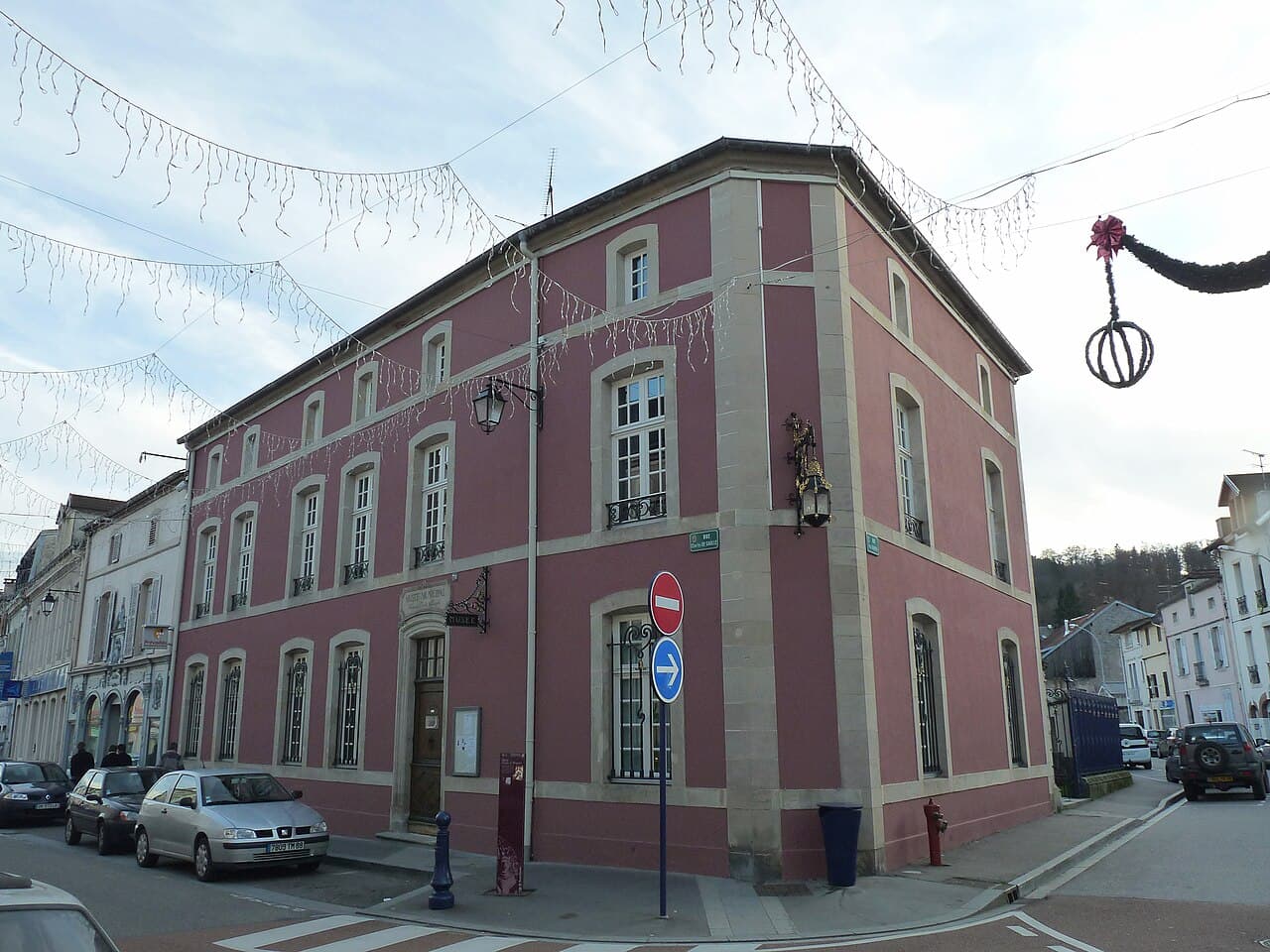
Musée Charles de Bruyères
Remiremont
 Gallery
Galerie 125
Argancy
 Museum
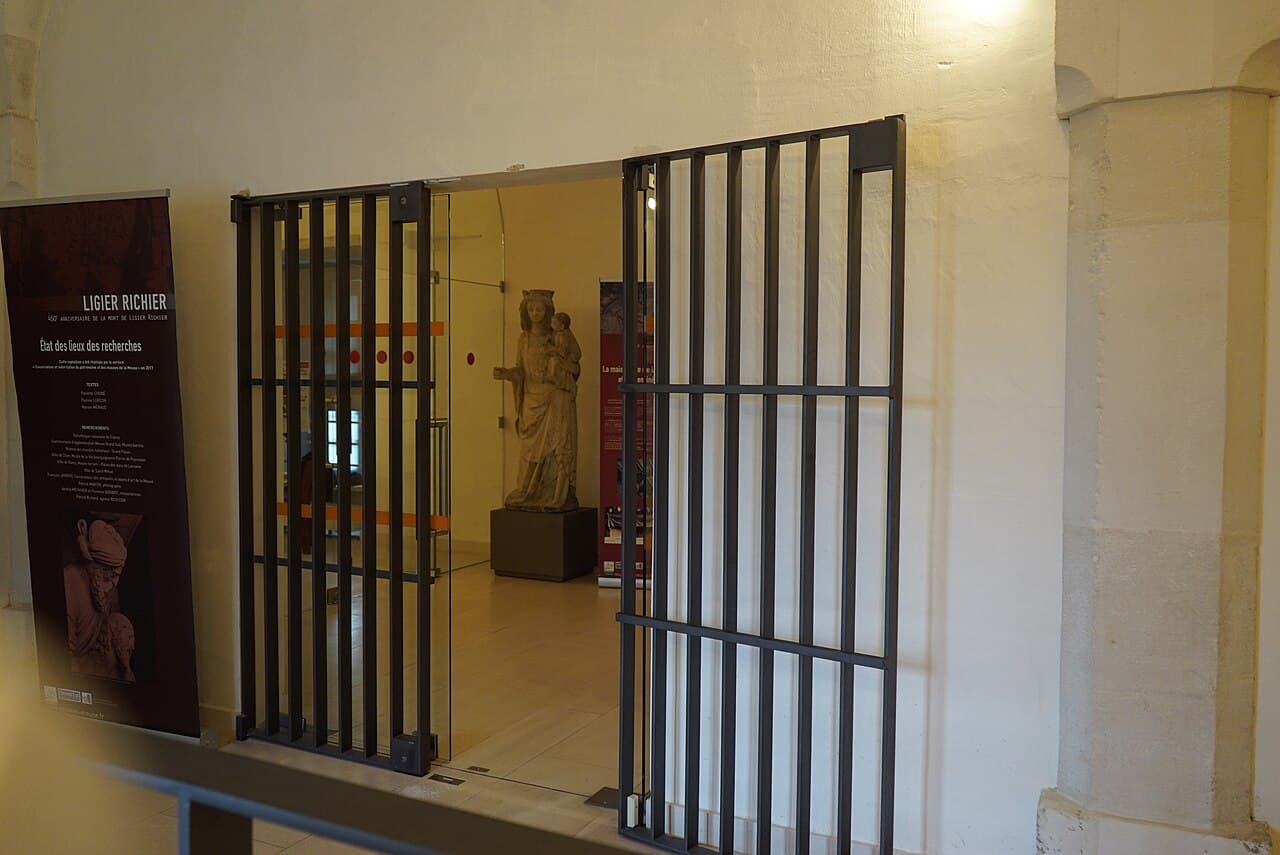
Musée d'art sacré de la Meuse
Saint-Mihiel
 Gallery
Galerie Rikia Ferrer
Riquewihr
 Gallery
Luxvic
Le Thillot
 Gallery
Galerie café la ligne bleue
Sélestat
 Gallery
FRAC Alsace
Sélestat
 Gallery
Galerie d'art contemporain Nicole Buck
Hurtigheim
 Gallery
Galerie d'art Carré d'artistes
Colmar
 Gallery
Thikent
Colmar
 Gallery
Galerie éclat d'art
Colmar
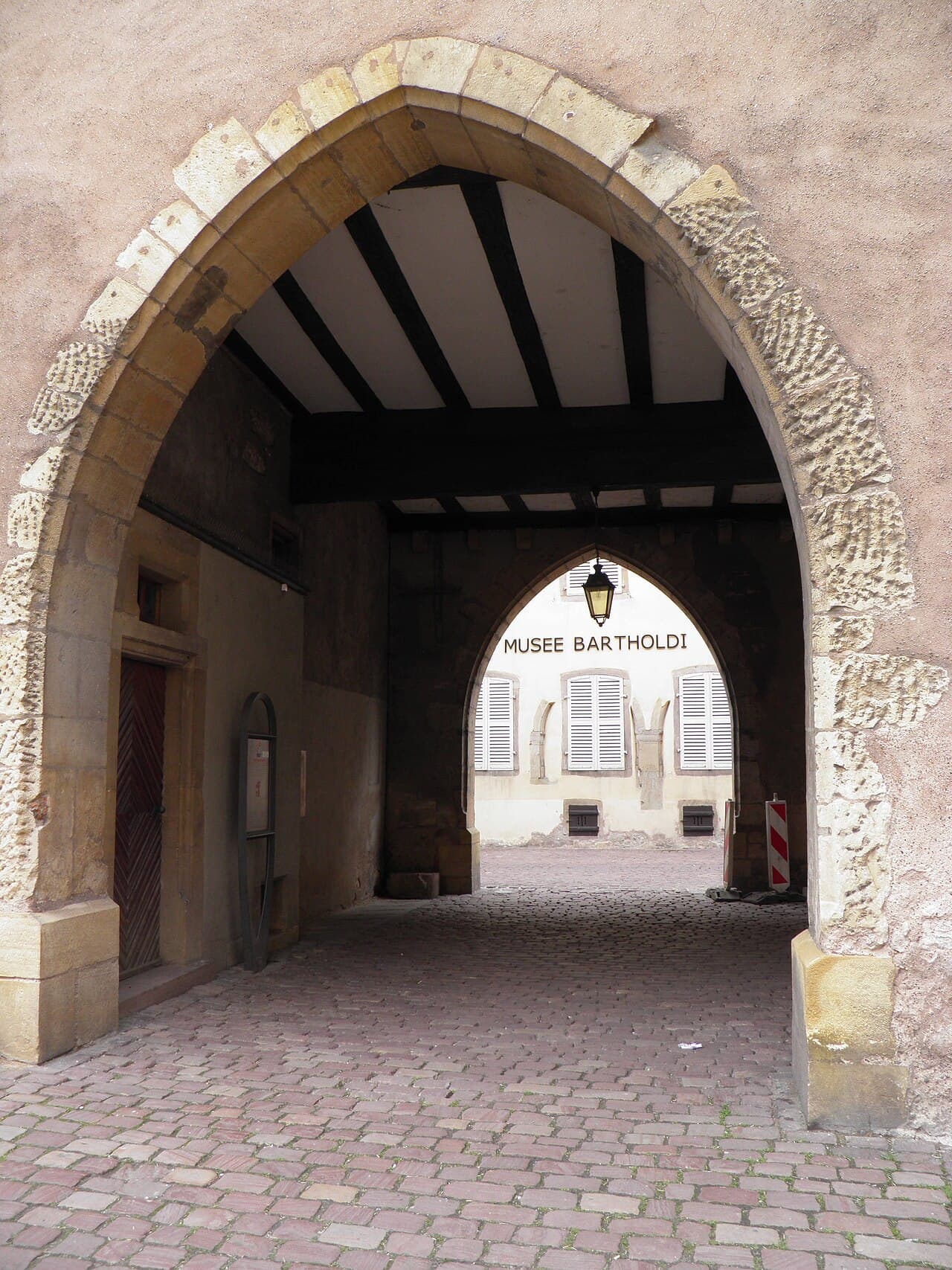 Museum
Musée Bartholdi
Colmar
 Gallery
Audet Galerie
Colmar
 Gallery
Galerie Murmure
Colmar
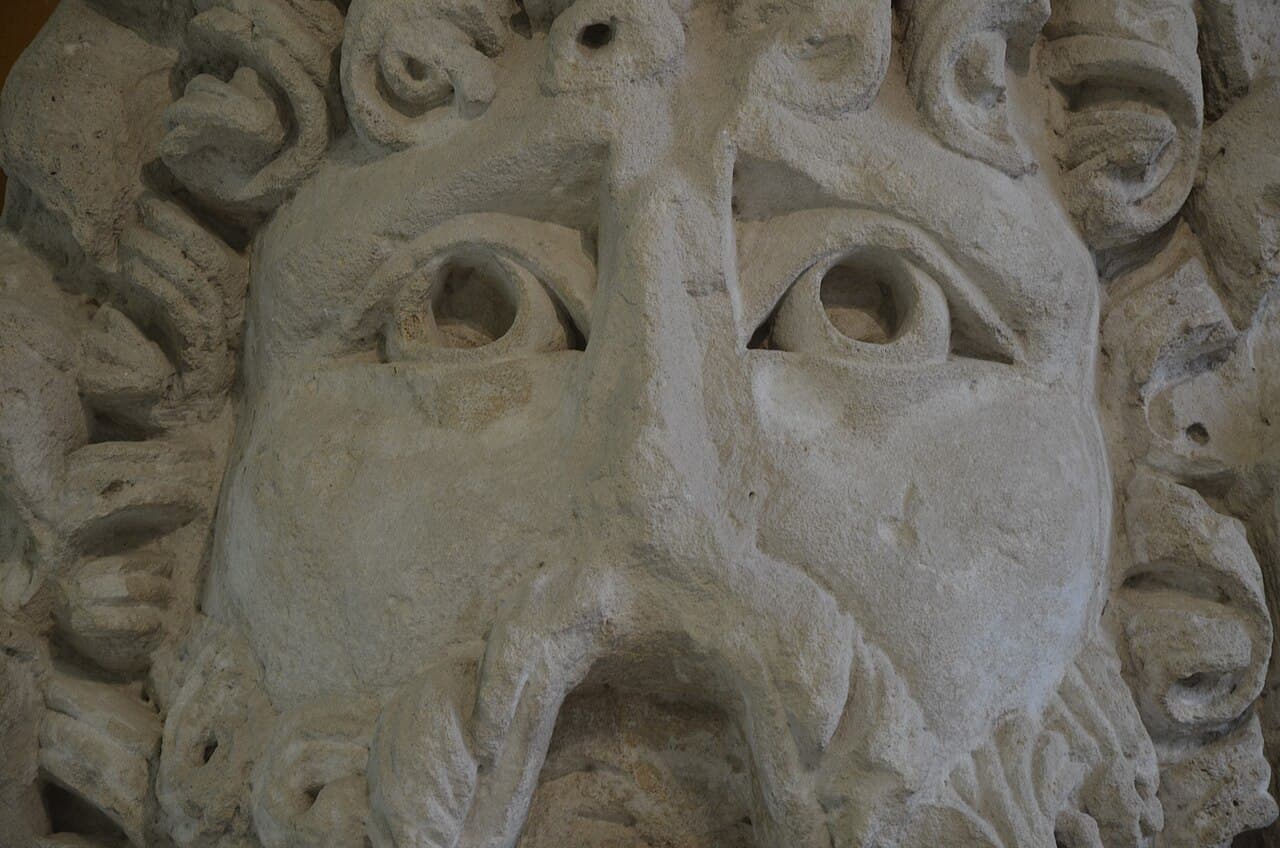 Museum
Musée barrois
Bar-le-Duc
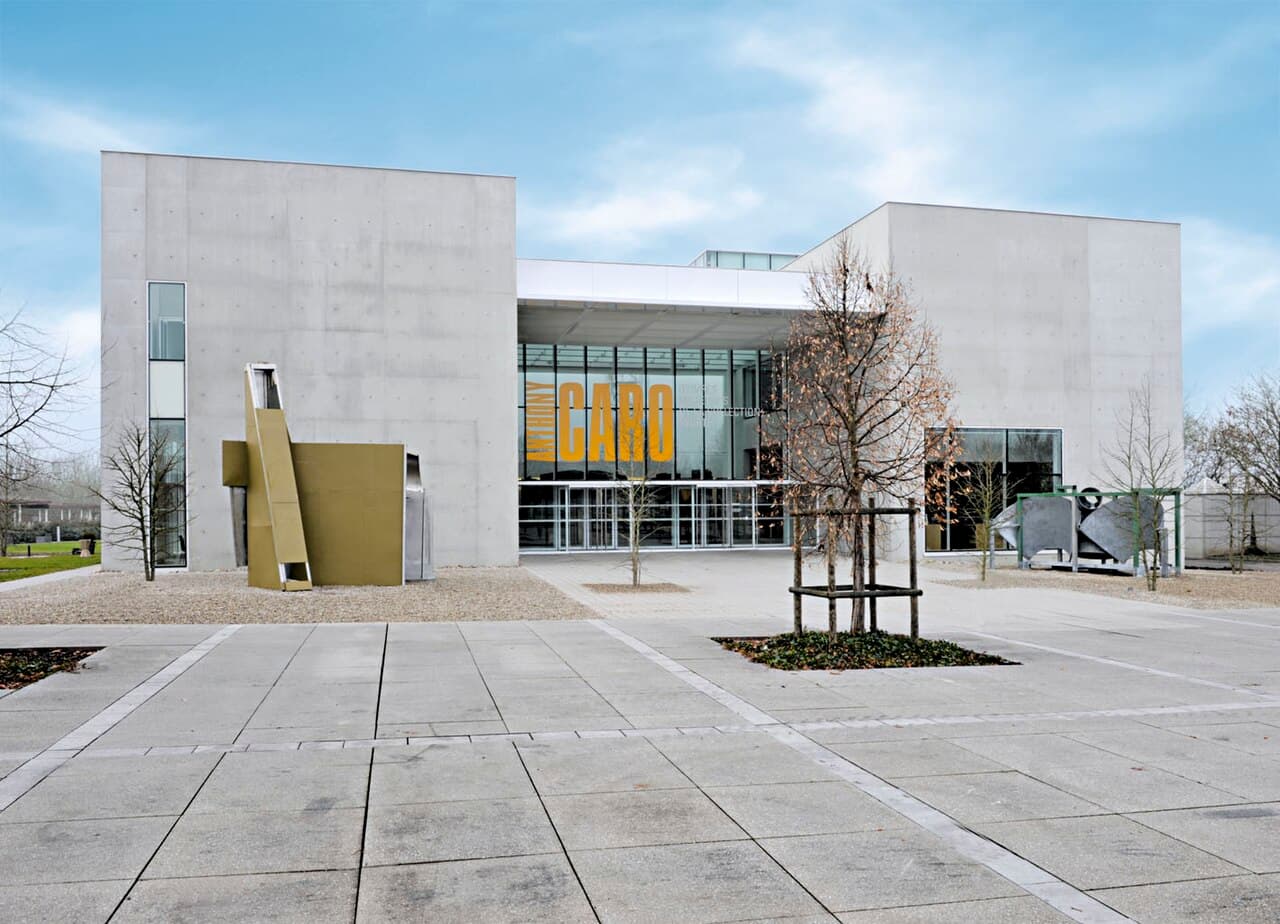 Museum
Musee Würth
Erstein
 Gallery
Pleasure Arts
Illkirch-Graffenstaden
justBEE
Masevaux-Niederbruck
 Gallery
galerie delphine courtay
Strasbourg
 Gallery
Aida Galerie
Strasbourg
 Gallery
Strass'Art
Strasbourg
 Gallery
Galerie Starc
Strasbourg
 Gallery
Fondation François Schneider
Wattwiller
ARTactif
Strasbourg
 Gallery
Galerie d'art Carré d'artistes Orfèvres
Strasbourg
 Gallery
Radial Art Contemporain Strasbourg
Strasbourg
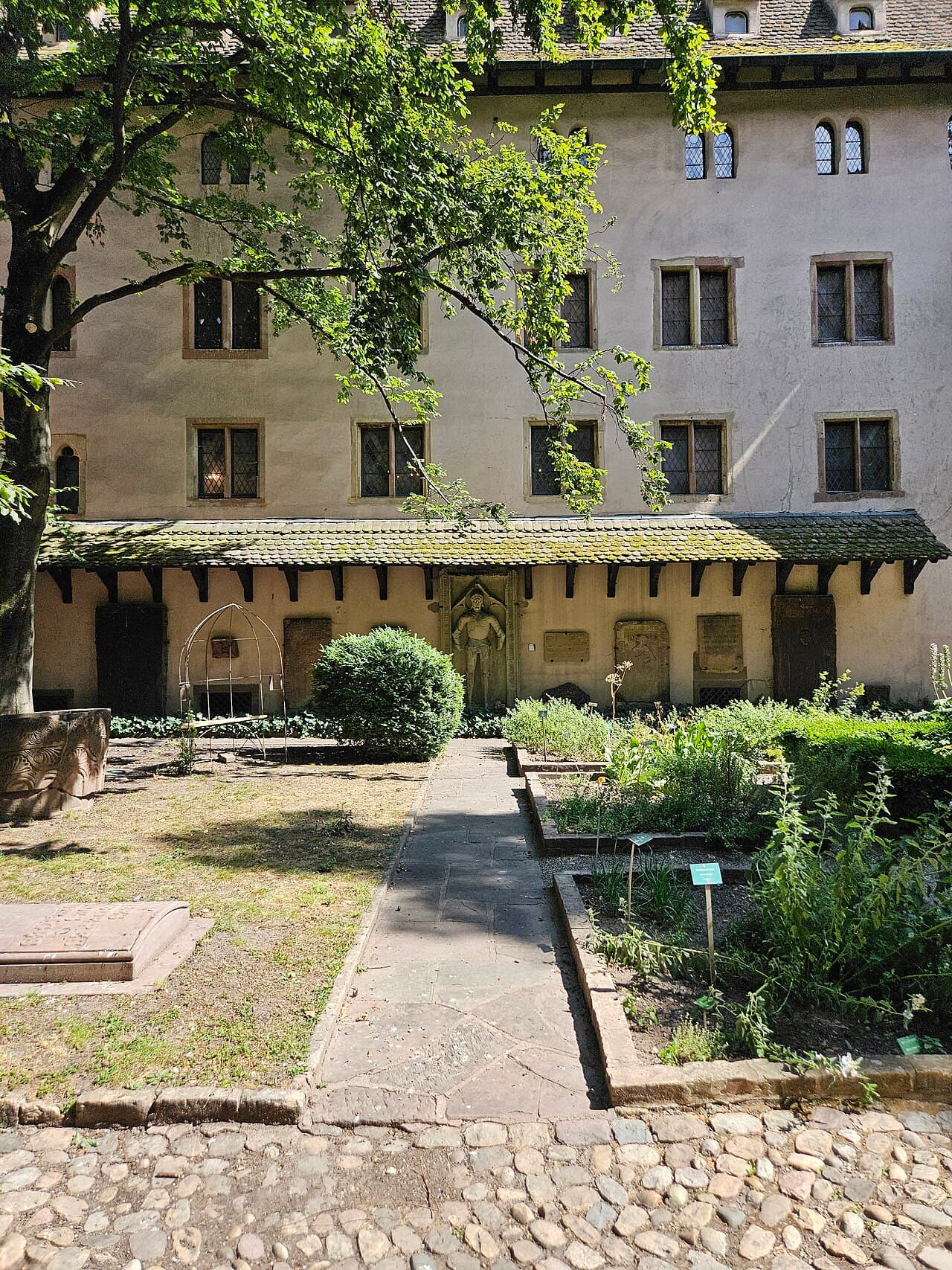 Museum
Musée de l'Œuvre-Notre-Dame
Strasbourg
 Gallery
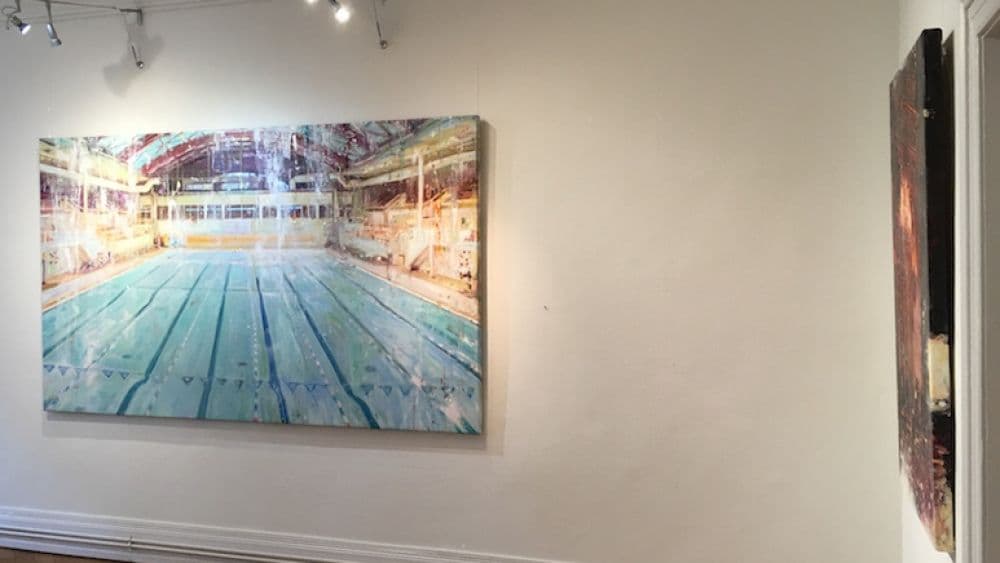
Galerie Sandra Blum
Strasbourg
 Gallery
Galerie Bertrand Gillig
Strasbourg
 Gallery
Mignot Bruno Galerie
Strasbourg
 Gallery
La Chaufferie–HEAR
Strasbourg
 Gallery
Art'Créenvol
Strasbourg
 Gallery
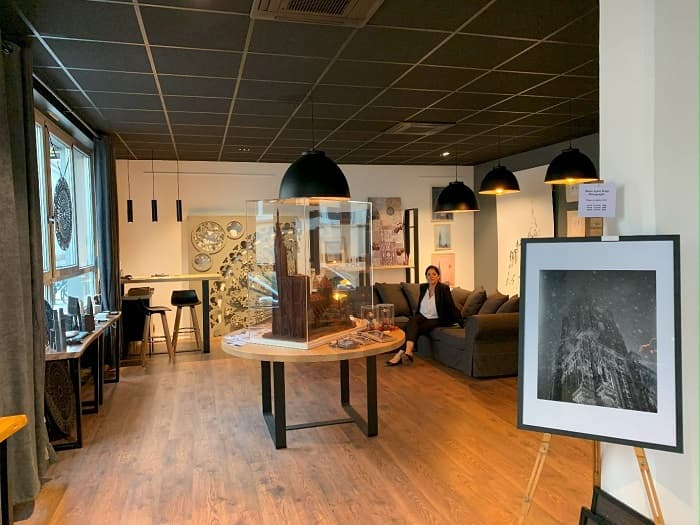
Galerie "le 22"
Strasbourg
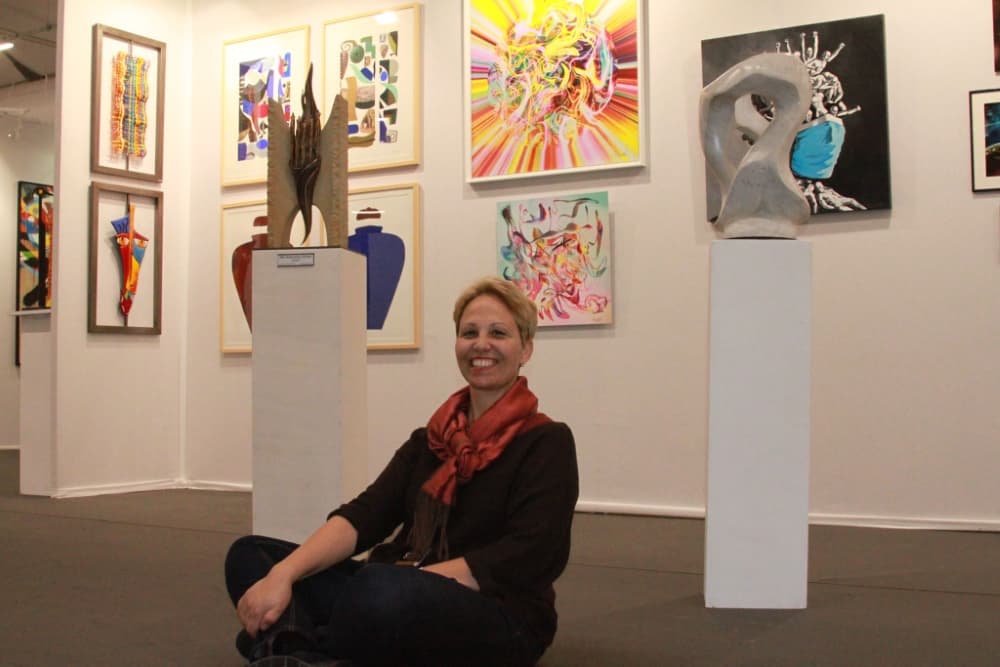 Gallery
Galerie Myriam Booghs
Strasbourg
 Gallery
Galerie Mona Lis'art
Dalhunden
 Gallery
CRAC Alsace (Centre Rhénan d’Art Contemporain)
Altkirch
 Gallery
Galerie Artes
Pont-Sainte-Marie
 Gallery
Galerie d'art Carré d'artistes
Troyes
 Gallery
Alain Choisnet
Sézanne
 Museum
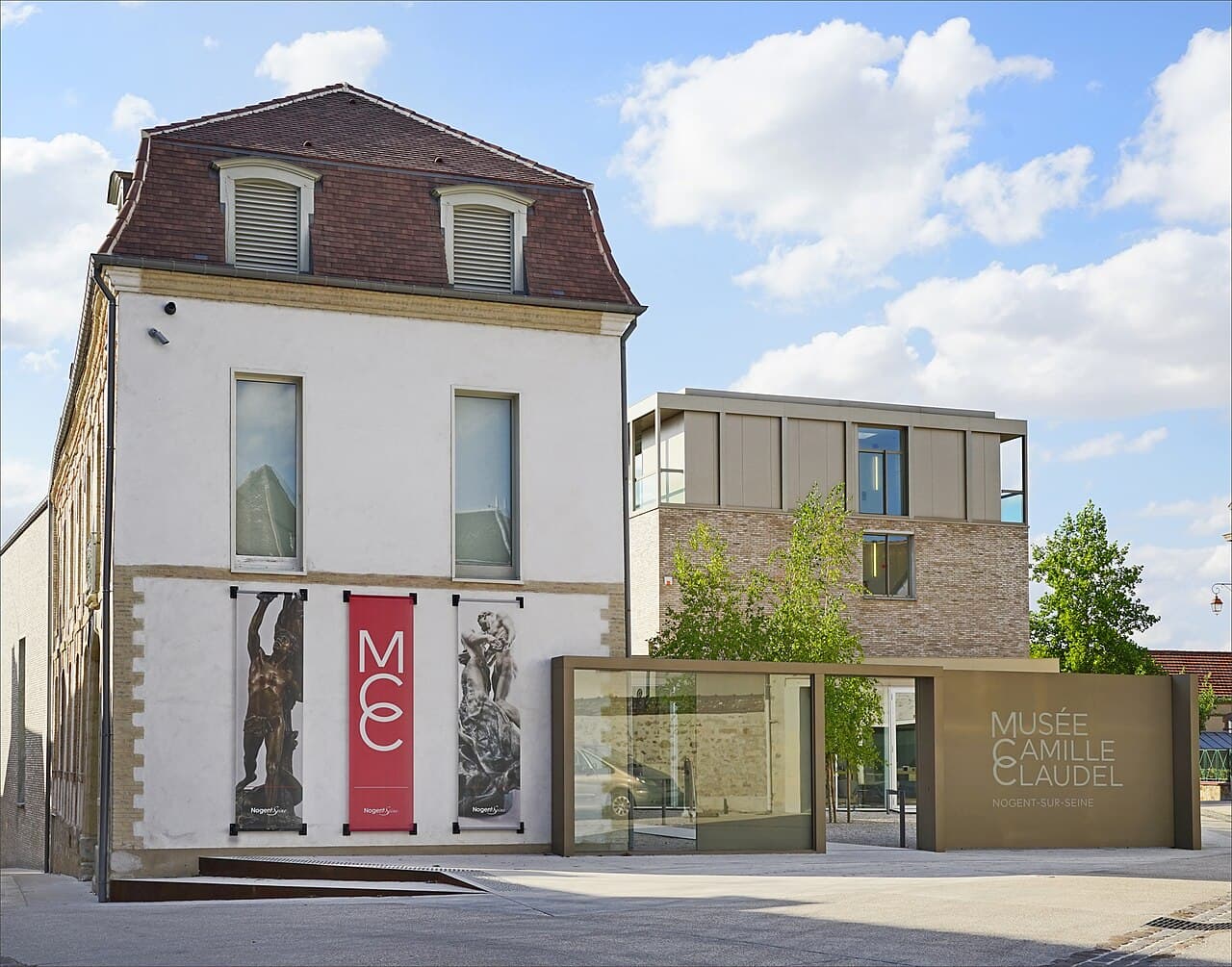
Musée Camille Claudel
Nogent-sur-Seine
A Region Shaped by Borders and History
Grand Est was formed by merging Alsace, Lorraine and Champagne-Ardenne, and this triple identity is visible everywhere: half-timbered Alsatian villages, the industrial and military heritage of Lorraine, and the champagne houses around Reims and Épernay. The region's location on the French-German border has made it a repeated battleground, a history preserved at sites such as the Mémorial de Verdun and the Citadelle Souterraine de Verdun, both dedicated to the 1916 battle that left the surrounding hills scarred with craters.
Further east, the Mémorial Alsace-Moselle in Schirmeck examines the more specific and painful history of Alsace-Moselle's repeated annexations between 1870 and the aftermath of the Second World War, a subject rarely addressed elsewhere with such regional precision.
Four Cities, Four Identities
Strasbourg combines its medieval Grande-Île with the imperial German-era Neustadt district, together inscribed as Strasbourg, Grande-Île et Neustadt, one of the rare UNESCO sites to protect a 19th-century urban extension as such. The Musée historique de la ville de Strasbourg traces nine centuries of the city's history inside a former 1587 slaughterhouse building.
Nancy is defined by its 18th-century royal squares, the Places Stanislas, de la Carrière et d'Alliance, and by its role as the birthplace of the École de Nancy Art Nouveau movement, documented at the Musée de l'École de Nancy.
Colmar and Mulhouse round out the Alsatian side of the region: Colmar around the Grunewald altarpiece housed at the Musée Unterlinden, and Mulhouse as an industrial city whose textile past is documented nearby at the Parc de Wesserling.
Cathedrals and Coronation History
Reims was the traditional coronation city of French kings, a role reflected in its Cathédrale Notre-Dame, ancienne abbaye Saint-Rémi et palais du Tau, a gothic ensemble ranking among the most significant in France. Nearby, the Musée Automobile Reims-Champagne gathers around 160 vehicles and ranks among the five most important automobile museums in the country.
Local Craftsmanship and Design Traditions
René Lalique settled his glassworks in the Alsatian village of Wingen-sur-Moder, where the Musée Lalique now traces his production from Art Nouveau jewelry to later crystal work. In sculpture, Colmar-born Frédéric Auguste Bartholdi, best known for designing the Statue of Liberty, is honored at the Musée Bartholdi.
Nancy's contribution to French decorative arts extends beyond its Art Nouveau museum: the Musée des Beaux-Arts de Nancy, located directly on Place Stanislas, holds paintings spanning several centuries alongside a notable glass collection.
Frequently asked questions
How many days should I plan to explore Grand Est's main cultural sites?
Allow at least four to five days to cover Strasbourg, Nancy, Colmar and Reims properly, or a week if you also want to include Verdun's battlefield sites and the champagne region around Épernay.
What is the best time of year to visit the Coteaux, Maisons et Caves de Champagne site?
Late September to early October, during the grape harvest, offers the most active atmosphere among the vineyards, though cellar visits in Épernay run year-round.
Is the Mémorial de Verdun suitable for visitors unfamiliar with the First World War?
Yes, the museum is designed to be accessible to non-specialists, using battlefield artifacts and reconstructions to explain the 1916 battle chronologically.
Can the Strasbourg Neustadt district be visited on foot alongside the Grande-Île?
Yes, both areas forming the UNESCO-listed site are walkable from the city center, with the Neustadt's grand avenues extending just beyond the medieval core.
Are the contemporary art galleries in Strasbourg concentrated in one area?
Most, including CEAAC and Stimultania, are found within or near the city center, making a gallery walk easy to combine with a visit to the Musée d'Art Moderne et Contemporain de Strasbourg.
What makes the Musée de l'École de Nancy distinct from other Art Nouveau collections?
It occupies a period house and garden linked to the movement's founders, presenting furniture, glasswork and architecture as an integrated domestic setting rather than isolated museum pieces.