Department
Museums, galleries and heritage in Seine-et-Marne
55 places to discover across Seine-et-Marne.
Including Château de Fontainebleau, Château de Vaux-le-Vicomte and Château de Blandy-les-Tours.
55 of 55 places, sorted by distance from the center
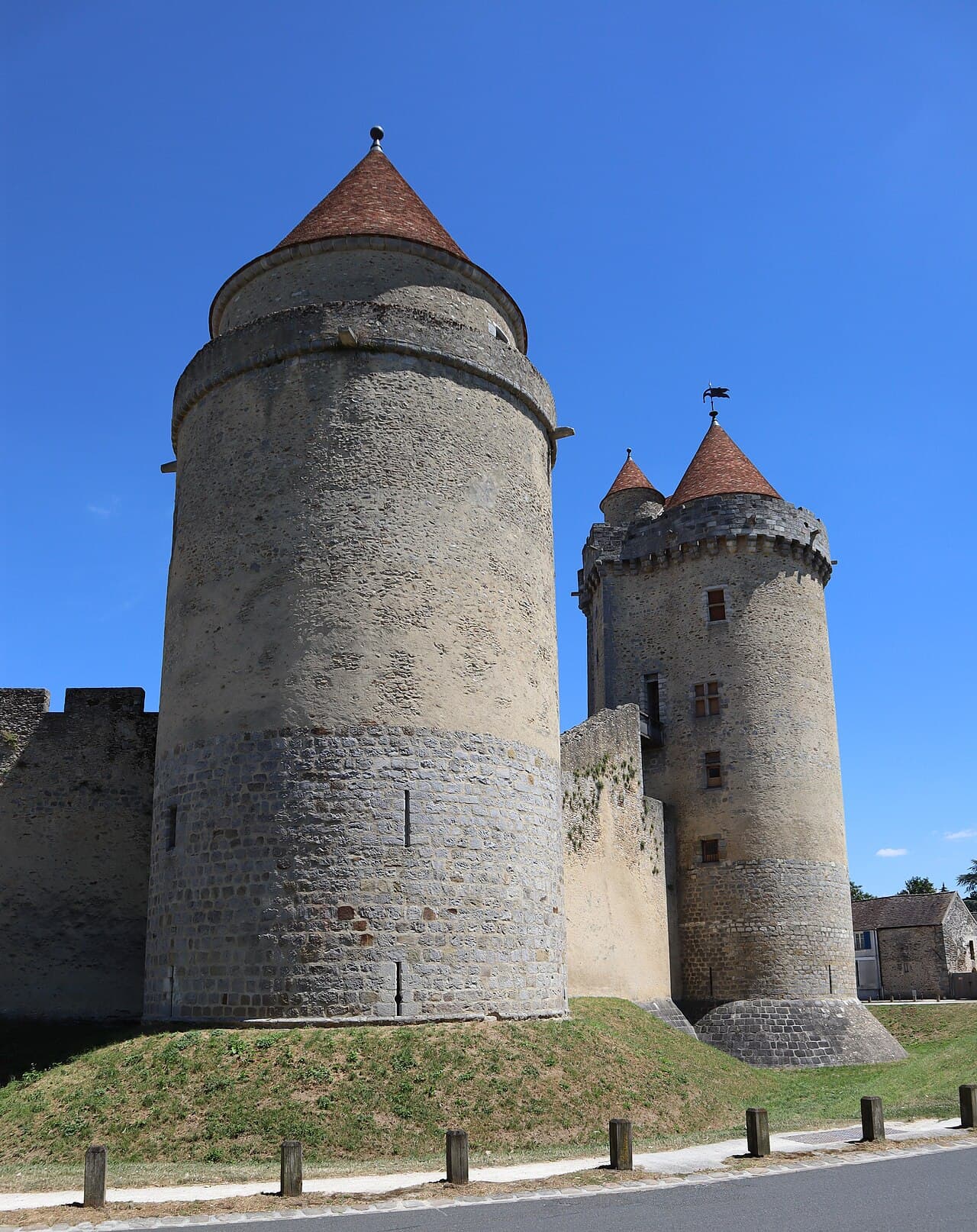 Castle
Château de Blandy-les-Tours
Blandy
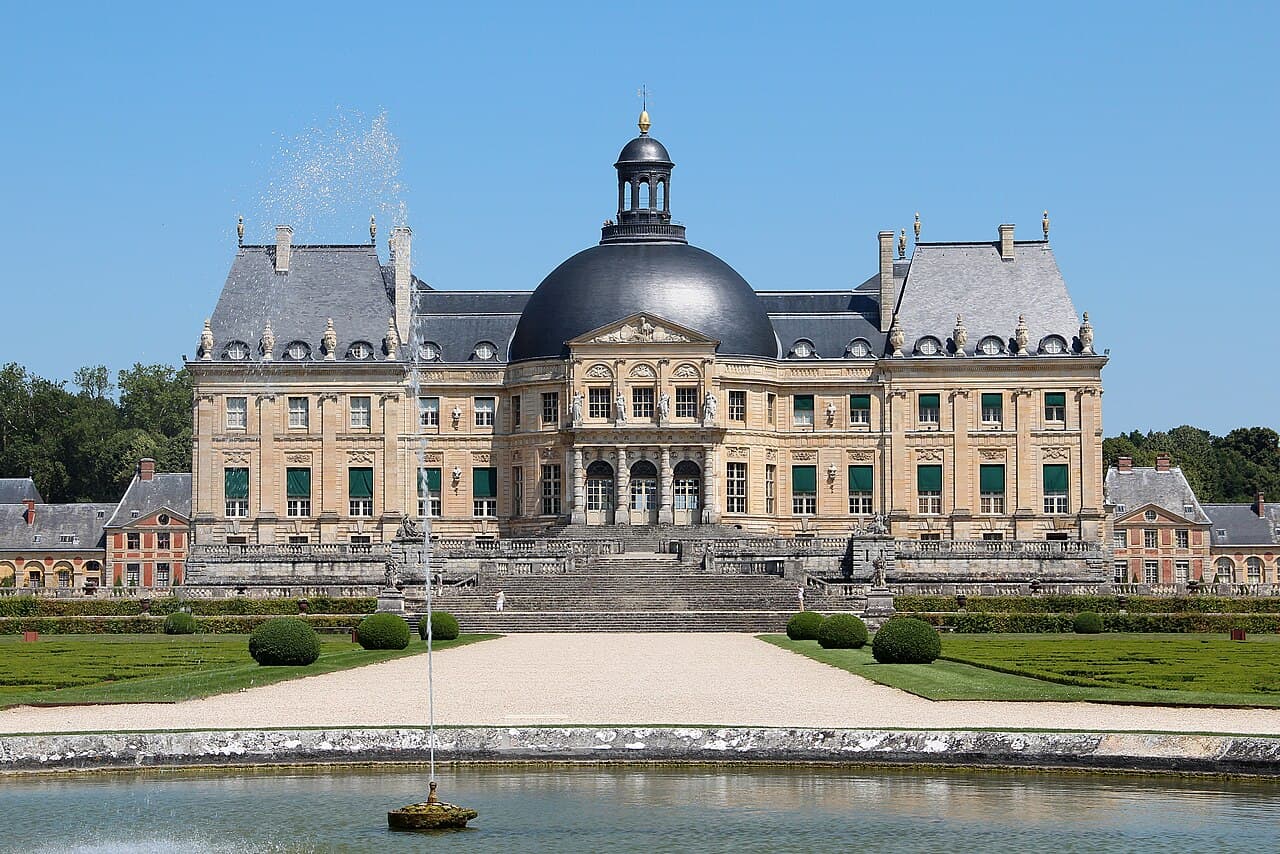 Castle
Château de Vaux-le-Vicomte
Maincy
 Museum
Musée Aéronautique et Spatial Safran
Réau
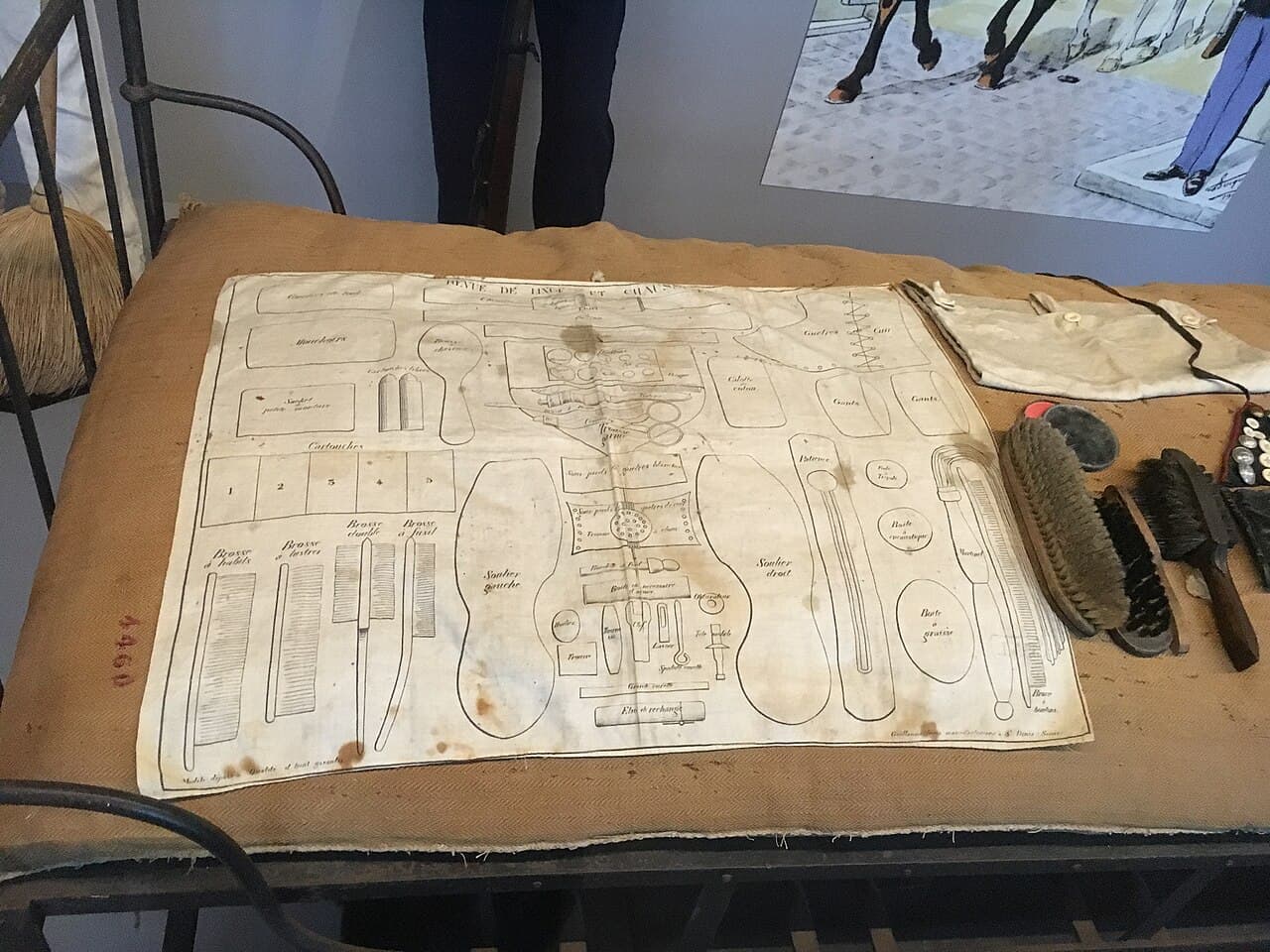 Museum
Musée de la Gendarmerie
Melun
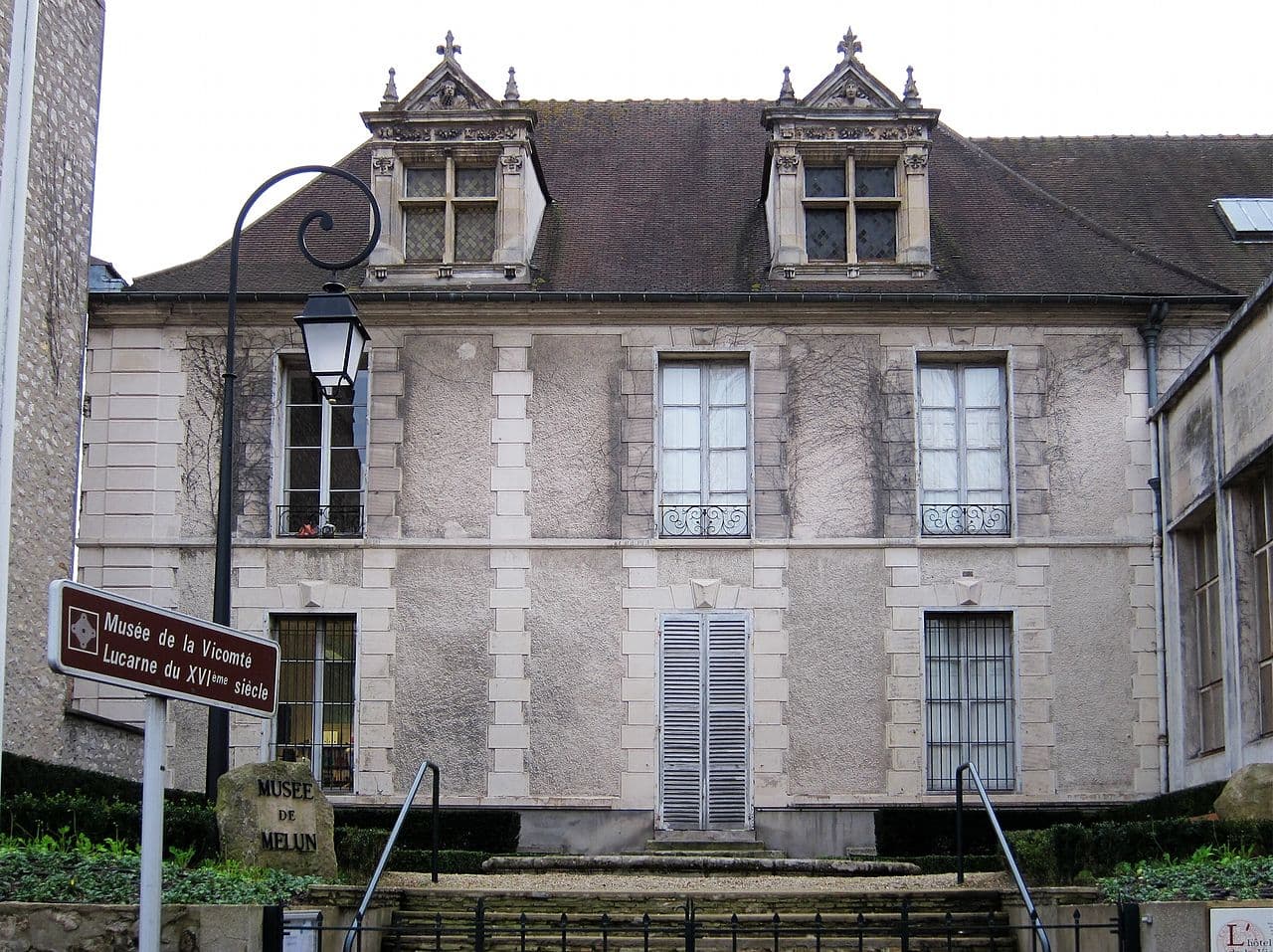 Museum
Musée d'Art et d'Histoire de Melun
Melun
 Museum
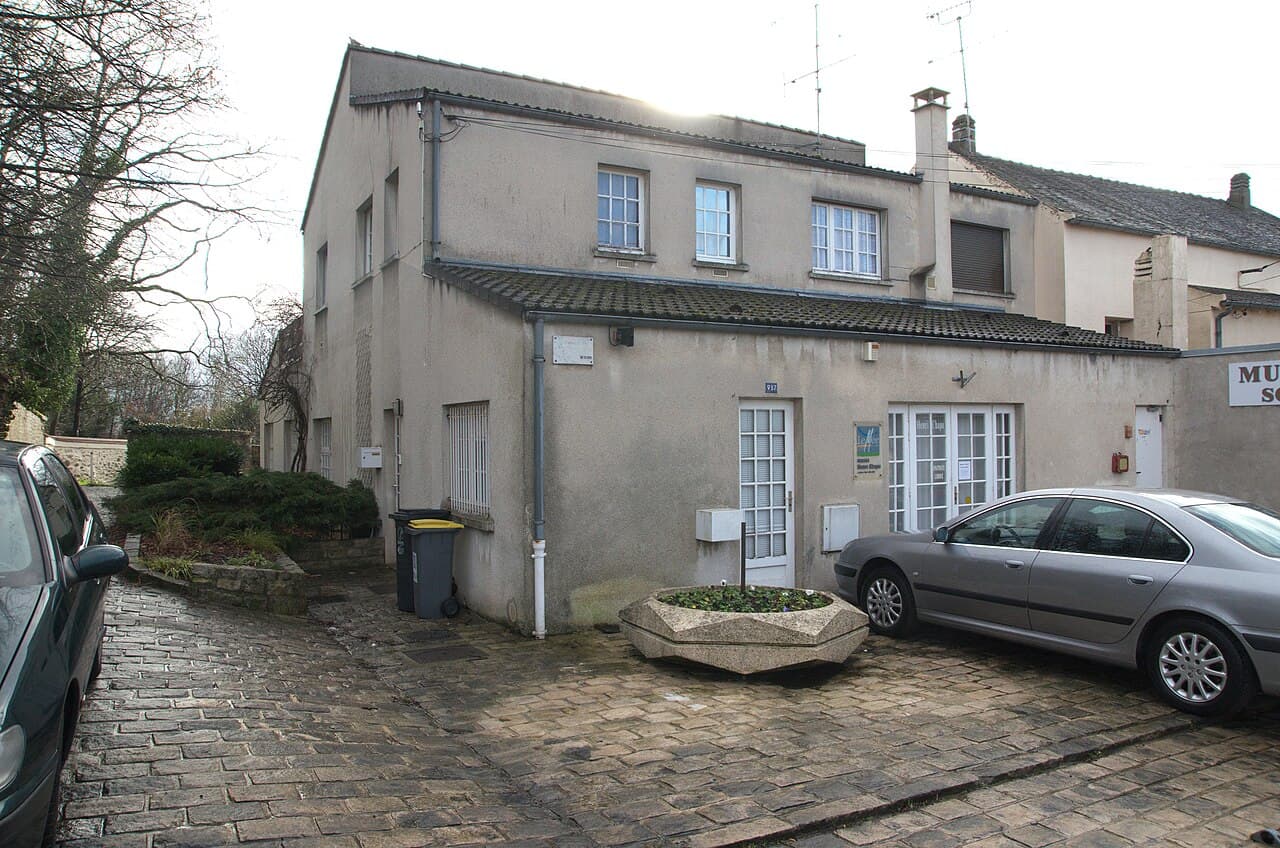
Musée Henri Chapu
Le Mée-sur-Seine
 Museum
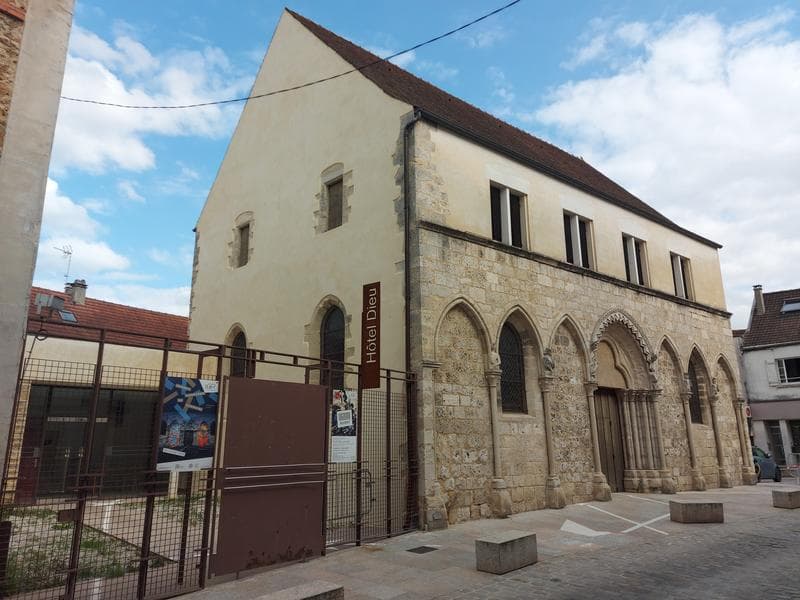
Centre d'art Hôtel-Dieu
Brie-Comte-Robert
 Gallery
L'Oeil de l'atelier
Samois-sur-Seine
 Museum
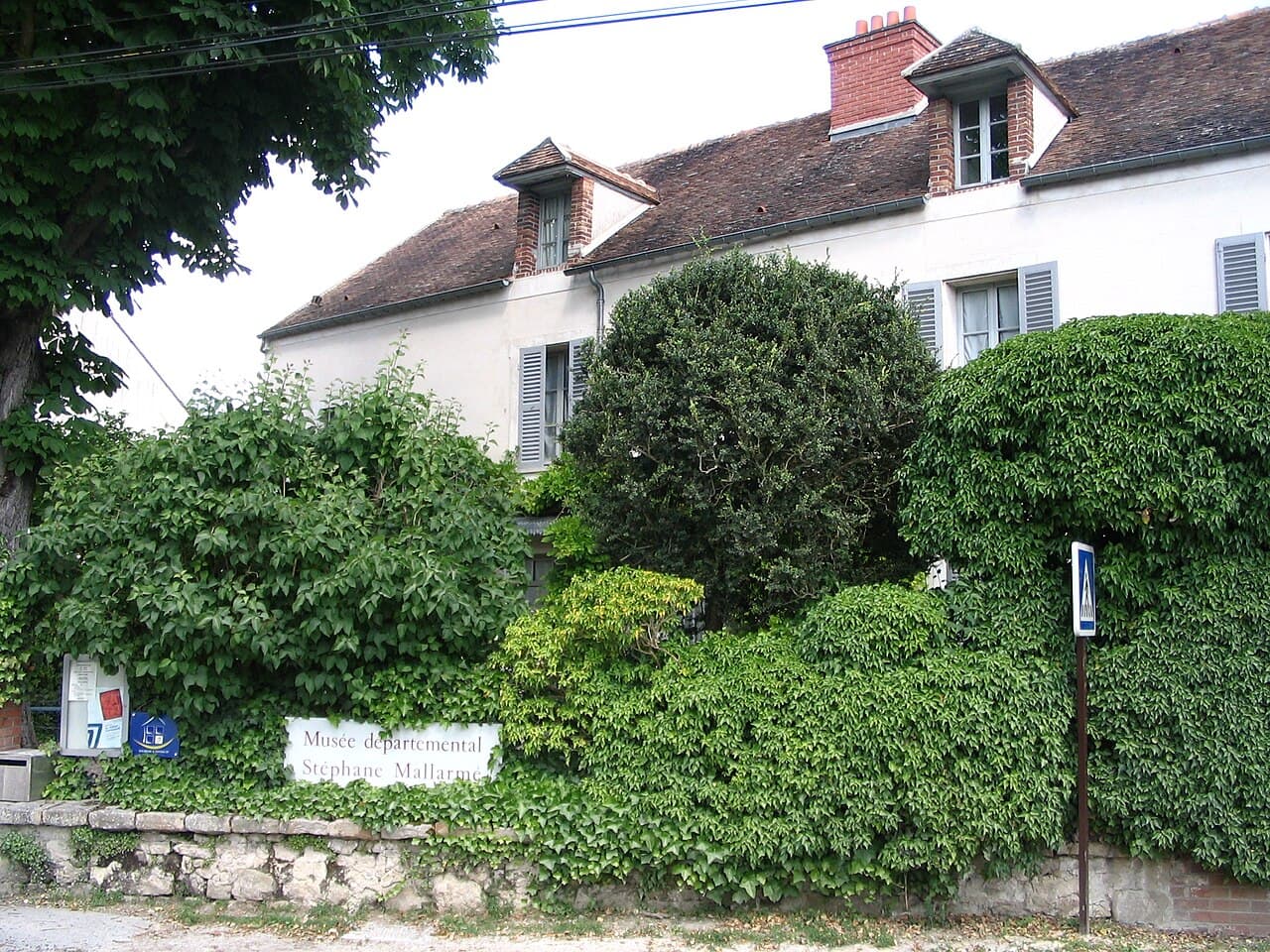
Musée départemental Stéphane Mallarmé
Vulaines-sur-Seine
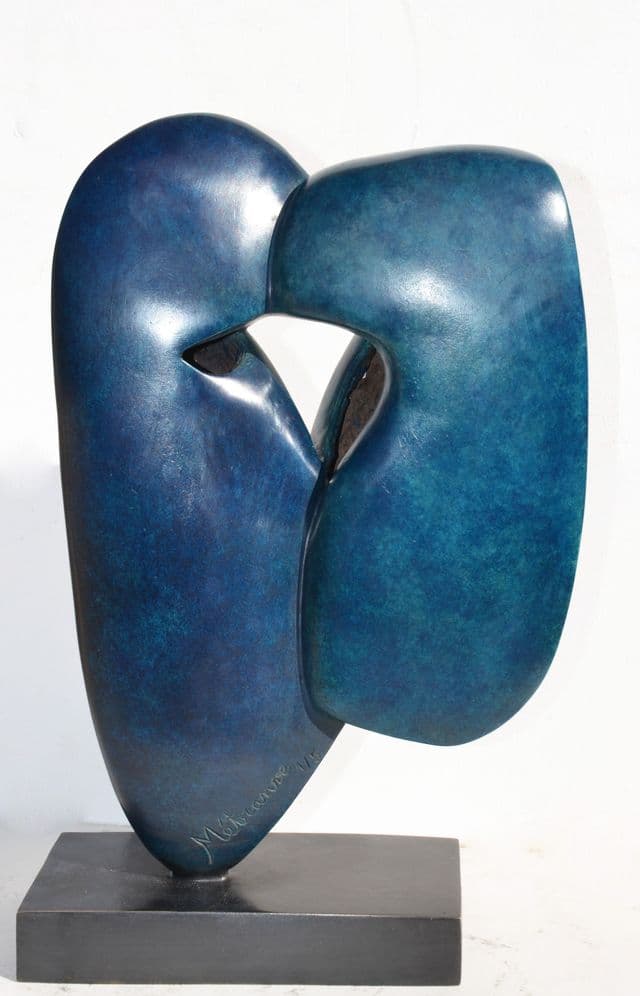 Gallery
Métranve Sculptures
Barbizon
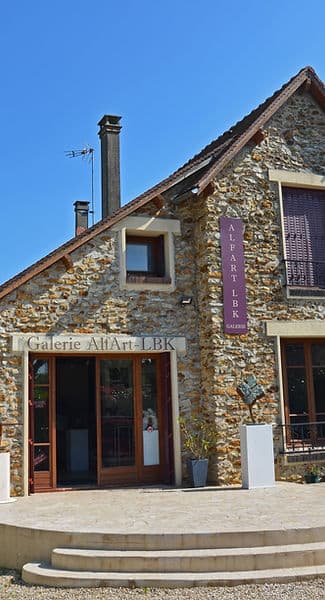 Gallery
Galerie Alfart-LBK
Barbizon
 Gallery
Besharat Gallery & Museum
Barbizon
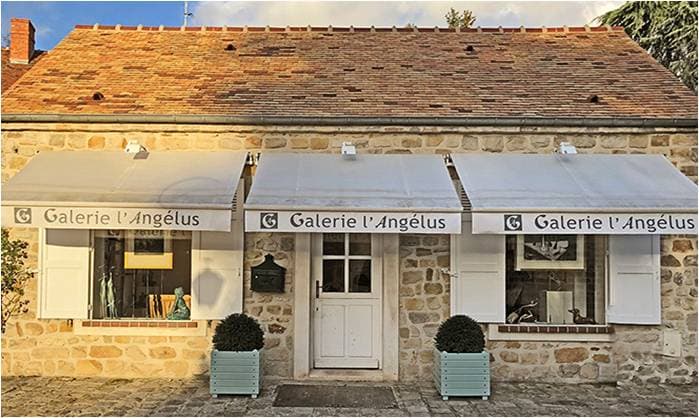 Gallery
Galerie L'Angélus -
Barbizon
 Gallery
Frederic Got Fine Art
Barbizon
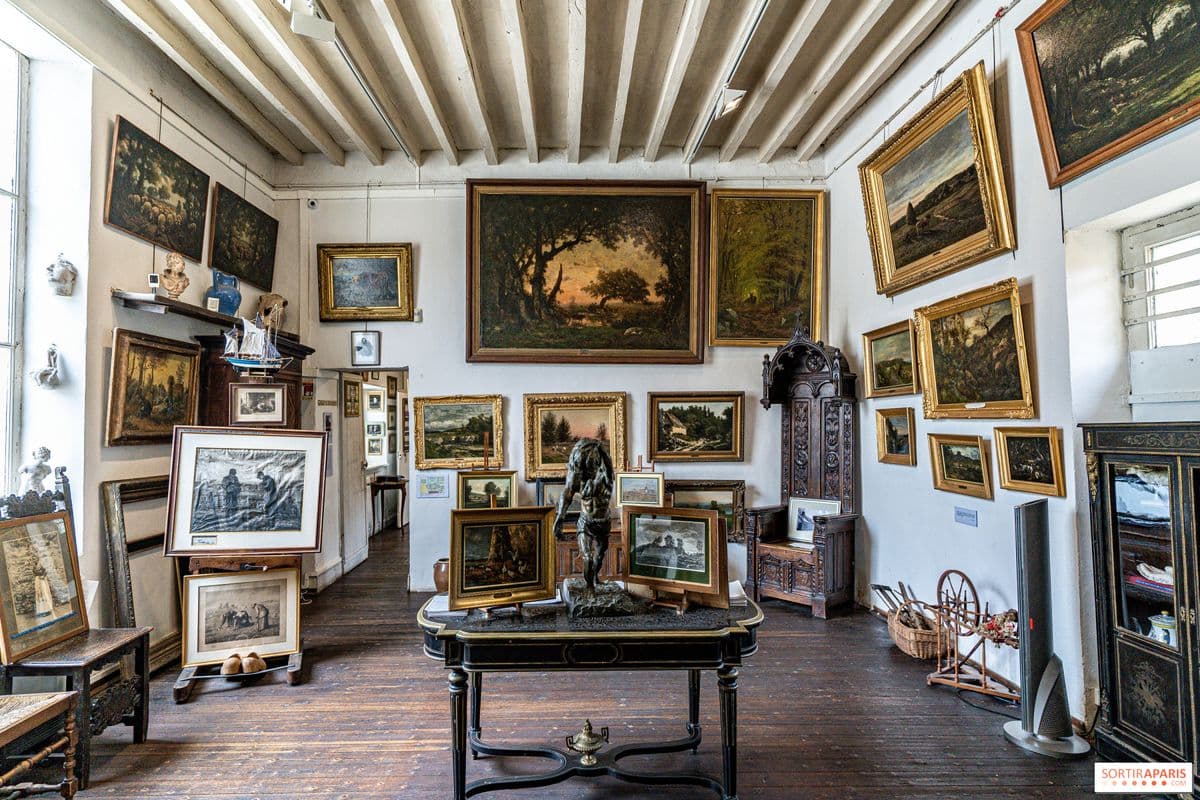 Museum
Maison Atelier de JF Millet
Barbizon
 Gallery
Galerie d'art Roz in Winter
Barbizon
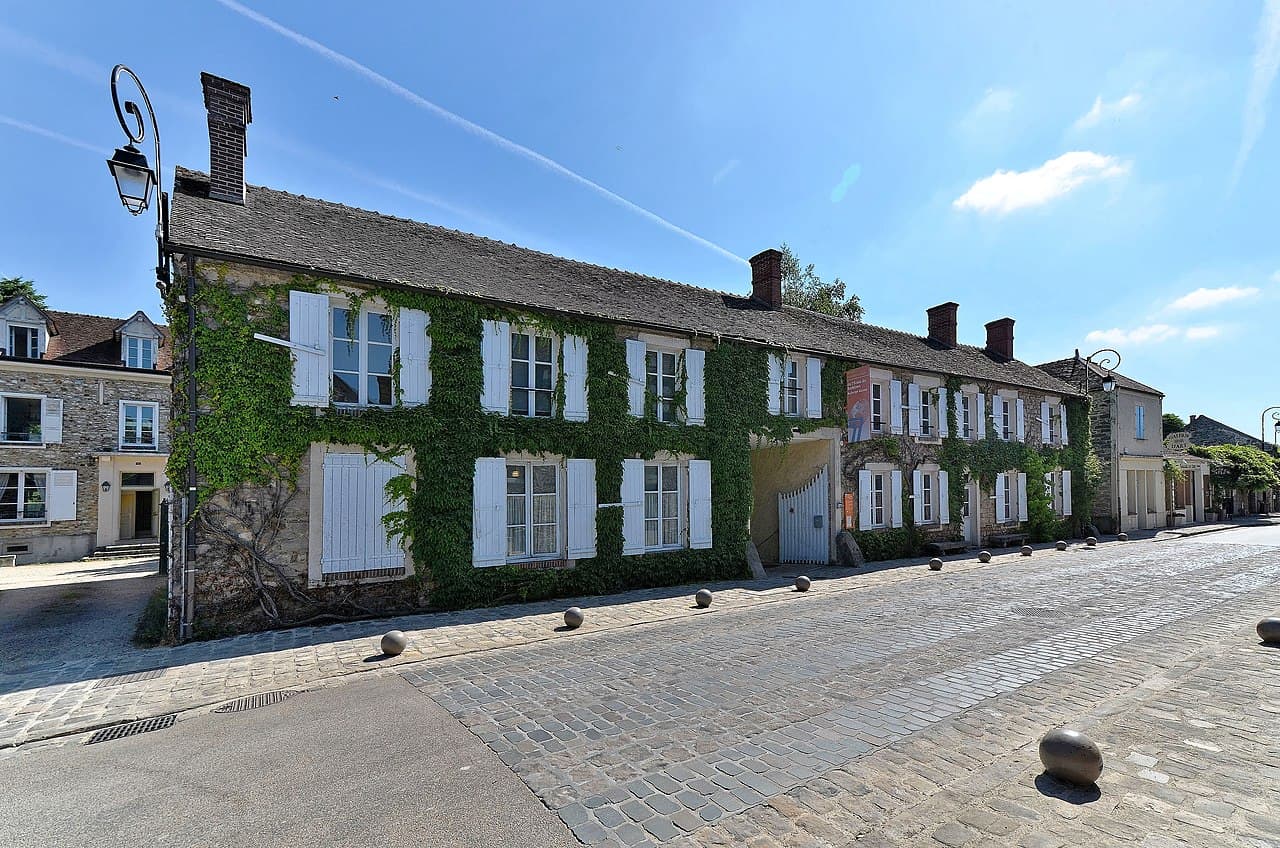 Museum
Musée départemental des peintres de Barbizon
Barbizon
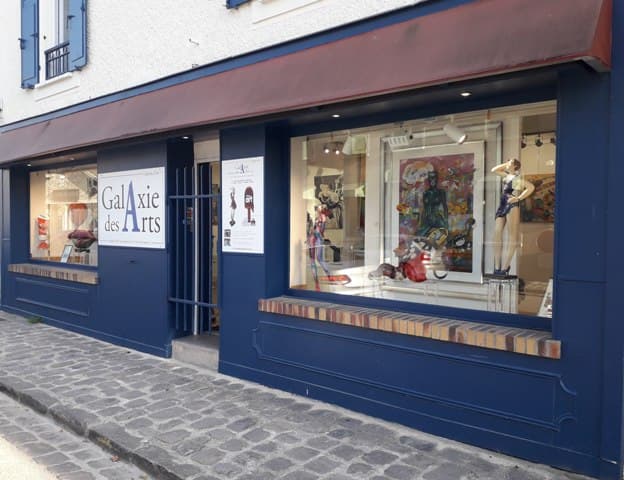 Gallery
Galaxie des Arts
Barbizon
 Gallery
La bulle des artistes
Thomery
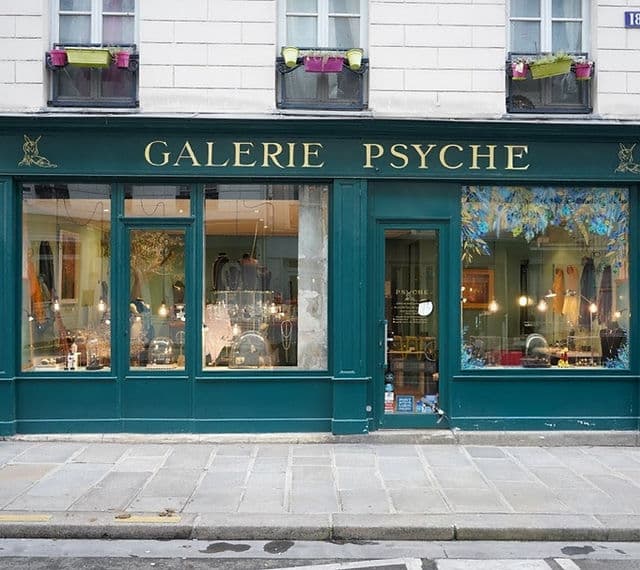 Gallery
Psyché Galerie Boutik
Fontainebleau
 Gallery
Fontaineblow !
Fontainebleau
 Gallery
Kelly Arty
Fontainebleau
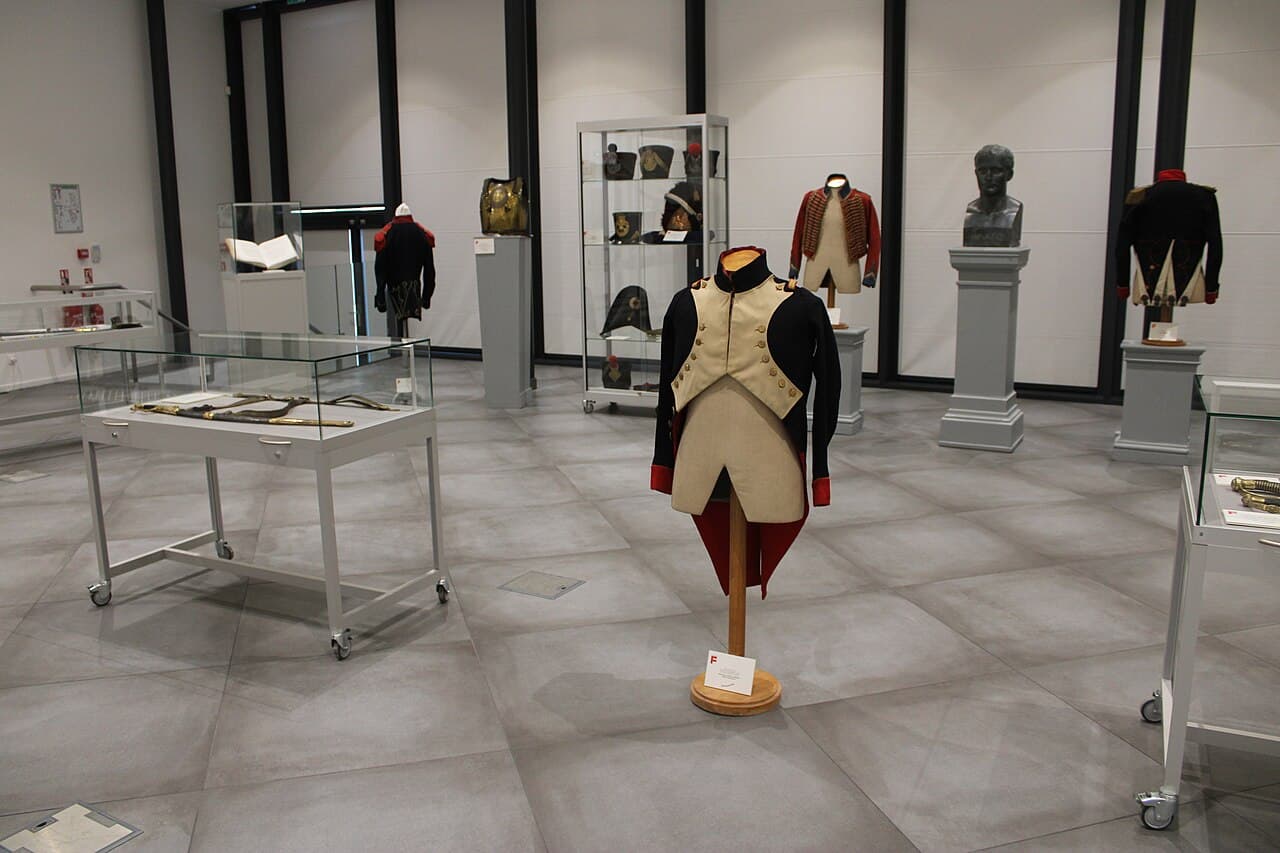 Museum
Musée d'art et d'histoire militaire
Fontainebleau
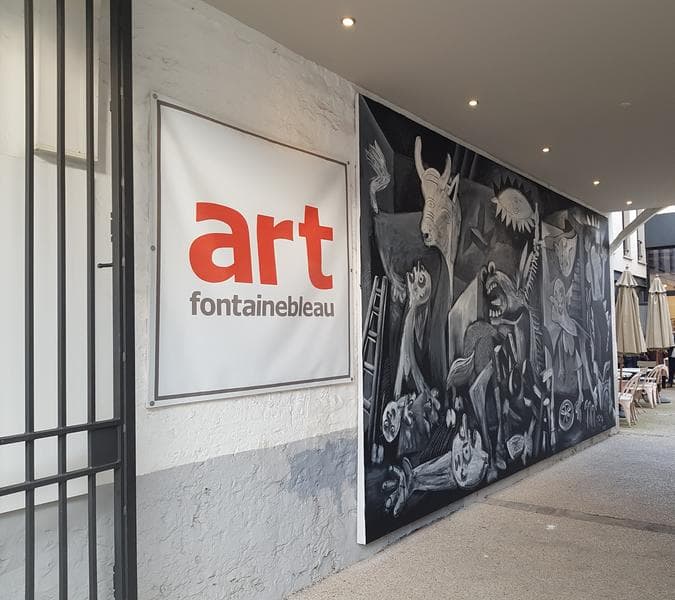 Gallery
Galerie ArtFontainebleau
Fontainebleau
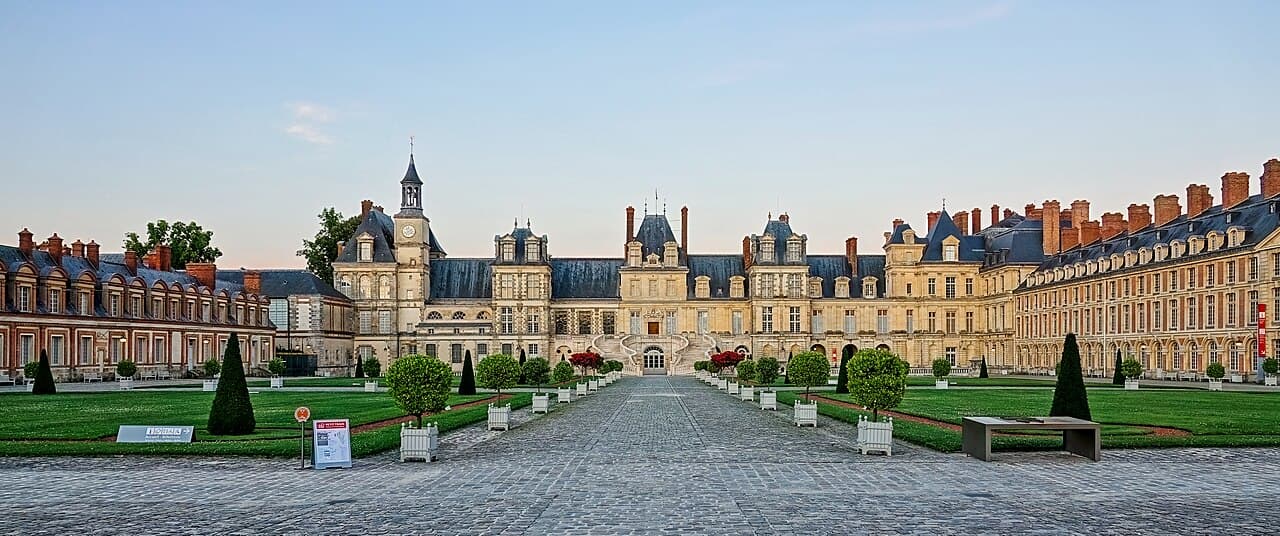 Heritage
Palace and Park of Fontainebleau
Fontainebleau
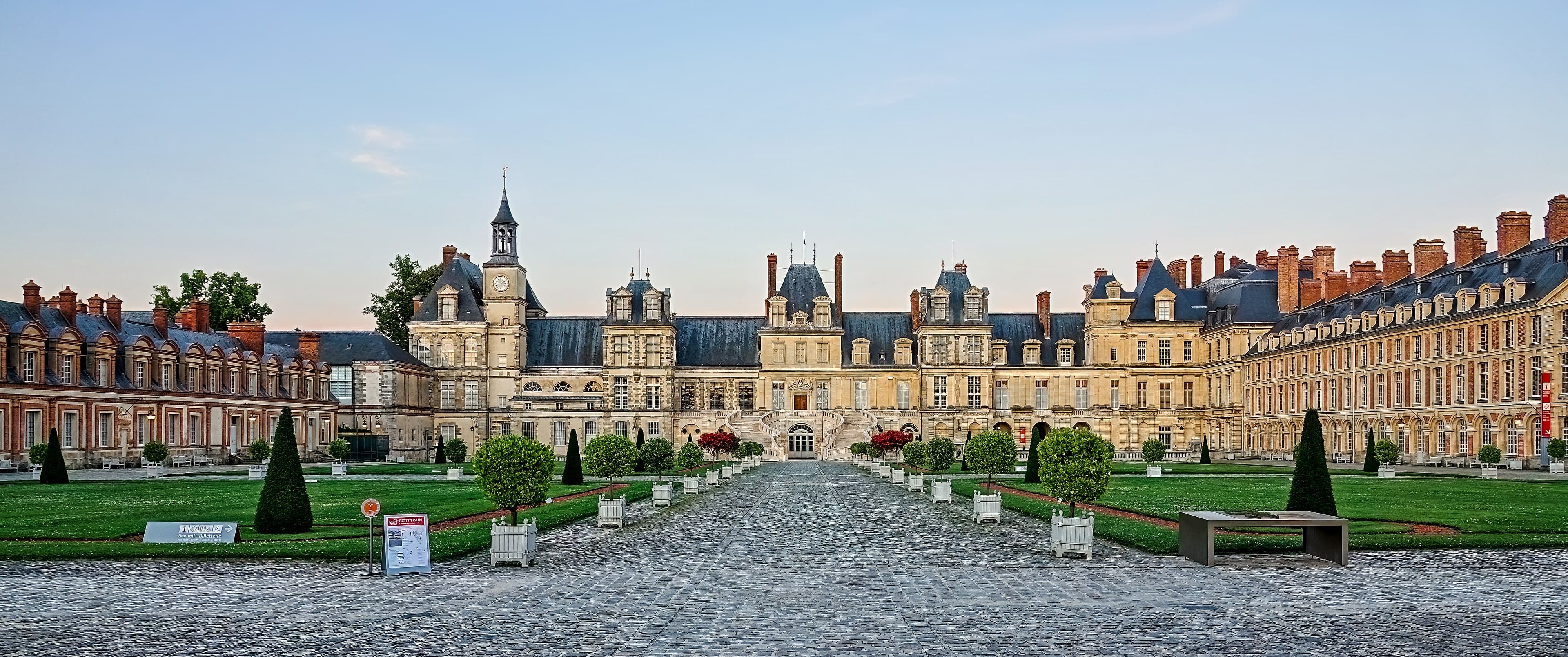 Castle
Château de Fontainebleau
Fontainebleau
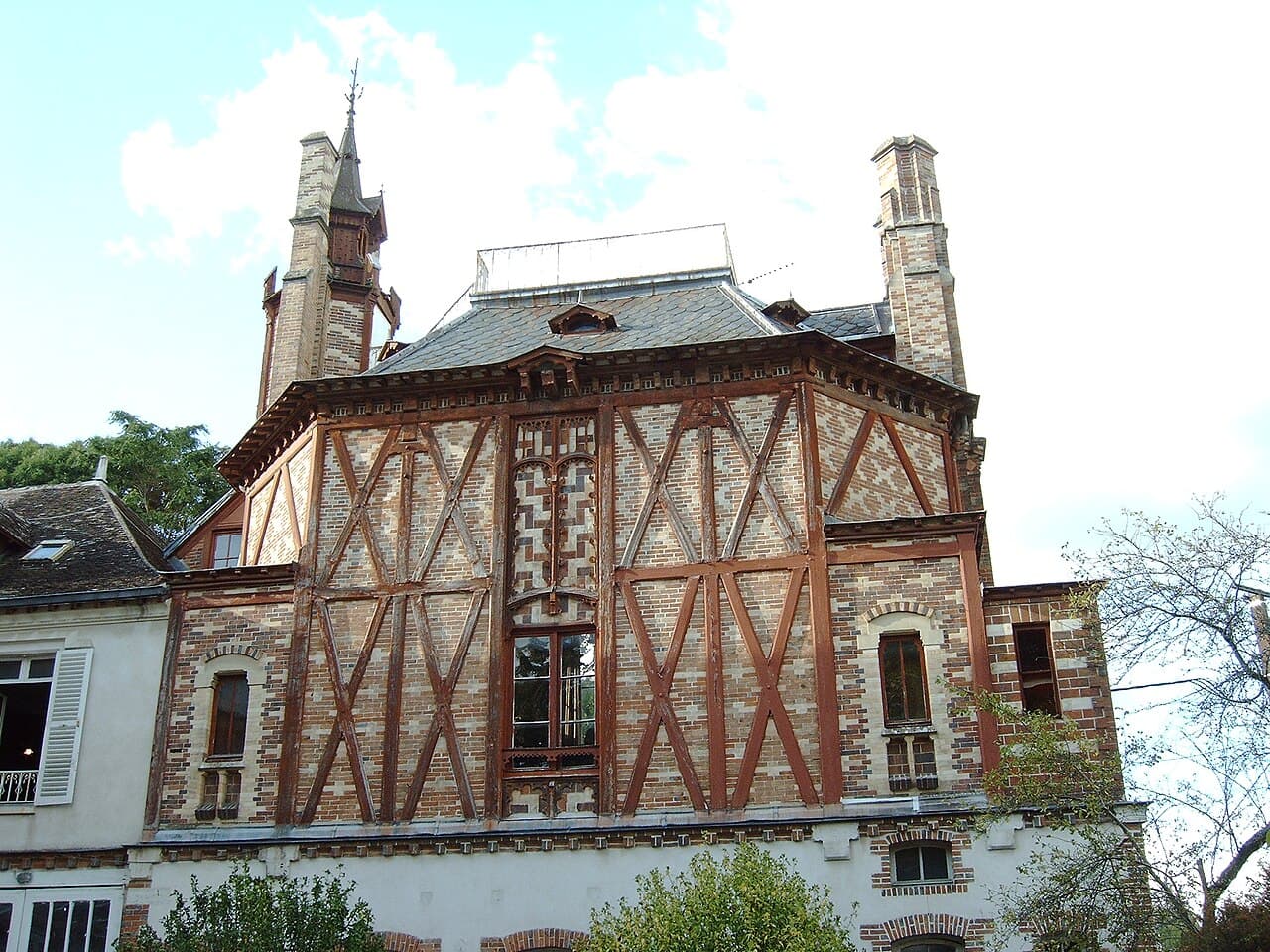 Museum
Musée Rosa Bonheur
Thomery
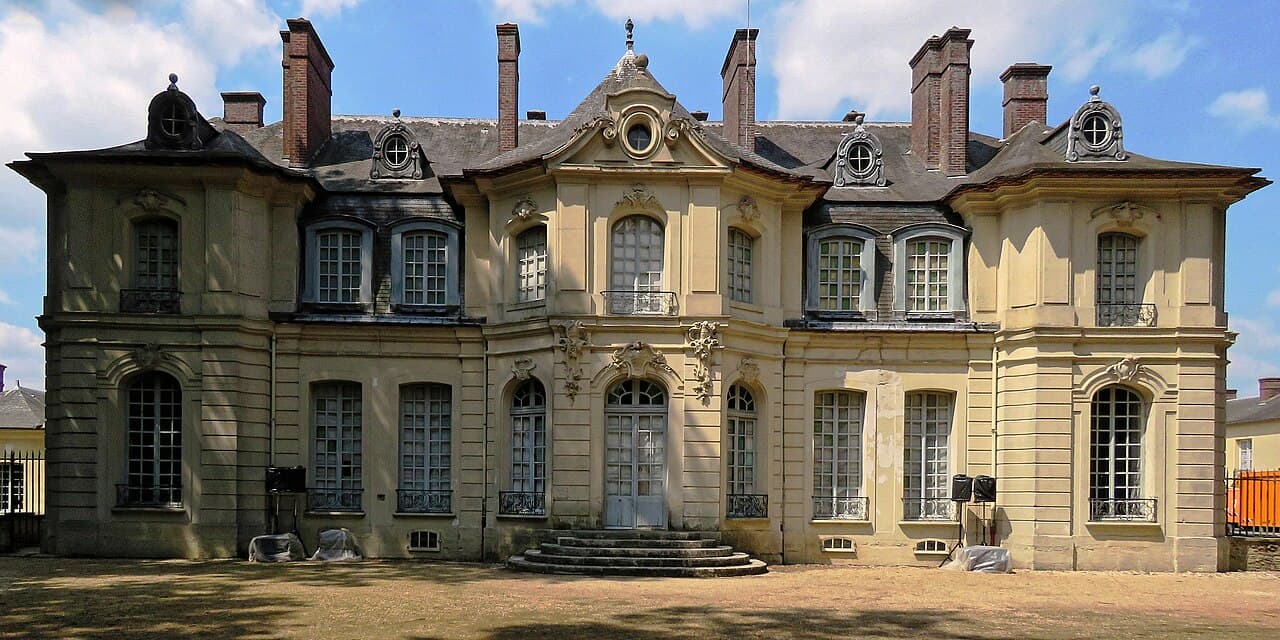 Castle
Château de Jossigny
Jossigny
 Gallery
koronin
Pontault-Combault
 Gallery
Le MUR espace de création
Moret-Loing-et-Orvanne
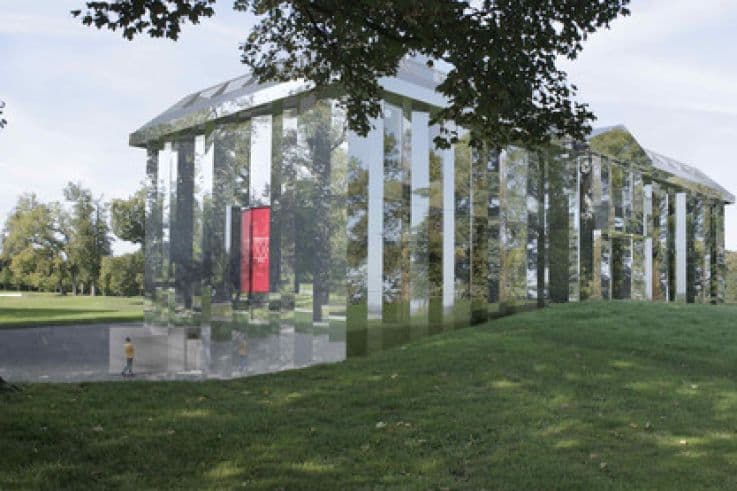 Museum
Fonds régional d'art contemporain (FRAC)
Bussy-Saint-Martin
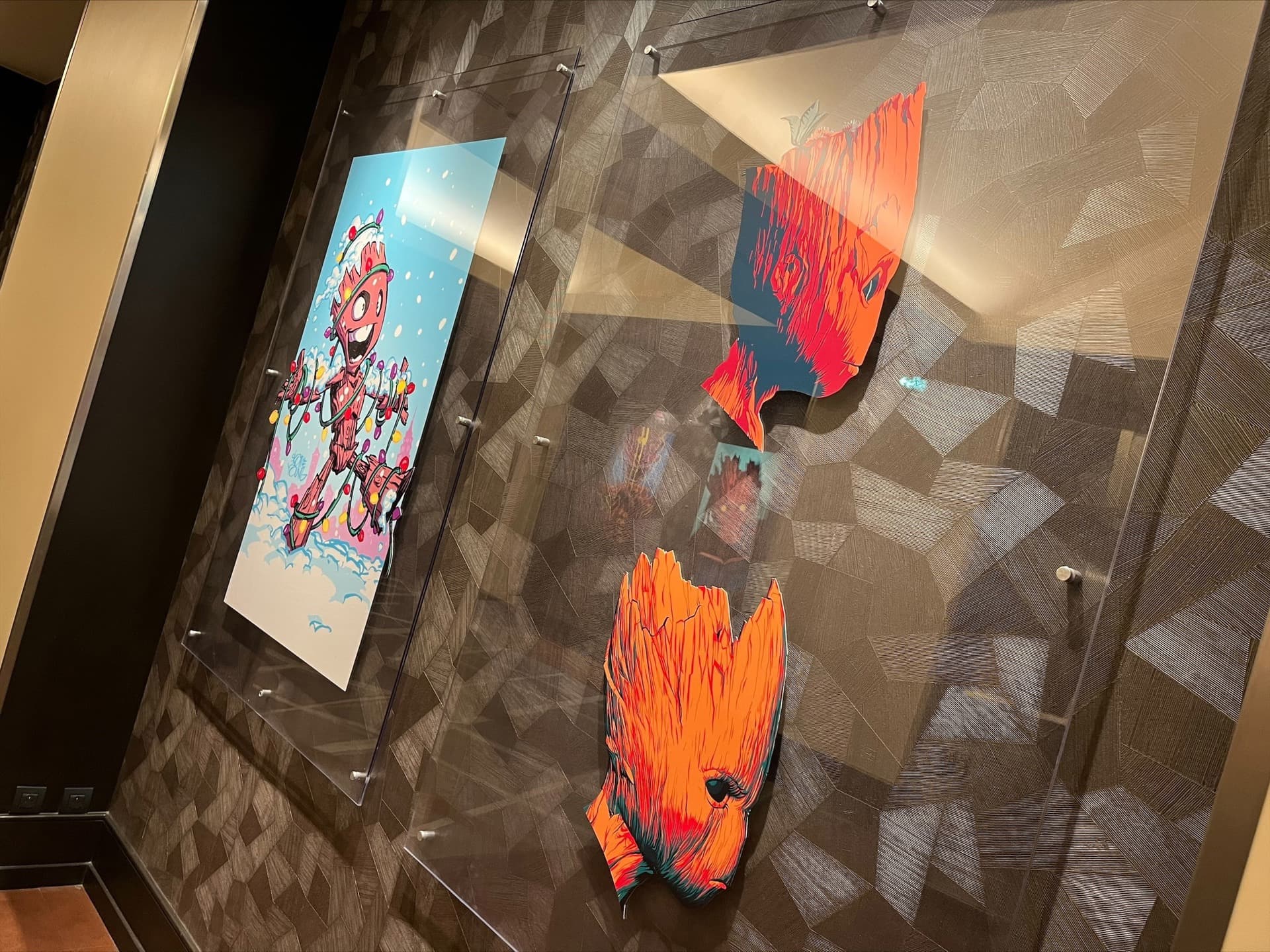 Gallery
Jack Kirby Legacy Gallery
Chessy
 Gallery
Galerie de Crécy
Voulangis
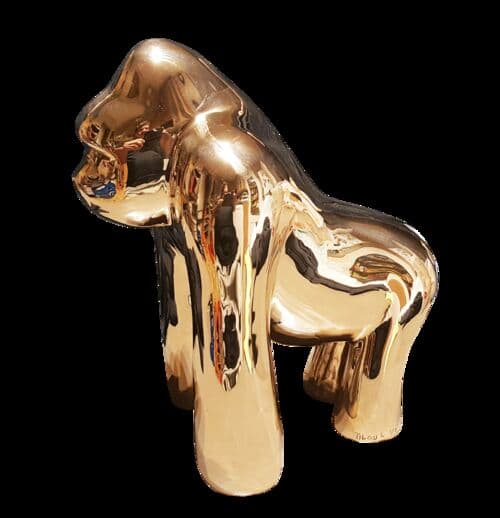 Gallery
galerie tibay
Lagny-sur-Marne
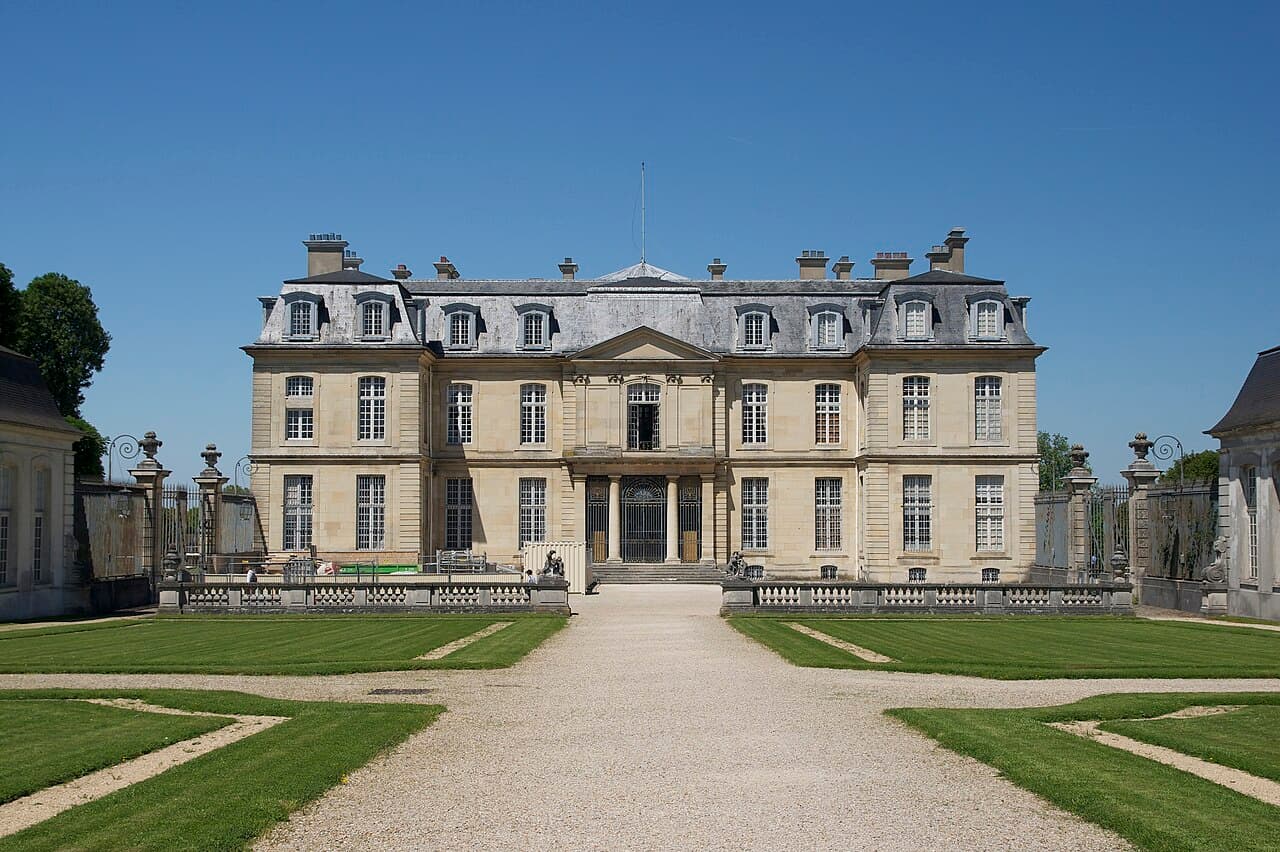 Castle
Château de Champs-sur-Marne
Champs-sur-Marne
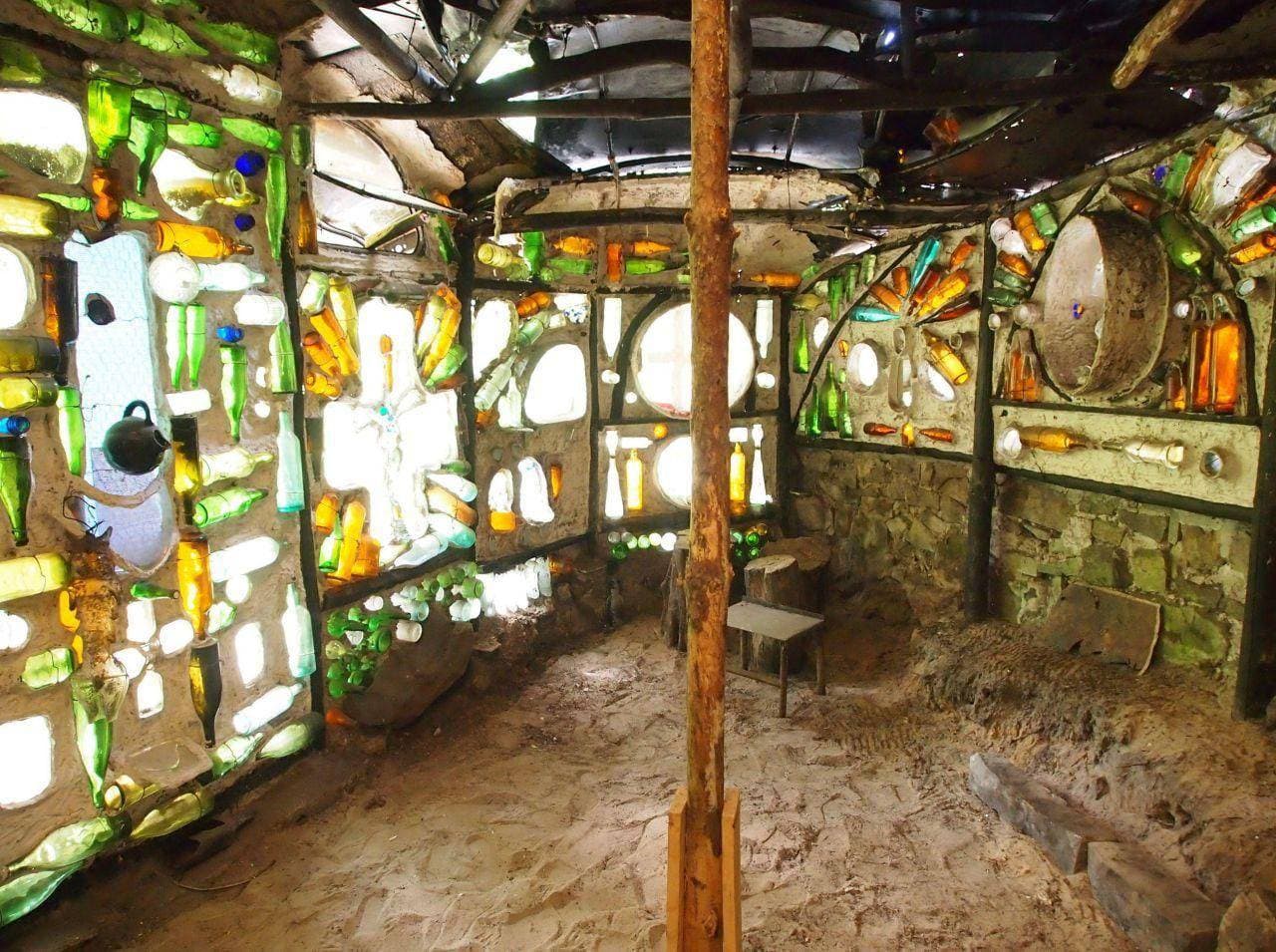 Museum
Village d'Art Préludien de Chomo
Achères-la-Forêt
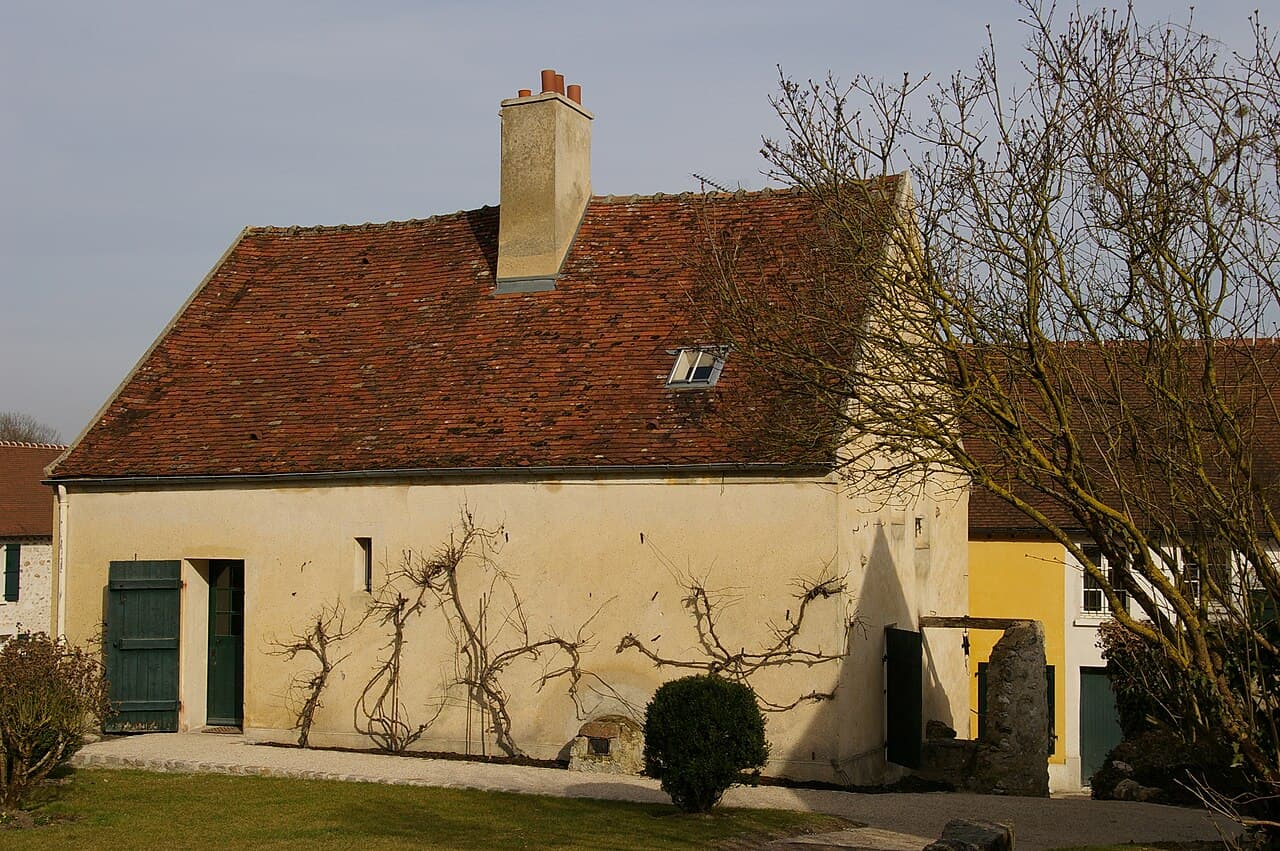 Museum
Maison natale de Louis Braille
Coupvray
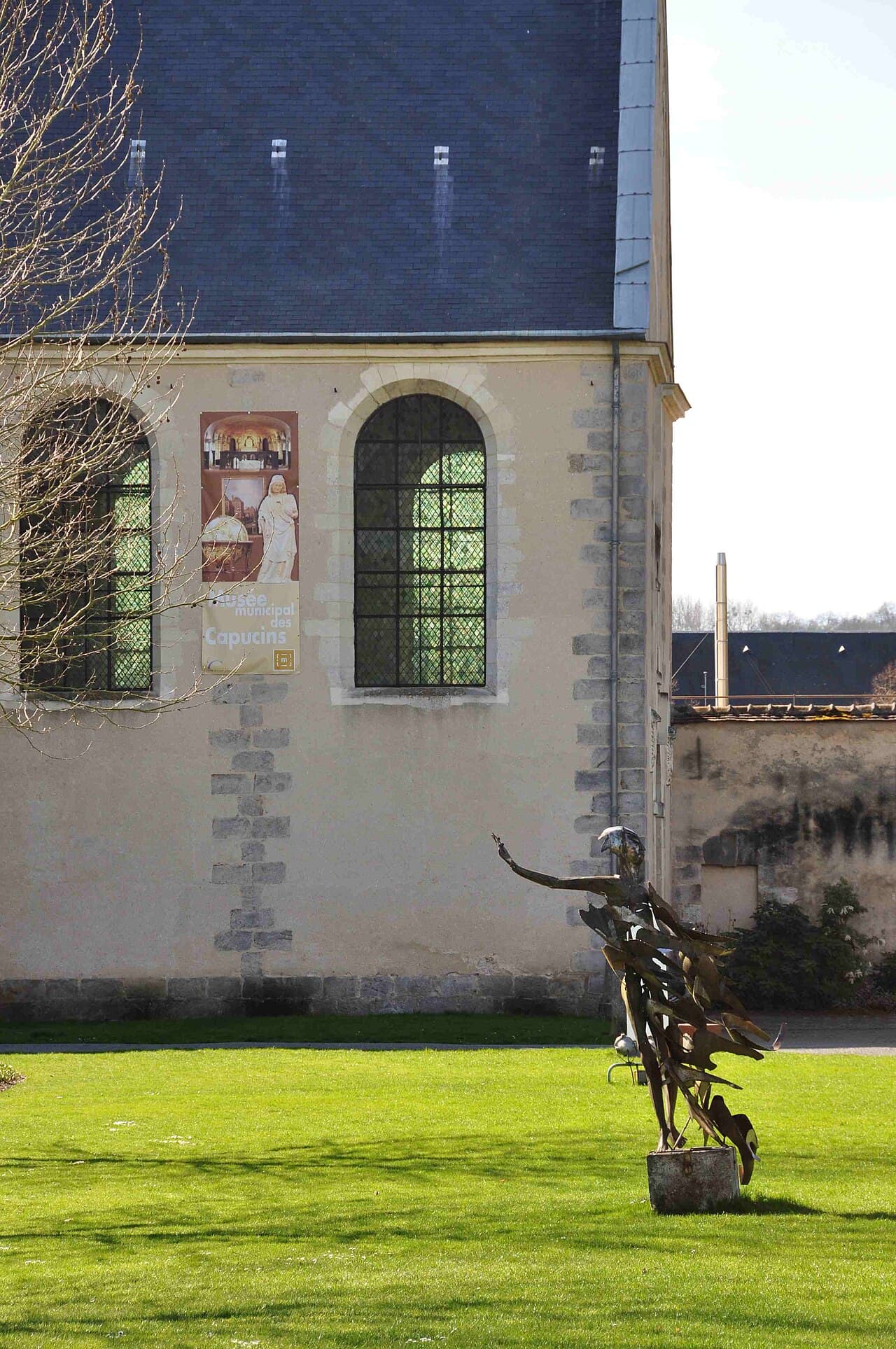 Museum
Musée municipal des Capucins
Coulommiers
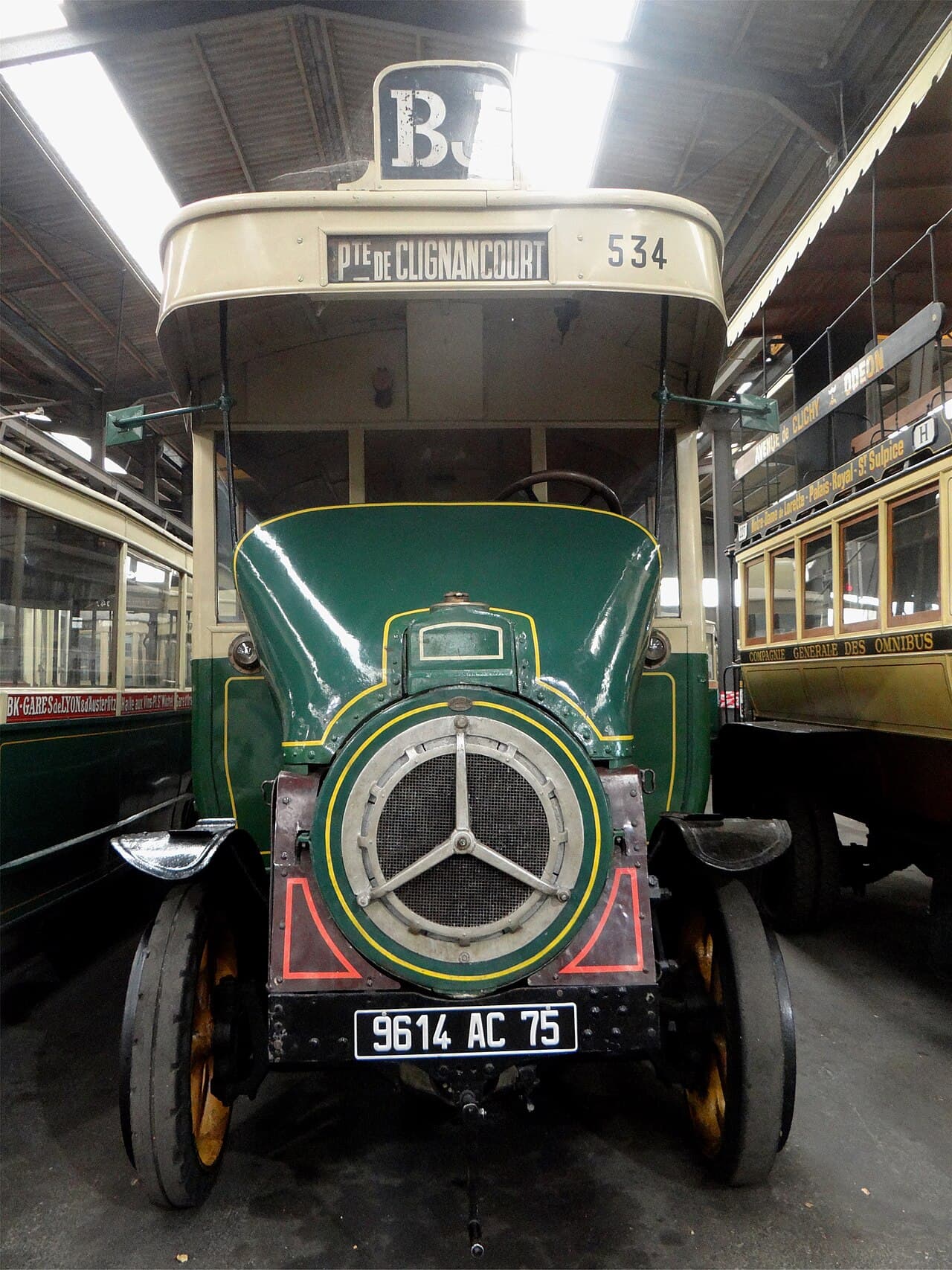 Museum
Musée des transports urbains, interurbains et ruraux
Chelles
 Gallery
Galerie éphémère Chelles
Chelles
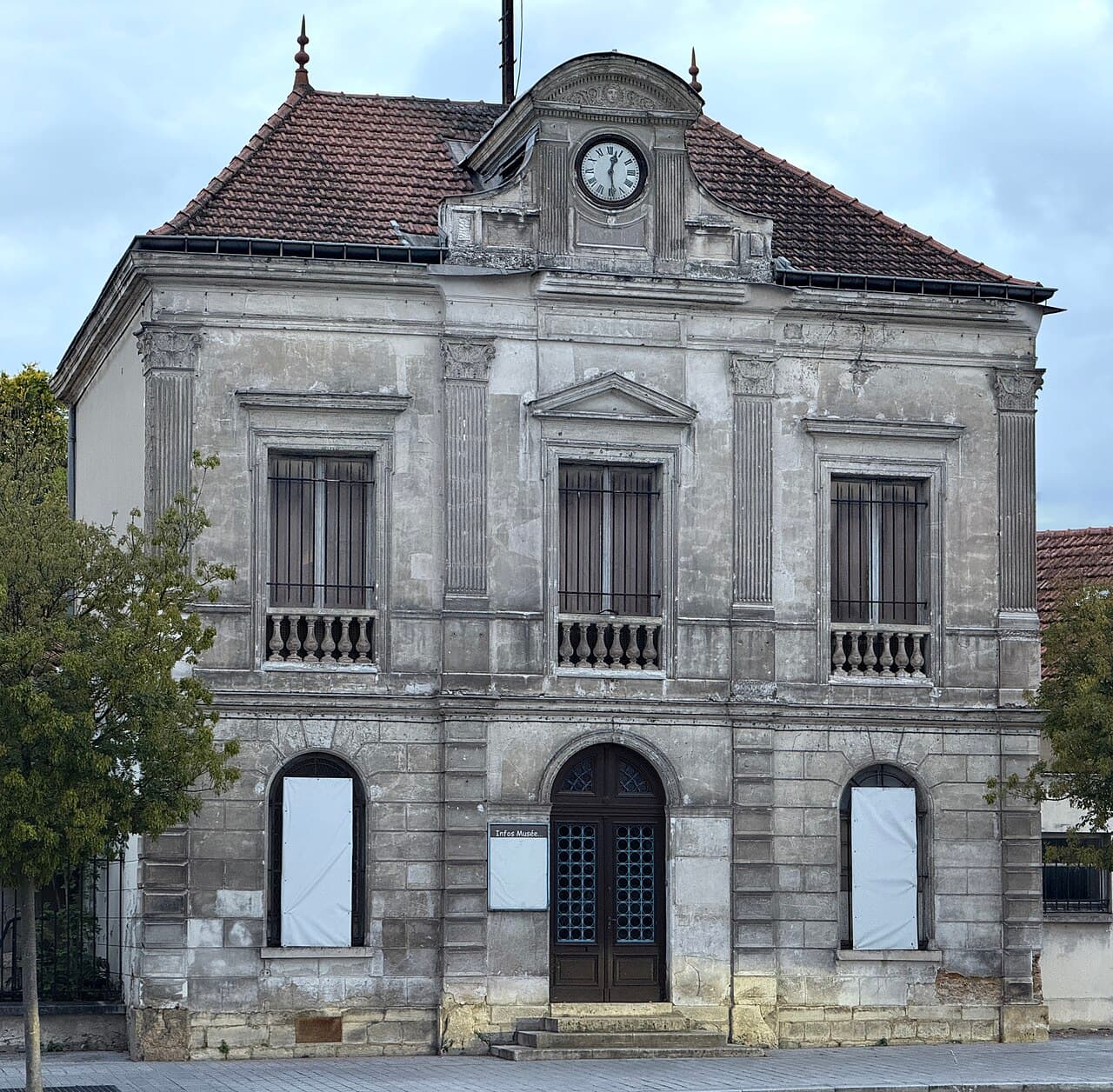 Museum
Musée Alfred Bonno
Chelles
 Gallery
Galleria Continua
Boissy-le-Châtel
 Gallery
Galleria Continua
Boissy-le-Châtel
 Museum
Musée de la vie d'autrefois
Les Ormes-sur-Voulzie
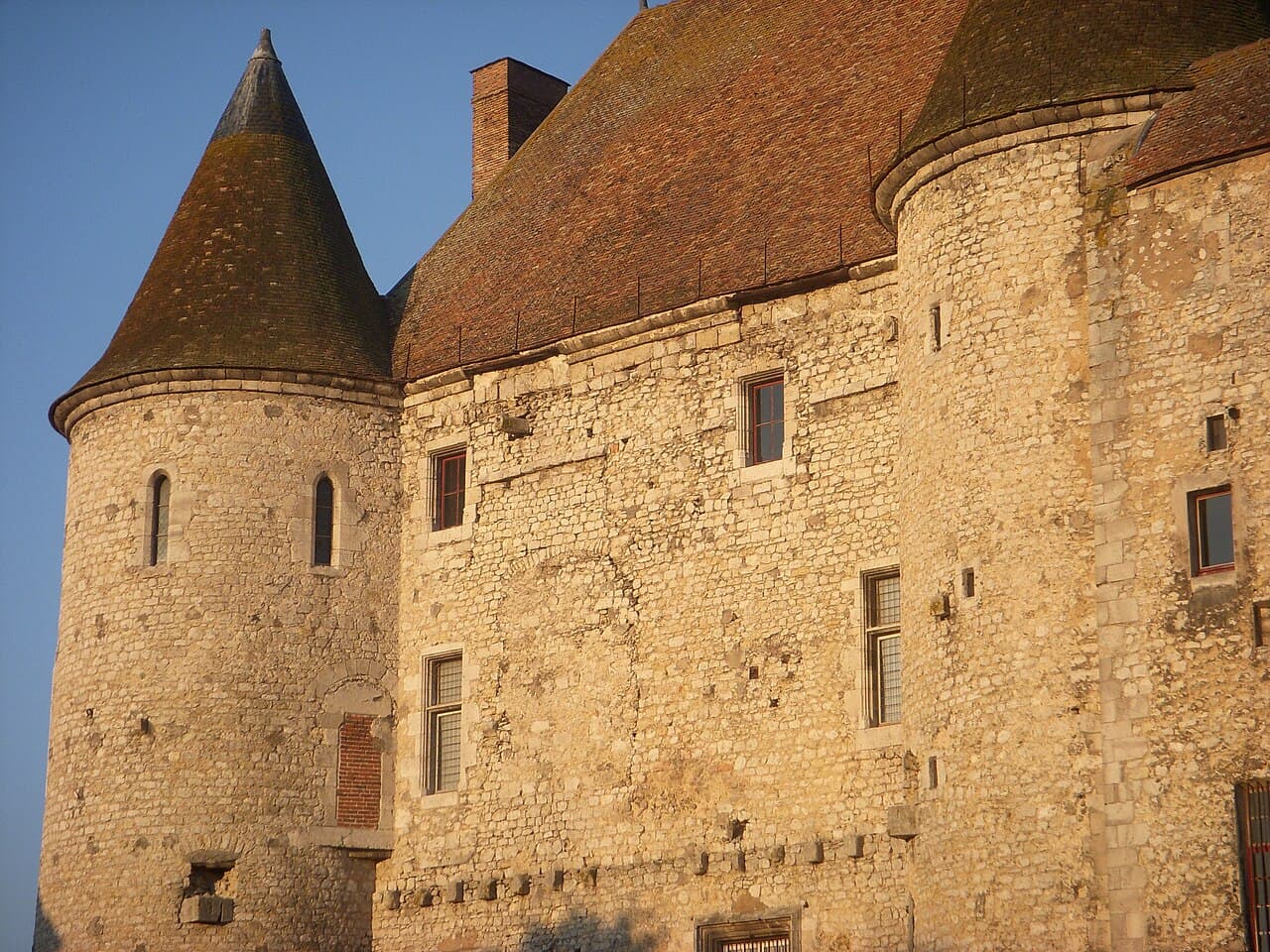 Castle
Château-Musée de Nemours
Nemours
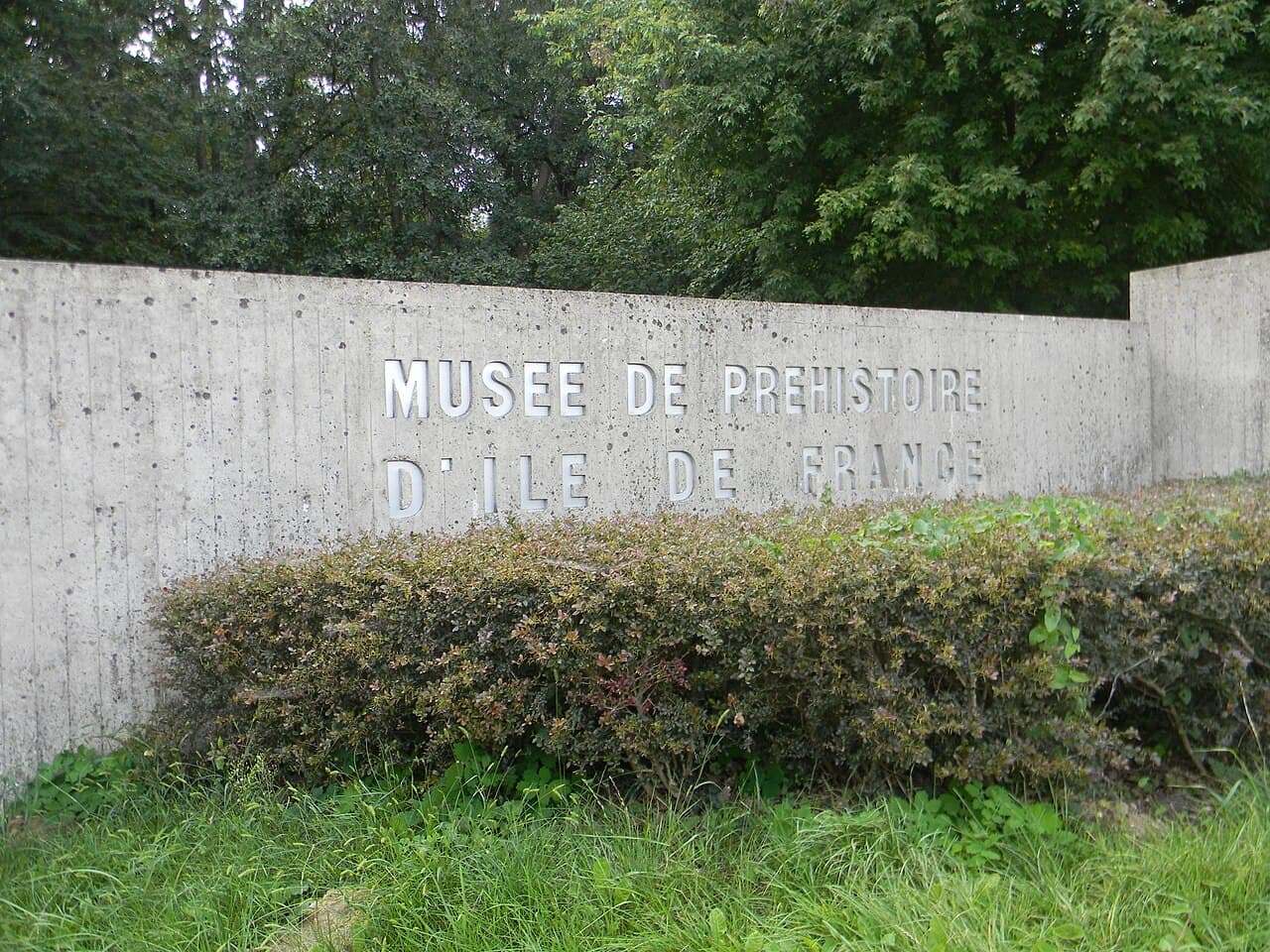 Museum
Musée de Préhistoire d'Île-de-France
Nemours
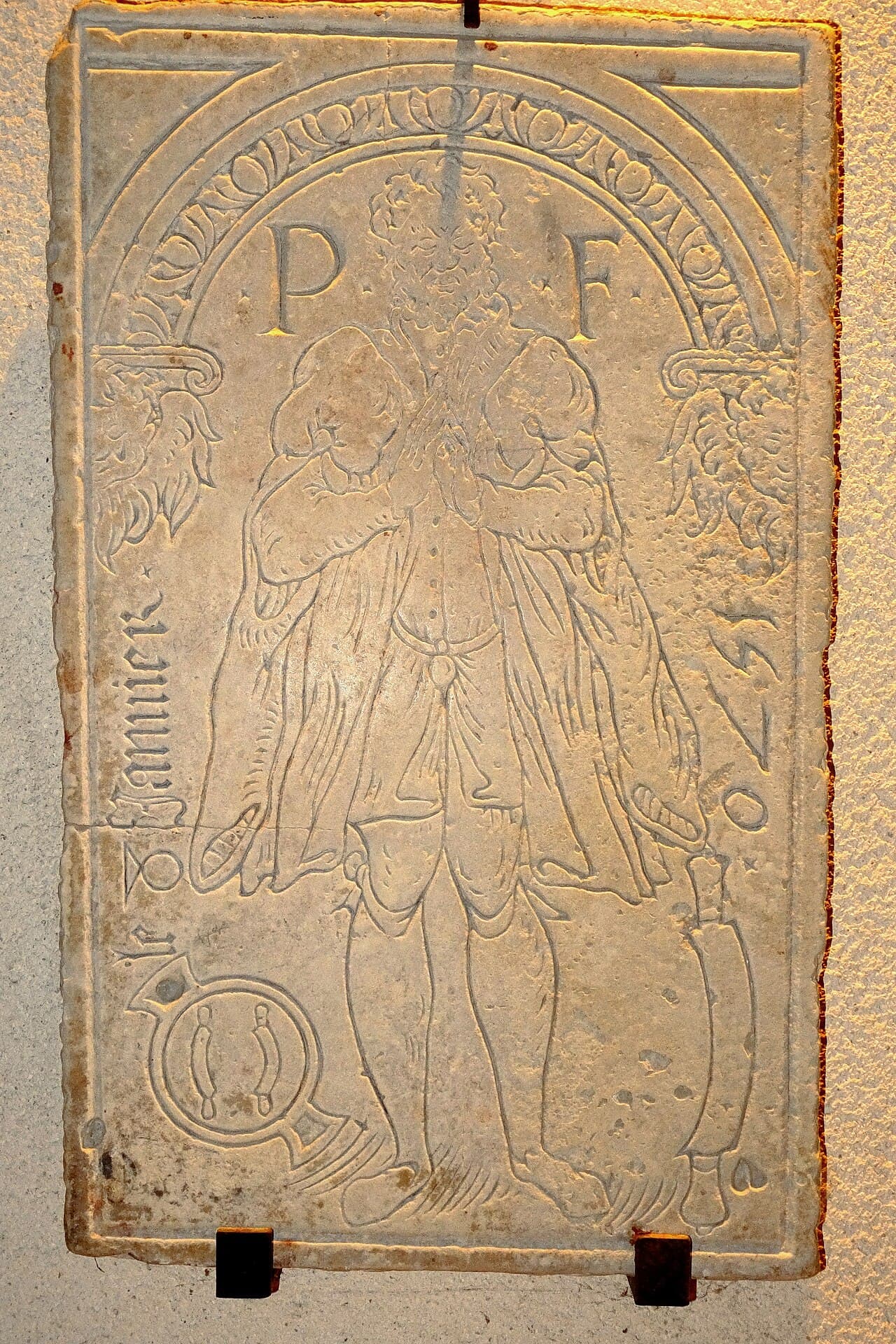 Museum
Musée de Provins et du provinois
Provins
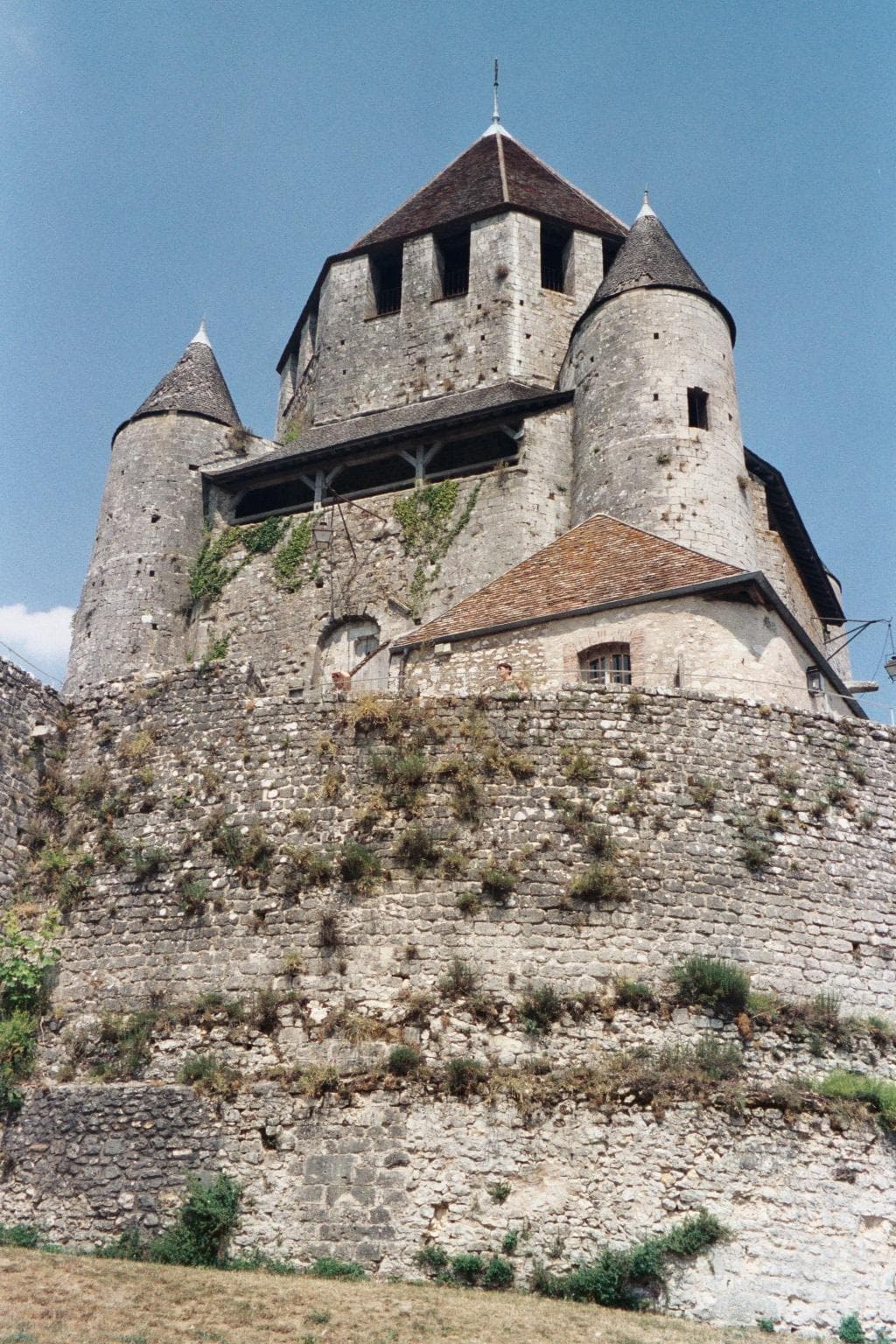 Heritage
Provins, Town of Medieval Fairs
Provins
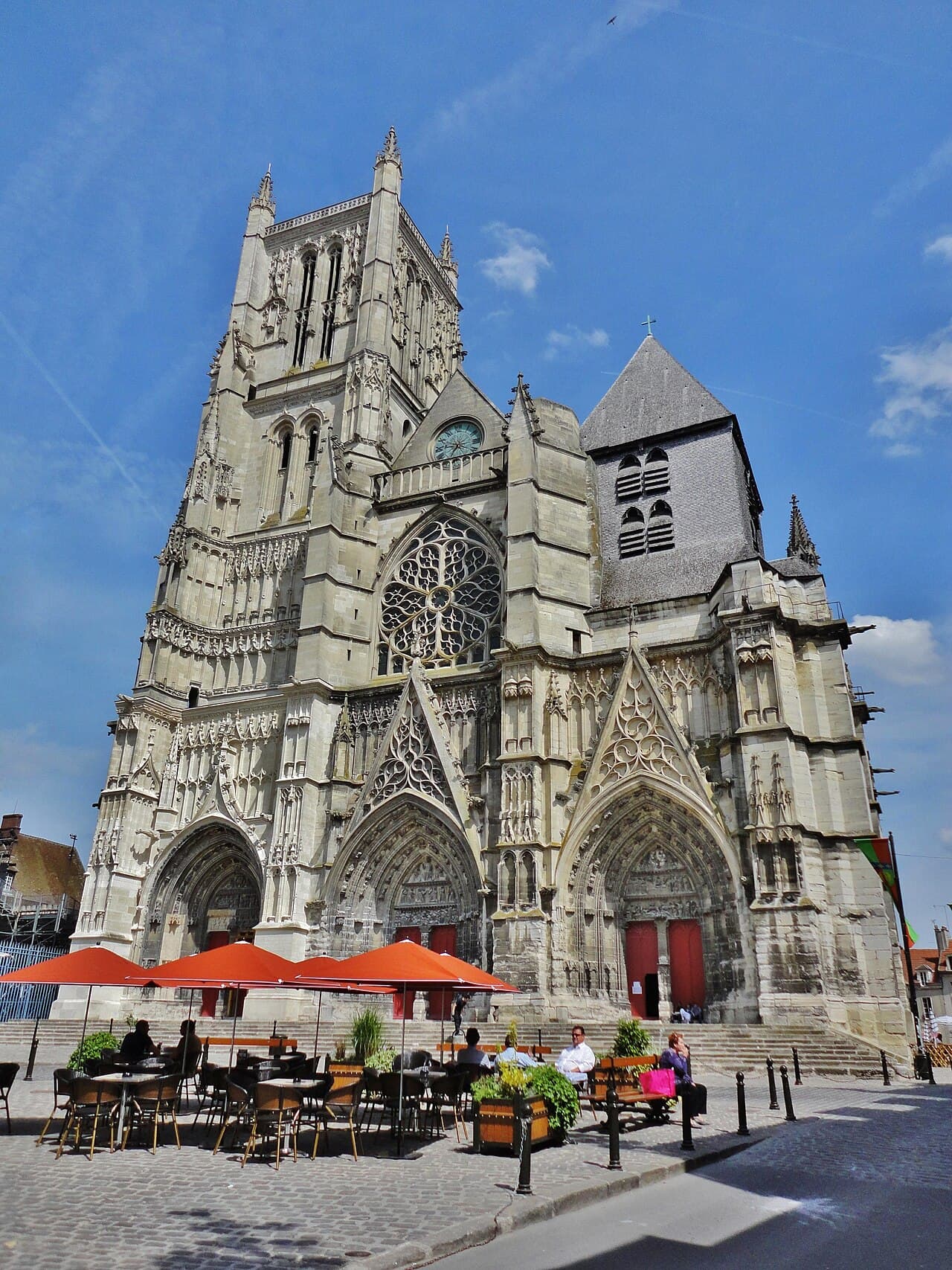 Religious site
Cathédrale Saint-Étienne de Meaux
Meaux
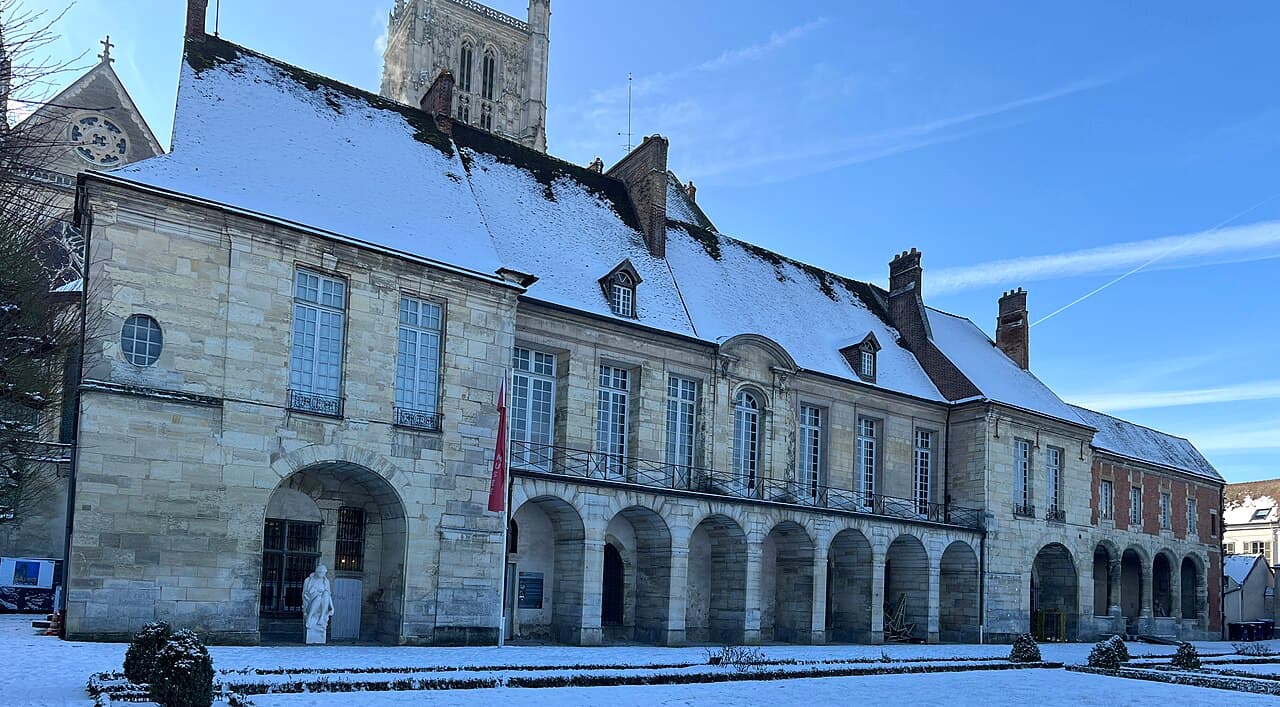 Museum
Musée Bossuet
Meaux
3.0nux
Meaux
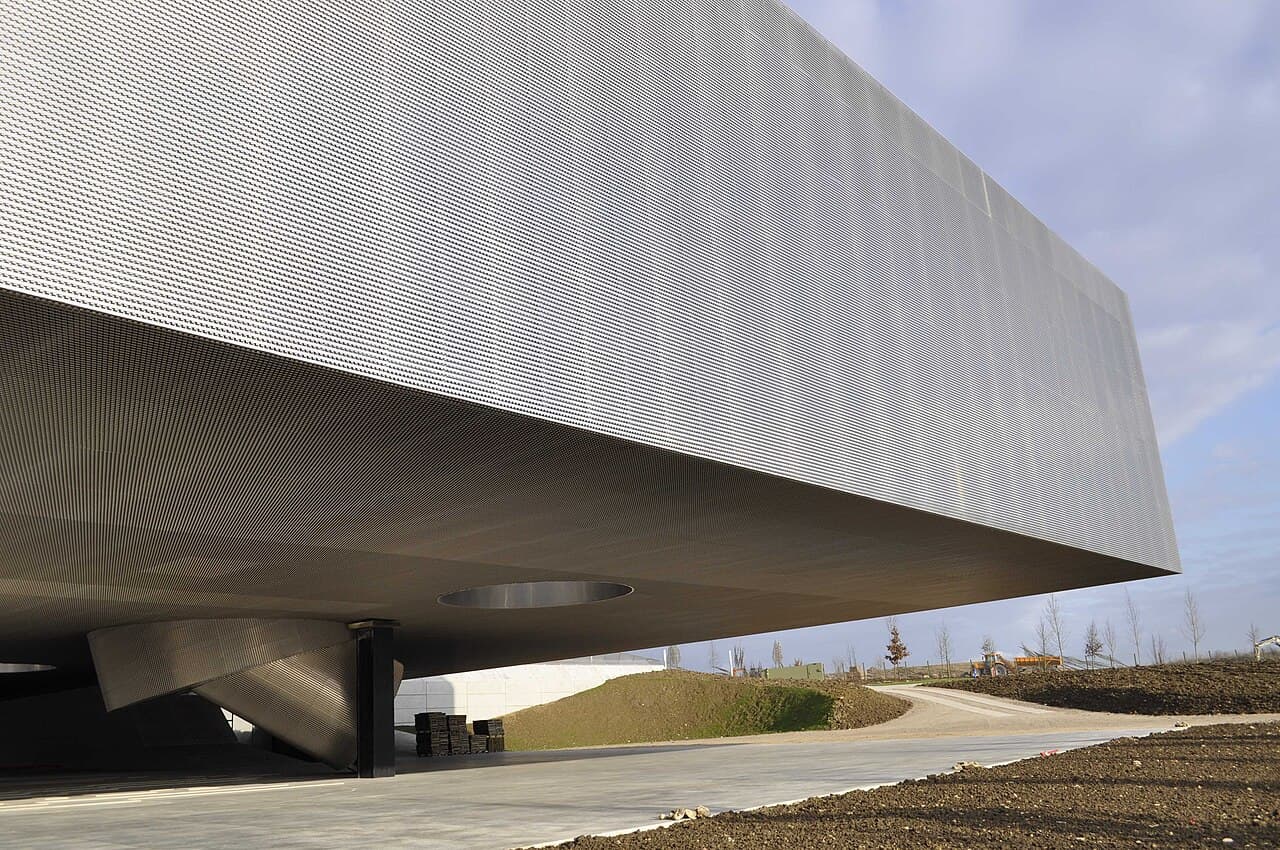 Museum
Musée de la Grande Guerre
Meaux
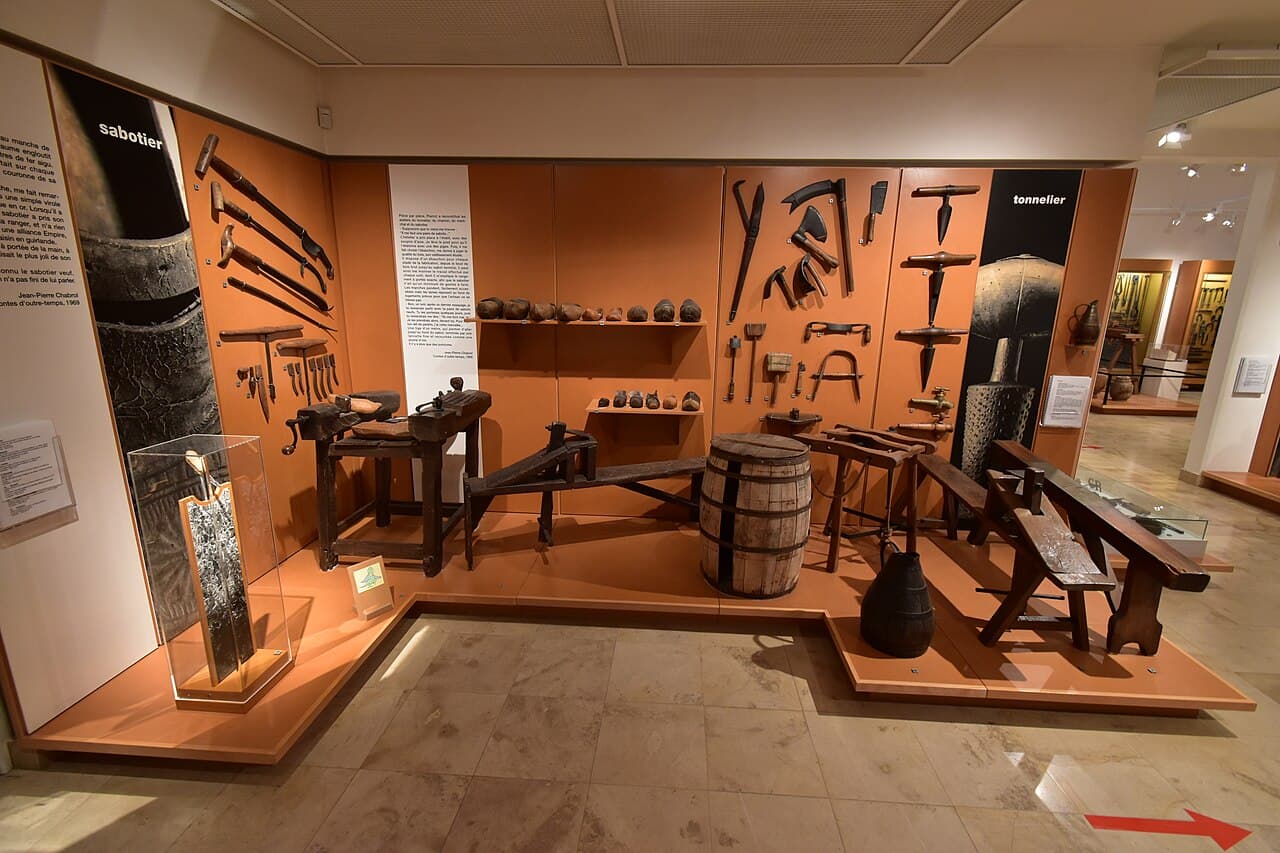 Museum
Musée des pays de Seine-et-Marne
Saint-Cyr-sur-Morin
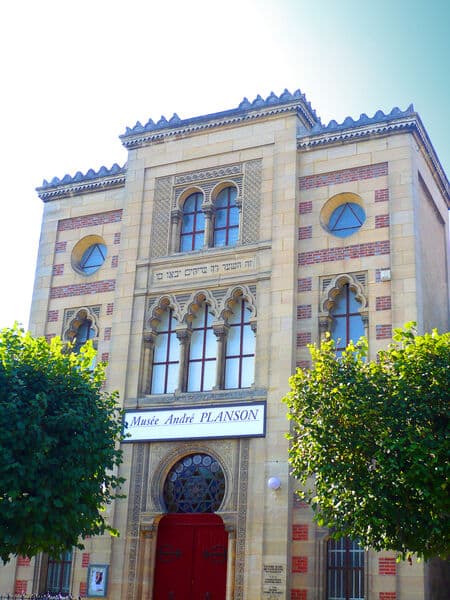 Museum
Musée André Planson
La Ferté-sous-Jouarre
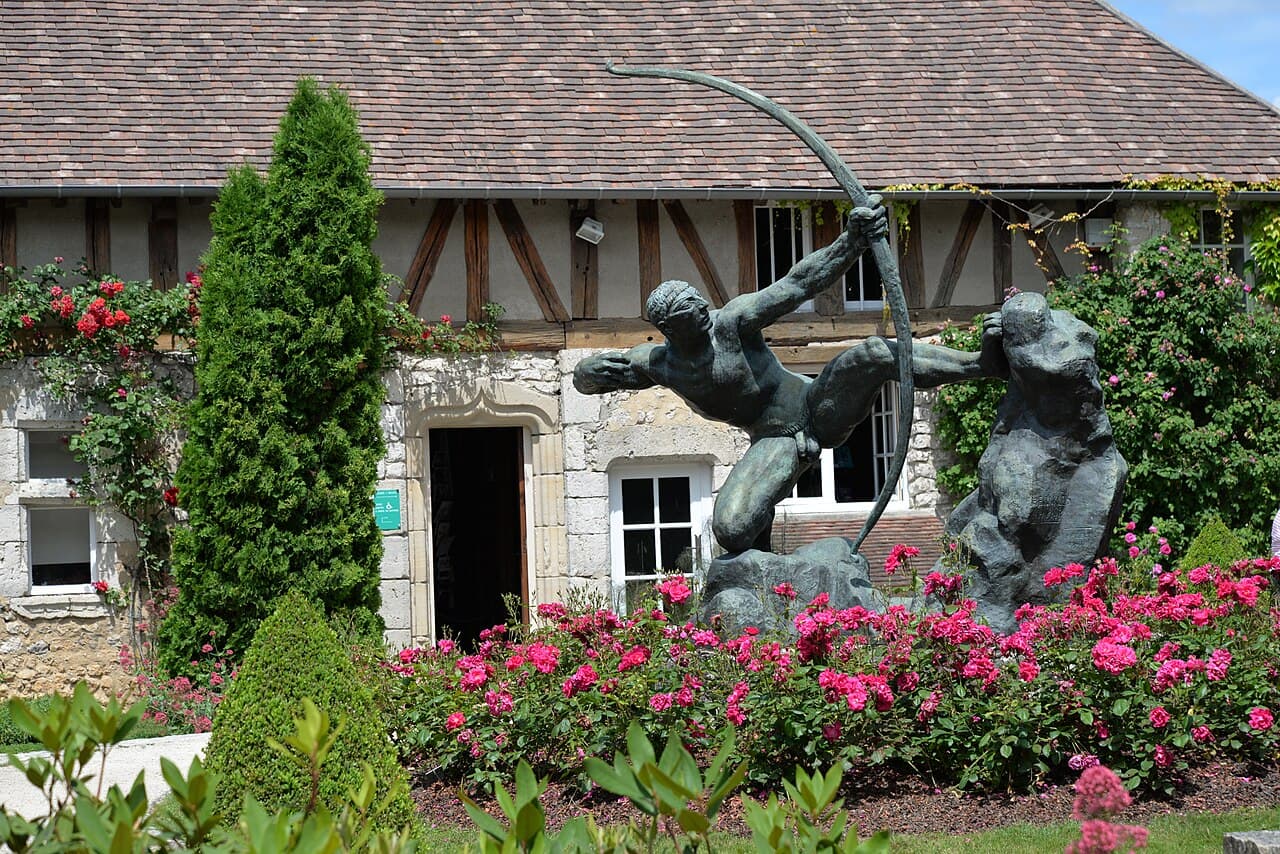 Museum
Musée-Jardin Départemental Bourdelle
Égreville
A Department Between Royal History and Rural Landscapes
Seine-et-Marne is the largest department in Île-de-France, and its scale shows in the diversity of its cultural sites: a former royal residence, a fortified medieval town, forest villages that once housed entire schools of painters, and industrial museums tied to aerospace manufacturing.
At its center stands the Palais et parc de Fontainebleau, a UNESCO World Heritage site and one of the few French royal residences continuously furnished since the Renaissance. Its collections are managed today by the Musée national du château de Fontainebleau, which holds Domain National status.
To the east, Provins, ville de foire médiévale preserves ramparts, towers and underground galleries from its heyday as a major medieval trade fair town, inscribed on the UNESCO list since 2001.
Cities and Towns Worth the Detour
Meaux combines its episodic role in French religious history with the Musée Bossuet, set within the Cité épiscopale alongside the Jardin Bossuet and the cathedral.
Melun, the department's préfecture, holds the Musée d'Art et d'Histoire de Melun, while Nemours pairs its Château-Musée de Nemours with the prehistory museum mentioned above, both housed in or near the town's medieval castle.
Barbizon and the Painters of the Forest
The village of Barbizon, on the edge of the Fontainebleau forest, gave its name to a mid-19th-century movement of landscape painters who worked outdoors, directly from nature. The Musée départemental des peintres de Barbizon occupies the former Auberge Ganne, where many of these artists lodged, alongside the studio-house of Théodore Rousseau.
Jean-François Millet, one of the movement's central figures, lived and worked nearby; his house and studio are preserved as the Maison Atelier de JF Millet. Barbizon today still gathers a concentration of galleries devoted to this legacy, including Besharat Gallery & Museum, Galerie d'art Roz in Winter, Galerie L'Angélus and Galaxie des Arts.
Painting was not the department's only artistic output: at Thomery, the Musée Rosa Bonheur preserves the studio of the animal painter Rosa Bonheur, while at Égreville the Musée-Jardin Départemental Bourdelle displays 58 bronzes by the sculptor Antoine Bourdelle.
Frequently asked questions
How much time should I plan for visiting the Palais et parc de Fontainebleau?
Allow at least half a day: two to three hours for the château's state apartments and museum, plus time to walk the gardens and carp-filled canal.
Is Barbizon worth visiting if I only have one day in Seine-et-Marne?
Yes — the village concentrates the Musée départemental des peintres de Barbizon, the Maison Atelier de JF Millet, and half a dozen galleries within a short walk, making it a compact stop before or after the Fontainebleau forest.
Are the museums in Seine-et-Marne accessible by public transport from Paris?
Fontainebleau, Melun, Meaux and Nemours are all reachable by direct train from Paris; Barbizon and Provins require an additional bus or short taxi ride from the nearest station.
What is the best time of year to visit Provins?
Late spring through September, when the ramparts and towers are open longer and the town's medieval festival (held in June) animates the streets; winter visits are quieter but some towers close earlier.
Is entry to these museums generally free?
It varies by site: the Musée national du château de Fontainebleau and the FRAC often offer free admission on certain days or for under-26s, while smaller municipal museums like the Musée Bossuet or Château-Musée de Nemours charge a modest entry fee.
Can I see contemporary art alongside the historical sites?
Yes — Galleria Continua in Boissy-le-Châtel and the FRAC Île-de-France site at Bussy-Saint-Martin both show contemporary work, complementing the department's historical museums and the Barbizon galleries.