Itinerary · Occitanie
Nîmes, Pont du Gard and Carcassonne: A 6-Day Roman and Cathar Road Trip
From the Maison Carrée in Nîmes to the Pont du Gard, then on through Uzès, Béziers, Narbonne and the Abbaye de Fontfroide to the Cité de Carcassonne, a road trip across two thousand years of history in Occitanie — Roman temples, aqueducts, cathedrals and a besieged citadel, tracing the crusade against the Cathars.
6 days · 11 stops · Road trip
Overview
Numbers follow the order of the route, day by day — the dashed line is indicative, not a precise driving route.
Day 1
Nîmes, Roman Antiquity
First stop at the Maison Carrée, a 1st-century Roman temple dedicated to Augustus's grandsons and one of the best-preserved in the world, then the neighbouring Musée de la Romanité, a glass building by Elizabeth de Portzamparc whose façade evokes the folds of a toga — mosaics, sarcophagi and statues from ancient Nemausus.
 Intact Roman temple
Heritage · Nîmes
La Maison Carrée de Nîmes
Located in the city of Nîmes in the Gard department of the Occitanie region, this Roman temple represents one of the best-preserved examples of Augustan…
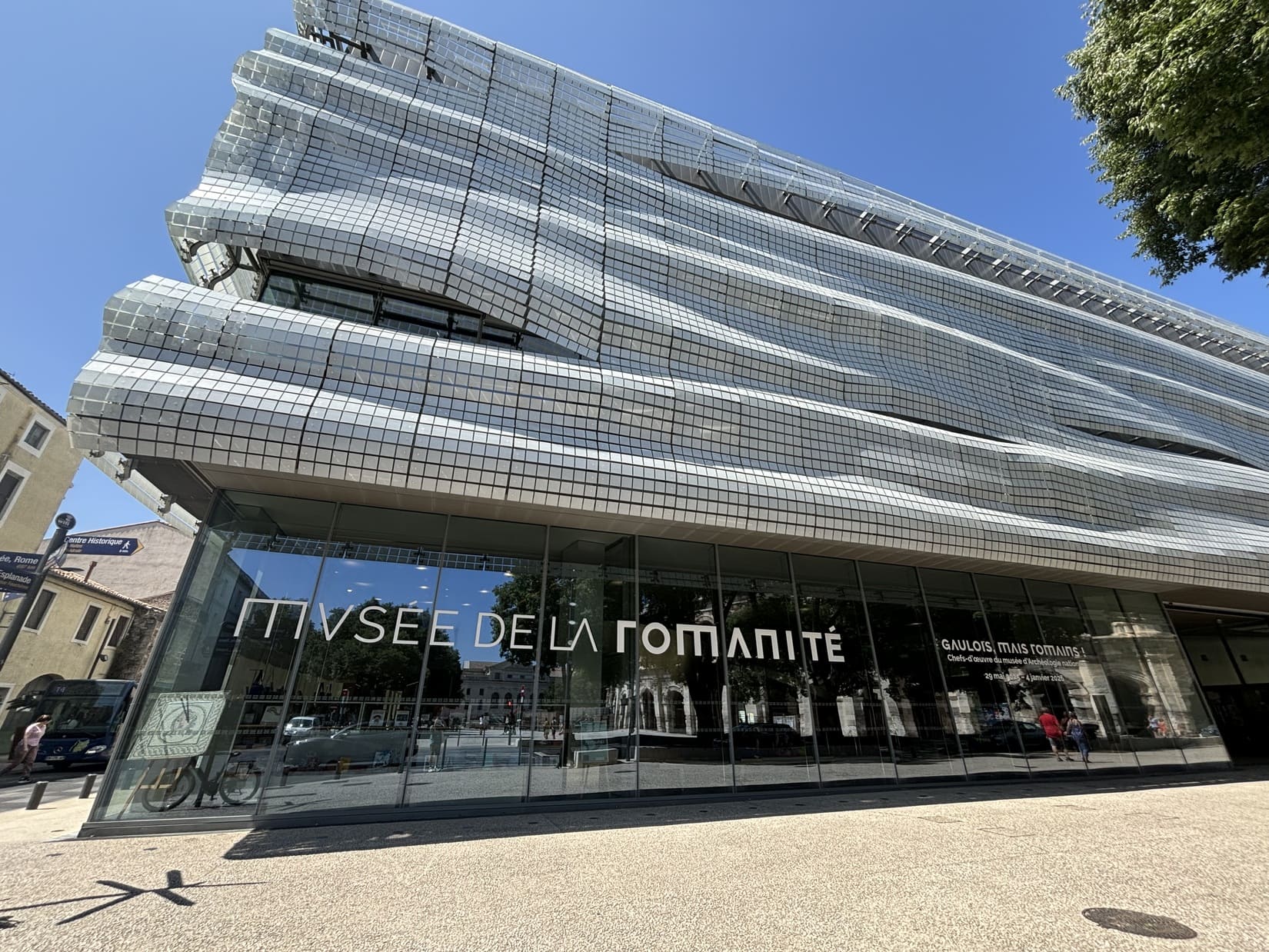 Ancient Nemausus
Museum · Nîmes
Musée de la Romanité
The Museum of Romanity is an archaeological museum located in Nîmes in the Gard department. It offers a journey through twenty-five centuries of history of the…
Day 2
Medieval Nîmes and the Pont du Gard
Morning at the Cathédrale Notre-Dame-et-Saint-Castor, rebuilt several times but still bearing an 11th-century Romanesque frieze on its façade depicting scenes from Genesis — then a half-hour drive to the Pont du Gard, the highest Roman aqueduct bridge ever built, part of the aqueduct that carried water from Uzès to Nîmes over nearly fifty kilometres.
 11th-century Romanesque frieze
Church · Nîmes
Cathédrale Notre-Dame-et-Saint-Castor
Cathédrale catholique romaine située à Nîmes, place aux Herbes, la cathédrale Notre-Dame-et-Saint-Castor est le siège épiscopal du diocèse de Nîmes, Uzès et…
 The highest Roman aqueduct bridge
Heritage · Vers-Pont-du-Gard
Pont du Gard (aqueduc romain)
Located near Vers-Pont-du-Gard in the Gard department of Occitanie, this Roman aqueduct stands as a significant example of civil engineering from the 1st…
Day 3
Uzès and the gateway to the Biterrois
In Uzès, the Cathédrale Saint-Théodorit leans against the Tour Fenestrelle, France's only round bell tower and the sole surviving part of the Romanesque church destroyed during the Wars of Religion — then nearly two hours' drive to Béziers and its Cathédrale Saint-Nazaire, perched on a cliff above the Orb and rebuilt in Gothic style after the 1209 fire, when the city was sacked by the crusaders.
 The Tour Fenestrelle
Church · Uzès
Cathédrale Saint-Théodorit d'Uzès
La cathédrale Saint-Théodorit d'Uzès est un édifice de style classique situé place de l'Évêché à Uzès, dans le Gard. Elle est le siège du culte catholique pour…
 Rebuilt after 1209
Church · Béziers
Cathédrale Saint-Nazaire de Béziers
Cathédrale gothique méridionale dominant la ville de Béziers, la cathédrale Saint-Nazaire succède à un temple romain et à une église romane détruite en 1209…
Day 4
Béziers and Narbonne, on the Via Domitia
The Musée du Biterrois traces the history of Béziers from Antiquity to the modern Languedoc vineyard, before a half-hour drive to Narbonne, the first Roman colony in Gaul, founded in 118 BC and capital of Gallia Narbonensis — the Musée Narbo Via, opened in 2021 in a building by Foster + Partners, houses France's largest collection of inscribed Roman stones, found along the Via Domitia.
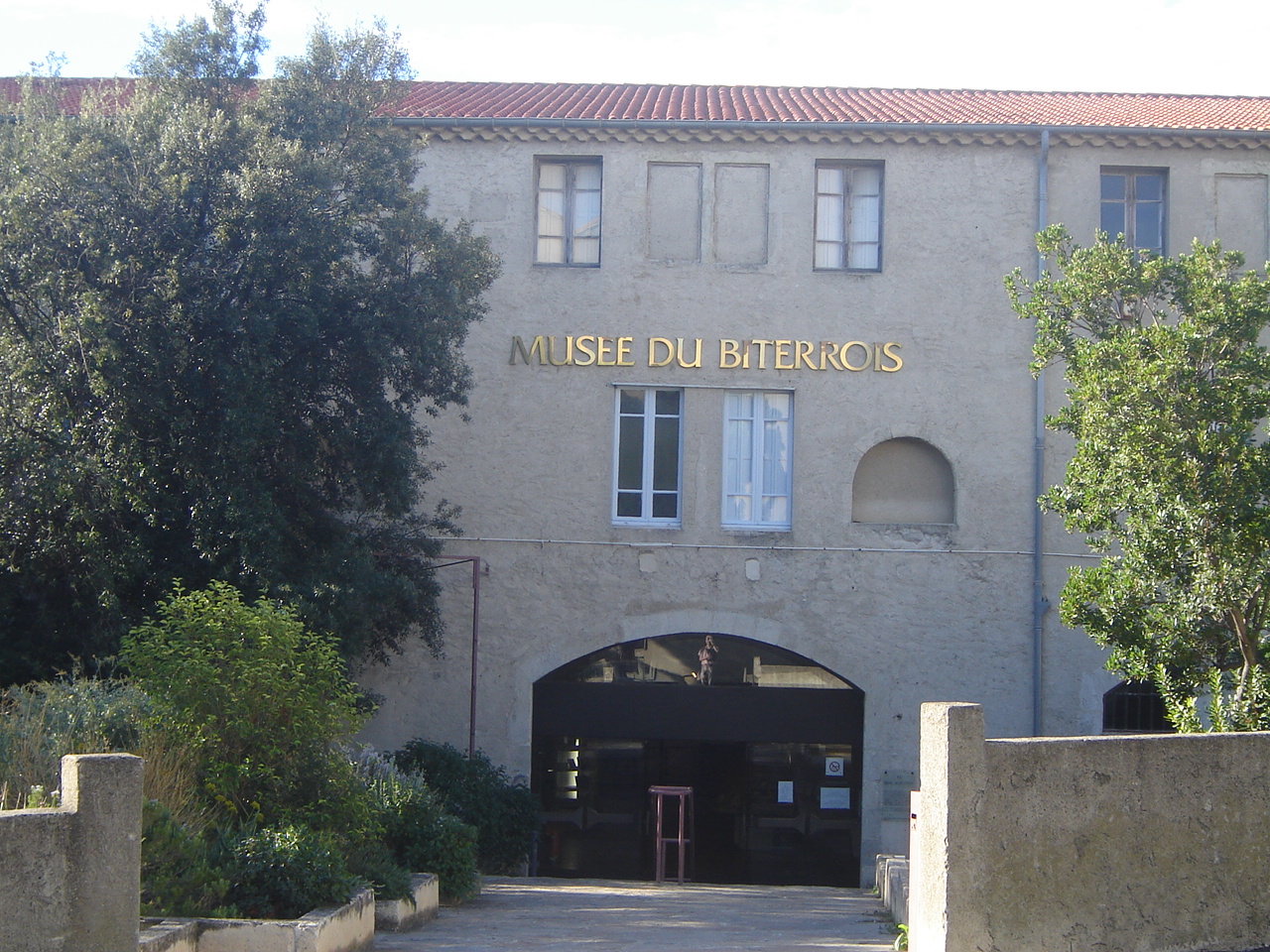 Ancient and wine-growing Béziers
Museum · Béziers
Musée du biterrois
The Biterrois Museum is one established in Béziers in Hérault. It is dedicated to the heritage and local history of the Biterrois region. The museum is part of…
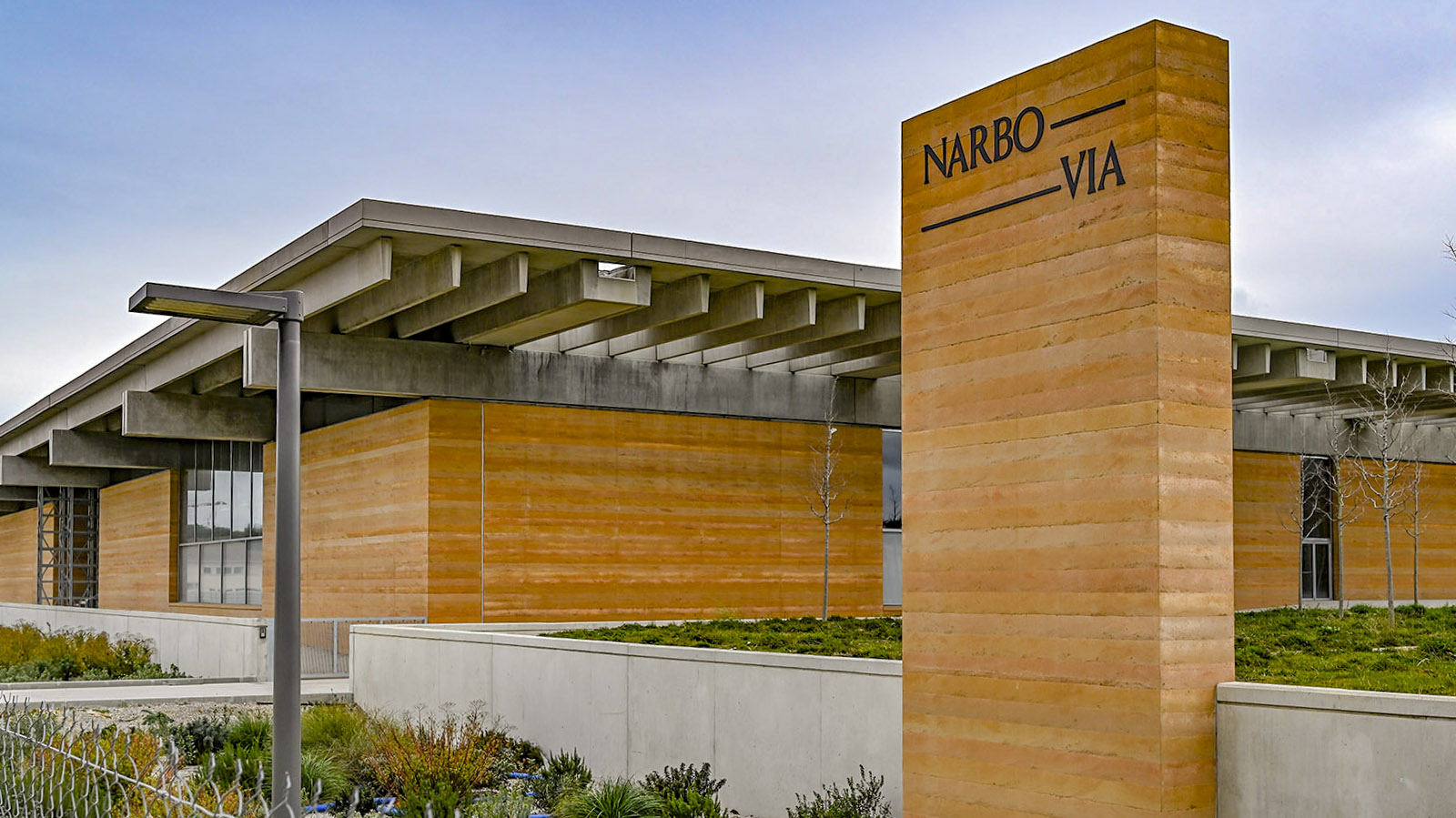 Capital of Gallia Narbonensis
Museum · Narbonne
Musée Narbo Via
Narbo Via is a site museum located in Narbonne in Aude. It dedicates its collections to Roman antiquity and offers its programs across three geographic…
Day 5
Fontfroide, the abbey that triggered the crusade
About twenty minutes south of Narbonne, the Cistercian Abbaye de Fontfroide, founded in 1093, ranks among the best preserved in France — cloister, rose garden and monastic buildings almost intact. One of its monks, Pierre de Castelnau, who became a papal legate, was assassinated in 1208 near the Rhône: a murder that Pope Innocent III used as the pretext to launch the crusade against the Cathars.

Day 6
Carcassonne, the besieged city
The final stop is the Cité de Carcassonne, Europe's largest medieval fortified enclosure: its double ramparts and château comtal, seat of the Trencavel viscounts who sheltered the Cathars, fell after a two-week siege in August 1209. Within the walls, the Basilique Saint-Nazaire, a former cathedral turned basilica in 1898, holds stained-glass windows among the oldest in southern France.
 The 1209 siege
Castle · Carcassonne
Cité de Carcassonne et château comtal
La cité de Carcassonne, située en Aude en Occitanie, est une fortification médiévale comportant un château comtal et un système de remparts. Cet ensemble est…
 Medieval stained glass
Church · Carcassonne
Basilique Saint-Nazaire de Carcassonne
La basilique Saint-Nazaire-et-Saint-Celse de Carcassonne est une ancienne cathédrale située dans la cité fortifiée de Carcassonne, en Aude. Édifice de…
Looking for something else?
Filter by region, genre or duration to find the itinerary that fits.
See all itineraries