Itinerary · Occitanie
Montpellier for Two: 4 Days Between the Musée Fabre and Mediterranean Follies
From the Bruyas donation at the Musée Fabre to the Antwerp tapestries of Château de Flaugergues, a romantic itinerary tracing four centuries of Montpellier taste — a cathedral with a baldaquin porch, private mansions in the Écusson, wine-country follies and southern light, without ever rushing from one stop to the next.
4 days · 8 stops · Romantic
Overview
Numbers follow the order of the route, day by day — the dashed line is indicative, not a precise driving route.
Day 1
Medieval Montpellier, from the cathedral porch to the Hôtel des Trésoriers
The baldaquin porch of Cathédrale Saint-Pierre, held up by two cylindrical piers over four metres across, is one of the few remnants of the Benedictine monastery that became a cathedral in 1536 — a five-minute walk away through the Écusson, the Hôtel des Trésoriers de France, built in the 15th century for Jacques Cœur's own silversmith, has housed the Musée du Vieux Montpellier's local history collection since 1992.
 14th-century baldaquin porch
Church · Montpellier
Cathédrale Saint-Pierre de Montpellier
Cathédrale Saint-Pierre de Montpellier, édifice de style gothique méridional situé au cœur de la ville, dans l'Hérault. Siège de la paroisse cathédrale, elle…
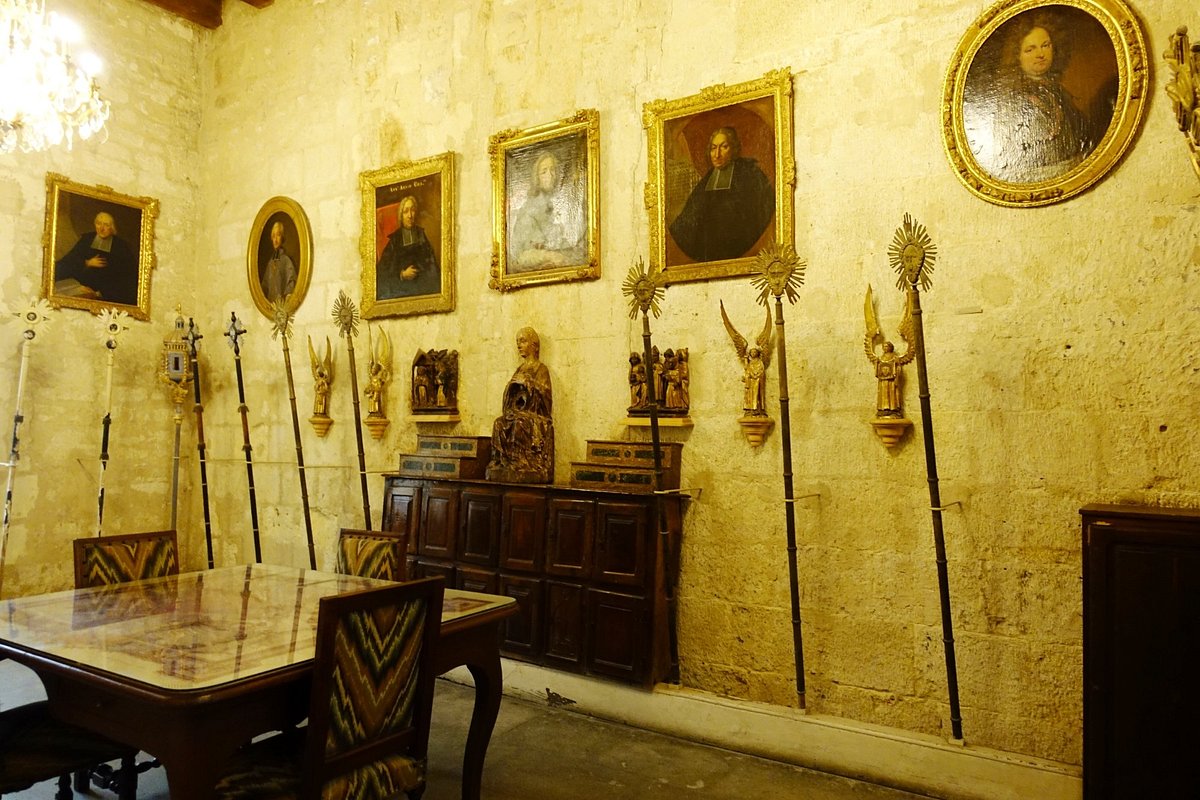 From prehistory to the 19th century
Museum · Montpellier
Musée du vieux Montpellier
The Museum of Old Montpellier is an institution bearing an official label under the Heritage Code. Located in Montpellier in Hérault, it is part of the…
Day 2
The Musée Fabre, a whole day for one collection
A whole day for the museum founded in 1828 by Montpellier-born painter François-Xavier Fabre: collector Alfred Bruyas's 1868 donation brought in Courbet, Delacroix, Géricault and Ingres, before a renovation by architects Brochet and Nebout gave the galleries back their light in 2007 — a short walk away, the Pavillon Populaire, an elegant 1891 neo-renaissance pavilion on the esplanade, closes the day with major photography exhibitions.
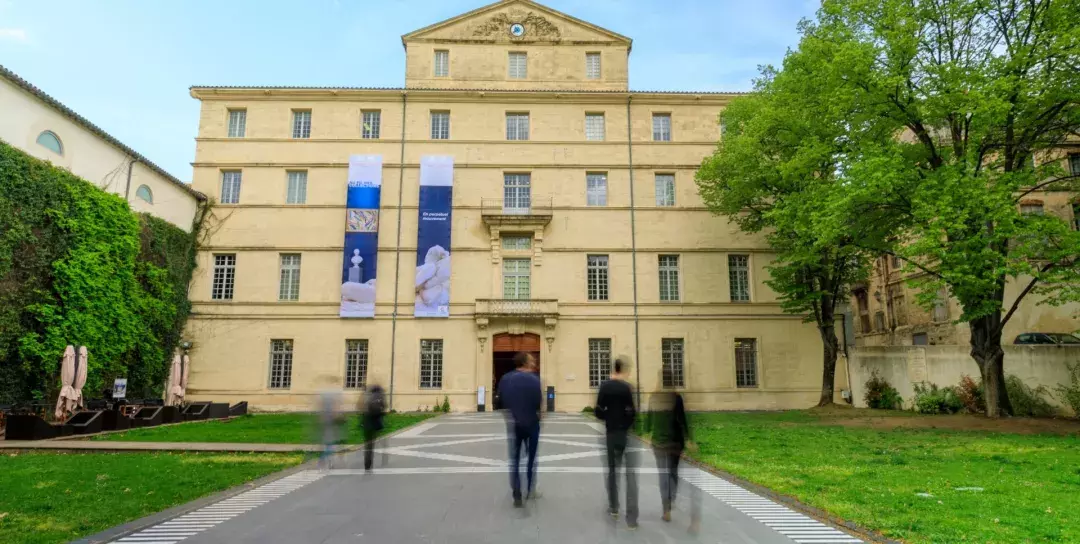 The Bruyas donation, Courbet in majesty
Museum · Montpellier
Musée Fabre
The Fabre Museum is a museum establishment located in Montpellier, in the Hérault department, in the Occitanie region. Holding the "Musées de France" label…
 Photography on the esplanade
Museum · Montpellier
Pavillon Populaire
Le Pavillon Populaire est un espace d'art photographique municipal situé à Montpellier, en Occitanie, ouvert gratuitement au public. Institution de référence…
Day 3
Montpellier's follies, gardens and tapestries
The eldest of Montpellier's folies, Château de Flaugergues has stood among its vineyards since 1696; its Antwerp-woven tapestries depicting the life of Moses are listed historical monuments, and the house, still lived in by Colbert's descendants, reads like a stone-bound novel. Not far off, Château d'O, an 18th-century folly commissioned by the intendant de Saint-Priest, hides an open-air theatre beneath its trees that has hosted the Printemps des Comédiens festival every June since 1987.
 Antwerp tapestries and centuries-old vines
Castle · Montpellier
Château de Flaugergues
Le château de Flaugergues est une folie montpelliéraine du XVIIe siècle, située à Montpellier en Hérault. Le domaine, dont le vignoble est attesté depuis 1696,…
 Listed gardens and open-air theatre
Castle · Montpellier
Château d'O
Le Château d'O est une ancienne « Folie » montpelliéraine, maison de campagne édifiée au xviiie siècle pour les riches bourgeois de la ville. Après la…
Day 4
Decorative arts and art today
Bourgeois 19th-century Montpellier closes in on itself at the Hôtel Cabrières-Sabatier d'Espeyran, built in 1873 and bequeathed to the city in 1967 by its last owner: its sumptuously restored reception rooms now form the Musée Fabre's decorative arts department. To end the stay on a livelier note, the Frac Occitanie Montpellier, founded in the early 1980s, unfolds a collection of over 1,500 works, from an August Sander photograph to the most recent installations.
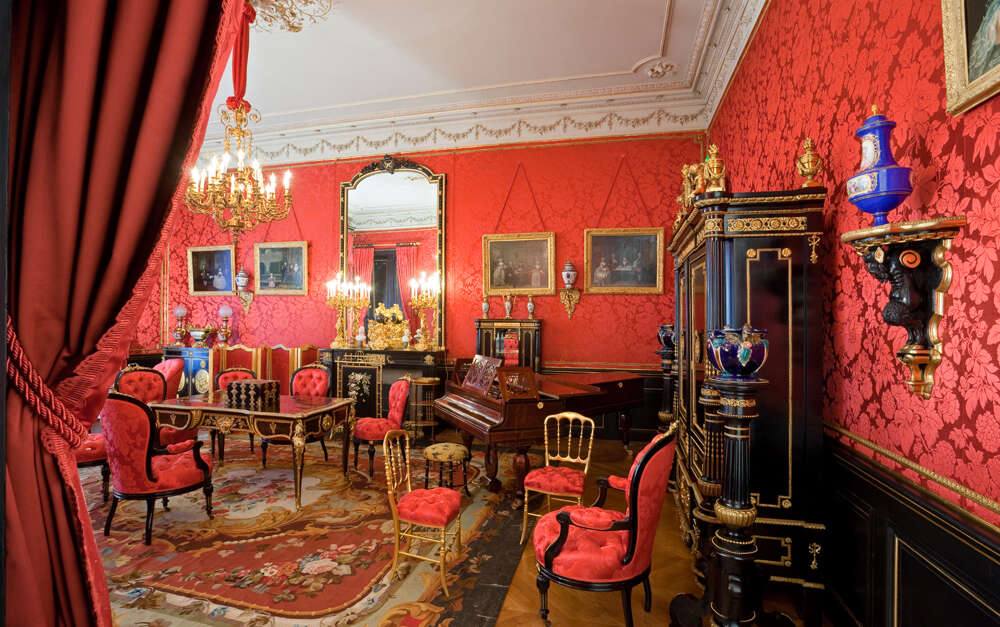 19th-century rooms, bequeathed to the city
Museum · Montpellier
Musée de l'hôtel d'Espeyran
The Espeyran Hotel Museum is a House of Famous People. Located in Montpellier in Hérault, it occupies a private mansion and is part of the enhancement of…
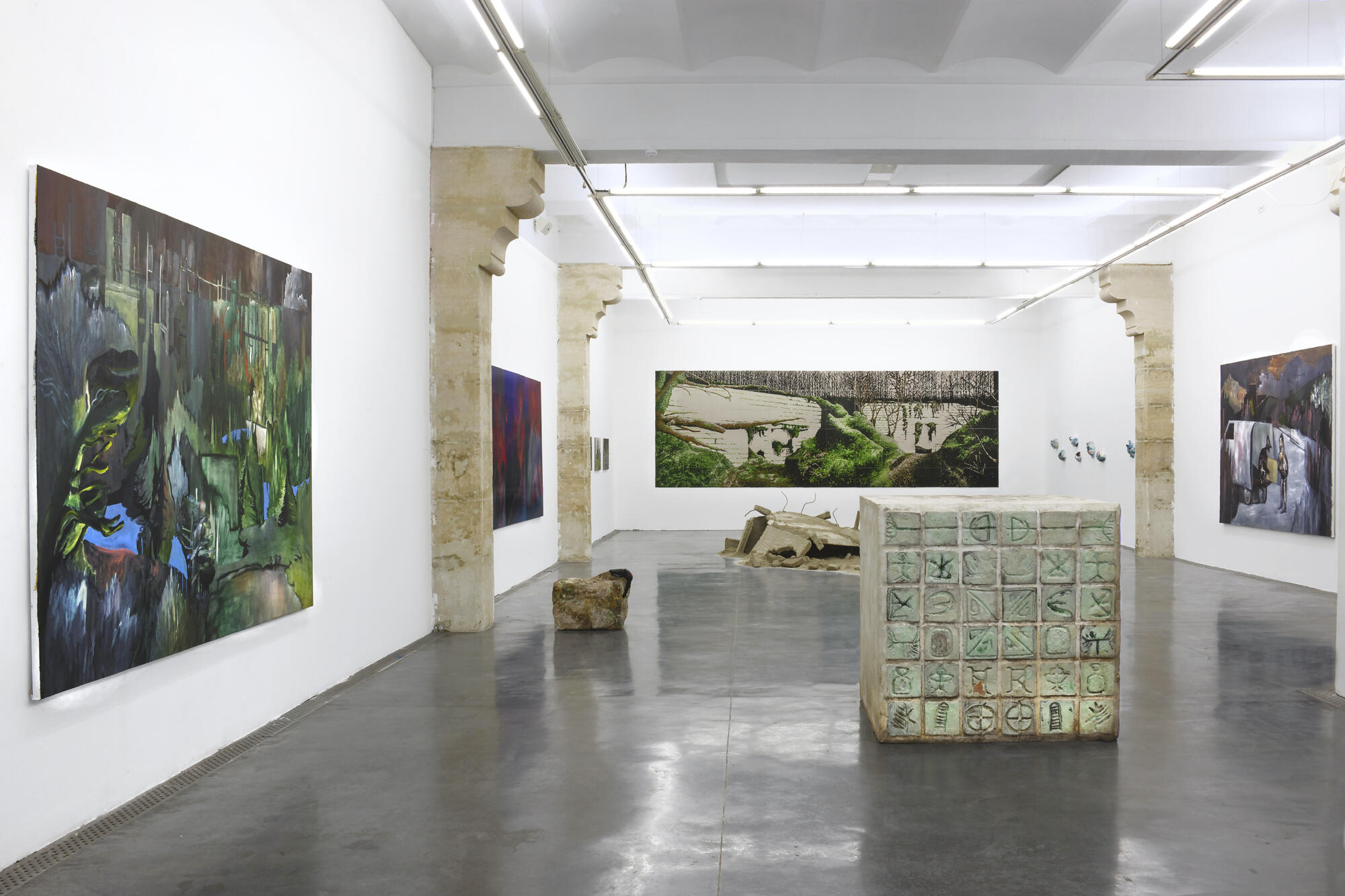 1,500 works of contemporary art
Museum · Montpellier
FRAC OCCITANIE MONTPELLIER
Le Frac Occitanie Montpellier est un fonds régional d'art contemporain, établissement public dédié à la conservation, l'étude et la diffusion de l'art…
Looking for something else?
Filter by region, genre or duration to find the itinerary that fits.
See all itineraries