25 museums · 19 galleries
Vendée: Museums, Art Galleries and Heritage Sites
Explore museums, galleries and heritage sites in Vendée, in Pays-de-la-Loire.
A Department Shaped by Sea, Marshland and Memory
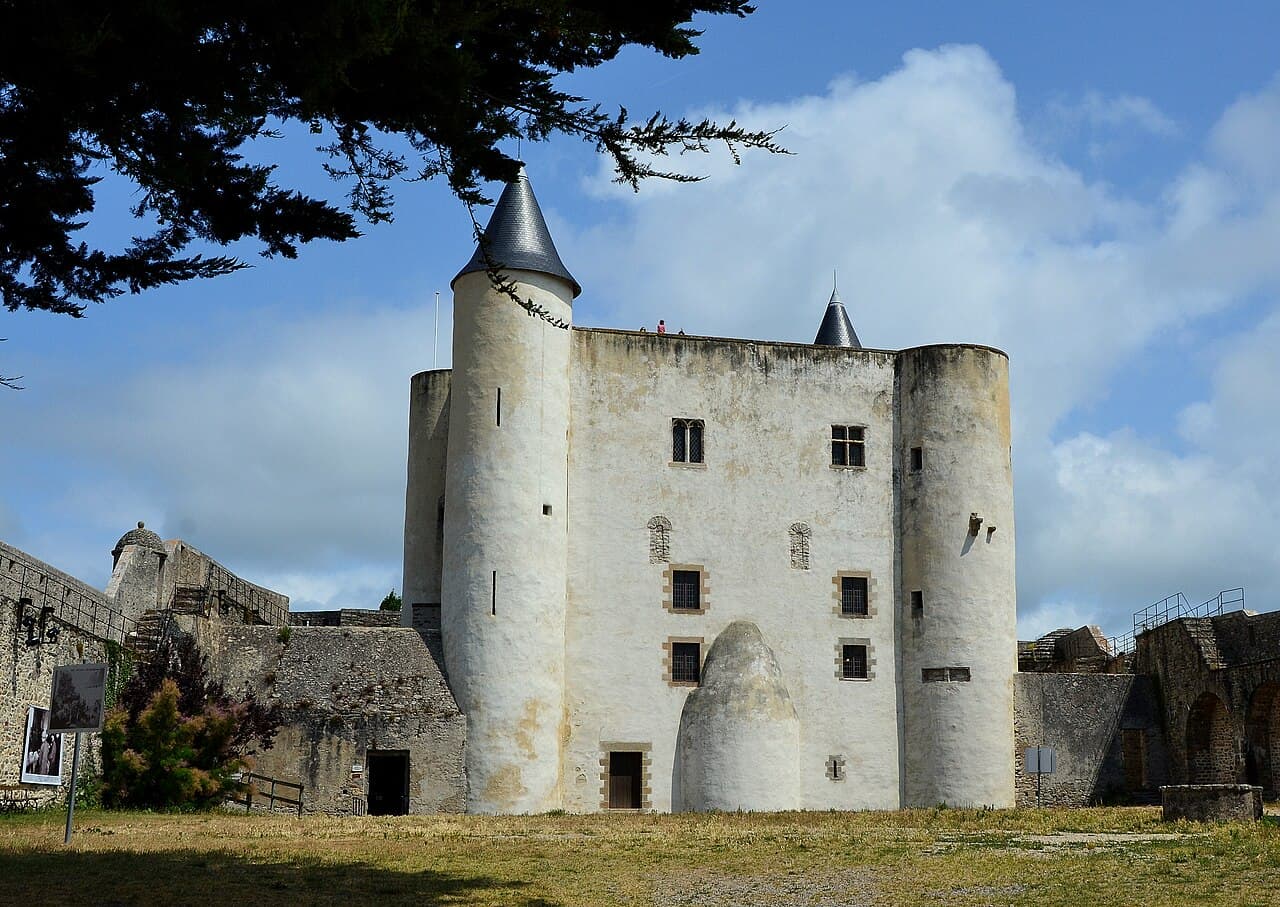
Vendée, part of the Pays-de-la-Loire region, pairs a rugged Atlantic coast with quiet inland valleys, a duality reflected in its museums. On the island of Noirmoutier, the Château de Noirmoutier has overlooked the salt marshes and oyster beds for more than eight centuries, its keep dating back to the late 12th century under Pierre V de la Garnache.
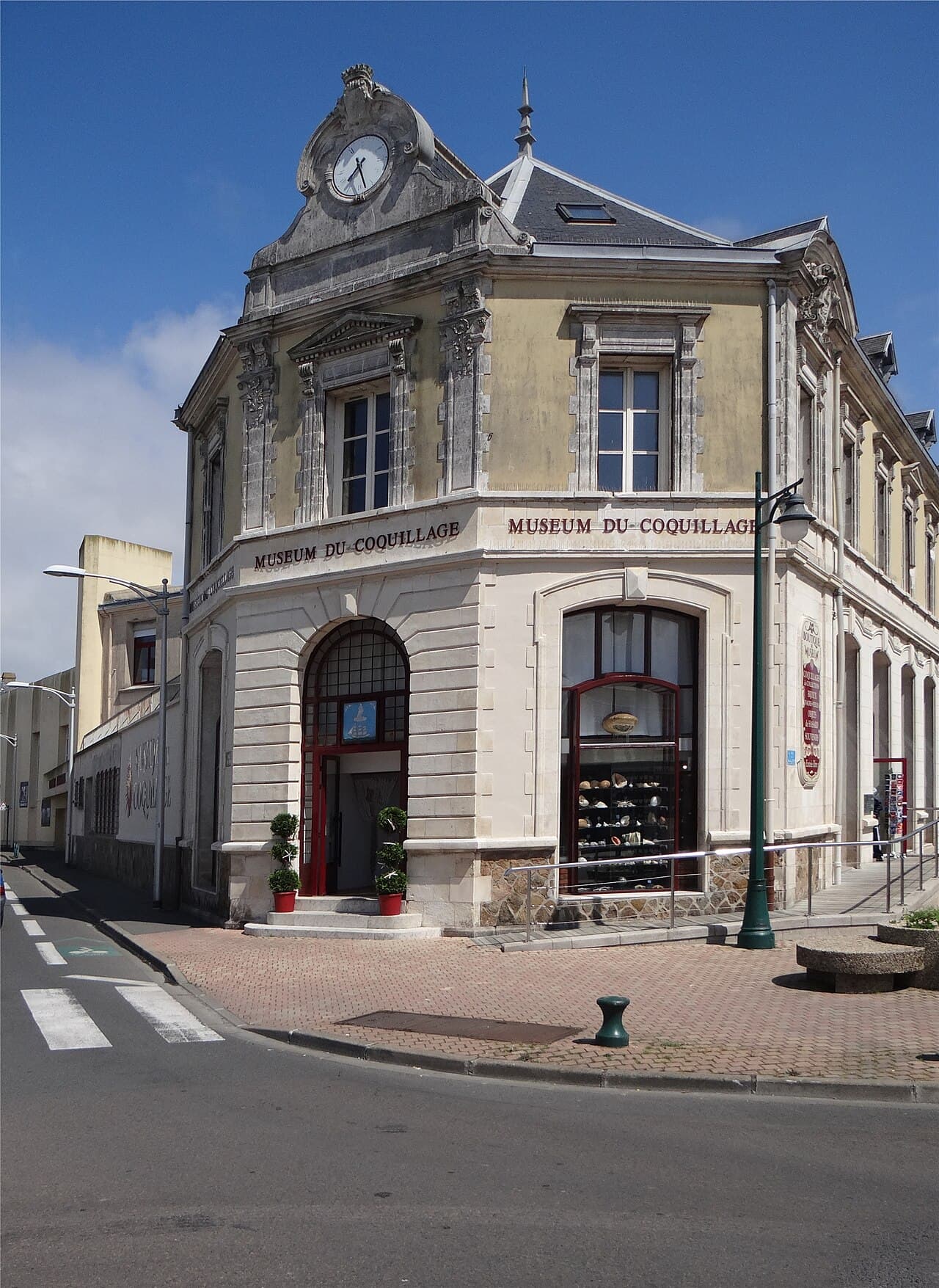
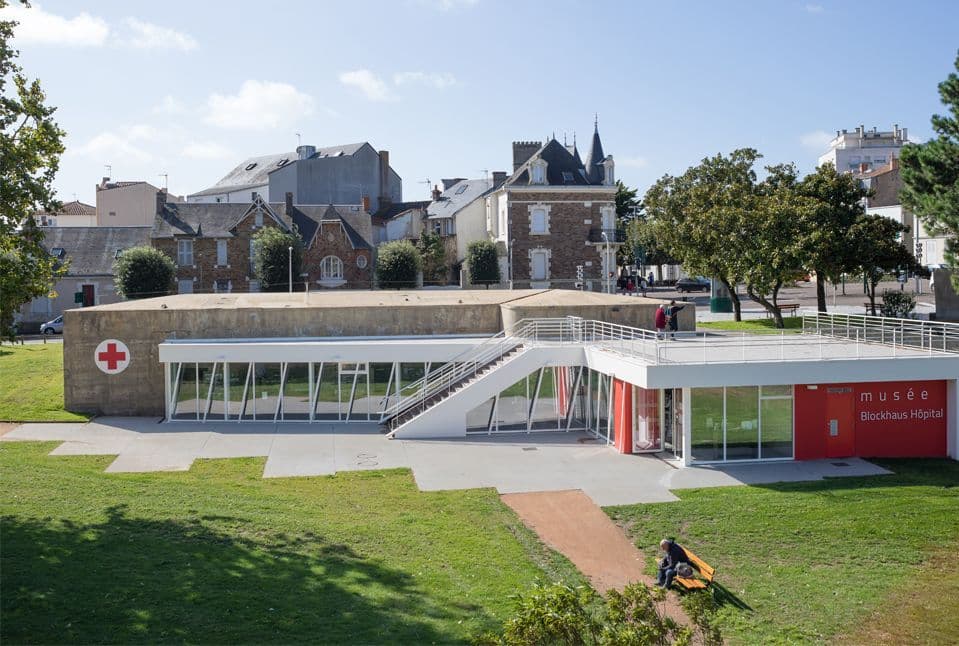
The coastal town of Les Sables-d'Olonne concentrates several distinctive sites within a small perimeter: the Muséum du Coquillage displays around 50,000 shells, corals and marine minerals across five thematic units, while the Musée du Blockhaus Hôpital occupies an intact 1943 German bunker converted into a museum on the Second World War.
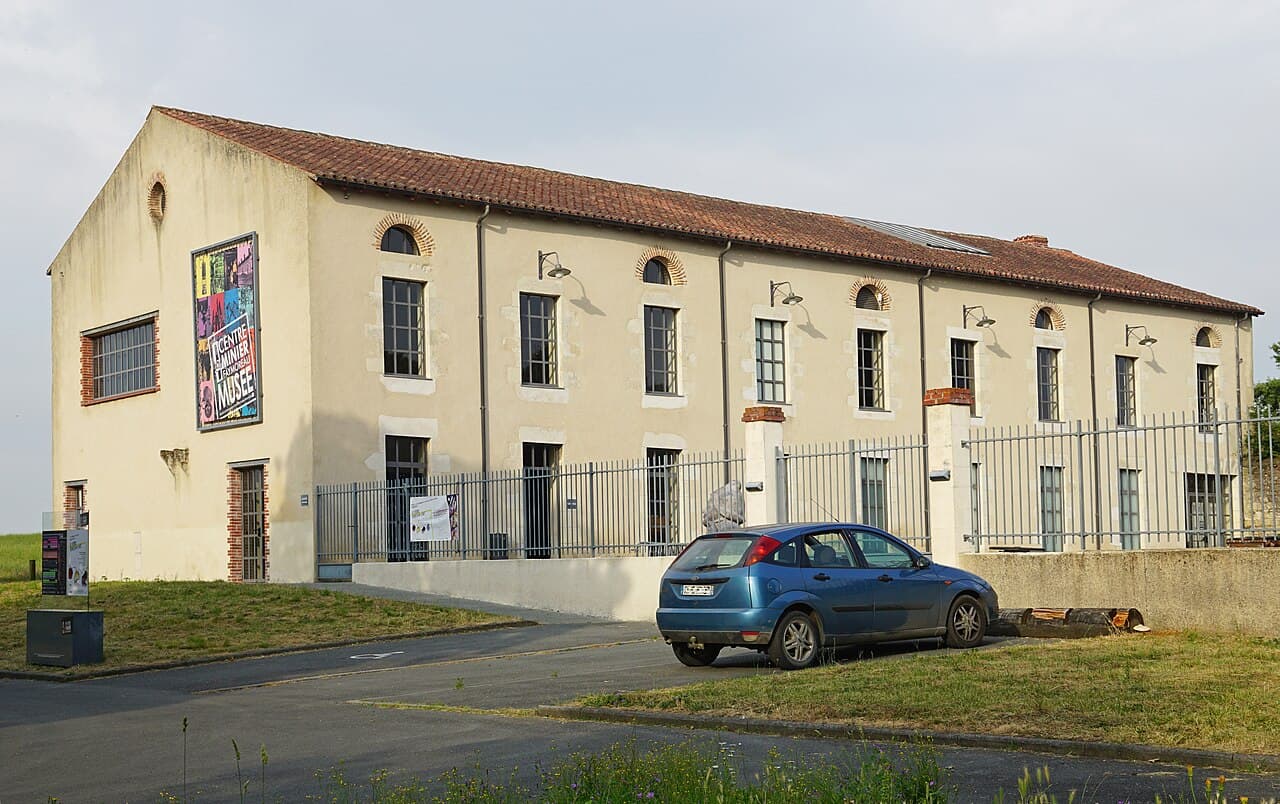
Further inland, Vendée's industrial and scientific past surfaces in unexpected places: the Centre Minier de Faymoreau retraces coal mining across Vendée and Deux-Sèvres, the Manoir des Sciences de Réaumur is devoted to the 18th-century naturalist René-Antoine Ferchault de Réaumur, and the Musée du Mange-Cailloux in Mortagne-sur-Sèvre offers a playful approach to mineralogy inside a former school.
Cities & region
Museums to discover
25 museums, from major institutions to local collections.
Galleries to discover
19 contemporary and modern art galleries.


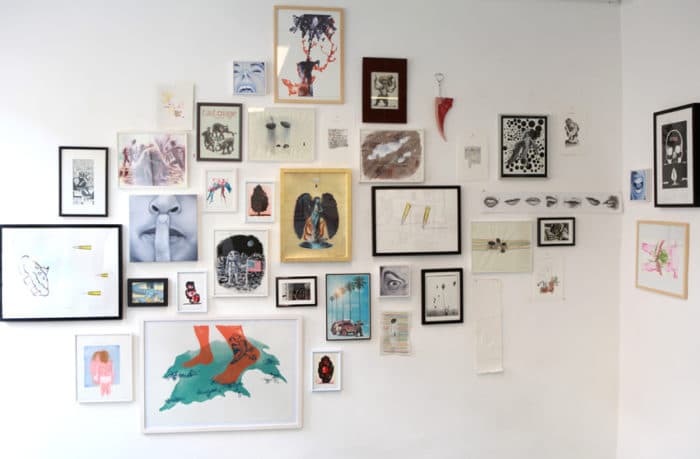
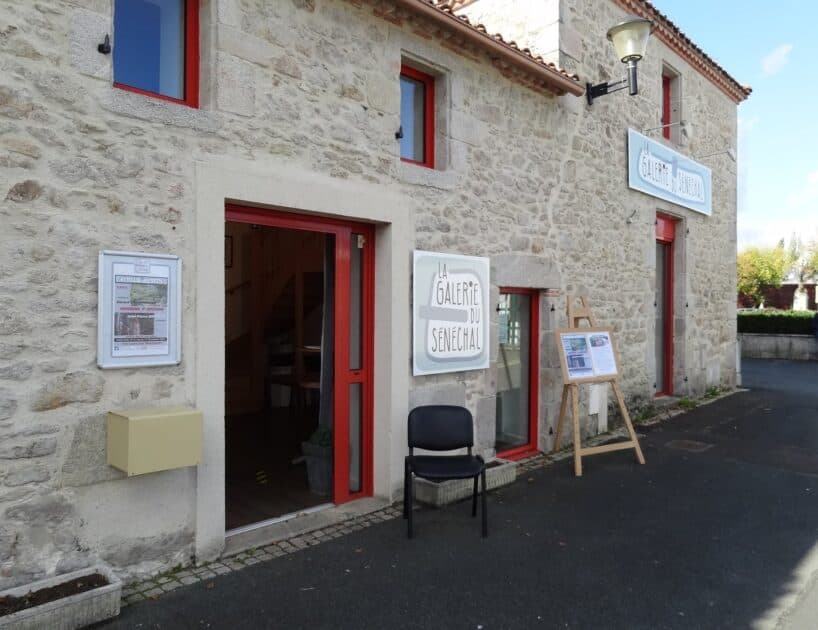
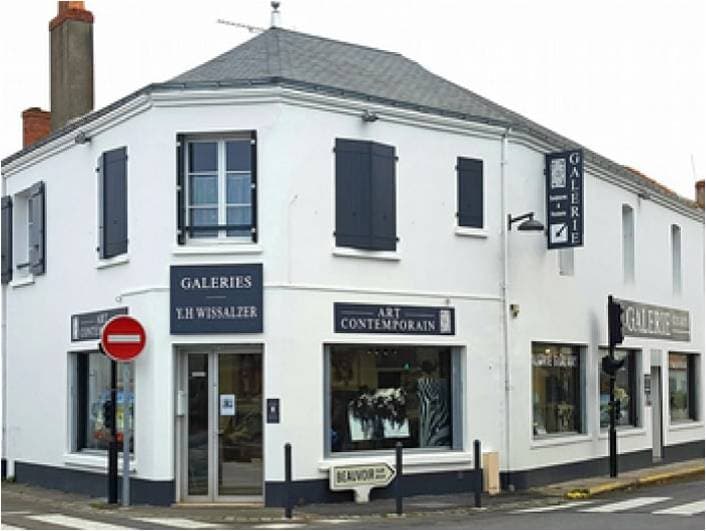


Contemporary Art Scene: Les Sables-d'Olonne, Noirmoutier and L'Île-d'Yeu
Les Sables-d'Olonne has become Vendée's densest gallery district, with spaces such as Triptyque Galerie, Le Phare Boréal, General Art Zone (Gaz), Le 36 Galerie d'Artistes and the artist's studio Atelier/Galerie Bois des Sables - Joël Mouëllo, clustered around the town's harbor and beachfront streets.
The island of Noirmoutier holds its own concentration of small galleries within Noirmoutier-en-l'Île, including Galerie d'art Florence B, Galerie Gus'arts Wissalzer and Galerie Georges Bessière, easily combined with a visit to the island's château.
On L'Île-d'Yeu, reached by boat, a smaller but distinctive scene includes Le 20 Bis, Galerie treize, Galerie Blanche éphémère and La maison des quais, alongside the island's own Musée de la Pêche dedicated to maritime fishing traditions.
Artists' Houses and Personal Museums
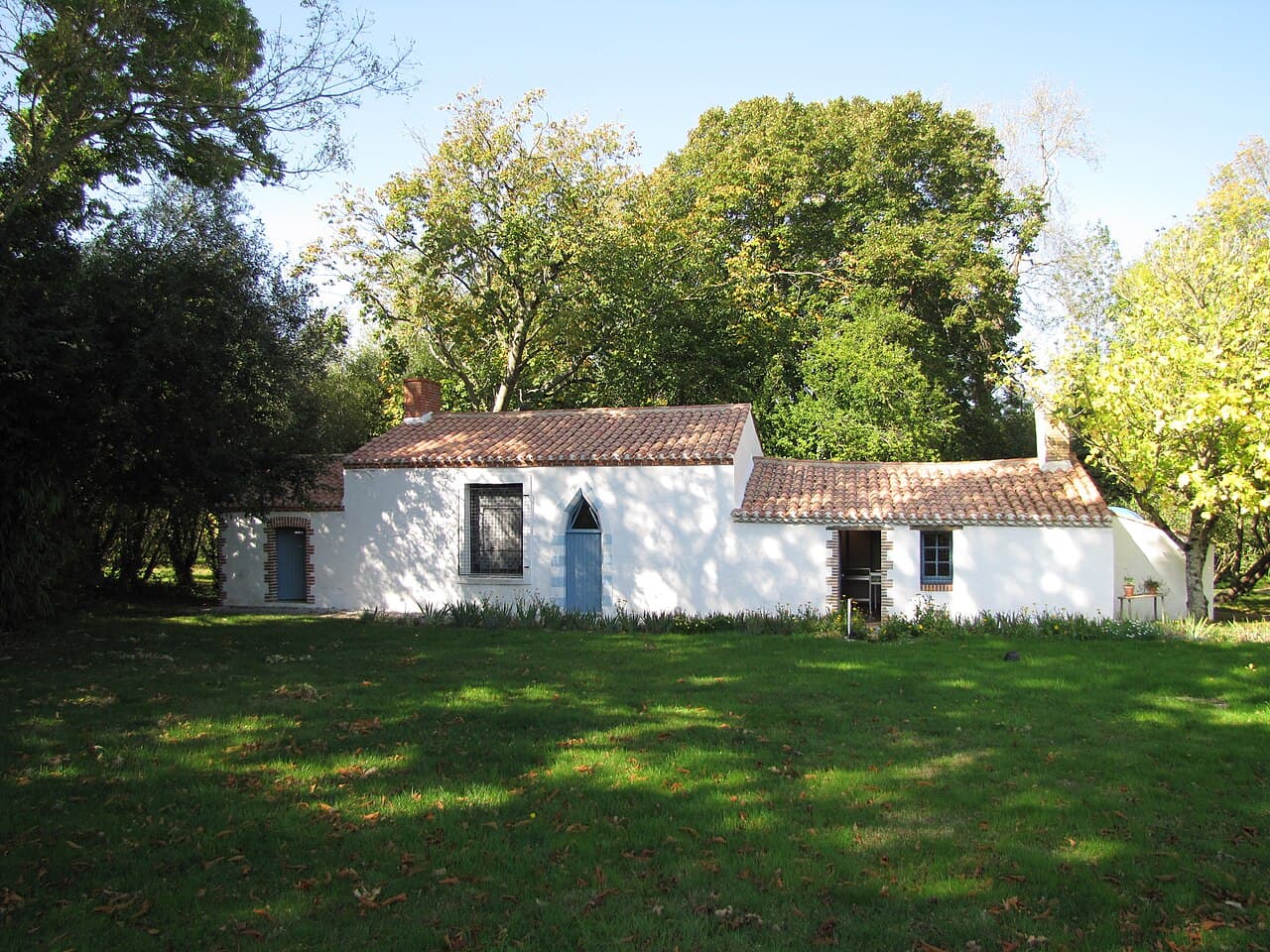
Vendée has preserved several homes turned museums dedicated to figures who shaped its identity. In Soullans, the Musée Charles Milcendeau occupies the historic house of the painter Charles Milcendeau, tracing his life and work. In Sainte-Florence, the Espace Gaston Chaissac commemorates the artist Gaston Chaissac, who lived and worked in the area during the 1950s.
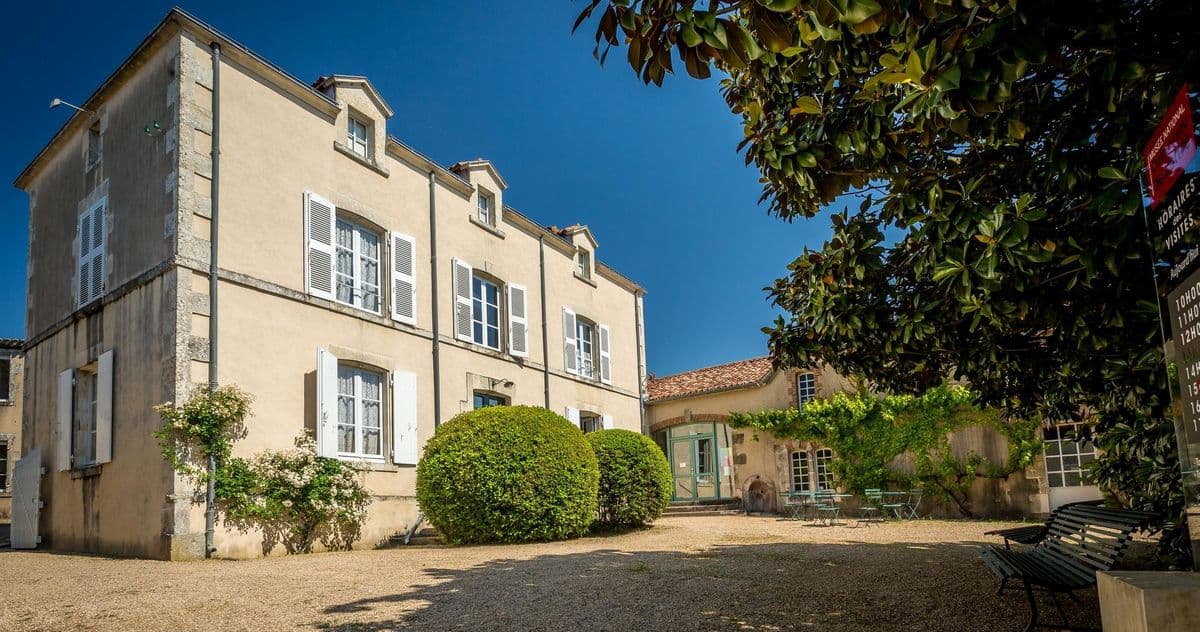
In Mouilleron-Saint-Germain, the Musée national Clemenceau-De Lattre brings together two birthplaces: that of statesman Georges Clemenceau, born in 1841, and that of Marshal Jean de Lattre de Tassigny, offering insight into two figures central to French history.
Vendée on the map
Museums, galleries and heritage, at a glance.
44 results
Frequently asked questions
How much time should I plan for visiting the Château de Noirmoutier?
Count on roughly one to one and a half hours, including the keep, ramparts and the small museum inside the castle.
Which Vendée museum is best for families with children?
The Musée du Mange-Cailloux in Mortagne-sur-Sèvre and the Muséum du Coquillage in Les Sables-d'Olonne both offer hands-on, accessible presentations well suited to younger visitors.
Is it possible to visit several galleries in Les Sables-d'Olonne in a single afternoon?
Yes, most galleries such as Triptyque Galerie, Le Phare Boréal and General Art Zone (Gaz) are within short walking distance of each other near the town center and harbor.
What is the best time of year to visit museums on L'Île-d'Yeu?
Spring and early autumn offer easier ferry access and quieter visits to the Musée de la Pêche and the island's small galleries, avoiding the peak summer crowds.
Are the artists' house-museums in Vendée, such as Milcendeau's, furnished with original interiors?
Yes, the Musée Charles Milcendeau occupies the artist's actual historic house, preserving elements of his living and working spaces alongside his paintings.
Can the Centre Minier de Faymoreau be visited independently of a guided tour?
The site can be explored at one's own pace, though guided visits are often available and provide additional context on the region's coal-mining history.