18 museums · 18 galleries · 1 heritage site
Tarn: Art and Heritage in Southwest France
Explore museums, galleries and heritage sites in Tarn, in Occitanie.
A Department Built on Brick, Faith and Trade
The Tarn owes much of its character to the pastel and textile trades that once brought wealth to Albi, Gaillac and Castres. This history is most visible in the Cité épiscopale d'Albi, a fortified religious ensemble inscribed on the UNESCO World Heritage list, dominated by the brick cathedral of Sainte-Cécile and the Palais de la Berbie.
Albi is also the birthplace of Henri de Toulouse-Lautrec, and the Musée Toulouse-Lautrec, installed inside the Palais de la Berbie itself, holds the largest public collection of his work. Contemporary practice is represented nearby at the Centre d'art Le Lait, a venue dedicated to current artistic production.
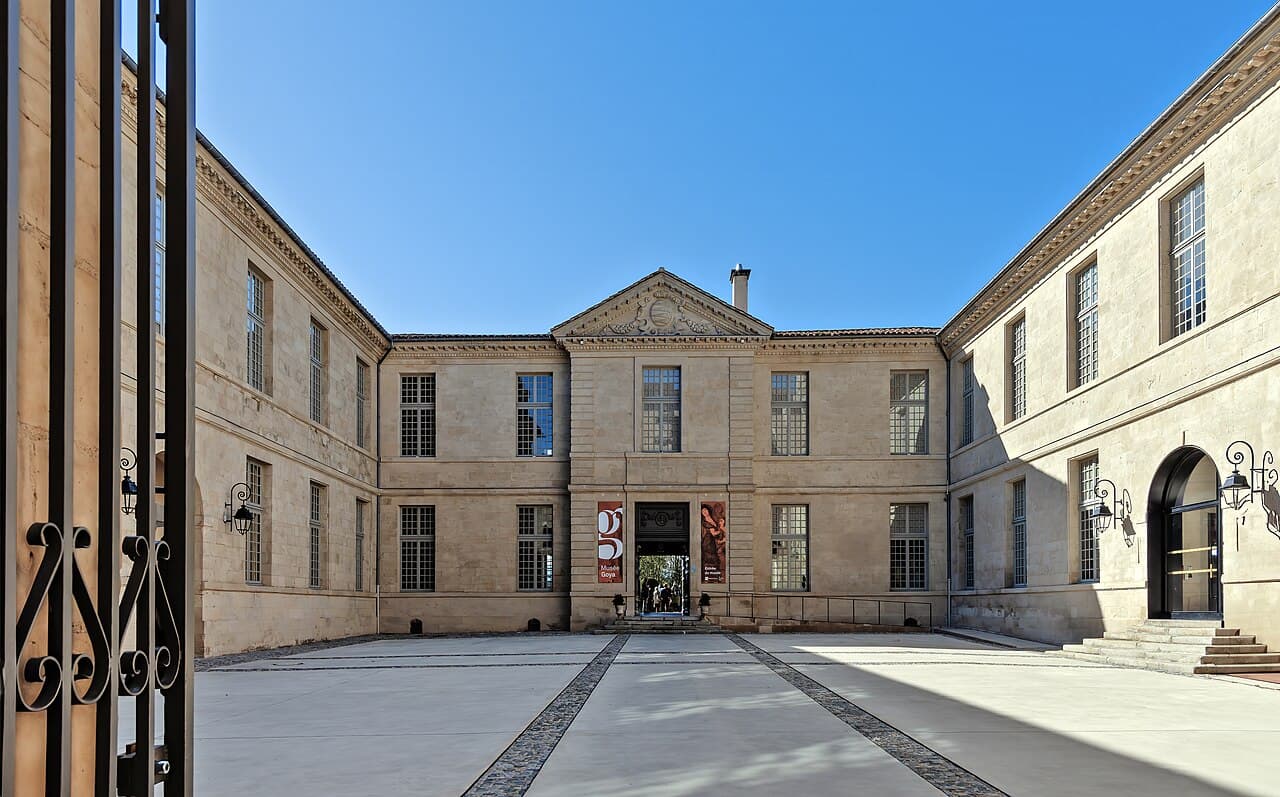
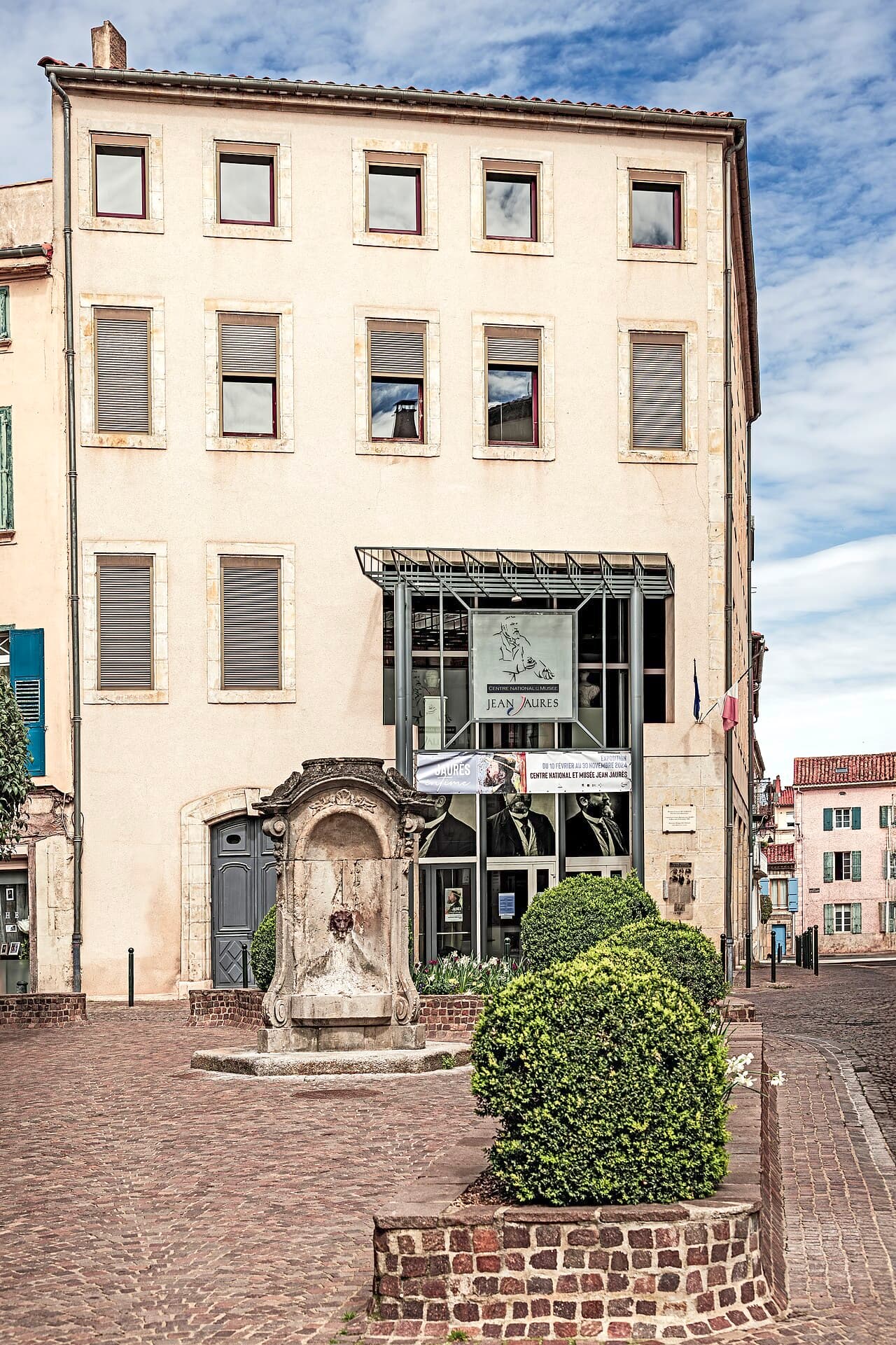
Further south, Castres centers its cultural offer on two very different figures: the Spanish master Francisco Goya, whose works fill the Musée Goya inside the former episcopal palace, and Jean Jaurès, honored at the Centre National et Musée Jean-Jaurès, a literary and political museum devoted to the socialist leader born in the city.
Cities & region
Museums to discover
18 museums, from major institutions to local collections.
Galleries to discover
18 contemporary and modern art galleries.




World Heritage & monuments
1 UNESCO World Heritage Sites.

From Albi to the Medieval Hill Towns
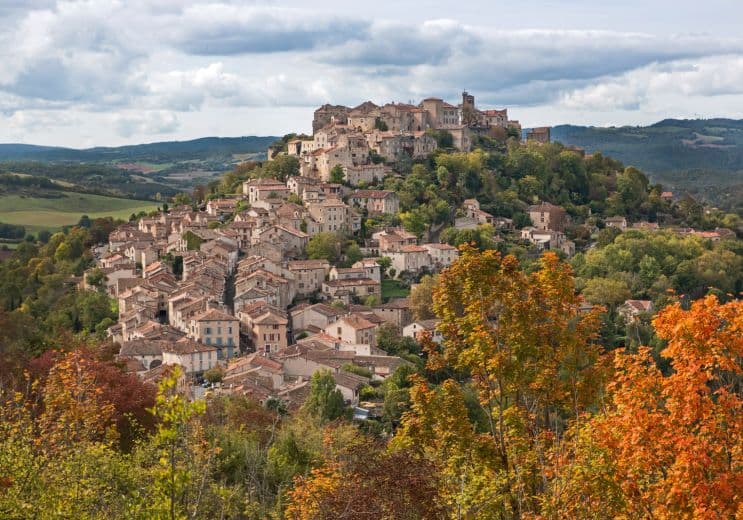
Cordes-sur-Ciel, perched on its rocky promontory, concentrates several small museums within its medieval streets: the Musée d'Art Moderne et Contemporain in the Maison du Grand Fauconnier, the Maison des Surréalistes, and the Musée Charles Portal, housed in a classified medieval building and dedicated to local art and history.
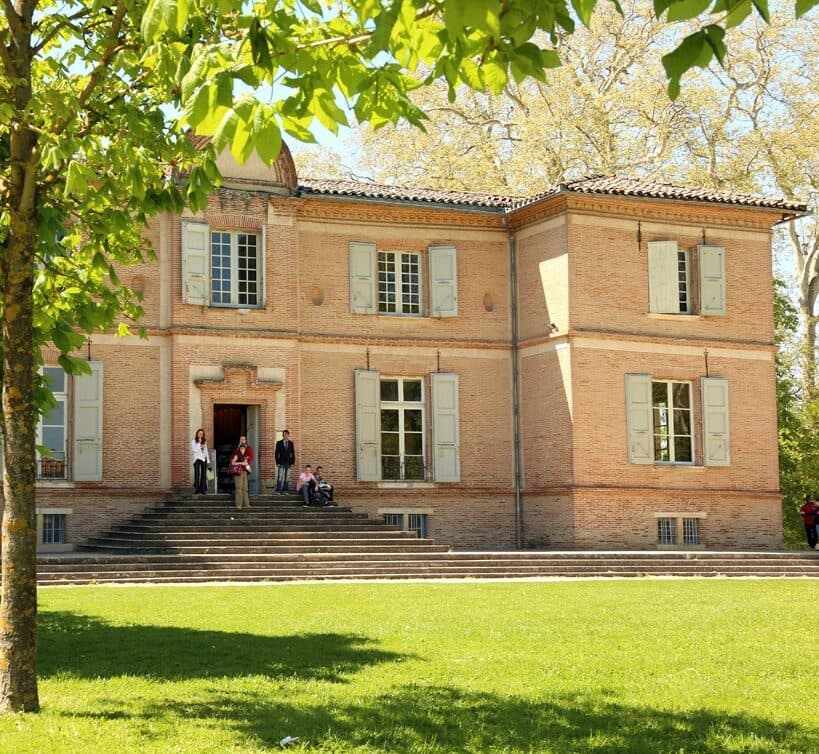
Gaillac, a wine town on the Tarn river, groups its cultural institutions around the former abbey: the Musée de l'abbaye Saint-Michel occupies the abbatial palace, while the Musée des Beaux Arts is set in the château de Foucaud and its park, built under Louis XIV. The town's Musée d'histoire naturelle Philadelphe-Thomas completes the offer with natural history collections.
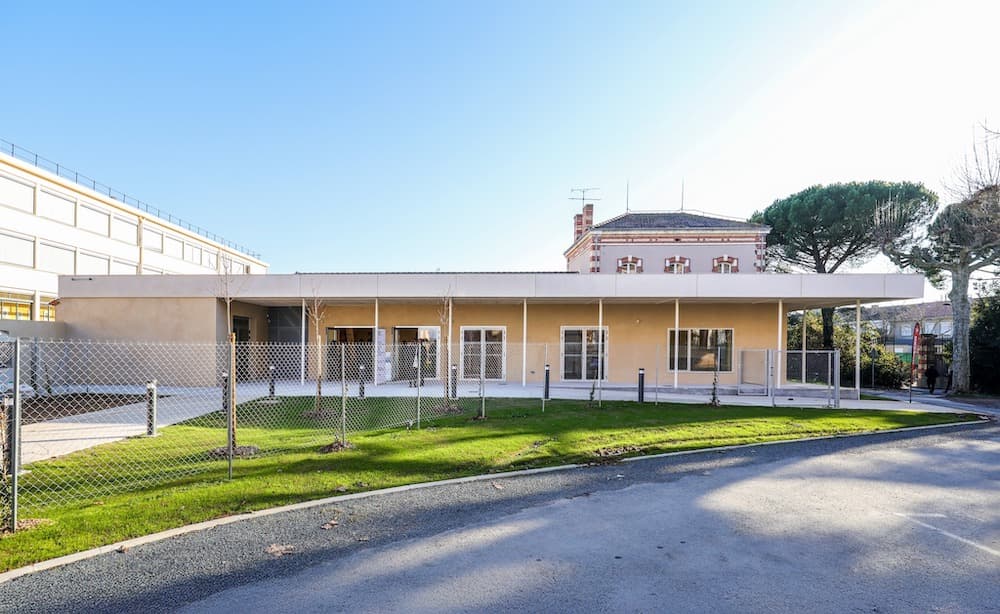
Smaller rural towns hold their own specialized collections: the Musée Raymond Lafage in Lisle-sur-Tarn, the Musée du pays rabastinois, and the Musée du pays de Cocagne, named after the woad-based blue dye trade that once brought prosperity to the region.
Artists and Notable Figures
Beyond Toulouse-Lautrec, the Tarn claims another literary figure with the Château-musée de Cayla in Andillac, a house-museum labeled among the Maisons des Illustres, linked to the Guérin siblings, poets of the Romantic era.
Cordes-sur-Ciel's ties to Surrealism, explored at the Maison des Surréalistes, reflect the town's mid-20th-century appeal to writers and artists who settled within its ramparts.
Albi's contemporary art scene extends into a network of private galleries, including Galerie Nadine Granier, Galerie Jérôme Morcillo and Pascale Moret Galerie, while Cordes-sur-Ciel hosts artisan-run spaces such as Bernard Sudre - Atelier Galerie de la Halle and Galerie d'art de la Barbacane.
Tarn on the map
Museums, galleries and heritage, at a glance.
37 results
Frequently asked questions
How many days are needed to visit the Tarn's main museums?
Two to three days allow a comfortable visit to Albi, Castres and Cordes-sur-Ciel, the three towns concentrating most of the department's major museums.
What is the unmissable site in Albi?
The Cité épiscopale d'Albi, with its brick cathedral and the Musée Toulouse-Lautrec inside the Palais de la Berbie, is the essential visit.
Is the Musée Goya in Castres dedicated only to Goya?
No, it holds a broader collection of Spanish art, though Goya's works, including paintings and engravings, form its centerpiece.
Which town is best for a half-day walking visit combined with museums?
Cordes-sur-Ciel, a compact medieval hill town, combines its Musée d'Art Moderne et Contemporain, Maison des Surréalistes and Musée Charles Portal within a short walk.
Are the Tarn's smaller rural museums open year-round?
Many rural museums, such as the Musée départemental du textile or the Musée Raymond Lafage, operate on seasonal schedules, so checking opening periods before visiting outside summer months is advisable.