8 museums · 6 galleries
Deux-Sèvres: Museums, Galleries and Cultural Heritage
Explore museums, galleries and heritage sites in Deux-Sèvres, in Nouvelle-Aquitaine.
An overview of art and history in Deux-Sèvres
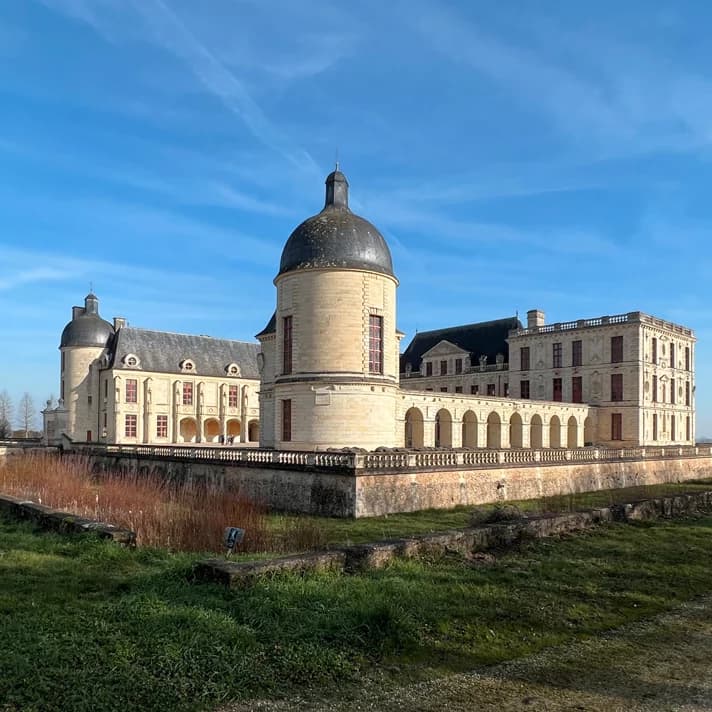
Deux-Sèvres does not have a single dominant cultural capital; instead, its museums are spread across market towns such as Niort, Parthenay, Thouars and Bressuire, each preserving a different layer of local history. In Château d'Oiron, a Renaissance residence has been repurposed as a monument-museum and contemporary art centre, pairing period architecture with commissioned installations.
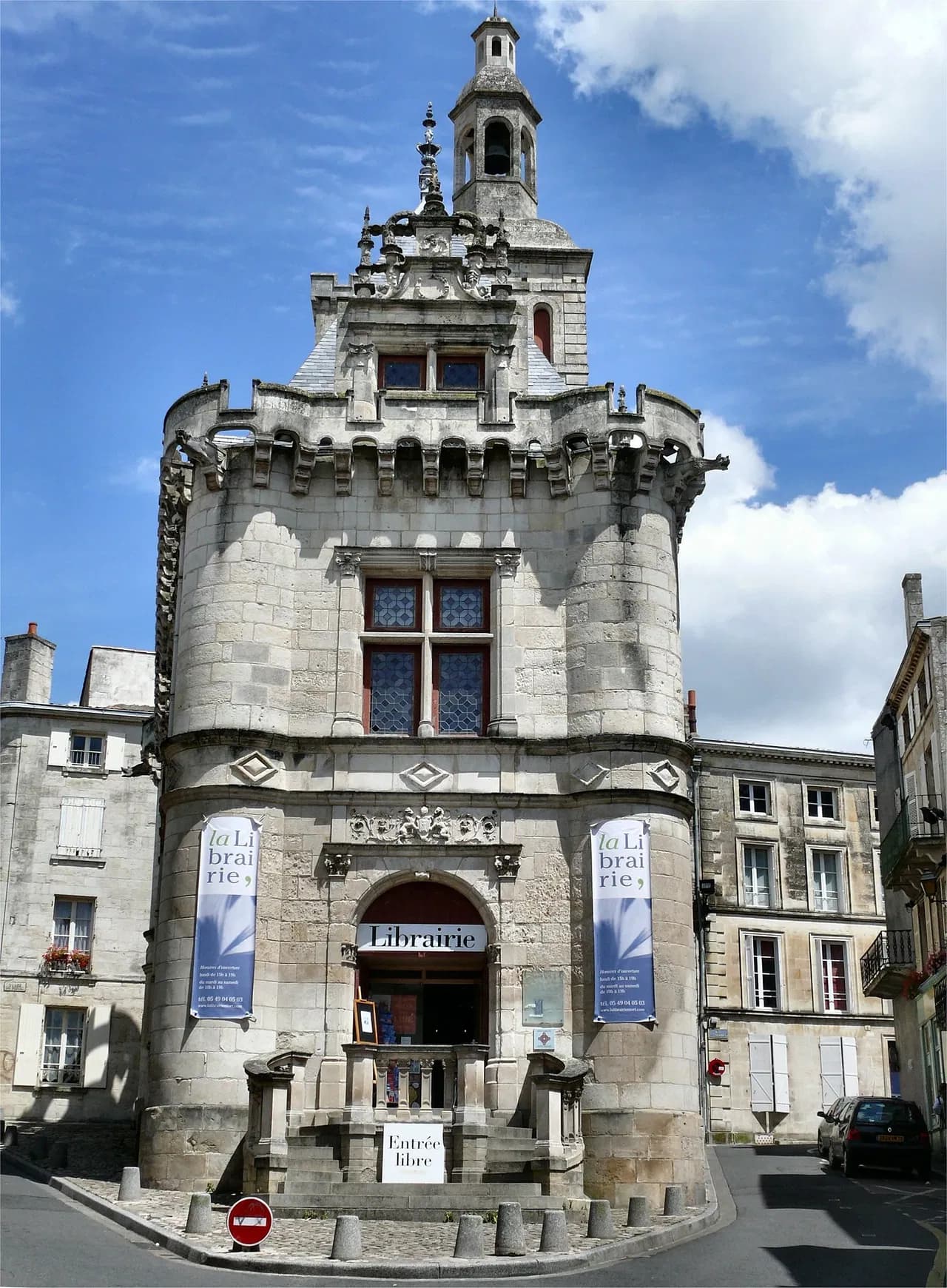
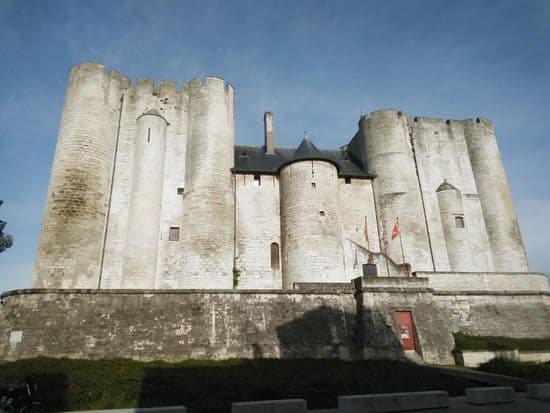
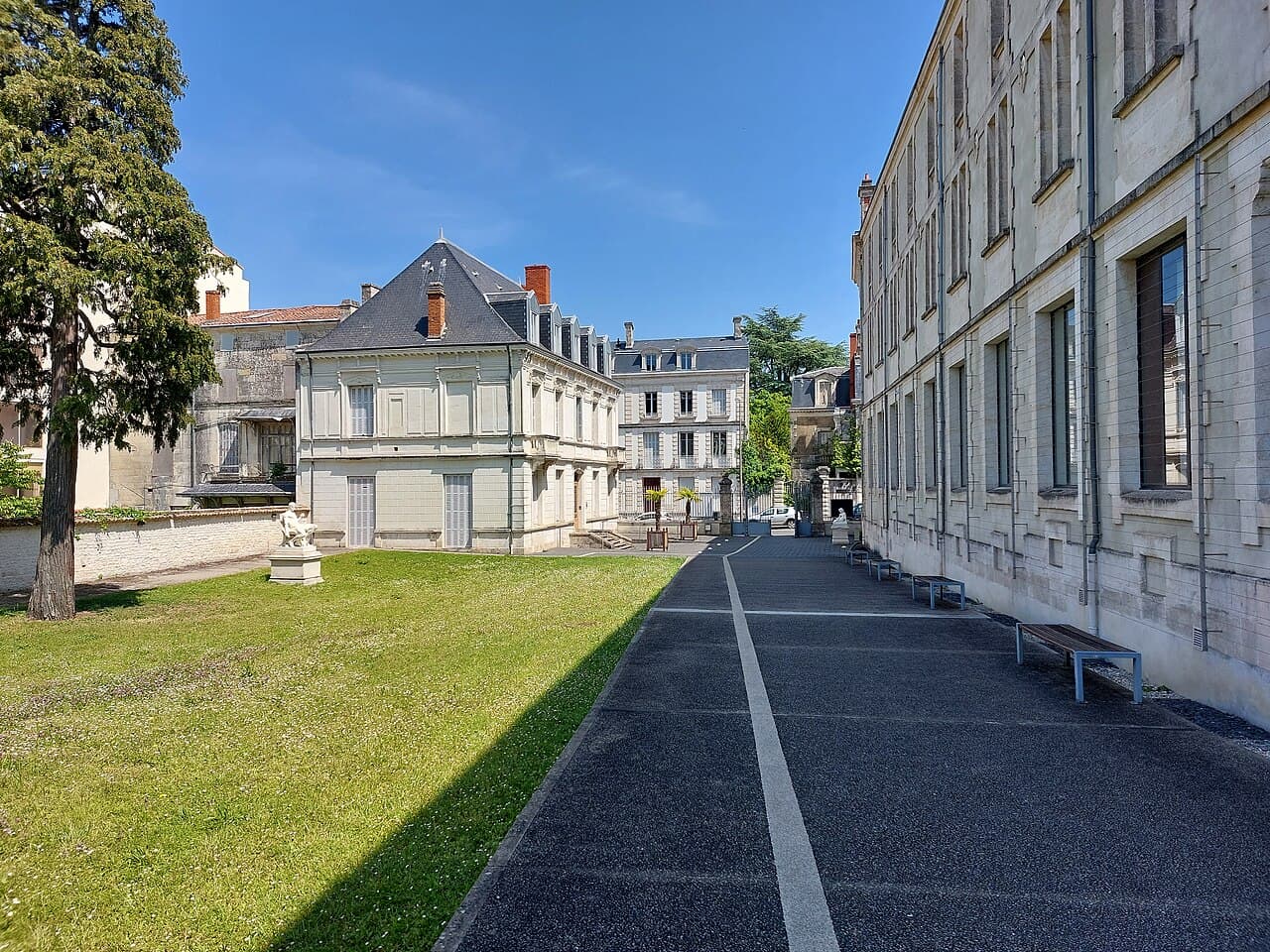
Niort concentrates several institutions within a short walk of one another. The Musée Bernard d'Agesci, opened in 2006 inside a building designed by architect Georges Lasseron, brings together fine art, natural history and archaeology collections that were previously scattered across the city. Nearby, the Musée du Pilori de Niort occupies the former town hall and is dedicated to temporary exhibitions of contemporary art, while the Musée ethnographique et archéologique du donjon is housed in the city's medieval keep and covers a thousand years of local history.
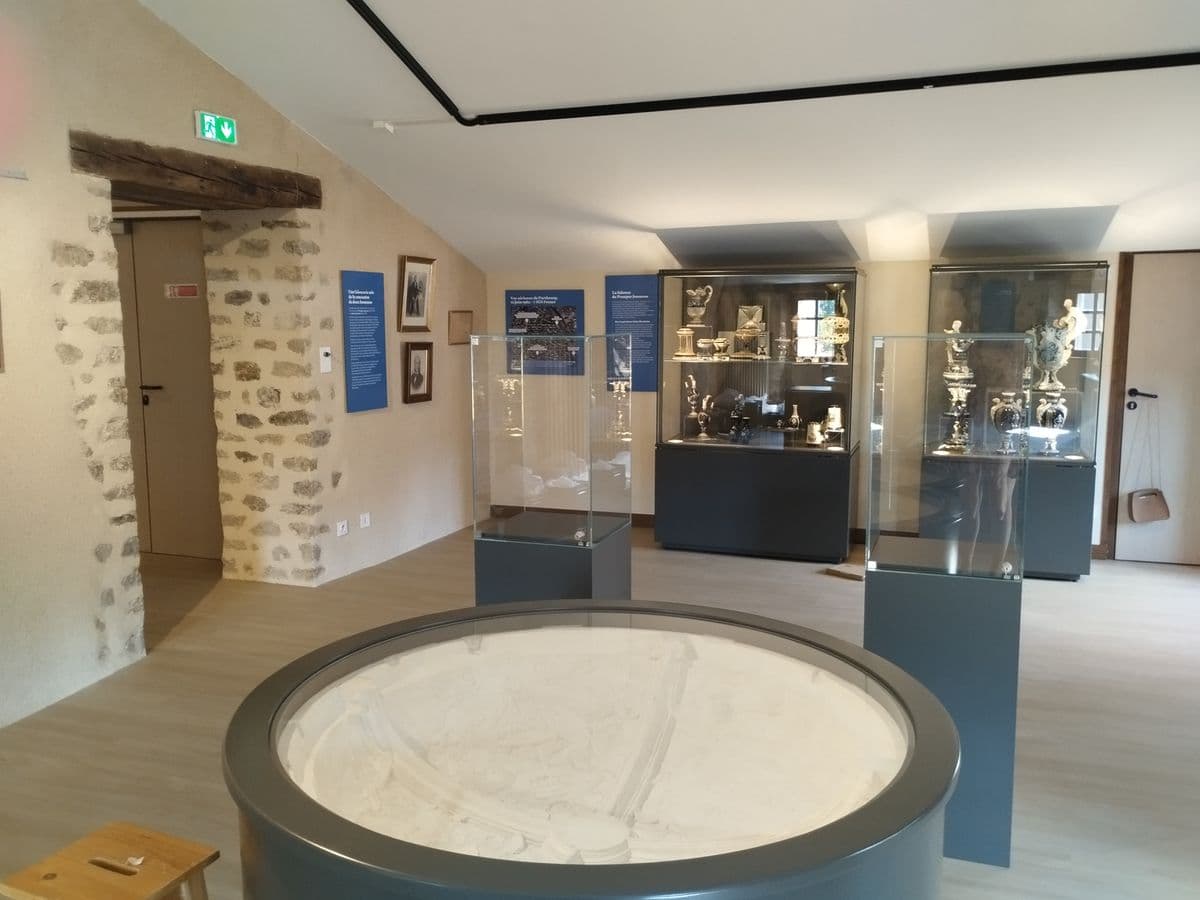
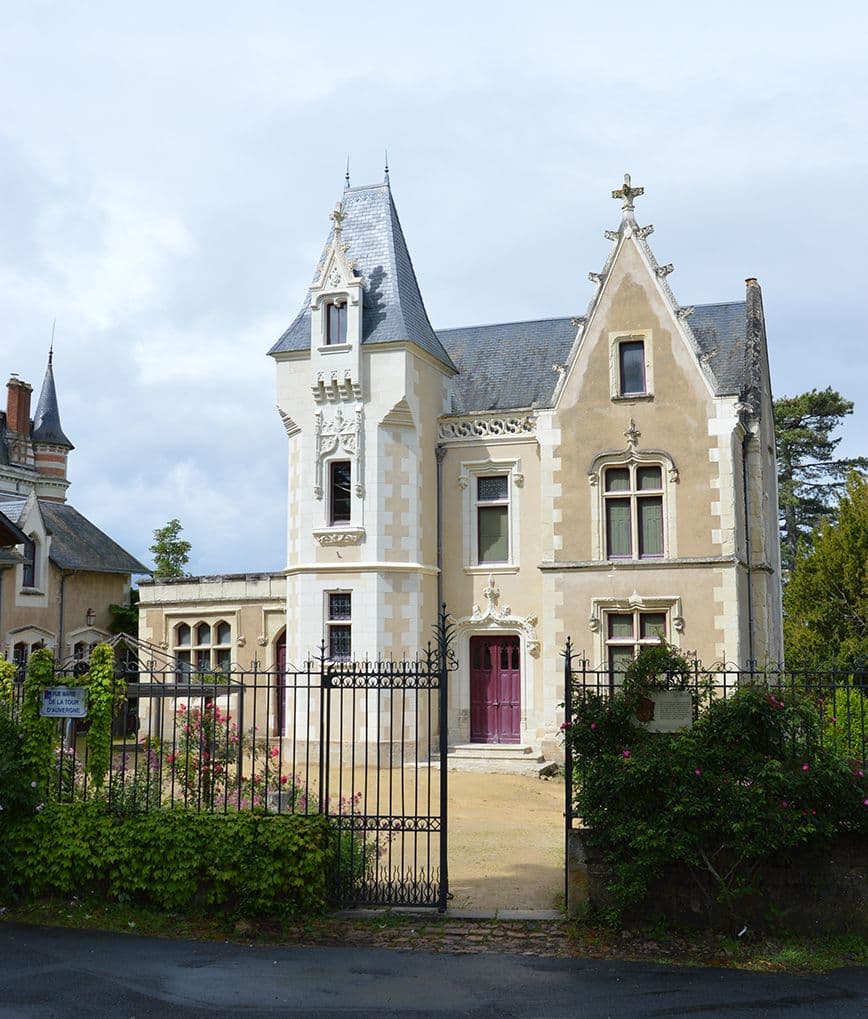
Further north, the Musée d'art et d'histoire Georges Turpin in Parthenay and the Musée d'art et d'histoire Henri Barré in Thouars have both held the official 'musée de France' designation since 2003, reflecting the historical depth of these two former stronghold towns. The Musée de Bressuire, set in the town's former grain lofts, presents the history of the bocage landscape alongside recent archaeological discoveries.
Cities & region
Museums to discover
8 museums, from major institutions to local collections.
Galleries to discover
6 contemporary and modern art galleries.
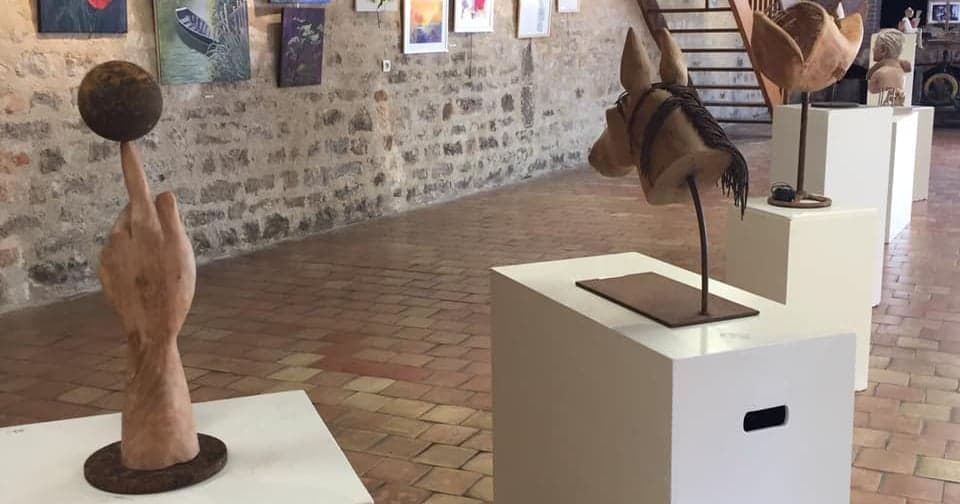

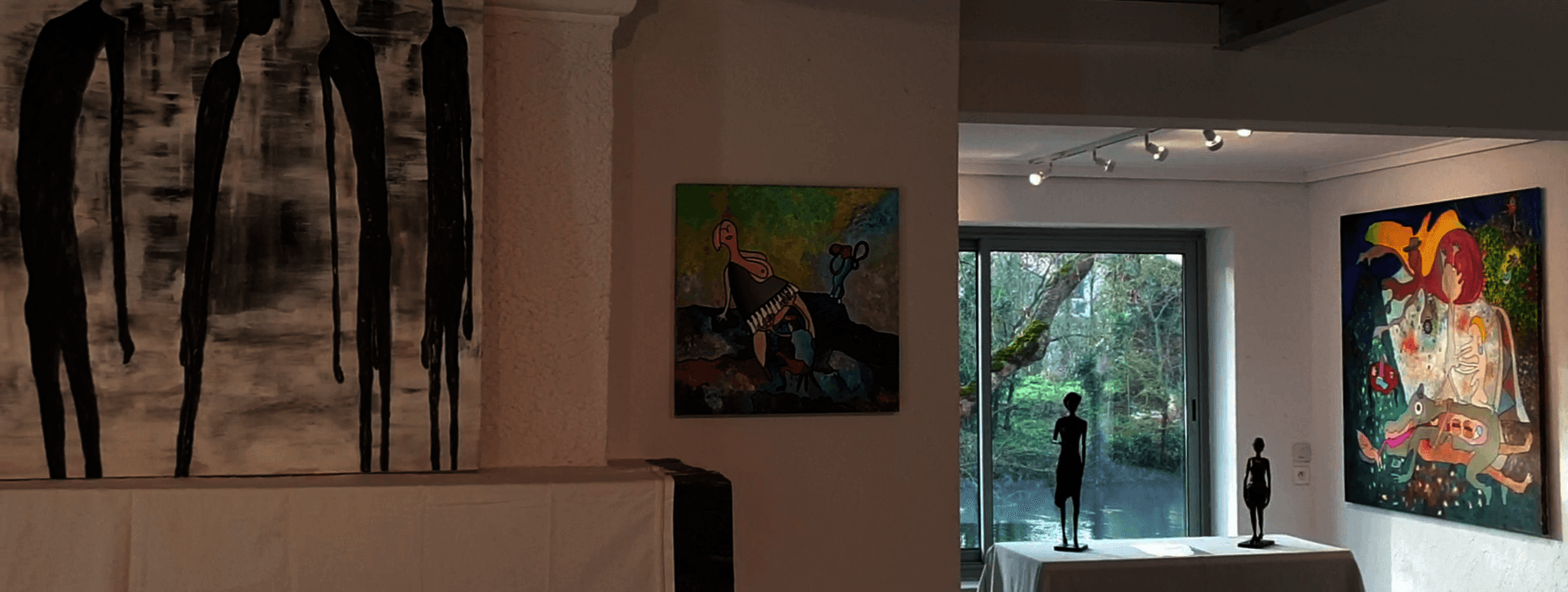

Contemporary art galleries
Alongside its historical museums, Deux-Sèvres has a small but active network of contemporary galleries. In Niort, the Centre d'Art Contemporain Photographique Villa Pérochon (CACP) focuses on photography, while Galerie Desmettre and Mar Daniel show a rotating programme of paintings and mixed media.
Outside the city, Kiunga Galerie and Four Pontet. are both based in Magné, and la corbata rosa operates in Val-en-Vignes, giving the surrounding countryside a modest but genuine presence in the region's contemporary art scene.
Deux-Sèvres on the map
Museums, galleries and heritage, at a glance.
14 results
Frequently asked questions
How much time should I plan for a visit to the Château d'Oiron?
Allow at least half a day: the château combines period rooms with contemporary art commissions, and the guided circuit takes around two hours.
Which museum in Niort should I prioritise if I only have time for one?
The Musée Bernard d'Agesci is the most comprehensive, combining fine art, natural history and archaeology in a single building.
Is the archaeological site at Bougon suitable for children?
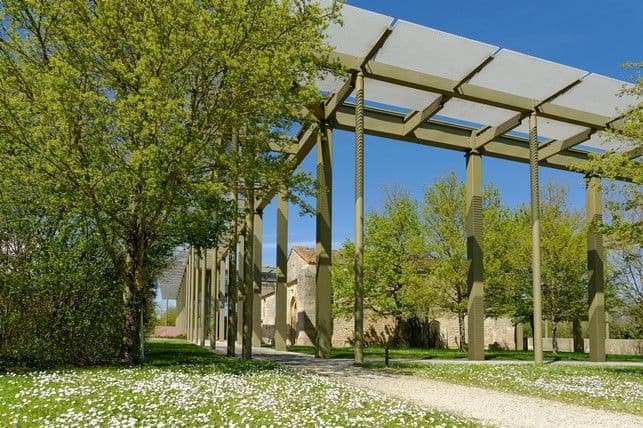
Yes, the Musée des tumulus is designed around an outdoor site with visible burial mounds, which makes the visit tangible for younger visitors.
Are the museums in Parthenay and Thouars easy to combine in one day?
They are about 30 minutes apart by car, so both the Musée d'art et d'histoire Georges Turpin and the Musée d'art et d'histoire Henri Barré can reasonably be visited on the same day.
Where can I see contemporary art rather than historical collections in Deux-Sèvres?
Niort's Musée du Pilori and Centre d'Art Contemporain Photographique Villa Pérochon, along with independent galleries such as Galerie Desmettre and Mar Daniel, focus on contemporary and photographic work.
Is the countryside around Niort worth a detour for art lovers?
Yes, the villages of Magné and Val-en-Vignes host small independent galleries, including Kiunga Galerie, Four Pontet. and la corbata rosa, offering a quieter alternative to the city museums.