56 museums · 188 galleries · 1 heritage site
Bouches-du-Rhône: Art and Heritage Guide to Marseille, Aix and Arles
Explore museums, galleries and heritage sites in Bouches-du-Rhône, in Provence-Alpes-Côte-d'Azur.
A Department Shaped by Three Distinct Cities
Bouches-du-Rhône, part of the Provence-Alpes-Côte-d'Azur region, owes its cultural weight to three towns that developed almost independently: Marseille, France's oldest city and a major Mediterranean port; Aix-en-Provence, the former capital of Provence and birthplace of Paul Cézanne; and Arles, where Roman infrastructure and Van Gogh's brief but intense stay left a permanent mark.
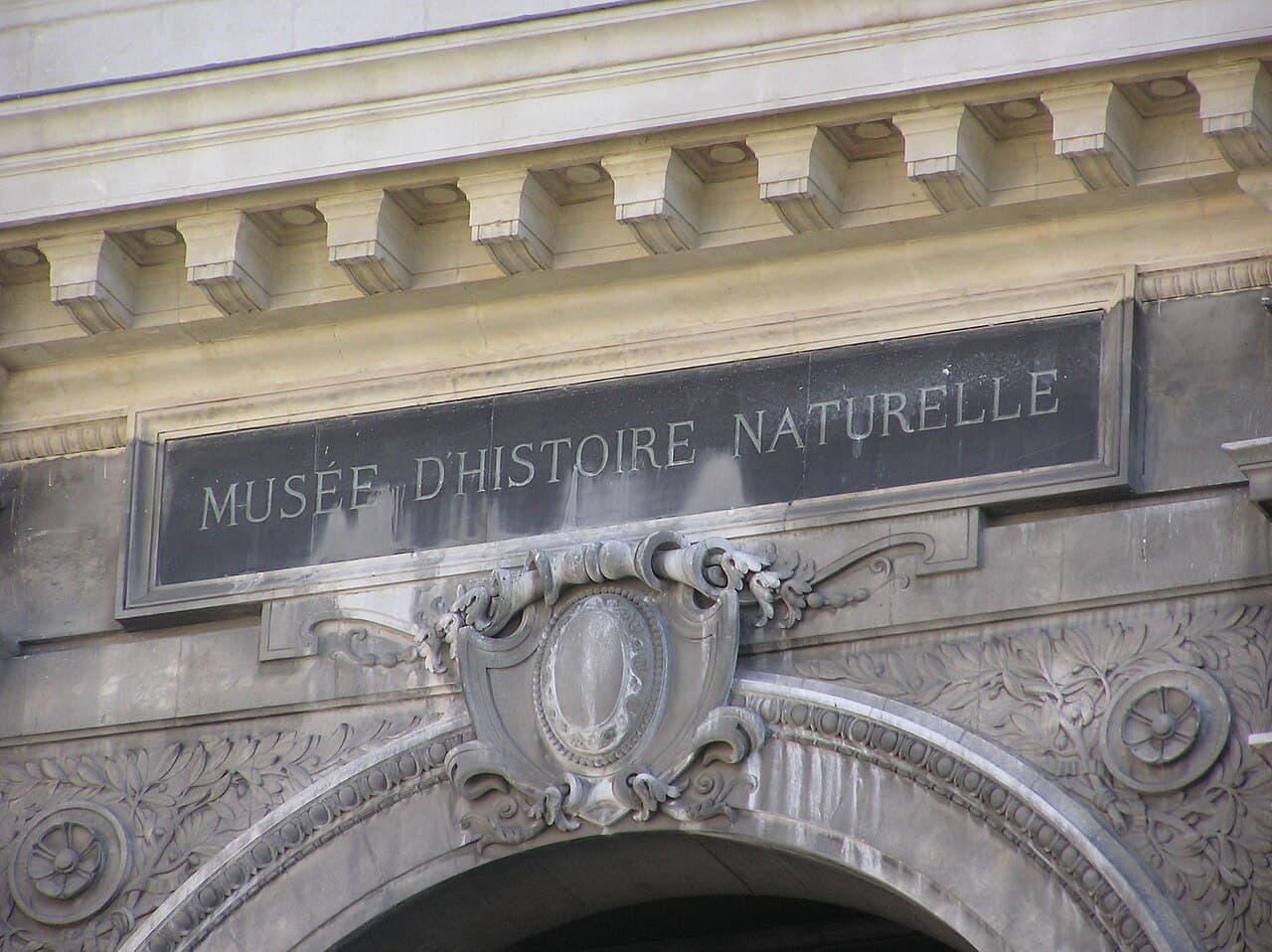
Marseille alone gathers a cluster of civic museums, many built around the 19th-century Palais Longchamp, including the Musée des Beaux Arts de Marseille and the Muséum d'histoire naturelle de la Ville de Marseille, housed in the same building's two wings.
Museums to discover
56 museums, from major institutions to local collections.
Galleries to discover
188 contemporary and modern art galleries.




World Heritage & monuments
1 UNESCO World Heritage Sites.

Marseille, Aix and Arles: Distinct Cultural Territories
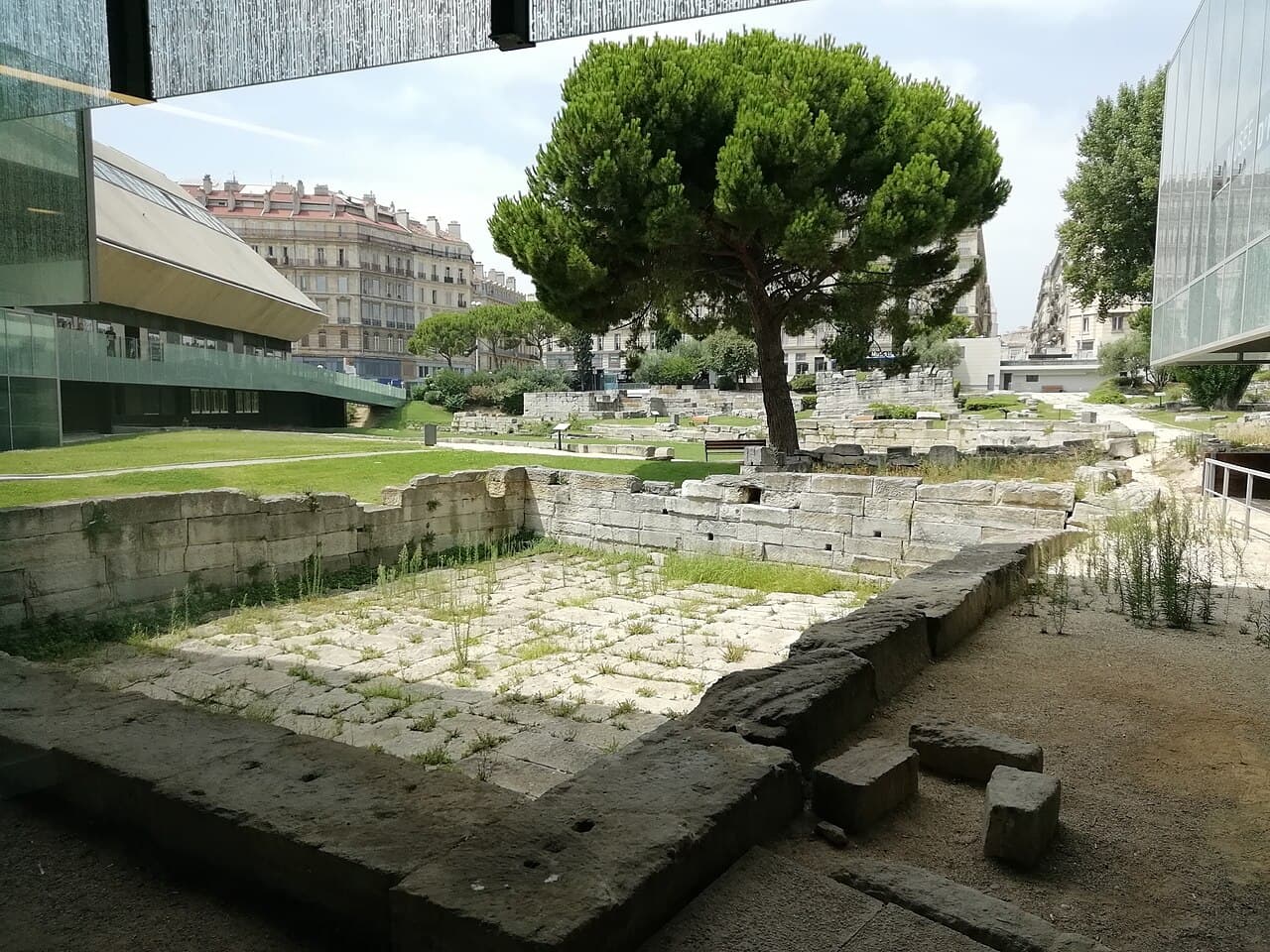
In Marseille, the area around the Vieux-Port concentrates history museums, notably the Musée d'histoire de la Ville de Marseille, built directly on the excavated remains of the ancient port, and the Musée d'Archéologie Méditerranéenne de la Ville de Marseille. Further south, the industrial heritage site Friche de l'escalette occupies a former lead factory along the coastline.
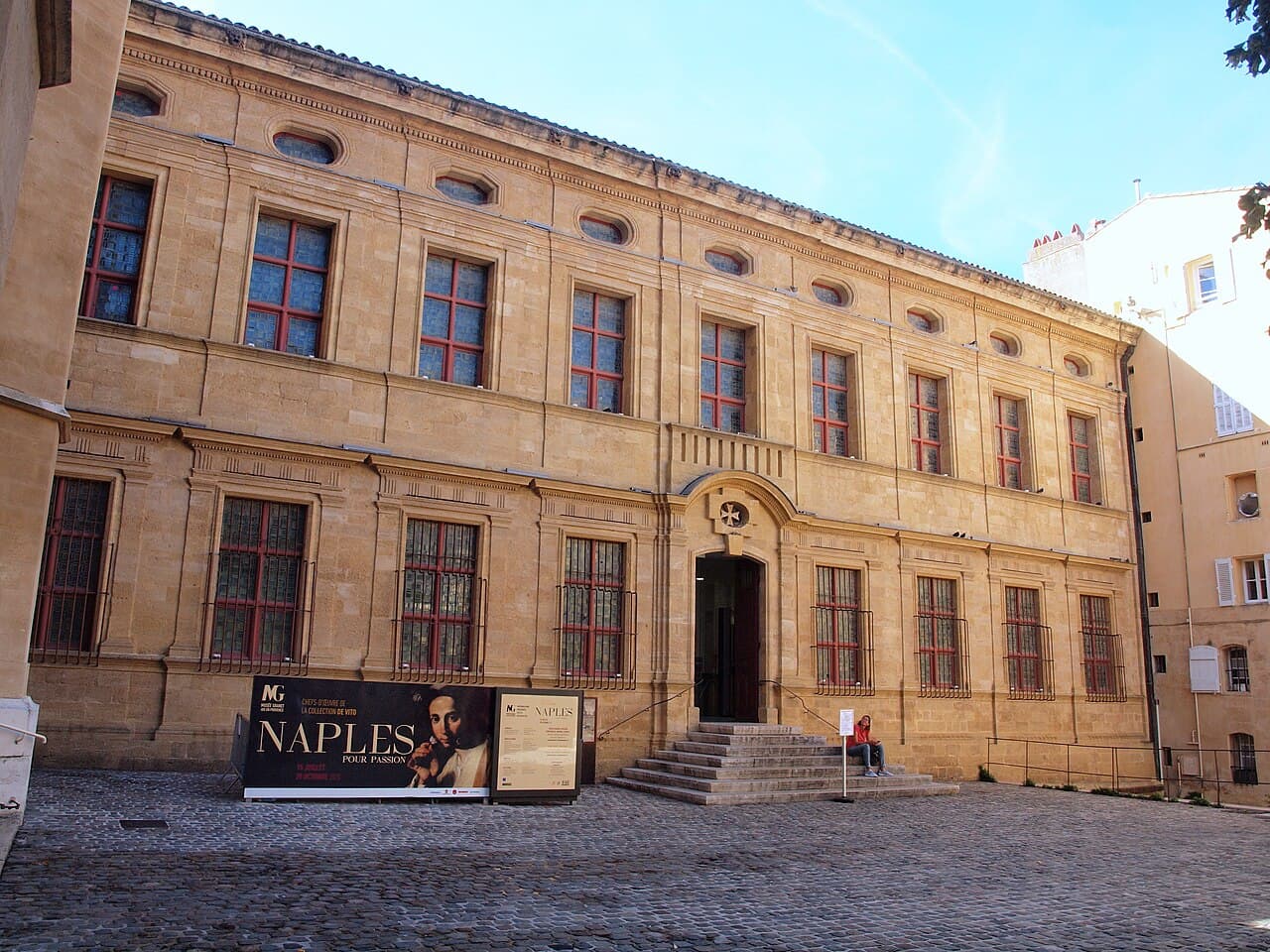
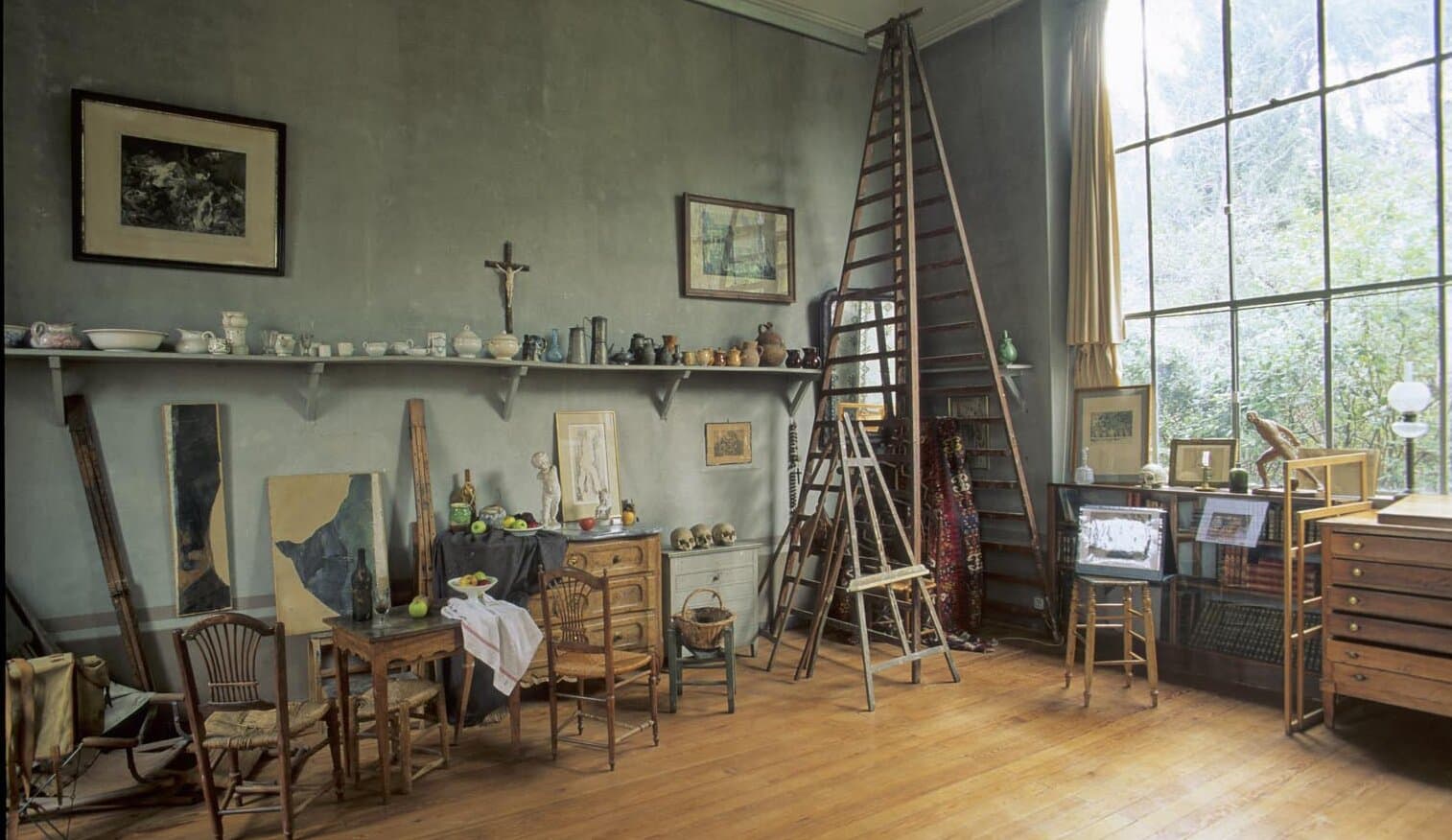
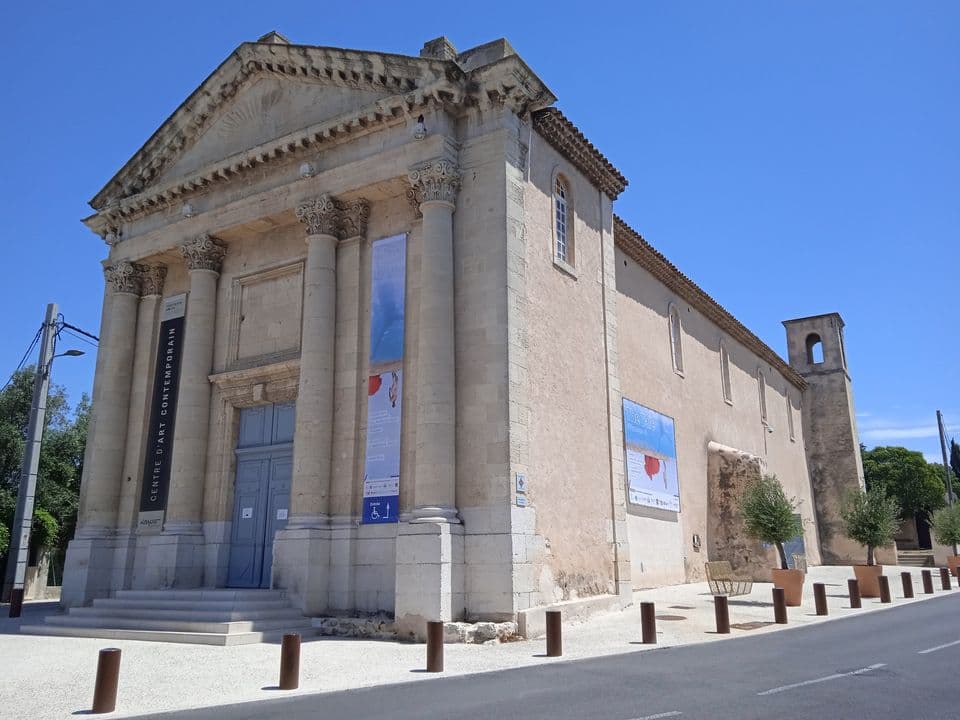
Aix-en-Provence is best explored on foot between the Musée Granet in the old town and the hillside Atelier des Lauves, Cézanne's last studio, a twenty-minute walk north. Contemporary art has its own circuit here, from 3 bis f - Centre d'arts contemporains to the Granet XXe, chapelle des Pénitents blancs.
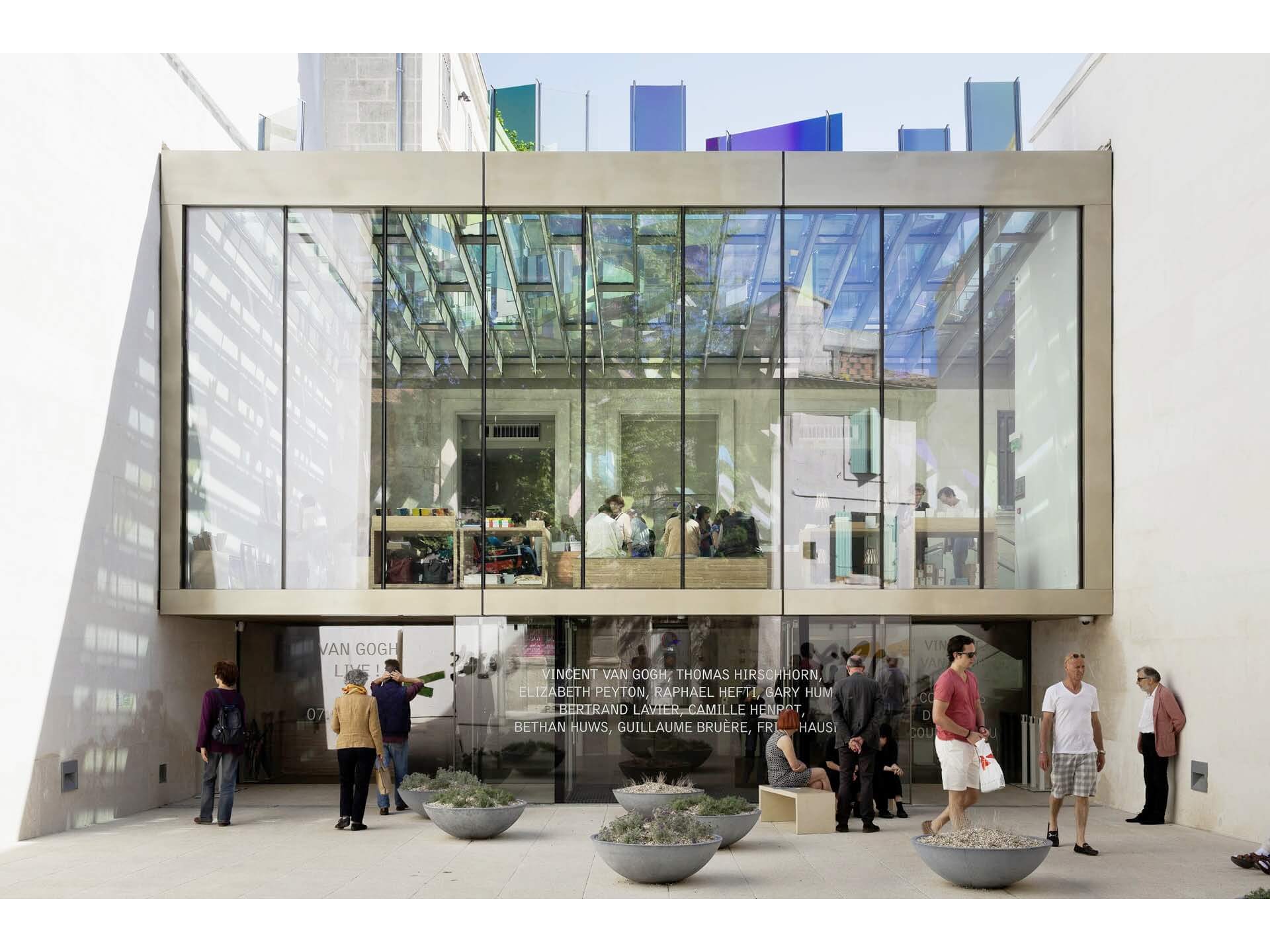
Arles is compact enough to cover on foot, with Roman and medieval monuments recognised by UNESCO as Arles, monuments romains et romans standing a few streets from the Fondation Vincent van Gogh Arles and the Musée Réattu, set in a former Grand Priory of the Knights of Malta.
Cézanne, Van Gogh and the Painters of Provence
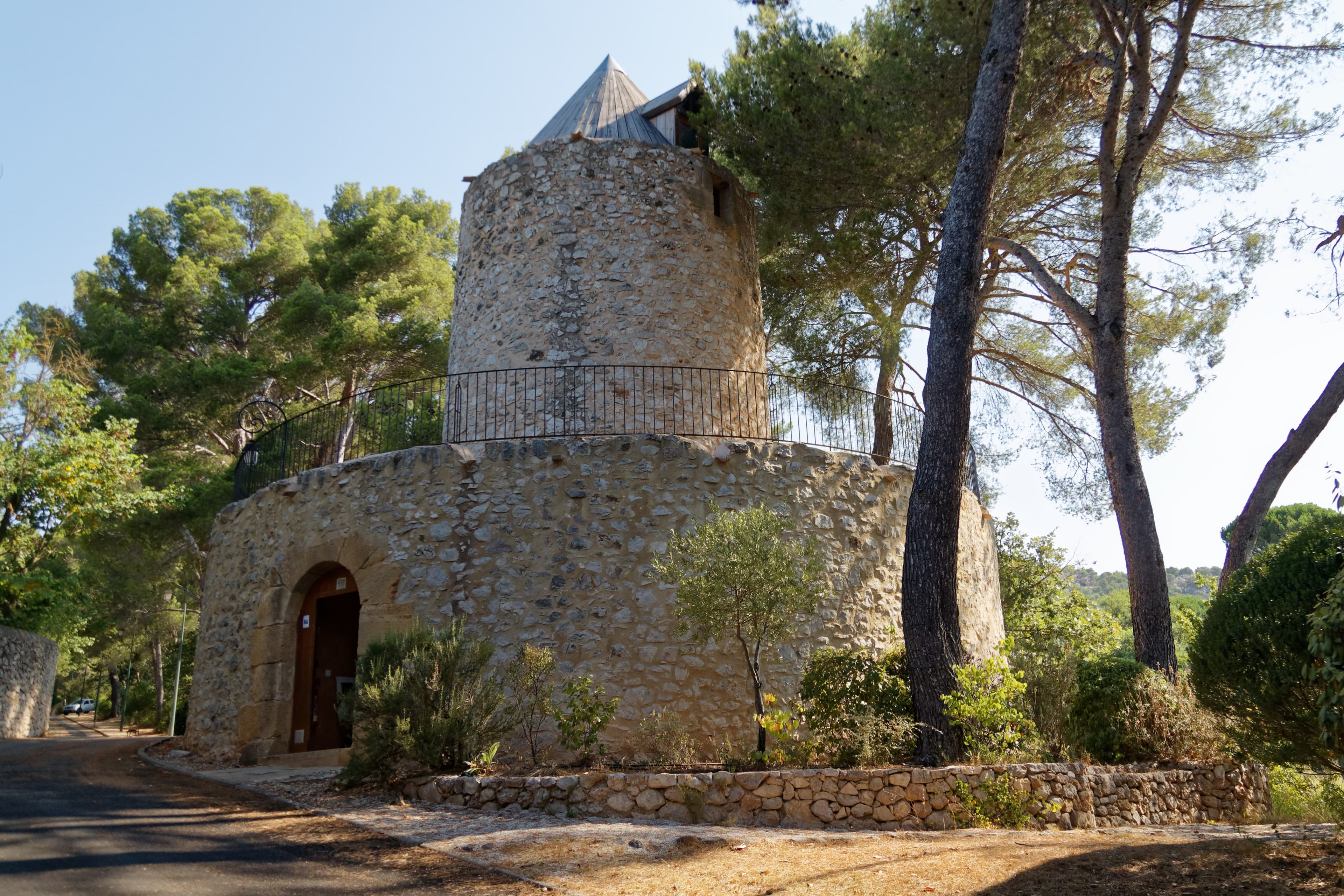
Paul Cézanne was born and worked in Aix-en-Provence, and the town preserves the most direct trace of his practice at the Atelier des Lauves, where his easel, coat and studio props remain in place. Nearby, the Moulin Cézanne in Le Tholonet recalls the countryside he painted repeatedly.
Vincent van Gogh lived in Arles for just over a year, a period that produced some of his best-known canvases; the Fondation Vincent van Gogh Arles does not hold his original works permanently but pairs contemporary art with pieces on loan that dialogue with his legacy. In the same city, the more recent LEE UFAN ARLES brings the minimalist sculptor and painter's work into a Roman-era setting.
Bouches-du-Rhône on the map
Museums, galleries and heritage, at a glance.
245 results
Frequently asked questions
How many days are needed to see the main museums of Bouches-du-Rhône?
Plan at least three to four days: one full day in Aix-en-Provence for Cézanne sites, one to two days in Marseille for its civic museums, and one day in Arles for its Roman monuments and Van Gogh-related sites.
Is it possible to visit Marseille, Aix-en-Provence and Arles without a car?
Yes, all three cities are connected by regular train service, with journeys under an hour between Marseille and Aix, and around 20 minutes between Marseille and Arles.
What is the best time of year to visit Arles' Roman monuments?
Spring (April-June) and early autumn (September-October) offer mild temperatures for exploring the open-air amphitheatre and Roman theatre without the summer crowds and heat.
Are the Marseille museums at Palais Longchamp free to enter?
The permanent collections of the Musée des Beaux Arts de Marseille and the Muséum d'histoire naturelle, both housed in the Palais Longchamp, are free of charge, though temporary exhibitions may require a ticket.
Can you still see where Cézanne actually painted in Aix-en-Provence?
Yes, the Atelier des Lauves preserves his final studio exactly as he left it in 1906, and the nearby Moulin Cézanne in Le Tholonet sits within the countryside he depicted in numerous landscapes.
Is the Musée du Savon de Marseille a working factory or just an exhibition?
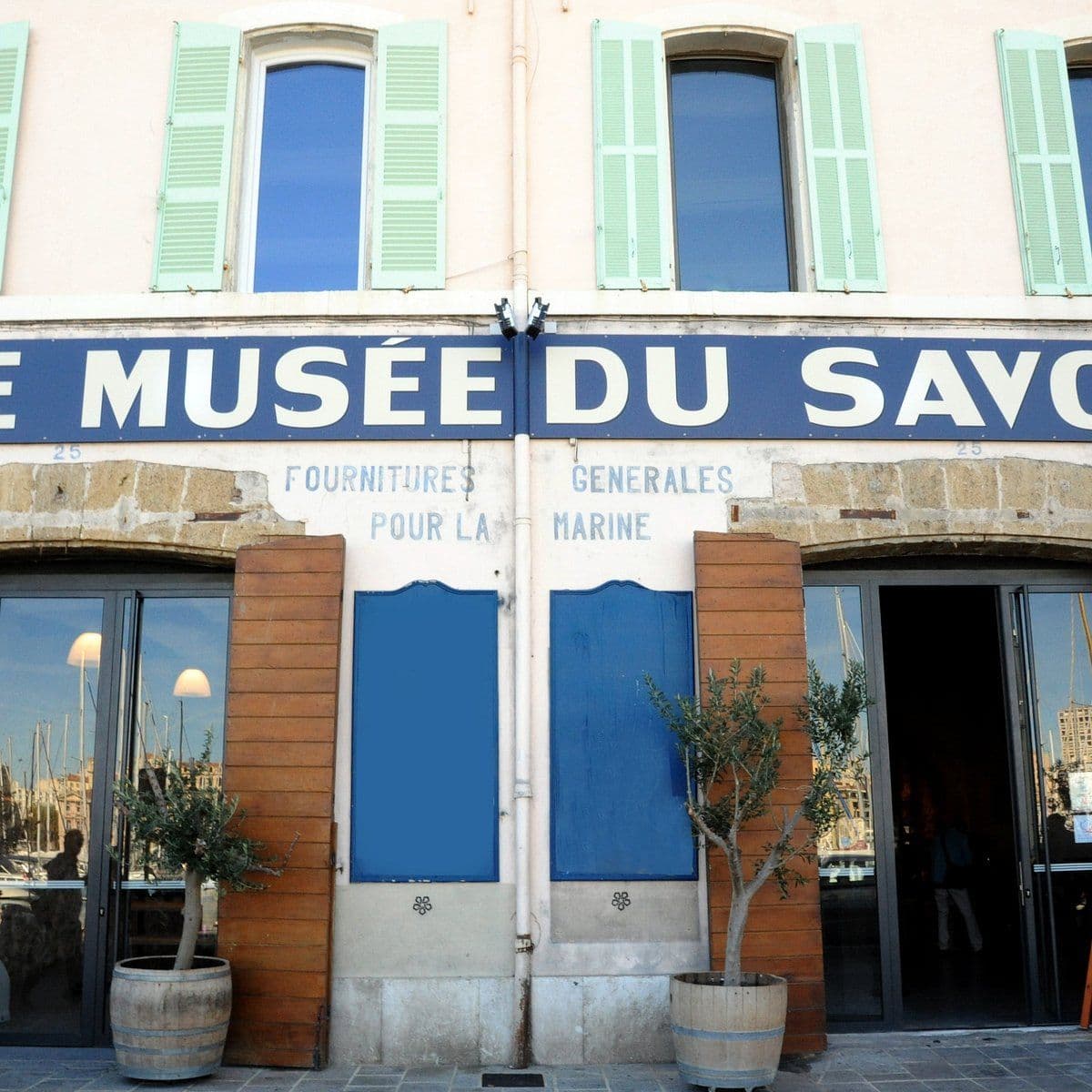
It is both: the museum is operated by an active soap works, the Savonnerie de la Licorne, so visitors can see traditional production methods alongside the historical displays.