37 museums · 164 galleries · 1 heritage site
Alpes-Maritimes: Art and Heritage on the French Riviera
Explore museums, galleries and heritage sites in Alpes-Maritimes, in Provence-Alpes-Côte-d'Azur.
A department shaped by artists and light
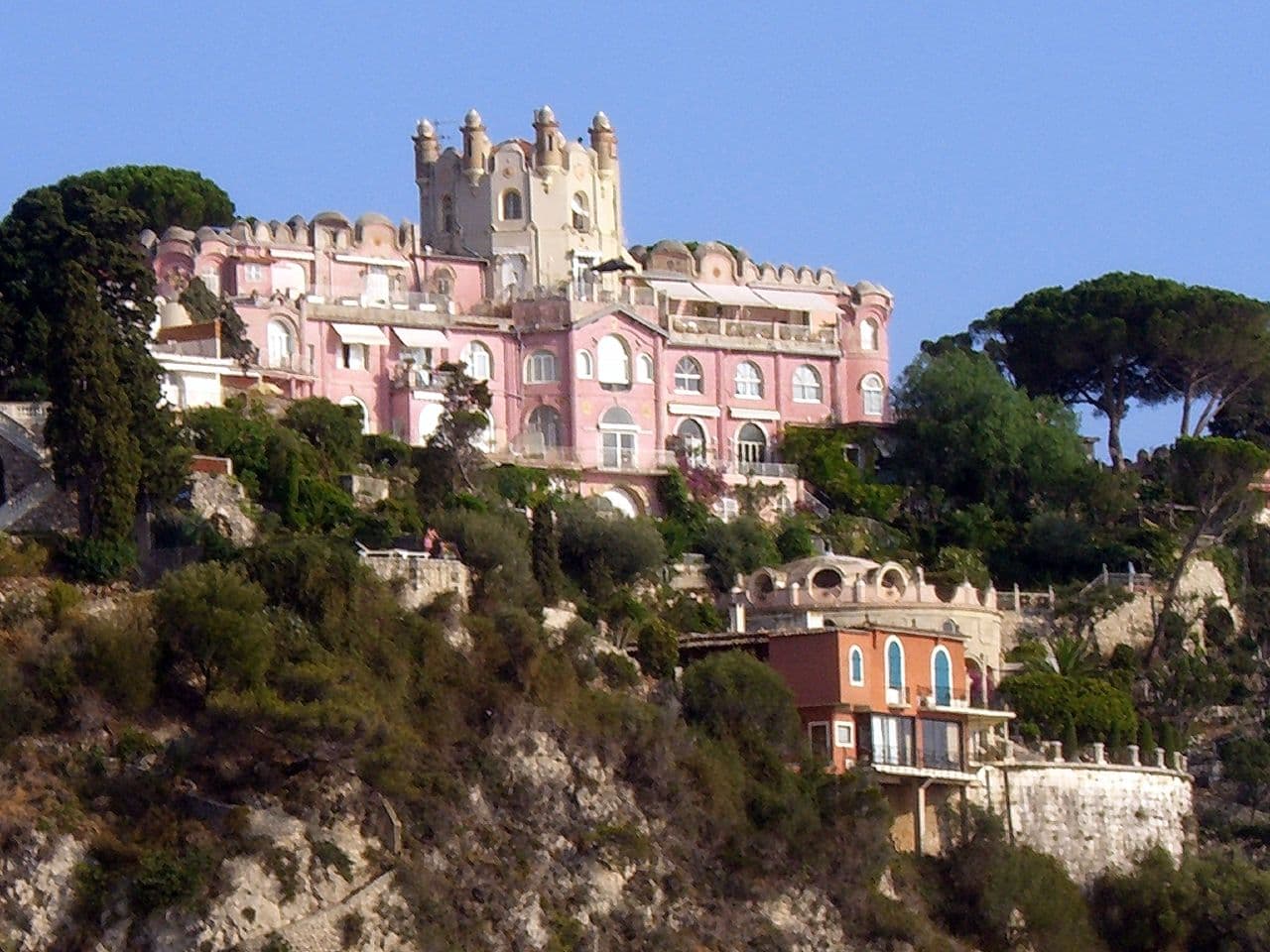
Part of the Provence-Alpes-Côte-d'Azur region, the Alpes-Maritimes owes its cultural density to the winter tourism that developed along its coast from the nineteenth century onward. Nice, the winter resort town of the Riviera, inscribed on the UNESCO World Heritage list, embodies this legacy of grand hotels, promenades and villas built for a wealthy European clientele seeking mild winters.
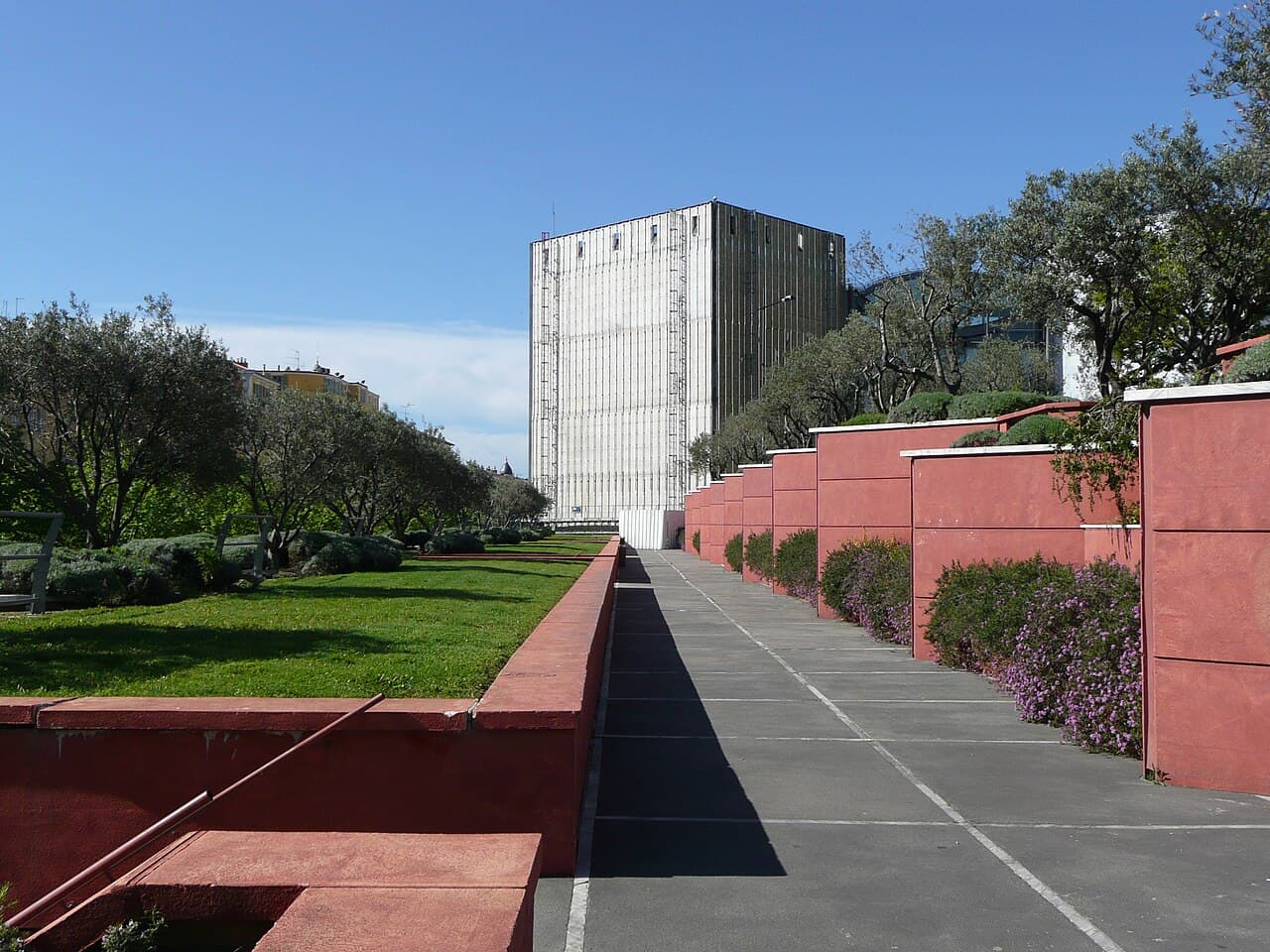
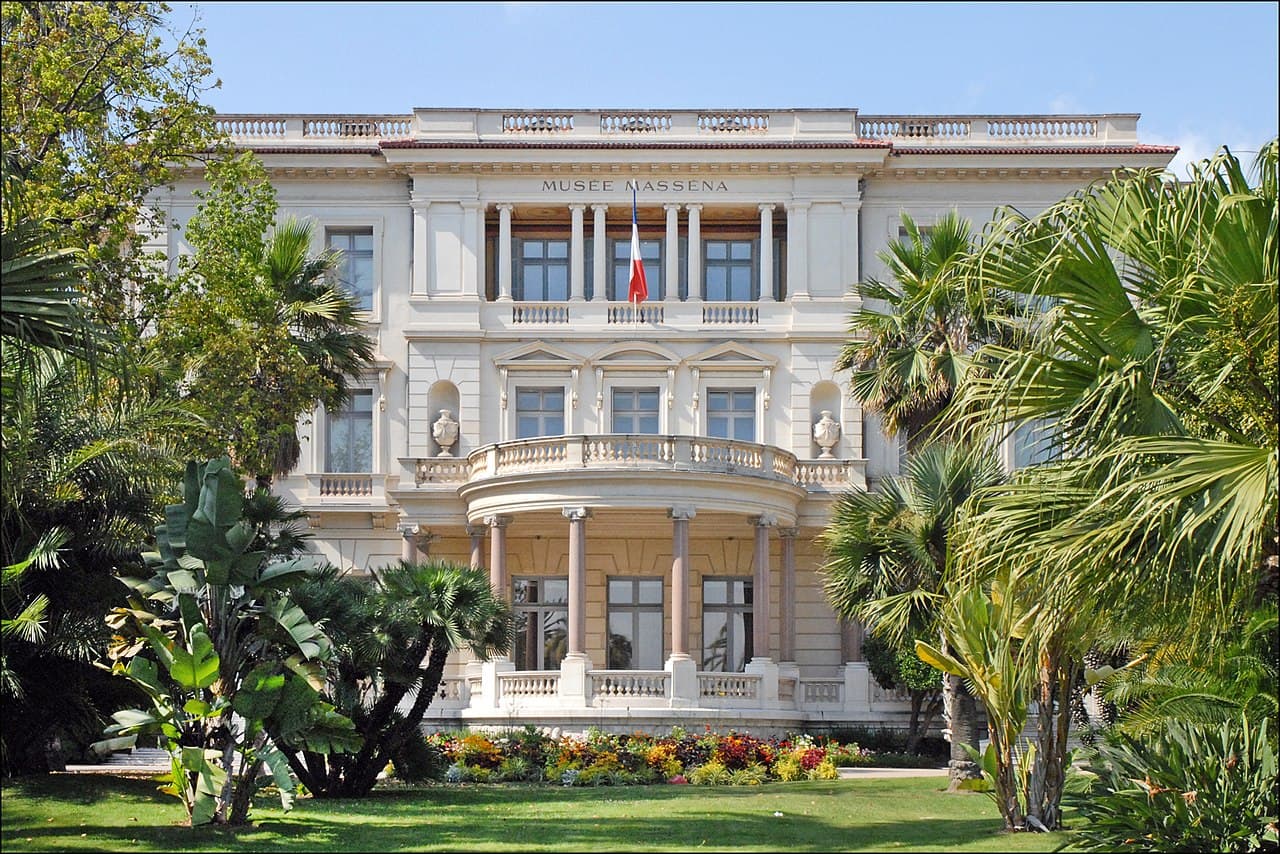
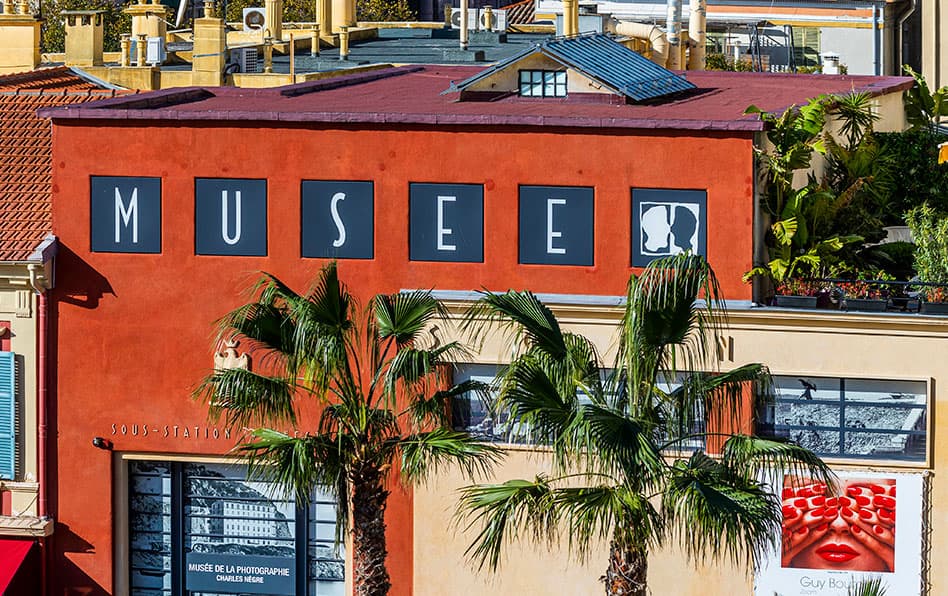
Nice itself concentrates a remarkable museum offer: the Musée d'Art Moderne et d'Art Contemporain (MAMAC) on Place Yves Klein covers modern and contemporary art, while the Villa Masséna combines history and fine arts inside a historic villa. The Musée des Arts Asiatiques on the Promenade des Anglais extends the offer to Chinese, Japanese and Indian collections, and the Musée de la Photographie Charles Nègre is built around the historic fonds of the photographer Charles Nègre.
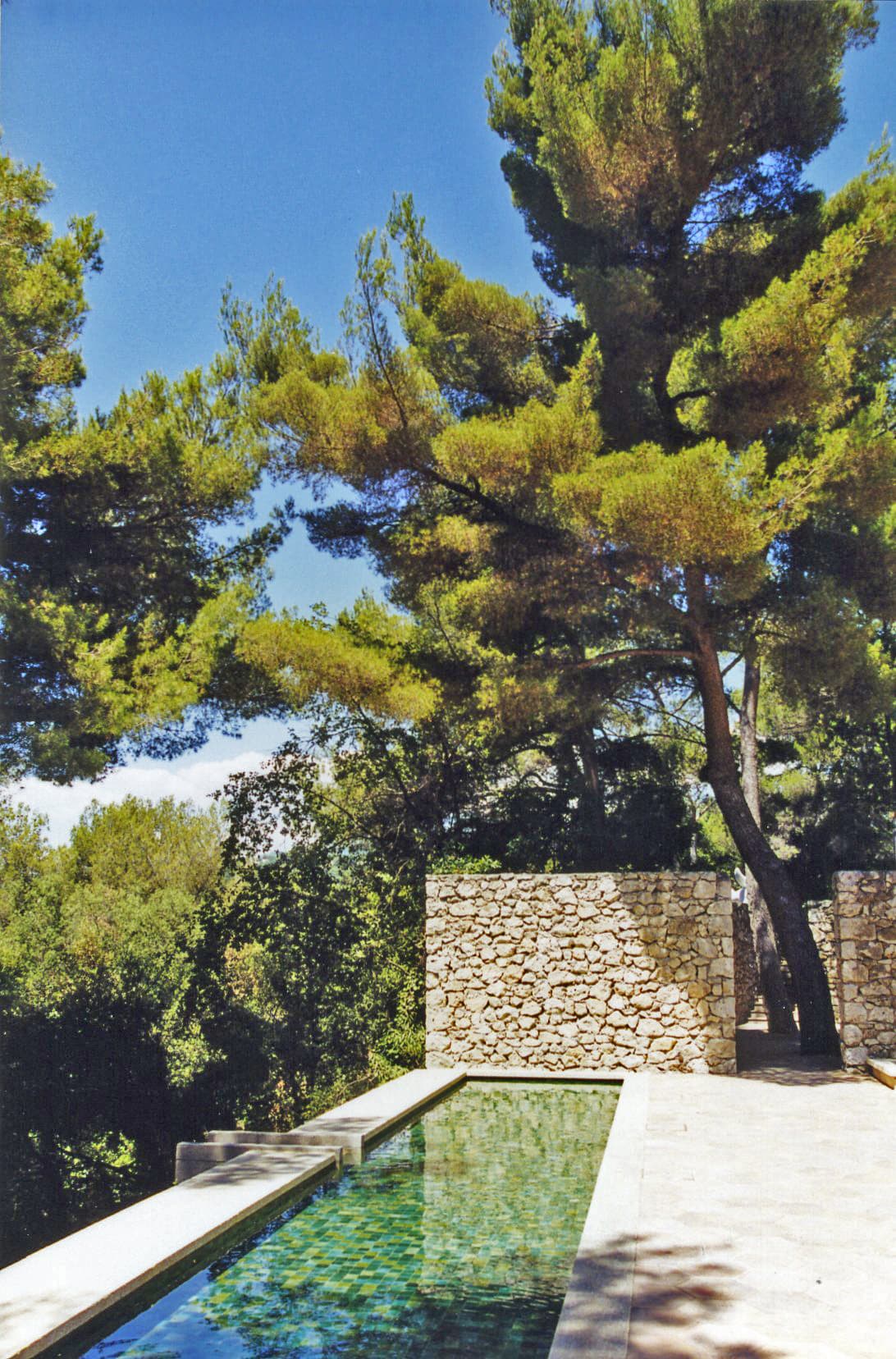
Beyond Nice, the perched village of Saint-Paul-de-Vence hosts the Fondation Maeght, the first independent French institution entirely dedicated to modern art, alongside the more recent FONDATION CAB, focused on minimal and conceptual art. Nearby Vence has its own contemporary art space, the Musée de Vence.
Cities & region
Museums to discover
37 museums, from major institutions to local collections.
Galleries to discover
164 contemporary and modern art galleries.





World Heritage & monuments
1 UNESCO World Heritage Sites.
A concentrated gallery scene
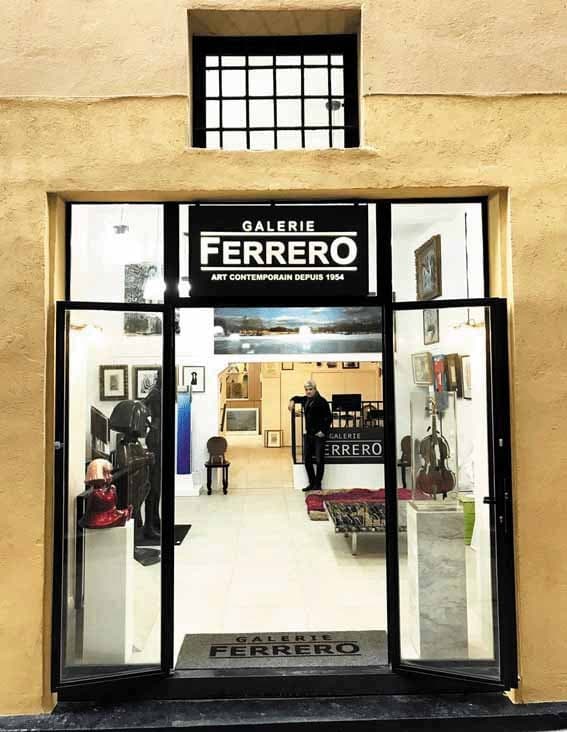
Contemporary galleries cluster around Nice, Cannes and Saint-Paul-de-Vence. In Nice, the Villa Arson combines an art school with exhibition spaces, while the Galerie d'art Carré d'artistes and Galerie Eva Vautier represent the city's living gallery scene.
Saint-Paul-de-Vence, already known for the Fondation Maeght, also hosts the Galeries Bartoux and Galerie 31. In Cannes, the La Malmaison and a second branch of Galeries Bartoux add to the coastal circuit, while inland, the Espace de l'Art Concret in Mouans-Sartoux focuses on geometric abstraction.
Artists' houses and studios
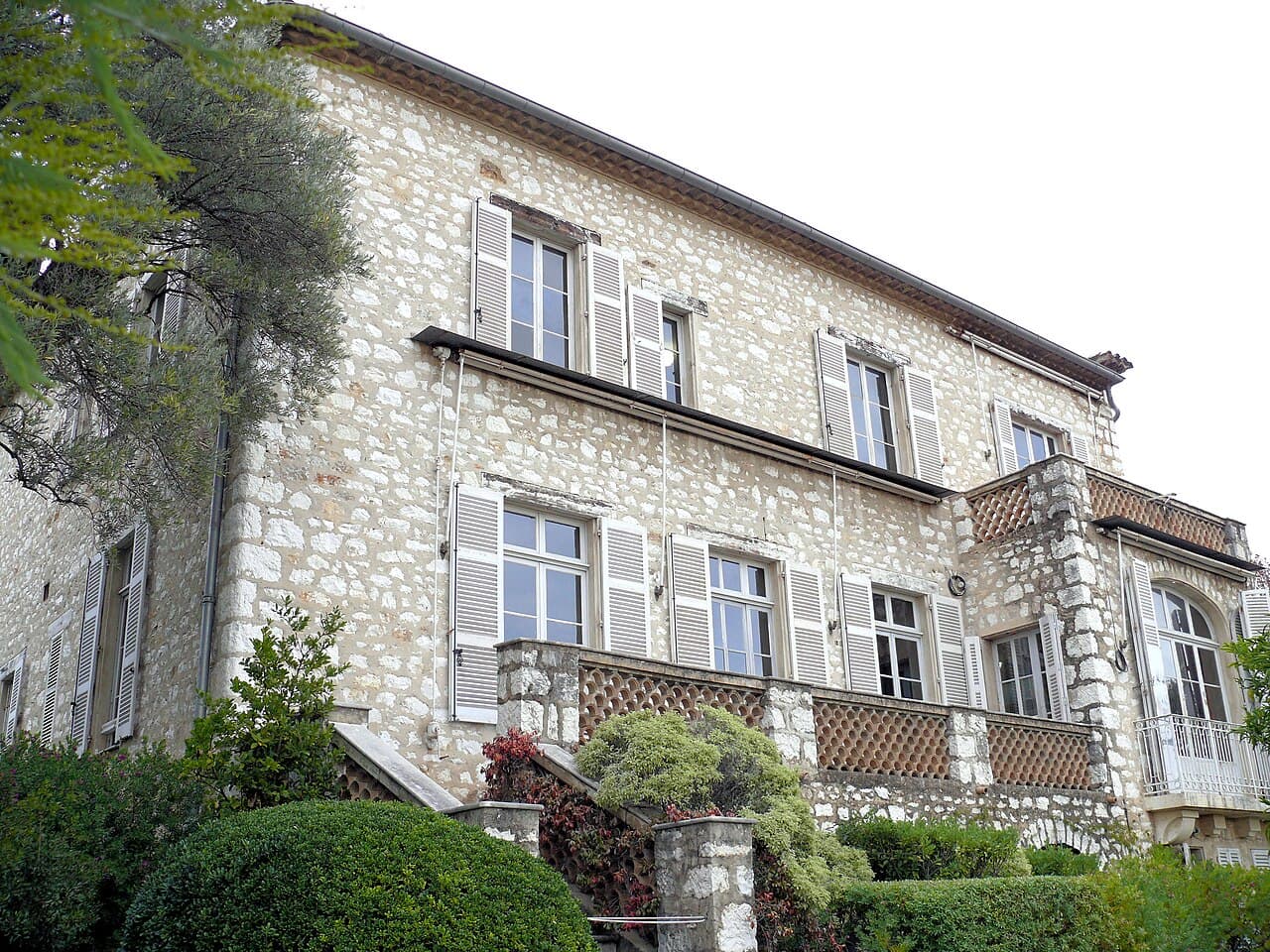
Pierre-Auguste Renoir spent his last years in Cagnes-sur-Mer, on the Colline des Collettes, where the Musée Renoir now occupies his former home and studio, built in 1907 and surrounded by the olive groves he painted.
Pierre Bonnard settled in Le Cannet, where the Musée Bonnard is the only museum in the world entirely dedicated to his work. Pablo Picasso, for his part, is honored through the Musée Picasso, while Jean Cocteau's ties to the coast are documented at the Musée Jean Cocteau.
Alpes-Maritimes on the map
Museums, galleries and heritage, at a glance.
202 results
Frequently asked questions
How many days are needed to visit the main museums of the Alpes-Maritimes?
Allow at least three to four days to cover Nice's museums, the Fondation Maeght in Saint-Paul-de-Vence, and the Renoir and Bonnard houses in Cagnes-sur-Mer and Le Cannet.
Which museum should not be missed in Nice?
The Musée d'Art Moderne et d'Art Contemporain (MAMAC) is the reference point for twentieth-century art, alongside the Villa Masséna for history and decorative arts.
Is the Fondation Maeght accessible without a car?
Saint-Paul-de-Vence is reachable by bus from Nice or Cagnes-sur-Mer, but a car makes it easier to combine the visit with Vence and the FONDATION CAB the same day.
What is the best season to visit these sites?
Spring and early autumn offer mild weather and fewer crowds than summer, which is peak tourist season on the coast, especially around Cannes and Nice.
Can the Musée Renoir and Musée Bonnard be visited together?
Yes, Cagnes-sur-Mer and Le Cannet are about twenty minutes apart by car, making it possible to visit both artists' houses in a single day.
Are the smaller museums like Terra Amata suitable for families?
Yes, the Musée de paléontologie de Terra Amata presents prehistoric findings on an actual excavation site, which tends to appeal to children and adults alike.