Department
Museums, galleries and heritage in Vaucluse
107 places to discover across Vaucluse.
Including Palais des Papes, Abbaye Notre-Dame de Sénanque and Château de Gordes.
20 of 26 places, sorted by distance from the center
Towns to explore
Ansouis · Avignon · Bonnieux · Cadenet · Caromb · Carpentras · Cavaillon · Châteauneuf-du-Pape · Cucuron · Gordes · Goult · Jonquières · L'Isle-sur-la-Sorgue · Lourmarin · Malaucène · Orange · Pertuis · Roussillon · Sablet · Saint-Christol
A Department Shaped by Popes and Painters
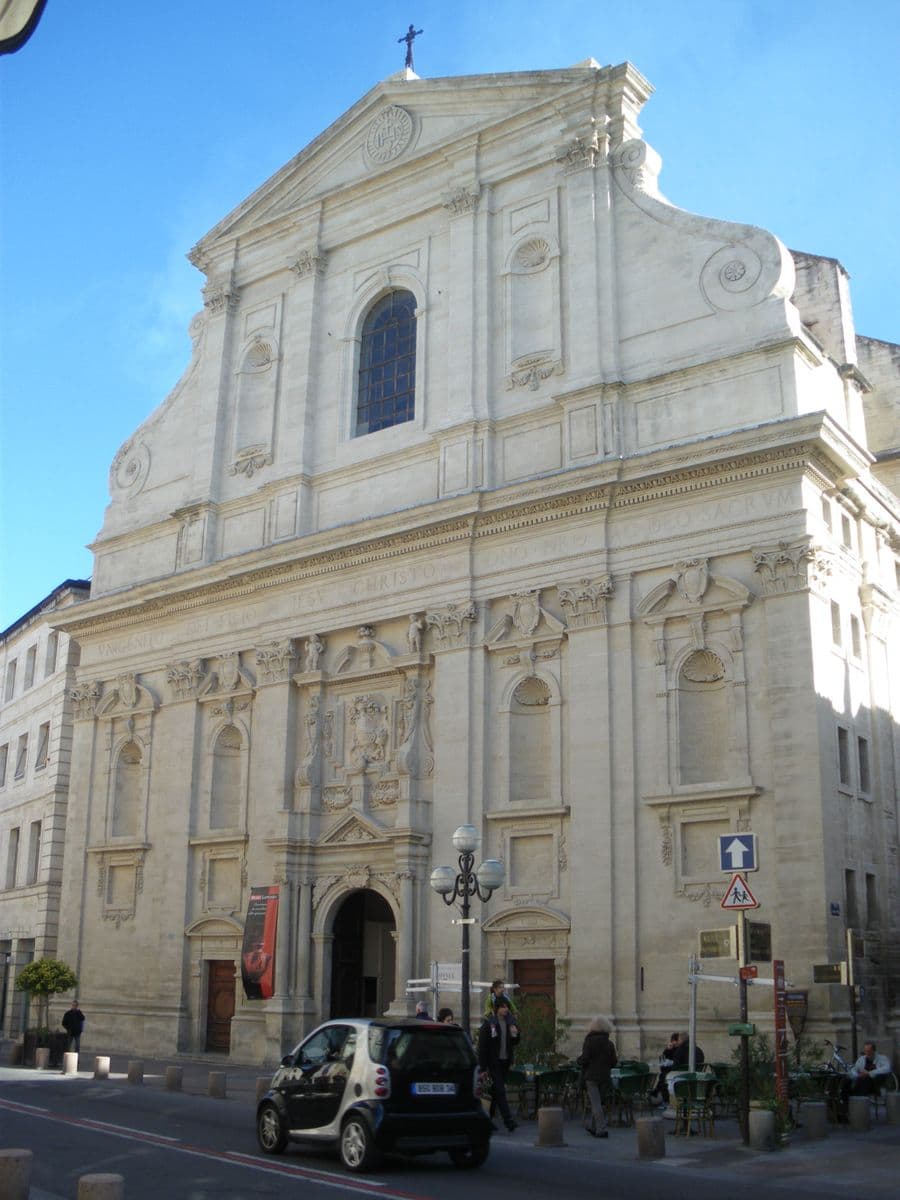
Vaucluse owes its cultural weight to Avignon, seat of the papacy in the 14th century, whose Centre historique d'Avignon: Palais des papes, ensemble épiscopal et Pont d'Avignon was inscribed on the UNESCO World Heritage List in 1995. The city's museum landscape reflects this legacy alongside more personal collections: the Musée Calvet and its annex, the Musée Lapidaire, housed in a former Jesuit chapel, sit not far from the Musée Angladon, built around the collection of couturier Jacques Doucet.
Further north, Orange preserves one of the best-preserved Roman theatres in existence: the Théâtre antique et ses abords et « Arc de Triomphe » d'Orange, also UNESCO-listed, still used for performances nearly two thousand years after its construction. Vaison-la-Romaine complements this antique heritage with its own excavated town centre and the Musée archéologique Théo Desplans, built directly on the site it interprets.
Avignon, Carpentras and the Villages of the Luberon
Avignon's intra-muros core concentrates most of the department's major institutions, from the Musée du Petit Palais, adjoining the Palais des papes, to the Muséum d'histoire naturelle Esprit Requien. The Musée juif comtadin and the Musée Jean Garcin 39-45: l'appel de la liberté round out the city's historical offerings beyond the papal narrative.
Carpentras holds the Bibliothèque-musée Inguimbertine, set in a former hôtel-Dieu and combining a rare book collection with fine art. Valréas, in the northern Enclave des Papes, groups three sites in one town: the Château de Simiane, the Musée du Cartonnage et de l'Imprimerie, and the Musée archéologique et de pays.
Literary and Artistic Figures Tied to Vaucluse
Petrarch spent formative years in Vaucluse, and the Musée-bibliothèque Pétrarque in Fontaine-de-Vaucluse commemorates his time near the source of the Sorgue, one of the sites long associated with his poetry.
Jacques Doucet's role as a collector rather than a maker of art gives the Musée Angladon its particular character in Avignon, assembling works gathered through the couturier's personal taste rather than a single school or period.
Frequently asked questions
How much time should I plan for the Palais des papes and central Avignon?
A half-day covers the Palais des papes and the surrounding UNESCO-listed centre historique; add another half-day if you plan to visit the Musée Calvet or the Musée du Petit Palais nearby.
Is the Roman theatre in Orange still in use today?
Yes, the Théâtre antique d'Orange hosts concerts and opera performances, notably during the summer Chorégies festival, in addition to being open for daytime visits.
What is the best base for exploring Luberon galleries?
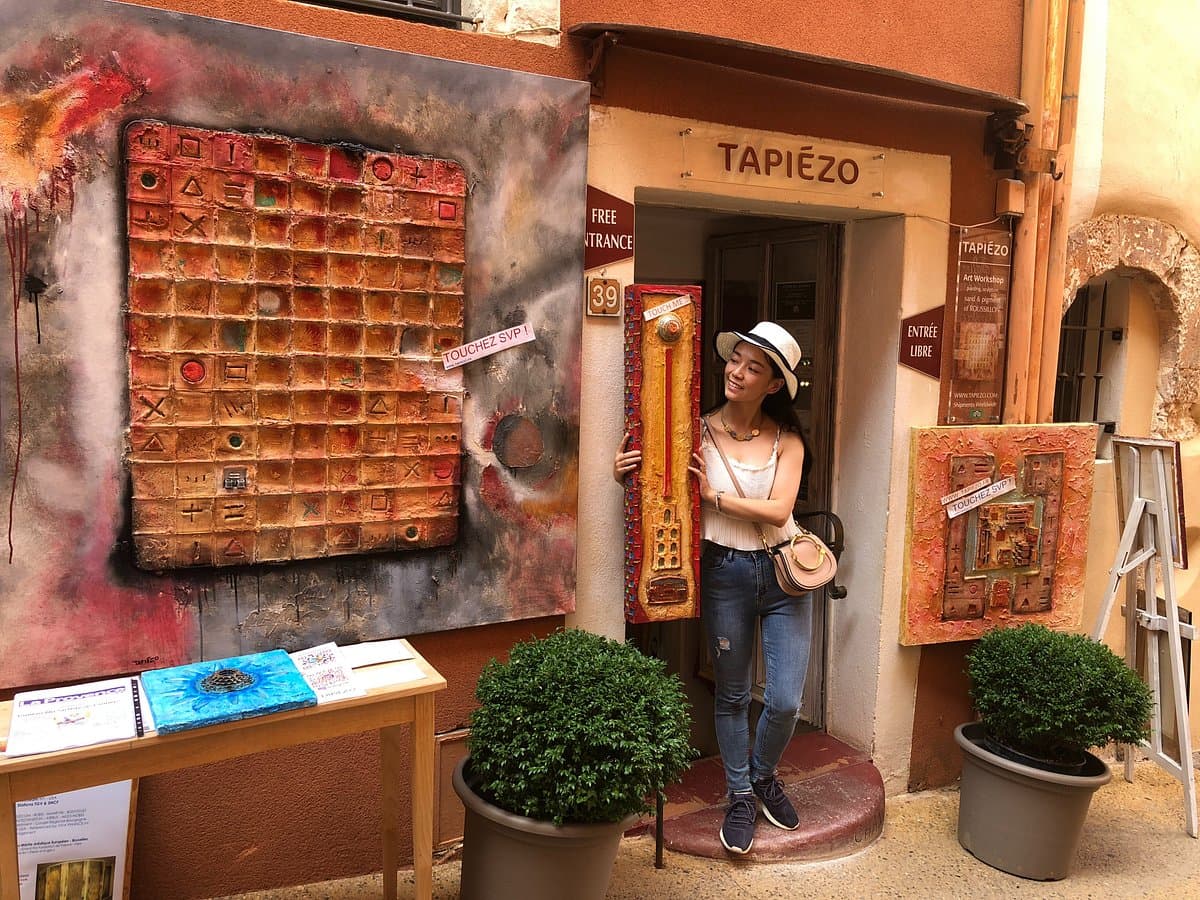
Roussillon and Lourmarin each concentrate several galleries within walking distance, making them practical bases for a gallery-focused day in the Luberon.
Are Vaucluse's museums accessible by public transport?
Avignon's museums are walkable from the train station, but villages like Roussillon, Bonnieux and Cucuron are best reached by car, as bus connections are limited.
When is the best time to visit Vaucluse for art and heritage?
Spring and early autumn offer mild weather for walking between sites; July brings the Avignon theatre festival, which also activates venues like the Collection Lambert.