18 museums · 13 galleries
Oise: Château Heritage and Craft Museums in Picardy
Explore museums, galleries and heritage sites in Oise, in Hauts-de-France.
A Département Shaped by Royal and Imperial Patronage
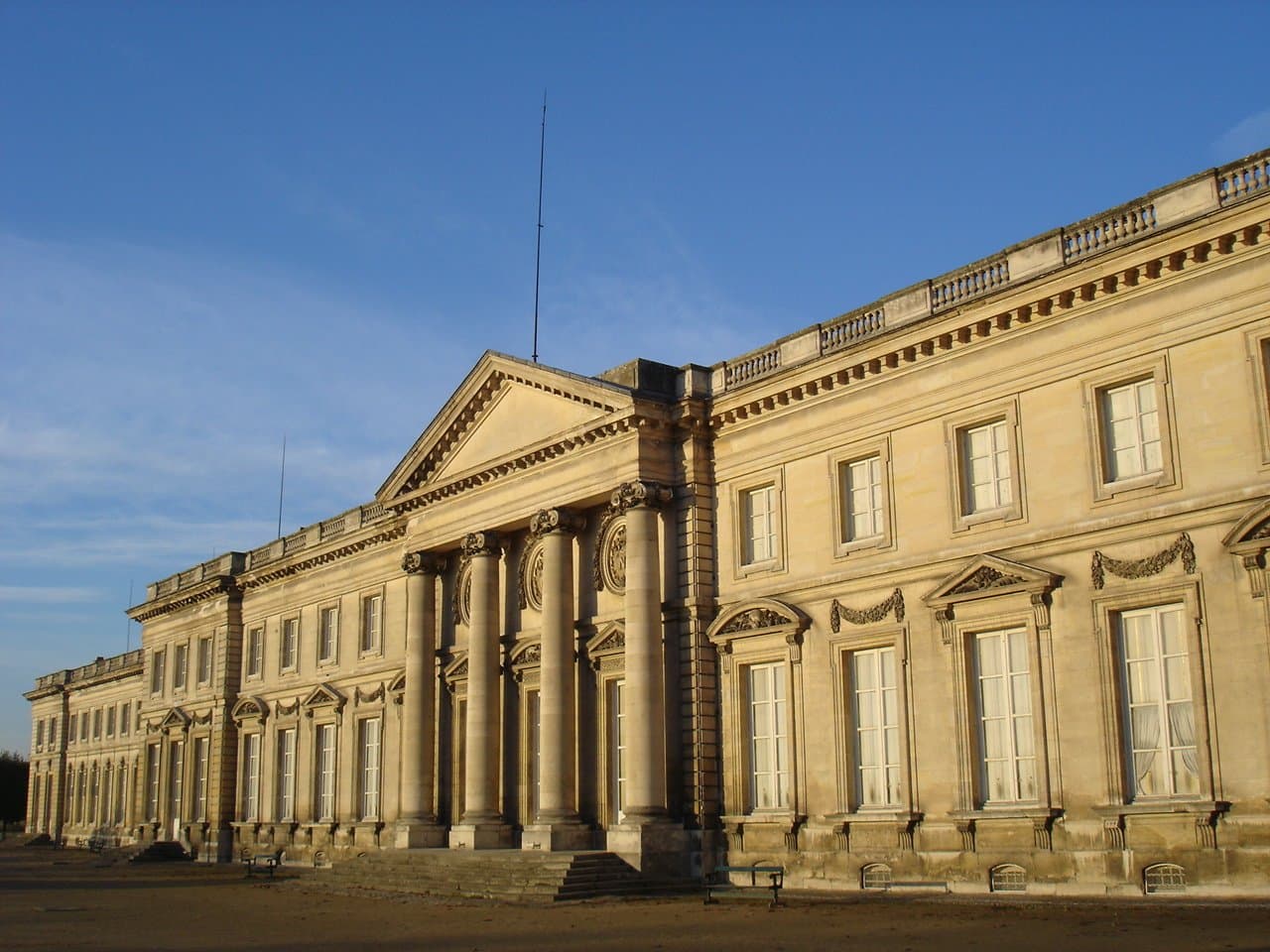
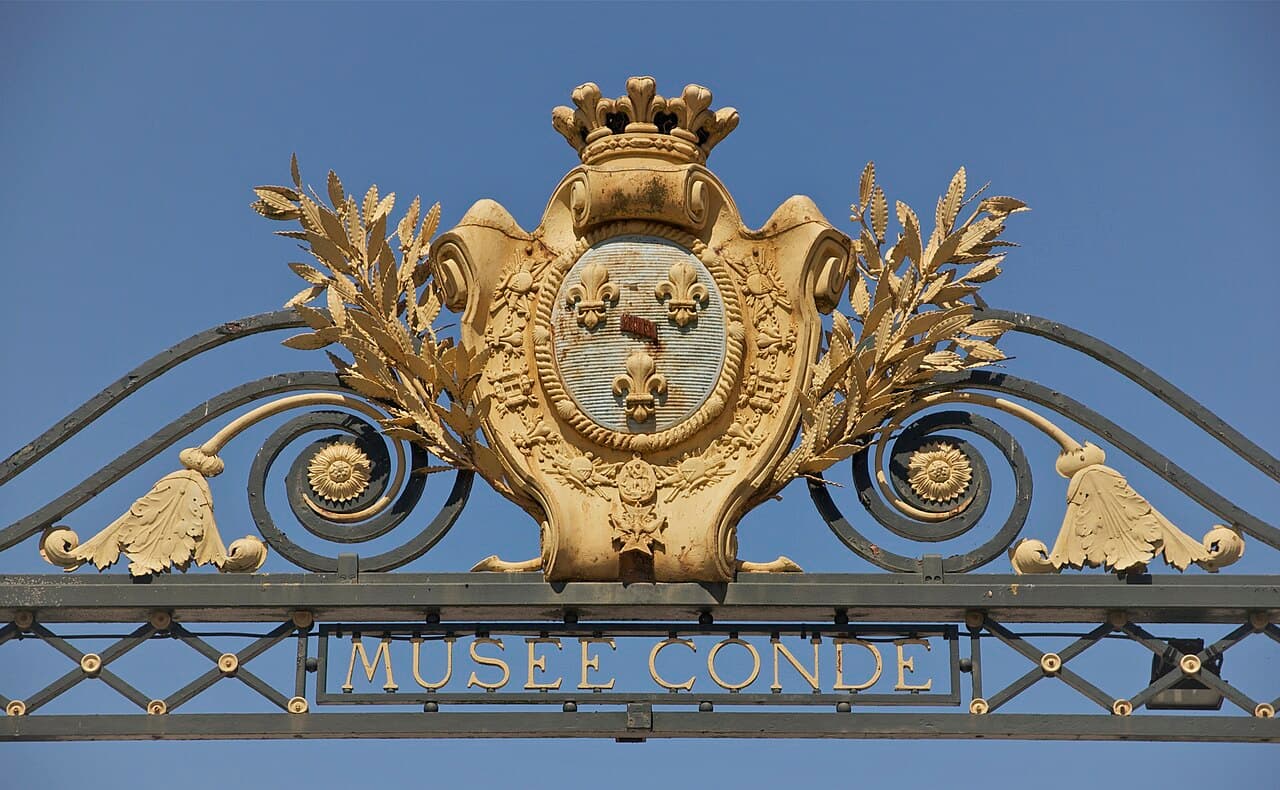
The Oise owes much of its museum landscape to the residences built by princes and emperors on its territory. The Musée Condé in Chantilly occupies the Château built by the Duc d'Aumale, while the Château de Compiègne preserves the apartments and carriage collections linked to Napoleon and the Second Empire.
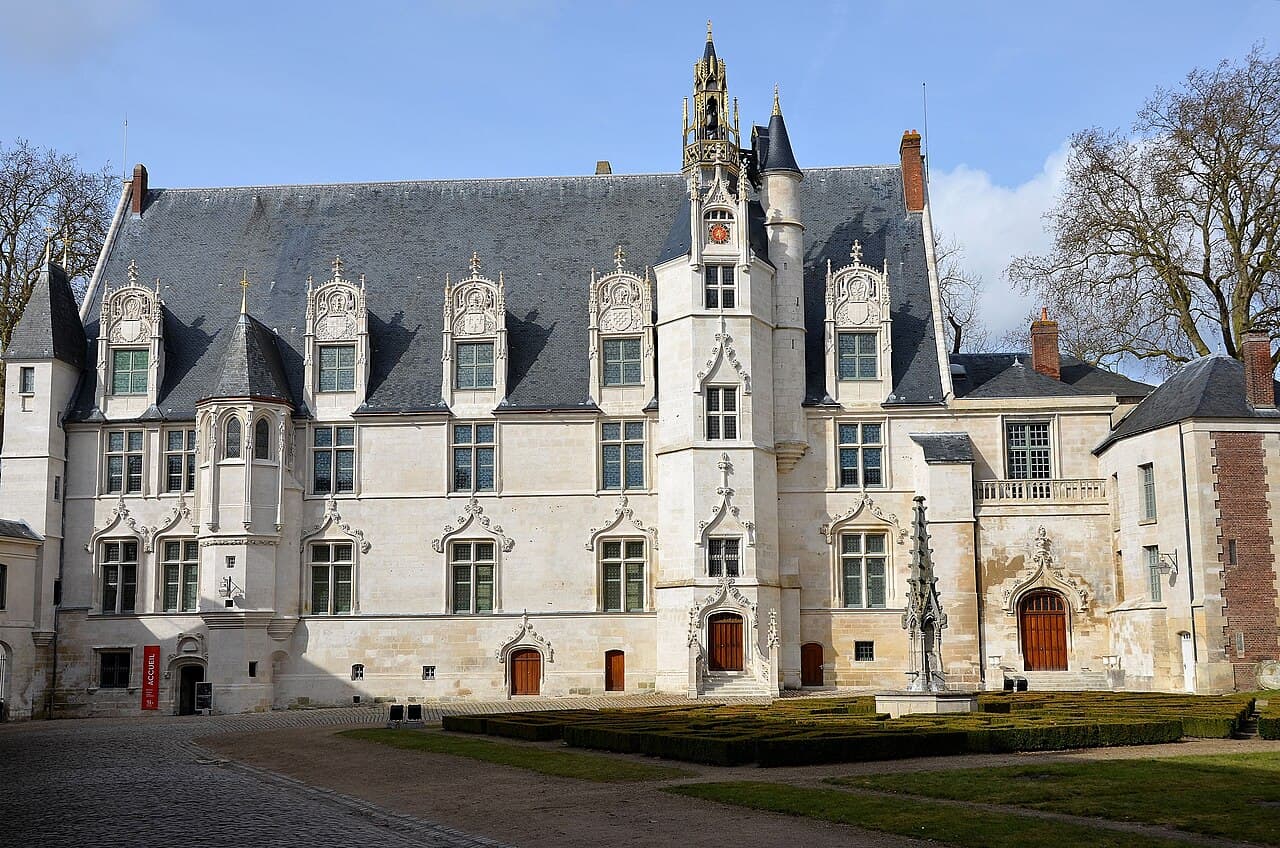
In Beauvais, the MUDO - Musée de l'Oise occupies the former bishop's palace and covers regional history from archaeology to fine arts, while Compiègne alone hosts several specialised institutions: the Musée Antoine Vivenel, the Musée de la figurine historique, and the Musée du Cloître Saint-Corneille, the latter displaying medieval and Renaissance religious sculpture within a former cloister.
Cities & region
Museums to discover
18 museums, from major institutions to local collections.
Galleries to discover
13 contemporary and modern art galleries.





Museum Towns Across the Territory
Senlis groups heritage collections around its royal château and priory: the Musée de la vénerie is devoted to hunting traditions, while nearby Musée du Valois et de l'archerie covers regional archery.
Noyon and Vendeuil-Caply anchor the north of the department: the Musée du Noyonnais and Musée Calvin address local and religious history, while the Musée archéologique de l'Oise in Vendeuil-Caply presents finds from a Gallo-Roman site excavated on location.
Smaller towns hold specialised collections: the Musée Theillou in Clermont, set within a hospital, traces the history of psychiatric care, and the Musée Raymond Pillon in Chaumont-en-Vexin reflects a rural Vexin identity distinct from the château towns further east.
A Growing Contemporary Gallery Scene
Alongside its historic museums, the Oise supports an active network of contemporary art spaces. In Beauvais, Le Quadrilatère and La Galerie Associative show regional and emerging artists, while Compiègne hosts Galerie de l'Est - Darya Brient and Artefakt.
Chantilly's gallery offer complements its museum heritage, with Galerie Alethea and Galerie Garcia Chantilly both located near the château. Clermont hosts Photaumnales, a photography-focused venue tied to a biennial festival, and Gerberoy's La Baudelaire Gallery occupies one of France's officially listed most beautiful villages.
Oise on the map
Museums, galleries and heritage, at a glance.
31 results
Frequently asked questions
How much time should I plan to visit the Musée Condé in Chantilly?
Allow at least half a day to see the château apartments, the picture gallery and the surrounding park; the library collections alone reward a longer visit.
Is the Château de Compiègne worth visiting outside the Museum of the Carriage?
Yes, the imperial apartments and Second Empire interiors are shown on separate circuits from the carriage collection, so plan time for both if interested in Napoleonic history.
Which Oise museum is best for craft and industrial heritage?
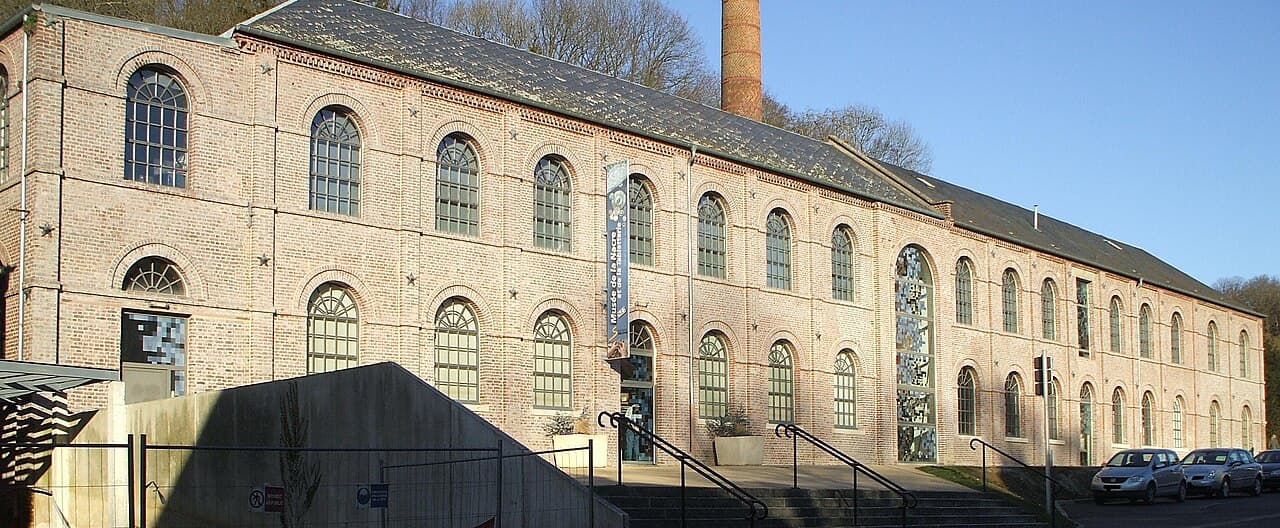
The Musée de la Nacre et de la Tabletterie in Méru covers mother-of-pearl working, while the Musée de la Dentelle de Chantilly focuses on lacemaking — both offer live demonstrations at times.
Are the smaller local museums, like the Musée Theillou or Musée Raymond Pillon, open year-round?
Many of these smaller, often municipally or association-run museums keep limited or seasonal opening hours, so checking ahead before a visit is recommended.
Where can I see contemporary art in the Oise alongside historic collections?
Beauvais (Le Quadrilatère), Compiègne (Galerie de l'Est, Artefakt) and Chantilly (Galerie Alethea, Galerie Garcia) each combine gallery visits easily with nearby museum stops.
What is a good base for exploring several Oise museums in one trip?
Compiègne is a practical base, with several museums in town (Vivenel, Cloître Saint-Corneille, Figurine historique) and easy access to Senlis, Chantilly and Beauvais.