20 museums · 10 galleries · 2 heritage sites
Marne: Champagne Heritage, Great War Memory and Art in the Grand Est
Explore museums, galleries and heritage sites in Marne, in Grand Est.
A Department Shaped by Wine and War
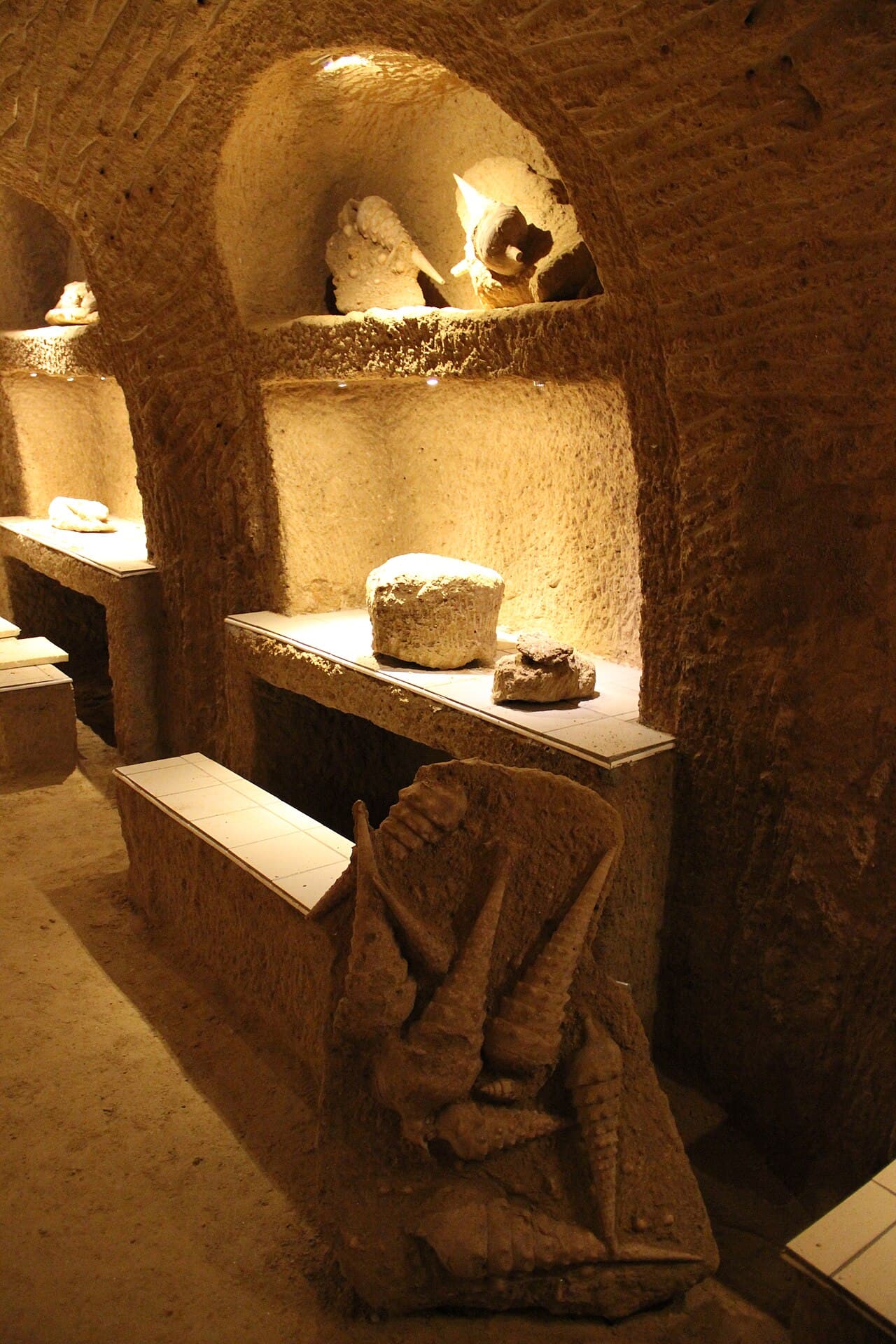
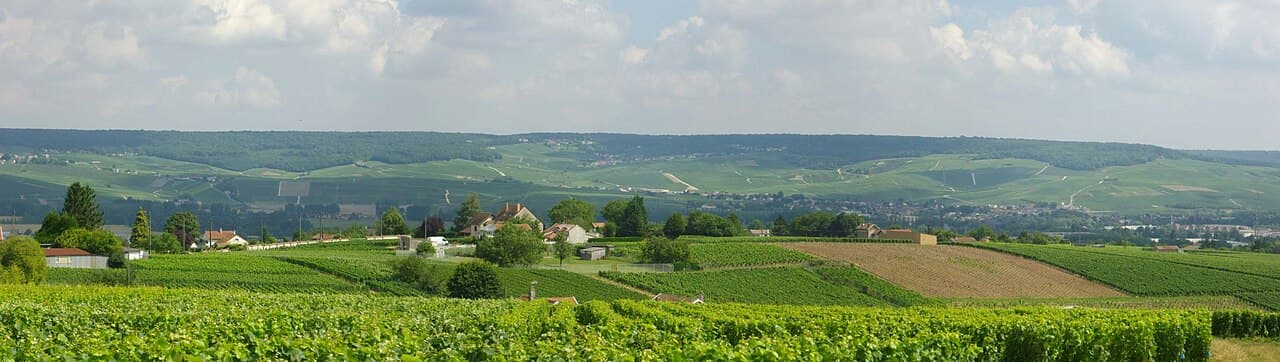
Marne is best known internationally for champagne, and the region's viticultural landscape around Épernay was inscribed on the UNESCO World Heritage list in 2015 as Coteaux, Maisons et Caves de Champagne, recognising centuries of production techniques, hillside vineyards and underground cellars carved into chalk.
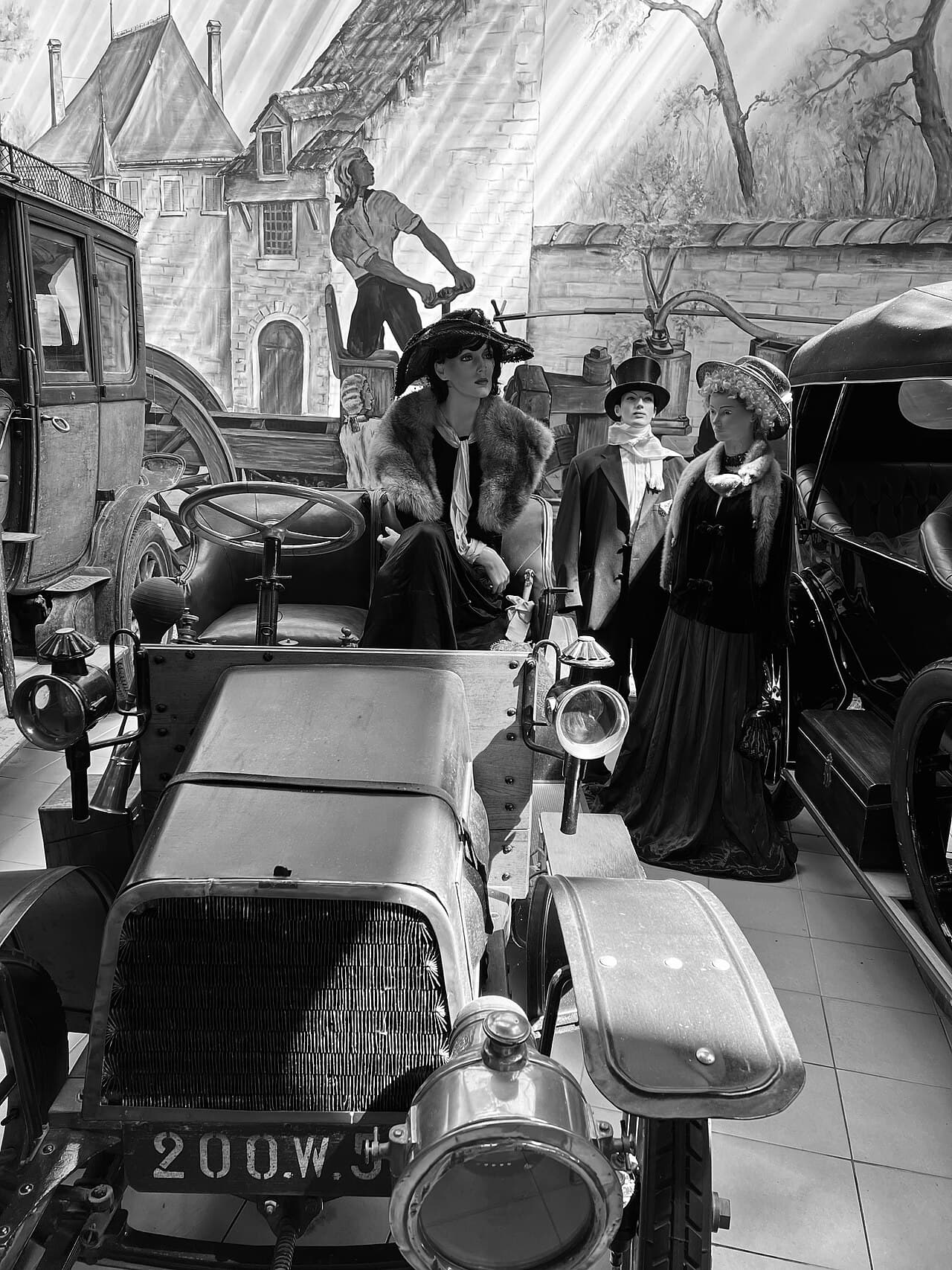
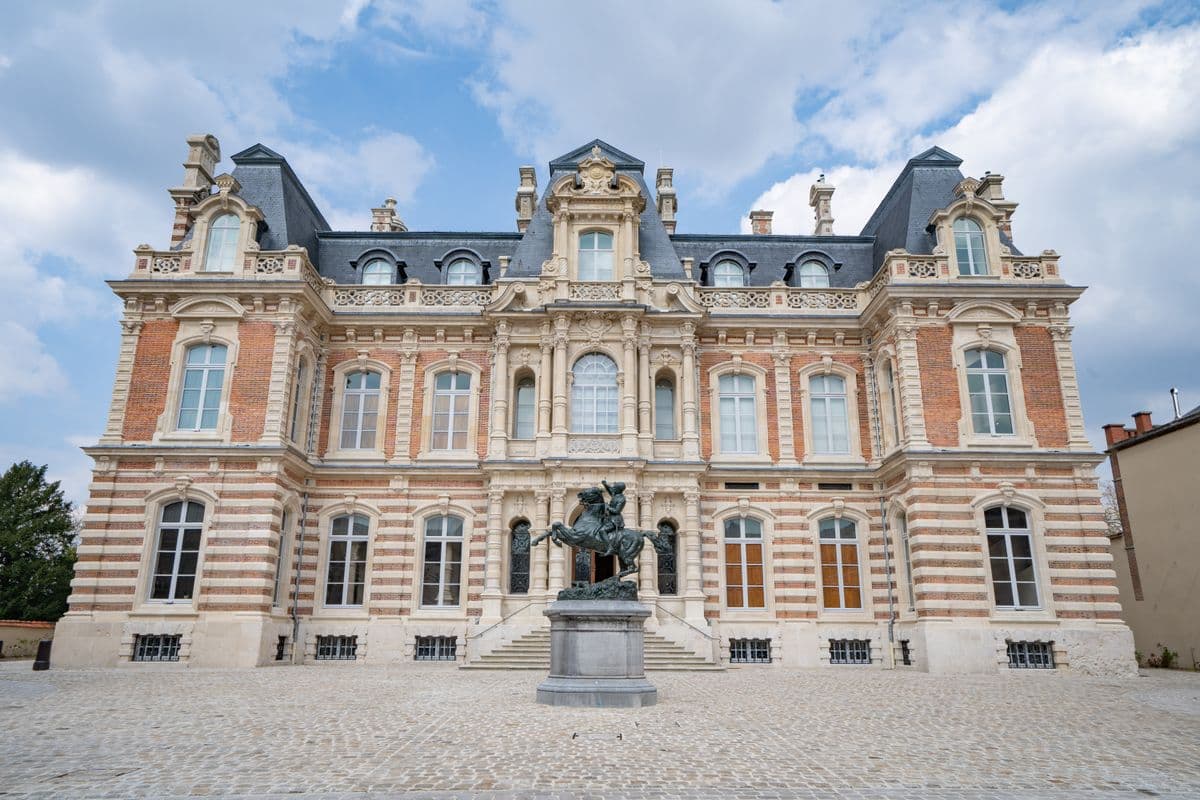
In Épernay itself, the Musée du vin de Champagne et d'Archéologie régionale, housed in the Château Perrier, organises its collections across four spaces covering geology, vine cultivation, cellar work and regional archaeology.
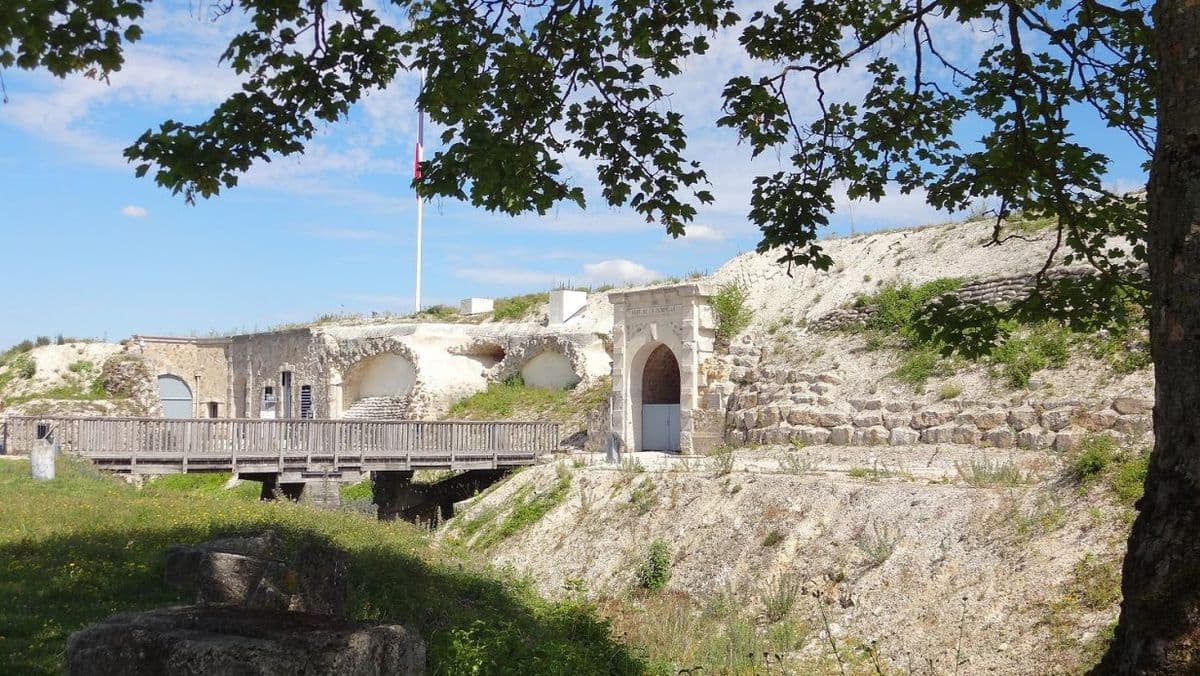
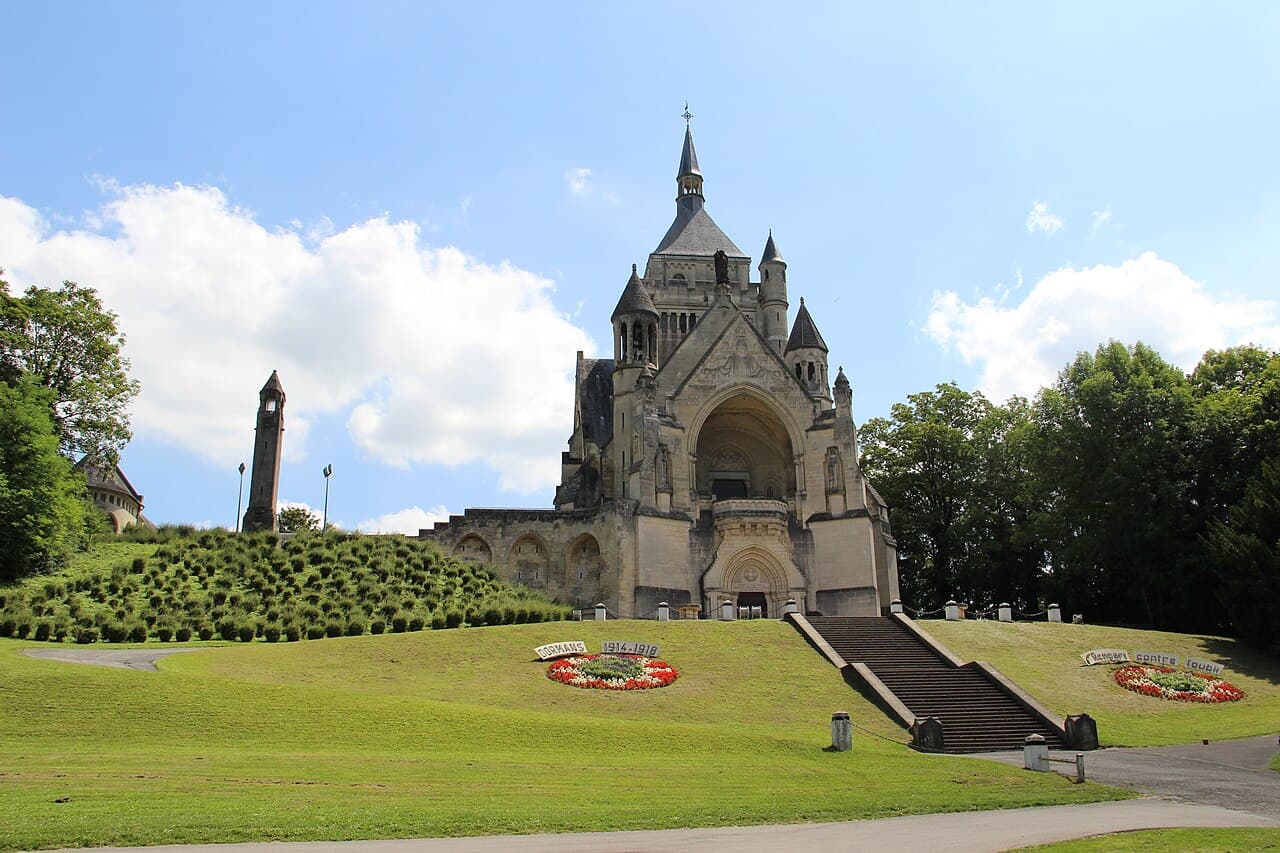
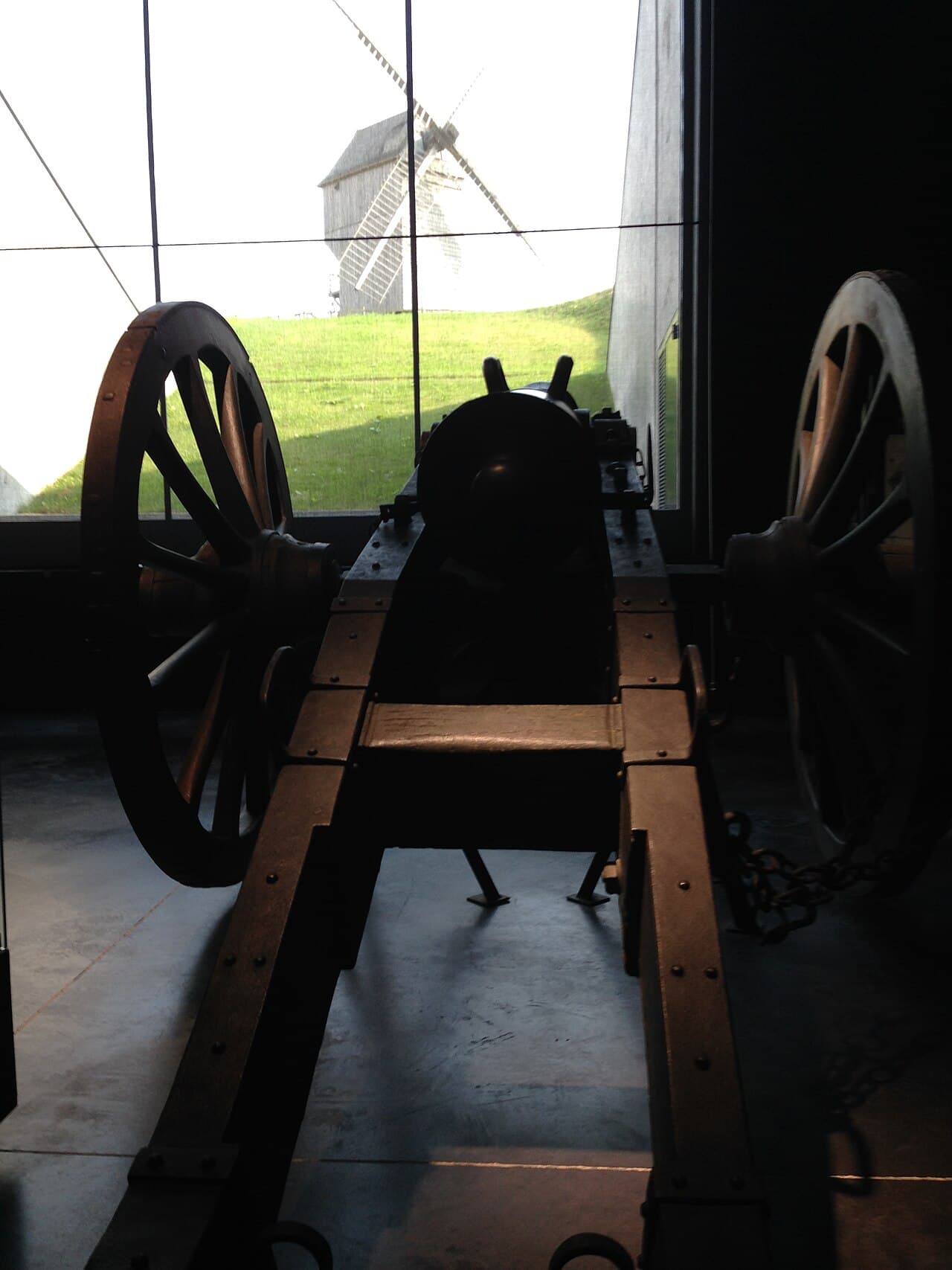
The department's second defining chapter is military history. Marne was at the heart of both the 1792 Revolutionary battle commemorated at the Centre historique Valmy 1792 and the decisive First World War engagements retraced at the Mémorial des batailles de la Marne in Dormans, the Marne 14-18 - Centre d'Interprétation in Suippes, and the fortified site of the Musée du fort de la Pompelle.
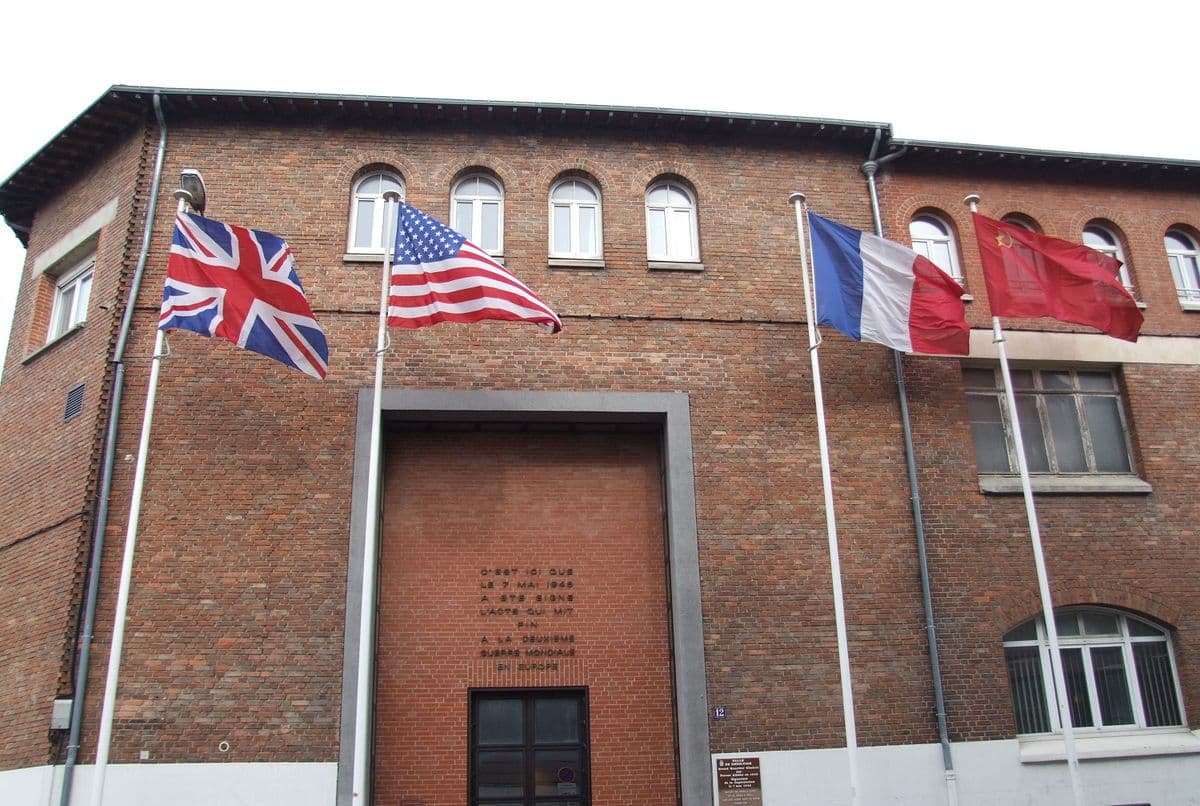
Reims closes this historical arc: the Musée de la Reddition du 7 mai 1945 preserves the room where Germany signed its unconditional surrender in 1945, marking the end of the Second World War in Europe.
Cities & region
Museums to discover
20 museums, from major institutions to local collections.
Galleries to discover
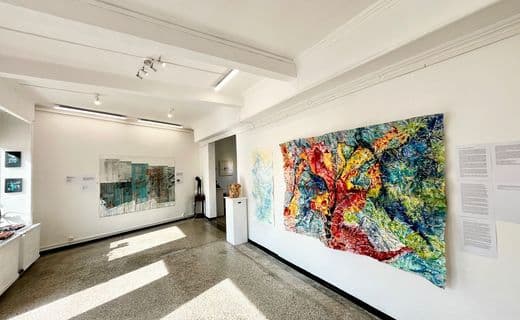
10 contemporary and modern art galleries.




World Heritage & monuments
2 UNESCO World Heritage Sites.
Reims and Châlons-en-Champagne: Two Historic Centers
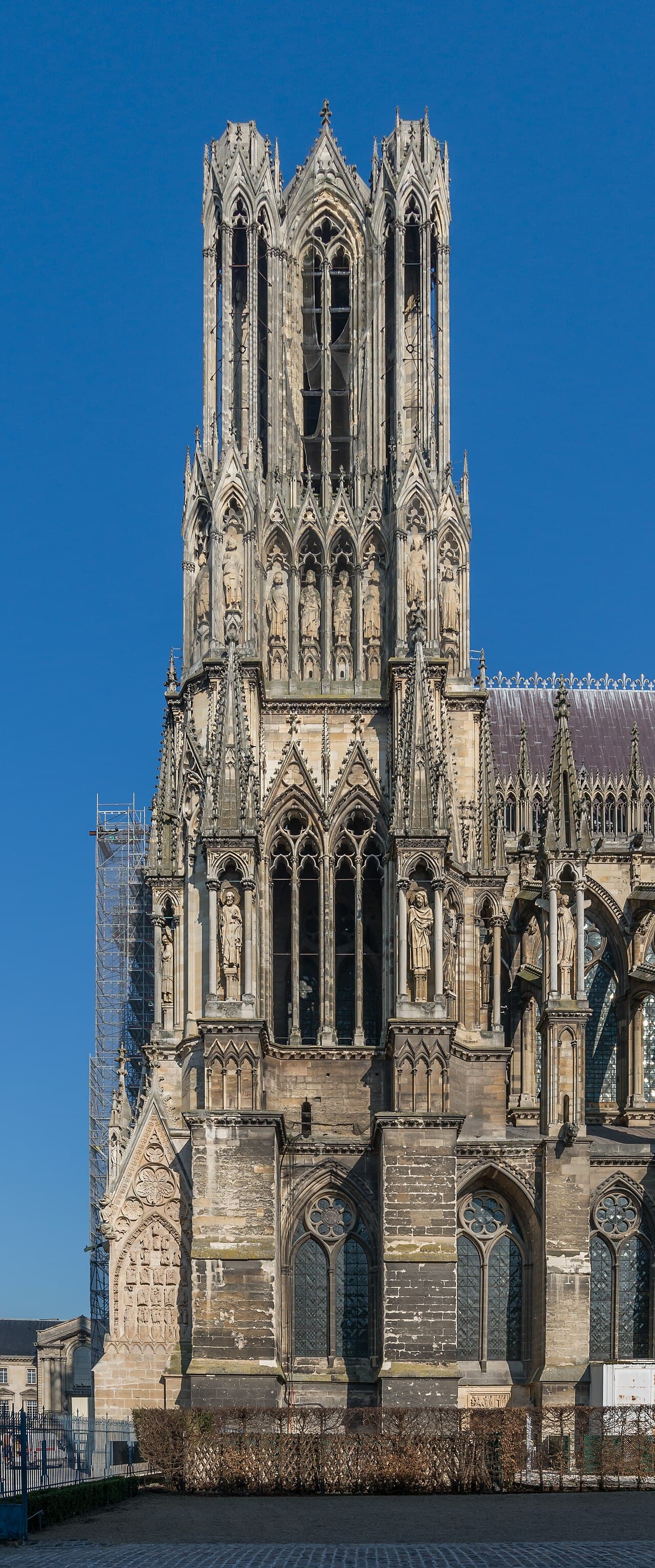
Reims' cathedral quarter forms the department's principal cultural landmark. The Cathédrale Notre-Dame, ancienne abbaye Saint-Rémi et palais du Tau forms a UNESCO-listed ensemble that testifies to the coronation history of French kings and to Gothic architecture at its most accomplished.
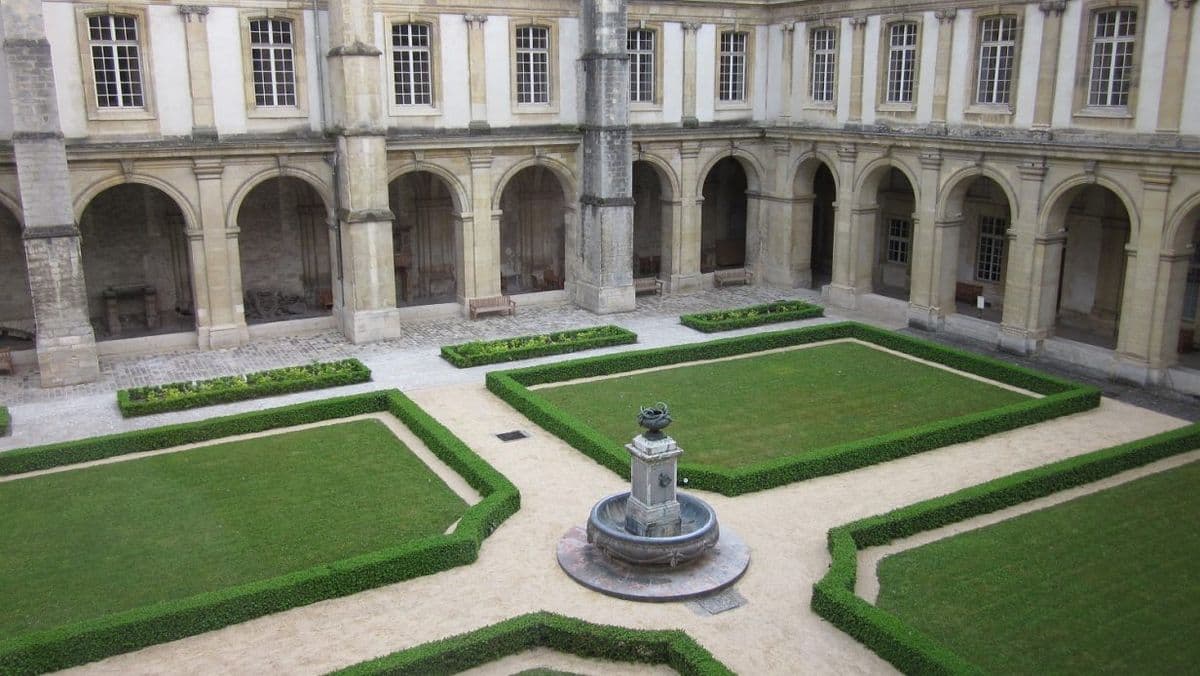
Around this monumental core, Reims concentrates several major museums: the Musée Saint-Remi (also known as the city's fine arts museum), the Musée-hôtel Le Vergeur, and the Musée du cloître de Notre-Dame-en-Vaux in Châlons-en-Champagne, which preserves cloister sculpture from the former collegiate church.
Châlons-en-Champagne, the historic administrative capital of the department, also holds the Musée des Beaux-Arts et d'Archéologie on Place Godart, presenting fine arts and archaeology collections spanning the 19th and 20th centuries, and the Musée Garinet, a 19th-century mansion turned museum.
Contemporary Art and Galleries
Reims hosts the FRAC Champagne-Ardenne, the regional collection dedicated to contemporary art, alongside a scattering of independent spaces such as La Galerie by Romaric Segalen, Tranchoir., and Le Moulin (de culture...).
Outside the city, the rural galleries diversify the offer: Maison Louis Jardin in Le Mesnil-sur-Oger sits in the heart of champagne country, La Grange Bernard occupies a converted barn near the Lac du Der, and Alain Choisnet in Sézanne and Atelier d'Artiste Eli Tiunine in Bétheny each showcase a single artist's practice.
Marne on the map
Museums, galleries and heritage, at a glance.
32 results
Frequently asked questions
How many days should I plan to explore Marne's cultural sites?
A long weekend covers Reims' cathedral and museums plus Épernay's champagne heritage; add a day for the WWI memorials and rural écomusées.
Is the Cathédrale Notre-Dame de Reims free to visit?
Access to the cathedral nave is free; the adjoining Palais du Tau museum requires a separate ticket.
What is the best time of year to visit Marne for champagne-related sites?
September's harvest season is liveliest, but the Épernay wine museum and cellar visits operate year-round.
Are the WWI museums in Marne suitable for a family visit?
Sites like the Musée du fort de la Pompelle and Marne 14-18 - Centre d'Interprétation use object-based, chronological displays accessible to older children and adults alike.
Which museum should not be missed for art lovers?
The Musée Saint-Remi, Reims' fine arts museum housed in a former abbey, combines Gothic architecture with significant painting collections.
Is the Musée des Beaux-Arts in Reims currently open?
It is temporarily closed for renovation; check current opening status before planning a visit.