Region
Museums, galleries and heritage in Île-de-France
1621 places to discover across Île-de-France.
Including Musée du Louvre, Château de Versailles and Basilique du Sacré-Cœur de Montmartre.
20 of 30 places, sorted by distance from the center


A Region Built Around Art, Power and History
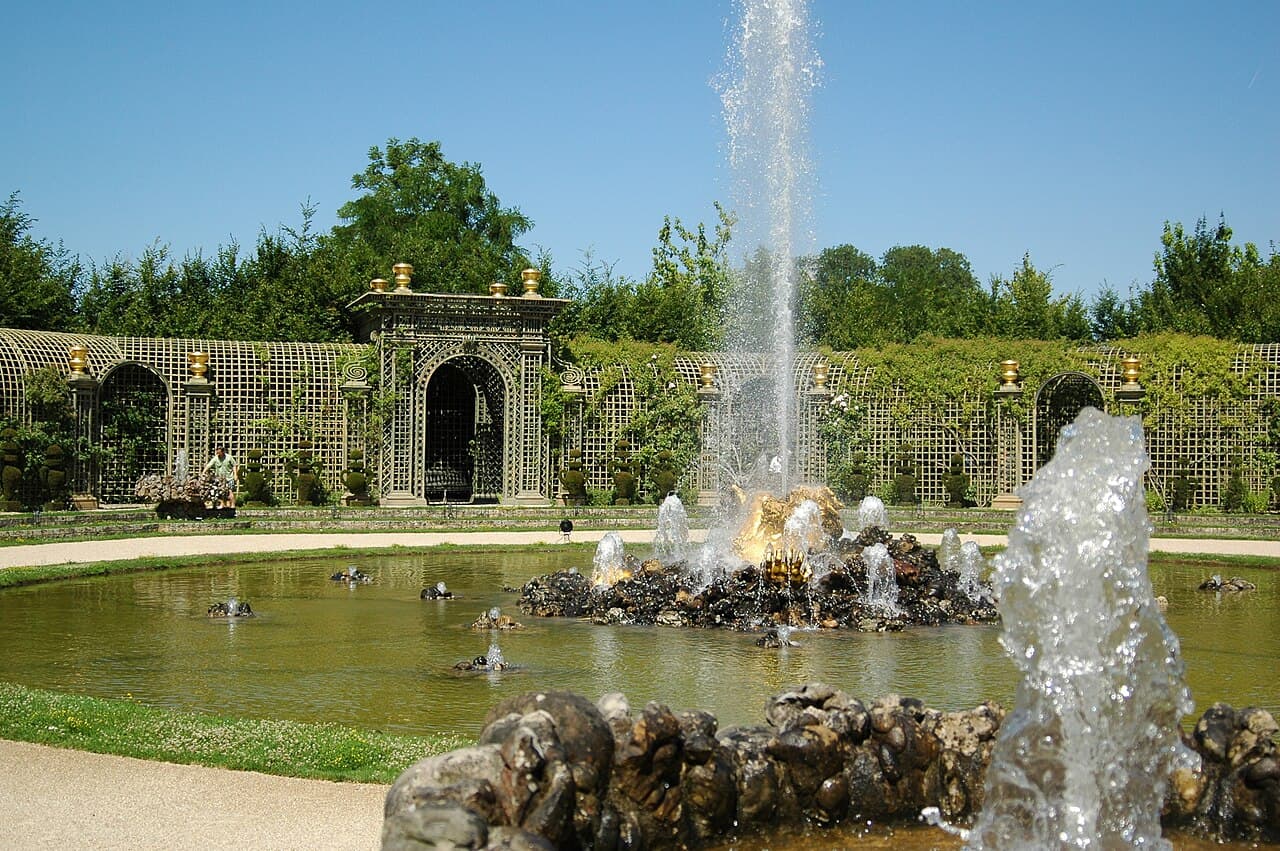
Île-de-France is dominated by Paris, home to the region's largest concentration of museums and galleries, but the surrounding departments hold sites of equal historical weight. The Palais et parc de Versailles in Versailles remains the region's defining royal monument, complemented within the same domain by Le Grand Trianon, built in 1687 for Louis XIV as a retreat from formal court life.
Further from the capital, the Palais et parc de Fontainebleau in Seine-et-Marne traces centuries of French royal residence, while Provins, ville de foire médiévale preserves the fortifications and street layout of one of medieval Europe's great trading fairs. Both sites are UNESCO World Heritage listings, alongside Paris, rives de la Seine and the Poissy house designed by Le Corbusier, recognised as part of L'Œuvre architecturale de Le Corbusier
Paris and Its Neighboring Towns
Within Paris itself, museum density varies sharply by arrondissement: the Louvre and Musée d'Orsay anchor the central riverside axis, while the Marais and eastern districts host a dense cluster of contemporary galleries. Just outside the capital, Saint-Ouen-sur-Seine is known for its flea market district, one of the largest antiques and vintage markets in Europe, drawing collectors and design enthusiasts on weekends.
The Bourget area in Seine-Saint-Denis, north of Paris, is home to the Musée de l'Air et de l'Espace, an open-air museum tracing the history of aviation on the site of a historic airfield — a striking contrast to the dense museum quarters of central Paris.
Artists Rooted in the Region
The Musée Marmottan Monet, installed in a former hunting lodge turned Empire-style mansion, holds the world's largest collection of works by Claude Monet, including many donated directly by his family. It offers a direct link to Impressionism's roots in and around the Paris region, where Monet and his contemporaries painted the Seine, its bridges and riverside towns.
Auguste Rodin worked and lived at the Hôtel Biron on rue de Varenne, now the Musée Rodin, where his sculptures, drawings and personal archives are displayed both indoors and across the surrounding garden.
Frequently asked questions
How many days should be planned to see Île-de-France's main sites?
At least four to five days: two for Paris's major museums, one full day for Versailles, and additional time for Fontainebleau or Provins if visited.
Are the region's museums accessible by public transport?
Yes, nearly all major sites in Paris, Versailles and Saint-Ouen-sur-Seine are reachable by RER or metro; Fontainebleau and Provins require a regional train plus a short bus or taxi ride.
What is the best time of year to visit Versailles and Fontainebleau?
Spring and early autumn offer smaller crowds and pleasant conditions for exploring the gardens; summer weekends see the heaviest visitor numbers at Versailles.
Are any major museums in the region free to enter?
The Petit Palais offers free access to its permanent collections year-round; several national museums also offer free entry on the first Sunday of the month, depending on current policy.
Which UNESCO World Heritage sites are located in Île-de-France?
Five: the riverside banks of Paris, the Palais et parc de Versailles, the Palais et parc de Fontainebleau, the medieval town of Provins, and Le Corbusier's house in Poissy.