Department
Museums, galleries and heritage in Saône-et-Loire
69 places to discover across Saône-et-Loire.
Including Abbaye de Cluny, Château de Cormatin and Cathédrale Saint-Lazare d'Autun.
20 of 30 places, sorted by distance from the center
Towns to explore
Autun · Blanzy · Bourbon-Lancy · Buxy · Chalon-sur-Saône · Charolles · Châtenoy-le-Royal · Cluny · Couches · Cuiseaux · Cuisery · Le Creusot · Mâcon · Marcigny · Mellecey · Montceau-les-Mines · Palinges · Paray-le-Monial · Pierre-de-Bresse · Romanèche-Thorins
A Department Between Invention, Faith and Prehistory
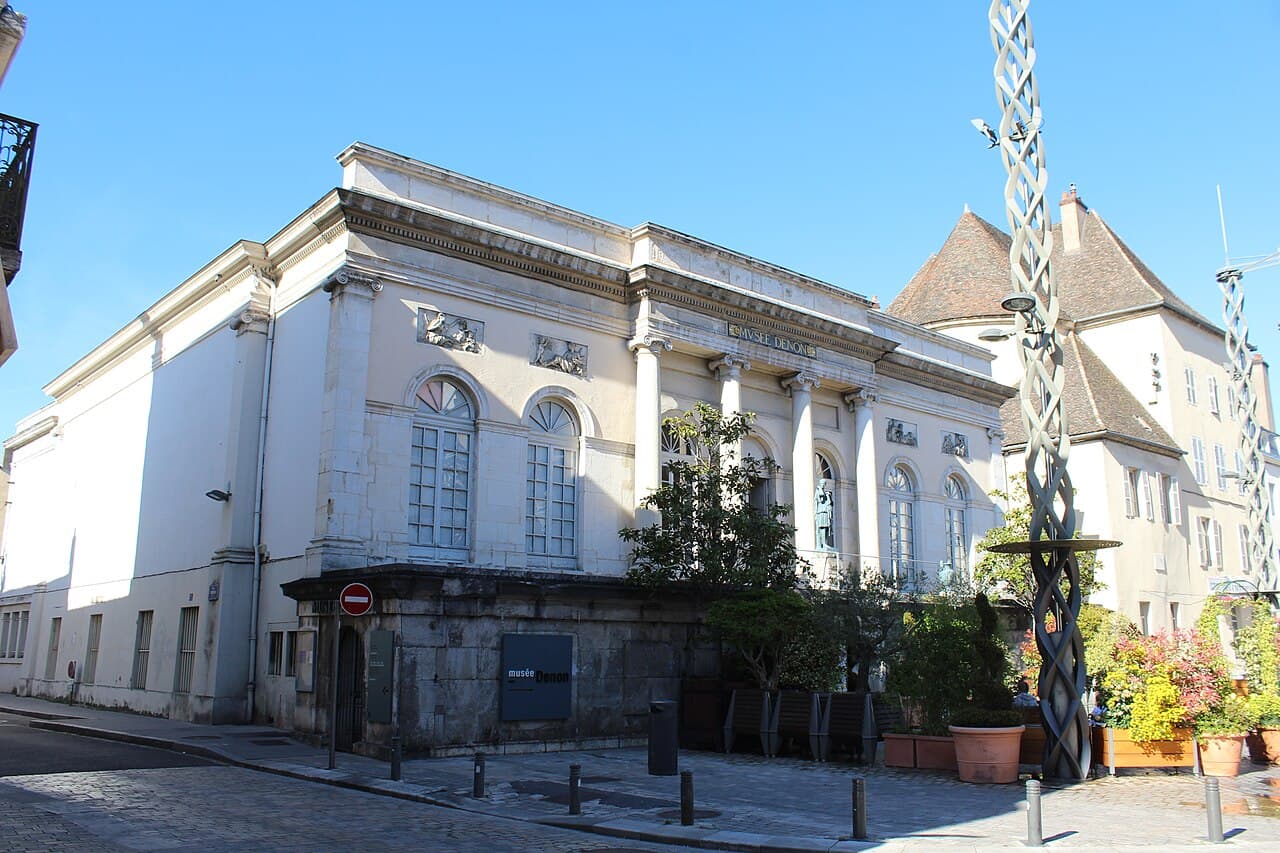
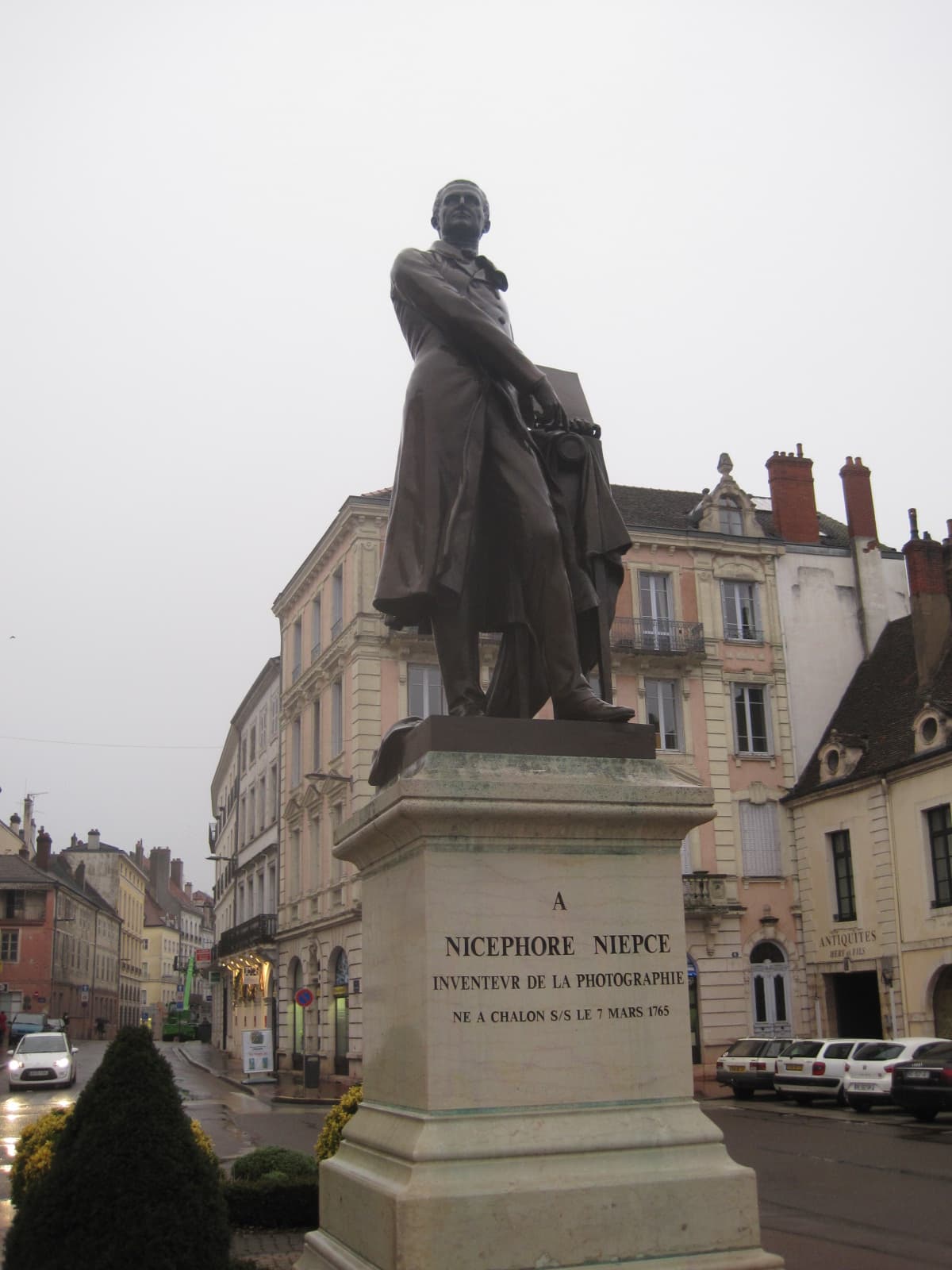
Chalon-sur-Saône occupies a singular place in the history of technology: it was here, and nearby at Saint-Loup-de-Varennes, that Nicéphore Niépce produced the first photographic images in the 1820s. The city's Musée Nicéphore Niépce holds one of the world's leading photography collections, while the Maison Nicéphore Niépce preserves the actual site of his experiments. Chalon's other institution, the Musée Vivant Denon, covers archaeology and fine arts from prehistory to the modern era.
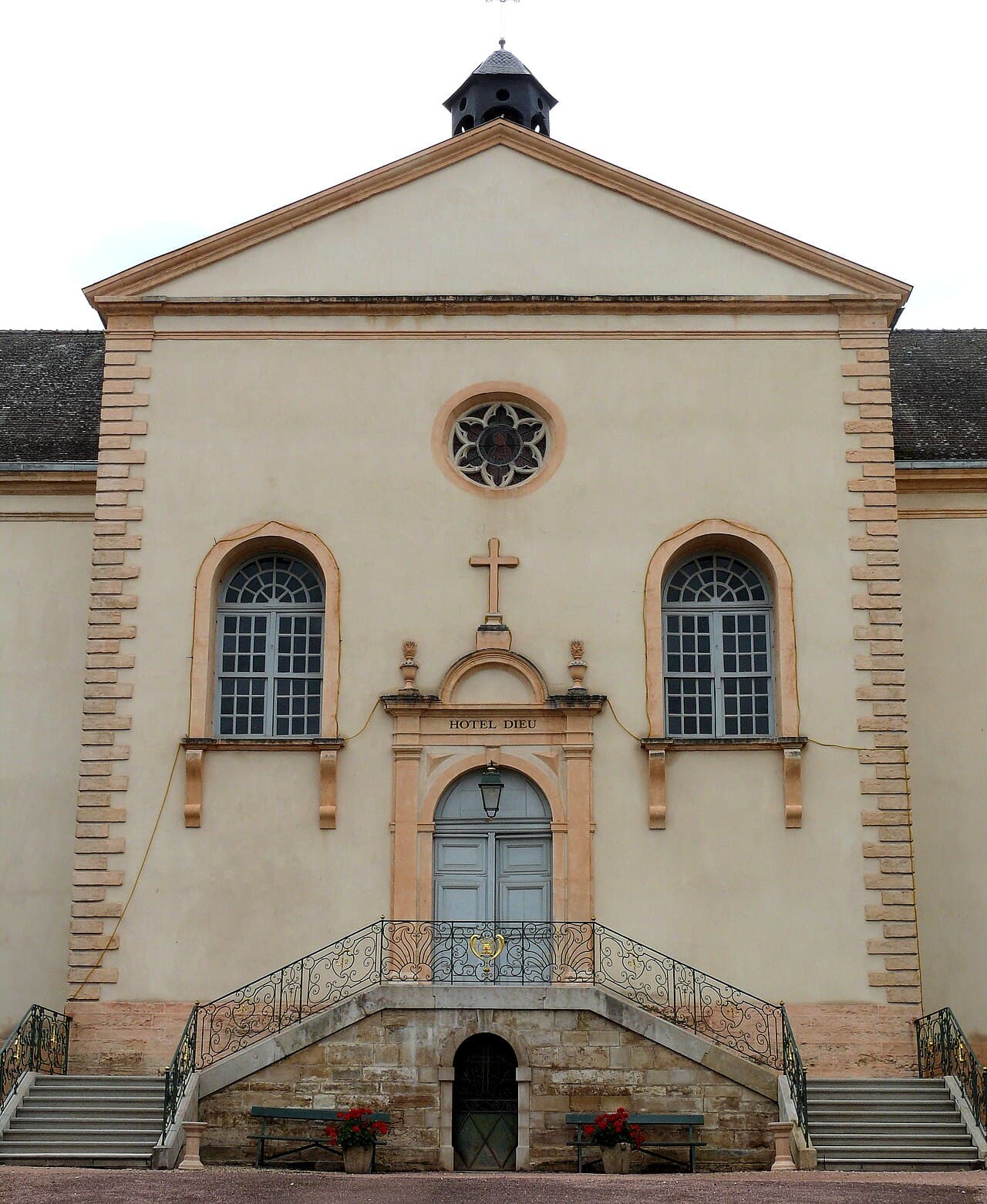
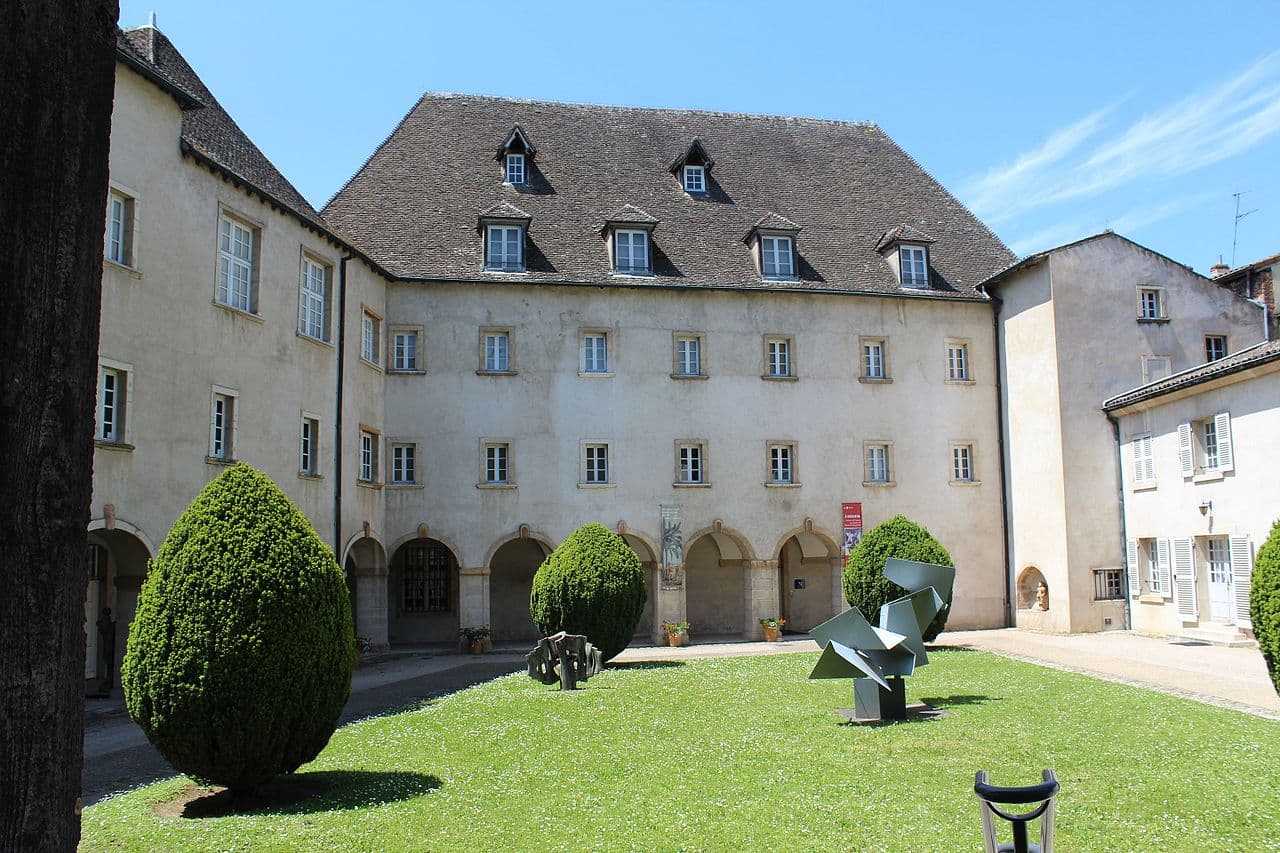
Further south, Cluny's Romanesque legacy is anchored by the Musée d'Art et d'Archéologie de Cluny, housed in the Palais Jean de Bourbon within the former abbey precinct, and by the Hôtel-Dieu de Cluny, a hospital founded in 1625 and rebuilt from 1703 under Cardinal de Bouillon. In Mâcon, the Musée des Ursulines occupies a former Ursuline convent and focuses on literary and regional history.
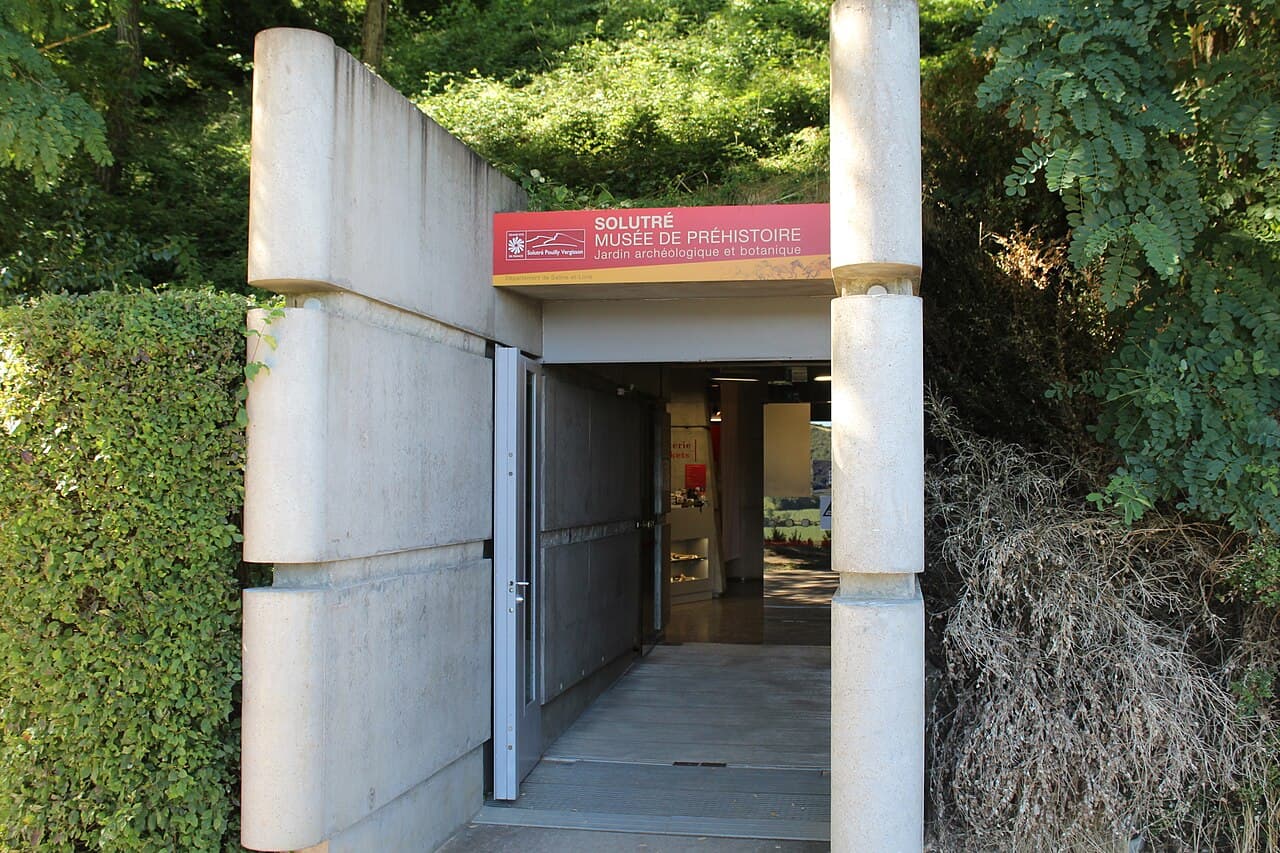
Prehistory has its own landmark at the Musée de préhistoire de Solutré
Cluny, Chalon and Beyond: Galleries and Local Art Scenes
Chalon-sur-Saône, beyond its photography heritage, hosts a cluster of contemporary art spaces including Galerie Saint-Vincent, Atelier Saint Jean, Galerie Appartelier and Atrium.
Cluny's medieval streets also shelter a small gallery scene, with Galerie Oisila Nevoy and Galerie Substance showing alongside the town's abbey monuments. In Mâcon, Galerie Mary-Ann adds a further contemporary counterpoint to the Musée des Ursulines.
Smaller towns carry their own art addresses: Centre d'art contemporain Frank Popper
Frequently asked questions
Which museum in Saône-et-Loire is essential for photography enthusiasts?
The Musée Nicéphore Niépce in Chalon-sur-Saône, paired with the Maison Nicéphore Niépce in Saint-Loup-de-Varennes where the first photographic image was produced.
Can the Cluny abbey heritage be visited alongside its museum?
Yes, the Musée d'Art et d'Archéologie de Cluny sits within the former abbey precinct, in the Palais Jean de Bourbon, making the visit a natural continuation of exploring the abbey site.
What is the best base for exploring prehistoric sites in the department?
Solutré-Pouilly, home to the Musée de préhistoire de Solutré within the Grand Site de France, is the natural starting point for prehistory-focused visits.
Is the Ecomusée de la Bresse Bourguignonne a single site or several?
It is a network of heritage sites spread across the Bresse territory rather than one building, so plan for travel between locations rather than a single stop.
Where can I see contemporary art galleries in Saône-et-Loire outside the main towns?