Cultural
Antigua Guatemala
Guatemala
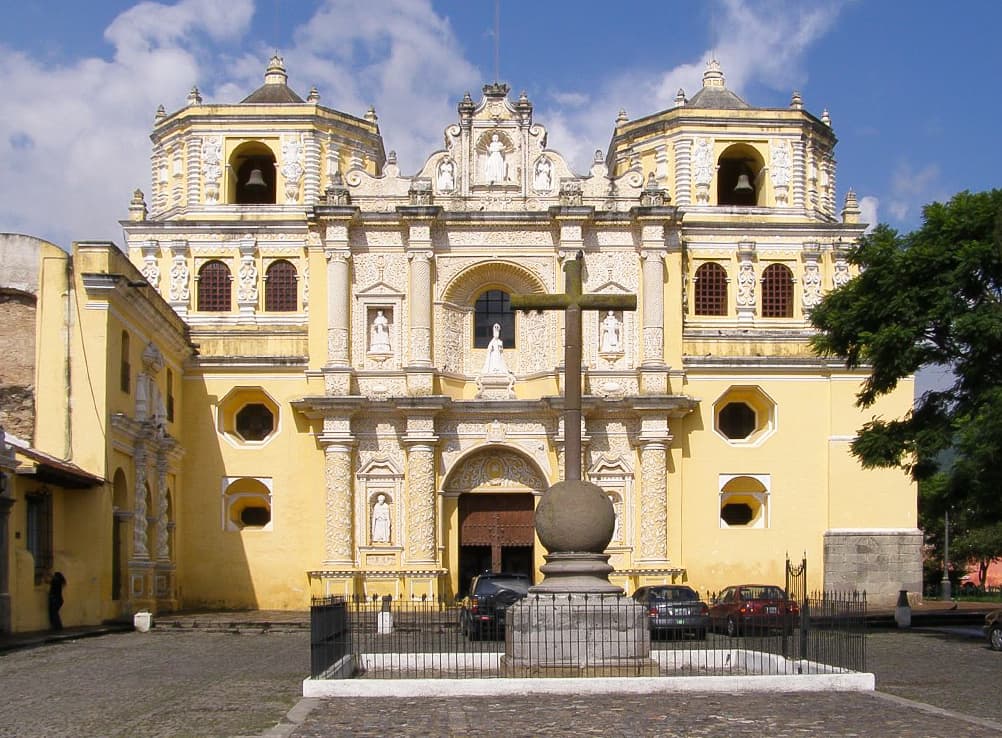
Photo : Rambling Traveler (CC BY-SA 3.0)
This cultural site in Guatemala represents a significant example of Spanish colonial urbanism and architecture in Central America. Built in the 16th century as the capital of the Kingdom of Guatemala, the city was planned according to a grid pattern that reflected Spanish colonial city design principles. The settlement is situated in a highland valley surrounded by volcanic peaks, which has shaped both its historical development and physical character. The architectural heritage includes numerous churches, convents, palaces and residential buildings constructed primarily between the 16th and 18th centuries, featuring baroque and renaissance styles adapted to local conditions and materials. The site demonstrates the cultural synthesis resulting from the encounter between Spanish colonial administration and indigenous populations. The city's significance lies in its urban layout and architectural ensemble, which collectively illustrate colonial period settlement patterns and aesthetic values in the Americas.