Cultural
Peuplement et momification artificielle de la culture chinchorro dans la région d'Arica et de Parinacota
Chili
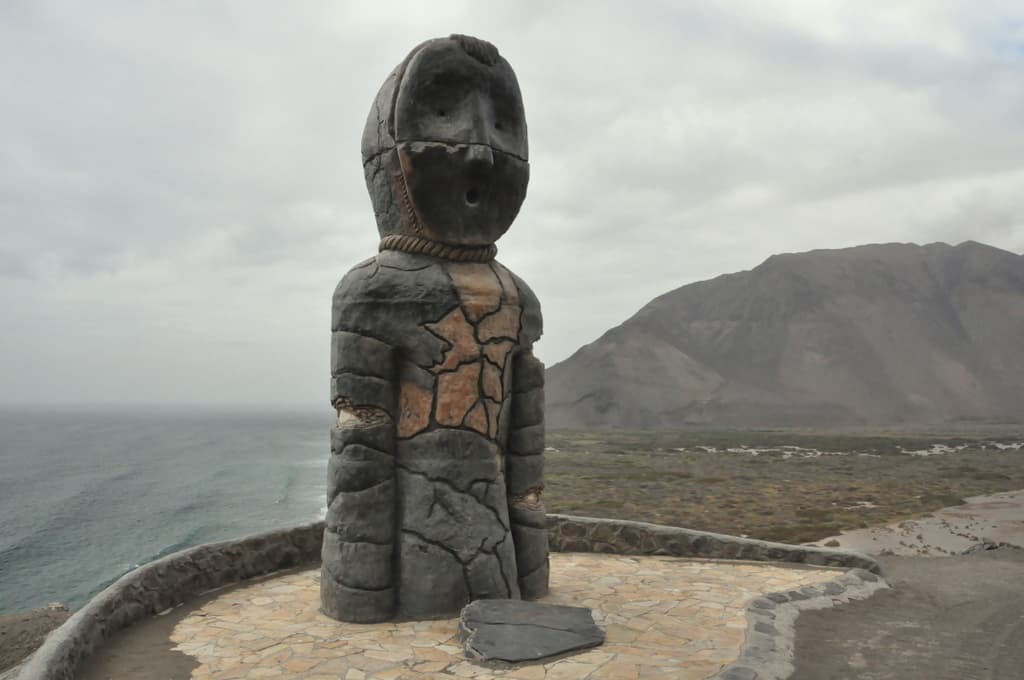
Photo : Yastay (CC BY-SA 4.0)
This cultural heritage site in the Arica and Parinacota regions of northern Chile documents the settlement patterns and artificial mummification practices of the Chinchorro culture. The Chinchorro people, who inhabited the Pacific coastal areas of what is now Chile and Peru, developed sophisticated mummification techniques that predate similar practices in Egypt by approximately two millennia. The archaeological evidence preserved at this site includes multiple settlement remains and mummified human remains that demonstrate the cultural significance of mortuary practices in Chinchorro society. The site's significance lies in its capacity to illuminate early human adaptation to coastal environments and the development of complex ritual and technological practices in pre-Columbian South America. The archaeological record reveals distinct phases of mummification methods and settlement organization that reflect the cultural evolution of this ancient society. Located in the arid coastal region where preservation conditions have protected organic materials, the site provides exceptional documentation of Chinchorro material culture and social practices.