Cultural
Colonies de bienfaisance
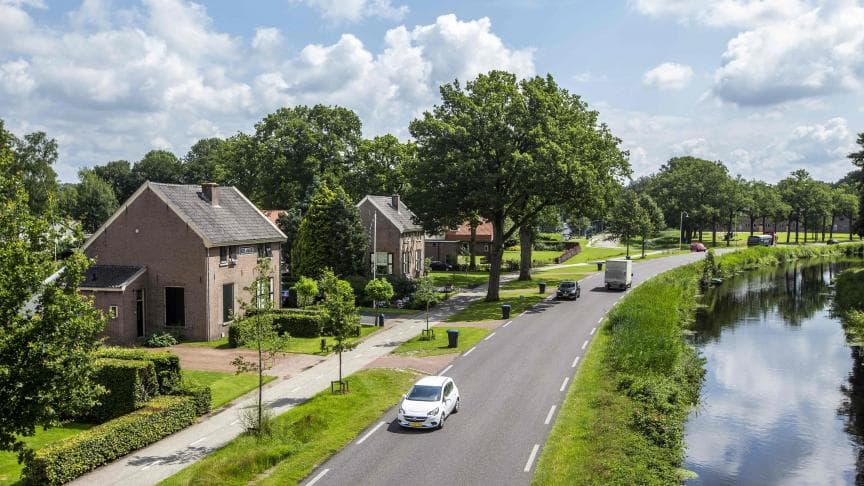
These philanthropic colonies represent a distinctive social experiment in the Netherlands, established to address poverty and social welfare through agricultural settlement schemes. The sites exemplify 19th-century approaches to poor relief, combining practical work opportunities with structured community living in rural settings. Located in the Netherlands, the colonies were designed with planned layouts that reflect their dual purpose of productive agriculture and social reform. The settlements are visually characterized by their orderly arrangement of modest dwellings, communal facilities, and cultivated lands, representing a coherent architectural and social philosophy. The colonies retain significant historical value as documentation of progressive social policies and the evolution of welfare systems in European society. Their preserved infrastructure provides insight into both the ideals and practical realities of organized charitable work during the industrial era.