Cultural
Colonies de bienfaisance
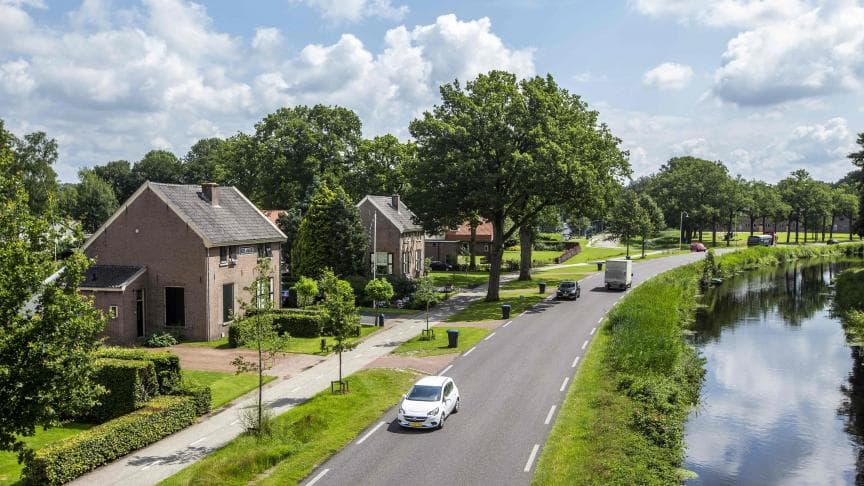
Located in Belgium, this site represents the architectural and social heritage of charitable colonies established during the 19th and early 20th centuries. These facilities were designed to provide housing, work, and education to vulnerable populations, reflecting contemporary philanthropic ideals and social reform movements. The colonies typically feature distinctive planned layouts with residential buildings, workshops, schools, and administrative structures arranged according to paternalistic principles. Their architectural character combines functional industrial design with elements of domestic comfort, representing a particular approach to social welfare provision through the built environment. The site constitutes an important example of how European societies addressed social issues during the industrial era, with physical remains that illustrate both the aspirations and limitations of benevolent institutional design. The preservation of these colonies contributes to understanding the historical development of social policy and the role of architecture in implementing welfare initiatives.