Cultural
Schokland et ses environs
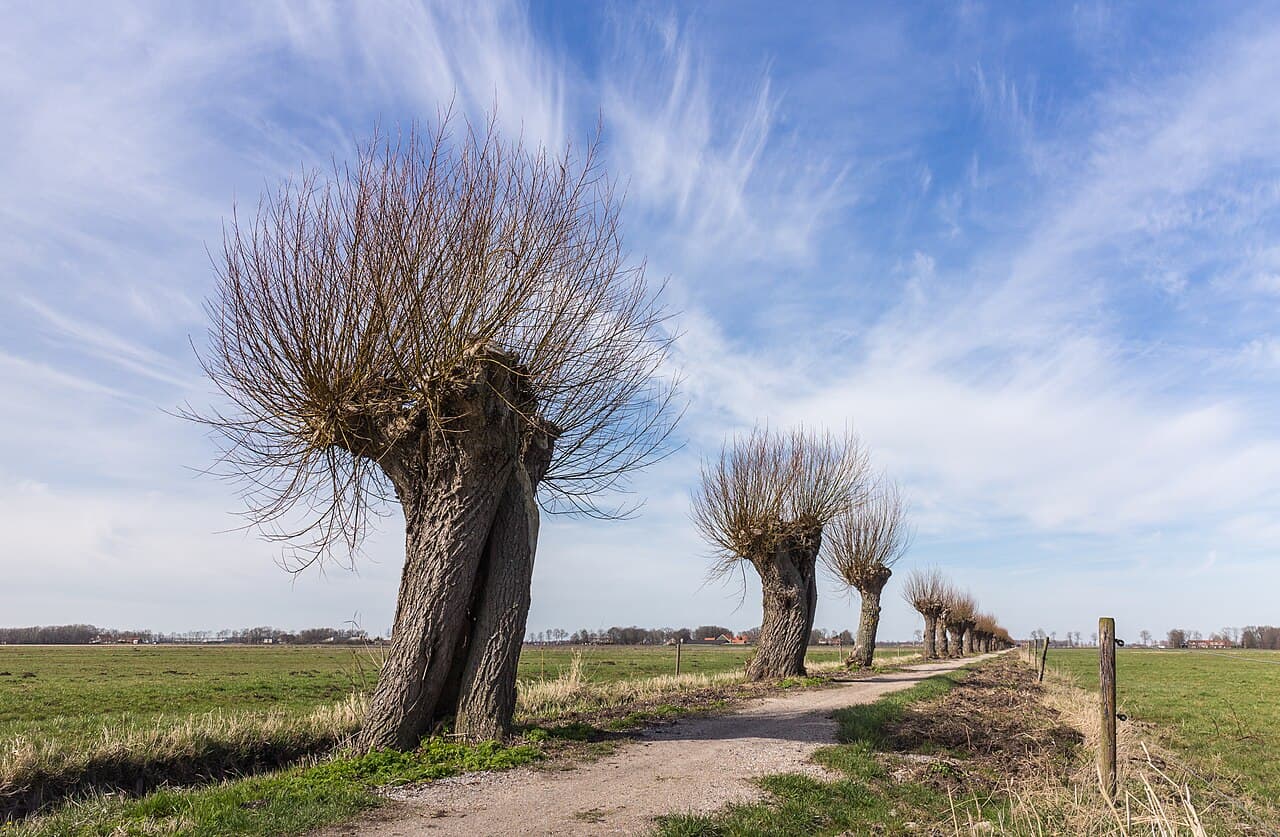
Photo : Agnes Monkelbaan (CC BY-SA 4.0)
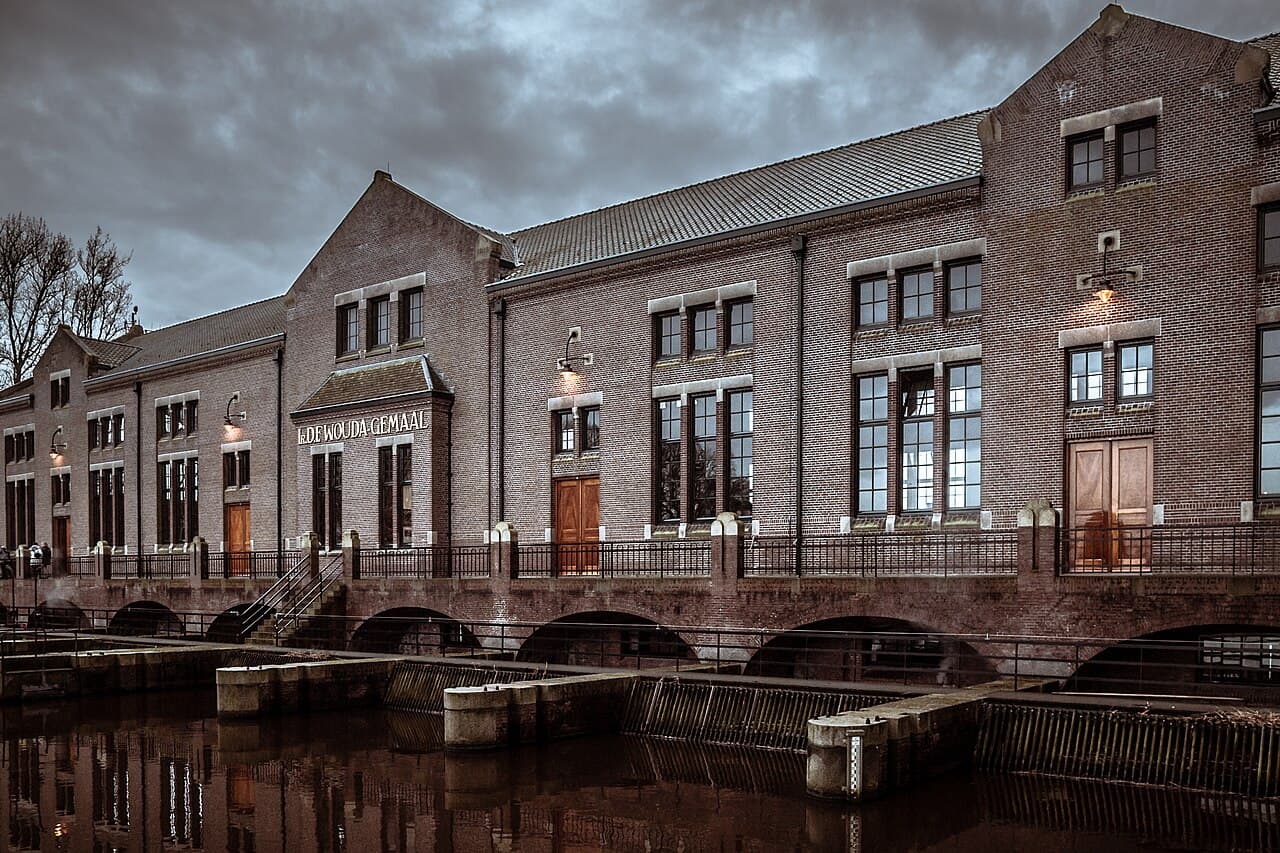
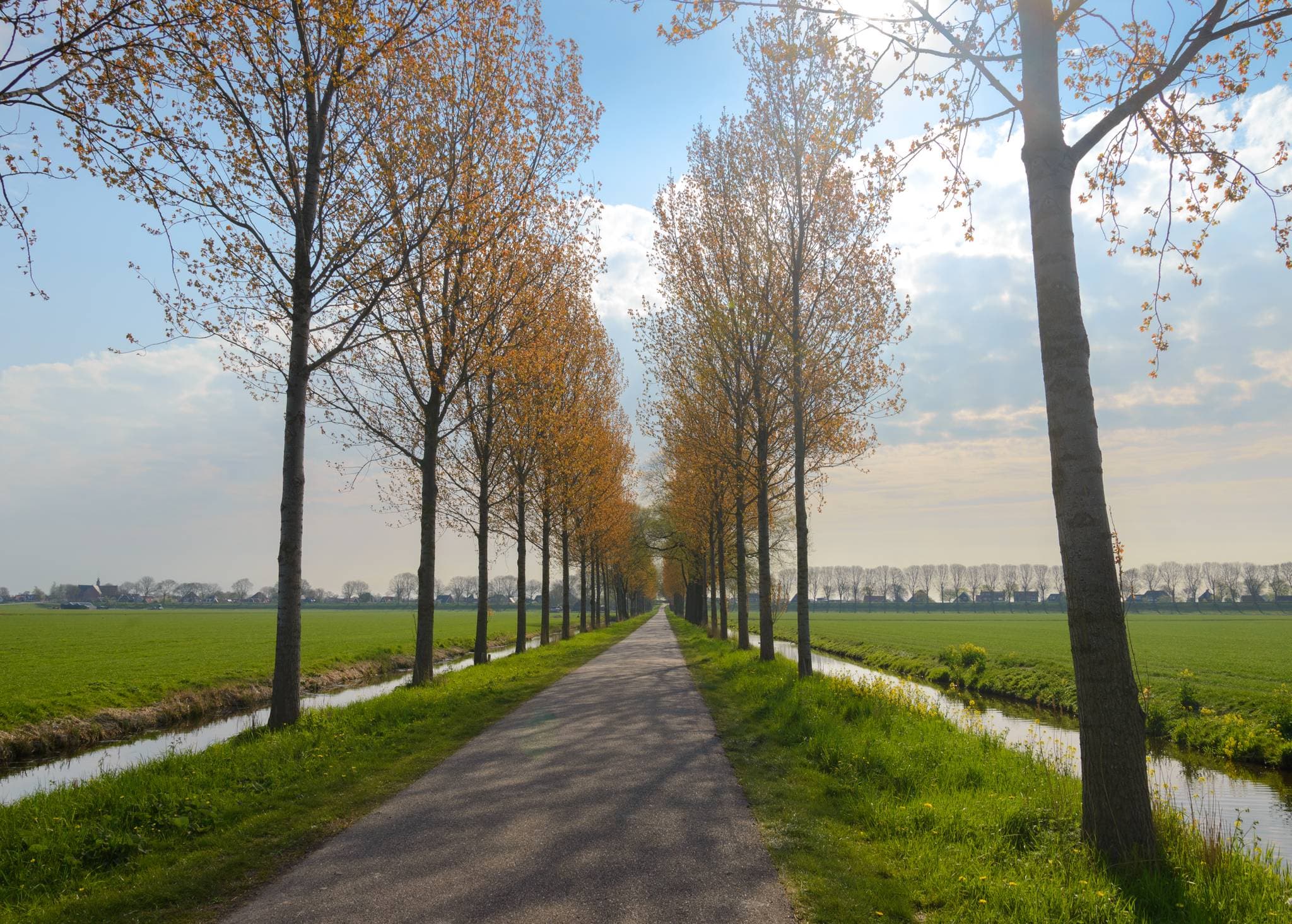
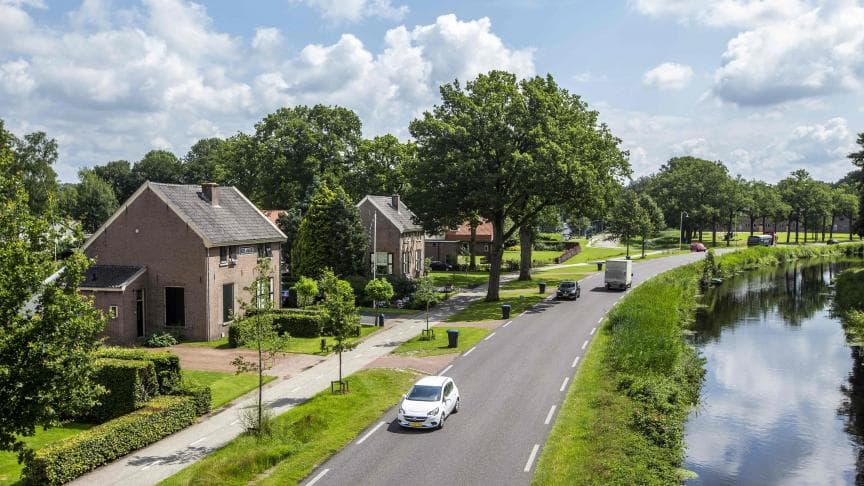
Located in the Flevoland province of the Netherlands, this cultural heritage site encompasses a former island and its surrounding landscape that bear testimony to centuries of human settlement and land reclamation. The area represents an exceptional example of how communities adapted to living in a challenging wetland environment, developing distinctive settlement patterns and agricultural practices. Archaeological remains and historical structures document the continuous habitation of the region from prehistoric times through the period of intensive water management that characterised the Dutch landscape. The site's significance lies in its demonstration of the relationship between human settlement, water management, and environmental transformation in the low-lying regions of northern Europe. The preserved ruins, dwelling mounds, and surrounding polders illustrate the strategies employed by successive generations to maintain settlements in an area vulnerable to flooding and changing water levels.