Cultural
Budapest, avec les rives du Danube, le quartier du château de Buda et l’avenue Andrássy
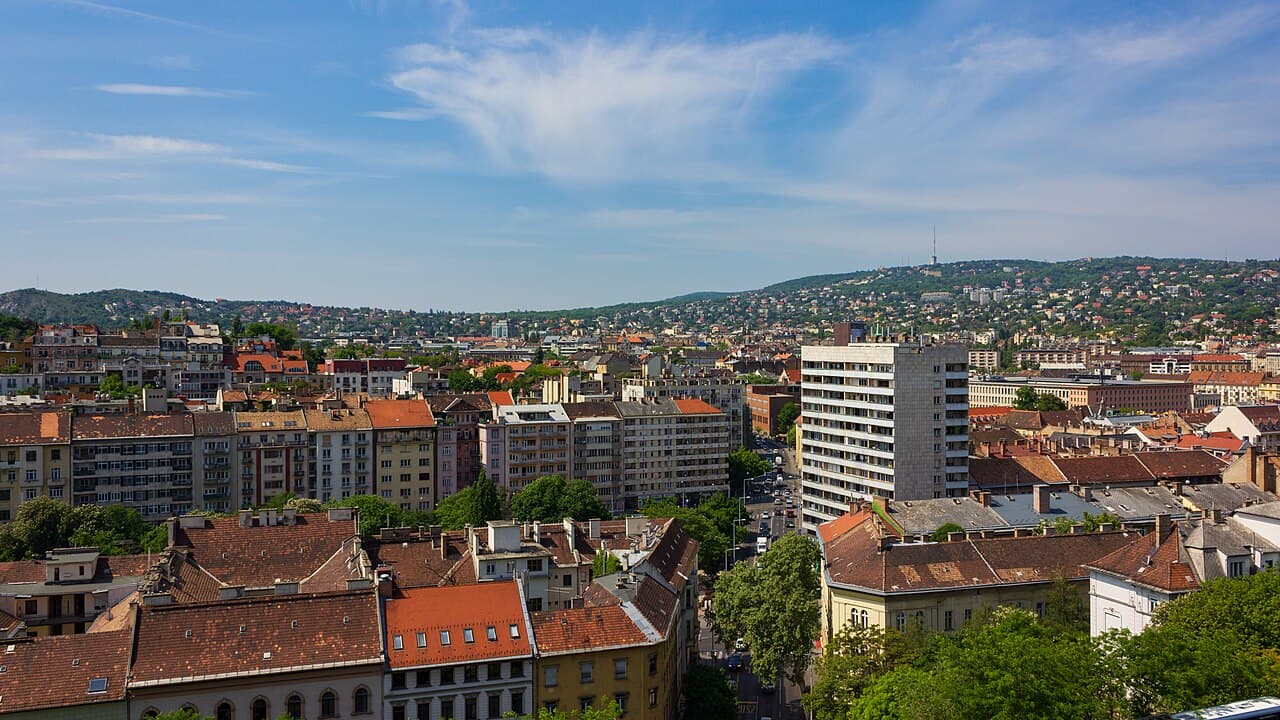
This cultural site encompasses three distinct but interconnected areas of Budapest that together represent the historical and architectural development of Hungary's capital. The Danube riverbanks form the geographical spine of the site, with the Castle District of Buda rising on the western bank, featuring medieval fortifications and palaces that date back centuries and reflect the city's role as a former royal seat. Andrássy Avenue, extending eastward from the Castle District, showcases late 19th-century architecture and urban planning that exemplifies the expansion of Budapest during the Austro-Hungarian period. The combination of these three components illustrates the evolution of the city from a medieval fortress to a major imperial metropolis, with architectural styles ranging from Gothic and Renaissance structures to Baroque and Neo-Renaissance ensembles. The site's significance lies in its testimony to Budapest's historical importance as a political and cultural center, as well as the architectural coherence achieved through different periods of urban development. The Danube setting provides a natural framework that unifies these distinct historical areas within the landscape of Central Europe.