Cultural
Abbaye bénédictine millénaire de Pannonhalma et son environnement naturel
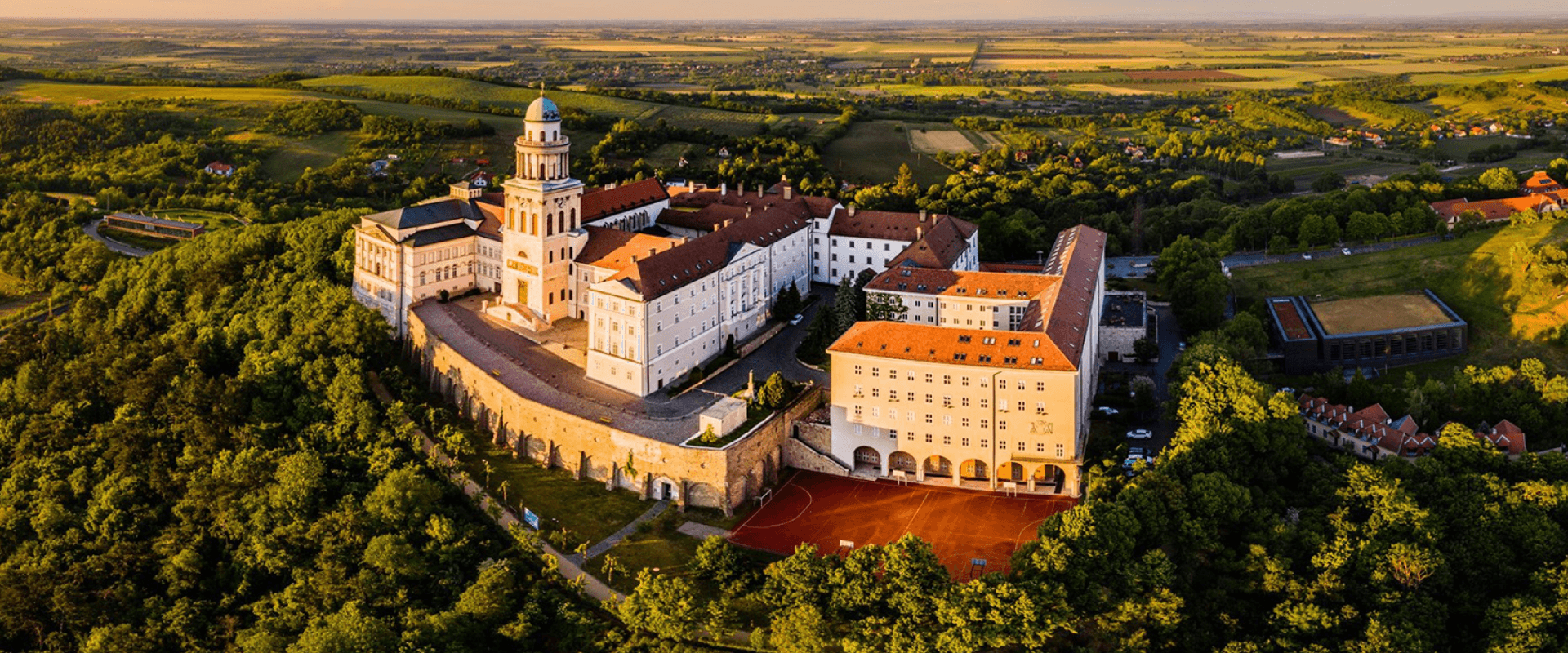
Founded in 996, this Benedictine monastery in northwestern Hungary represents one of Europe's oldest monastic communities and stands as a significant centre of religious, cultural, and intellectual life throughout the medieval and early modern periods. The abbey complex reflects multiple architectural styles spanning from its Romanesque foundations to later Baroque and neoclassical additions, documenting the evolution of monastic architecture over more than a millennium. Situated on a hilltop in the Pannonhalma region, the monastery is integrated within a distinctive natural landscape that has been shaped by its inhabitants' stewardship over centuries. The site encompasses the abbey church, cloisters, library, and associated buildings, alongside managed forests and agricultural lands that form an integral part of the monastic heritage. Its inscription recognises the outstanding universal value of the monastery as a testimony to monastic traditions and its role in the cultural and spiritual development of Central Europe. The combination of architectural heritage, continuous monastic occupation, and the preserved relationship between the religious community and its surrounding environment characterises this site as a unique example of medieval monastic settlement.