Cultural
Hollókő, le vieux village et son environnement
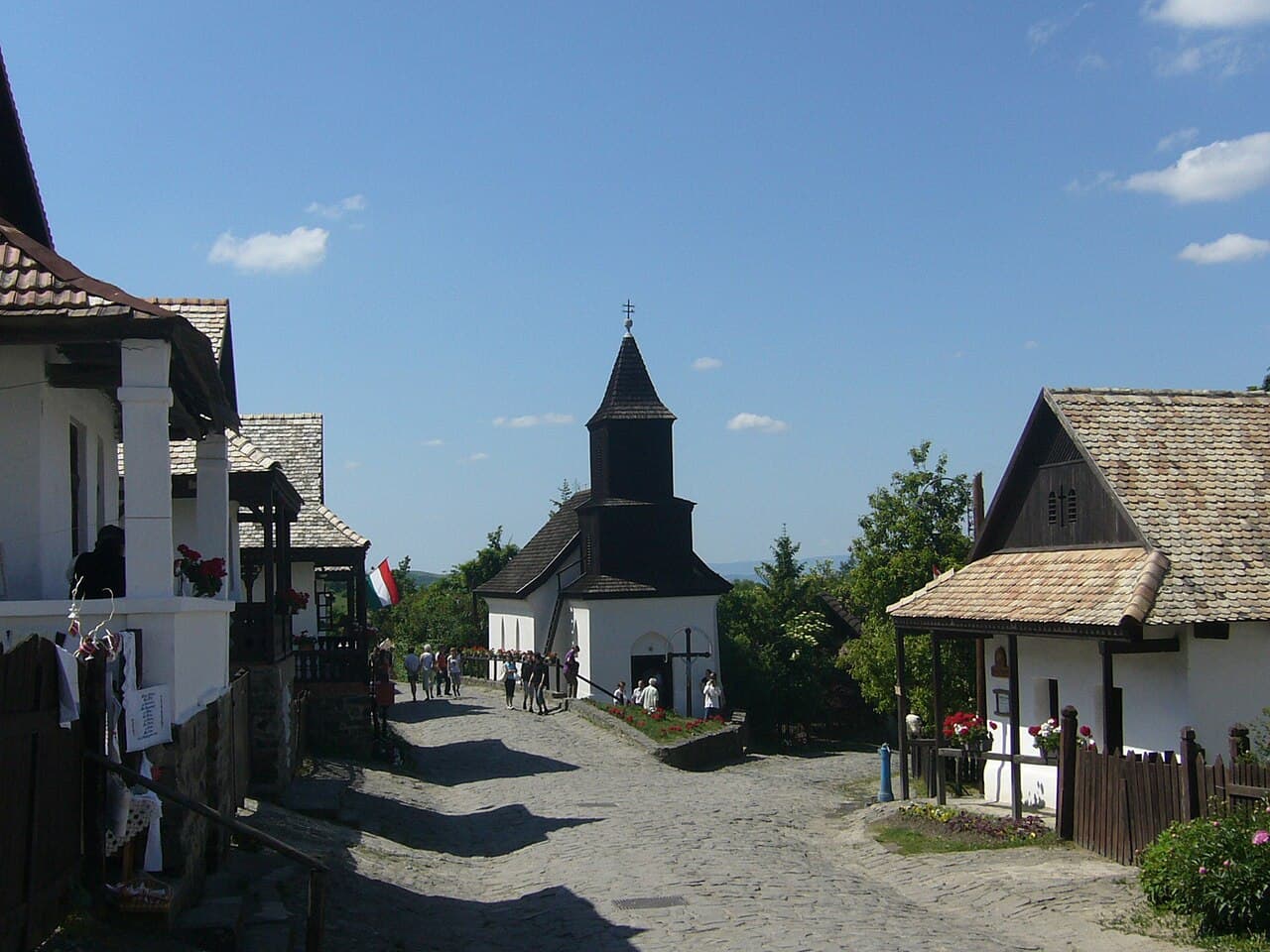
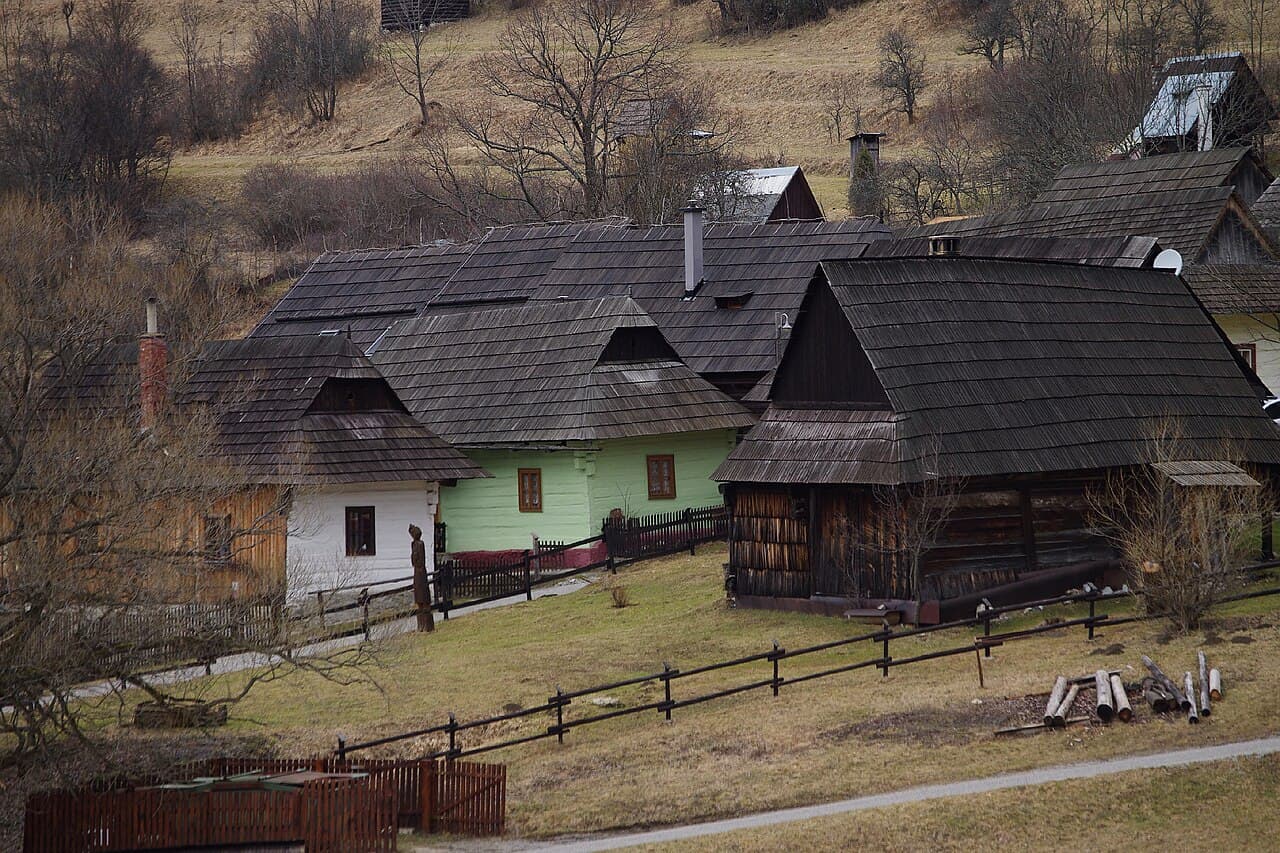
Photo : Bárdos Veronika Győr (CC BY-SA 2.5)
Located in northern Hungary, this village settlement represents a living example of rural life in the Carpathian Basin prior to the agricultural revolution of the 20th century. The site encompasses both the historic village core and its surrounding landscape, preserving traditional settlement patterns, architecture, and land use practices characteristic of the region. The houses, built primarily of stone and wood with distinctive architectural details, reflect construction methods and spatial organization passed down through generations. Hollókő maintains continuity with its medieval origins while demonstrating how communities adapted to local geographical and climatic conditions. The village's cultural significance lies in the sustained practice of traditional crafts, agricultural methods, and Easter customs that remain integral to daily life. This combination of material heritage and intangible cultural traditions justifies its recognition as a site of outstanding universal value for understanding historical settlement patterns in Central Europe.