Cultural
Site archéologique de Philippes
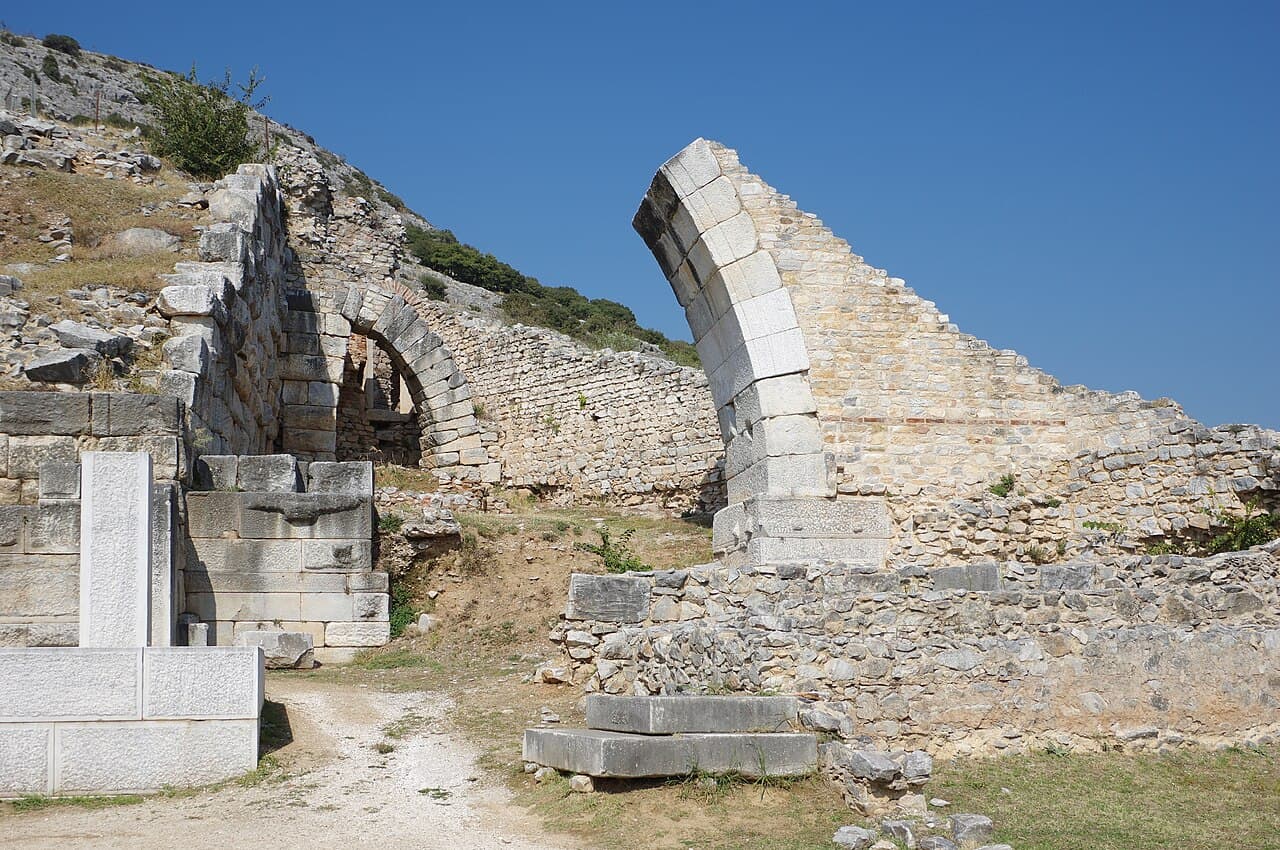
Photo : Berthold Werner (CC BY-SA 3.0)
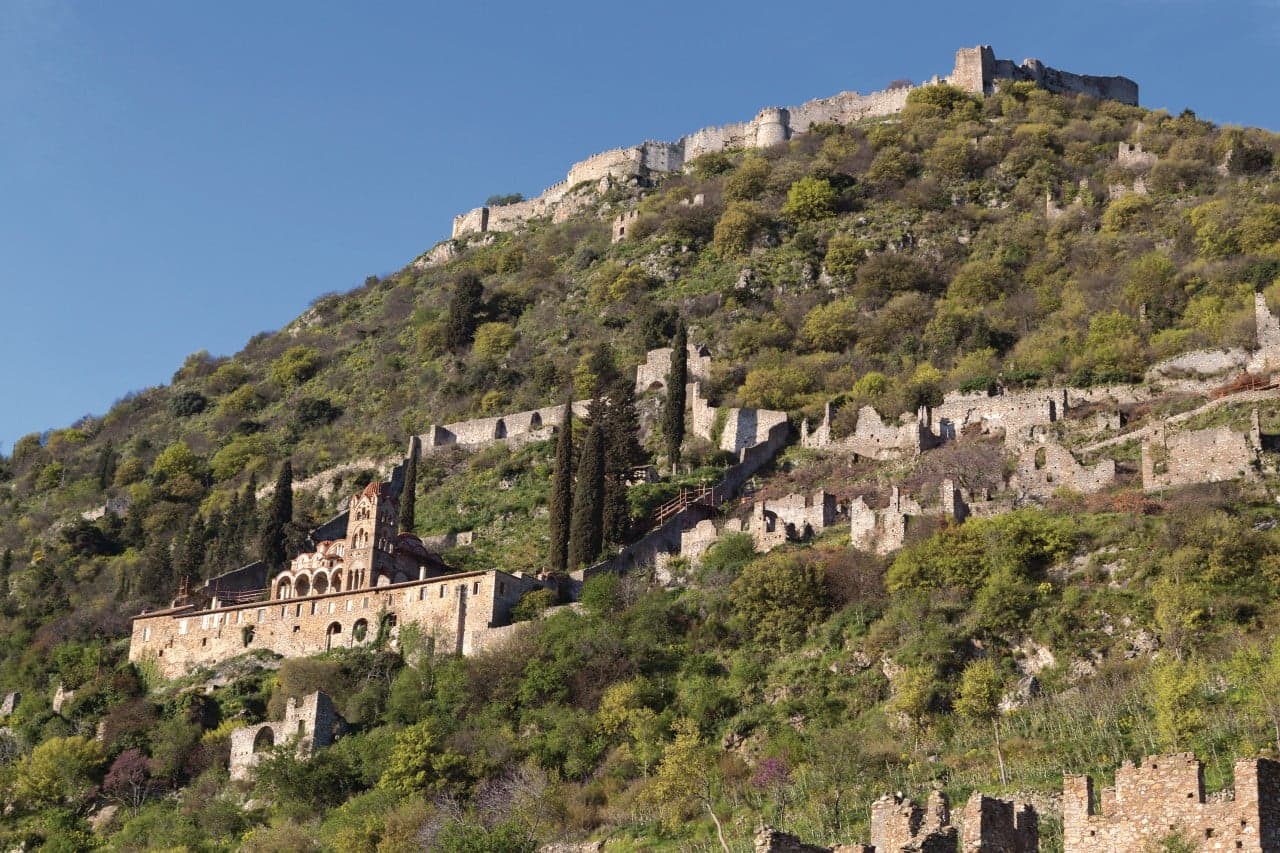
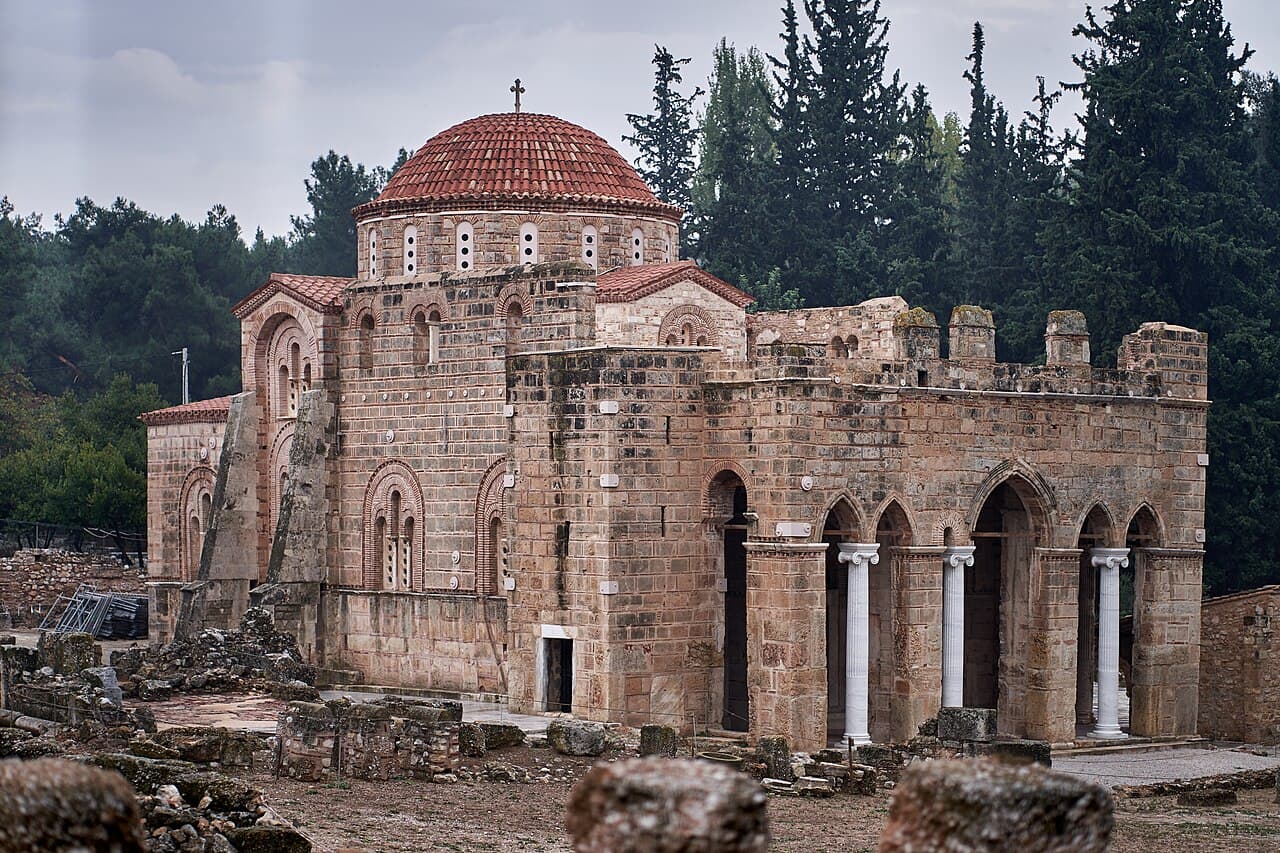
Located in northern Greece, the archaeological site of Philippes represents a significant urban center from the Classical through Ottoman periods. The site was founded in the 4th century BCE and developed into an important Roman city following its conquest in 168 BCE, serving as a key settlement along major trade routes connecting Europe and Asia. The remains include structures from multiple periods: ancient Greek and Roman buildings, a Byzantine fortress, and Ottoman fortifications, reflecting successive waves of habitation and cultural influence. The site's substantial archaeological layers, combined with its well-preserved architectural remains and its role in early Christian history, document the evolution of urban life in the Eastern Mediterranean over more than two millennia. The visible ruins encompass a theater, administrative buildings, and religious structures that illustrate the city's former importance as a commercial and administrative hub. The landscape setting in the Kavala region provides geographical context for understanding the site's strategic position in ancient trade networks.