Cultural
Site archéologique de Mystras
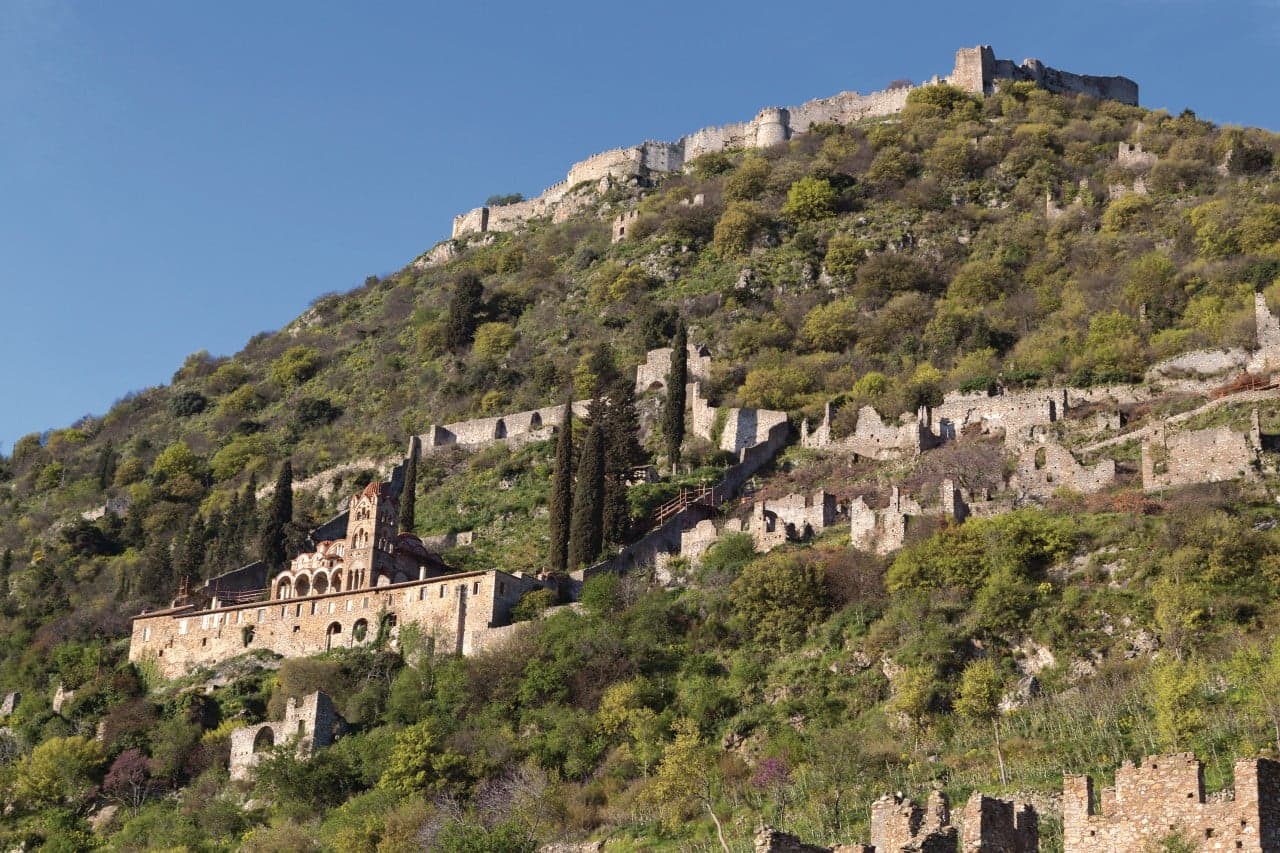
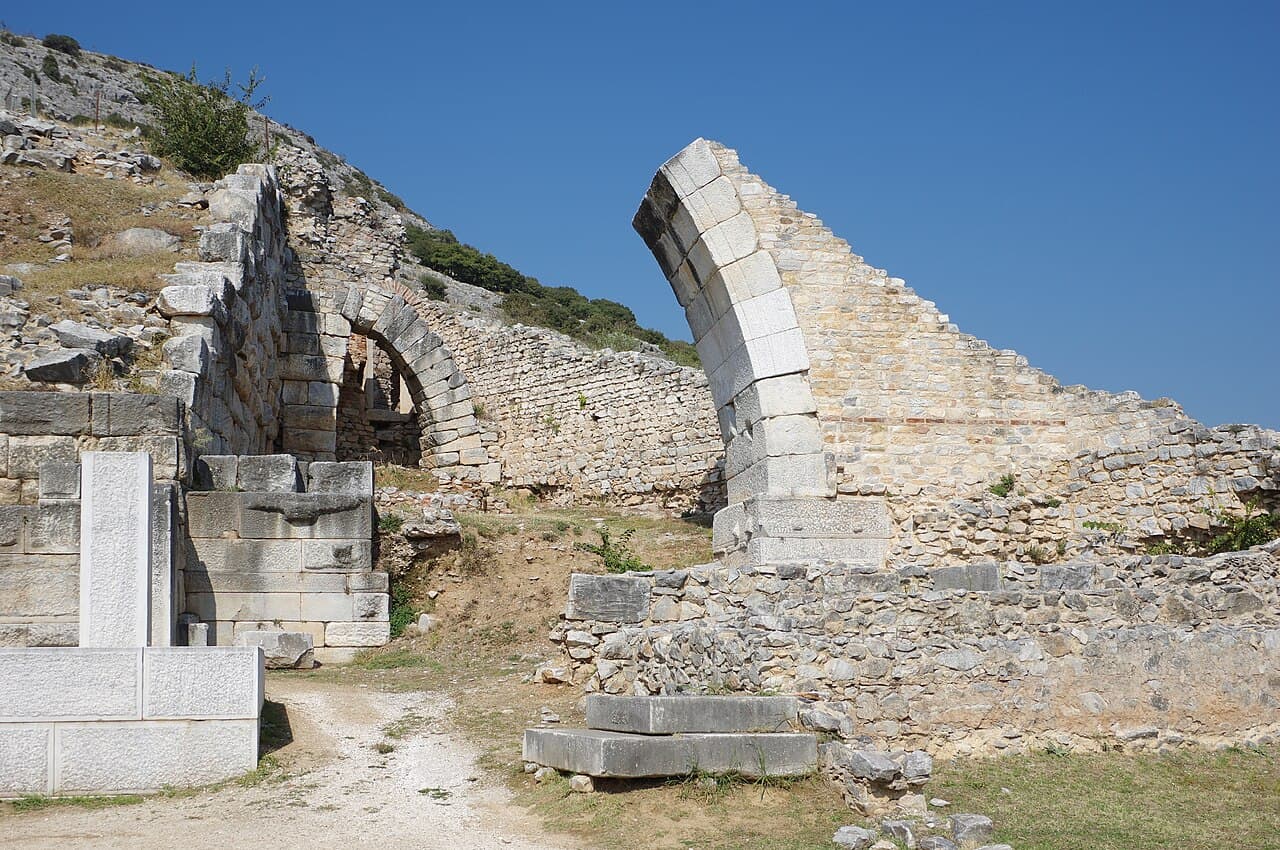
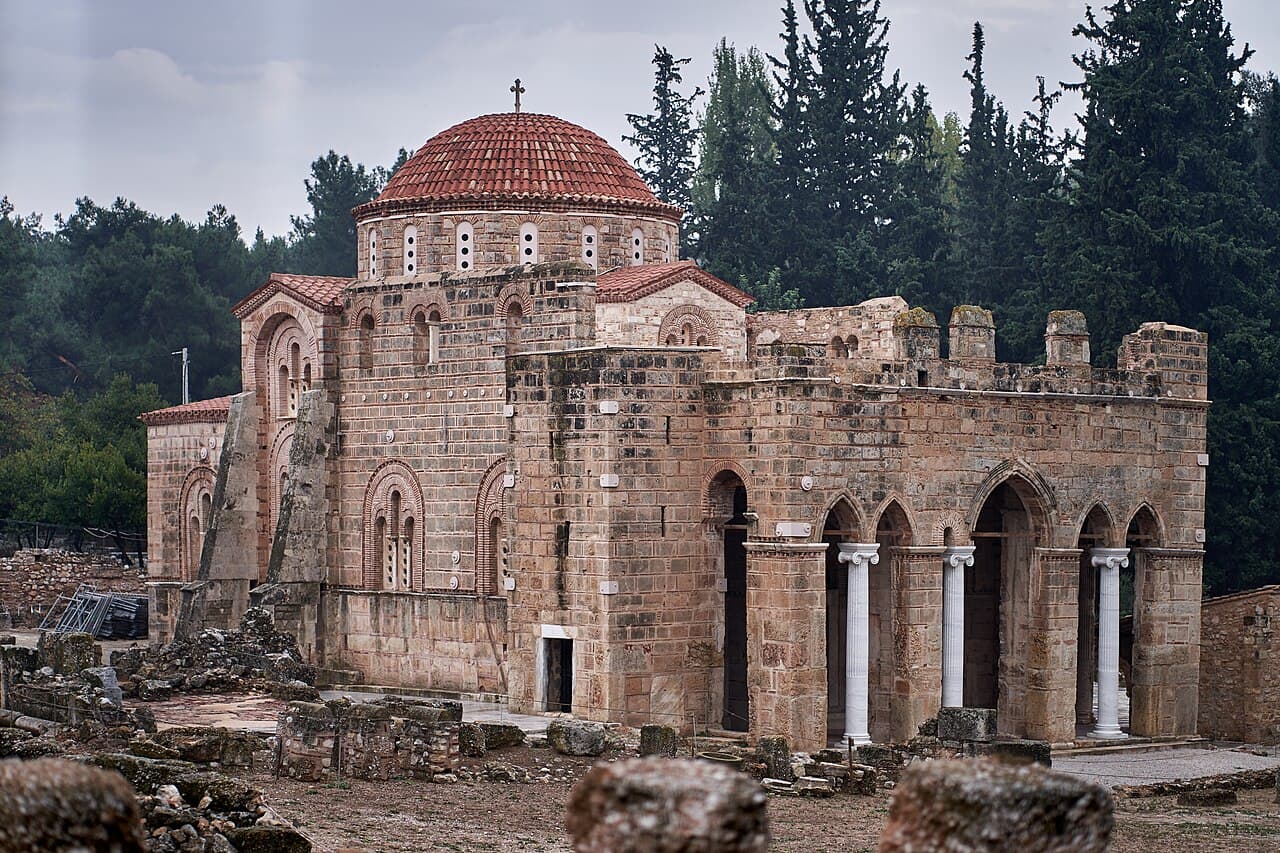
Located in the Peloponnese region of Greece, this archaeological site represents a significant example of Byzantine urban settlement and architecture. The site contains the remains of a medieval fortified city that flourished as an important cultural and administrative center during the Byzantine period. Its inscribed status recognizes the exceptional value of its architectural remains, including churches, monasteries, and residential structures that demonstrate the sophisticated urban planning and artistic achievements of Byzantine civilization. The settlement is characterized by its tiered layout on a hillside, with buildings distributed across different elevations and connected by stone pathways. The site's visual character is defined by the ruins of multi-story structures, decorated churches with mosaics and frescoes, and defensive fortifications that reflect both the religious and secular dimensions of medieval Byzantine life. The archaeological remains provide substantial evidence of the region's historical development and cultural continuity during a formative period in European history.