1111 galleries · 76 museums · 1 heritage site
Art galleries in Paris: {{total}} galleries listed
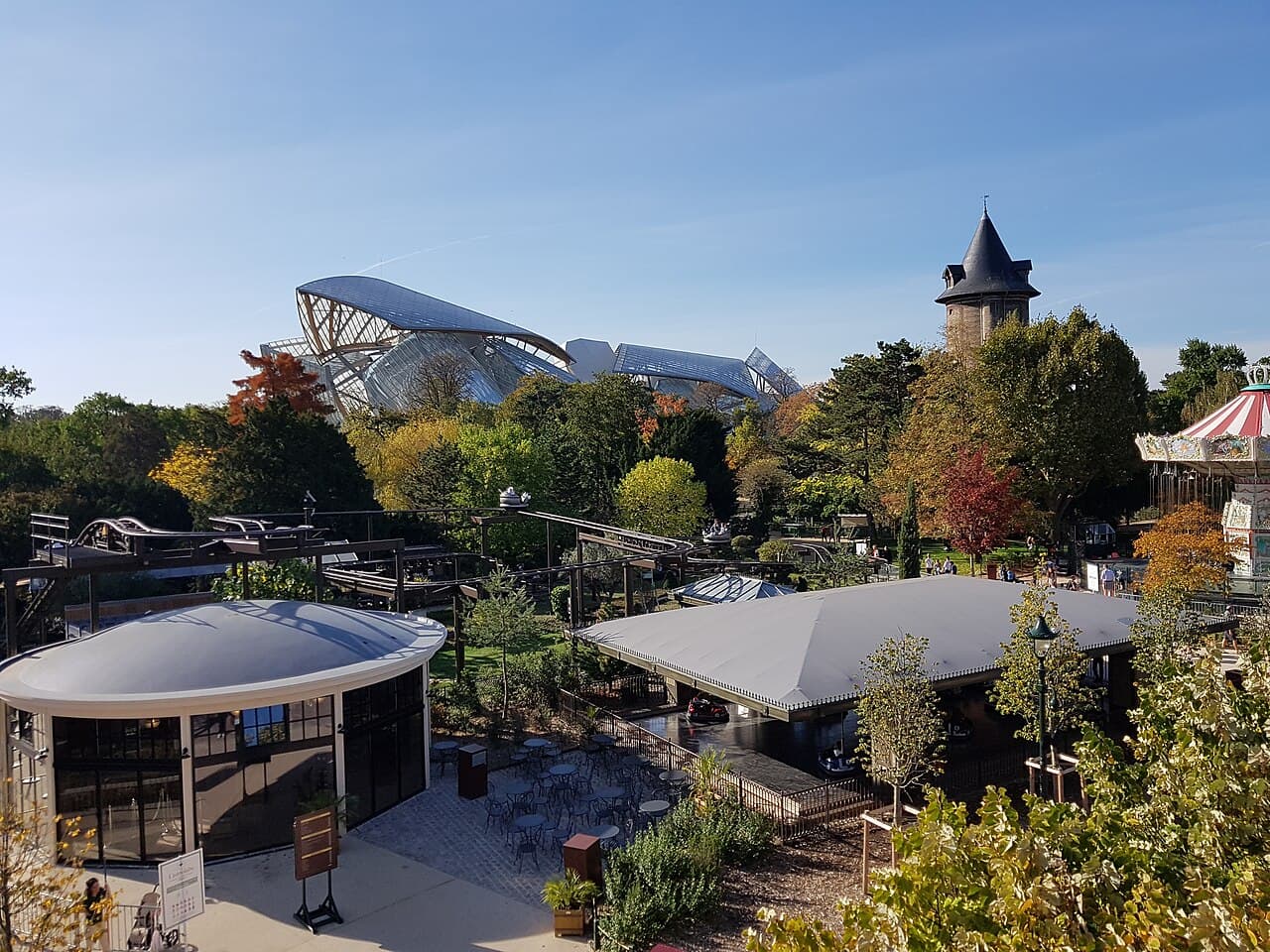
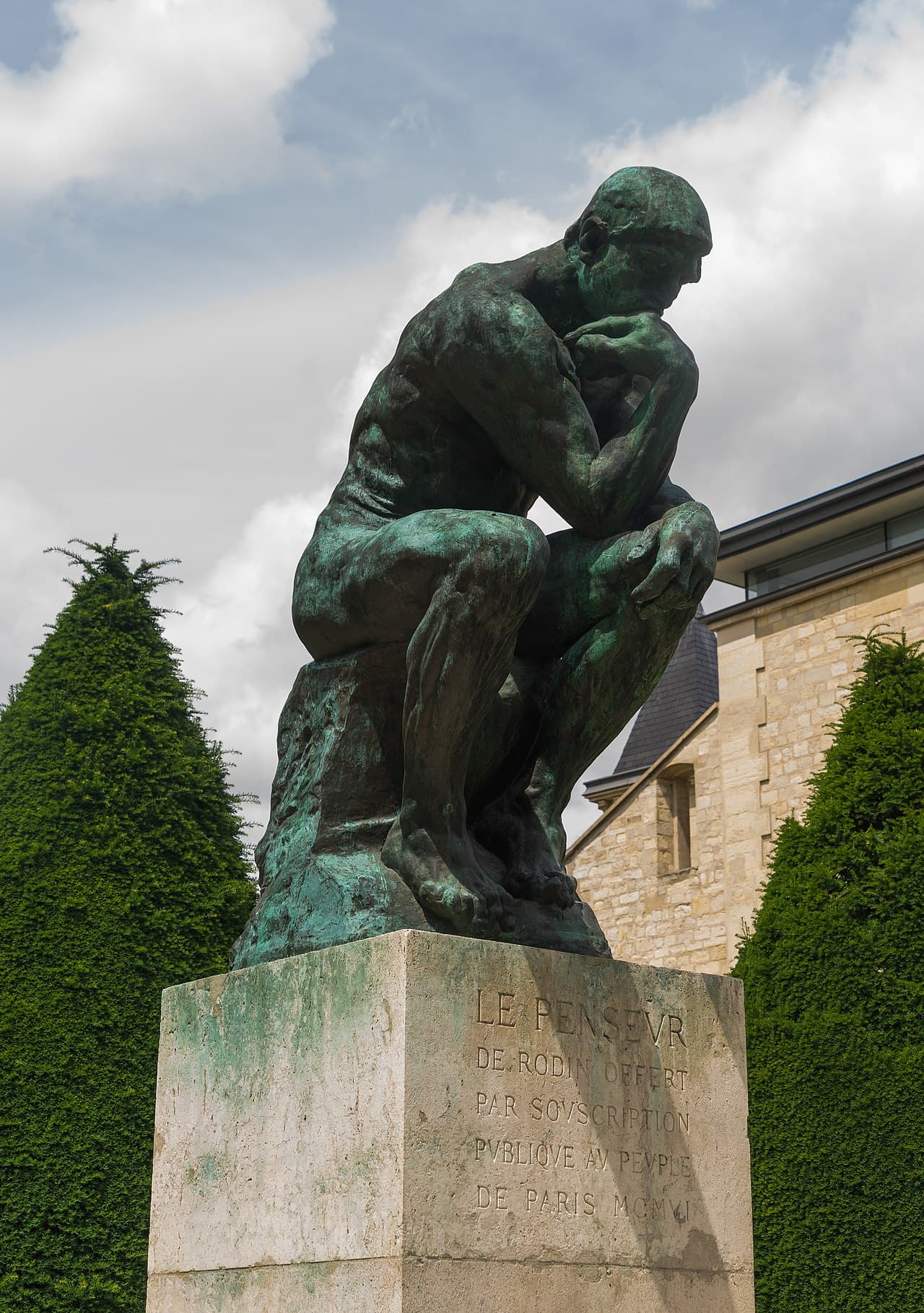
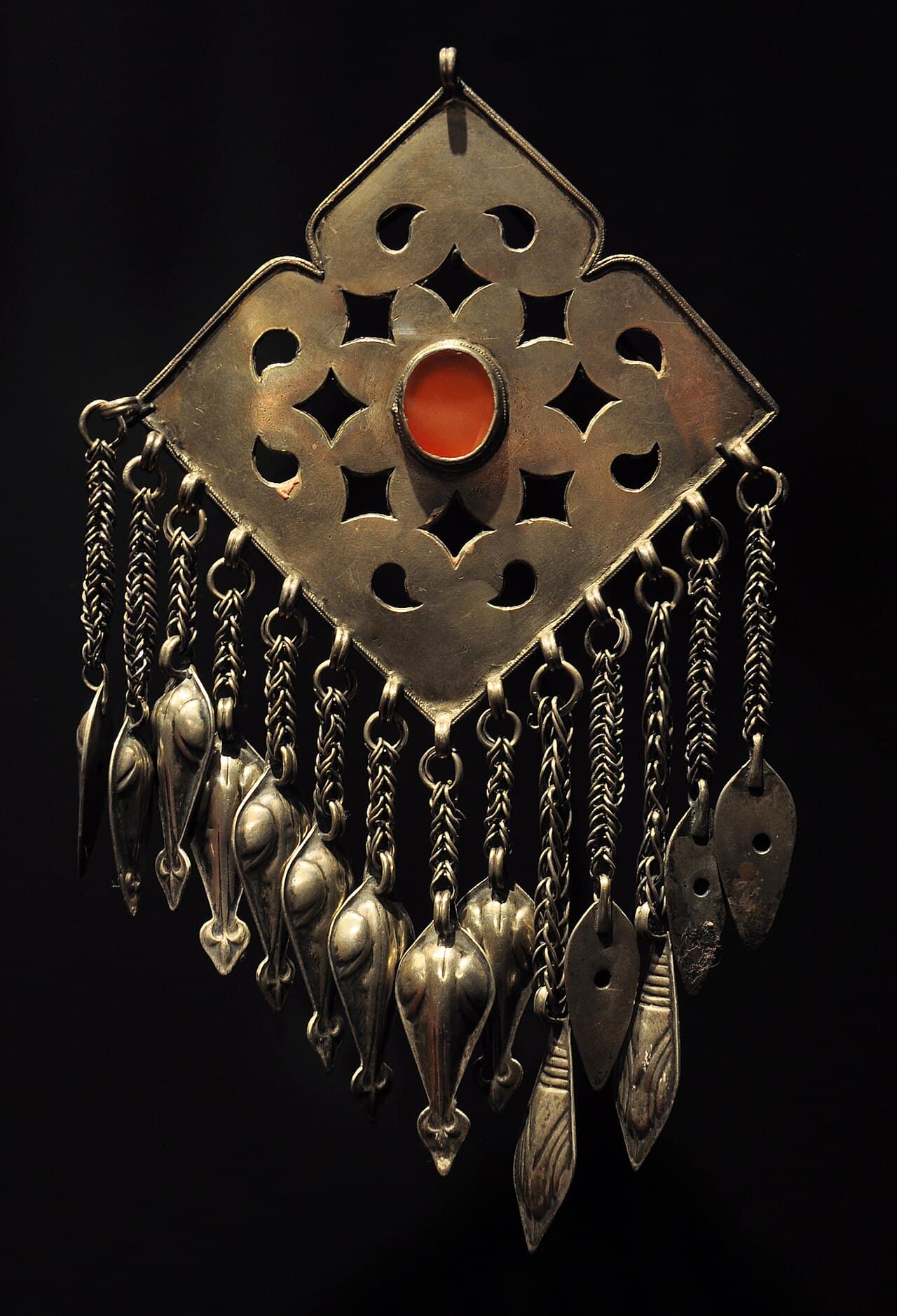
Museums to discover
76 museums, from major institutions to local collections.
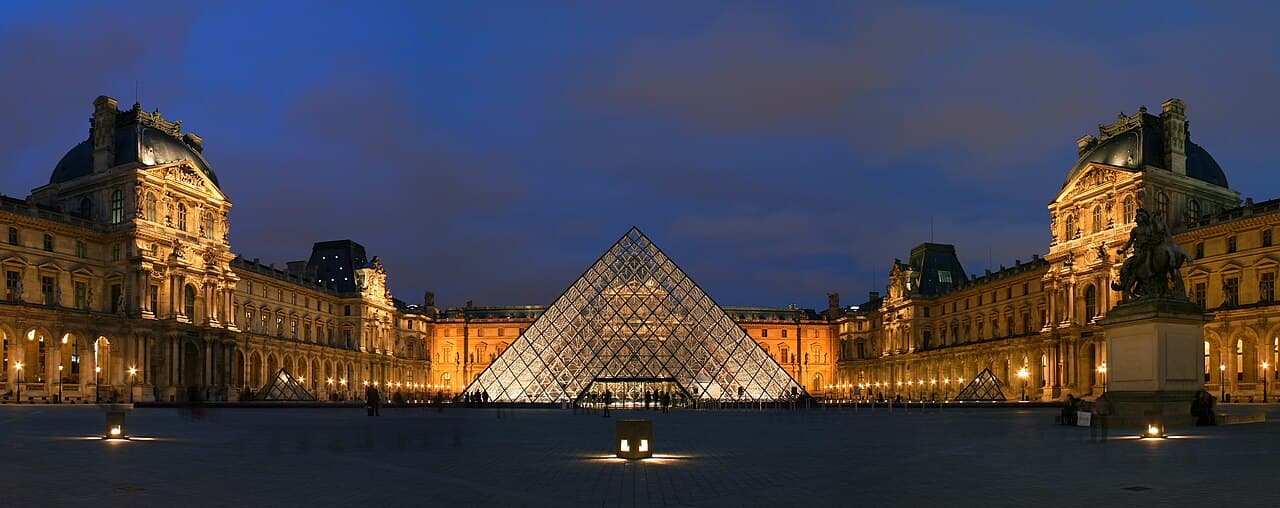
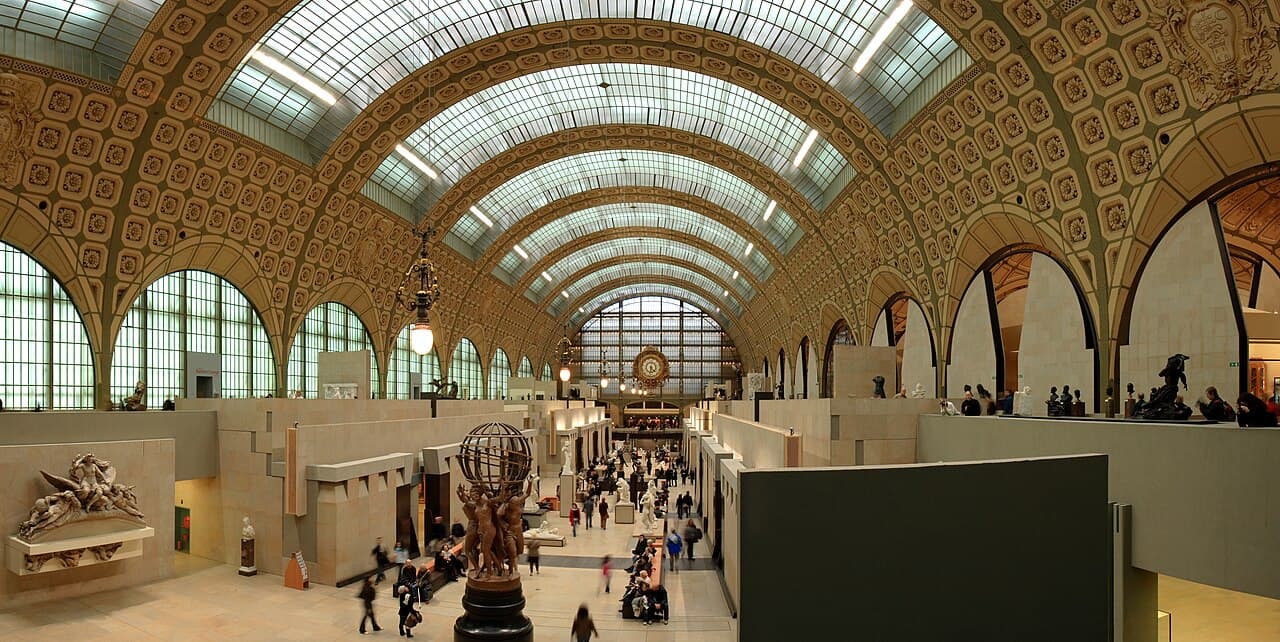
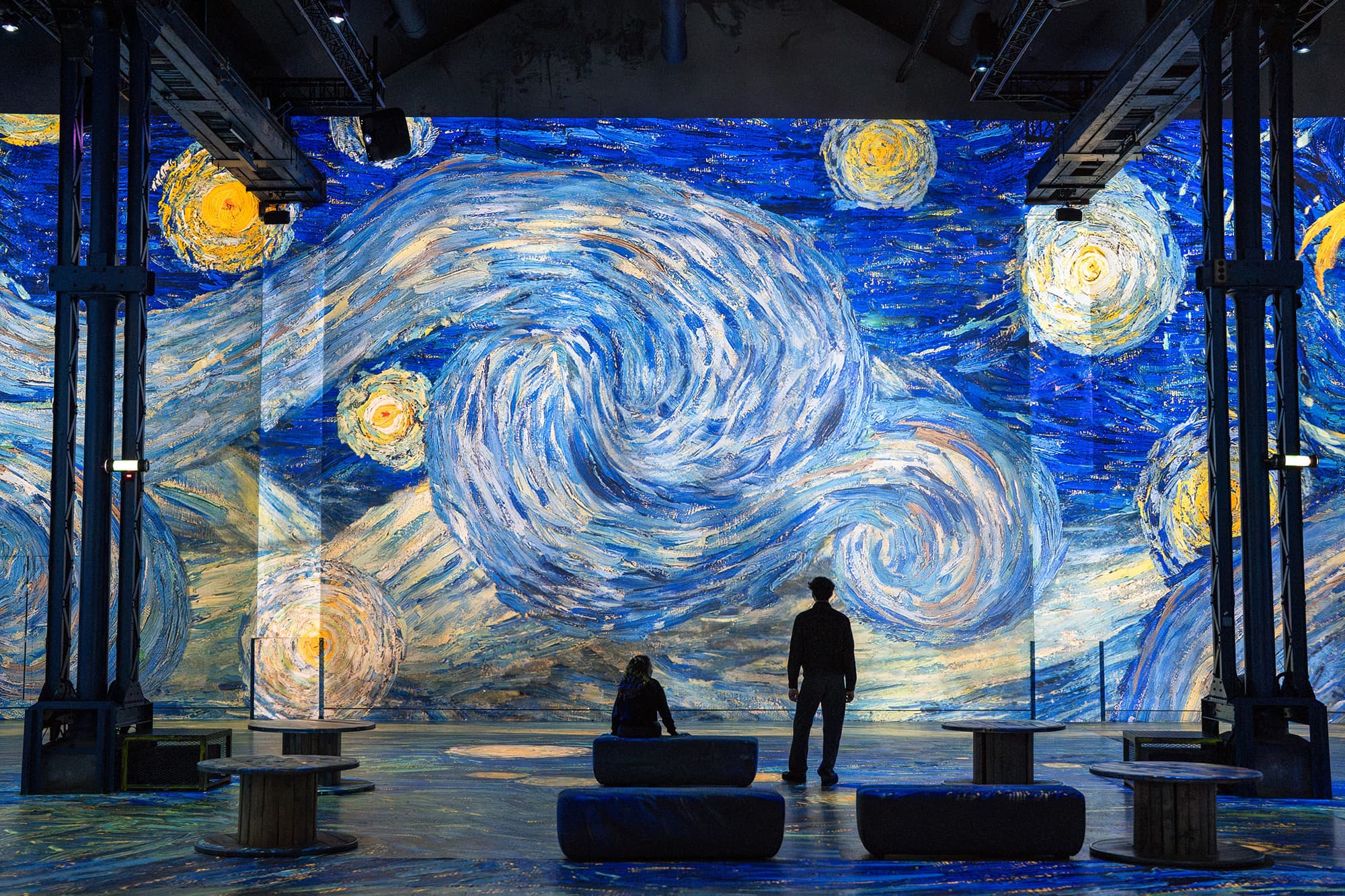
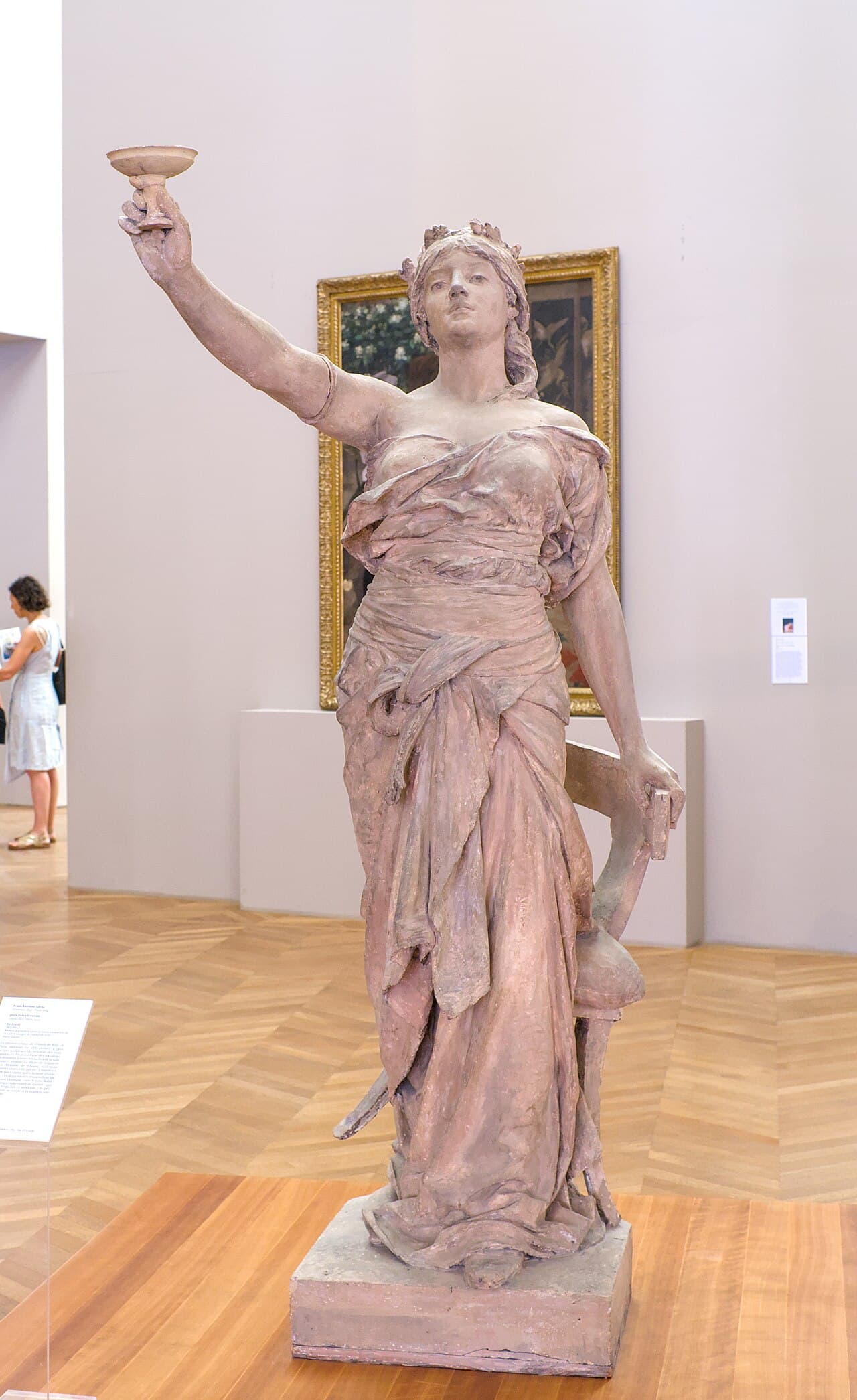

Galleries to discover
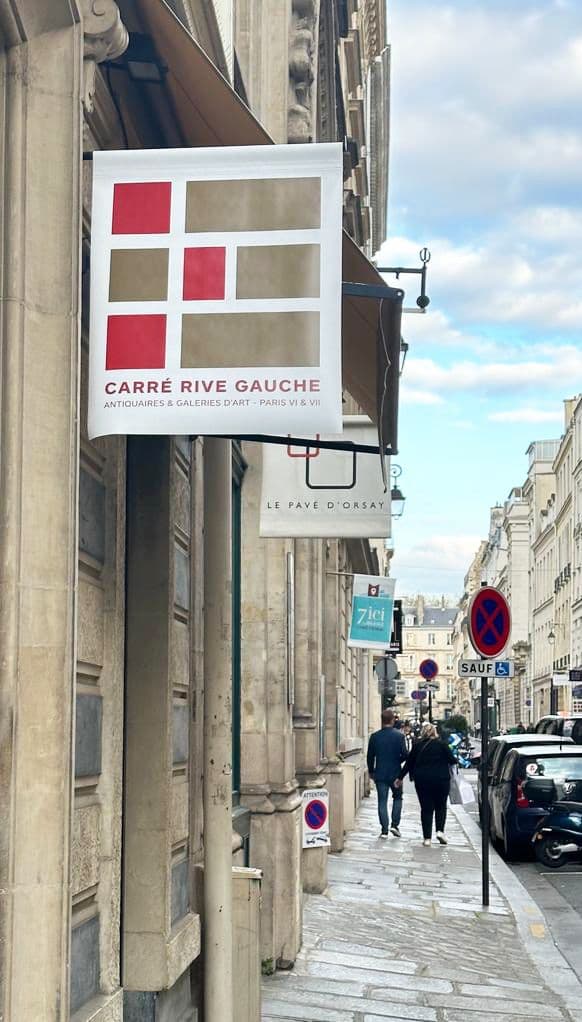
1111 contemporary and modern art galleries.

World Heritage & monuments
1 UNESCO World Heritage Sites.

The Paris arrondissements where galleries are concentrated
The map of Parisian galleries draws a strong axis between the right bank and left bank. The 3rd arrondissement (Haut-Marais) is the densest with 155 galleries: it has been the quintessential gallery district since the 1990s, around Rue de Bretagne, Rue Charlot and Rue du Temple. The 6th arrondissement (Saint-Germain-des-Prés) follows with 125 galleries distributed between Rue de Seine, Rue des Beaux-Arts and Boulevard Saint-Germain — one of the oldest art circuits in France. The 8th arrondissement (Champs-Élysées, Avenue Matignon, Faubourg Saint-Honoré) has 106 galleries, some of which are among the most established on the international market. The 4th arrondissement (Marais, around Beaubourg) brings together 86 addresses, and the 7th (left bank, around the Musée d'Orsay) hosts 80.
Paris on the map
Museums, galleries and heritage, at a glance.
1187 results
Nearby cultural destinations
Frequently asked questions
How many art galleries are listed in Paris?
Our directory references {{total}} art galleries in Paris, spread across all districts. The strongest concentrations are found in Haut-Marais (3rd), Saint-Germain-des-Prés (6th), the 8th district and the Marais (4th).
Which Paris district has the most galleries?
The 3rd district (Haut-Marais) leads with 155 galleries, followed by the 6th (Saint-Germain-des-Prés) with 125 galleries and the 8th (Champs-Élysées / Faubourg Saint-Honoré) with 106 addresses.
What artistic specialties can be found in Parisian galleries?
Contemporary art and multi-specialty galleries dominate, followed by photography (around forty addresses), design, ancient art and modern art. Paris is one of the rare cities to offer coverage of all disciplines, from street art to tribal art.
Is Paris really the world's leading city for art galleries?
Paris is part of the world's top three alongside New York and London for the art market. Its {{total}} galleries referenced in our directory represent only part of the local scene, which also includes many non-commercial spaces, foundations and alternative venues that make Paris an unparalleled artistic capital in Europe.