42 museums · 56 galleries · 1 heritage site
Seine-Maritime: Museums, Galleries and Heritage Sites
Explore museums, galleries and heritage sites in Seine-Maritime, in Normandie.
A Department Between River, Sea and City
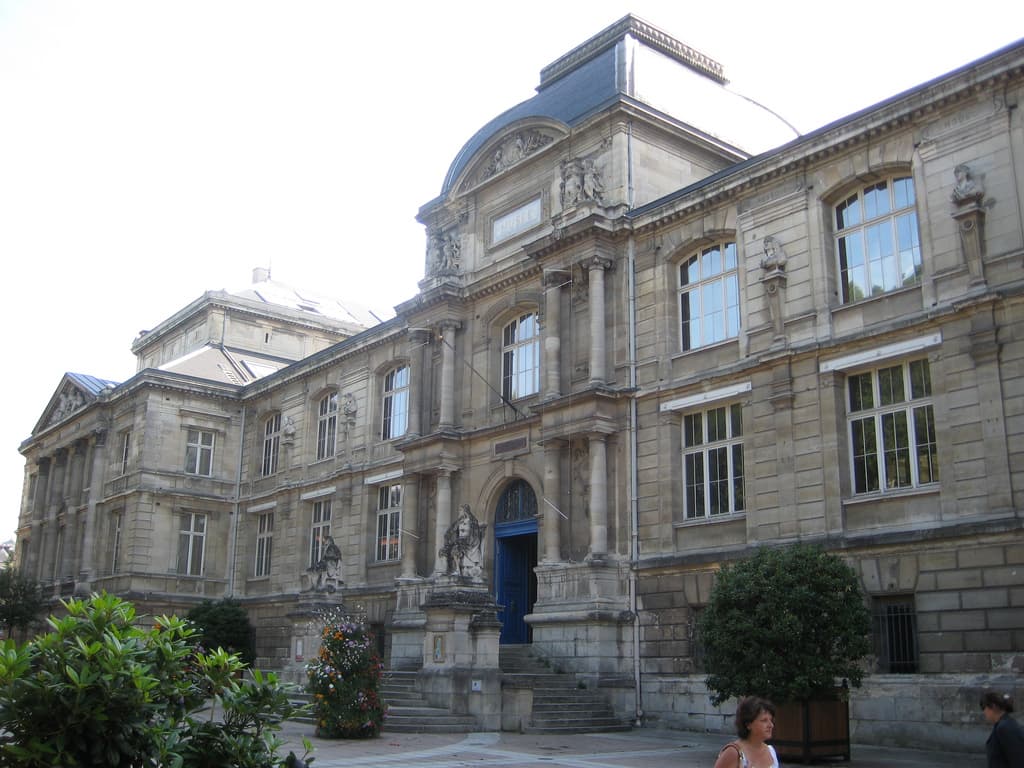
Seine-Maritime stretches from the chalk cliffs of the Alabaster Coast to the Seine valley, with Rouen as its historic capital and Le Havre as its industrial and architectural counterpoint. The Musée des Beaux-Arts de Rouen holds one of France's richest provincial collections, spanning the Renaissance to the twentieth century, while the MuMa Musée d'art moderne André Malraux in Le Havre houses the country's second-largest Impressionist collection outside Paris.
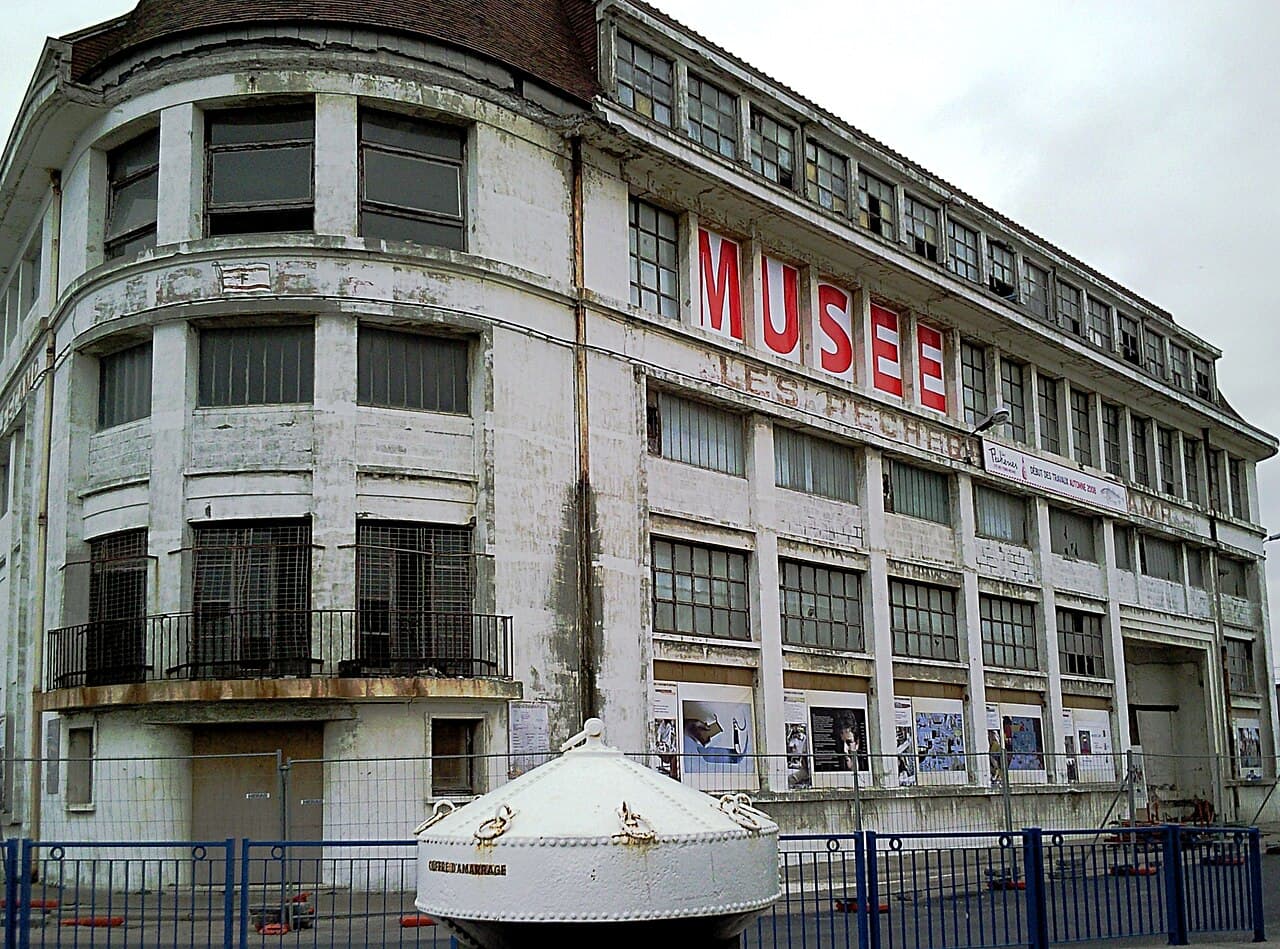
Maritime and industrial heritage runs through the department: the Musée de Fécamp traces the history of cod fishing and Fécamp's port, the MuséoSeine, le musée de la Seine normande - Caux Seine agglo follows the river's navigation history, and the Maison de l'armateur du Havre recreates the daily life of a nineteenth-century shipowner family.
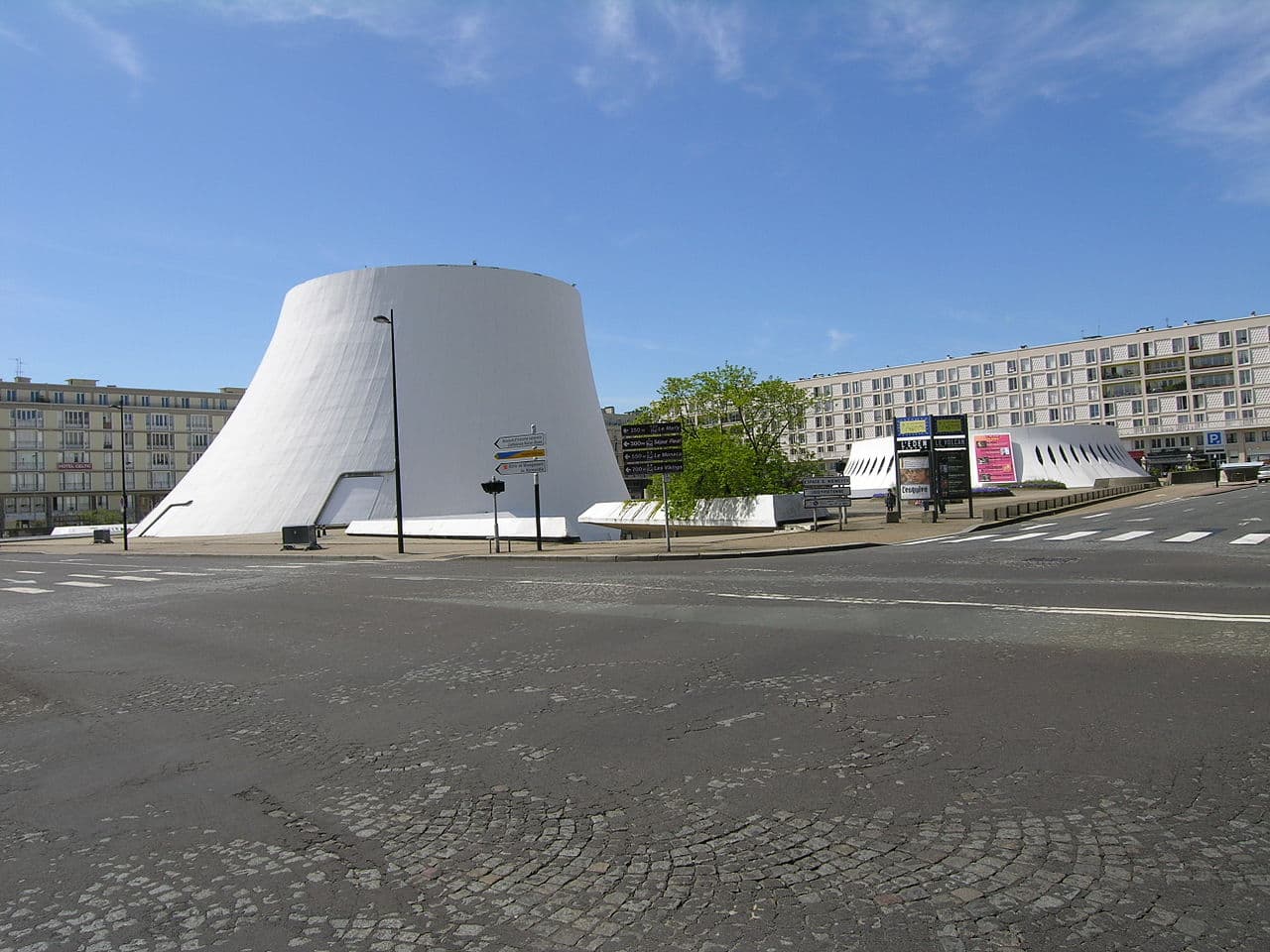
In 2005, UNESCO inscribed Le Havre, la ville reconstruite par Auguste Perret, recognizing the concrete-and-glass city Perret designed after the 1944 bombings as an exceptional example of postwar urban planning.
Museums to discover
42 museums, from major institutions to local collections.
Galleries to discover
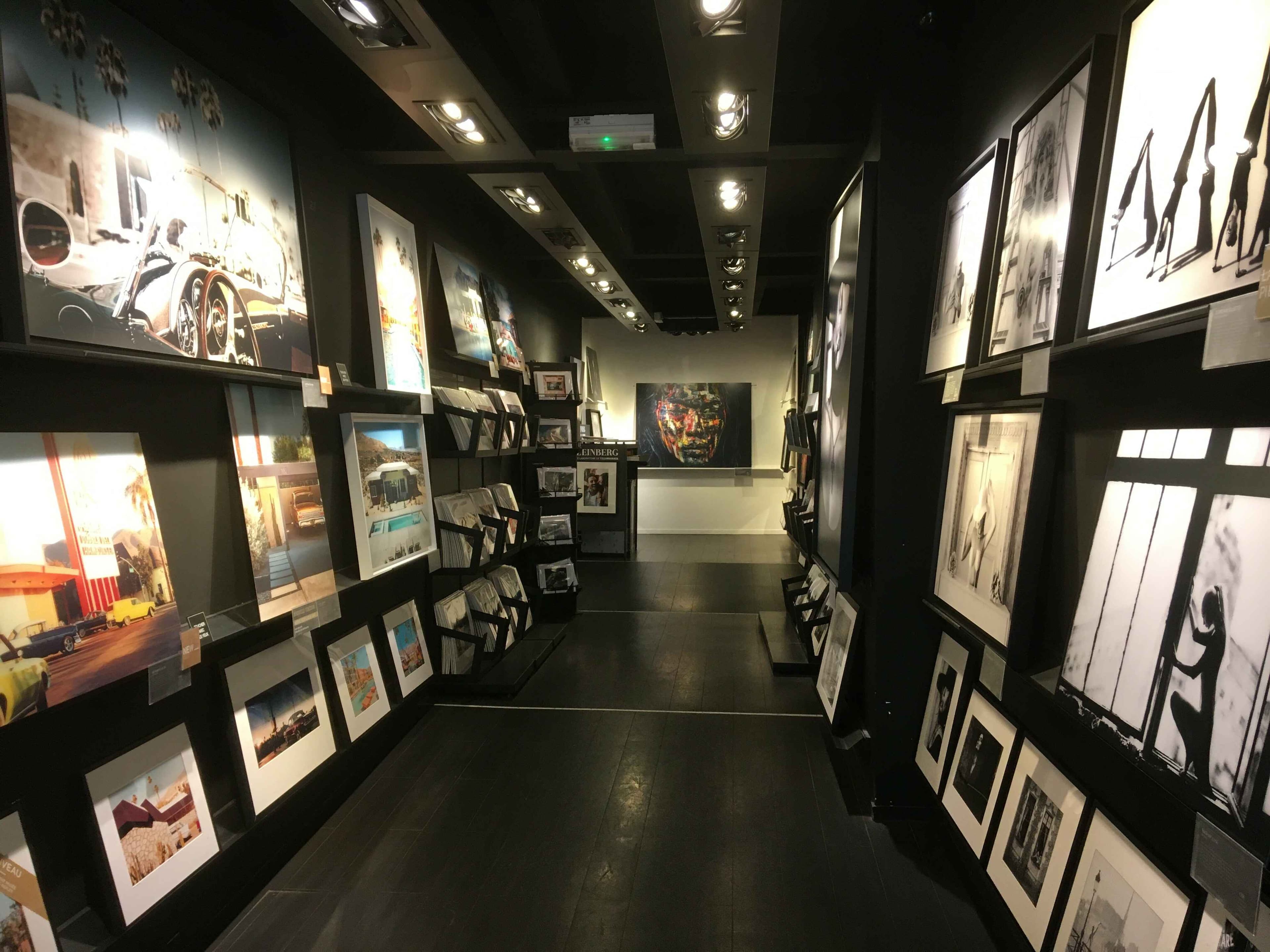
56 contemporary and modern art galleries.






World Heritage & monuments
1 UNESCO World Heritage Sites.
Rouen and Le Havre: Two Cultural Poles
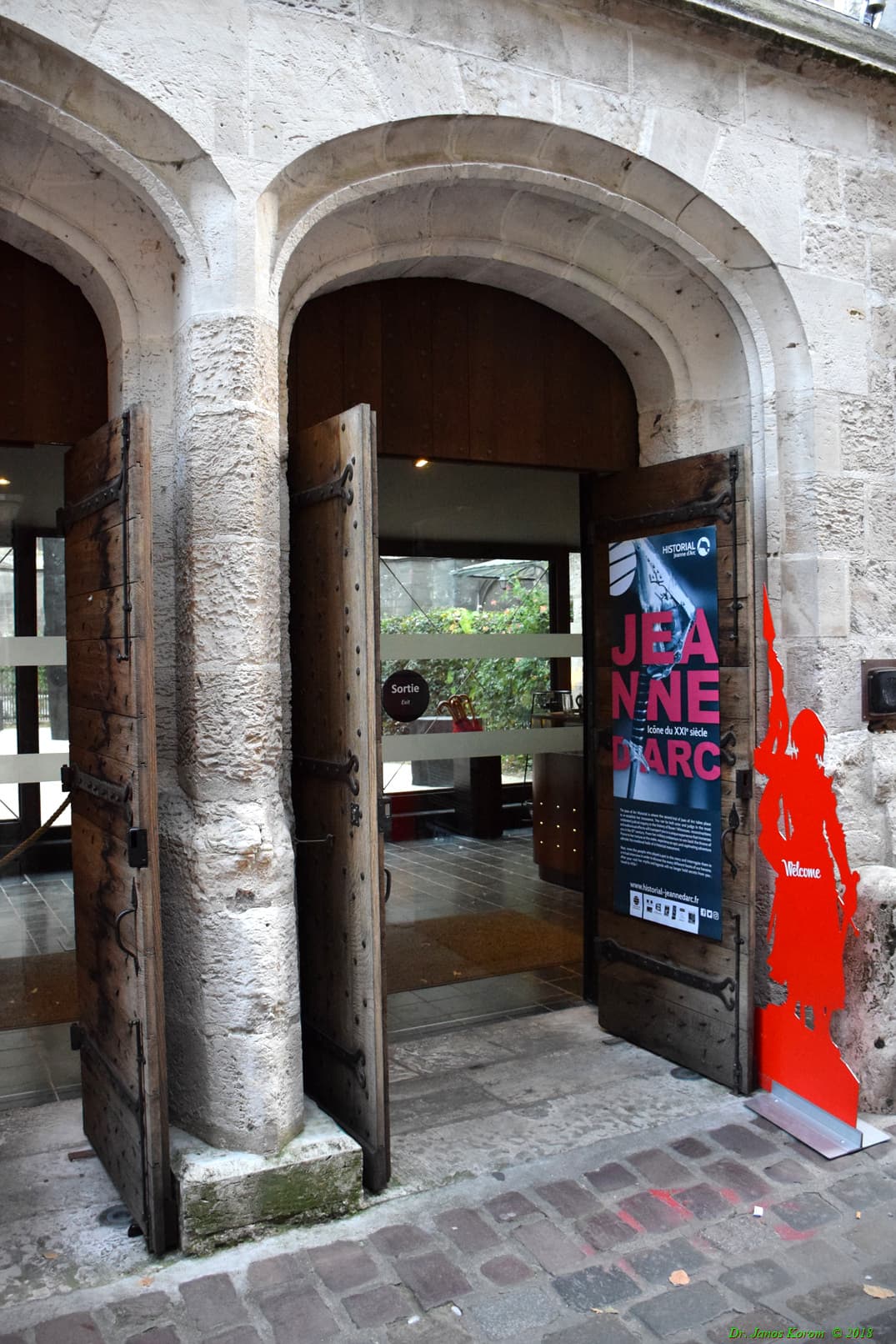
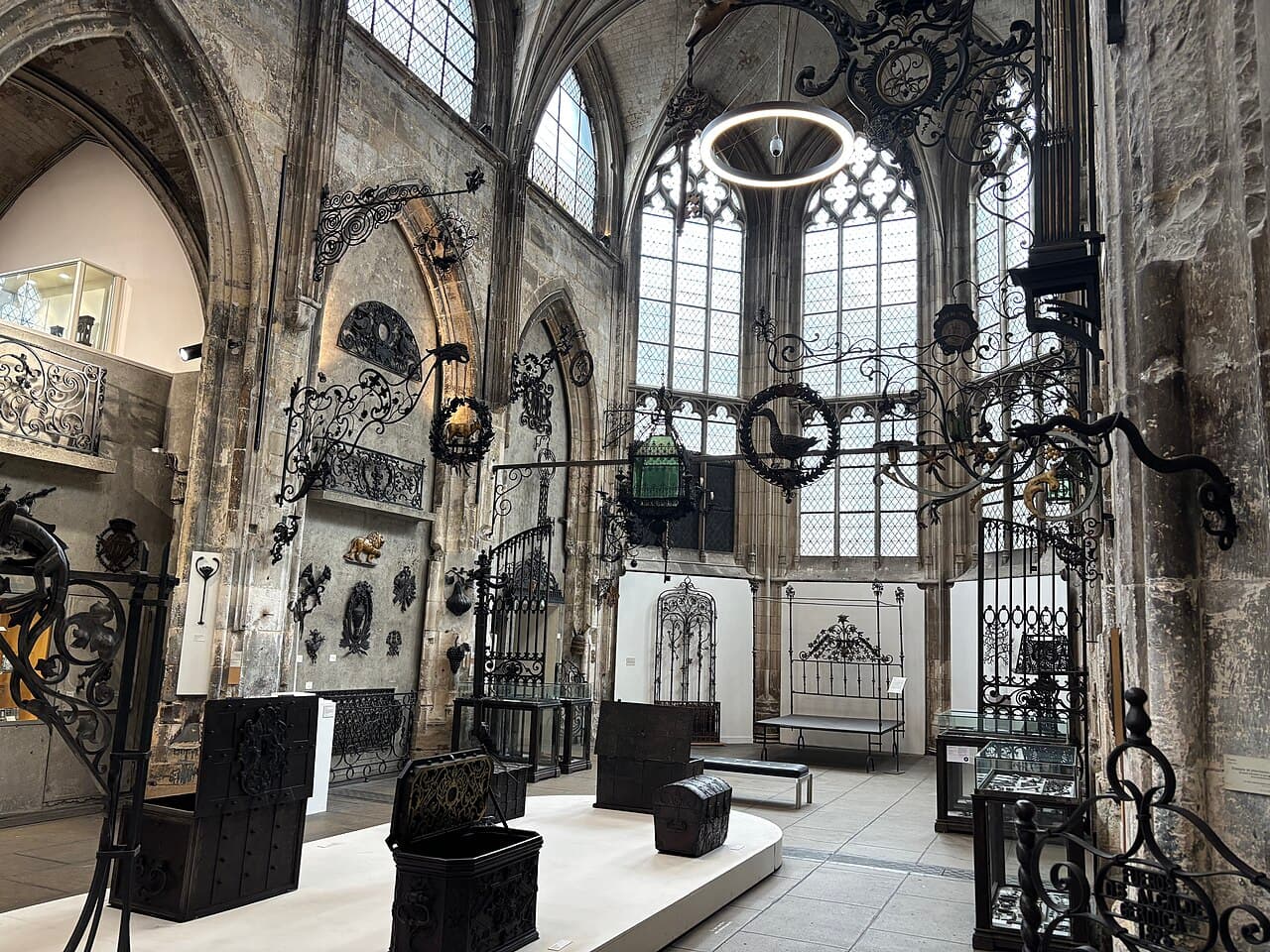
Rouen's historic center concentrates several specialized museums within walking distance: the Musée Le Secq des Tournelles is devoted entirely to wrought ironwork inside a former church, while the Musée de la Céramique - Réunion des Musées Métropolitains (RMM) preserves the city's famed faience tradition. Nearby, the Historial Jeanne d'Arc occupies the former archiepiscopal palace at the foot of the cathedral, retracing the trial and enduring myth of Joan of Arc.
Rouen's contemporary art scene extends beyond its museums, with galleries such as Outsiders Galerie, Hangar 107 - Centre d'Art and La Galerie de Rouen showing regularly rotating exhibitions across the city.
Le Havre, rebuilt on a strict grid by Perret, groups its cultural institutions near the seafront: the Muséum d'histoire naturelle du Havre occupies a former law court, and contemporary art spaces such as Le Portique centre régional d'art contemporain du Havre and La Glacière sit within a short walk of the MuMa.
Literary and Artistic Figures
Seine-Maritime claims strong literary associations: the Musée Victor Hugo in Rives-en-Seine occupies a house linked to the writer's family and retraces his life and work through personal and printed material.
The region's Impressionist connections center on the MuMa Musée d'art moderne André Malraux, whose collection includes works by Monet, Boudin and Dufy, artists who painted the Normandy coastline and its changing light.
Seine-Maritime on the map
Museums, galleries and heritage, at a glance.
99 results
Frequently asked questions
How many days are needed to visit Seine-Maritime's main museums?
A focused visit to Rouen and Le Havre requires at least two to three days: one full day for Rouen's museums (Beaux-Arts, Le Secq des Tournelles, Historial Jeanne d'Arc) and one day for Le Havre's MuMa and natural history museum, with an additional day for Fécamp or Dieppe.
Is the Musée des Beaux-Arts de Rouen free to visit?
Permanent collections are free on the first Sunday of each month; temporary exhibitions usually require a separate ticket. Check current opening times before visiting, as some galleries close on Tuesdays.
What is the best time of year to visit the Alabaster Coast museums?
Late spring through early autumn offers the clearest light for coastal views around Fécamp and Dieppe, though museums operate year-round; summer months bring longer opening hours and more temporary exhibitions.
Why is Le Havre listed as a UNESCO World Heritage Site?
Le Havre was inscribed in 2005 for its post-1944 reconstruction, designed almost entirely by architect Auguste Perret using standardized concrete construction, forming one of the most coherent examples of postwar urban planning in Europe.
Are the museums in Seine-Maritime accessible for visitors with reduced mobility?
Most major institutions, including the Musée des Beaux-Arts de Rouen and the MuMa in Le Havre, offer step-free access and adapted routes; smaller sites such as historic abbeys or fortified castle-museums may have limited accessibility due to their original architecture.
What should not be missed in Rouen in a single day?
Prioritize the Musée des Beaux-Arts de Rouen for its painting collection, the Historial Jeanne d'Arc for its multimedia staging inside the archiepiscopal palace, and the Musée Le Secq des Tournelles for its unusual ironwork collection housed in a deconsecrated church.