2 museums · 4 galleries
Creuse: Art, Tapestry and the Legacy of Monet in Rural France
Explore museums, galleries and heritage sites in Creuse, in Nouvelle-Aquitaine.
A Rural Department with a Singular Artistic Identity
Creuse is a sparsely populated, largely rural department in Nouvelle-Aquitaine, known less for grand monuments than for two distinct artistic legacies: the weaving workshops of Aubusson and the riverside village of Fresselines, where Claude Monet painted a celebrated series of canvases in the early 1890s.
Unlike more heavily touristed parts of France, Creuse has no UNESCO World Heritage sites, and its cultural offer is concentrated rather than sprawling: a handful of well-curated museums and galleries carry the weight of the department's artistic reputation, making it a destination best explored slowly and deliberately.
Cities & region
Museums to discover
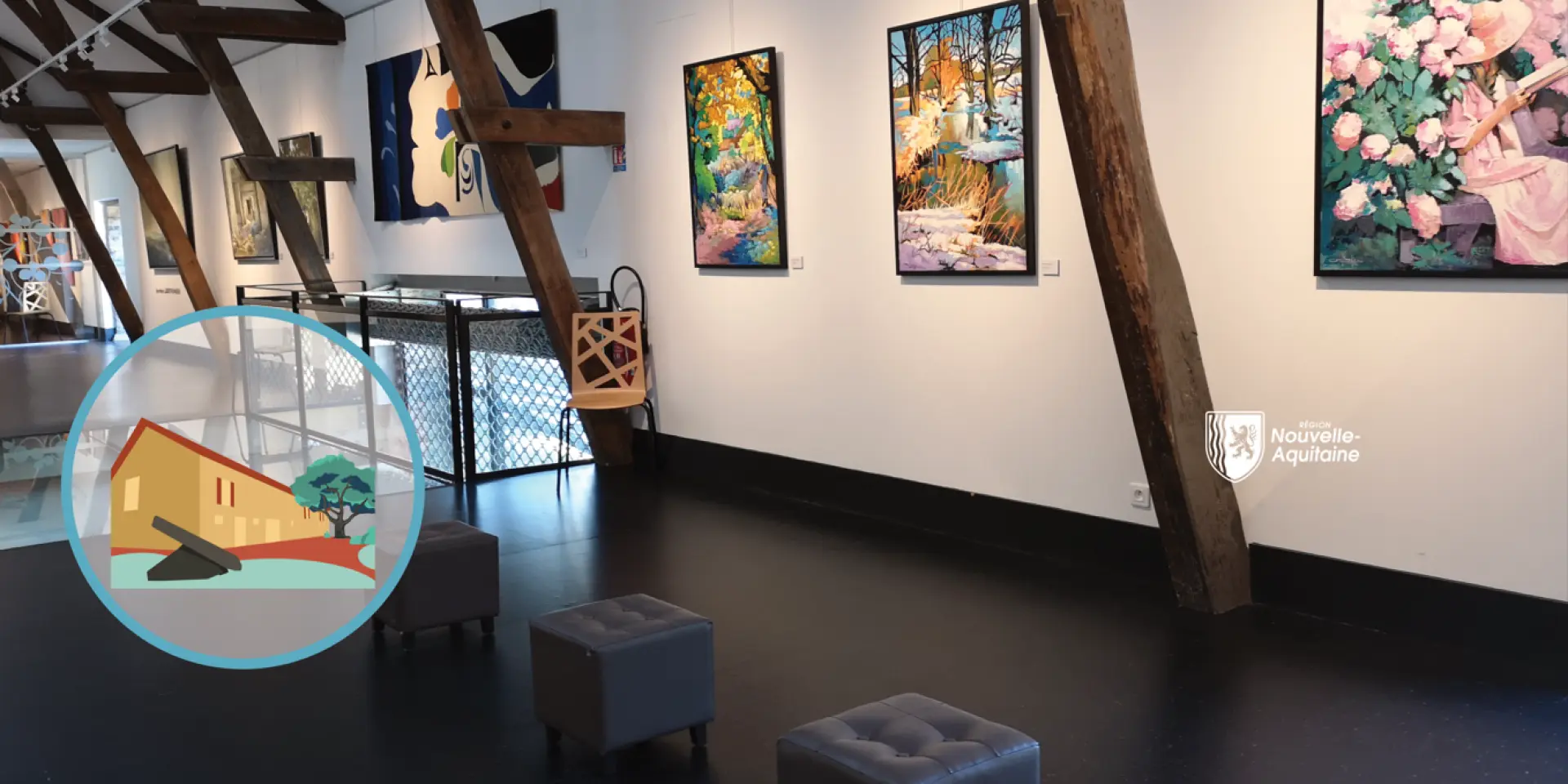
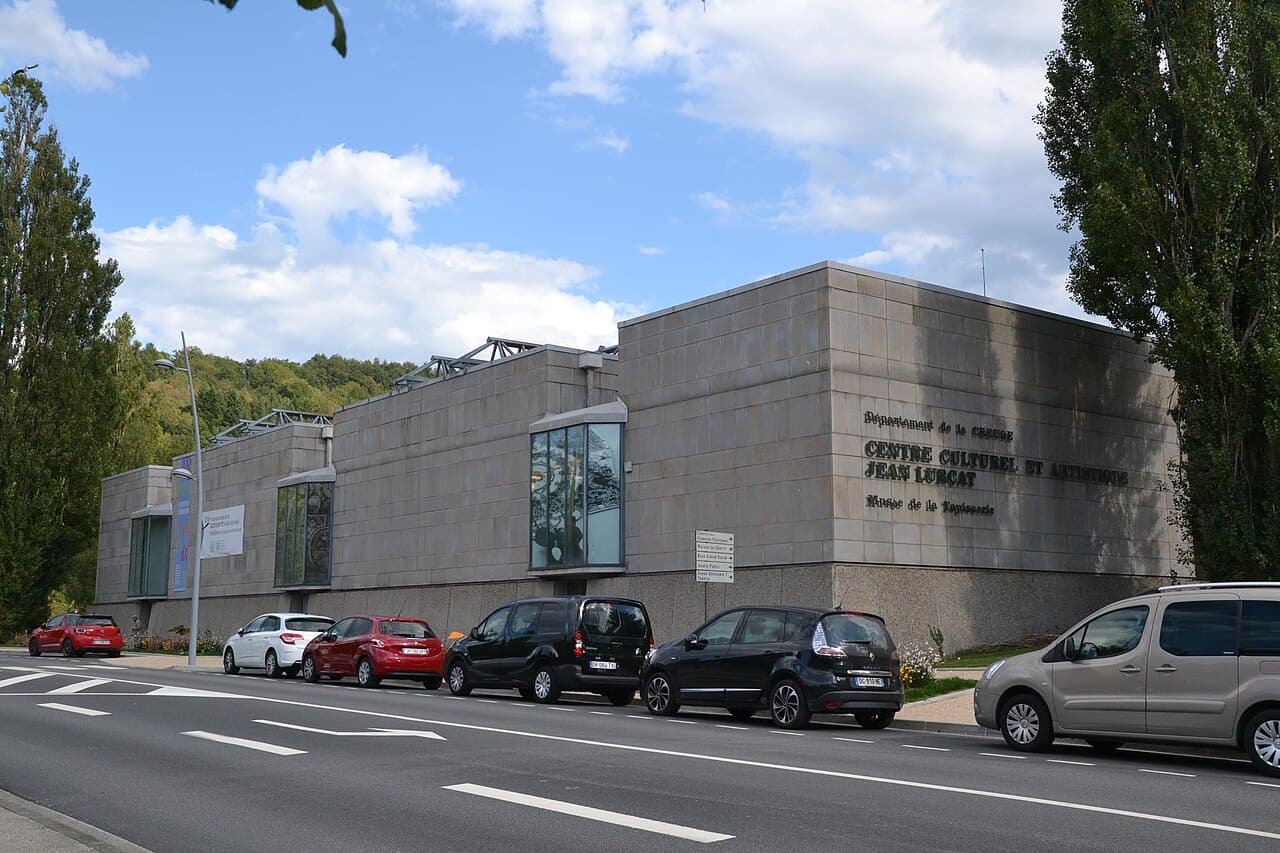
2 museums, from major institutions to local collections.
Galleries to discover
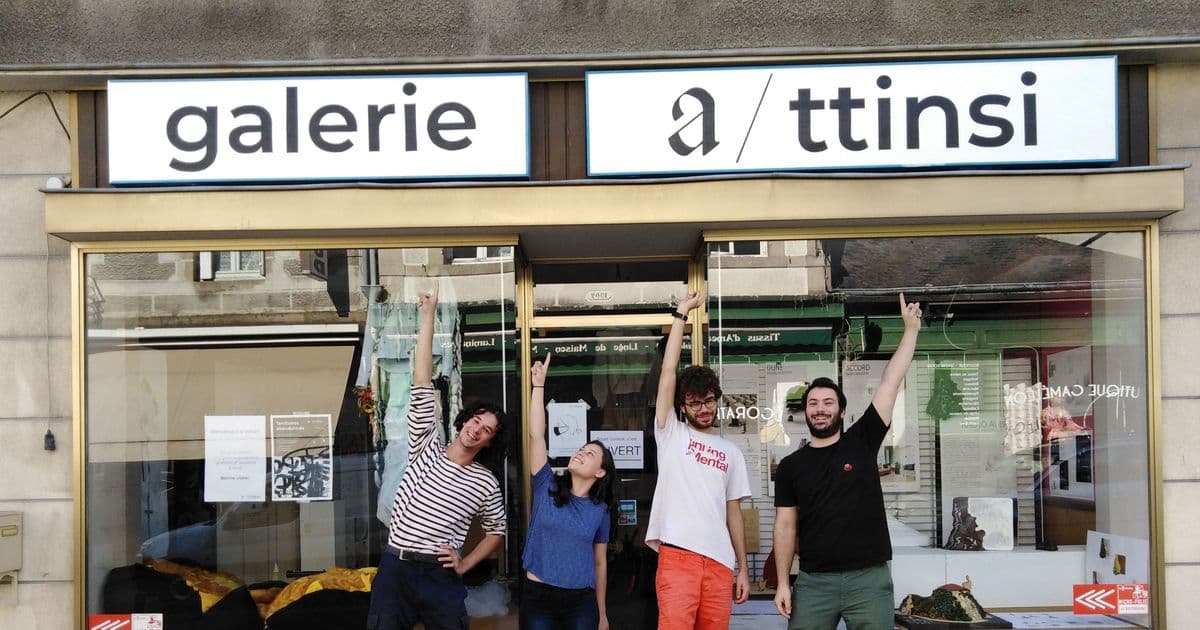
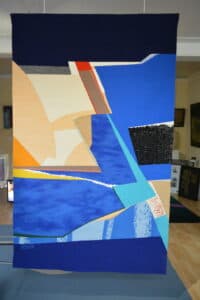
4 contemporary and modern art galleries.


Beyond Aubusson: Guéret and La Souterraine
Guéret, the departmental capital, hosts the Pôle Arts Plastiques (PAP), a contemporary art space that gives Creuse a foothold in current visual art practice alongside its historic crafts.
La Souterraine, in the west of the department, is home to the Galerie Attinsi, while the town of Tardes hosts Leclère (KDXS) Christine, both independent spaces that broaden the department's gallery scene beyond its museum institutions.
Monet and the Confluence of the Two Creuses
In 1889, Claude Monet spent several weeks near Fresselines, drawn by the dramatic confluence of the Petite Creuse and Grande Creuse rivers. He returned the following year to complete a series of paintings capturing the gorge under changing light, a body of work now dispersed among major international collections.
The Espace Monet Rollinat in Fresselines retraces this episode, situating Monet's work alongside that of the poet Maurice Rollinat, who lived in the village and shared the painter's fascination with its wild scenery. The center sits at the very confluence that inspired the paintings, allowing visitors to compare the landscape directly with its painted counterpart.
Creuse on the map
Museums, galleries and heritage, at a glance.
6 results
Frequently asked questions
How much time should I plan for visiting the Musée départemental de la tapisserie in Aubusson?
Allow at least two hours to see the permanent tapestry collections and rotating exhibitions; enthusiasts of textile art often spend half a day.
Is it possible to see the exact landscape Monet painted in Fresselines?
Yes. The confluence of the Petite Creuse and Grande Creuse, which Monet painted in 1889 and 1890, is a short walk from the Espace Monet Rollinat.
What is the best time of year to visit Creuse for its cultural sites?
Late spring through early autumn offers the most reliable access, with longer opening hours at museums and better conditions for walking to the Fresselines confluence.
Are the galleries in La Souterraine and Tardes open to casual visitors?
Both Galerie Attinsi and Leclère (KDXS) Christine welcome visitors, though hours can be limited outside peak season, so checking ahead is advisable.
Does Creuse have any UNESCO World Heritage sites?
No physical UNESCO sites are located in Creuse, though Aubusson's tapestry weaving tradition is recognized by UNESCO as an Intangible Cultural Heritage practice.
Can I see contemporary art in Creuse, or is it mainly historical?
Both. The Pôle Arts Plastiques (PAP) in Guéret focuses on contemporary work, complementing the historical focus of the tapestry and Monet museums.